


TOSIN OSHINOWO
ICON OF TODAY
Tosin Oshinowo is a Lagos-based Nigerian architect, curator, and the founder of Oshinowo Studio established in 2013. Her work is renowned for its socially responsive approach to architecture, design, and urbanism. Oshinowo’s notable projects include a collaboration with the United Nations Development Programme to rebuild a community in northern Nigeria displaced by Boko Haram and the Maryland Mall in Lagos. Her designs often blend traditional African elements with modern architectural practices, emphasising sustainability and cultural relevance.
Step inside Tosin's world through the interview below.
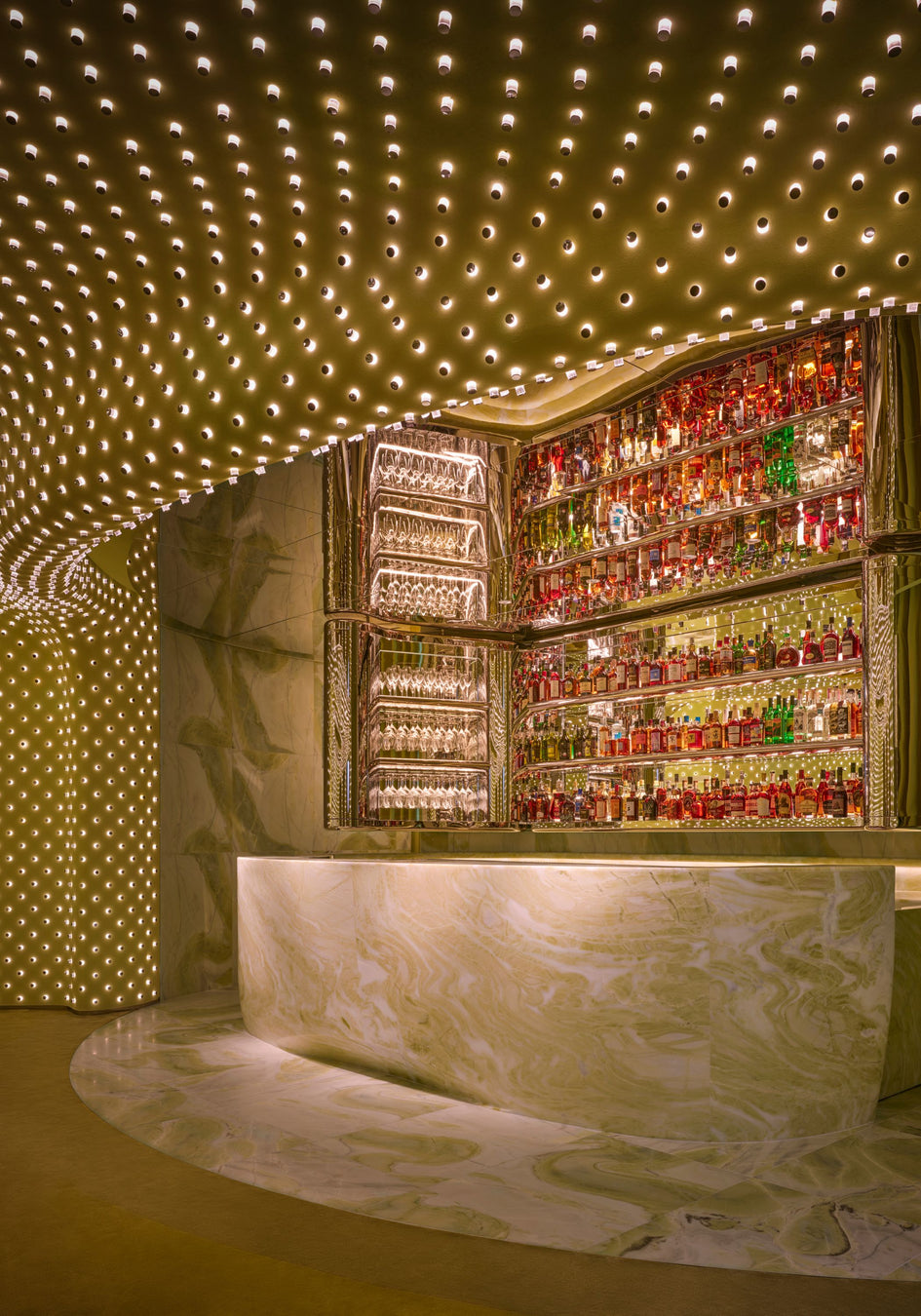
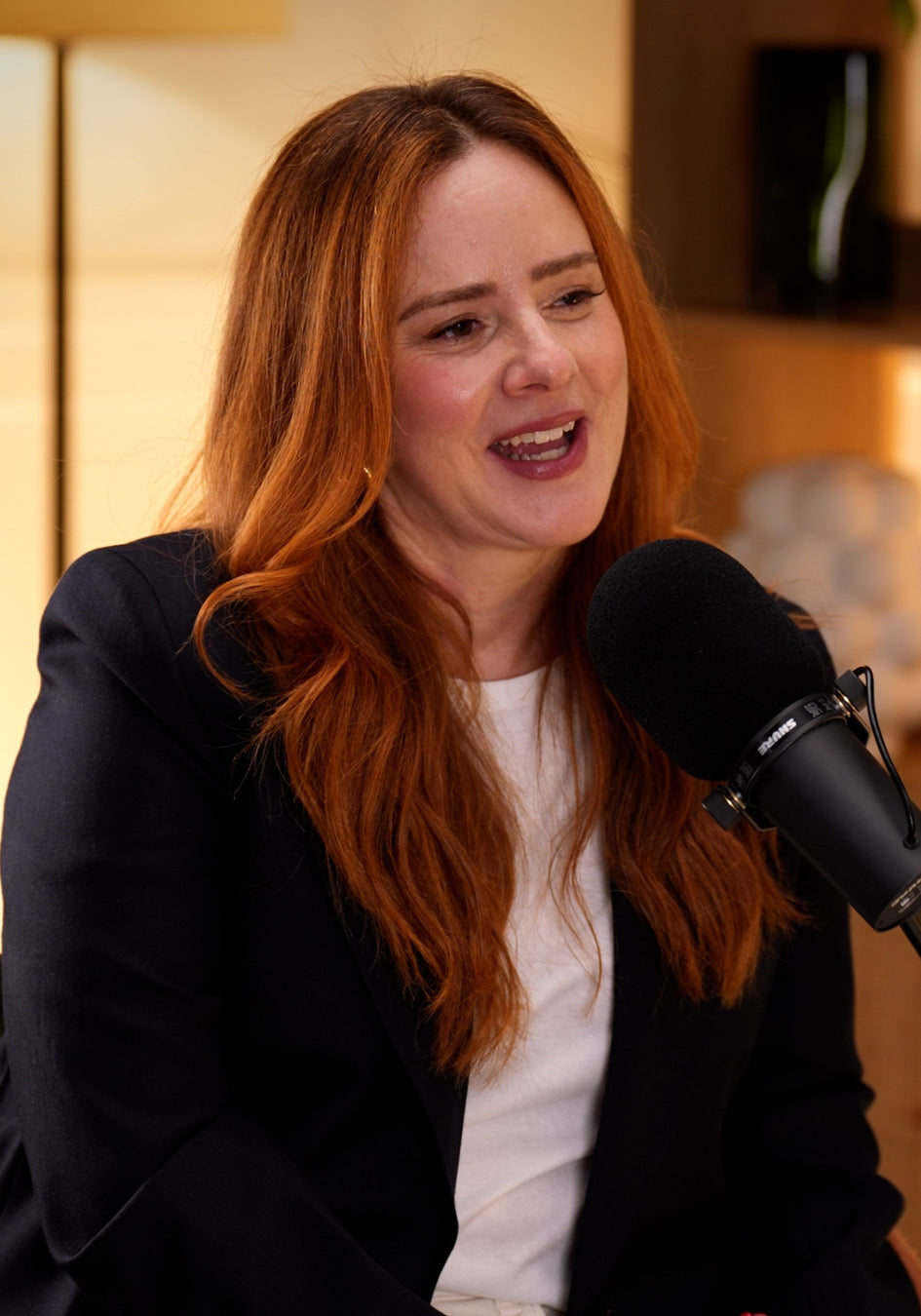
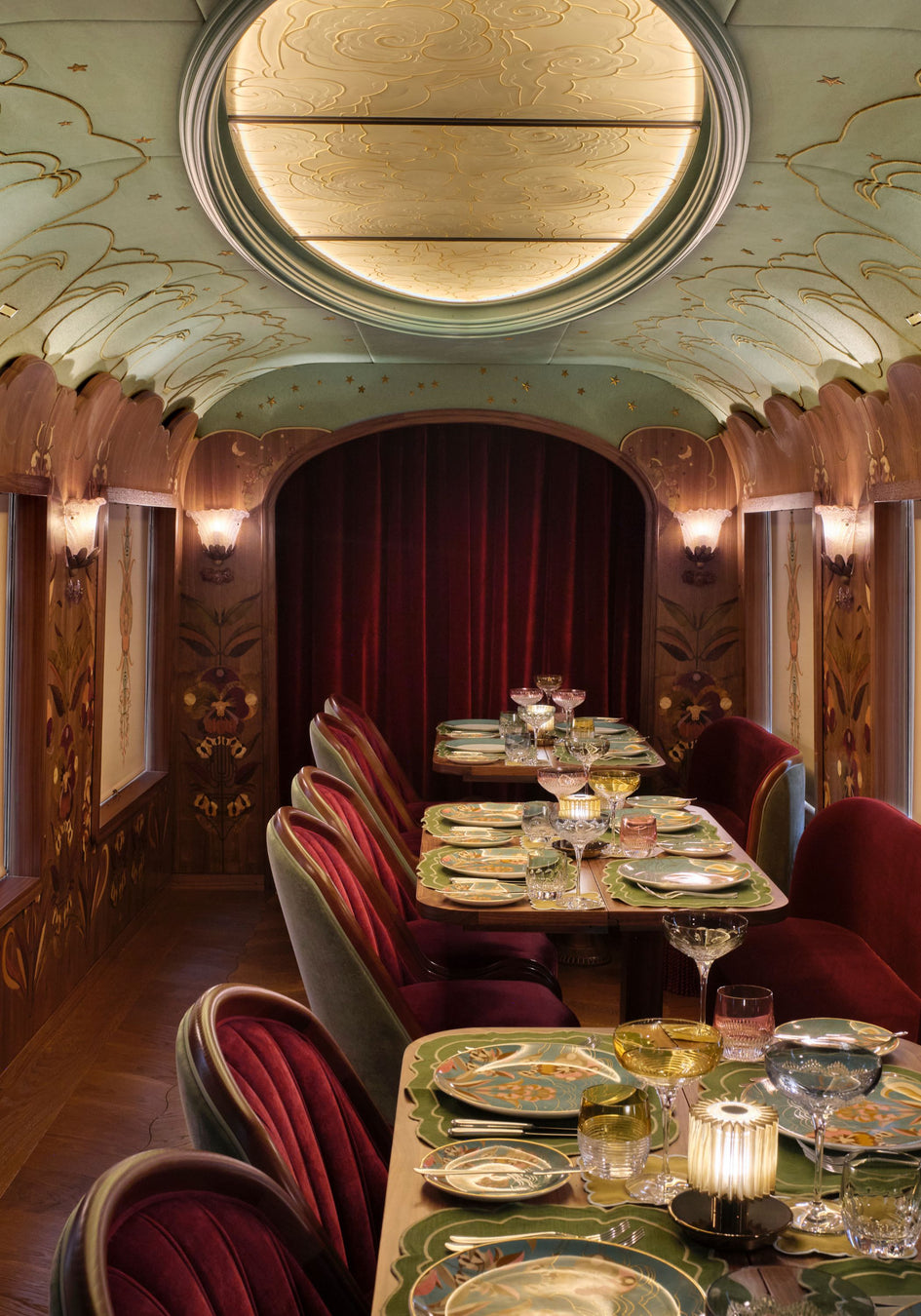
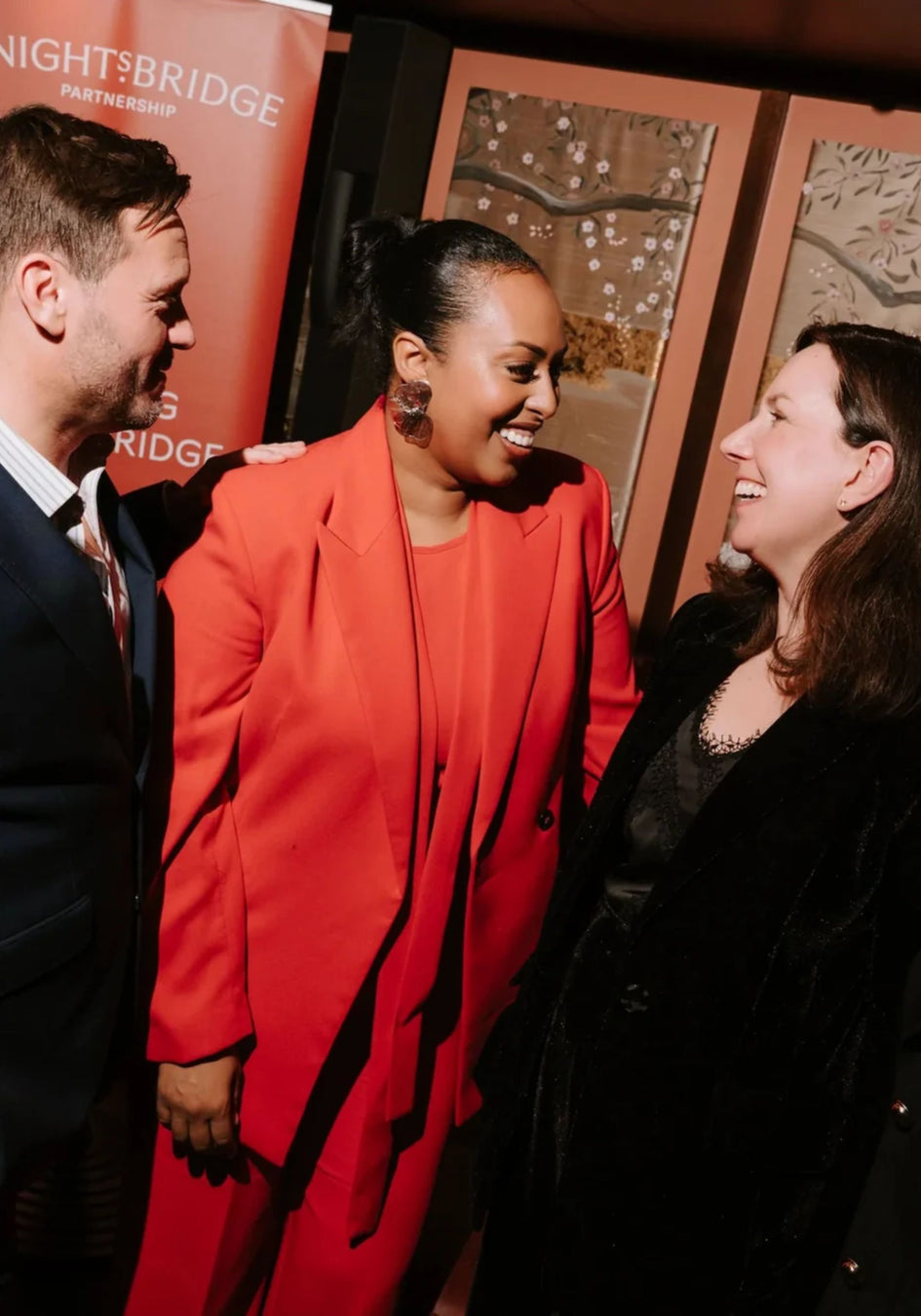
Photo by Spark Creative

Photo by Emmanuel Oyeleke
Q: Tosin, we celebrate you as an OLISE Icon of today, for being one of the most importantvoices shaping contemporary African architecture. How would you describe your journey as anarchitect so far?
It has been challenging with rewards, and I have greatly enjoyed the journey so far. My practice is rooted in architecture, but it also extends into art, design, and curation. I am deeply interested in how culture, tradition, and modernity intersect, and how design can both respond to contemporary realities and remain in dialogue with history. Sustainability, identity, and creating work that is meaningful to people and their environment are at the heart of everything I do.

Photo by Mark Cocksedge
Q: Much of your work is rooted in exploring identity and heritage within a modern context. What drives your commitment to embedding African narratives into contemporary spaces?
My drive stems from a craving to revisit familiar references from my background while studyingarchitecture. Back then, it was challenging to find contemporary design references from the African Continent. It began with the initial question,‘What is an African building?’ as there weremany traditional/ historic references, but not as many contemporary narratives. I am aware thatI am part of creating these now.
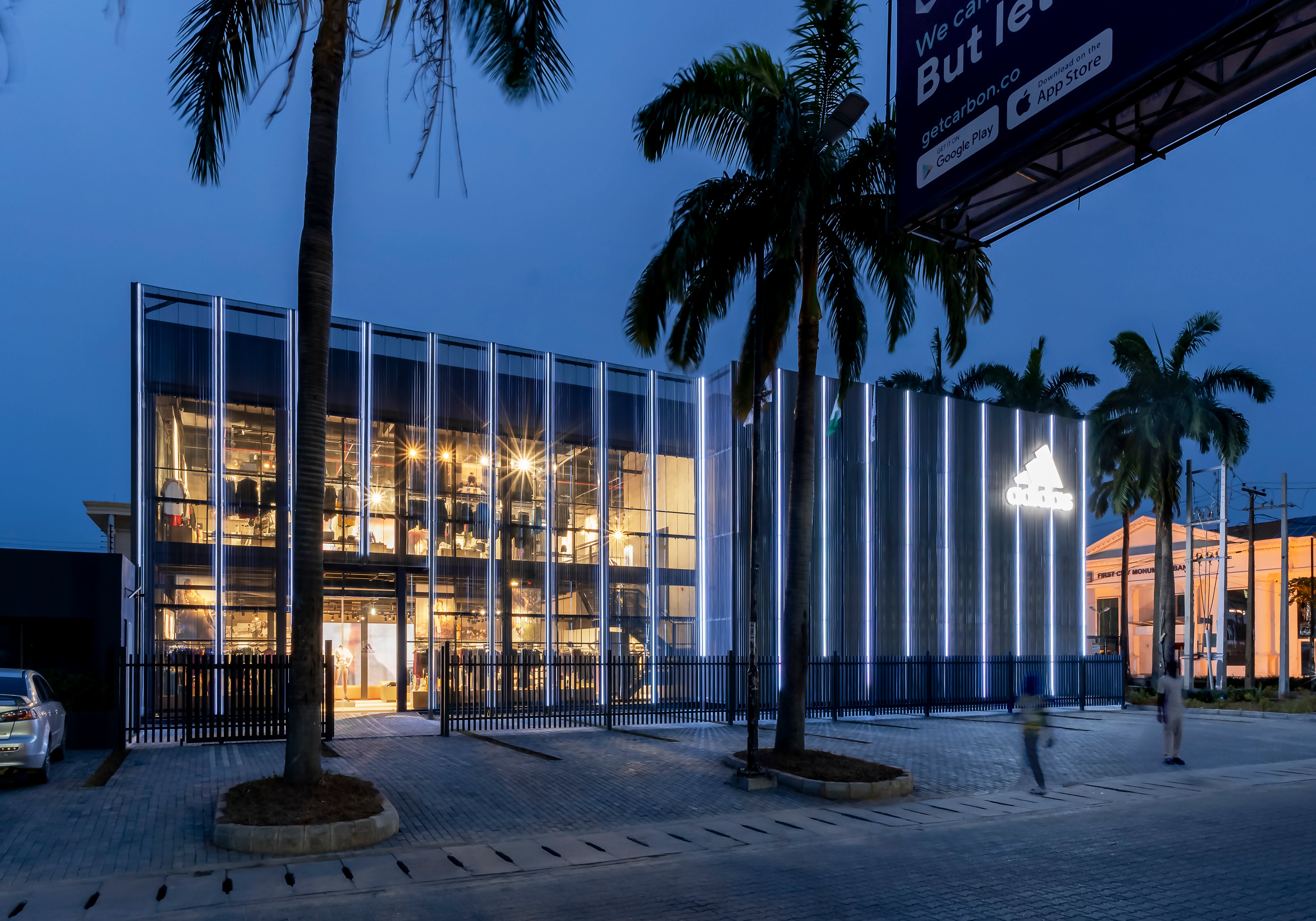
Photo by Tolu Sanusi
Q: Lagos is a city of energy, contrasts, and constant reinvention. How has growing up and working there influenced your architectural language?
The city of Lagos requires an attitude of constant negotiation. There is no status quo; everything is and can be in a state of continual flux. To survive and thrive, a fluid mindset is necessary that is comfortable with adaptability. In my case, the duality of a Western architecture education and the living experiences of this city has given me a unique sensibility that enables me to appreciate both the challenges and the opportunities that can be found here. In essence, my architectural language is a hybrid of the duality of my experiences.
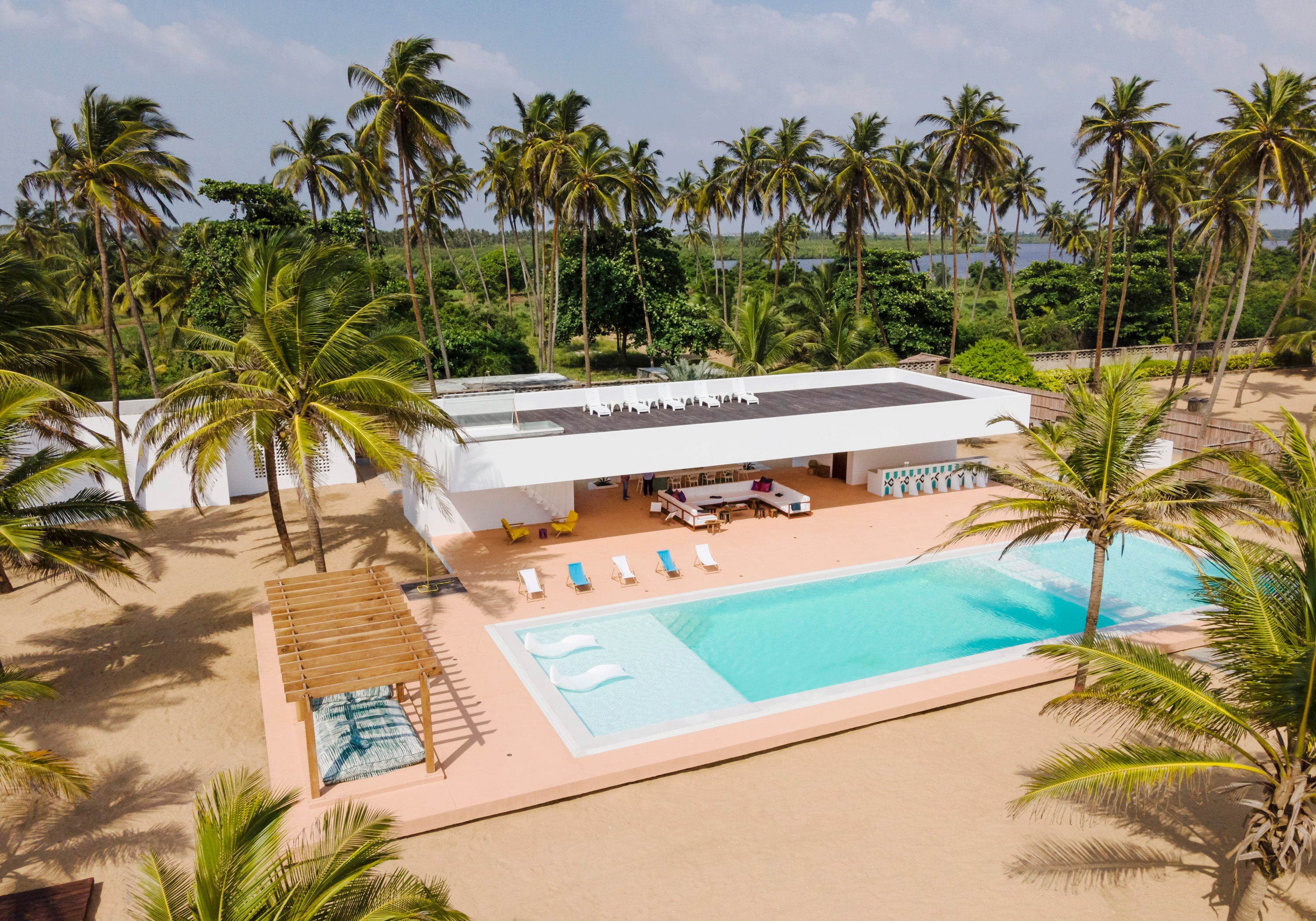
Photo by Tolu Sanusi
Q: From residential projects to cultural landmarks, your portfolio is diverse. Which project do you feel most powerfully captures your philosophy, and why?
My portfolio breadth is extreme; it is difficult to pinpoint which particular projects capture my philosophy. My work responds conceptually and practically to their locations and the brief, and we work consciously with the materiality of place, as well as the experience of space and natural light.
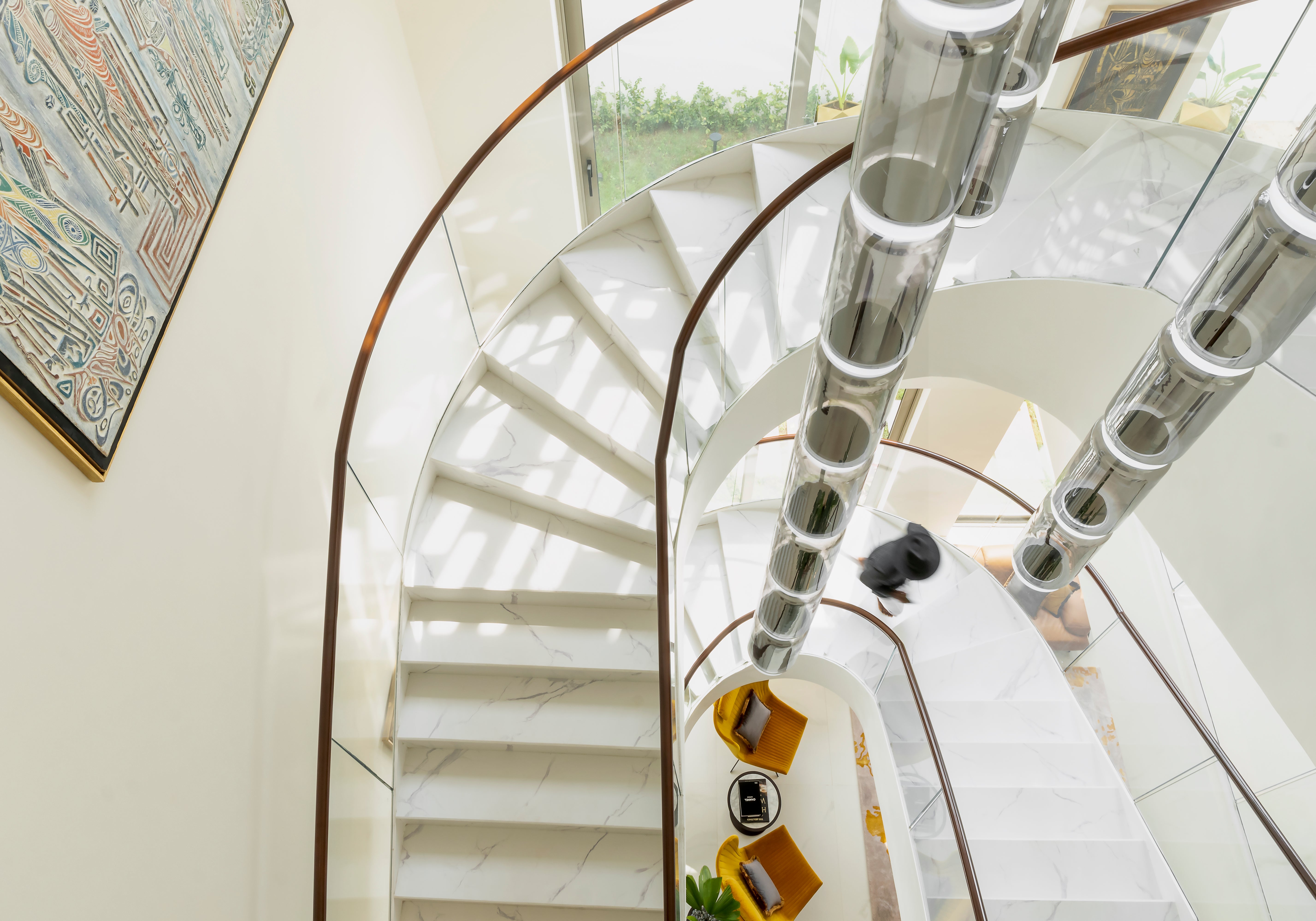
Photo by Tolu Sanusi
Q: You’ve spoken about designing for the culture. Could you expand on what that means for you, and how it shapes both the process and the outcome of your work?
Colonialism, as an external force, has significantly influenced our cultural narrative, albeit not necessarily negatively. We have entered modernity not through evolution, but rather through external influences. I have emerged as a mascot; however, I never set out to champion architecture and design for West Africa or the continent, but it is the case. This is a movement with many voices of excellence, all showcasing the possibilities of what can be achieved and maximising their potential. The work being produced now will become the reference for another generation of designers; it is a process of growth and development.
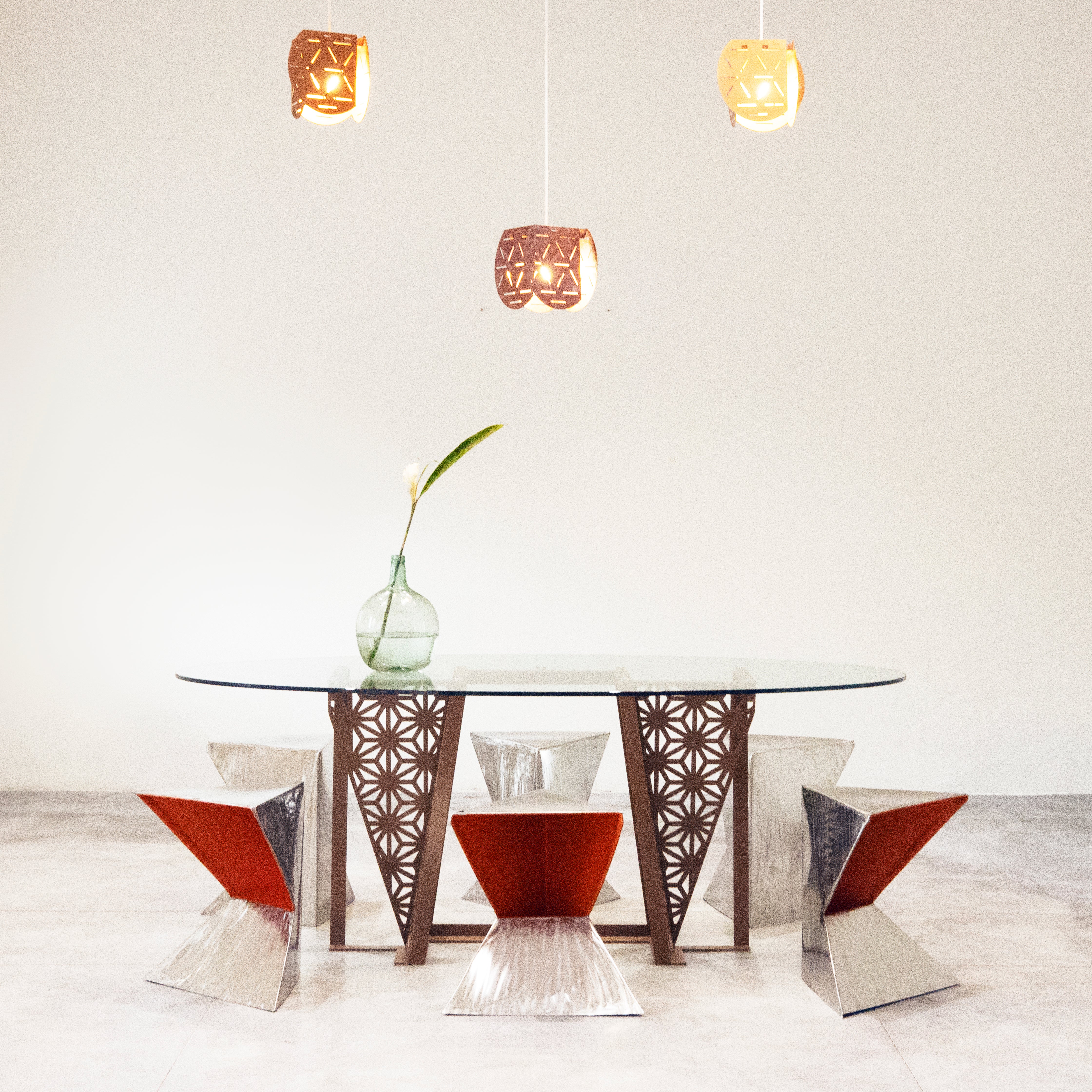
Q: Many emerging African designers see you as a role model. What advice would you give to the next generation of architects trying to carve their own paths?
Be clear from the beginning what your values are and remain driven by them. A legacy of sustainability drives me.
Photo by Emmanuel Oyeleke
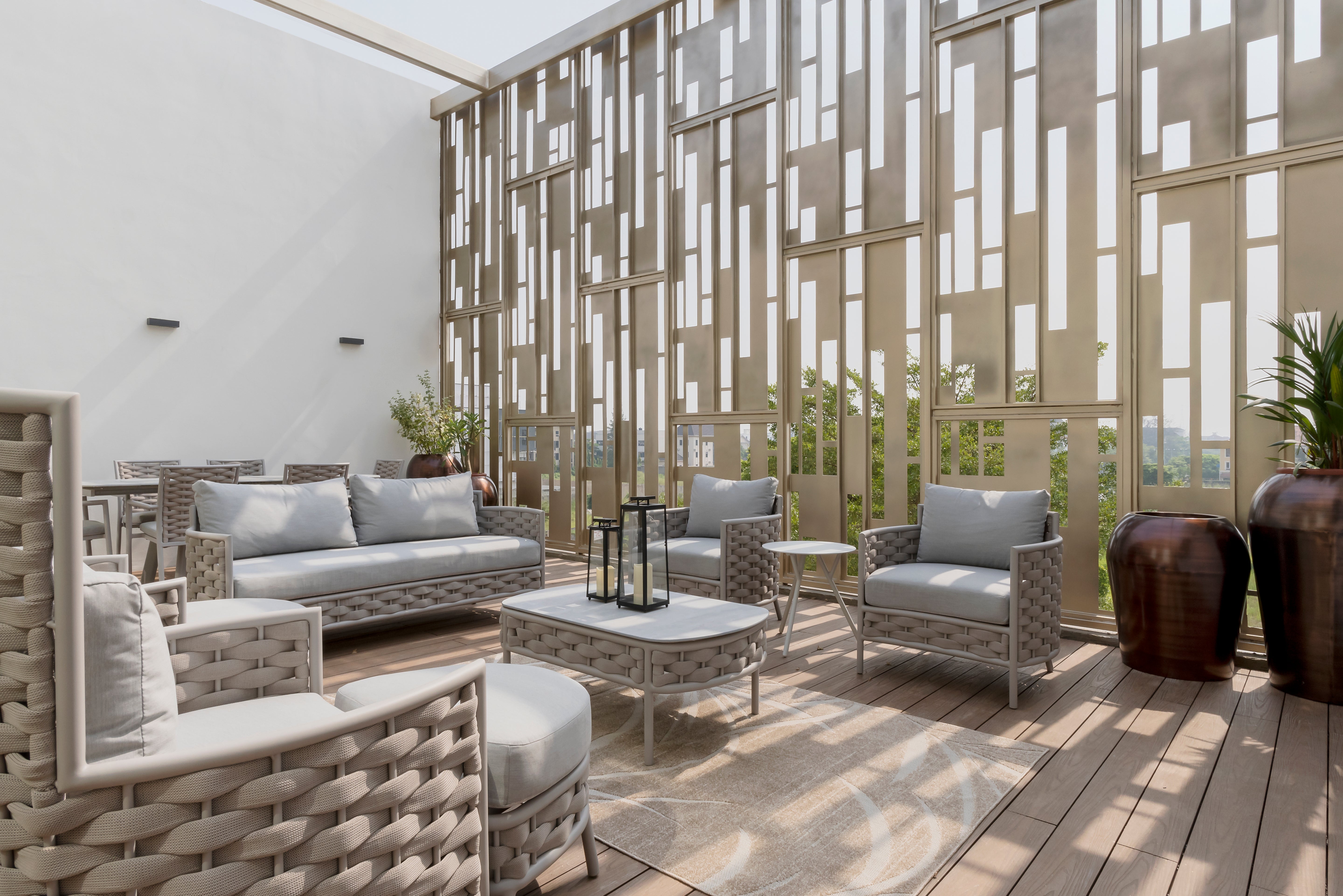
Photo by Tolu Sanusi
Looking ahead, what do you hope your legacy as an architect and creative force will be, bothwithin Africa and on the global stage?
I aim to leave a lasting legacy of sustainable value, contributing positively to my environmentthrough buildings and projects that endure and serve. I want to have added value to humanity’s consciousness, reminding us that we all need to live more harmoniously with ecology and todesign in ways that protect and enrich the world for future generations
MEET MORE ICONS OF TODAY


