
The Making of OLISE: No Permission Needed
EXPERTS
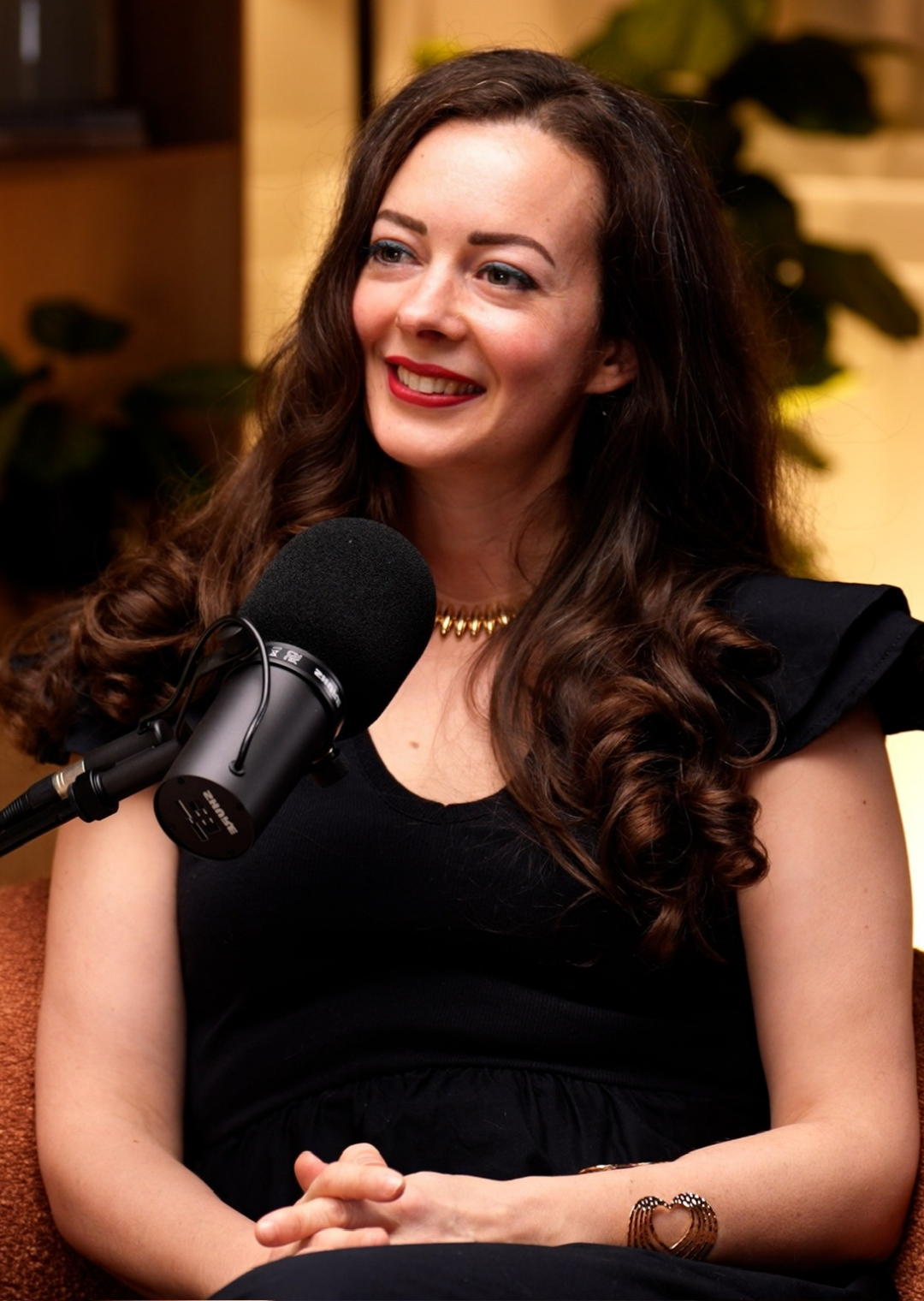
Our founder Annie White shares her journey from working at Dior and LVMH to building one of the UK’s most distinctive design media platforms. From navigating high-pressure fashion shows and global roles to launching OLISE without permission, Annie speaks openly about ambition, resilience, leadership, and staying true to your creative vision.
Q: Tell us the Dior story, how did that opportunity happen?
I had big ambitions and as a student it was very clear in my mind that I was going to be the CEO of LVMH! I knew I needed to work inside the group, so I got obsessed with brand experience through retail for my dissertation. I was interviewing people and asking about valuing brands as intangible assets.
Someone gave me the name and phone number of a man connected to LVMH acquisitions, this was before LinkedIn, before social media. I called him every day for weeks. He never answered. Then one Sunday night at 9pm, he finally picked up. He was on a yacht in the Bahamas. He answered my questions! Two weeks later, I turned up at his office in Mayfair. He asked what I wanted, and I said, “I want a job.” He said he wouldn’t give me one, and I said, “Not with you, in marketing at LVMH.”
That was my way in, then came the interviews and the official process.
Q: And your time at Dior, what did that look like?
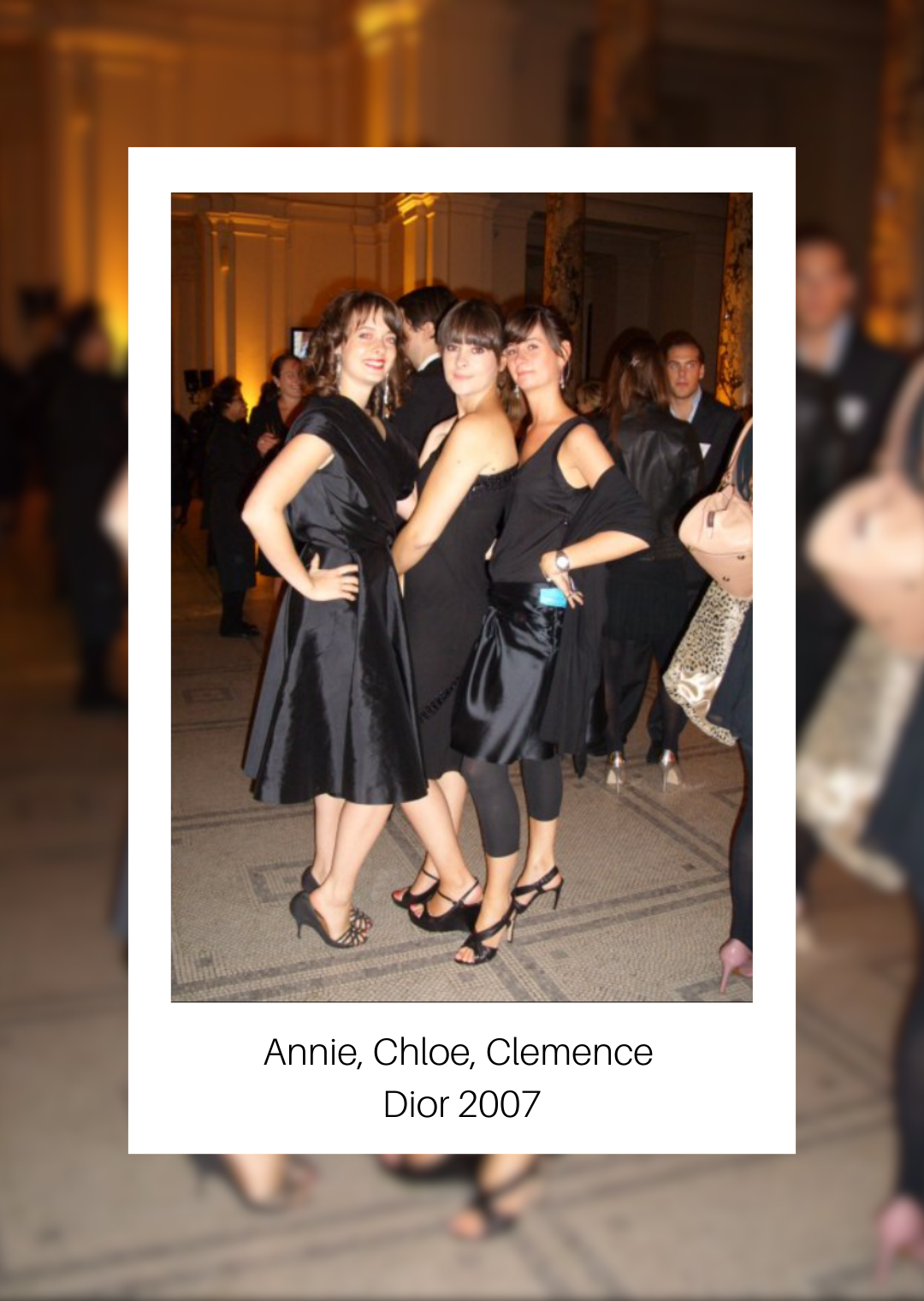
I started in London in marketing, then transferred to New York and ran the accessories department in the 57th Street store. Then I came back to London and worked in retail, but I wanted to take the retail experience and switch back into marketing.
Q: You even turned down Louis Vuitton at one point, right?
I did. They offered me a management role at Selfridges, but I knew it would pull me further into retail, and I was focused on getting back into marketing. Later, a global marketing role came up at Thomas Pink (still within LVMH). That was the right move, but it took six months of holding my nerve.
Q: Give us one fashion story, the real behind-the-scenes chaos.
We were doing a huge catwalk show at the Natural History Museum, with the Diplodocus in the middle. On the morning of the show, someone from Paris called screaming: the models had been stopped at customs because their visas weren’t right.I was told to find 15 models in two hours. I called every agency, made them walk up and down our tiny office, and by the time the Paris team arrived, I had 15–20 models ready to choose from. Total madness.
Q: And the show itself?
Dressing models backstage is one of the most stressful things you can do. You’ve got around 90 seconds for a full change, and if you miss your slot, you break the whole story of the show. At one point, a zip broke halfway up a dress. I was trying to stitch a couture dress while everyone was shouting and the model had to go on. That level of pressure and drama was normal in that world.

Q: How did you handle the stress in those moments?
In that moment, there’s no room to fail. You don’t go and cry in a corner, you just hold it together and you get it done.When I left fashion, everything else felt easier because I thought that kind of intensity was just the standard way of working. It gave me a strong foundation in problem-solving, stress, and dealing with personalities.
Q: So why did you move into the interiors world?
I think I got bored. Fashion is repetitive and seasonal. Then we bought our house and I decorated it, and I realised how much I loved it, especially lighting! Marketing is a transferable skill set so if you understand the luxury consumer it doesn't really matter if the product or industry is different. Learning the B2B market was new, but I decided to make the switch and started as Marketing Director at a high-end furniture company a few years back.
Q: You’ve worked in Senior Leadership roles for a long time and often the only woman in the board room. What has that been like?
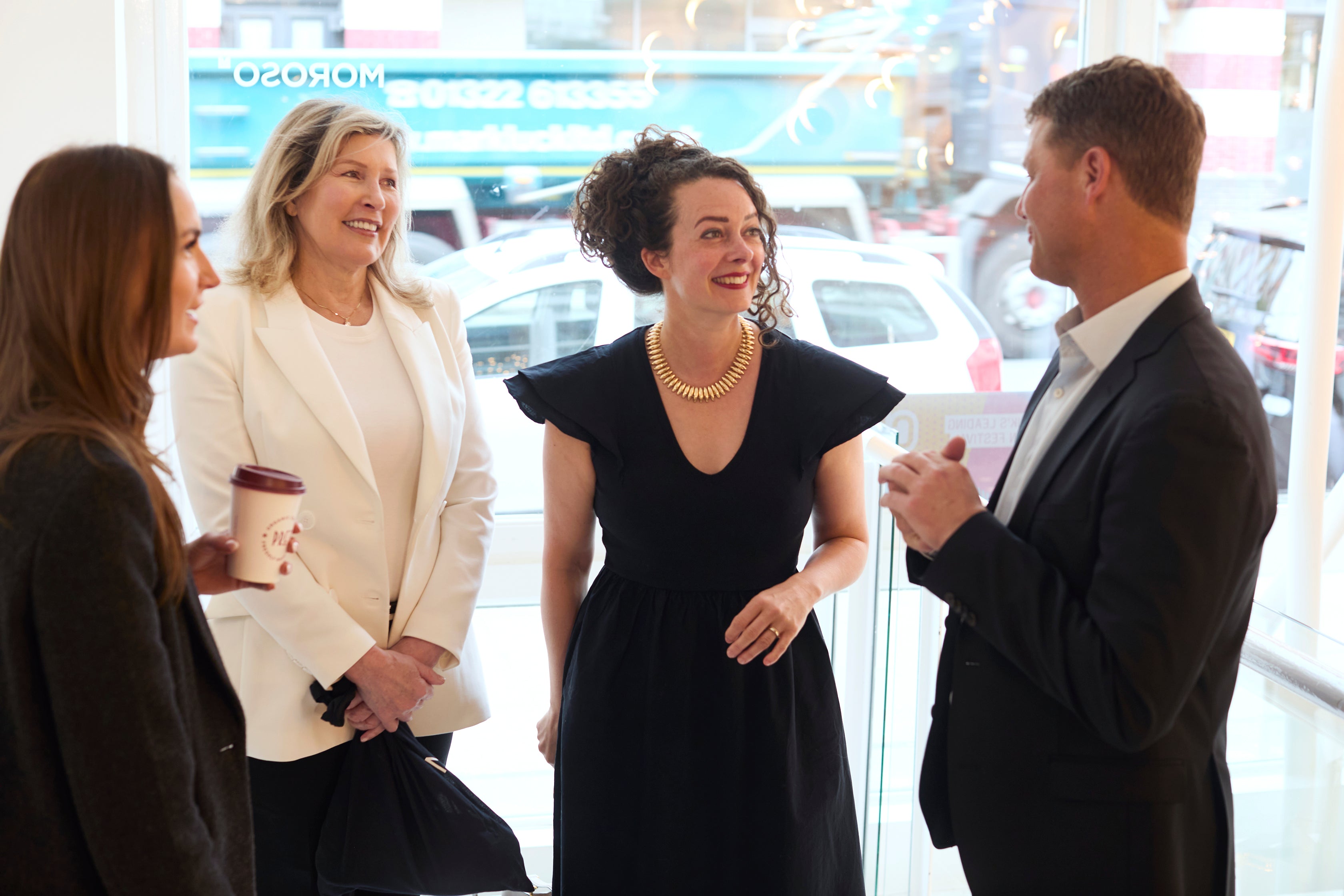
I genuinely feel like I’m at the table through merit, and I’ve never doubted my right to be there. I’m not intimidated by men, or really by anyone. I learned early that some “dominance” is just insecurity. If someone is trying to intimidate you, that’s on them. It doesn’t phase me.Where I am now, at Parador, the leadership team is very respectful and there is a lot of trust. Leadership is hard, and pressure is real, but I’ve never felt I shouldn’t be in the room.
Q: Tell us about your husband and your relationship.
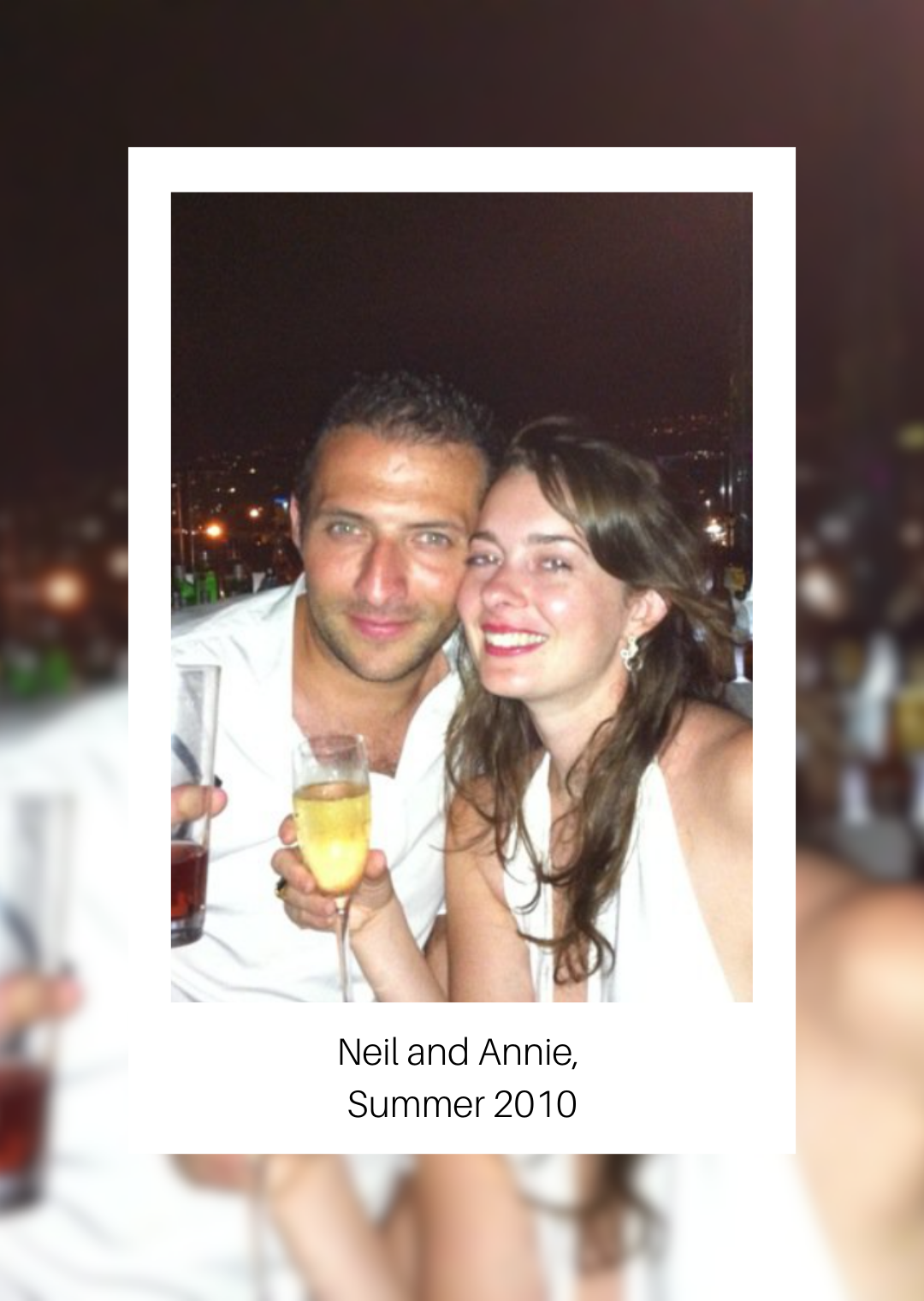
I was intentional about finding a husband. I wanted love, children, and a career, I never saw why I couldn't have both. Finding a husband is like house hunting: you don’t find your dream house if you never go and view any houses. So I put myself out there. I met my husband in a pub on Wardour Street when I was at Dior. We were out for drinks with some colleagues, and he was invited by one of them. There was a lot of chemistry between us. That was 20 years ago! He is very supportive of my career and is a very present father. We are very different and live in different worlds (he is in finance) but seeing things differently makes us stronger as a couple. He is also very ambitious and runs his own investment company. We are constantly debating business and ideas. It can be exhausting!
Q: Did you ever feel you had to choose between career and children?
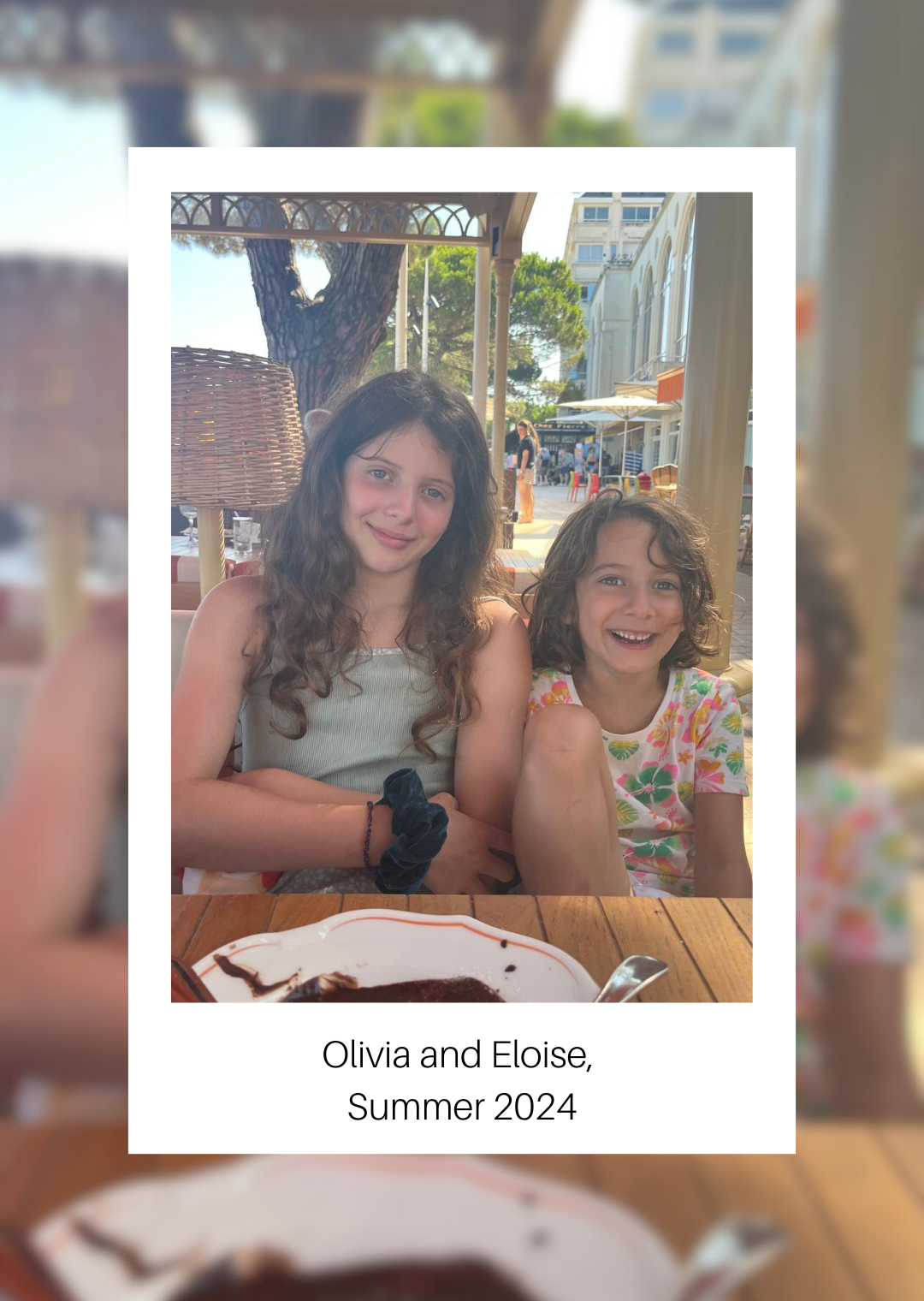
No. I never believed it was one or the other. It is a constant balancing act and I don’t always get it right. I travel a lot now and my kids are still fairly young, 8 and 13. When I am with them I am as present as possible and make sure I am there for the moments that matter to them. I am very lucky to have a lot of flexibility in my work, a supportive husband and also a nanny!
Q: Where does the name “OLISE” come from?
From my daughters’ names: Olivia and Eloise. My sister came up with it. It’s their names merged together. It was hard to find a name that had the domains and socials available, and OLISE felt abstract, beautiful, and not centred on me.
Q: Where did the idea for the magazine come from?
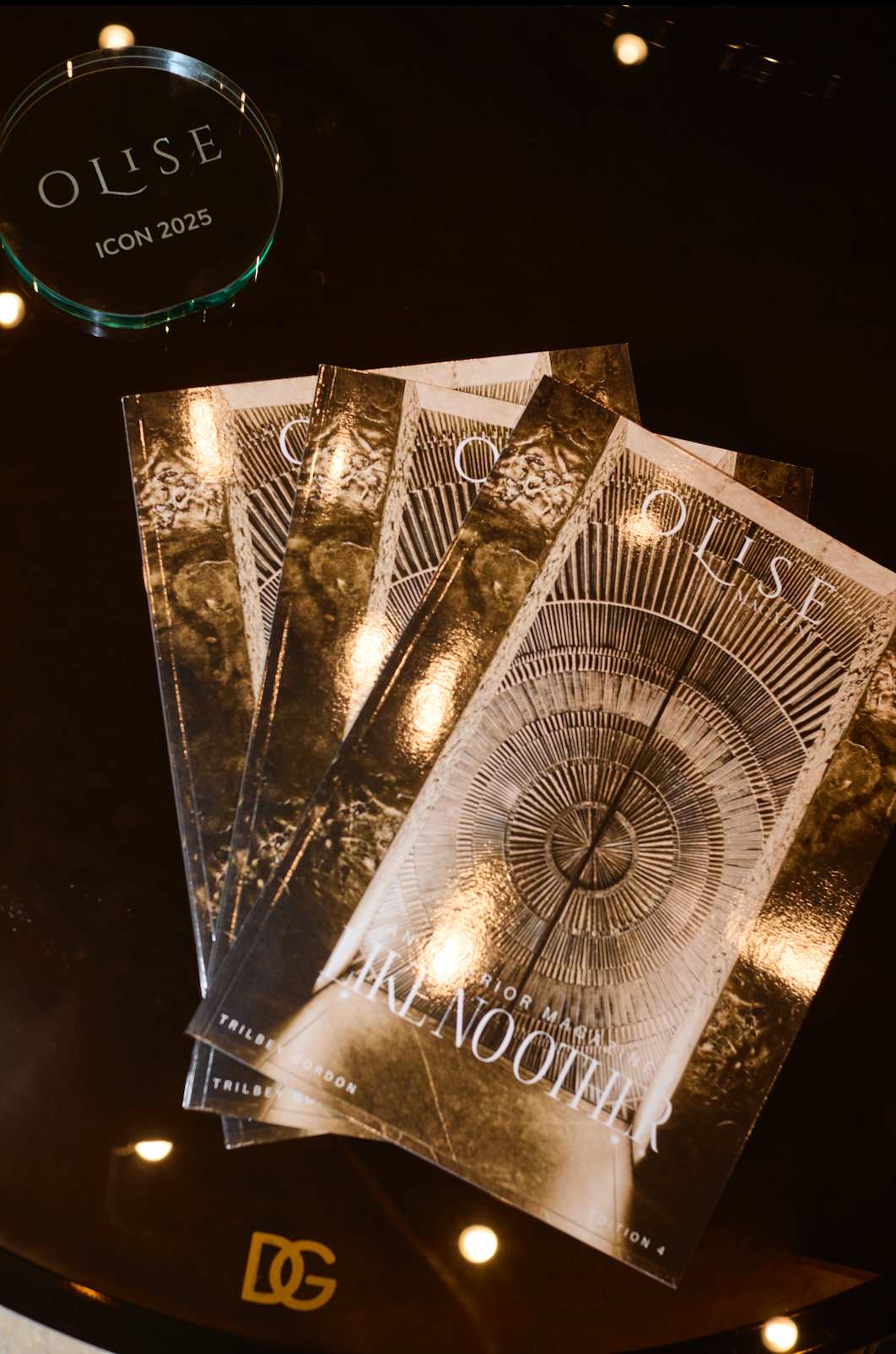
My background is marketing, and my talent is storytelling and content creation. I do it effortlessly for other brands, and I wanted something that was mine. I also felt creatively frustrated. Marketing often means implementing someone else’s vision, and I wanted to drive the creative. I saw a niche too: luxury residential and luxury hospitality are blending more than ever and no media merges them together. I wanted a platform that could showcase many different aesthetics, high-design always, but not one style. I didn’t want OLISE to be predictable. And online, so many magazine sites are drowned in ads. I wanted beautiful content without that constant interruption. I also know how hard it is for brands and designers to get coverage if they are not willing to pay for ads. OLISE is centred on stories and I want to champion the independents alongside the larger brands and design houses.
Q: How did you build the OLISE team?
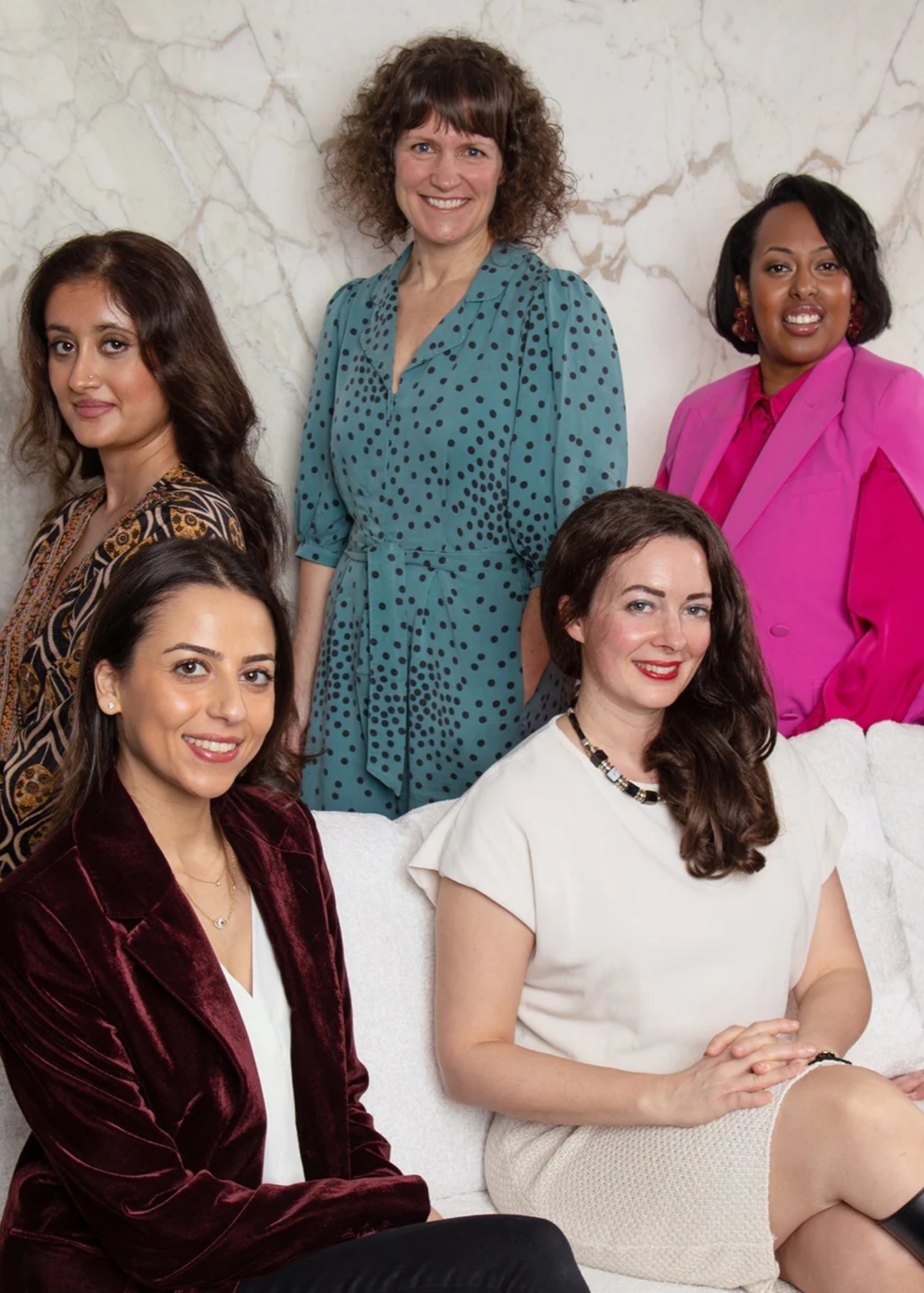
You can’t scale anything by controlling everything yourself. You have to put the best people in the right places and bring out the best in them. When I started my agency, I realised I wasn’t technical anymore, I’d led teams for years. I could retrain… or recruit people who are better than me. I would think deeply about the perfect person for a role, write it down, and somehow they’d appear. Hazel came through Fiverr. Michelle through LinkedIn. Amita and Bilen, I’d worked with before. Sarah came via an introduction. Attitude matters most, because skills can be learned. And if it doesn’t work, I end it quickly. I don’t drag things out.