

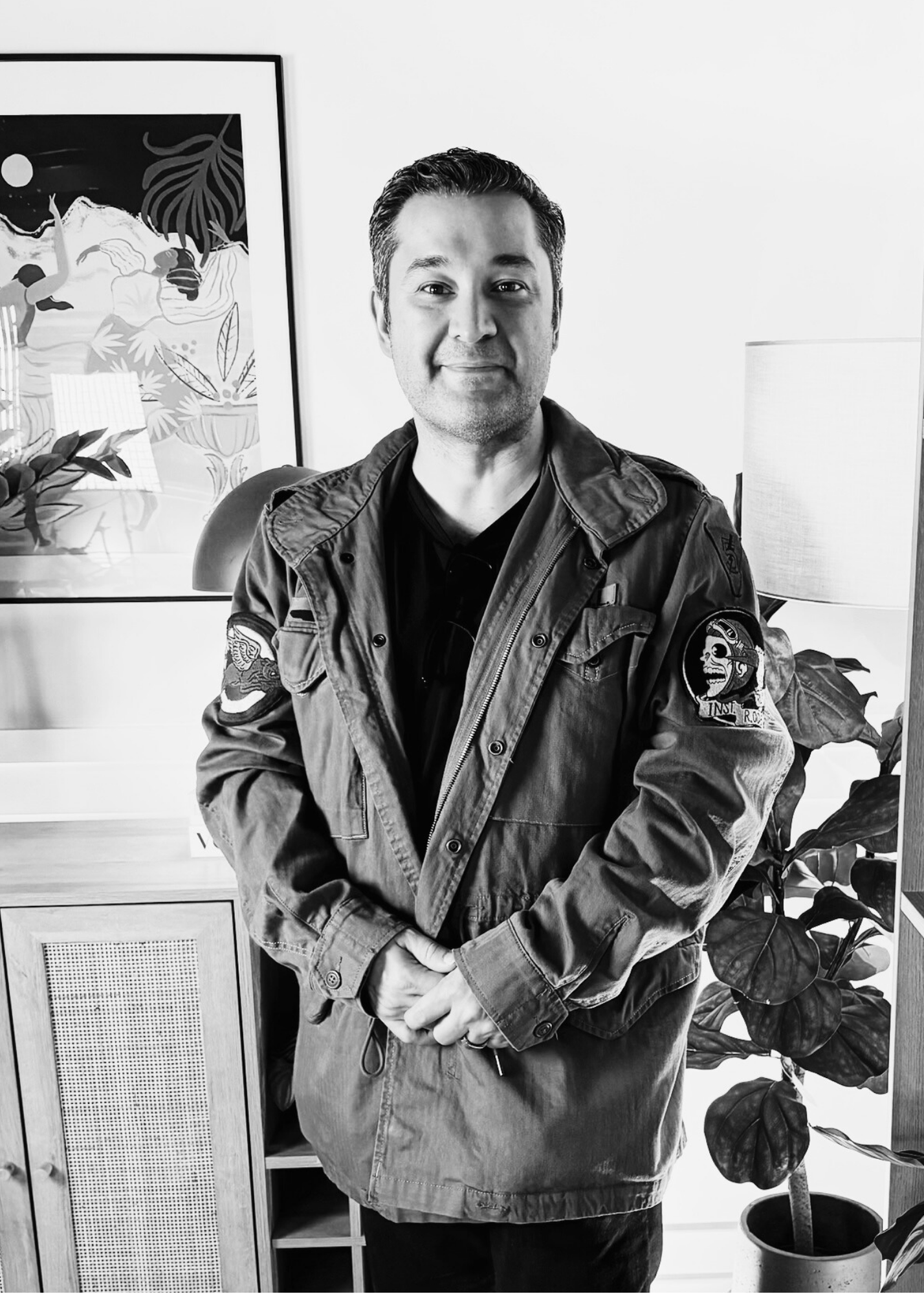
FARSHID TAFAZZOLI
ICON OF TODAY
With a background in technology and trading, Farshid Tafazzoli brings a sharp, systems-driven mindset to the world of design. As Co-Founder of Material Bank, he has helped create one of the most transformative platforms in the industry, rethinking how architects and designers source materials with speed, sustainability and intelligence.
Farshid’s approach is grounded in problem-solving at scale.
Drawing from years in high-performance, data-led environments, he has helped build a platform that streamlines sampling while reducing environmental impact, delivering a service that is both beautifully intuitive and operationally brilliant. He has relentless energy and we are delighted to interview him and learn more about his incredible journey.
His perspective bridges two worlds: the creative ambition of design and the efficiency of technology. That fusion has positioned Material Bank as more than a logistics solution. With Farshid’s leadership, it has become a catalyst for how the industry evolves — smarter, faster and more sustainable by design.
Q: You've flown in from California, that’s home now, but you originally moved there from Iran at a young age. How did that experience shape you?
My parents made an extraordinary sacrifice to educate us in the US. They brought my twin brother and me to America when we were six. The plan was always to return to Iran so we could attend the prestigious Tehran American School, but a revolution broke out, and we never went back. Those early challenges became gifts in disguise. They shaped everything that came later.
Q: You left school at sixteen. Was that terrifying for you or for your parents?
Honestly, it felt delayed. Growing up around immigrants who arrived with very little, I felt by sixteen I should have achieved more. I’d been working since thirteen, I believed I could support myself, and I felt ready. It wasn’t frightening, it was natural.
Q: And without any formal higher education you ended up working with Goldman Sachs. How did that happen?
I was in college at sixteen, and I had a remarkable stroke of luck. I met a mentor, one of the best institutional investors of his era, completely by chance while working in a computer store. He hired me. I knew nothing about markets, but he changed the trajectory of my life.By nineteen, I was managing his capital. At twenty-one, he asked if I wanted to join his former firm, SLK, which had become part of Goldman Sachs. And that opened the door to everything that came next.
Q: At twenty-one you thought you knew everything?
Absolutely! There’s a fine line between confidence and arrogance at that age. I met my future business partner, he was the “older” one at thirty-six! And we built one of the earliest electronic brokerage firms on Wall Street. That company eventually became the fifth-largest online broker globally, went public on NASDAQ, and was ultimately sold to a Japanese bank. That was my twenties and thirties.
Q: Were you able to have a personal life alongside all of that?
I like to make my big decisions early. I met my wife in seventh grade, I wasn’t interested in girls then; I was more of a video-game type. But we married in our mid-twenties, and she has supported me through every entrepreneurial psychotic episode since. She’s extraordinary.
Q: So after finance and tech, what brought you into the design world?
My daughters! They became friends with two girls whose father is Adam Sandow, founder of Sandow Design Group: Metropolis, Interior Design, Luxe, ThinkLab, and the Hall of Fame. Adam is one of the most impressive entrepreneurs I’ve ever met. He had the idea for Material Bank and invited me, along with Peter Feig, to build it with him. It’s one of the best rules I’ve ever broken, never work with friends. In this case, I am so glad I did.
Q: For anyone new to Material Bank, what pain point does it solve?
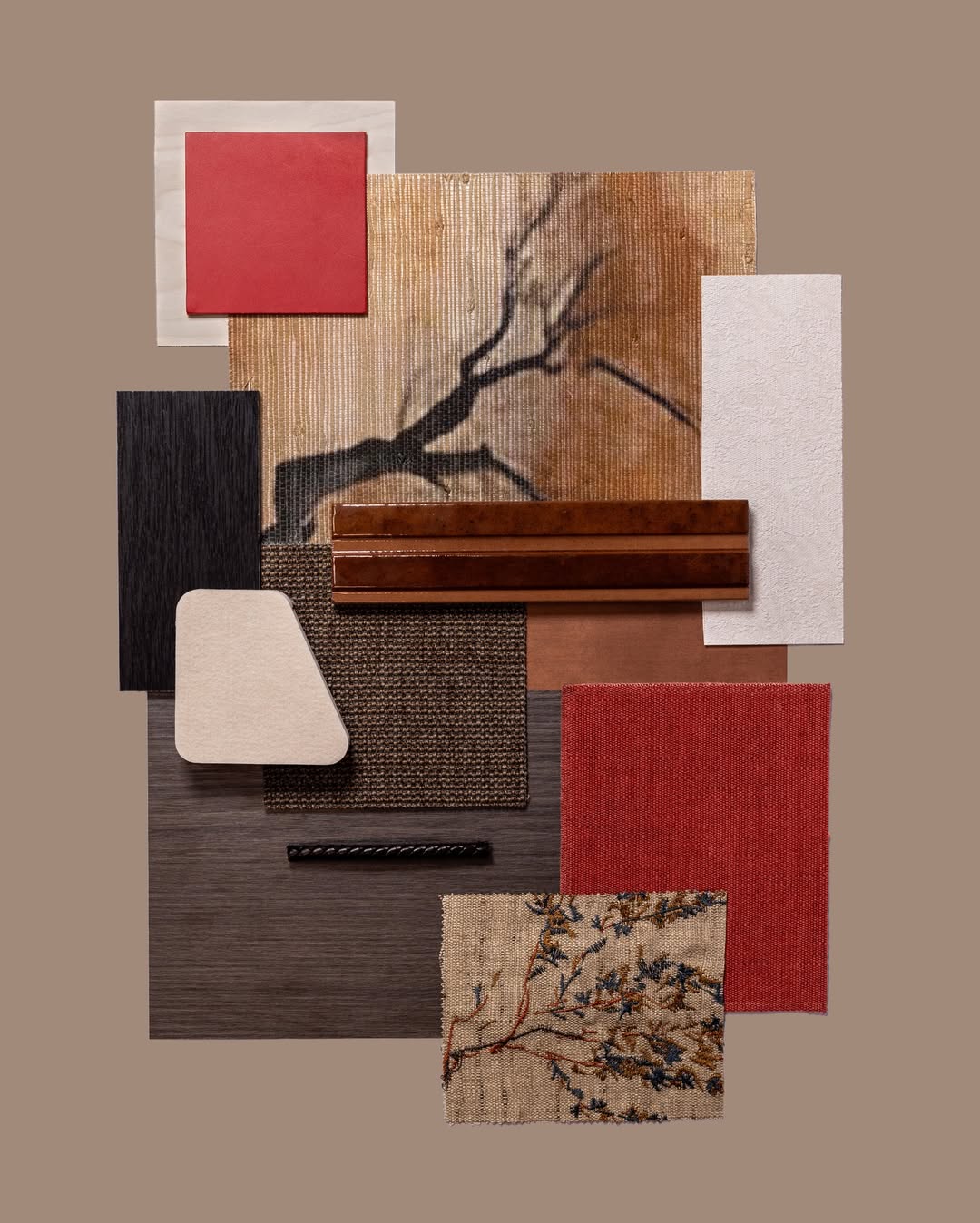
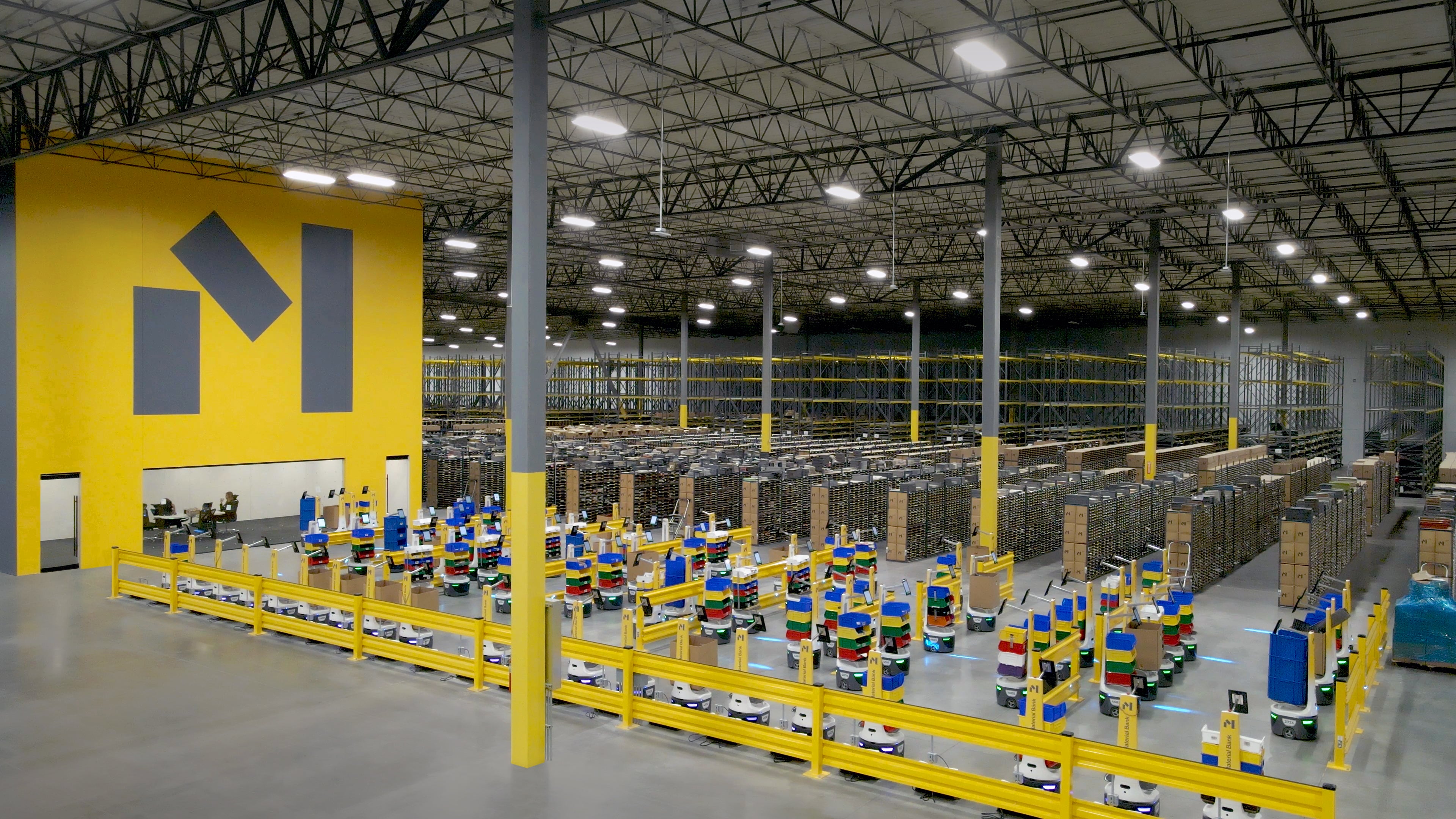
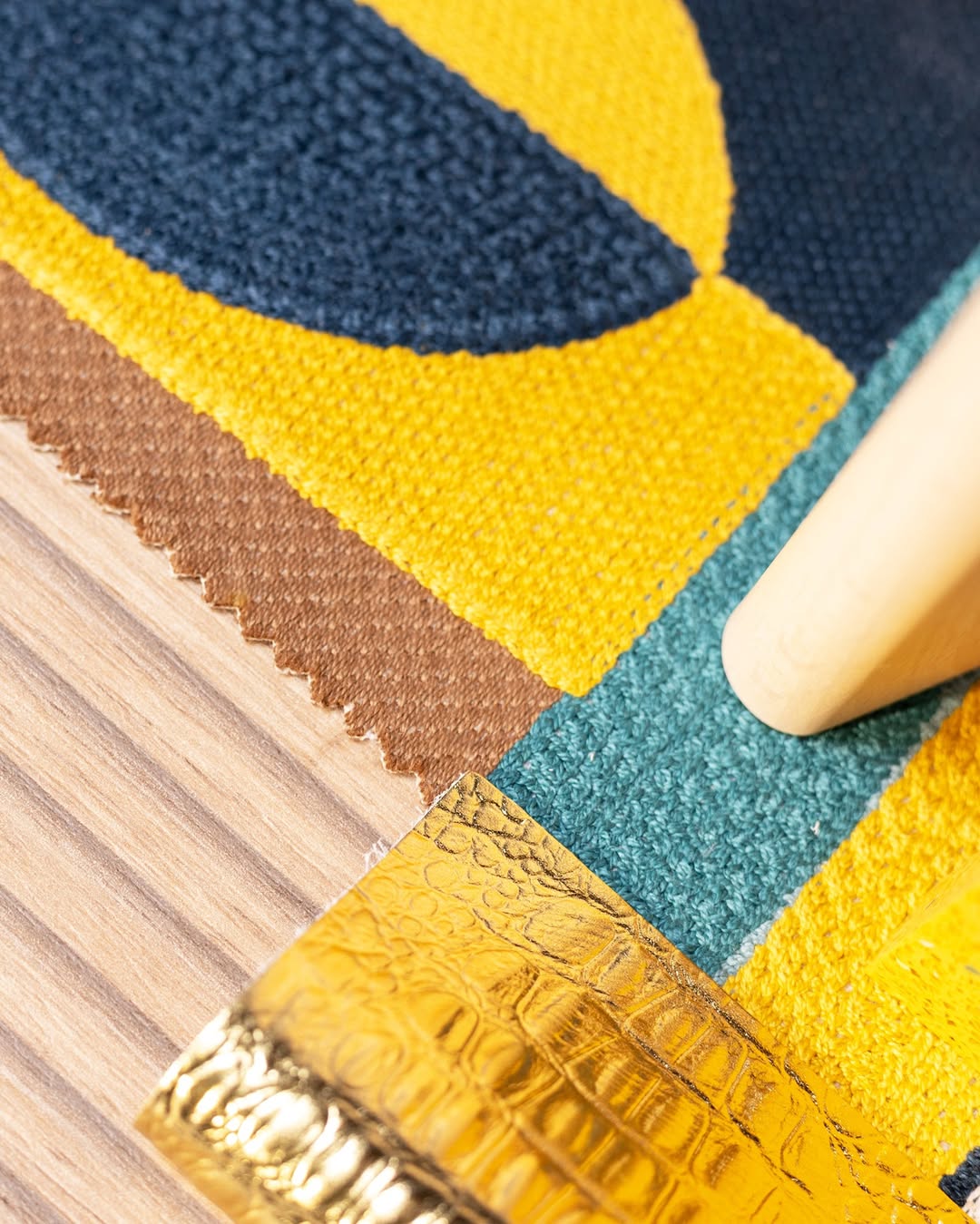
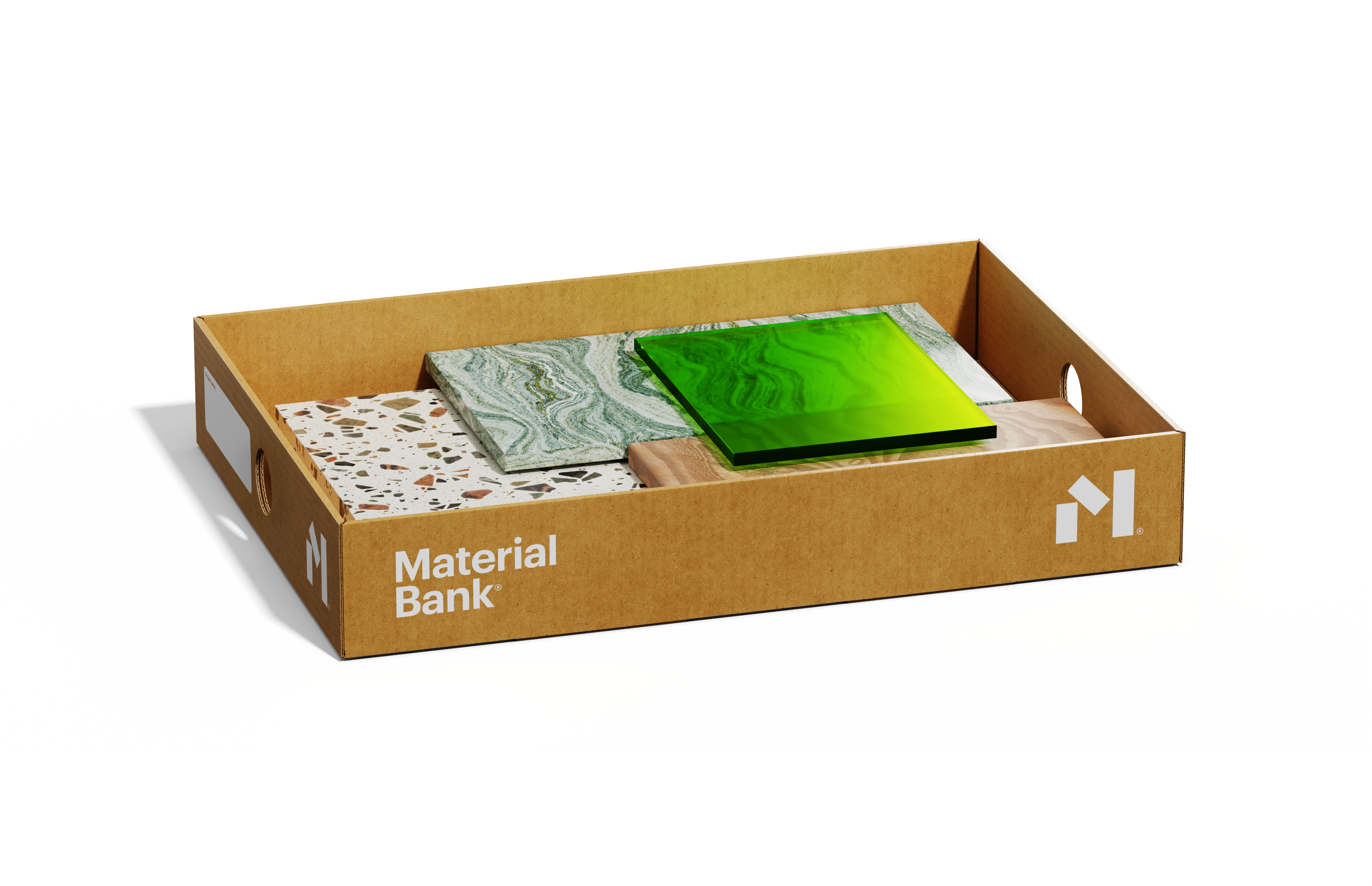
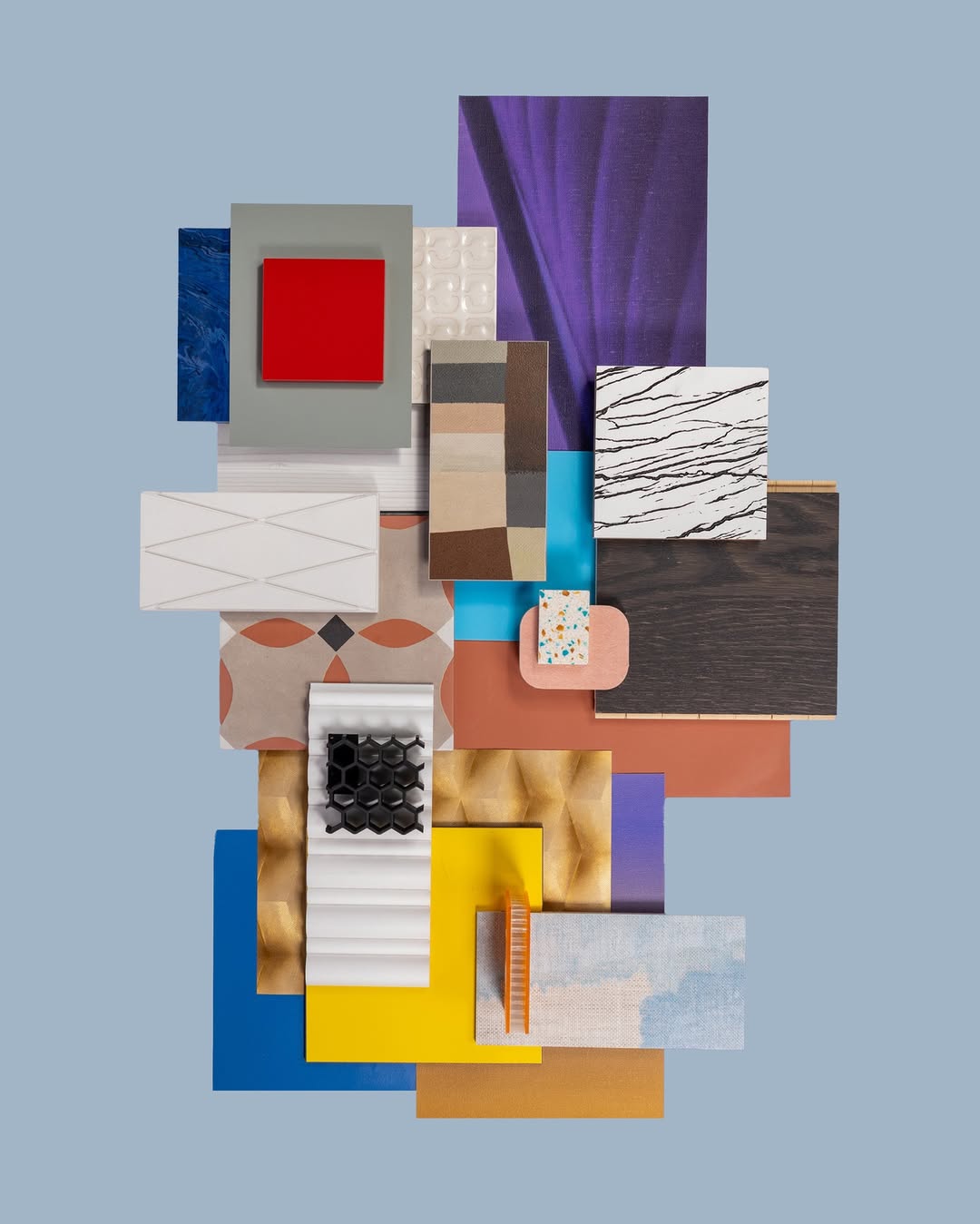
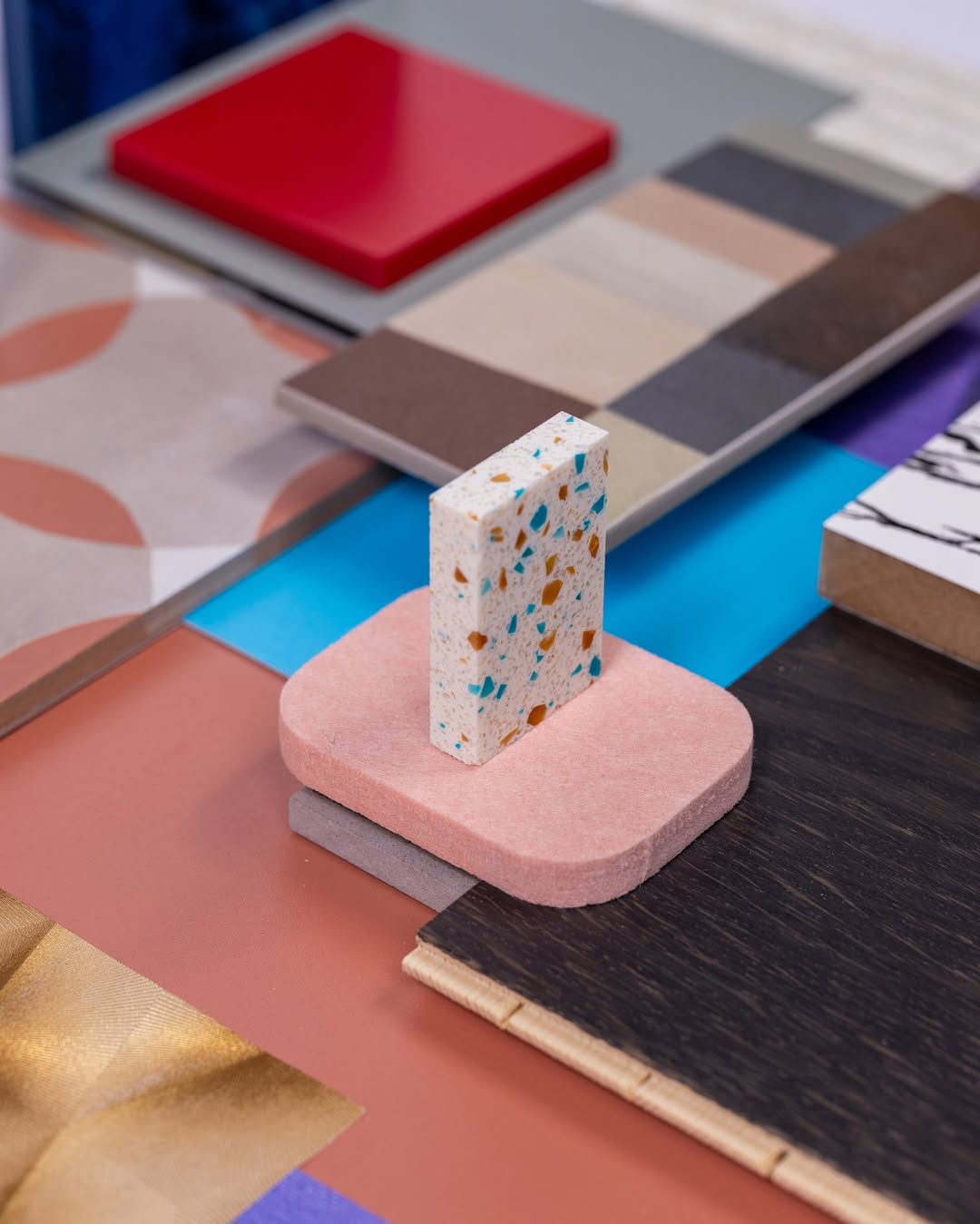
Samples. Architects and designers need samples for everything, textiles, flooring, paint, hardware, stone, wallcoverings. Historically, that meant dozens of boxes arriving from all over the country at different times. It was messy, slow, and unsustainable. We built a 400,000 sq. ft. robotics-powered warehouse next to the FedEx Superhub in Memphis. Designers search among millions of materials, choose exactly what they need, and order until midnight. Everything arrives the next morning, in one beautiful box, for free. Today, Material Bank connects brands with specifiers more effectively than anything else in the industry, and we operate in 37 countries.
Q: And Europe, you chose Paris as your European base. Why?
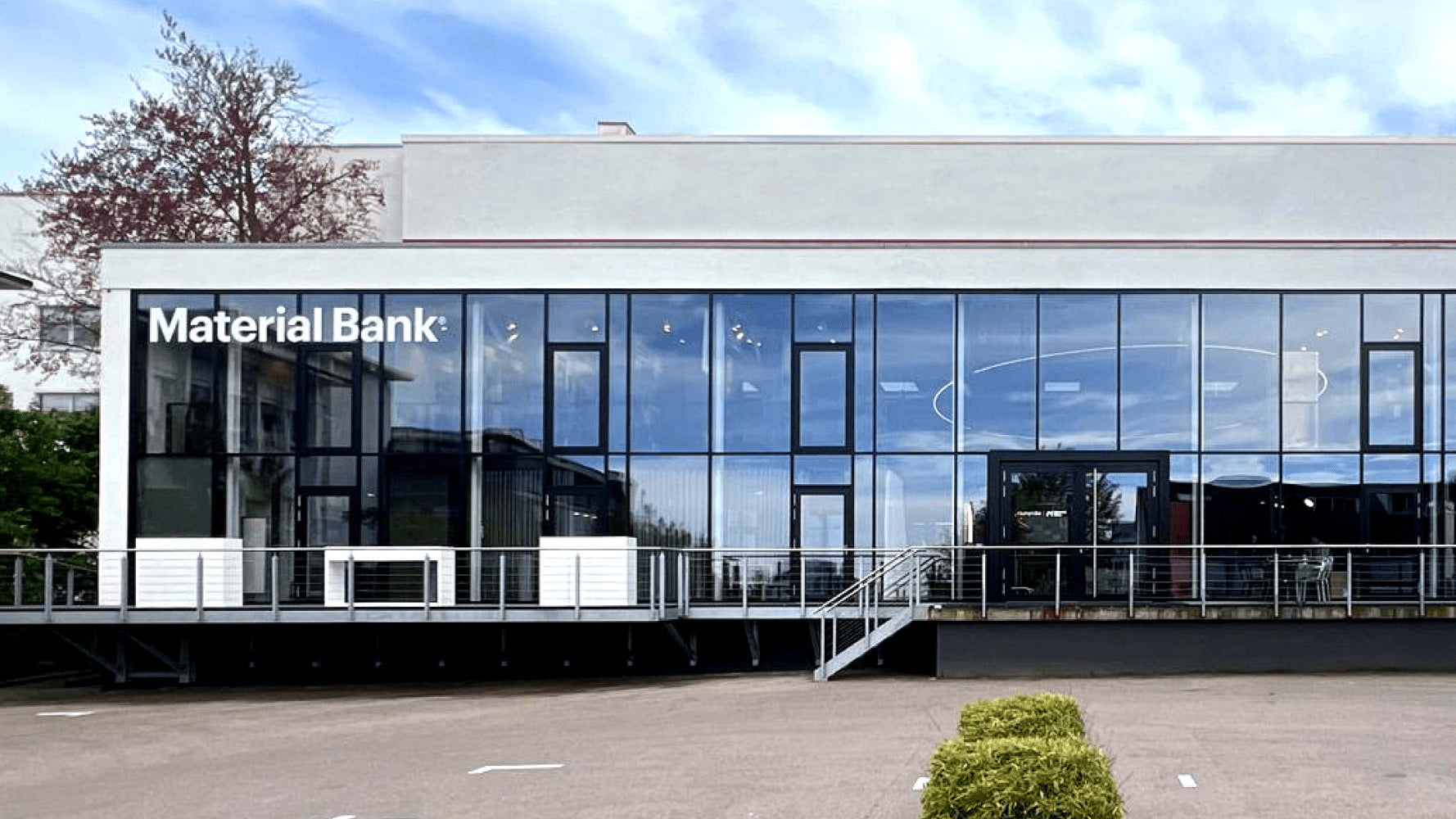
Because of FedEx! Their European hub is at Charles de Gaulle, and our model works best when we’re physically close to their network. We set up our facility there and replicated the exact efficiency of the US system. And on a personal note, it meant I could spend six months living in Paris, which was wonderful, even if getting a simple drinks fridge installed took ten weeks! California to Paris is quite the contrast.
Q: Material Bank has expanded globally. What comes next?
We are still early.
For years we focused exclusively on professionals, but brands began asking us to help with their consumer business. So we created Samplize, peel-and-stick samples made with real paint from brands like Farrow & Ball, Sherwin-Williams, Benjamin Moore.
Today, 350,000 consumers use Samplize every year.
That led to our biggest leap yet: Design Shop, launched this year, a digital design tool for the consumer market. Users can design an entire kitchen or room, instantly swap materials, and order all samples by midnight for next-day delivery. It’s intuitive, empowering, and modernises how people renovate their homes.


Q: You seem to have relentless energy. Were you born this way?
I may have hit the “fallopian lottery” with my parents, very high-energy people! But the real secret is passion. Success, for me, is working with people you deeply admire on something that genuinely changes an industry. Then the energy becomes natural.
Q: Entrepreneurship is difficult. How do you cope with setbacks?
I embrace them. If you told me I’d have a thousand failures this year, I’d wish for a few more. Behind every failure is an experiment you’ve fully tested. Entrepreneurship is supposed to be hard. It’s a relentless sport. You have to be wired for it, but you also have to give yourself enough time to figure things out.
Q: For someone considering entrepreneurship but afraid to take the leap, what’s your advice?
Start early. Risk tolerance only decreases with age. A two-year-old knows no risk, as we age, we accumulate injuries and become more cautious. Try it sooner rather than later.
Q: You’re known as both an operator and an investor. What makes a business model strong?
Warren Buffett’s number-one rule: A great business can raise prices without losing customers. Paint is a perfect example, price increases are absorbed, the product doesn’t spoil, and distribution networks are incredibly strong. Durability of revenue is key. Some industries, especially technology, are easily disrupted. Others have structural resilience. At Material Bank, we intentionally built a hybrid model: digital plus physical. You can’t specify a hotel from a VR headset alone, you must touch the marble. We embrace both.
Q: Beyond logistics, Material Bank has created a real community. Why was that important?
Because design is inherently human. We’re in studios updating libraries, we’re at every major trade show, we host events, online sessions, and global gatherings. When a brand launches a collection, we can share it with 170,000 designers instantly. It’s the largest exposure engine in the industry.
Our data insights are equally powerful: 27,000 design searches a day reveal what the market truly wants, colours, patterns, materials, zip-code trends, and shifting demand.
Q: And your Milan Design Week events… legendary. The growth from year one to year two was incredible.
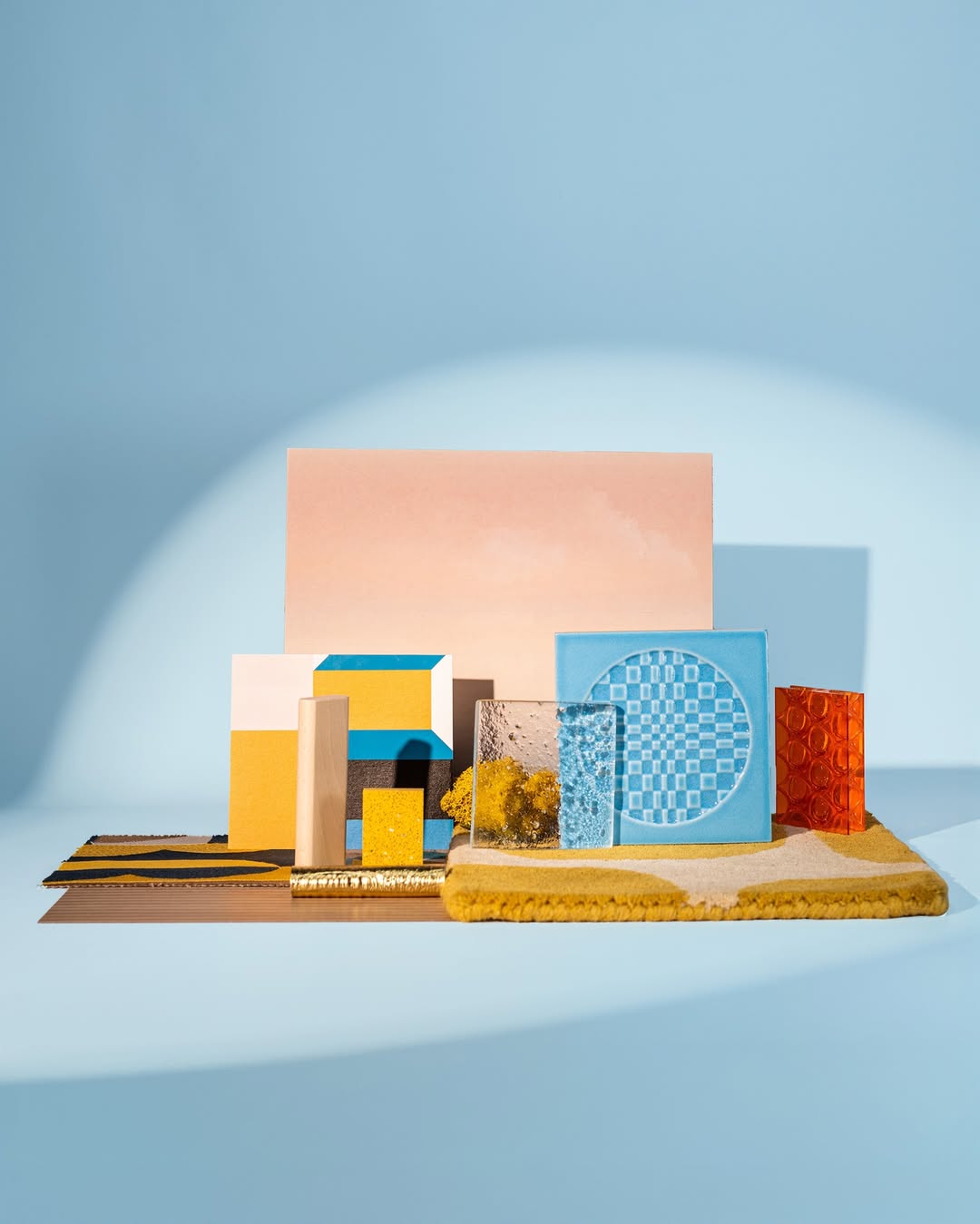
That’s our team, they are remarkable. We’re committed to doing things that are on-brand, beautifully executed, and genuinely valuable to the community. And in Europe, we’ve just announced a major partnership with Archiproducts, becoming their exclusive sampling partner, which will accelerate everything.
Q: You’ve revolutionised how designers work, built an extraordinary community, and expanded globally at remarkable speed. I can’t wait to see what you do next.
Thank you, this was wonderful.
MEET MORE ICONS OF TODAY


