



SHALINI MISRA
ICON OF TODAY
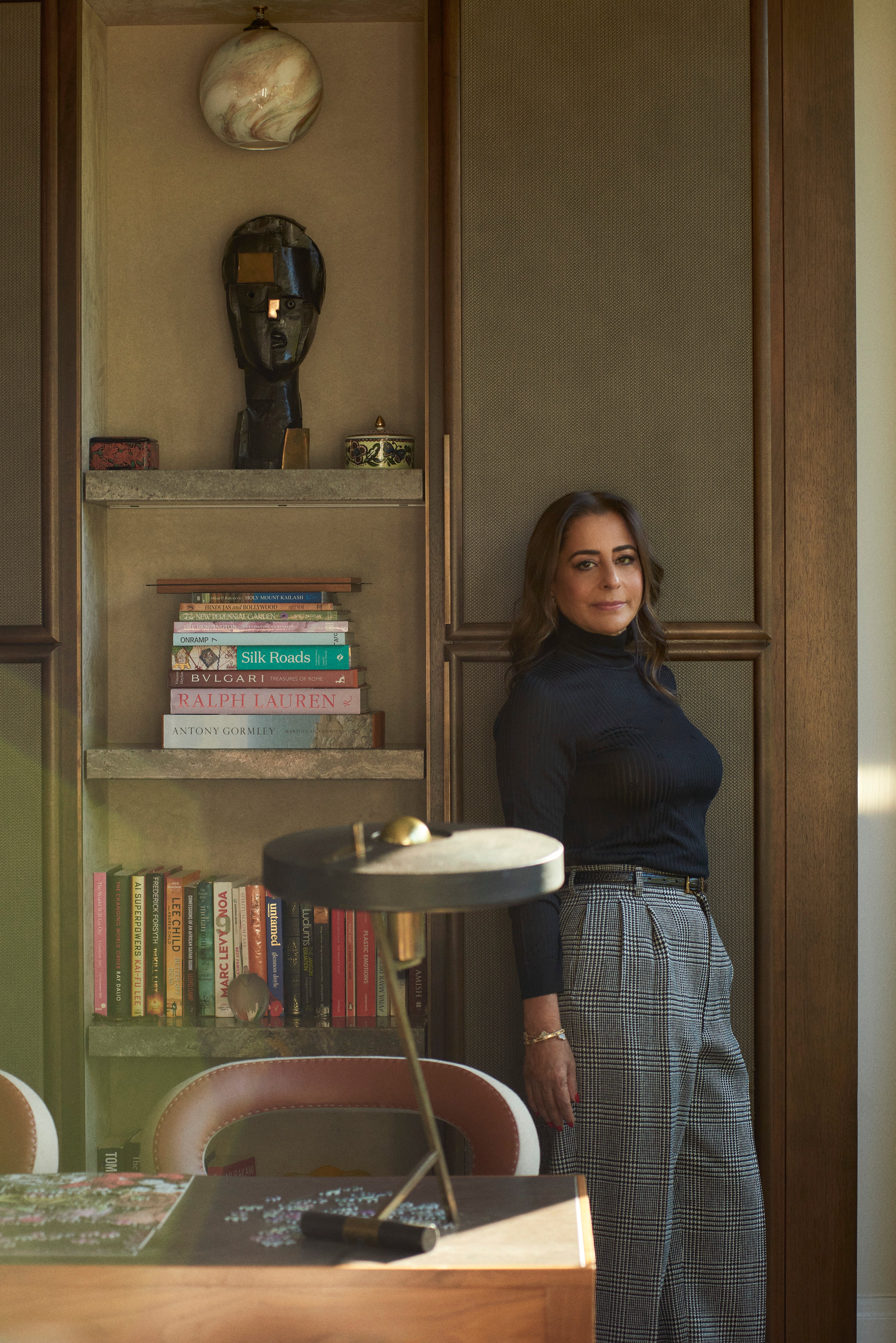
Shalini Misra is the founder of her London based practice, recognised internationally for luxurious interiors with a cosmopolitan sensibility. With a background in architecture and urban planning, she approaches design with both vision and precision.
Her studio’s projects include high-end residences, multi-unit developments and cultural spaces, always with a strong emphasis on art, craft and sustainability. Misra’s reputation is built on her ability to combine glamour with substance in timeless ways.
Explore her creative journey in our interview below.
Q: Your practice has a rare ability to bring together art, sustainability, and technology with elegance. How do you find harmony between those worlds in your projects?
These three domains can seem very separate, but they are all part of what connects a space to the people who use it and how well that space works for them as individuals. Art gives voice, sustainability gives responsibility and technology gives possibility. Ensuring harmony between them means starting fromvalues, both ours as a practice and our clients’. We are lucky with our client base in this respect. Craft, culture, environmental consciousness and careful materials all matter. If sustainability is only an afterthought, or technology is used for spectacle rather than utility, the balance breaks and the space simply doesn’t work as a cohesive whole.
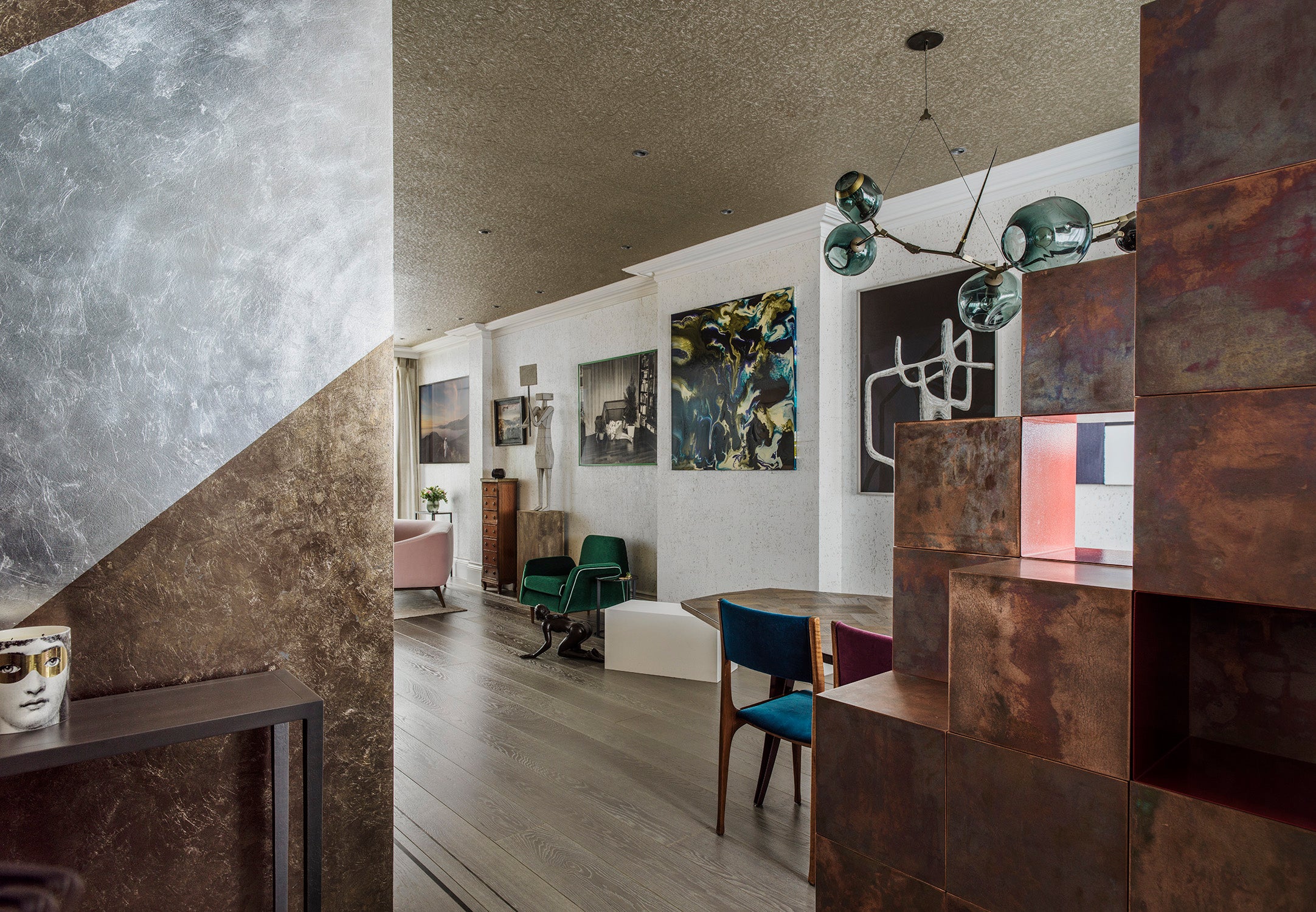
Q: Art seems to sit at the soul of your interiors. What is it about collecting and curating that makes it such a powerful part of your design language?
My relationship with art began as a personal one - I am a collector and my life has been enriched by living with pieces I love, so this naturally translated into my work as an interior designer.
Collecting and curating do more than decorate, they give identity, represent memories and offer texture. Art also brings emotional depth. It can make a room quieter, more contemplative, or it can provoke excitement and surprise. The interplay of these emotions gives real richness to a space.
More recently the impact of art has been studied in more detail and this research has shown that it goes far beyond face value - experiencing art produces measurable biological, neurological and psychological effects that can improve health, learning, creativity and resilience. My practice is about human wellbeing at its core, so art is fundamental to any space I work on.
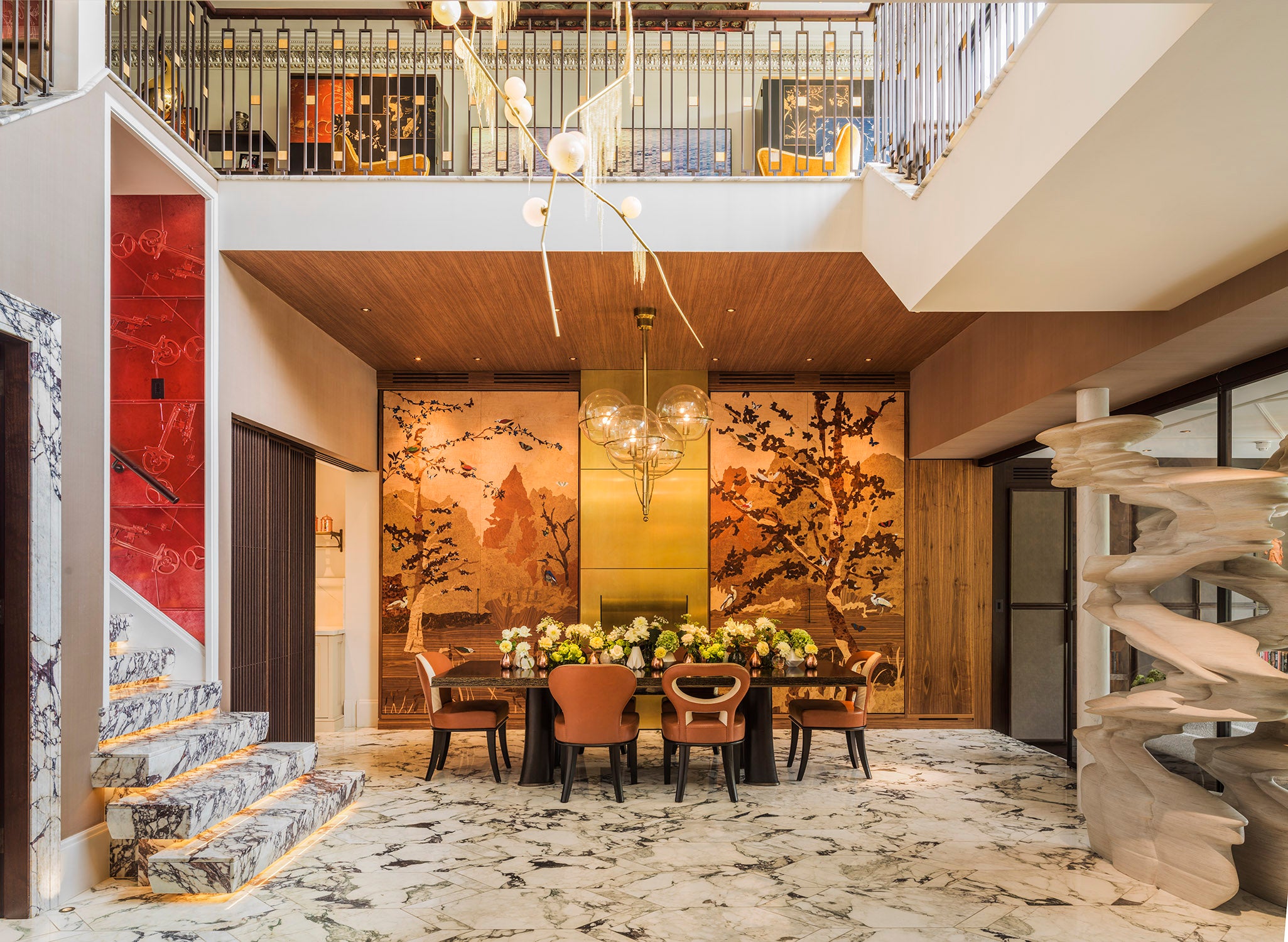
Q: Your work feels effortlessly global, with layers of culture woven into the details. How have your travels shaped the way you see and create?
Travel has been formative in countless ways. Seeing artisans at work, witnessing vernacular architecture and observing how local materials respond to climate, teaches lessons that no textbook can. These experiences inform how I think about proportion, finish, texture and character.
Travel is also a process of collecting visual cues. Colours, light, patterns and materials from different places stay in the mind and help me design from a wide cultural and aesthetic point of view.
It opens horizons for unexpected combinations. Because I have lived and worked in multiple geographies, clients often bring stories or objects from different countries, and I enjoy finding harmonies among them.

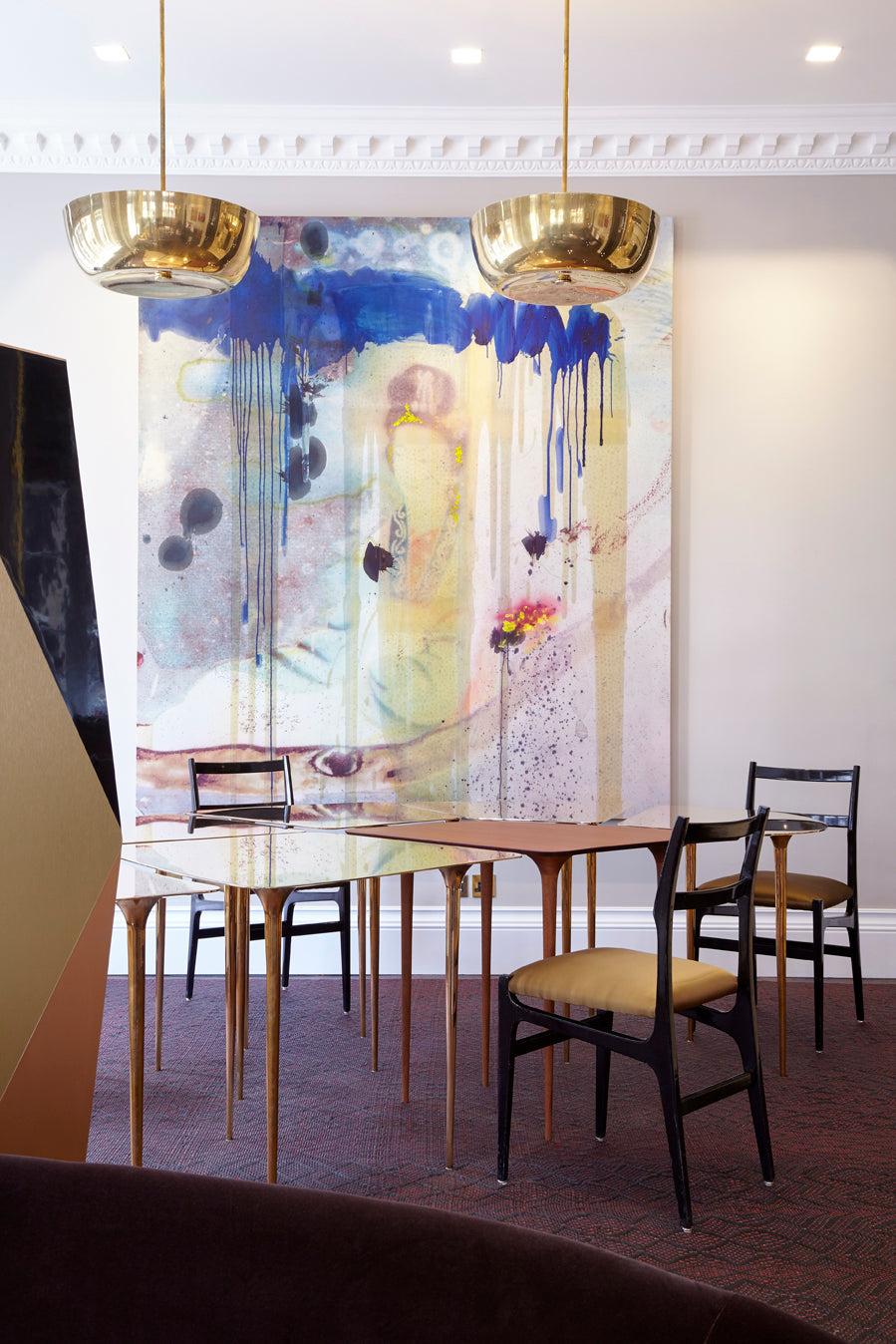
Q: Sustainability is clearly more than a trend in your practice, it feels like a philosophy. What does designing responsibly look like for you day to day?
Designing responsibly is embedded in every stage. The first step is auditing what already exists. Before buying new, I ask what can be reused, repurposed, relocated or reimagined. This reduces waste and keeps meaningful objects in play.
Longevity is key. Choosing materials, craftsmanship and finishes that age well rather than degrade ensures that spaces do not need constant refreshing. Timelessness is more sustainable than trend.
Sourcing locally and ethically is a priority. Whenever possible I work with local artisans and makers, reducing transport, supporting local economies and maintaining traditional skill sets. Materials are chosen for responsible harvesting and production.
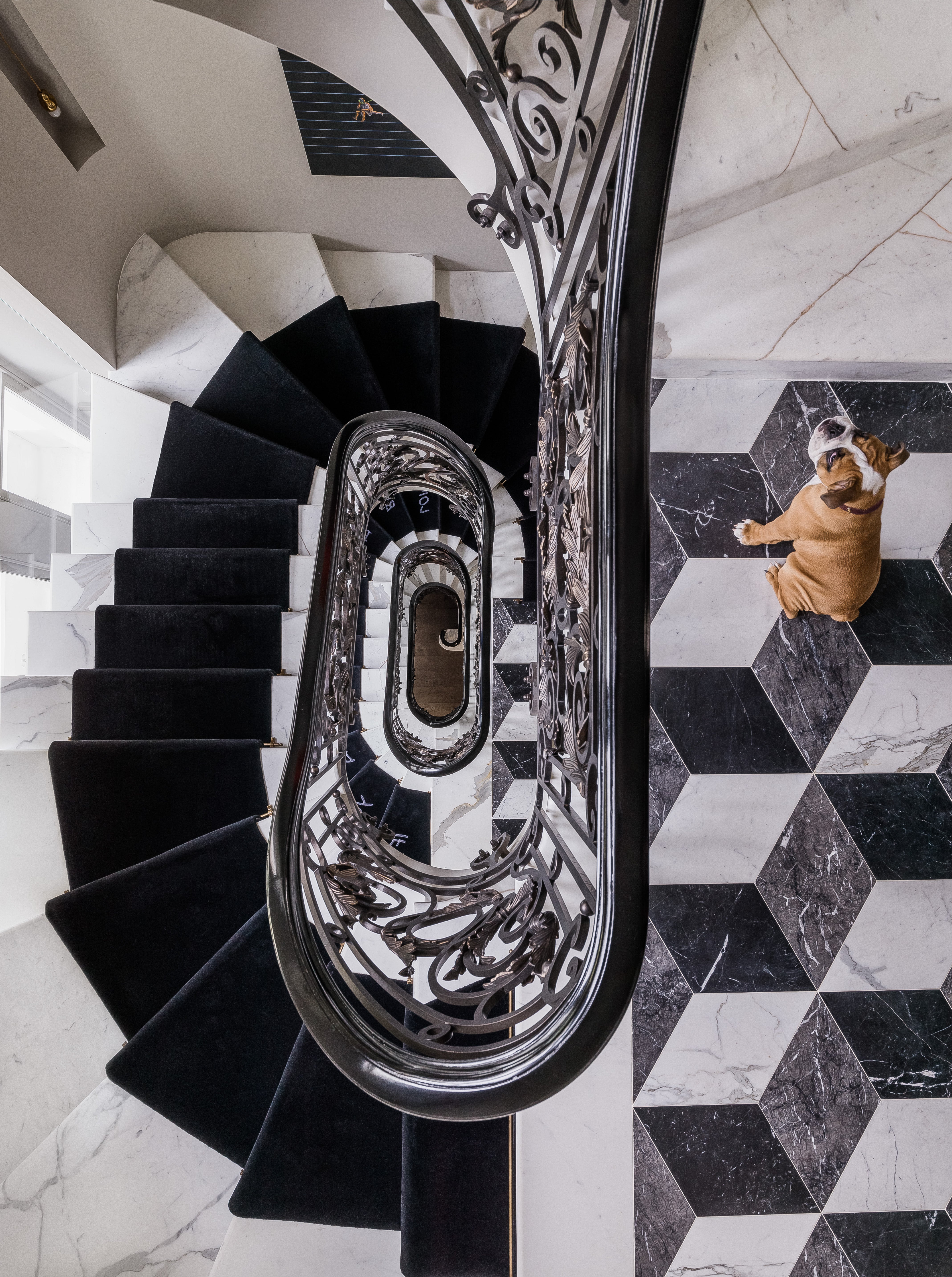
Material innovation is another part of the philosophy. I am curious about new fibres and alternatives, while remaining conscious of supply chains and embodied carbon.
Wellbeing is also central. Choosing finishes, paints, adhesives, lighting and ventilation in ways that support air quality and comfort makes sustainability about both planet and people.
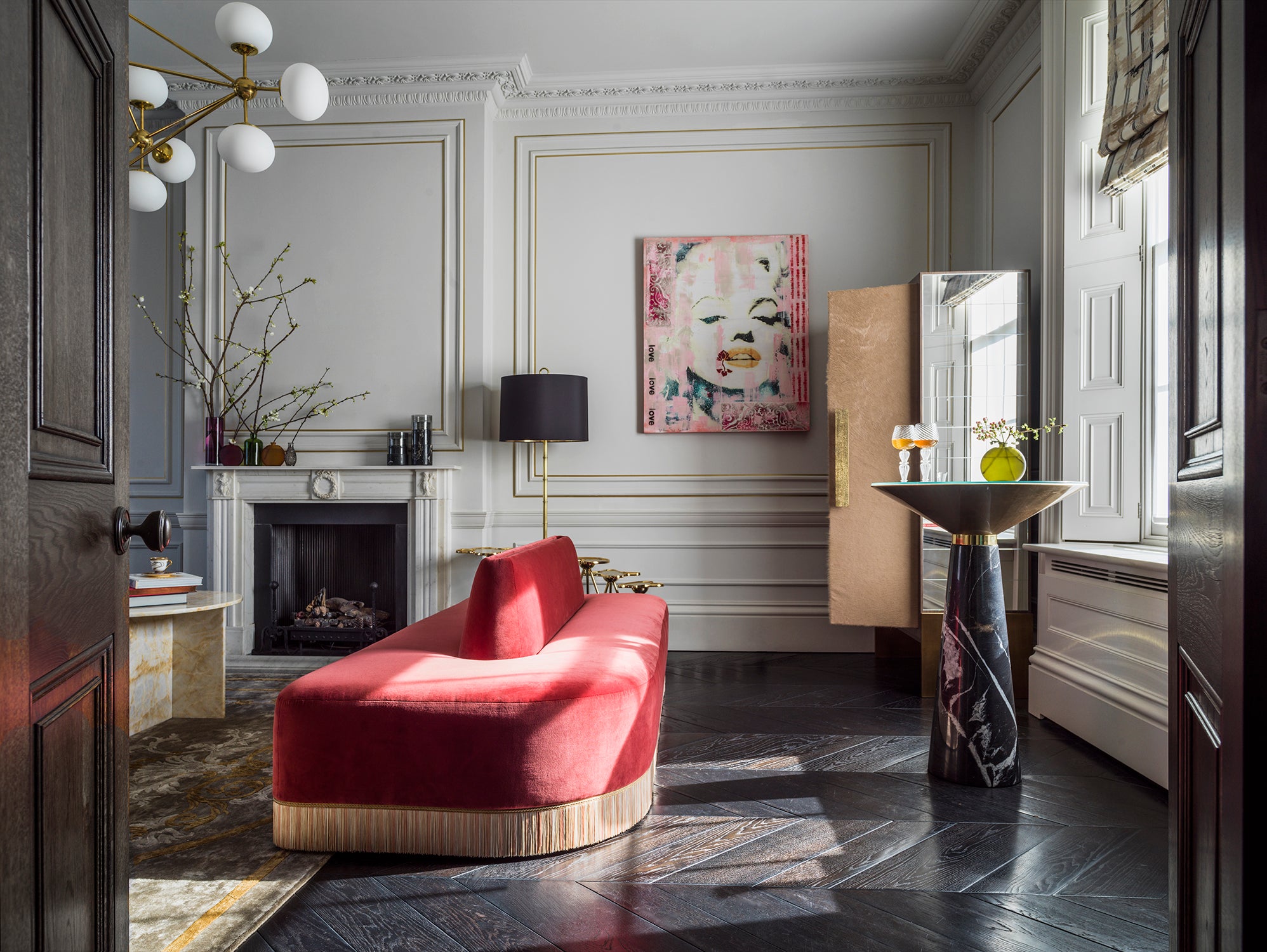
Q: So many of your spaces feel deeply personal, almost like portraits of the people who live in them. How do you uncover each client’s story and translate it into design?
It begins by listening. Early in the project there is a lot of conversation and observation. I ask about what the client loves, what they carry with them, their collections, their books, the pieces they have saved. These clues reveal their aesthetic and emotional world.
We study their lifestyle. How do they live, do they cook or entertain often, do they value quiet corners, do they have rituals or routines that shape their day. Understanding these rhythms is essential.
It is important to integrate meaningful objects are integrated whenever possible. Inherited furniture, artworks, or personal pieces are not obstacles but anchors that immediately personalise a space.
It opens horizons for unexpected combinations. Because I have lived and worked in multiple geographies, clients often bring stories or objects from different countries, and I enjoy finding harmonies among them.
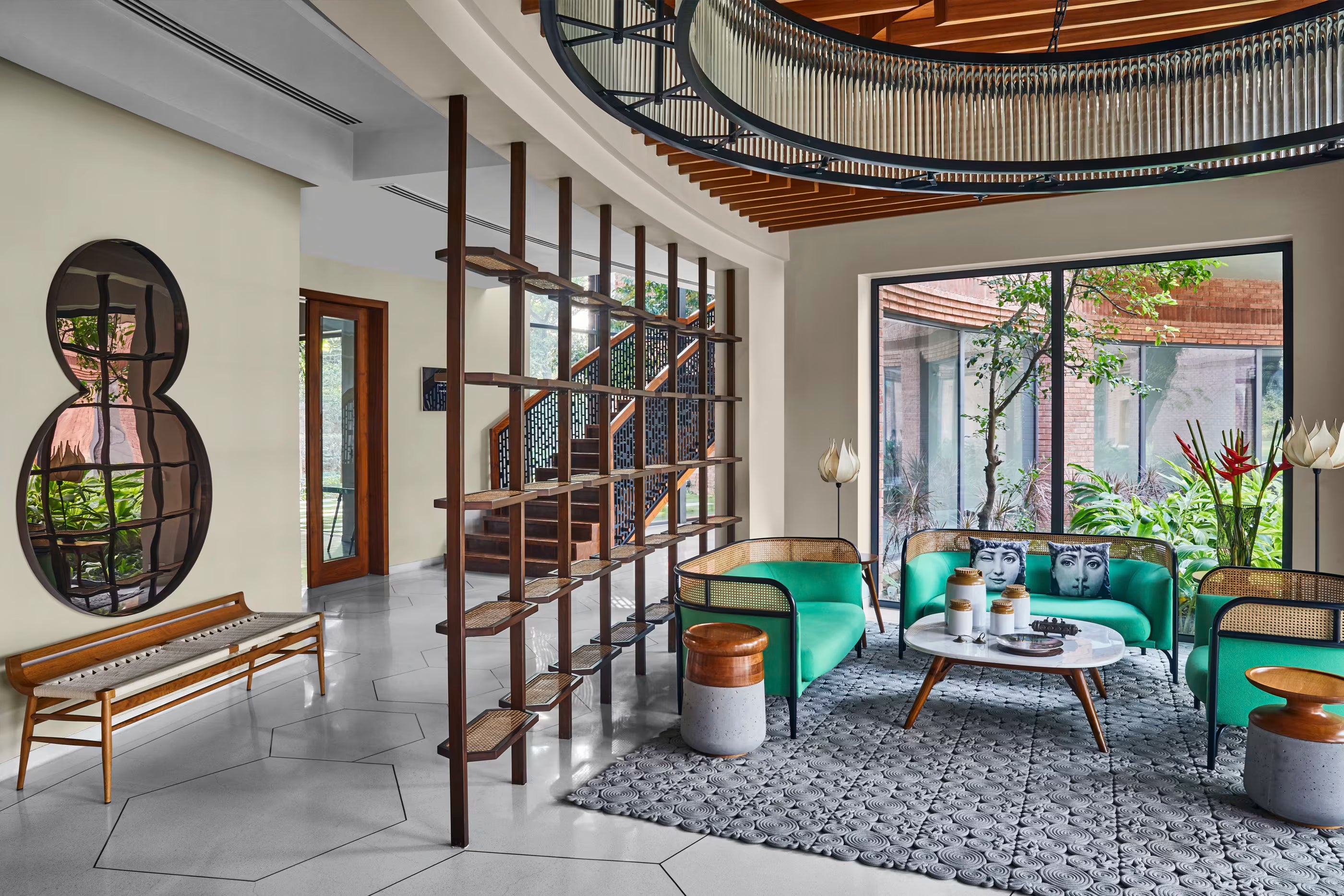
Q: Across such an inspiring career, is there one project that transformed you most as a designer?
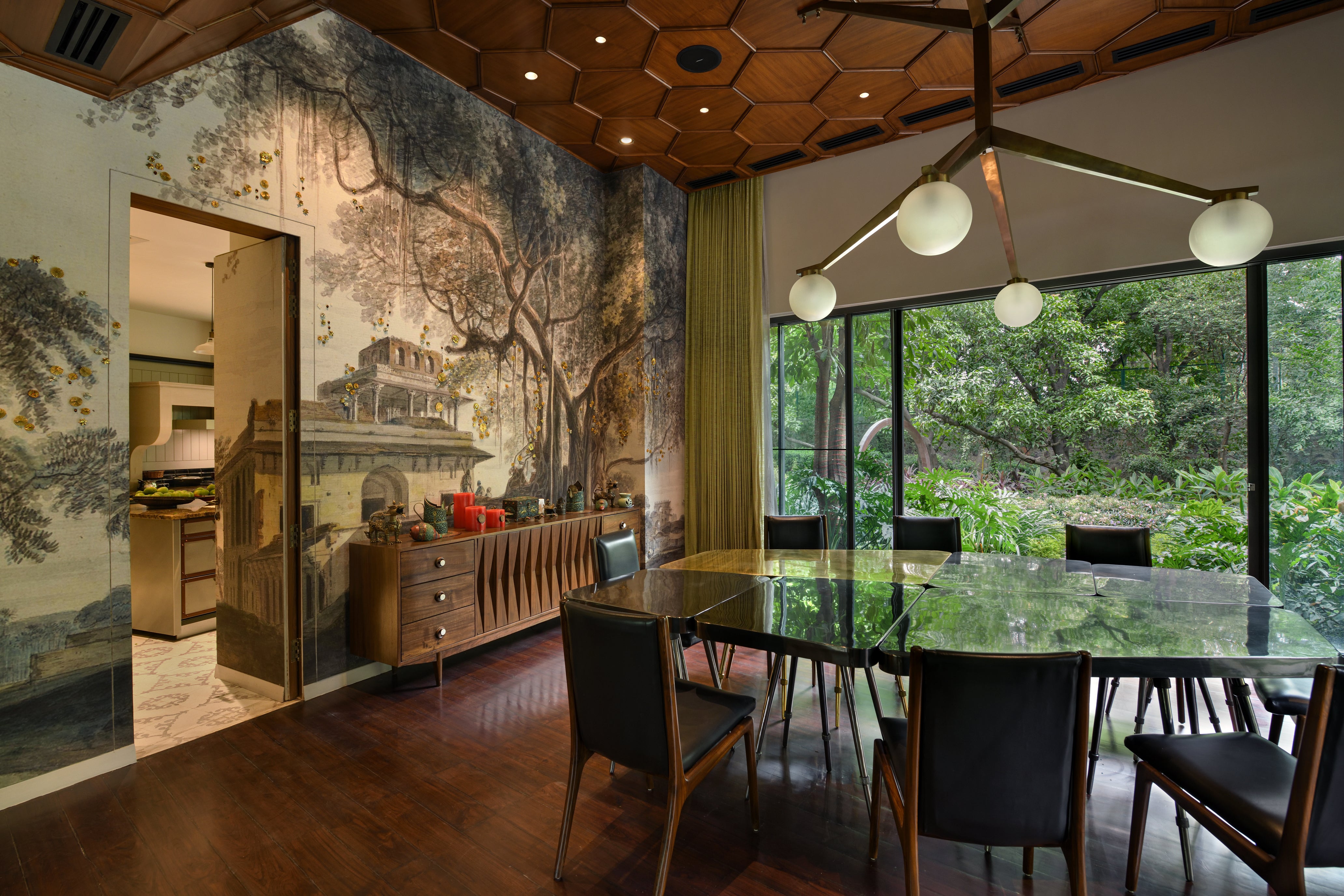
One project that reshaped me profoundly was the farmhouse in Delhi. It was a holistic endeavour, combining architecture, interiors and landscape. We engaged deeply with traditional crafts and created a craft village on site, bringing artisans and trades together. It required painstaking coordination but the result was a space filled with soul and skill.
The project also taught me more about integration. Every threshold, every daylighting decision, and every landscape view contributed to the experience of the interiors. It showed me that design is not a layering of finishes but an integration of place, people, tradition, and future.
Last year, I launched the Shakti Design Residency - an annual initiative that pairs global designers with Indian ateliers to create new work for global exhibition. The programme is about building new bridges between Indian crafts and the contemporary design world and I am particularly proud to be able to lead this charge. The next cohort arrives in India this November and I am excited to see what they produce.
Q: What guidance do you offer young designers who are just beginning their journey?
Stay curious. Inspiration is everywhere, in materials, craft, people, cultures and technology. Keep learning.
Observe everything. The best ideas often come from listening to clients, artisans and nature.
Do not follow trends blindly. Build a design vocabulary grounded in authenticity and values. Trends will pass, values endure.
Learn from craft and tradition. Even if you work in highly modern contexts, understanding how things are made and the human cost of materials will transform your perspective.
Balance vision with execution. Dreaming is essential but so is follow through in sourcing, detailing and delivery.
Be resilient and patient. Thoughtful design takes time. Budgets, timelines, and supply chains can be challenging, so adaptability is crucial.
Q: Looking ahead, where do you see design heading, and what excites you most about the future of your own practice?
Wellness will continue to move from being an optional layer to being central. Design will increasingly address health, ecology and life flows as well as aesthetics.
I expect more innovation in materials, particularly bio based and recycled options. I hope that local craft will play a larger role. Cross-cultural and cross-skill collaboration is very important to me and I hope to see more of that.
For my own practice, what excites me is the opportunity to deepen the crossovers between art and function, technology and tactility, tradition and future.
MEET MORE ICONS OF TODAY


