



EMILY WHEELER
ICON OF TODAY
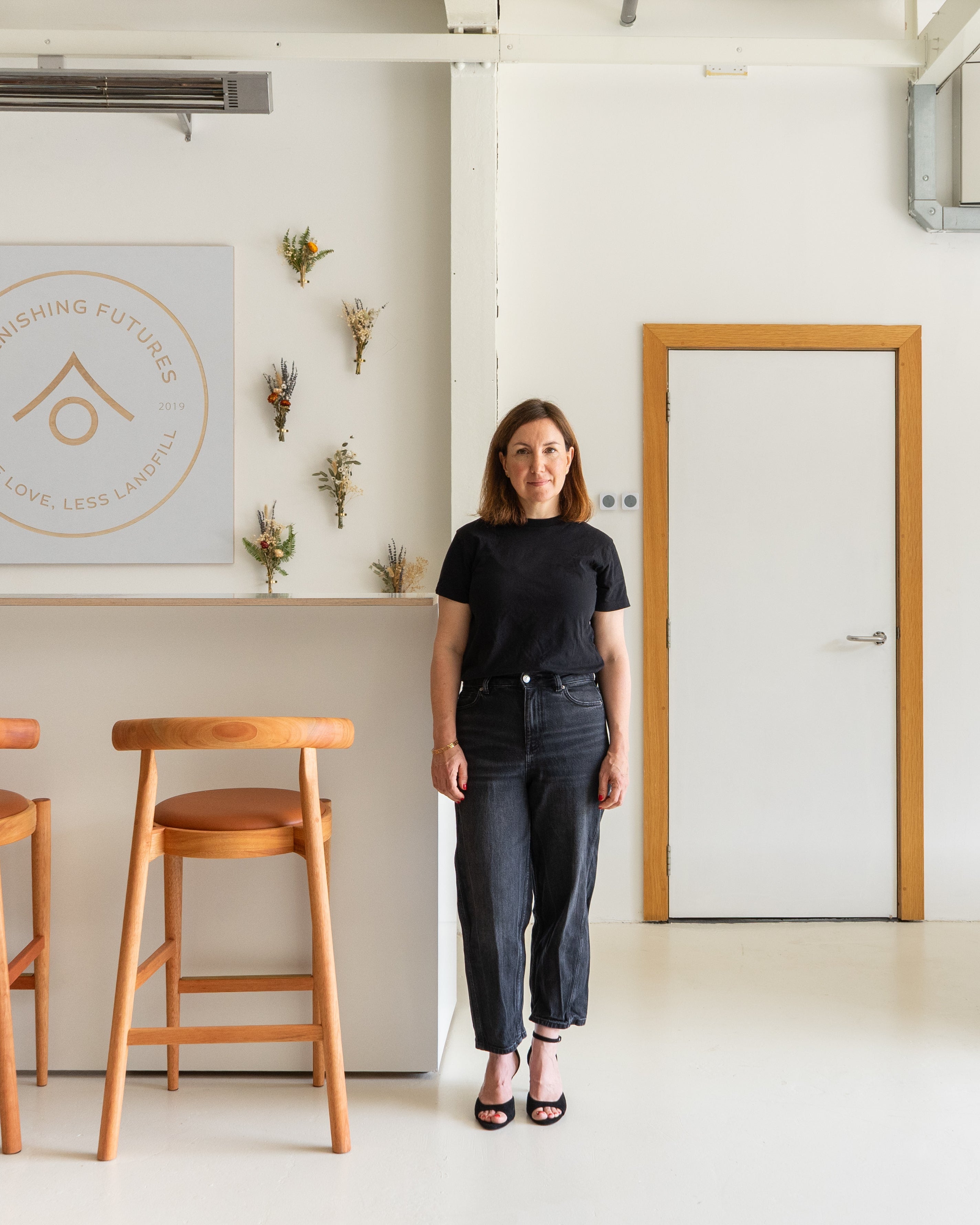
Emily Wheeler is a London based designer and creative director whose work champions sustainable luxury. With a background in both design and social enterprise, she founded her studio to prove that high design and environmental responsibility can coexist seamlessly.
She is also the founder of Furnishing Futures, a charity dedicated to supporting women and children who have experienced domestic abuse by providing safe and beautifully furnished homes. This initiative reflects Wheeler’s belief in the power of design to transform not only spaces but also lives.
Q: Emily, your journey is so inspiring, combining interior design and social work. Can you tell us how that led to you founding Furnishing Futures?
My background is in frontline child protection social work. I worked across some of the most deprived areas of London and, by the time I finished, I was chairing multi-agency child protection conferences. Throughout my career I saw the impact of poverty and poor housing on families, particularly women and children. Your home affects your well-being, mental and physical health, and your ability to thrive. I met families where children didn’t even have a bed, and people living without basics like cookers or washing machines.
Sixteen years ago, I retrained as an interior designer, working mostly as a stylist and writer. The contrast was stark, on one side, excess and waste in the design industry; on the other, families living without essentials. I also met women who had escaped abusive partners, only to be placed in completely empty housing. With nothing for their children, some felt they had no choice but to return to the perpetrator. That’s what drove me to start Furnishing Futures. In the beginning, it was just me, loading donated furniture into my car. Today, it has grown into the charity it is now.
Q: You describe your work as “trauma-informed design.” What does that mean in practice?
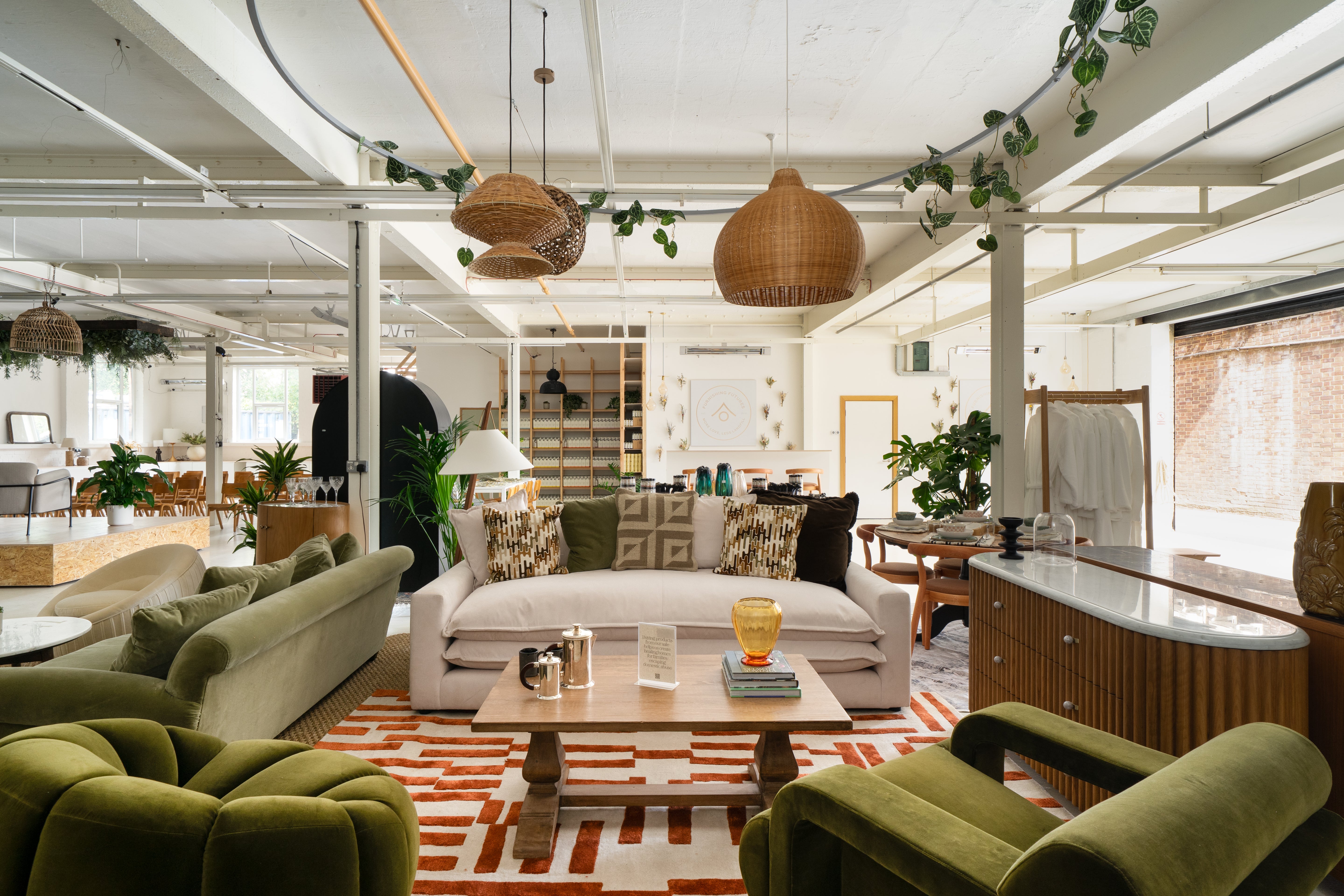
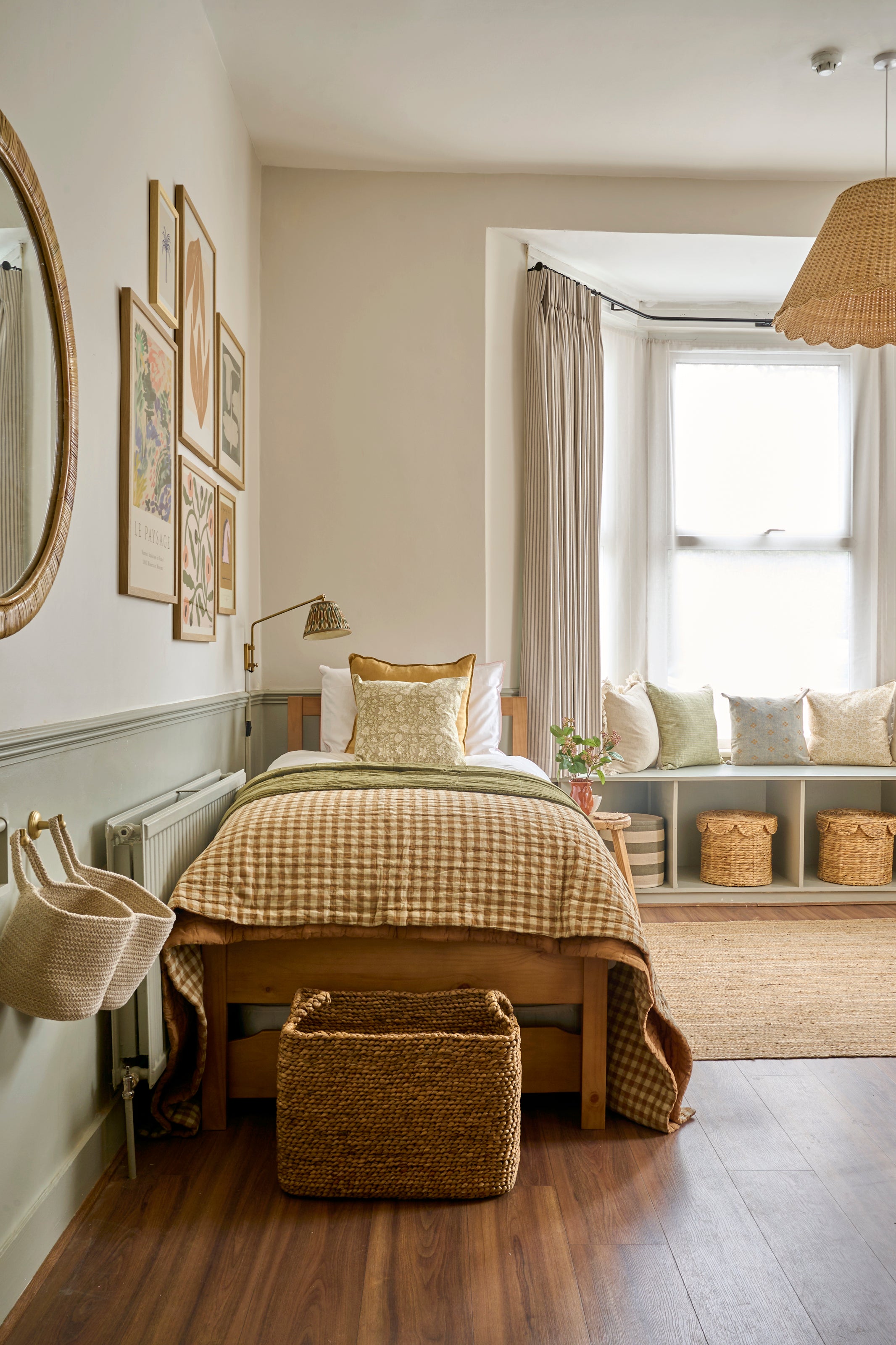
It’s about understanding the ongoing impact of trauma on both body and mind. Trauma isn’t just the experience itself, it’s how it lives on in the nervous system and memory. When we say a space is trauma-informed, it means we are intentionally designing to soothe, to calm, and to avoid triggering stress responses. Every decision is made with the individual in mind, so their home becomes a safe place to recover.
Q: What role does interior design play in the recovery process for women and children who have experienced trauma?
It’s absolutely fundamental. Research shows how deeply our environment affects our well-being. Trauma-informed design principles often overlap with biophilic design, which we also use in our work. Think of Maslow’s hierarchy of needs, you can’t rebuild your life or engage in therapy, work, or even parenting if your basic needs aren’t met. If you don’t have a bed, if you can’t cook a meal, if you don’t feel safe at home, your nervous system stays in survival mode. Having a safe and nurturing home is the foundation for recovery.
Q: You’re tackling furniture poverty, something many people don’t even know exists. What has been the biggest challenge in raising awareness around this issue?
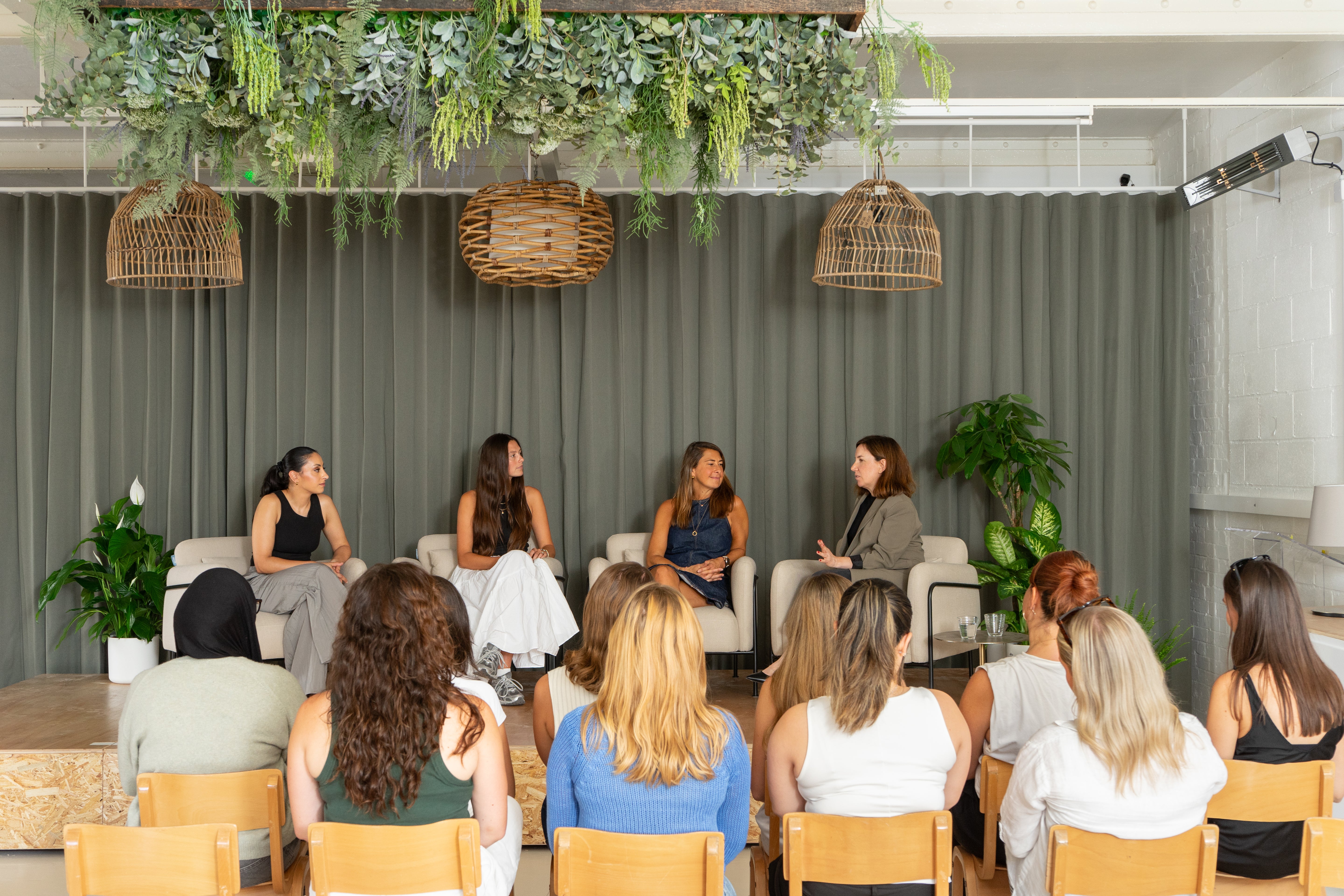
The biggest challenge is the lack of awareness itself. Furniture poverty is hidden behind closed doors, and people don’t realise how widespread it is. As a small charity with limited resources, our challenge is getting the message out there and finding creative ways to raise awareness. We need to show the public and the design industry not only how vast the issue is, but also how deeply it impacts people’s lives, and that there are sustainable solutions if we work together.
Q: Can you share a moment or project that really moved you, where you saw the emotional impact of the space you helped create?
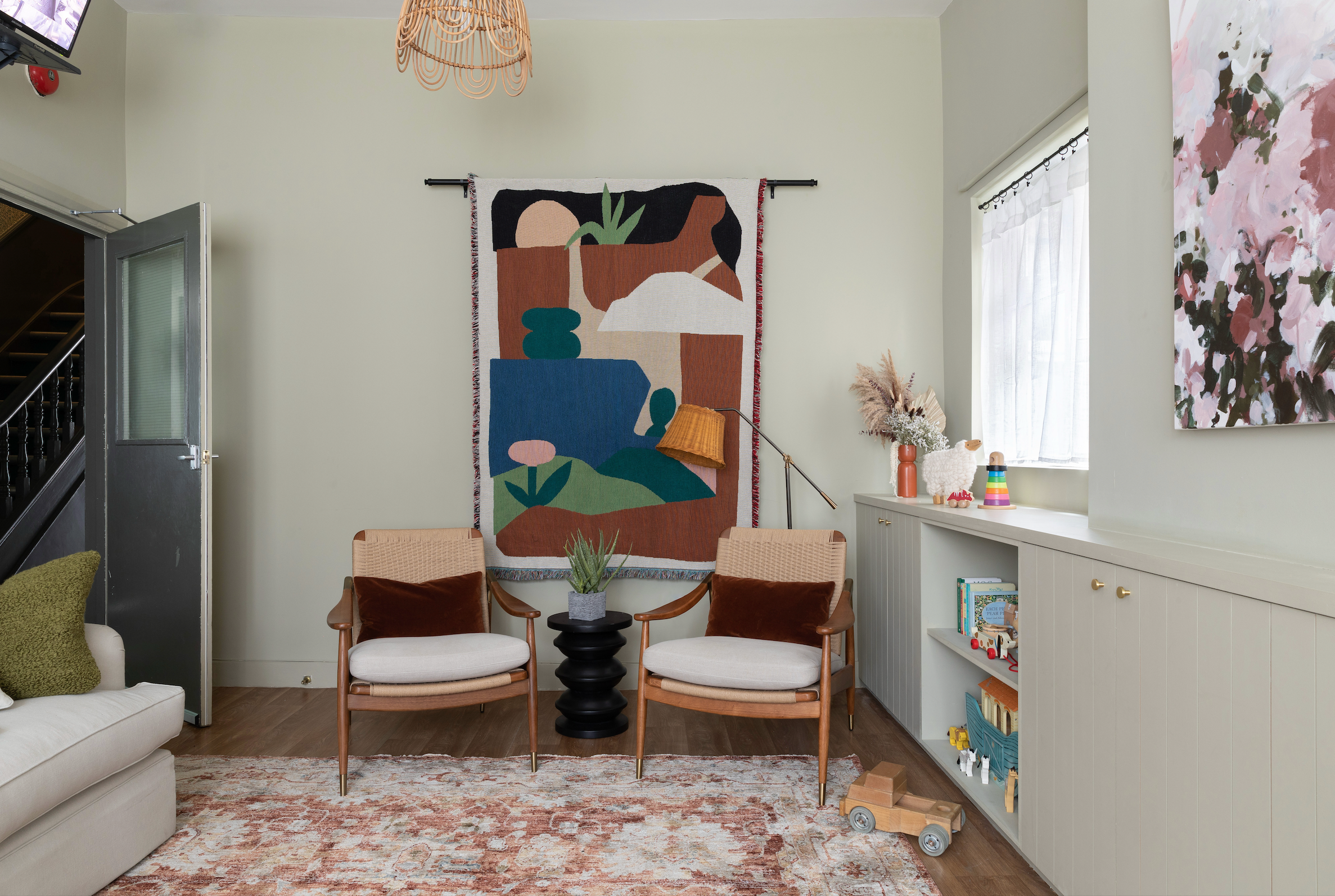
Some of the most memorable homes we’ve created have been for women who were pregnant and about to give birth. Imagine being handed the keys to an empty flat the day before you deliver, with no flooring, no furniture, nothing. We’ve worked with young women in that exact position, either giving birth and then coming home with a newborn to an empty space, or being placed in housing just days before. The relief of knowing they have somewhere safe and comfortable to bring their baby is profound. Those moments stay with me forever. We’ve also worked with disabled women who had been sleeping on the floor, unable to cook a meal or even get a suitable bed. These are life-changing interventions, and they highlight just how essential a furnished home is for dignity and recovery.
Q: How do you source the furnishings, and what role do designers and brands play in supporting your work?
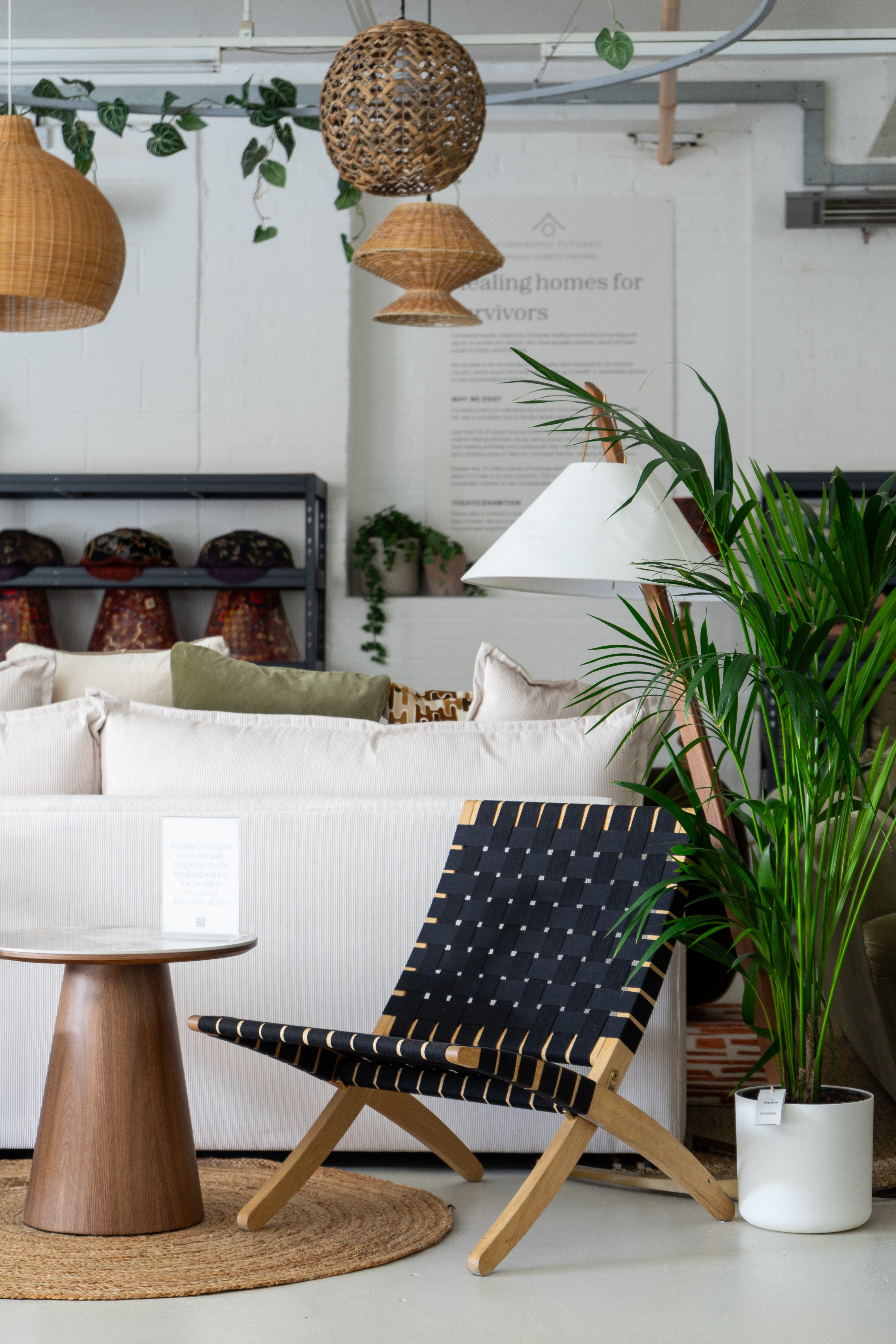
Designers, brands, and retailers are absolutely central to what we do. We take donations of furniture that is new or nearly new, and we use it to create beautiful, healing homes. These might be excess stock, returns, samples, or items from show homes that have never been used. Instead of going to waste, those pieces find a new life helping families rebuild in safety and comfort. Every single home we create is made possible through industry donations, so their role is fundamental.
Q: What advice would you give to designers who want to use their skills for social impact but don’t know where to begin?
There are so many ways. Designers could commit to one pro bono project a year with a local community group, or donate part of their fee to a charity working with women and children. Donating furniture is another powerful way to help. Later this year, we’re launching a Studio Partnership Programme, where larger studios with resources will collaborate with us to create homes, guided by our trauma-informed approach. That’s another avenue for designers who want to make a difference.
Q: Looking ahead, what’s your vision for the future of Furnishing Futures, and how can our readers support the mission?
We’re a small charity with big ambitions. Within the next two to three years, we want to support survivors and their children across London, and ultimately expand to become a national charity. Our vision is simple: no woman or child should ever have to sleep on a cold, hard floor after escaping abuse. Everyone deserves a safe and comfortable home.
OLISE readers can support us by setting up a monthly donation through our website, fundraising, donating furniture, or even just sharing our work to raise awareness. Studios and designers can also join us as formal partners through our partnership scheme. Every bit of support helps us transform empty spaces into homes where women and children can recover and thrive.
MEET MORE ICONS OF TODAY


