


JON OTIS
ICON OF TODAY
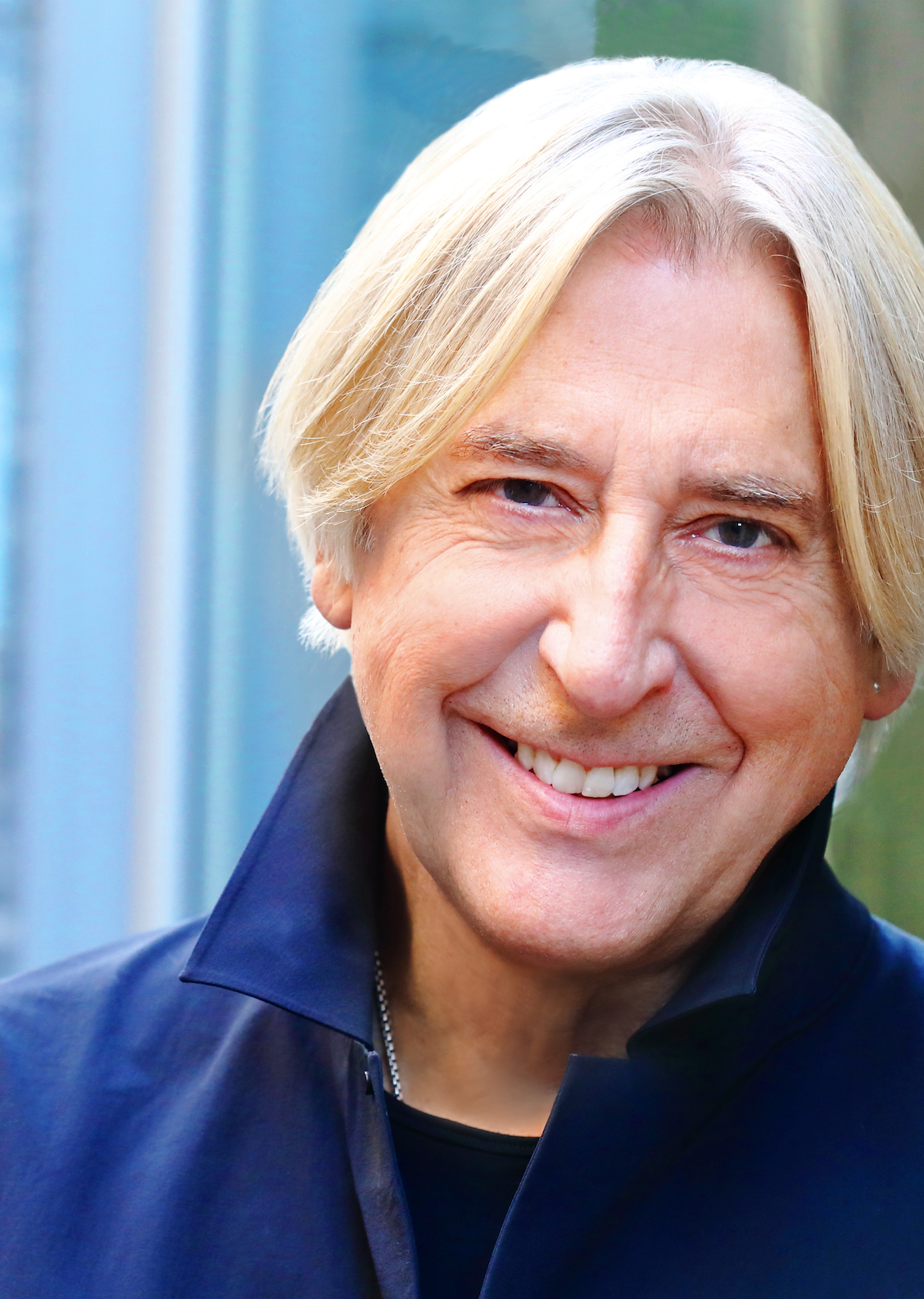
For Jon Otis, design is more than a profession — it’s a platform for culture, education, and equity. As Founder and Creative Director of Object Agency, Jon has spent over two decades shaping environments and experiences that merge strategy with storytelling. His long-standing role as a tenured professor at Pratt has influenced generations of designers, while his founding of the Diversity by Design Fund reflects a deep commitment to widening access and representation in the industry. From early days co-founding The Moderns to consulting with the Vitra Design Museum and serving on the IIDA Board, Jon’s career tells the story of a designer who believes creativity must always be paired with purpose.
Q: Looking back, what first sparked your interest in design — and what gave you the confidence to pursue it as your life’s work?
Art was always a strong interest - from when I was very young through high school and even college. It was what I enjoyed the most - the creative process. A non-linear and free-thinking approach. And there was a course in high school that I took about culture; that is, cultural ideas, people, thinking. And through that I became interested in modern dance, architecture, art history, etc. I wrote a paper about Frank Lloyd Wright, I went to see Edward Villella and Alvin Ailey dance, and we visited MoMA. All of that provided a foundation for becoming a designer. But it didn’t formalize until I took a continuing education course at the University of Massachusetts in architectural drafting. That was the turning point. Then I was hooked.
Q: You co-founded The Moderns in the 1990s, a time when New York was buzzing with creative energy. What was that experience like, and how did it shape your future approach to design?
Well, I returned to New York City after spending 3.5 years abroad. I had been working in Milan, Italy through the mid-80’s with Ettore Sottsass after having been awarded a Fulbright Fellowship. That experience was formative and I learned to be a designer working there. It was an amazing time to be in Milan, and I feel fortunate that I was given the opportunity to be there. I worked very hard for it.
As for The Moderns, circumstances and fate shaped that decision, but it was certainly a dream come true. It was a challenging time in the early 90s - the economic crash and the fall-out from the late 80s was dramatically affecting the design industry. It was a struggle at first, but then a couple of specific clients and opportunities enabled us to thrive and we had some incredible projects.


Q: What motivated you to start Object Agency in 1999, and how has the studio evolved in response to the changes in design culture over the past two decades?
Well, there were personal reasons to move on from The Moderns, and I also wanted to explore some diverse paths, including teaching.As for any sort of specific evolution, I might state that my design thinking began to be led much more profoundly by two factors: first, teaching and engaging with students and utilizing a narrative approach to design was significant. Teaching students to seek meaning and tell stories affected how I was approaching my own projects. The other was reading ‘The Eyes of the Skin’ by Juhani Pallasmaa, a Finnish theorist and architect.. Everything changed for me in terms of how I thought about design. From that point I wanted my work to engage the senses and not be purely ocularcentric.I believe that those two factors, together with maturing in life and work, opened a perspective based on humility about design that was enlightening.
Q: Can you share a project from Object Agency that feels especially meaningful — one that best represents the spirit of your work?
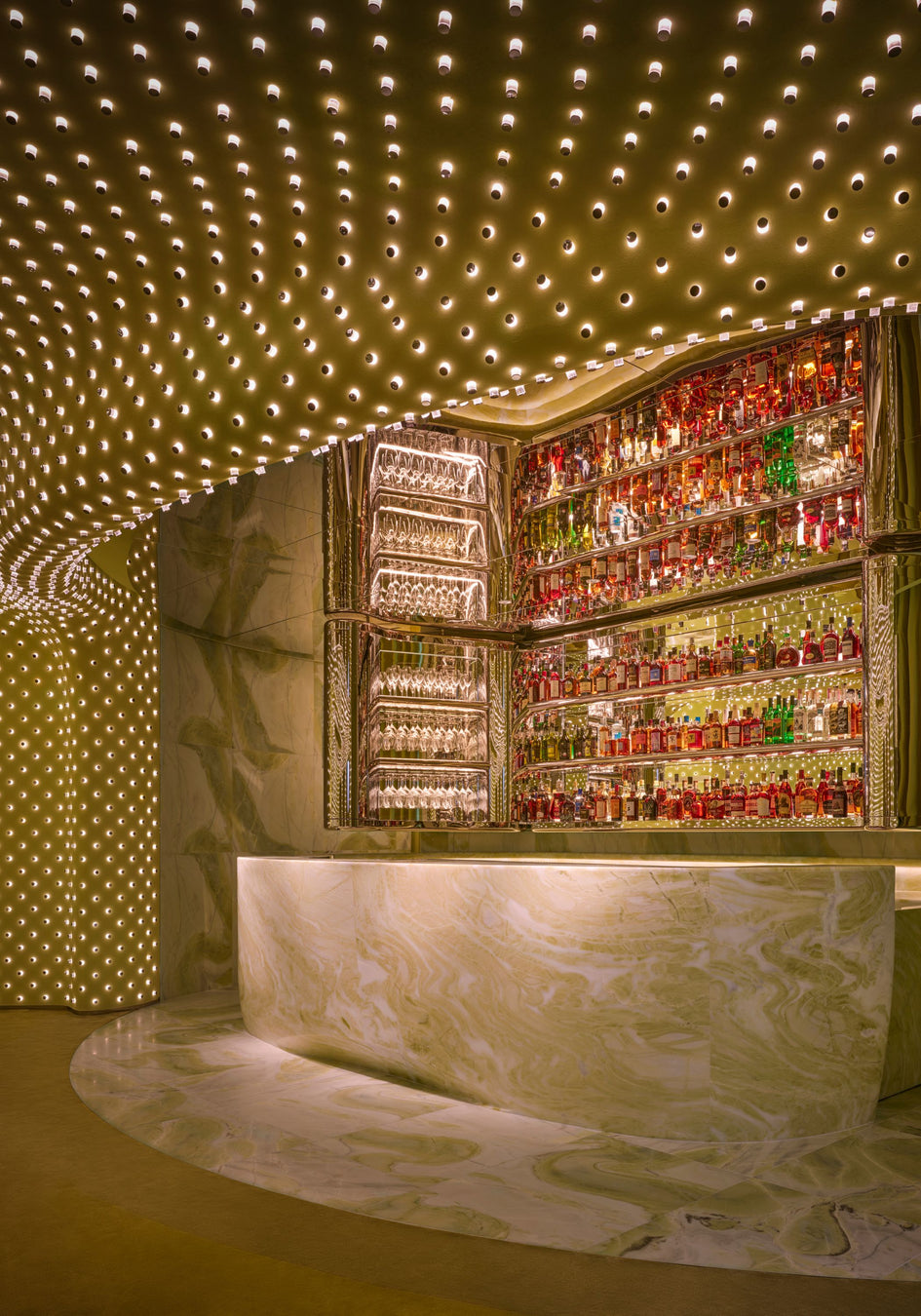
Perhaps the most meaningful was the pro-bono work we did for a children's organisation in Greenpoint, Brooklyn. Over a 3-4 year period we completed a number of diverse projects for them - from branding initiatives, to website design, and space design - all on a very low budget. Most rewarding was the Book Bus that travelled into local neighborhoods and provided low-income families with opportunities to borrow books, engage in readings, and other initiatives on and off the bus.
Otherwise, working with Robert Redford on Sundance Cinemas at the end of my tenure with The Moderns and then briefly with Object Agency was truly exciting and inspiring. His recent passing made me think about the years we spent with him on that project that was never realized.
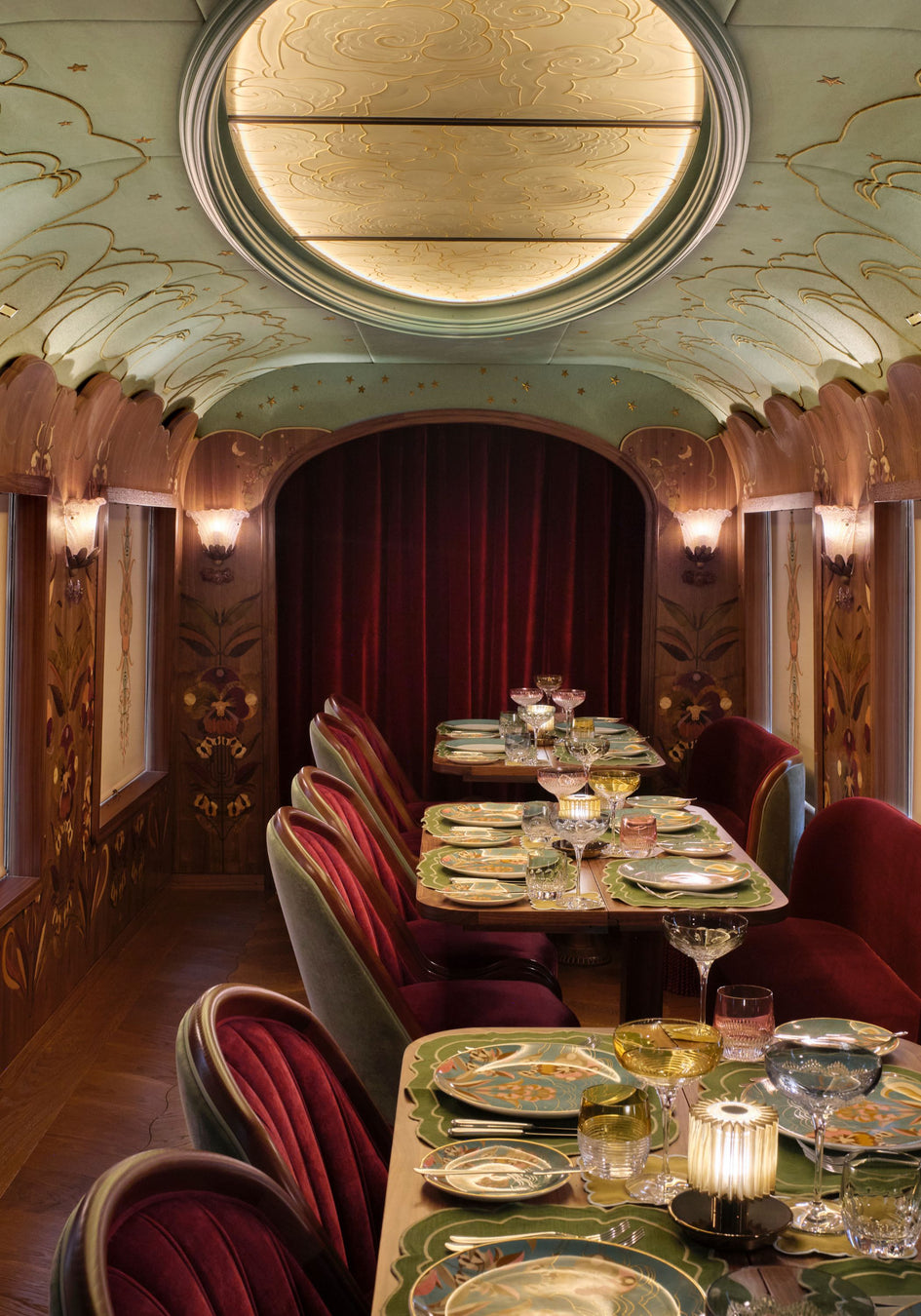
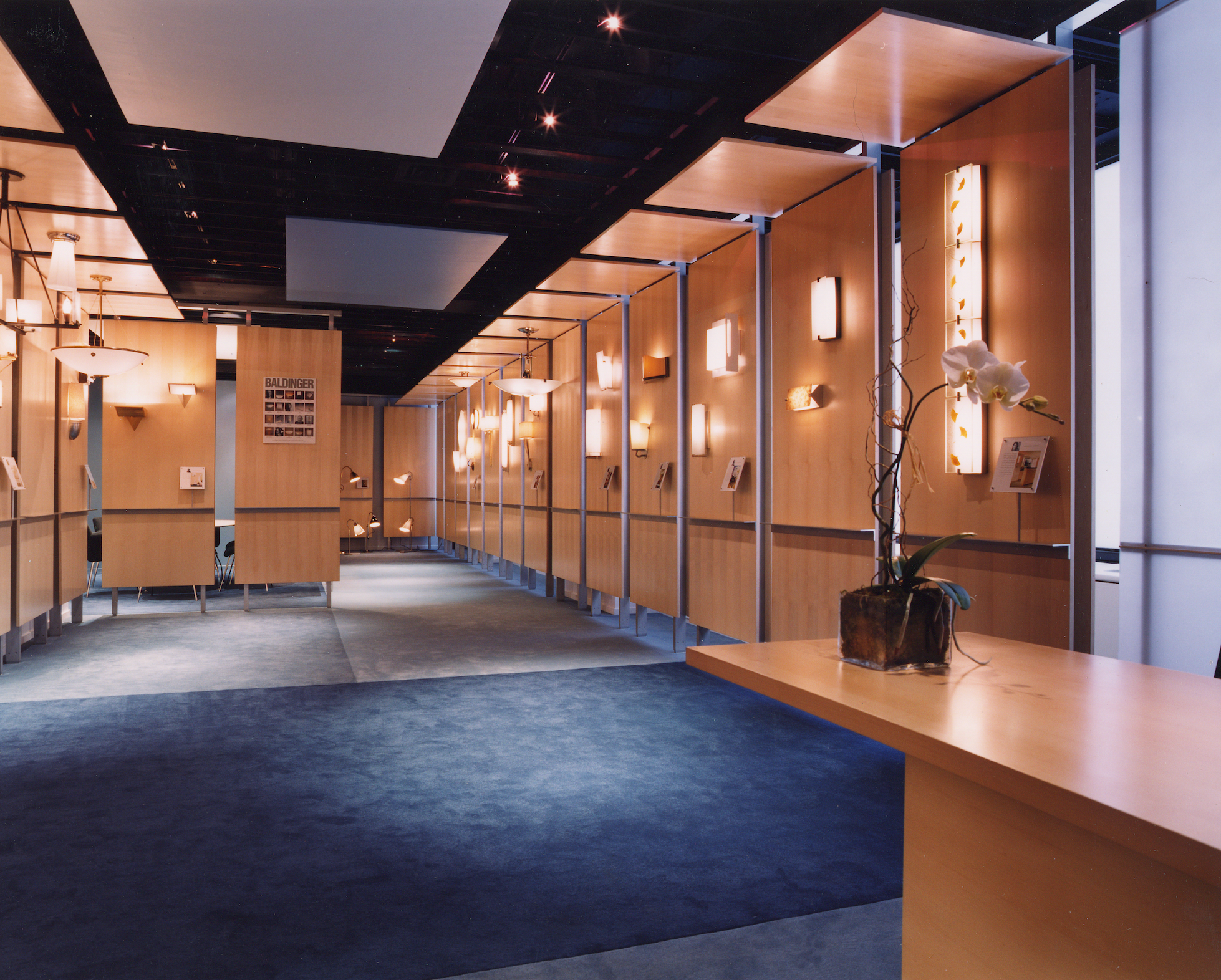
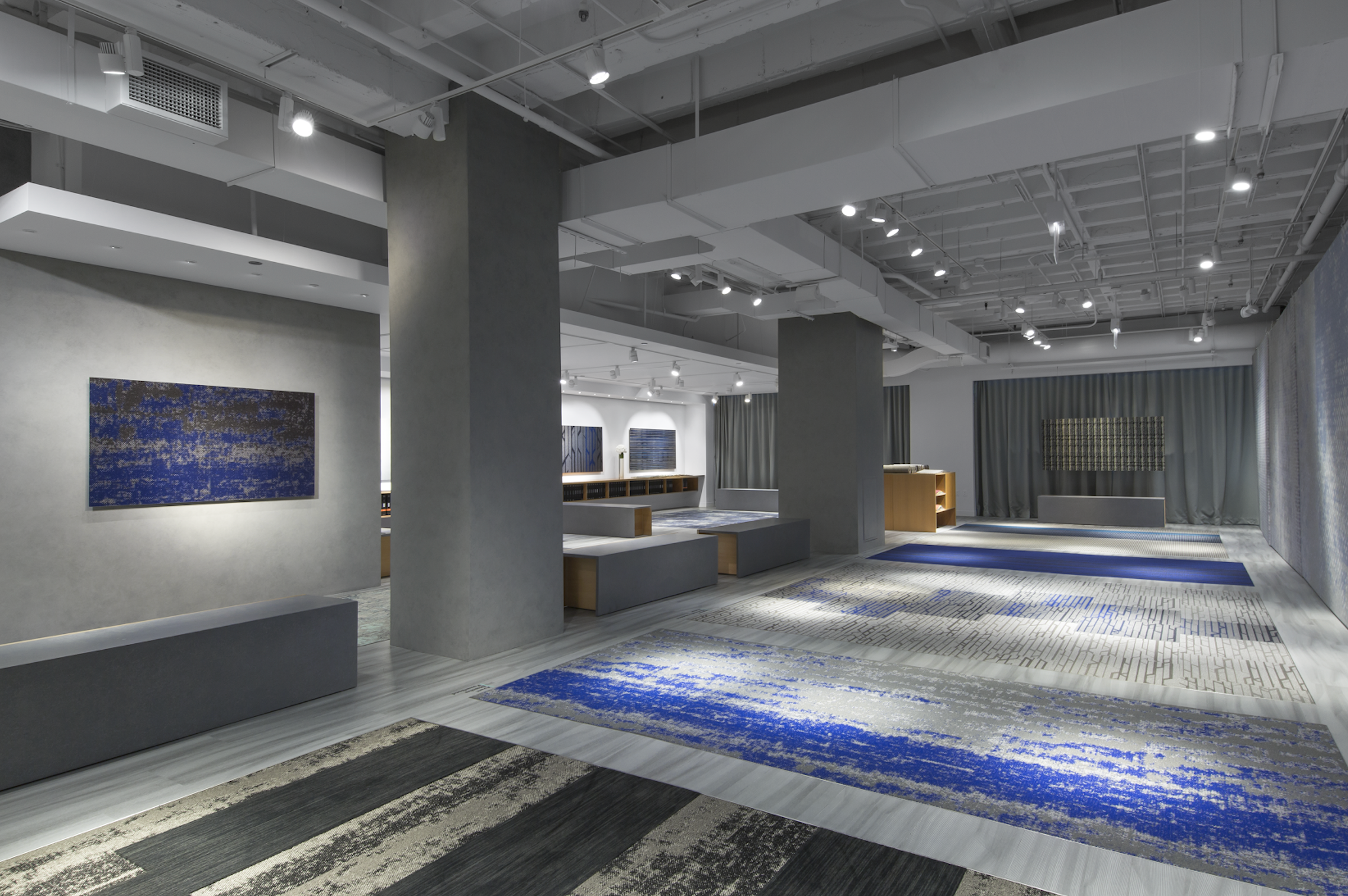
Then, I’ll also state that some of the showrooms we’ve designed have been very fulfilling in terms of the aesthetics and the narrative ideas coupled with a creative freedom based on trust, provided by several clients,
Q: You’ve taught at Pratt Institute for over 25 years. What do you love most about teaching, and how does it feed back into your practice?
Indeed - in fact it’s 27 years this year! Well, as I’ve previously stated, I truly believe that in order to be an effective educator it requires humility. The ego that is required and we develop to become professionals is an impediment in academia. In order to reach students one must not ‘preach’ or ‘lecture’ from up-high. And I’ve seen things change dramatically in the past quarter century of teaching - each generation is different and it’s my job to educate them. In doing so, I’ve got to be flexible, creative, and agile so that I can connect with them and empower them to feel inspired.
I’ve always believed that practice feeds academia and vice versa. But the key is to remain open to seeing it, and feeling it. Then the benefits on both sides can be fruitful.

Q: What are the biggest challenges you see in teaching students today — and how do you think AI is reshaping both the way they learn and the way they design?
Adapting to new ways of connecting with students, and not being ‘stuck’. Finding innovative pedagogical approaches, and even creating new types of courses. And AI is present - we are all utilising it in some way or another, so digital natives and now AI natives are adept and we are all assessing the good, the bad and the ugly of AI. In terms of how it’s affecting design - well that’s a work-in-progress. We’ve not seen (in Interior Design) anything substantial or formalised at this point. But it’s coming quickly - ask me again in about a year.
Q: What lessons do you hope your students carry with them long after leaving your classroom?
That they know what a ‘sofa’ is and you don’t call it a couch! Lol
I tell them that our goal as designers is to create meaningful places and experiences. It is our job to not only create beautiful and highly functional spaces, but that they must contribute to enabling our clients to feel better - no matter what type of space we have provided for them. We have the power to improve people's lives - not like doctors of course, but we can impact their daily experience - physically, psychologically, spiritually and sensorially.
Do good. Make the world better. Design is an agent of change.
Q: What led you to create the Diversity by Design Fund? Was there a specific moment when you realised the industry needed structural change?
Well after 15+ years of teaching in Brooklyn, NY., where the Pratt neighborhood was primarily Black, it seemed very strange to me that the student population did not reflect even a fraction of where our college was located. And in those years the students of color who I taught were an appalling minority in our department. Secondly, our industry - design & architecture did not reflect a diversity of people.
In one of my Pratt studio classes, for a number of years, we did outreach with local community organisations and my students went and worked with kids after school and we got them involved in design with small projects, and they were introduced to what it was and what it could mean. These were all kids of color.
In 2017 I was honored with the IIDA Educator of the Year award and I committed that money ($10K) to building the initiative, but it took some years to get there, and we’re proud of what we’ve done - but there’s still more to do. And people can donate to the dxdf to support initiatives like the IIDA Design Your World, and other programs.
Q: After decades shaping spaces and shaping people, what still excites you most about the future of design?
As I stated above, we can change people's lives for the better - the diverse spaces that people occupy everyday can be better and are better when interior designers have been involved in creating them, or improving them.
We have the opportunity to tell stories, to create meaning. Most spaces that people occupy become meaningful because of the objects and finishes and colors that we help specify and install. There is a great deal of responsibility that designers have to do good.
Q: When you think about legacy, what do you hope your greatest contribution will be — both to design and to the people you’ve mentored along the way?
That’s a big question, and I’d be insincere to state that I haven't thought about it. I suppose that in so many ways, the work we do is quite temporal - in a state of flux. Change is inevitable in design. Architects aim for permanency while interior designers usually have no such agenda or opportunity. As such, since I haven’t designed any ‘ubiquitous’ objects like the Eames, Breuer, Noguchi, or other such objects that will endure, then I would point to my commitment to the design industry through my work with the IIDA, the Diversity by Design Fund, and of course my role as an educator at Pratt and other institutions.
I’m very proud of the many students that I see at design events who have succeeded and are working as professionals and feel good about the choice they made to be a designer. Having contributed in some small or substantial way to their dream is a truly wonderful and fulfilling feeling.
Students who have worked with me at Pratt know that I believe in design.
MEET MORE ICONS OF TODAY


