


ADAM HUNTER
ICON OF TODAY
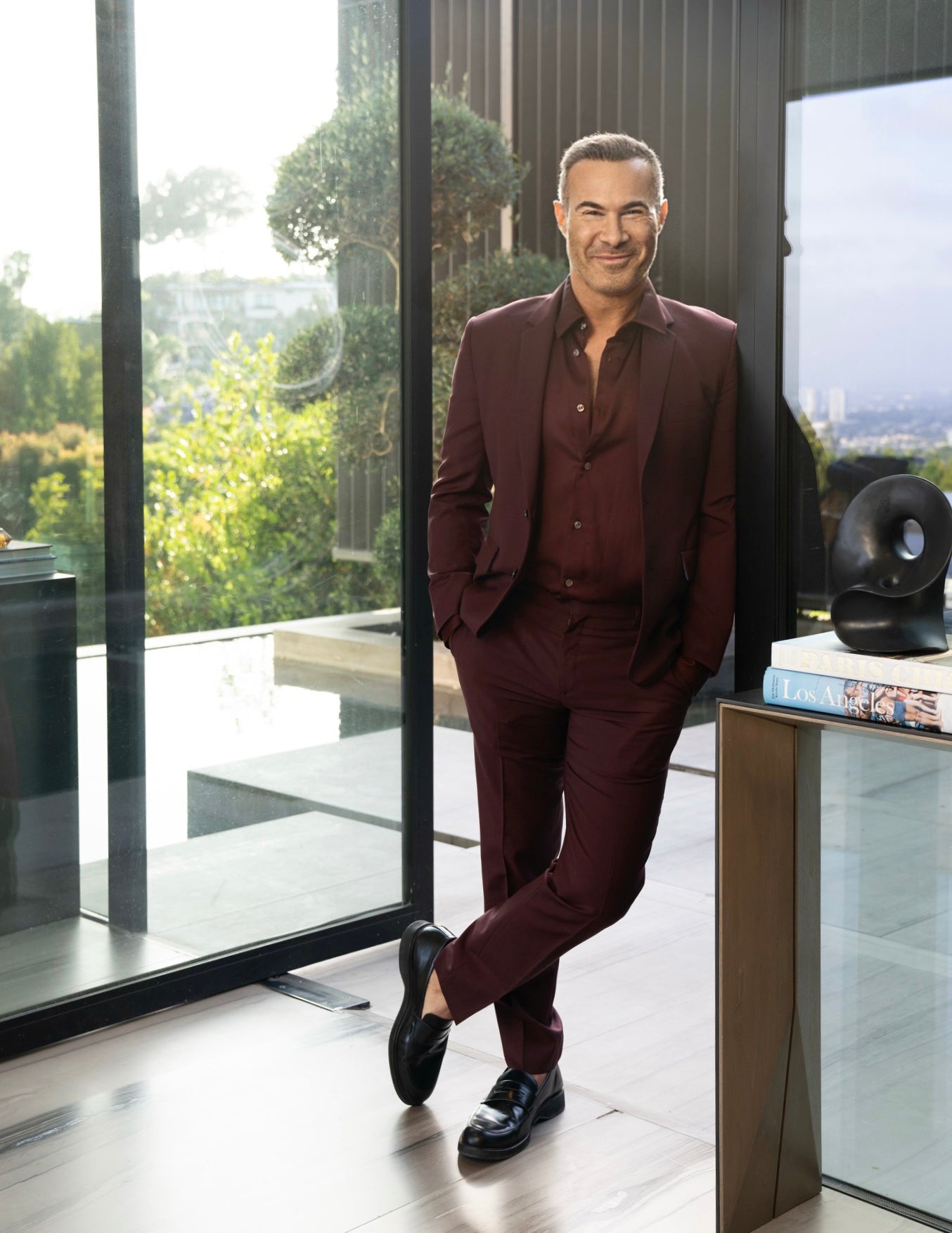
Adam Hunter is a Los Angeles based interior designer known for bold, cinematic interiors that combine glamour with comfort. A former Broadway actor, he brings a strong sense of storytelling and theatricality to his practice, designing spaces that feel immersive and alive. That stage trained instinct for timing and contrast informs everything from room choreography to lighting.
His portfolio includes celebrity homes, luxury residences and commercial spaces across the United States, each marked by dramatic use of colour, sculptural furnishings and layered detail. Hunter’s work balances Hollywood sophistication with a contemporary sensibility, making him one of the defining names in American luxury design.
Learn more about his vision in the exclusive interview below.
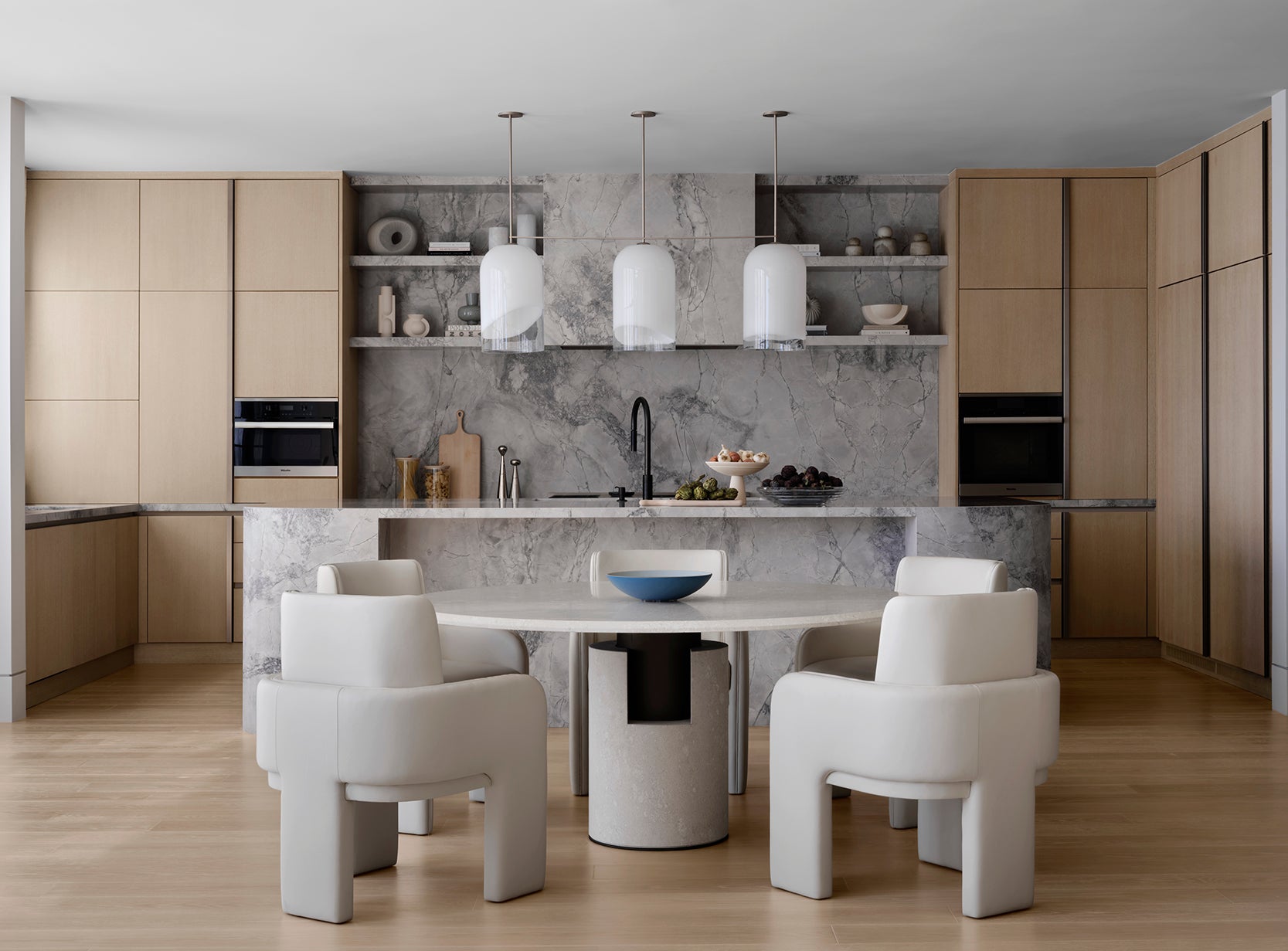
Q: Adam, you truly are an icon the OLISE team has long admired. From your beginnings on Broadway to becoming one of today’s most sought-after interior designers, how has your background in performance shaped the way you approach design?
Absolutely, it shaped everything. Theatre taught me to think in scenes, in moments, in the way people move through space. When I design a room, I’m really staging an experience. Lighting, proportion, even the smallest detail—these are cues, just like on stage, that set the mood and direct the story. That training never left me.


Q: You’ve designed for some of the most dazzling names, from Neil Patrick Harris to Travis Barker. Was there ever a request from a celebrity client that surprised you or pushed your creativity in an exciting new direction?
For Neil Patrick Harris, I designed his “magic room,” which was such an exciting project because he’s not only a professional magician but also the president of the Magic Castle here in Los Angeles. The room itself was hidden behind a large poster, so what looked like a wall actually opened into this secret space, almost like stepping into another dimension. That element of surprise made it one of the most playful and fun projects I’ve ever worked on.
For Travis Barker, I got to design his band room, which was equally incredible.
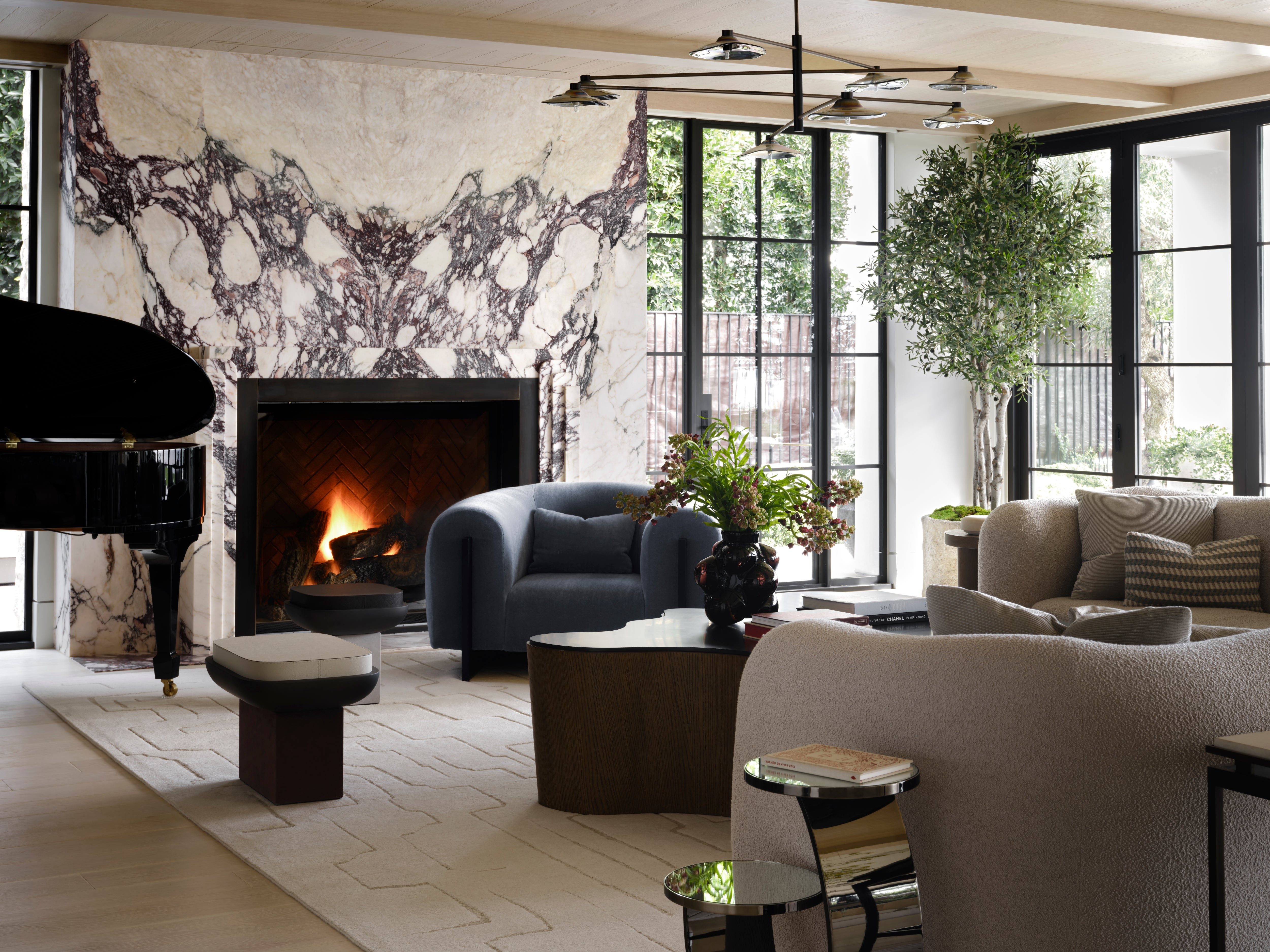
Q: Theatre and interiors both thrive on storytelling, atmosphere, and a little bit of drama. Are there particular Broadway shows, characters, or stage sets that still inspire the way you bring magic into a room?
Theatre is in my DNA. I was brought up with it—my mother is a singer—and I’ll always see interiors as a stage of sorts, the backdrop to a person’s life. Shows like The Phantom of the Opera taught me about atmosphere, how a single sweeping gesture can change the emotional temperature of a space. Characters like Elphaba in Wicked remind me that drama and vulnerability can exist side by side, just like glamour and comfort in a home.That theatrical instinct guides me not only in layering narrative into a room, but also in how I shape lighting and proportions. The way a beam of light hits a surface or the scale of a ceiling line can completely shift the mood. That’s what makes a space come alive: when it doesn’t just look beautiful, it envelops you, it performs.
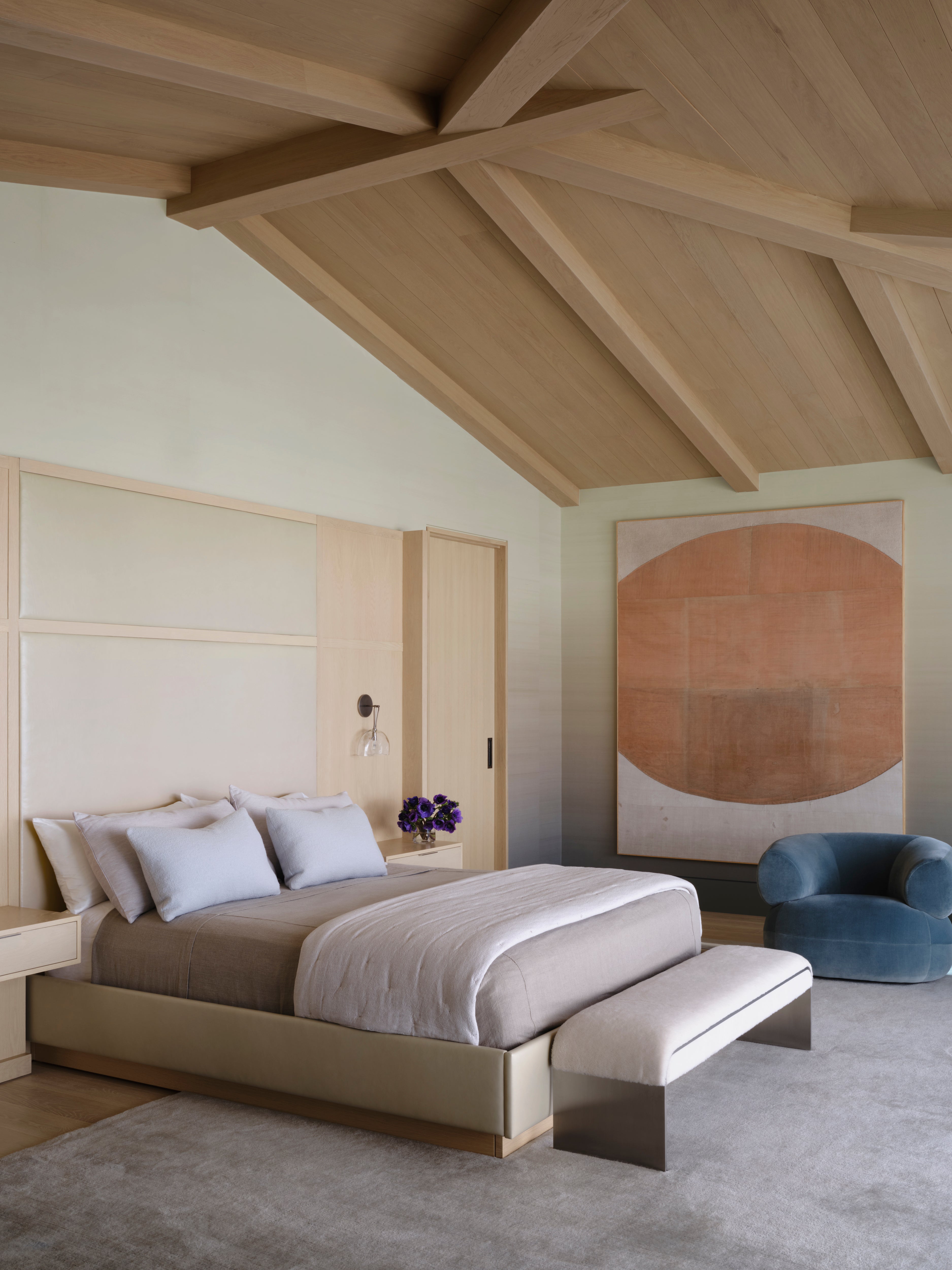
Q: Your work always strikes that beautiful balance, glamorous yet personal, bold yet inviting. Where do you draw your inspiration when creating spaces that feel both iconic and livable?
My inspiration comes directly from my clients’ lives—their stories, passions, and quirks. The rhythms in which they live their lives. Glamour alone can feel hollow, and comfort alone can sometimes feel flat. But when you listen deeply, you can translate a person’s essence into a space that’s as inviting as it is iconic. I also draw my inspirations from traveling, fashion, and nature… anything that sparks a dialogue between visual expression, intimacy, and the element of surprise.
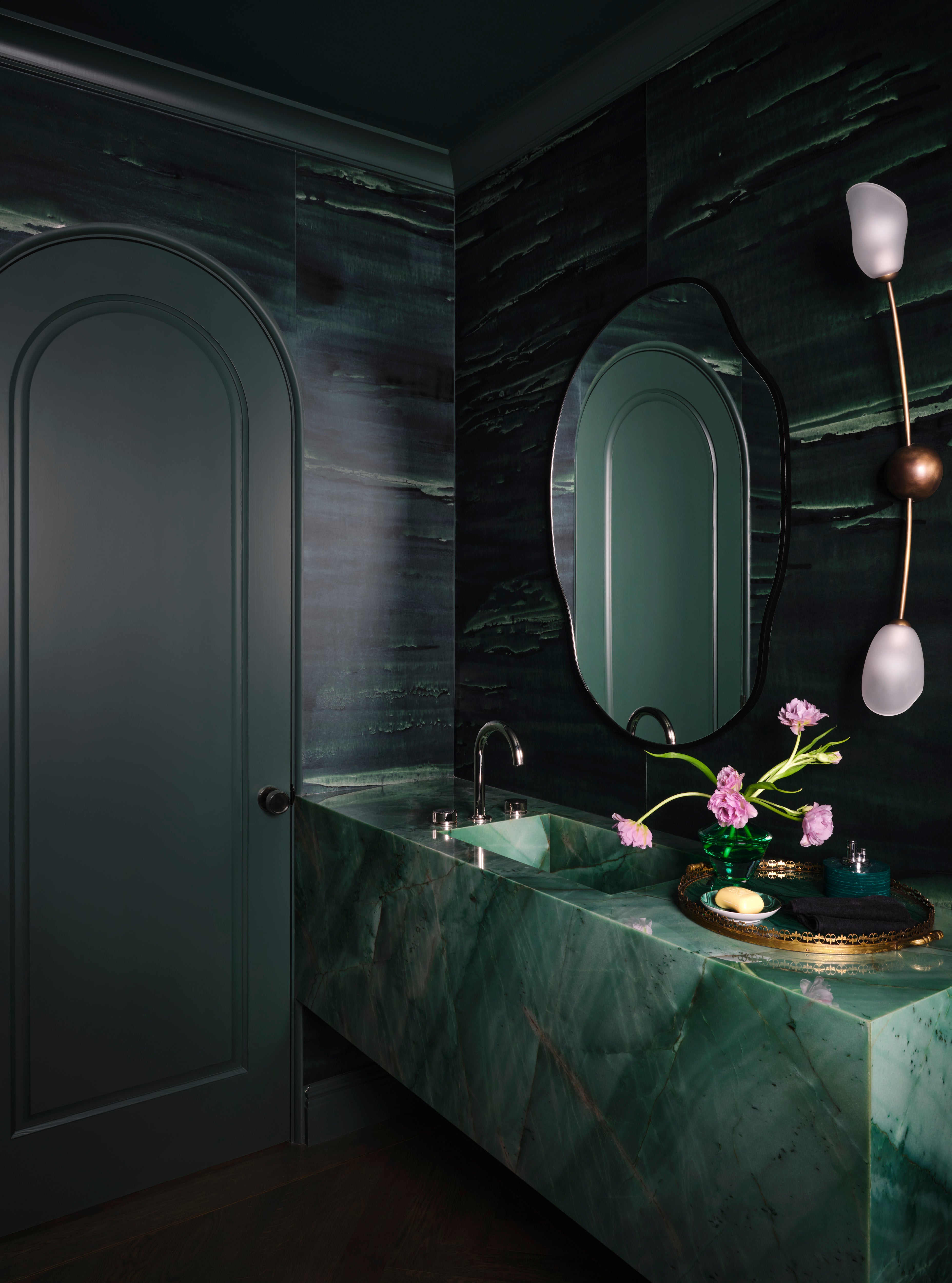
Q: Collaboration often sparks brilliance. Are there any brands, designers, or even artists you’d love to team up with in the future, and what kind of dream project would you love to explore together?
I would love to collaborate with a sculptor or a fashion designer. I’m especially excited to share that I’m teaming up with my friend John Pomp, whose glass and metal light fixtures I’ve incorporated into many projects over the years. His work is both sculptural and luminous. Stay tuned… something very special is coming soon.

Q: Luxury interiors are constantly evolving. From technology to culture, what shifts do you think will shape the way we design and experience beautiful spaces in the years to come?
Luxury is evolving from “look what I have” to “feel how I live.” I believe the future lies in experience-driven design i.e. smart homes where technology disappears into the background, spaces that conserve energy and water without sacrificing beauty, and environments that prioritize wellness for the mind, body, and soul. Materials, too, are shifting to be more sustainable yet sensorial, so every surface feels as good as it looks. Culture today demands that luxury be both responsible and deeply personal, and that will fundamentally reshape how we design and experience interiors in the years ahead.
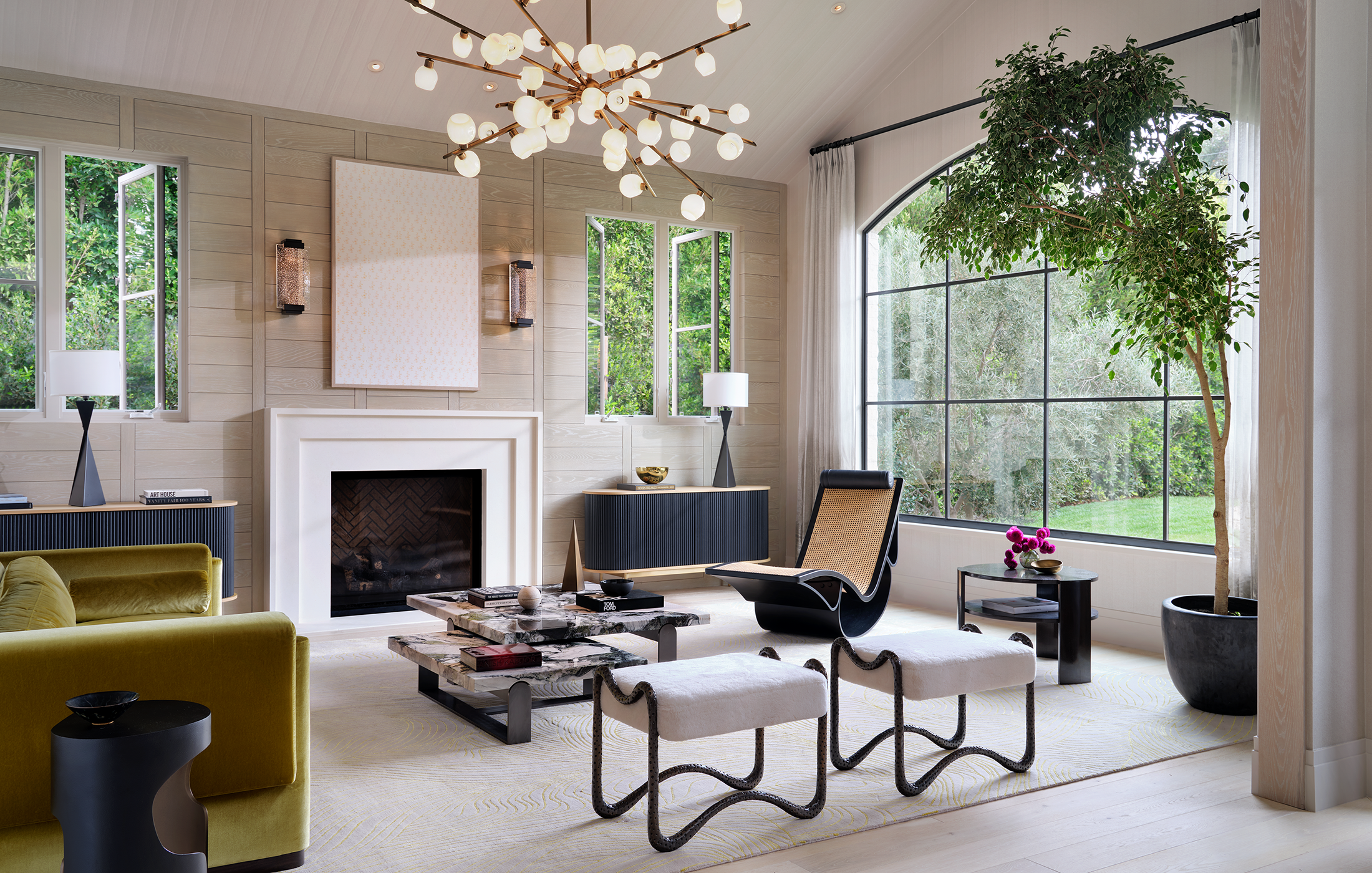
Q: With so many extraordinary projects behind you, is there one space that holds a particularly special place in your heart, a project that feels like a milestone moment in your journey?
My current home renovation project is the one that holds the most special place in my heart, because it’s for myself. It represents a deliberate departure from my last residence, which was an exploration of maximalism and mood. This new home reflects where I am in life right now: seeking calm, balance, and a sense of grounding. The atmosphere is meditative… pared back, yet rich in subtle details. I call it “monk chic”, a style that’s as much about mindset as it is about design.
Q: If you could time-travel to any design era, from the glamour of Art Deco to the romance of mid-century modern, which period would you choose to play in, and why?
Ooo good question! I think I would choose to time-travel into the Art Deco period. That era was fearless… I love the use of geometric lines, rich materials, and a boldness that still feels modern today. The era celebrated glamour and a verve of life and aesthetic without apology, yet it was grounded in the most exquisite craftsmanship. To play in that era, with today’s tools and sensibilities, would be a dream.
MEET MORE ICONS OF TODAY


