

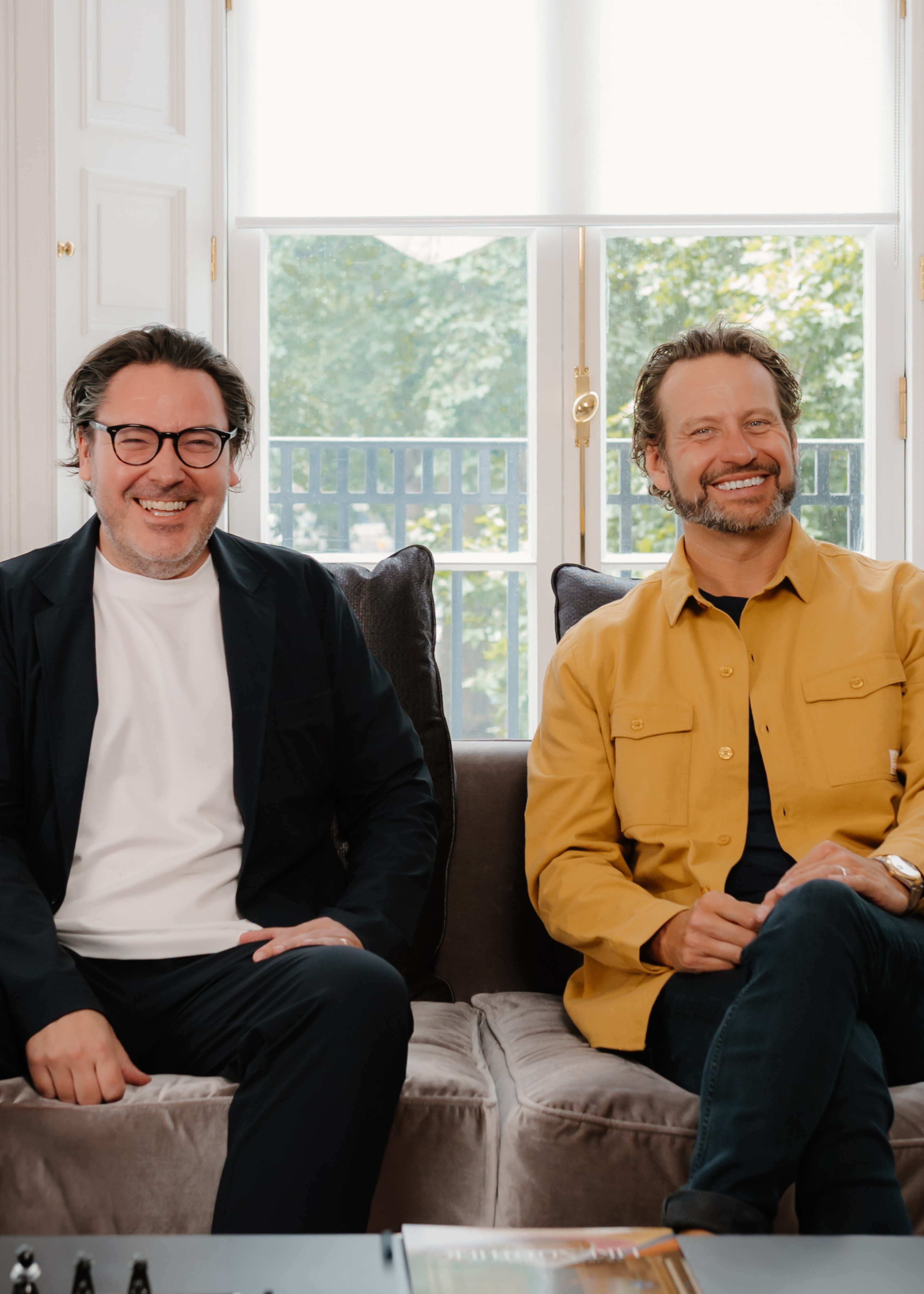
ELLIOT MARCH & JAMES WHITE
ICON OF TODAY
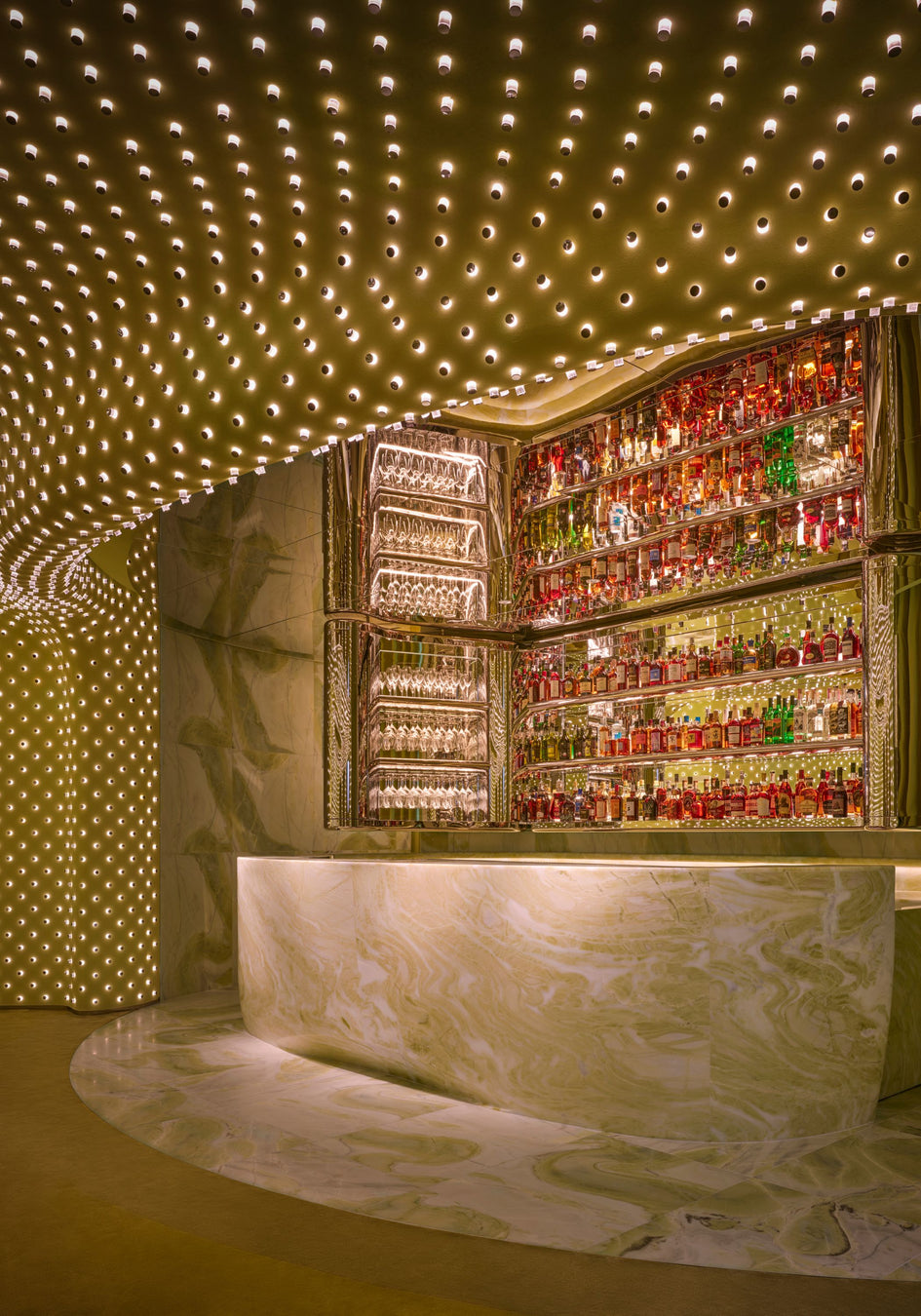
Elliot March and James White co-founded MAWD, a global architecture and design studio with offices in London, Dubai, LA and New York. Their shared vision is to create spaces that are intelligent, adaptable and rooted in how people live and work today. Hero projects in the United States include the interiors for Lantern House by Thomas Heatherwick in New York, Tribeca Green in Battery Park City and the celebrated 565 Broome SoHo. These projects highlight MAWD’s ability to craft contemporary living spaces that marry sophistication with urban lifestyle.
Their full story continues in the interview below.

Q: You've been working together for over a decade. What was the moment that made you both say, "Let’s do this together"?
James: We studied together and were already close friends from university. At the time, we were each working at different architectural firms. While chatting in the pub, as you do, we started thinking, why don’t we start something of our own?
Elliot: We saw a real opportunity to bring more architectural value to interiors. Back then, a lot of our work was focused on exteriors, but we felt interiors were where we could make more of an impact. That was about 15 years ago.
Q: So you saw a gap in the industry?
Elliot: Exactly. Architectural projects can take five or six years to materialise, and we wanted a faster pace with more tangible design impact. Once we started doing interiors, things took off quickly. One of our first big projects was in Palace Gardens Terrace, and that was the real spark. We realised we had to start our own studio. The projects just kept getting bigger from there.
Q: After so many years of working together, how have you grown individually? Do you still manage to surprise each other?
Elliot: Totally. And I think what we realised straight away was just how different running a business is compared to being one part of the puzzle in an architecture or interiors studio. Suddenly, you’re responsible for everything, and there’s a lot you don’t know.
James: As the company evolves, you start easing into your role and develop skill sets that are completely outside your comfort zone. Some of them you pick up quickly, others take time. But that’s been a big part of the journey, figuring it out as you go.
Q: At what point in the journey did you find yourselves able to really focus on the creative side, the parts you love, like design?
Elliot: Still a work in progress! We’re a global studio, but we’ve kept a boutique mindset, which means we’re always involved in both the creative and the business side. You never fully switch off from either. That said, we’ve built a strong support structure over the years, which gives us the space to focus more on what we love.
James: And we back each other up. It’s a true partnership, especially with teams across different time zones. We’ve learned how to share the load.

Q: Do you still surprise each other?
Elliot: Always. Even the projects can be a surprise! There are times one of us will walk into a room and go, “Wait, when did that happen?”
James: Yeah, absolutely. There’s only so much you can do side by side. We often divide and conquer, then come back together to compare notes. There’s always something unexpected, usually in a good way.
Q: This interview is taking place in Marcus Townhouse, one of your standout projects. What makes it so special?
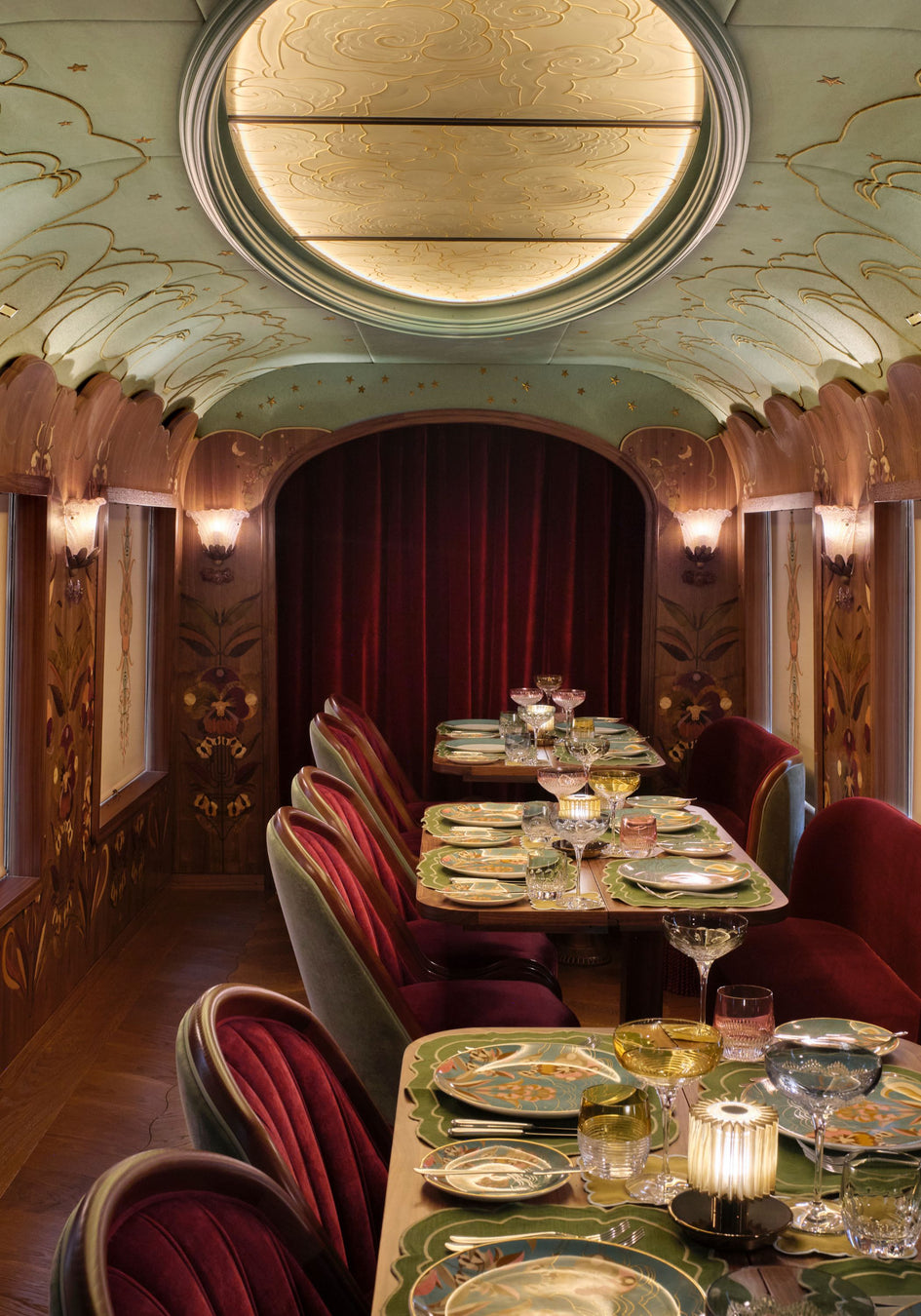
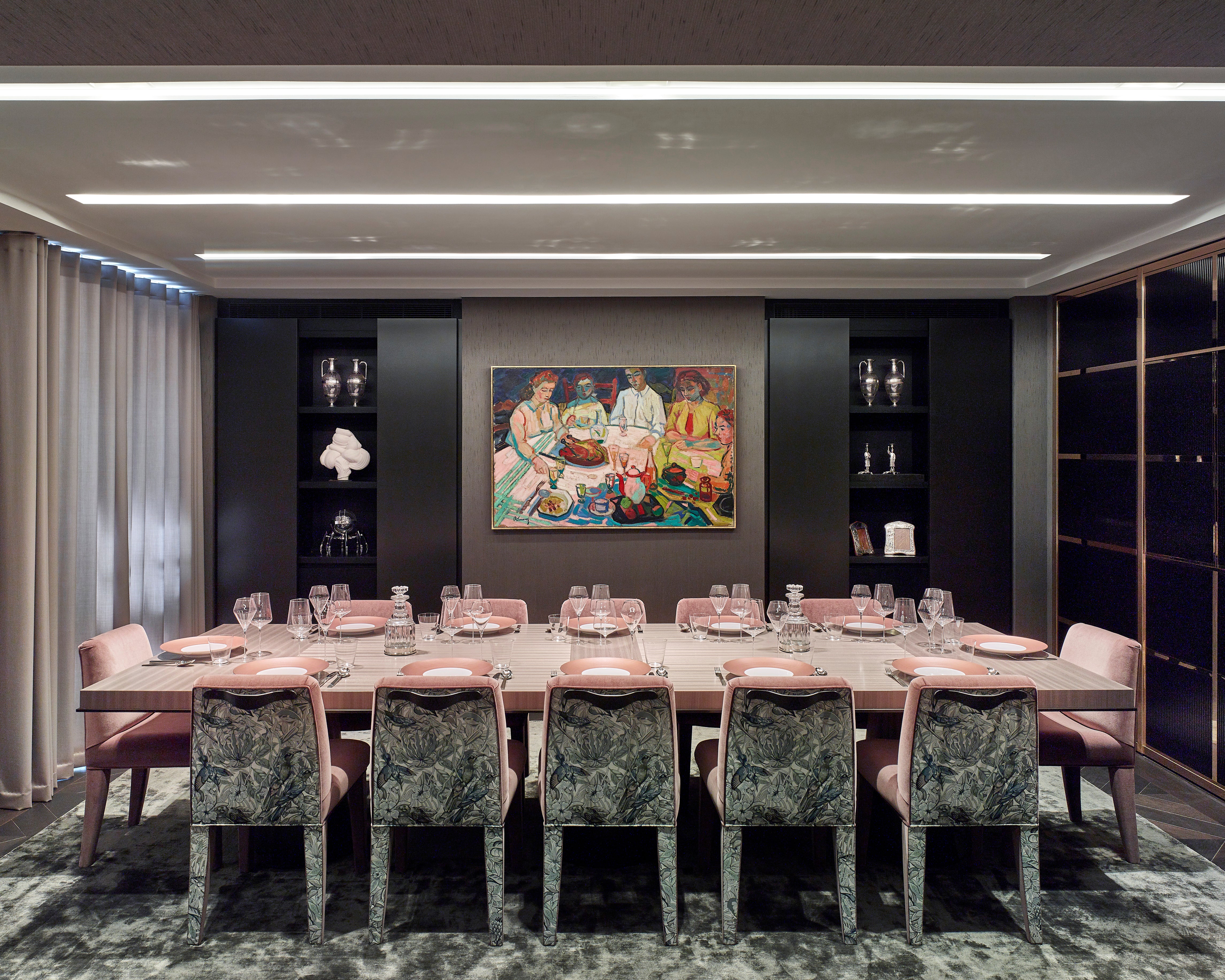
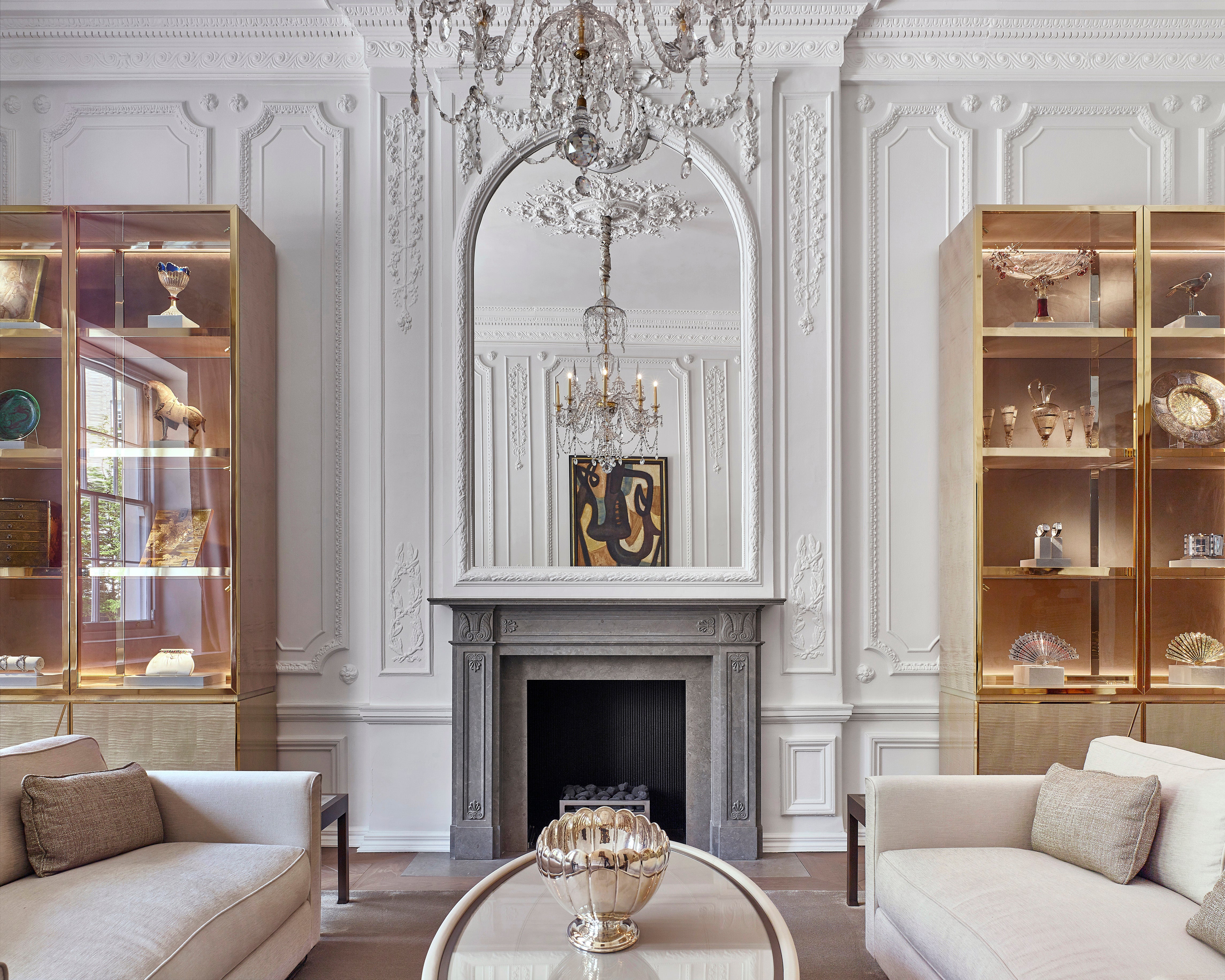
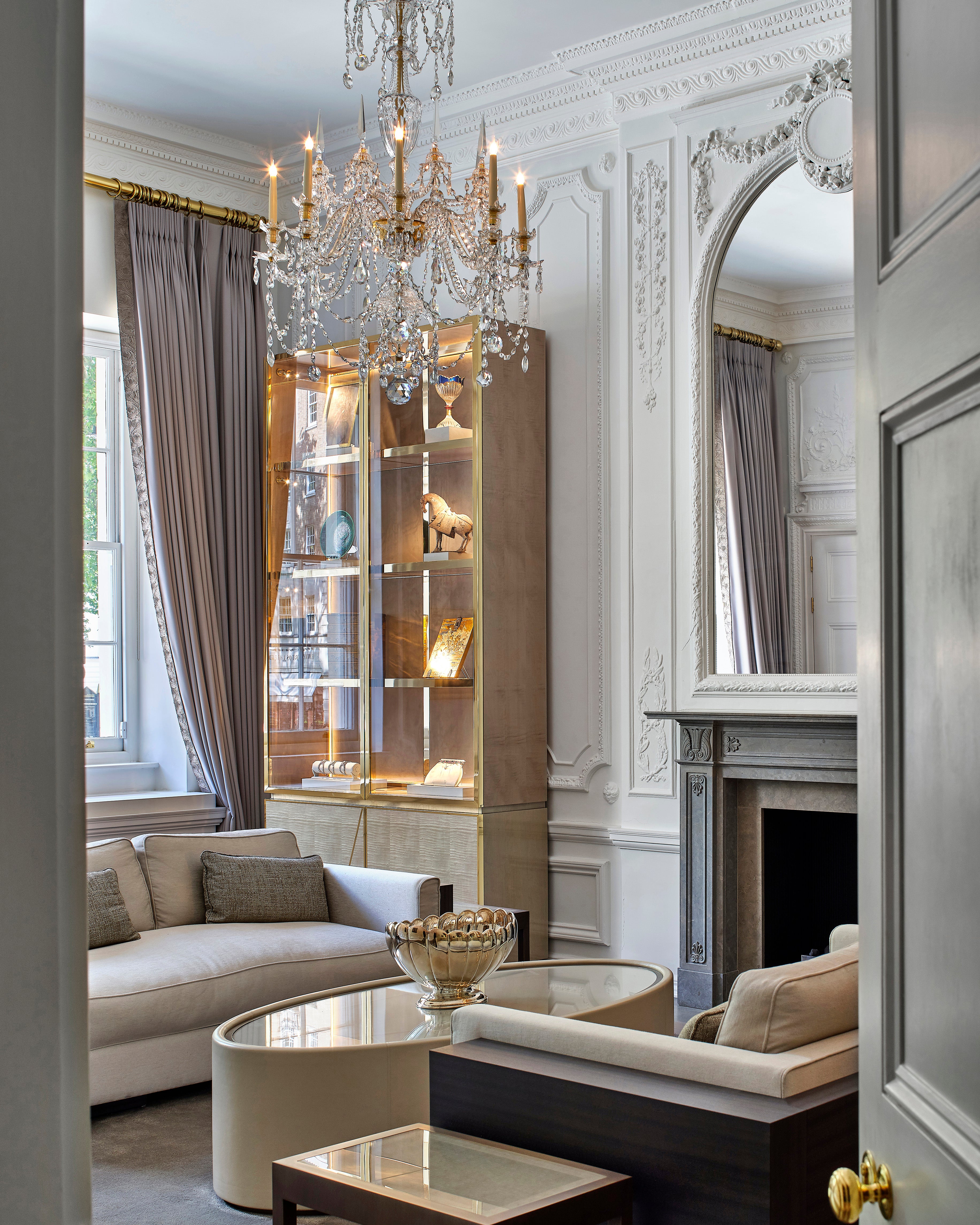
James: The client came to us wanting something that didn’t yet exist, a hybrid of a private residence, a club, and a retail space. Every room offers a sense of the unexpected. There’s a strong narrative running through the design. Marcus’s curation of artwork and objects adds another layer of richness. So you'll move from space to space, there's a connection, but there's also this sense of, wow, like the staircase is just this sudden change in colour, which you wouldn't have expected. For us, it was about craftsmanship, lighting, display, and knowing when to turn the design up, or dial it down. Personally, we love the dining room, which features Hermes fabrics and even a concealed wine room.

Q: MAWD is known for storytelling and craftsmanship. What questions do you ask yourselves when starting a new project?
James: The first thing we ask is: who are we designing for? We start with the user, whether it’s the resident or a guest, and design outward from there. That informs every other choice: narrative, materiality, scale. It helps future-proof the project too. Design trends come and go, but when you design with intention and authenticity, the result has staying power.
Q: Your projects span everything from residential towers to superyachts. Do you approach each project type the same way?
Elliot: The design process starts similarly, understanding the user. But hospitality principles influence all our work. Even private homes are infused with that sense of comfort and welcome. At the same time, we’re careful not to overdo it. It’s about borrowing the right elements and blending them carefully.
Q: Have you seen more crossover between residential and hospitality?
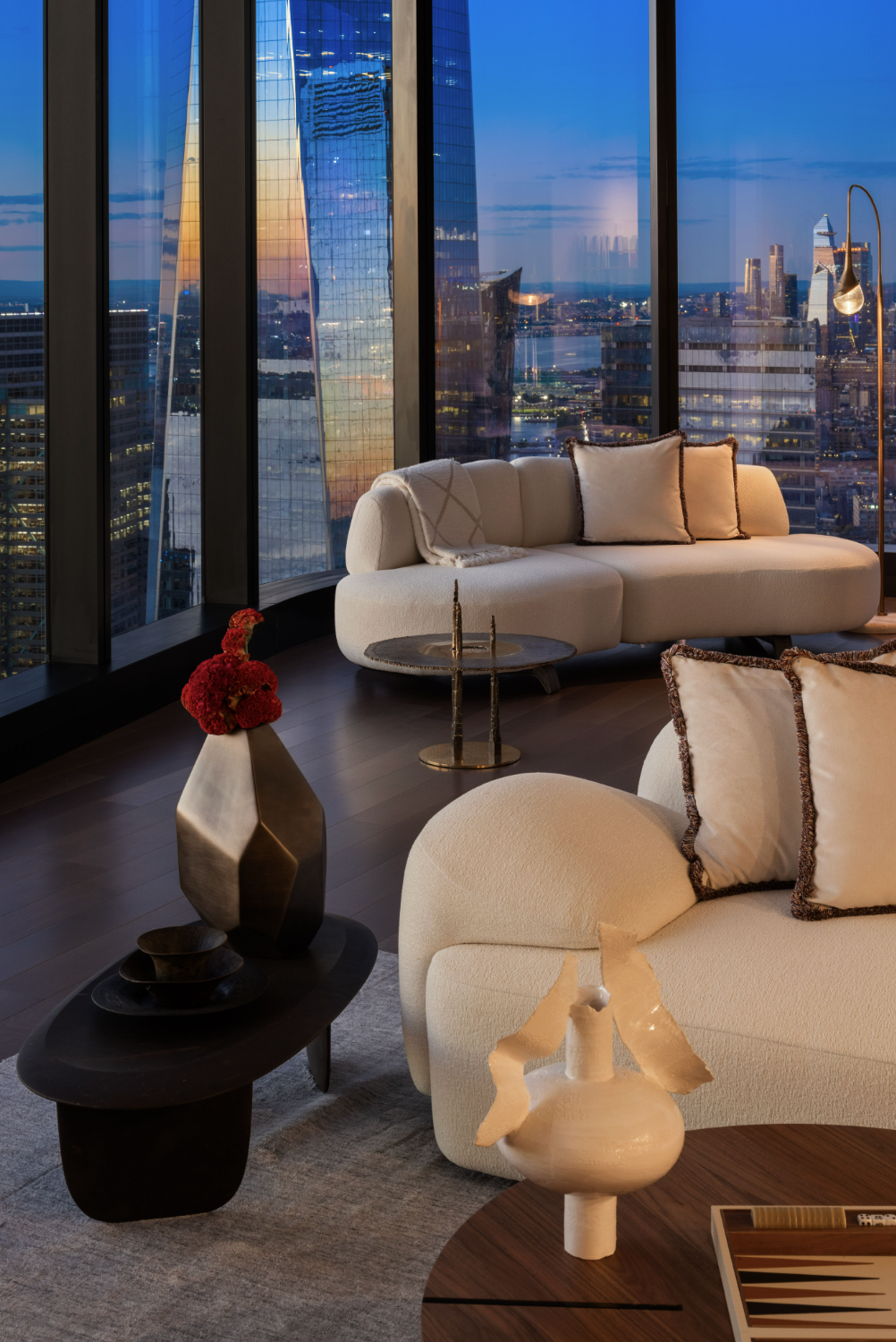
Elliot: Absolutely. It’s always been there in our work, but it’s becoming more pronounced. Homes are adopting more hospitality-like amenities, and hospitality is becoming more personal, more like home. Clients want spaces that are experiential, gyms, wellness suites, even members-club-style amenities within residential towers. But it has to be unique. No one wants a copy-paste solution.
Q: What’s the most surprising amenity a client has asked for?
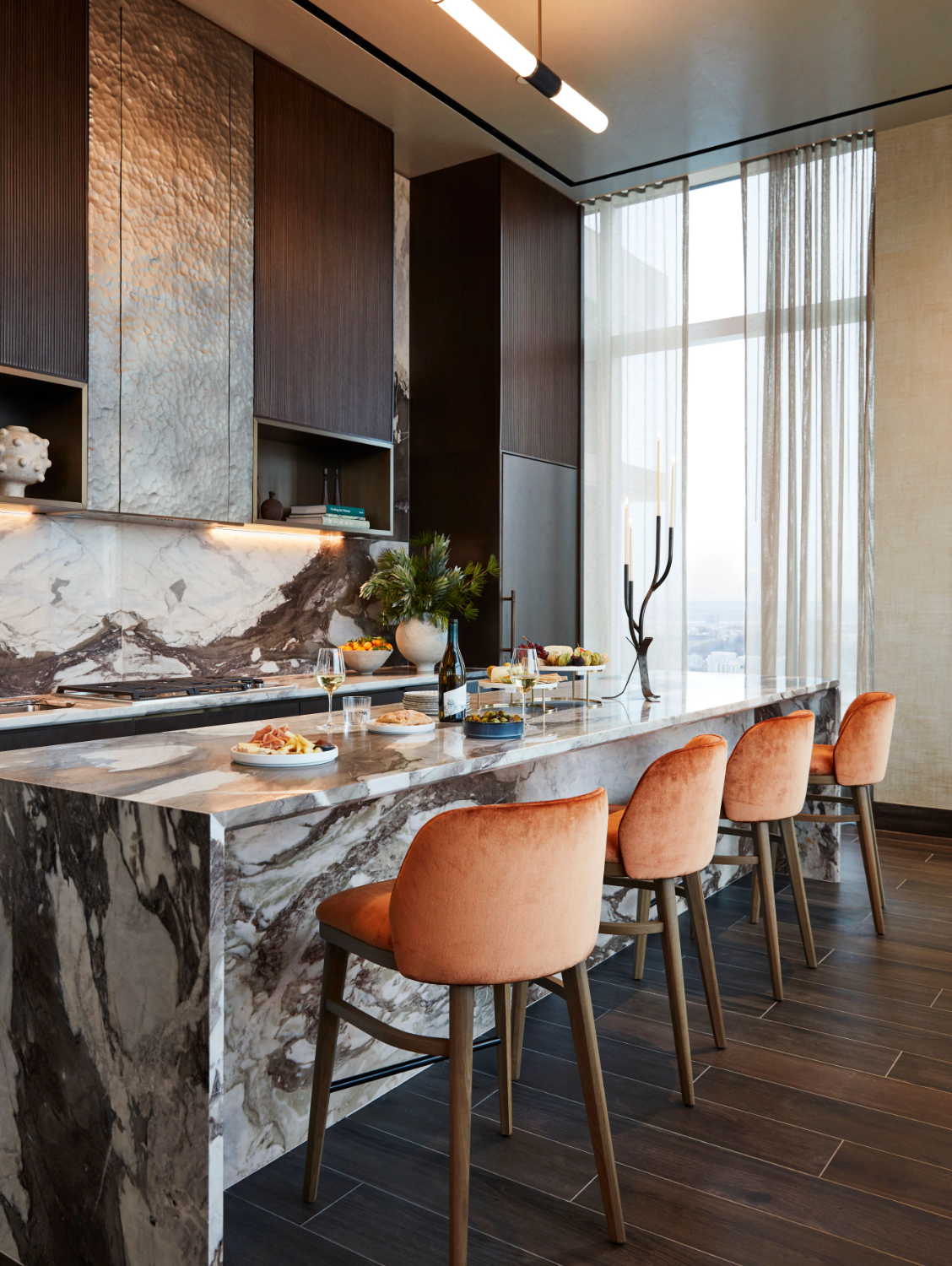
James: We’ve done almost everything, karaoke rooms that double as podcast studios, full wellness suites, rooftop restaurants in Dubai. The wellness component especially has evolved, saunas, cold plunges, boxing rooms, meditation areas. Amenities now reflect a 360-degree view of living.

Q: Tell us about some recent projects that pushed your thinking.
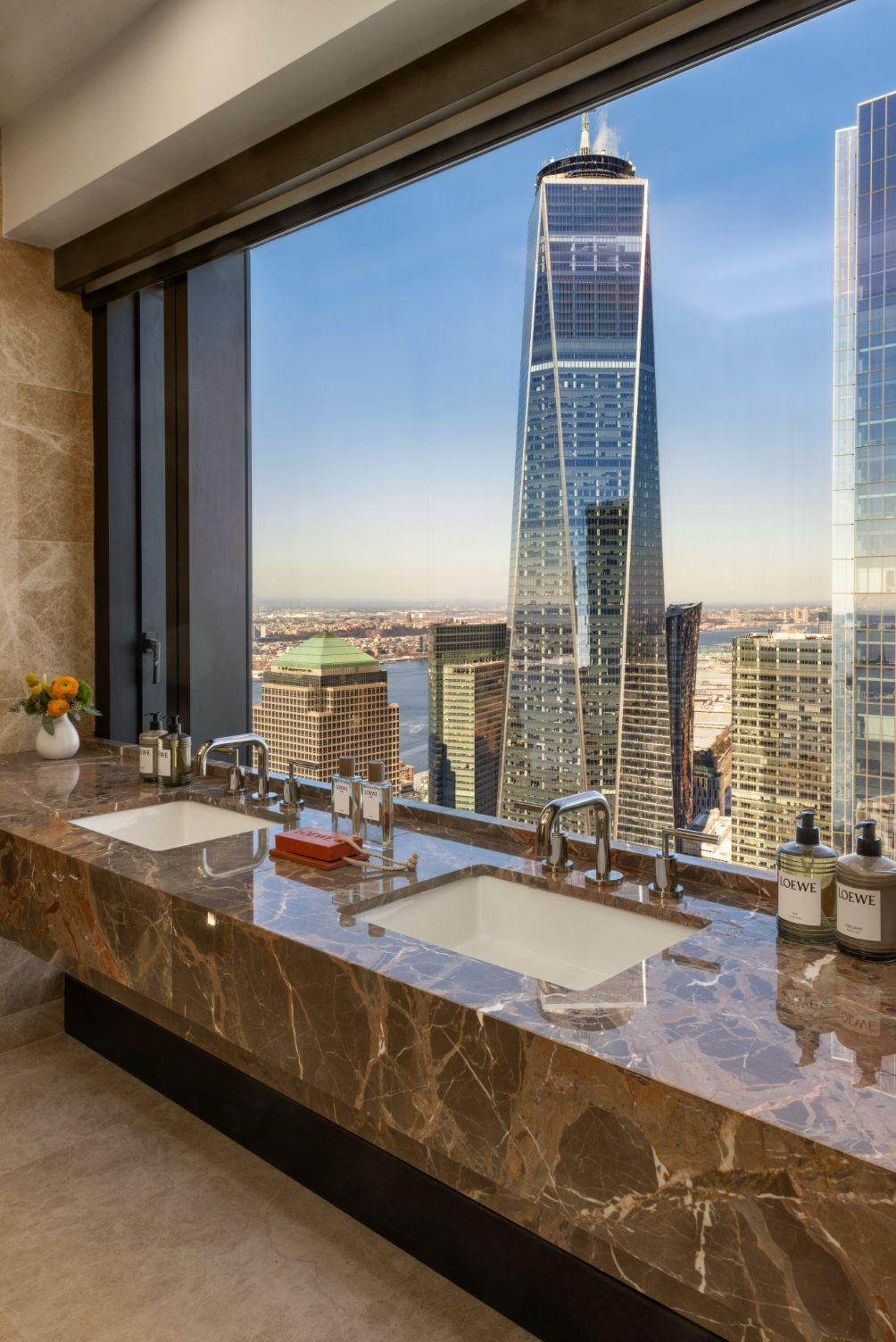
Elliot: The Greenwich by Rafael Viñoly in Manhattan was a big one, ultra-slim tower, all the amenities on the top floors. Designing New York’s tallest indoor saltwater pool with that view was a real challenge.
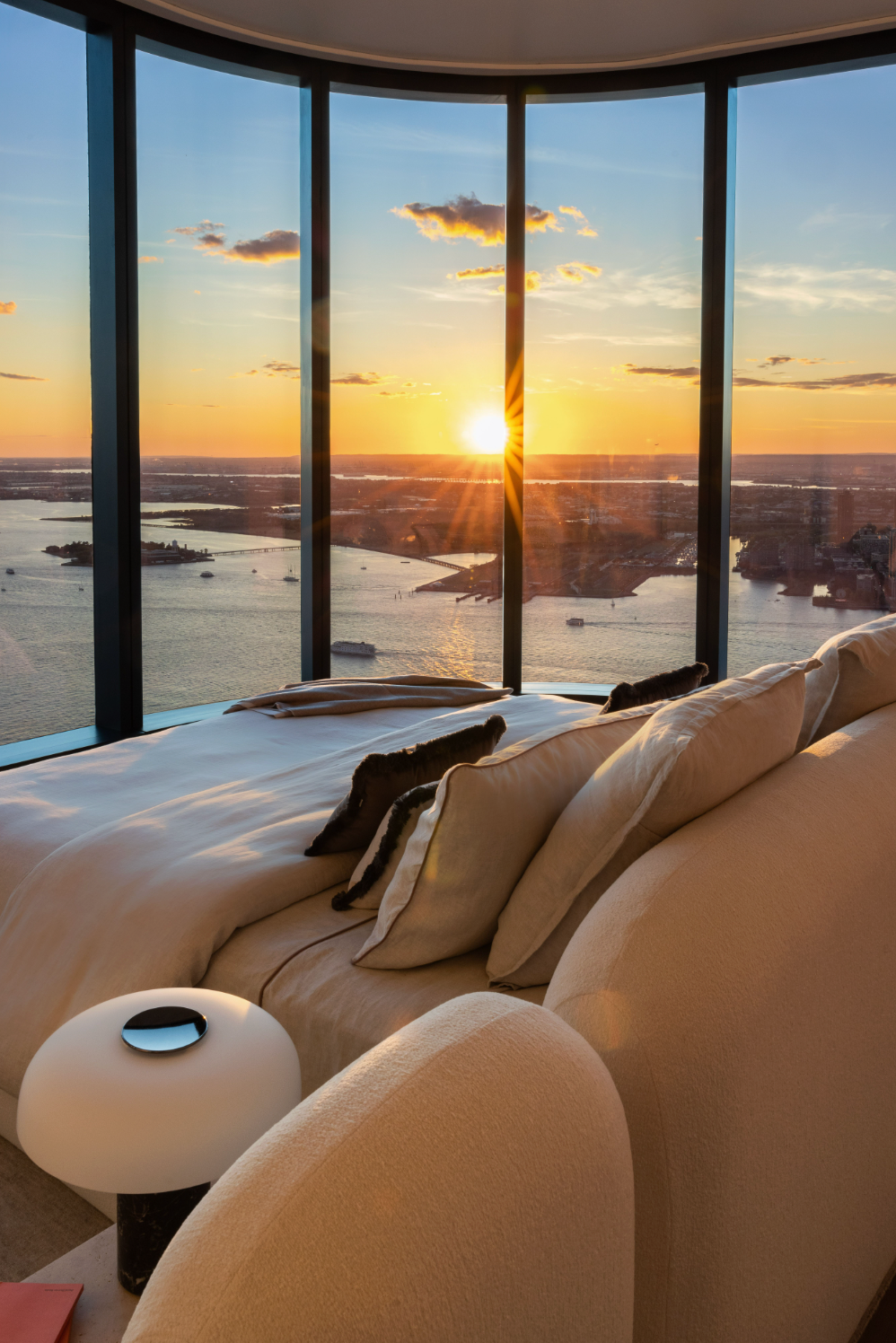
James: The Navigator Residences at Sea is one of our latest projects, essentially, we’ve transformed a cruise liner into a private residential experience. We worked alongside two other design firms, Journey and Lassoni Partners, as part of a collaborative team. What made it so fascinating was designing for a very specific demographic: people who love to travel by sea but also want to own their residence onboard. It was a unique challenge, almost like blending our experience in superyacht design with large-scale residential thinking.
Elliot: From an amenity standpoint, the shift was significant. Instead of a traditional cruise layout with things like casinos, we reimagined the space with private dining rooms, a cigar lounge, and more personalised, high-end offerings. It was all about elevating the experience to something truly bespoke.
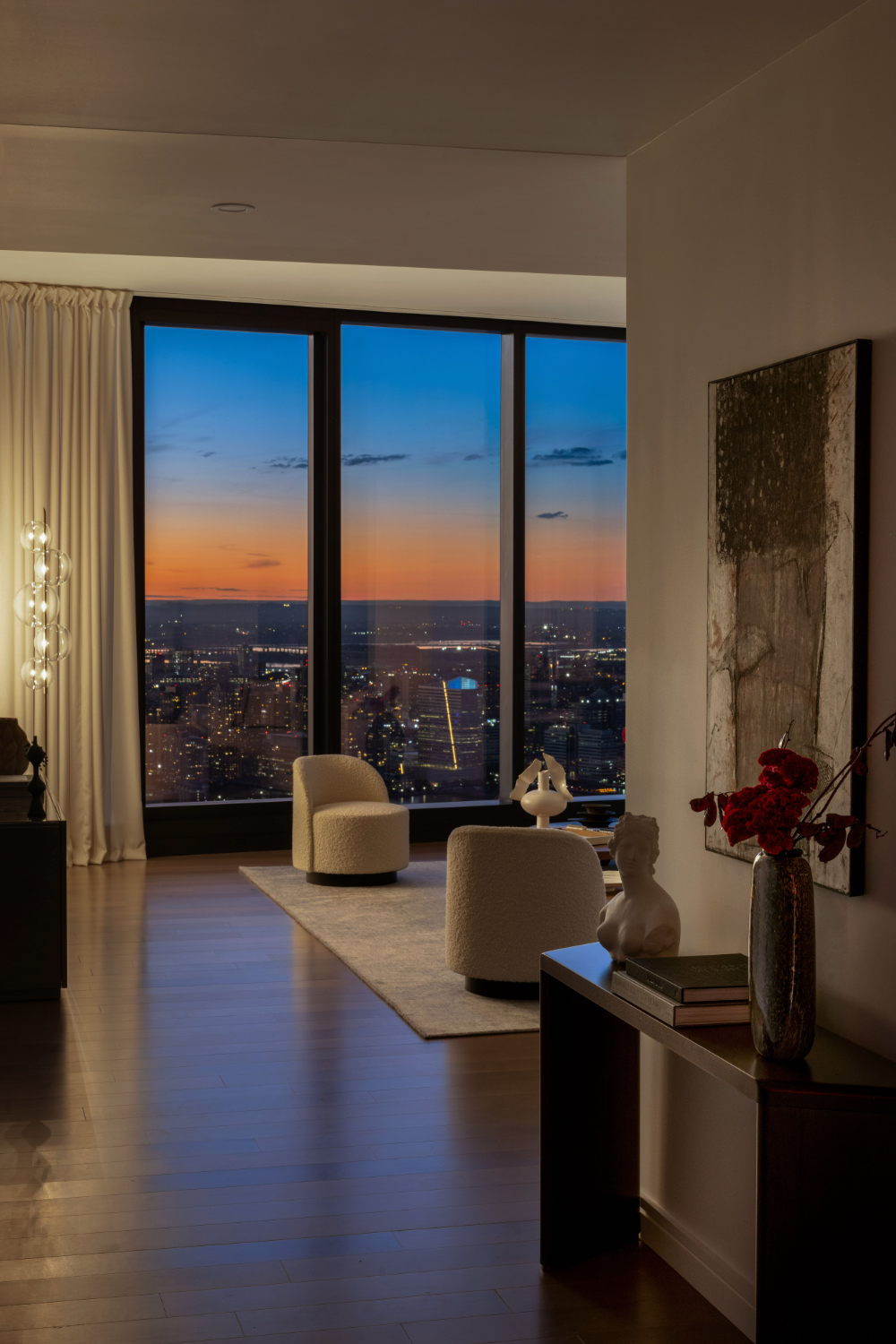
James: We’re also doing projects targeted at younger rental demographics, mixing rooftops, co-working, and live-work-play elements. One in Hudson Yards really surprised us, executives ended up using the co-working spaces more than we anticipated.
Q: What’s the average timeline for a MAWD project?
James: For large towers, four to five years. But sometimes it’s lightning-fast, like the Navigator project. We started designing early this year and it’ll be outfitted and launched within months. Totally different pace.
Q: Let’s talk about sustainability. Your MAWDmade Collection is a bold statement. Why did you launch it?
James: A lot of products claim sustainability without substance. So we challenged ourselves, could we create furniture pieces that are truly sustainable, from the glue to the staples, and certified by the Living Building Institute’s Red List Free standard? It was a long process of trial and error, but we eventually cracked it. Just us and a strong belief in doing it right.

Q: How do you balance sustainability with luxury expectations?
Elliot: It’s all about sourcing. With offices in the US, UK, and Middle East, we know our local suppliers well. We aim to work with them to develop finishes that feel luxurious but meet high sustainability standards.
James: A lot of our private residential clients are really tuned in now, they want to know exactly what’s going into their homes. What chemicals are in the materials? What are they breathing in? What can they do differently? It’s a full 360 approach to wellbeing. And to your earlier point about balancing sustainability and luxury, it’s come a long way. Especially when you look at fabrics, leathers, finishes. There are now so many more options that don’t compromise on quality or feel.
Elliot: But you’re also led by what the industry is doing. And for us, it’s about designing with longevity in mind. Not just chasing trends that come and go, but creating something that lasts, that stays relevant, and that still looks and feels beautiful five, ten years on.
James: We’re not into disposable design. So we’re always thinking about how pieces are put together, how they’re constructed, how they’ll age. And a big part of that is choosing the right partners. Working directly with suppliers lets us source smarter, more locally, and with more control over the full process. Instead of grabbing fabrics from all over, we’re tightening things up, being more intentional. Sustainability has become a defining part of luxury.
Q: MAWD has a global presence. How does that shape your design thinking?
James: We learn a lot from each market. Every month, we meet as a company and share projects across offices. Trends from one city can influence ideas in another. There’s constant cross-pollination, something you see in our work.
Q: Can you give an example of how local culture has influenced a project?
James: We’ve worked in the Middle East for over a decade, and understanding privacy and cultural sensitivities is crucial. Even in the US, nuances between New York and LA are huge. In Belgrade, we’re working on a project deeply rooted in local heritage. Cultural understanding isn’t decorative, it’s foundational.
Q: Elliot, you’re known for your love of biking and surfing. Do these passions influence how you design?
Elliot: They’re a reset button. Long bike rides or a few hours surfing give you space to filter ideas. It’s where crazy thoughts start to make sense. I call it my design filter.
Q: Let’s talk about history and heritage. How do you balance that with a contemporary outlook?
James: We’re both drawn to heritage. We travel a lot to see architecture, Le Corbusier’s house, Coco Chanel’s home, Villa Necchi. These spaces inspire us. It’s not about copying but drawing from the depth of those stories and applying them through scale, proportion, and detailing.
Q: What are the emerging expectations in luxury design today?
Elliot: Hyper-customisation. Especially in LA, clients want one-of-a-kind everything, kitchens, materials, pieces that have never been done before. It's no longer about expensive finishes, it's about personality and storytelling. That’s what makes it luxury today.

Q: Finally, what advice would you give young designers or future entrepreneurs?
Elliot: First of all, have fun with it. Honestly. We started MAWD because we were passionate about design and wanted to do things our own way. And we’re lucky, we get to wake up and work in a studio we built, doing what we love. If you’ve got that drive, that itch to create something of your own, then go for it. But it’s important to get a solid business setup in place early. That means having the right people around you, someone who understands finance, someone who can handle operations. All the parts that make the creative side possible.
James: Yeah, there’s a moment, even right at the beginning, when you have to be honest with yourself and say, “Okay, I need help with this bit.” For us, we were suddenly managing teams, invoices, offices across two cities. It was a lot. We didn’t always get it right, and looking back, we probably should’ve brought in that kind of support sooner.
Elliot: But above all, if you have something to say, if you’ve got a point of view about design, then back yourself. Don’t let people tell you it’s too hard or that you don’t have enough money or experience. If you’ve got the passion and a clear perspective, you’ll find a way. That’s what makes a studio stand out, a voice that’s distinct and real.
Q: Thank you both so much. One last thing, anything exciting you can share exclusively with our OLISE readers?
Elliot: Yes! We're launching Cloud One Residences in Wynwood, Miami, partnering with Goldman Gallery on the artwork. We’re also working on branded residences in Washington, D.C., upcoming residential projects in Taiwan and the Middle East, and an exciting members club in Kuwait. And something special is underway in Belgrade, stay tuned.
MEET MORE ICONS OF TODAY


