


Fromental x Harris Reed Wallcovering, Photo by Chris Everard
UNDER THE ARCHES
TRENDS
Arches have always carried emotional weight. Rooted in classical architecture and sacred spaces, they suggest shelter, ceremony, and transition. In contemporary interiors, they are no longer structural necessities, but deliberate gestures. Arches are being reimagined as tools of softness, intimacy, and storytelling. They frame moments. They slow movement. They invite pause.
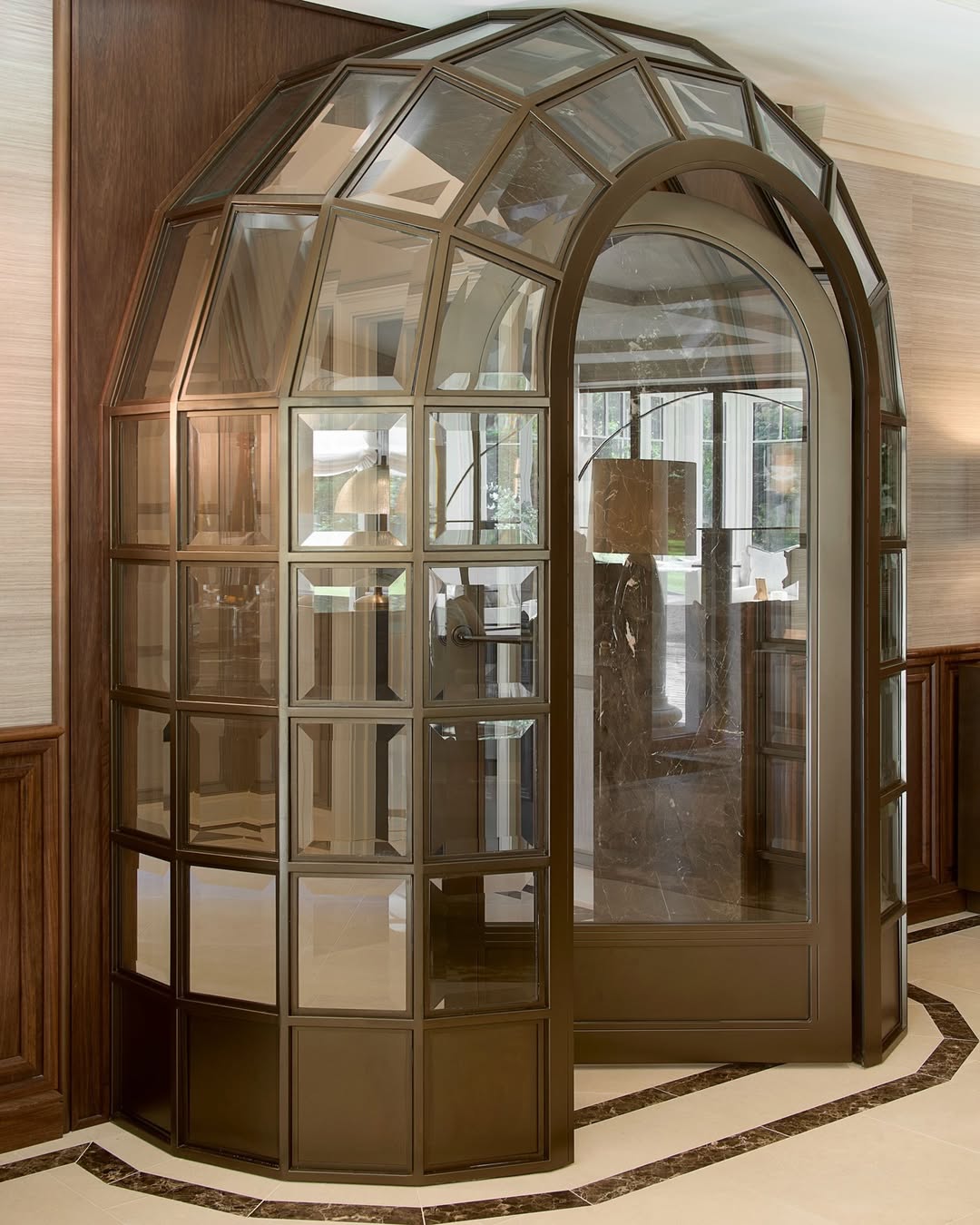
Rather than dividing space, today’s arches connect it. They guide the eye gently from one atmosphere to another, creating a sense of journey within the home. In an era increasingly defined by open plans and sharp lines, the return of curved thresholds reflects a desire for spaces that feel more personal, more layered, and more emotionally intelligent.
Design by Laura Hammett
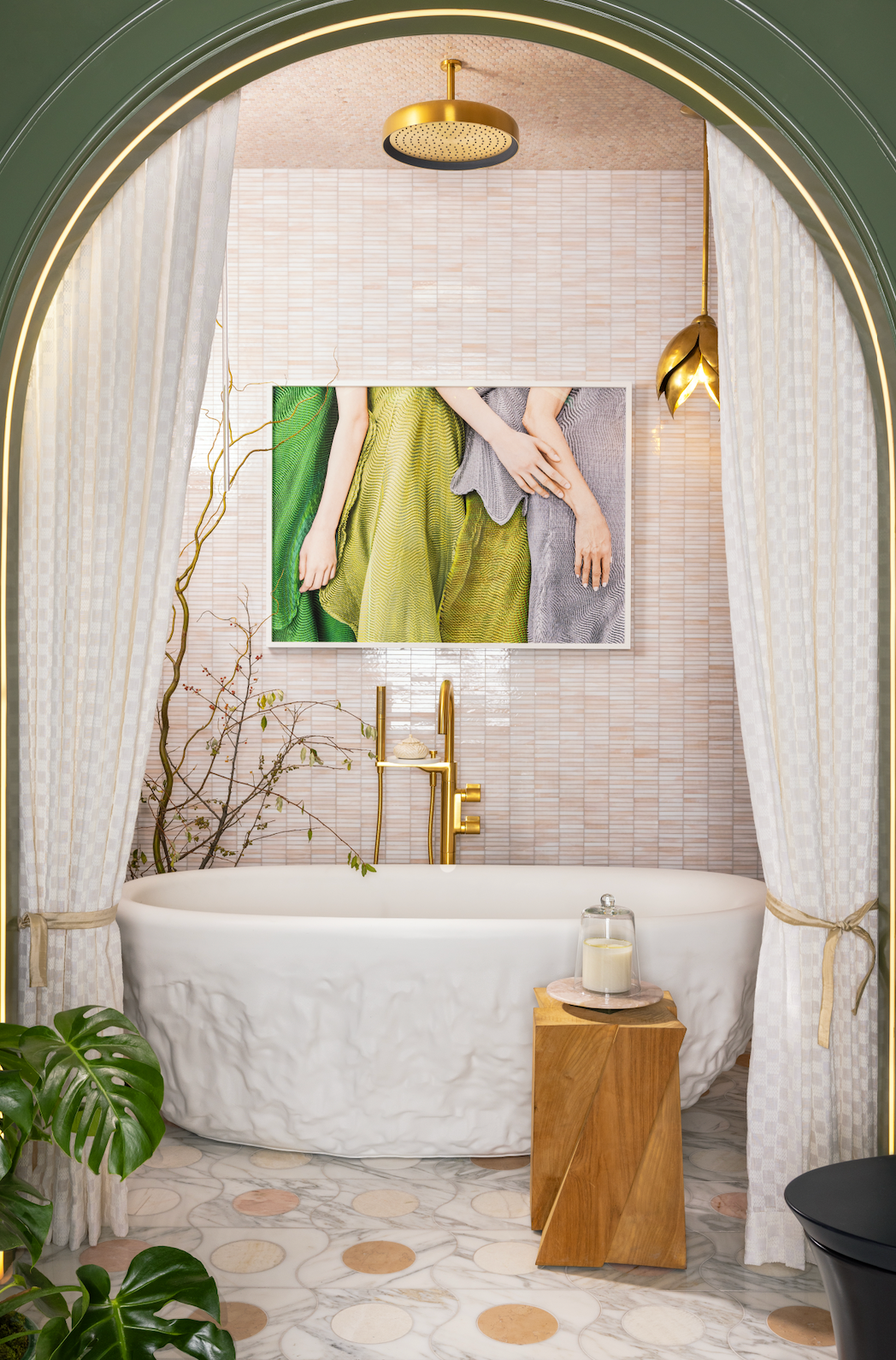
In the richly detailed bathroom designed by Martha Champagne at Kips Bay Dallas, the arch becomes a theatrical focal point. Framing a sculptural freestanding bath, the curved opening is softened with sheer drapery and warm lighting. The flooring features Michelle Gerson’s collaborative tile with Artistic Tile, adding texture and depth to the space. Brass fittings and carefully placed artwork elevate the room into something closer to a private sanctuary. Here, the arch transforms an everyday ritual into an experience of quiet indulgence and romance.
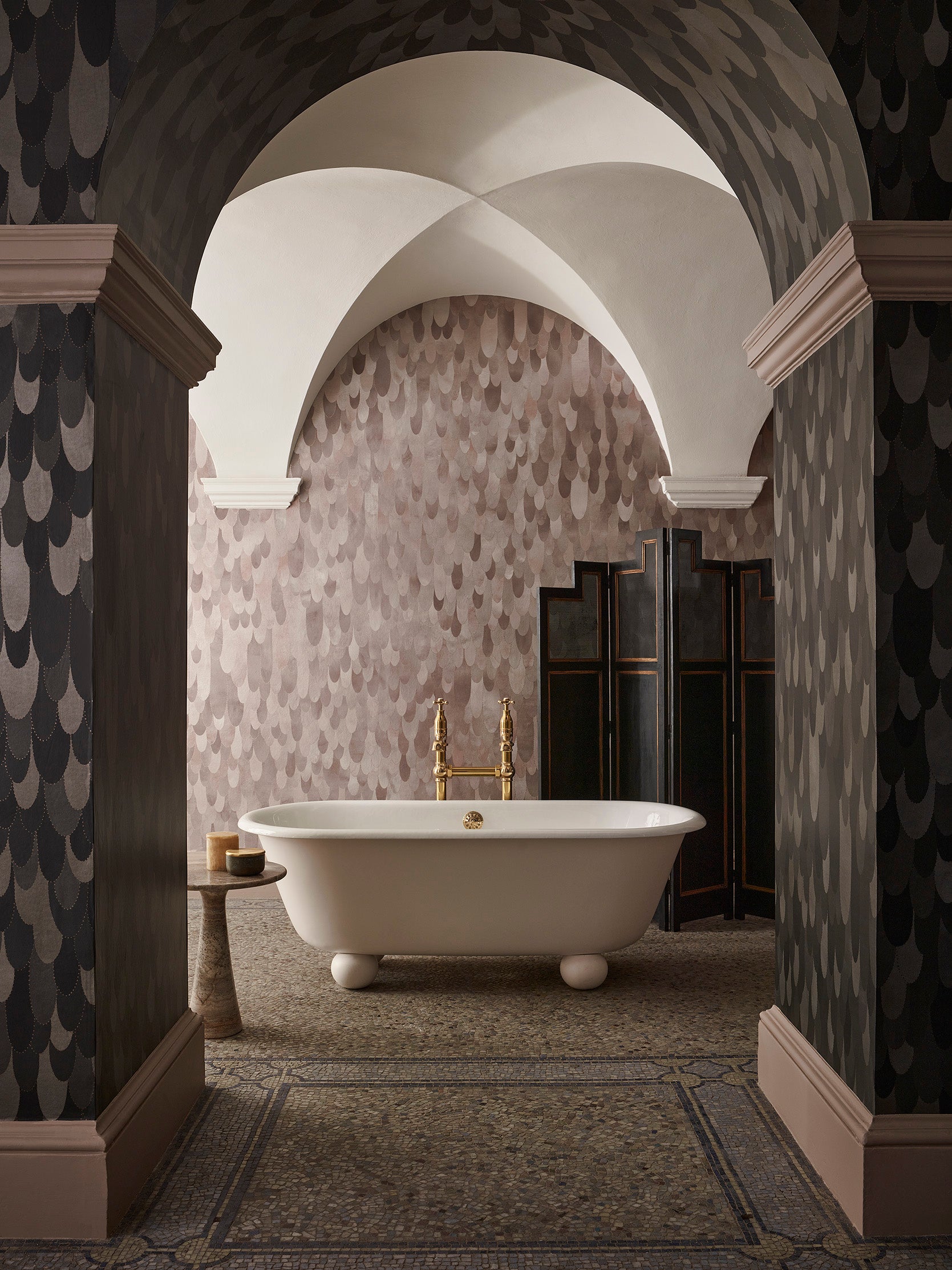
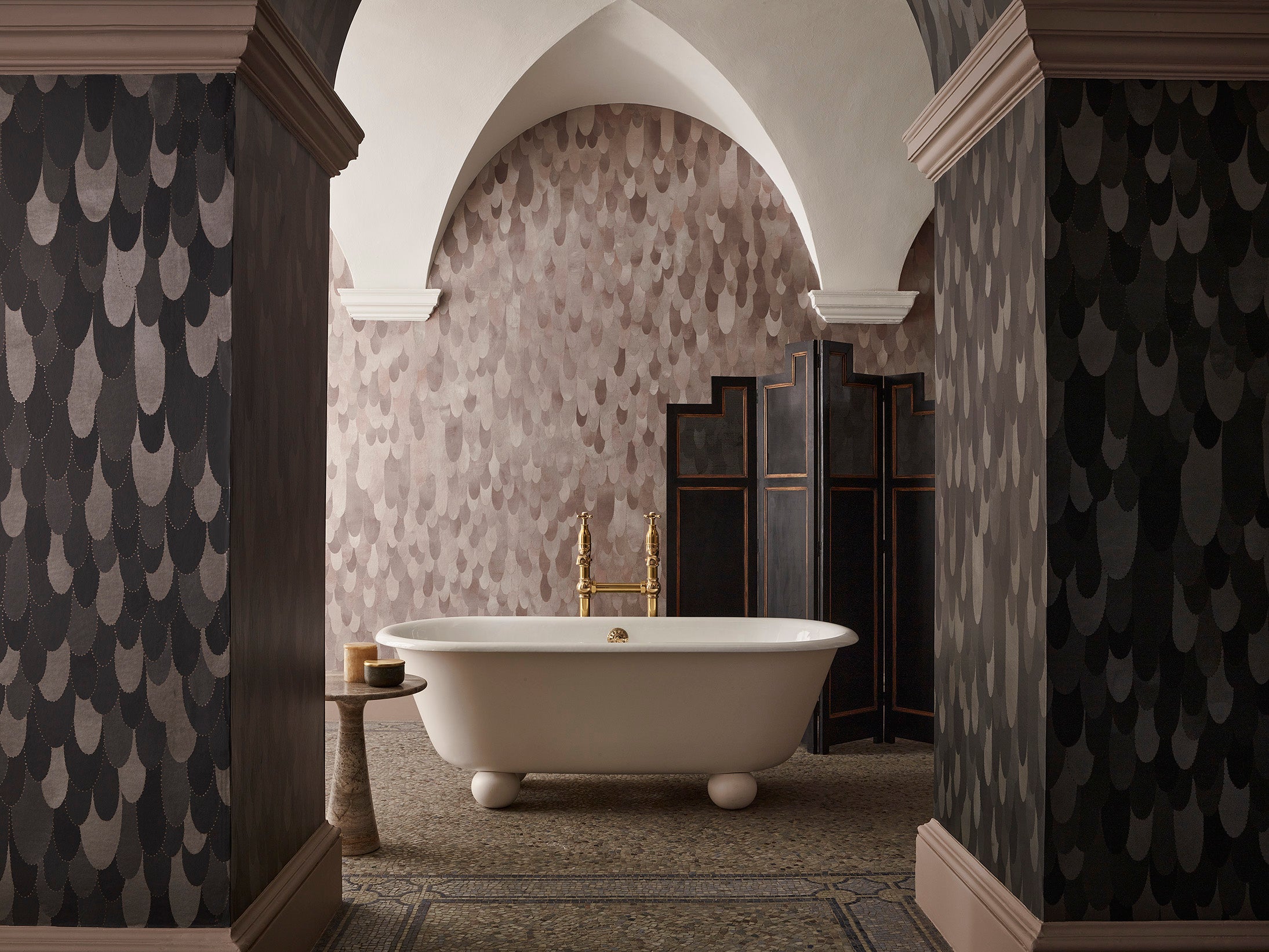
A more restrained but equally emotive approach appears in this bathroom setting, where layered arches create a cocoon-like environment around the bath. Finished in the Rays of Plumeria wallcovering from the Fromental x Harris Reed collaboration, the softly patterned surfaces amplify the rhythm of the architecture. Repeated curves build depth and rhythm, while a muted palette and delicate detailing allow the arches themselves to carry the emotional narrative.
Photo by Chris Everard

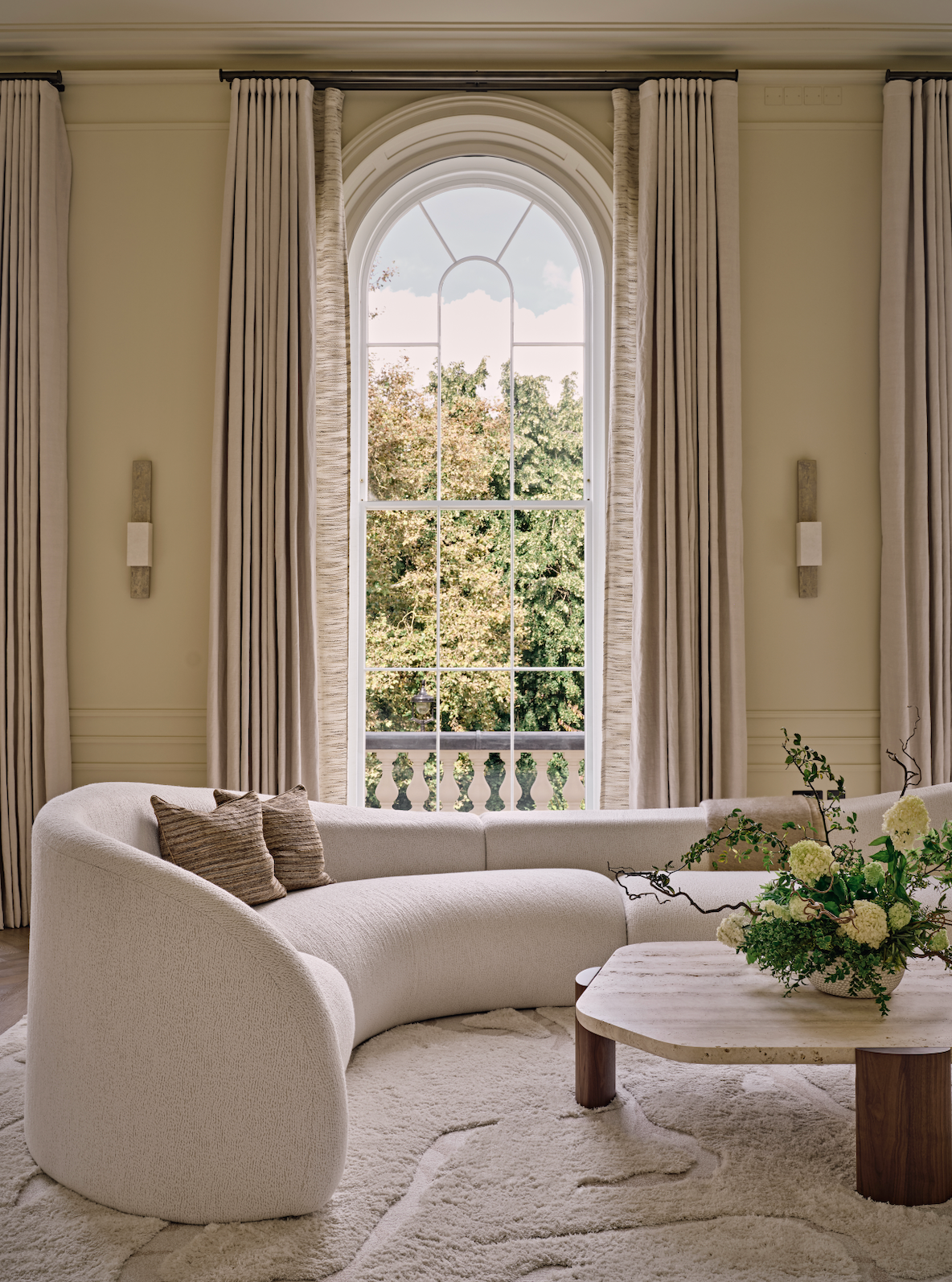
In Elicyon’s living room, arches are used to frame light, landscape, and movement. A generous curved sofa mirrors the shape of the arched window beyond, creating visual harmony between interior and exterior. Floor-to-ceiling curtains emphasise the vertical sweep of the opening, while soft textures and pale tones reinforce the room’s calm, romantic atmosphere. The arch here is not decorative. It is structural to the mood of the space.
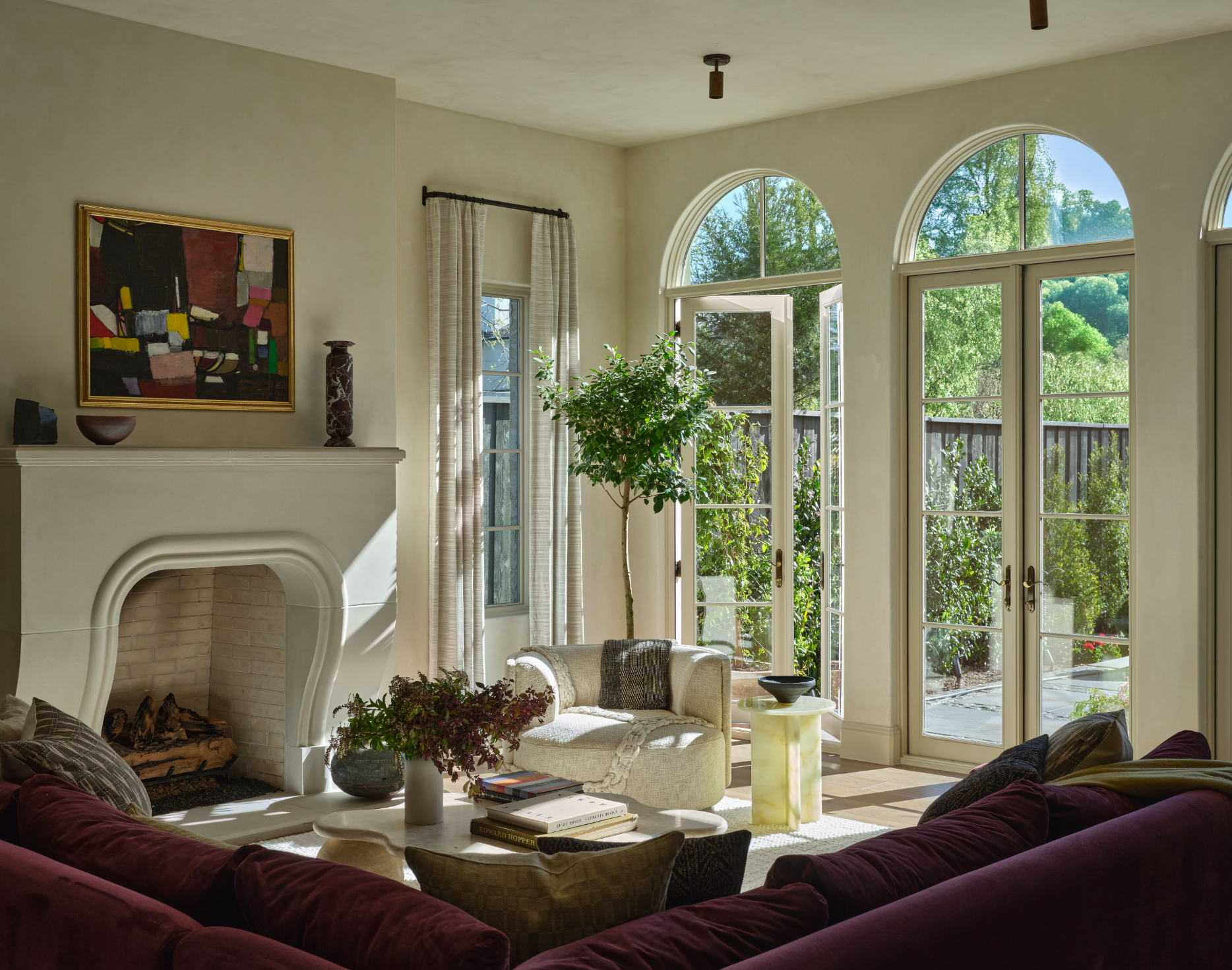
A more expressive interpretation appears in the Robin Road project by Shane and Pierce. Here, arches are used to punctuate the architecture with rhythm and personality. Framing windows and circulation routes, they introduce a romantic softness that balances the home’s contemporary structure. Light filters through curved openings, creating shifting shadows and a gentle sense of movement. The result is a house that feels fluid rather than fixed, dynamic rather than rigid.
Photo by Michael P.H. Clifford
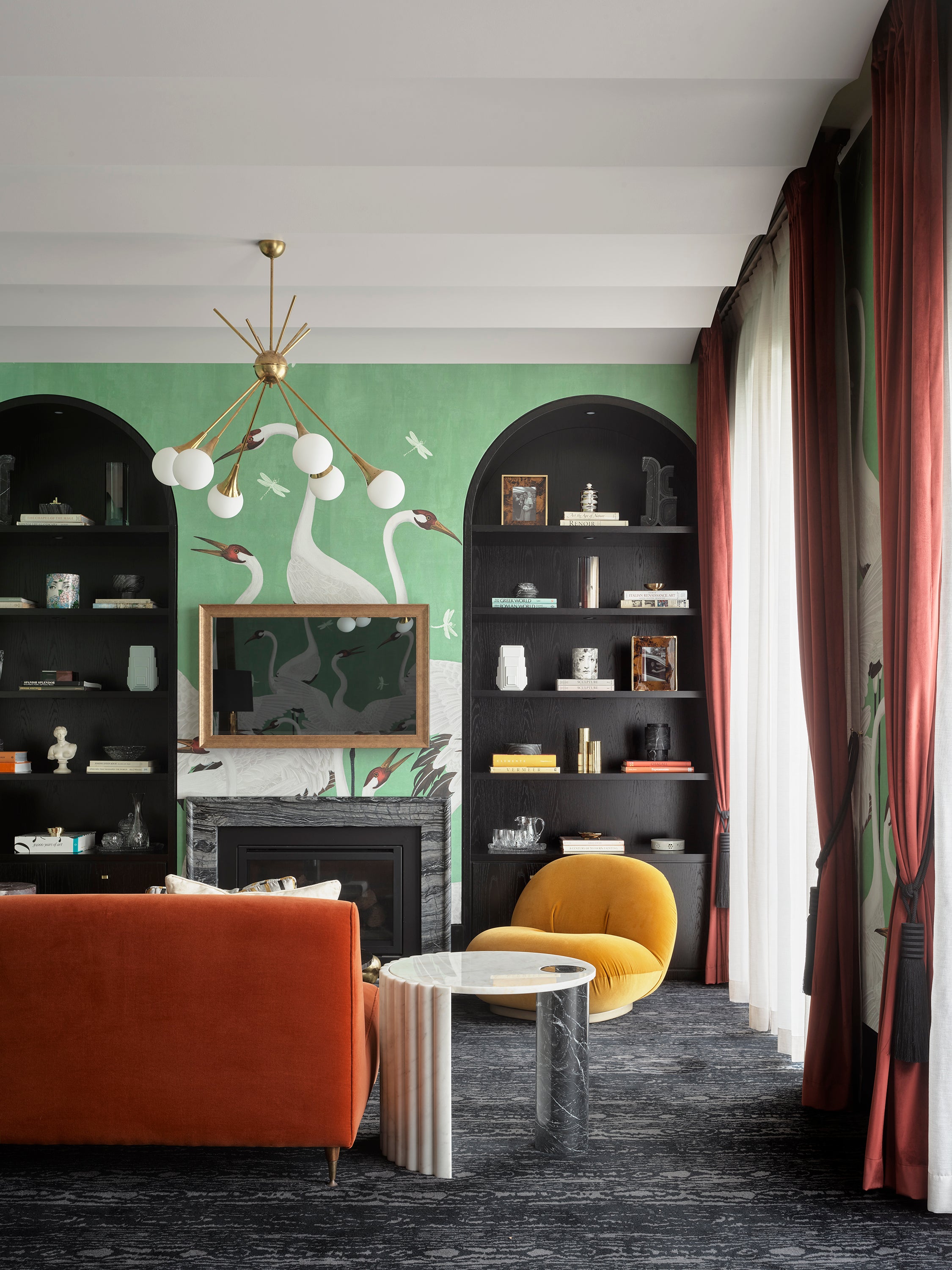
In Greg Natale’s East Brisbane House, arches are deployed with characteristic confidence. Set against bold colour, pattern, and graphic composition, they become sculptural elements in their own right. The curved openings sit within a carefully layered interior language, referencing both Art Deco glamour and classical proportion. Here, the arch is not subtle. It is celebratory, reinforcing Natale’s belief in expressive, emotionally charged spaces.
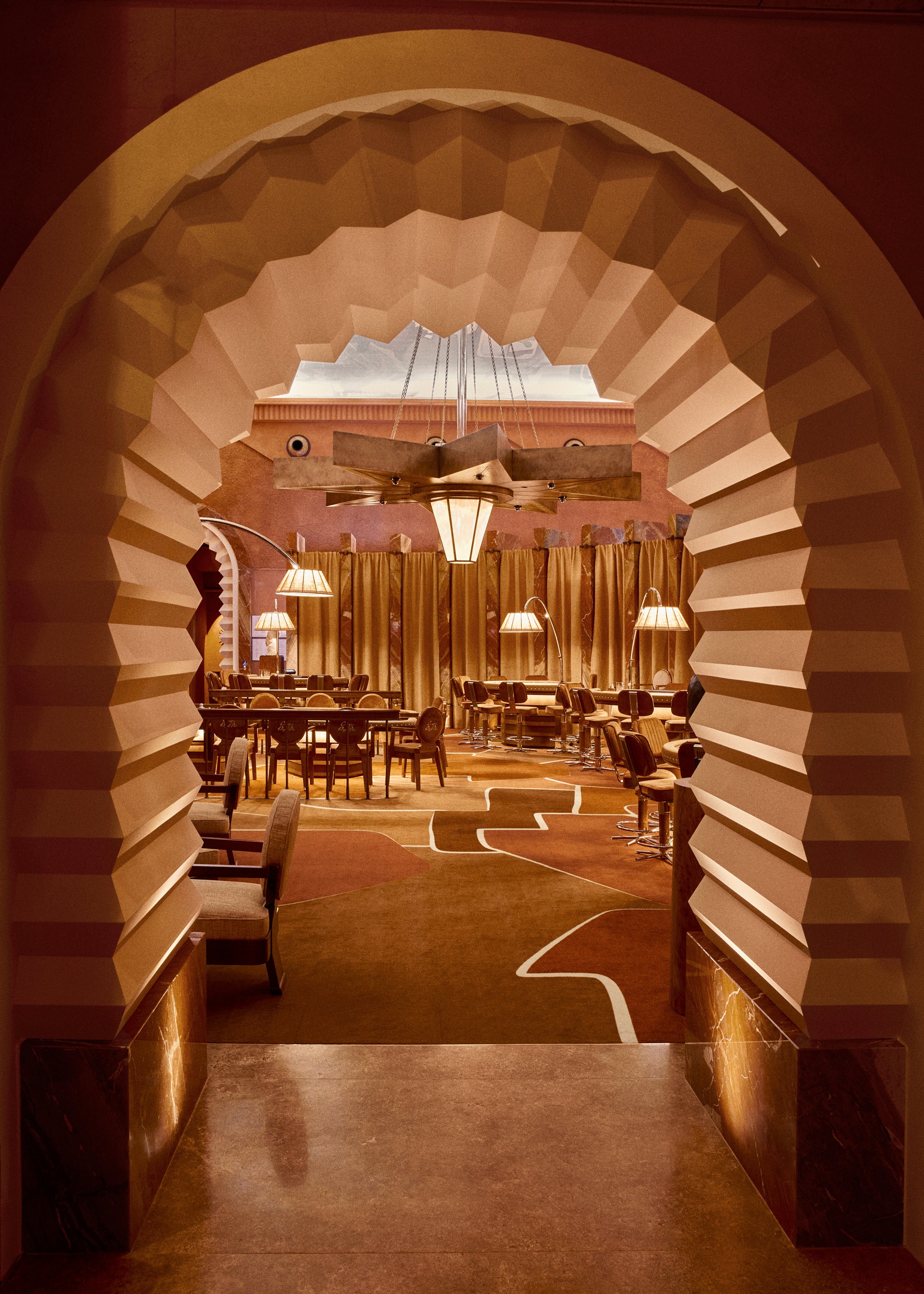
Hospitality settings offer perhaps the most theatrical use of arches. At Casino Royal Palm, designed by Caprini and Pellerin, monumental curved portals shape the guest experience from the moment of arrival. Framed in warm tones and dramatic lighting, the arches evoke a sense of ceremony. Moving through them feels like crossing between worlds, from public spectacle to intimate glamour. Romance here is architectural, built into the bones of the space.
Photo by Alexis Armanet
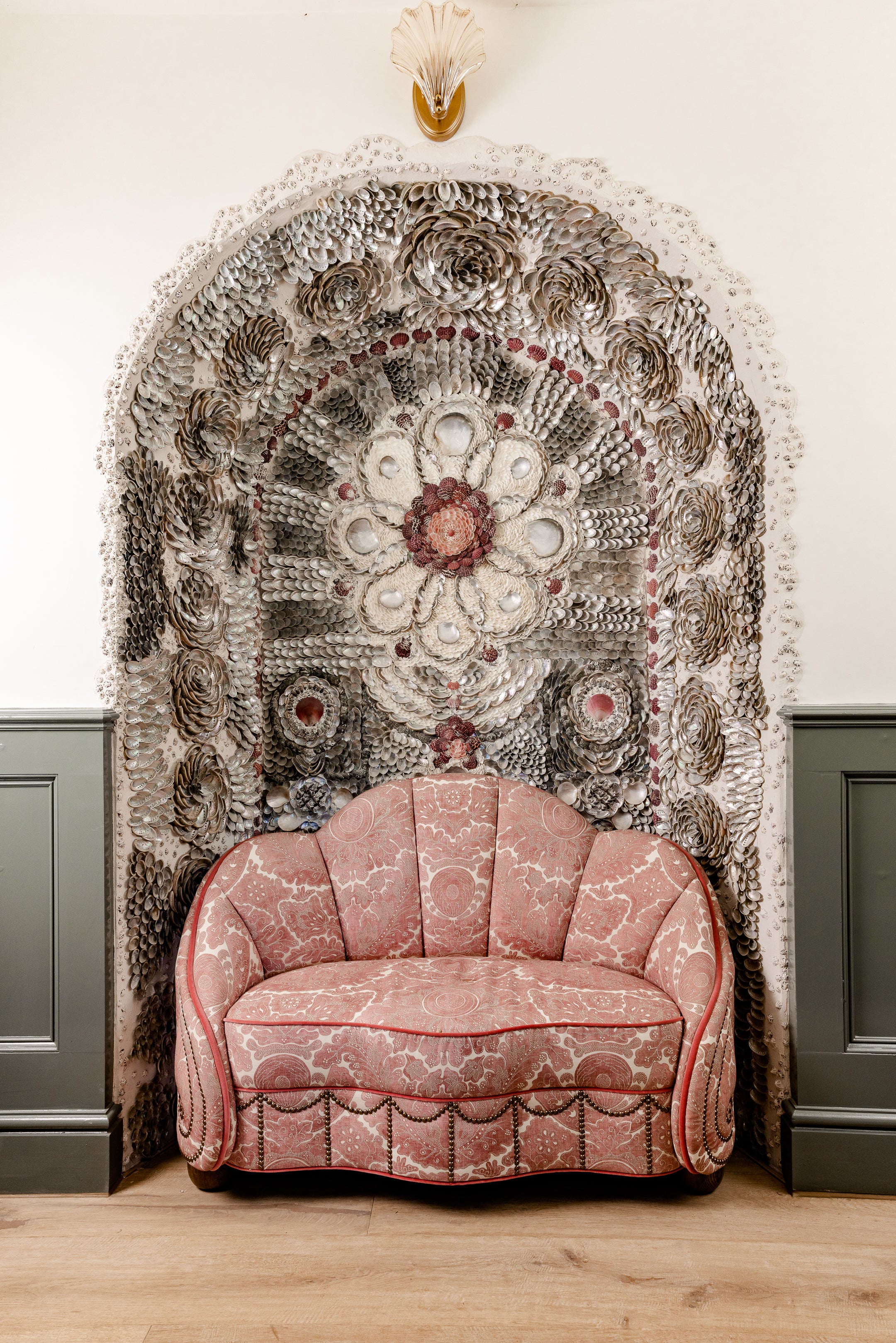
Barlow & Barlow bring yet another dimension to the language of arches through their richly decorative approach. In their shell-encrusted niche, the arch becomes both frame and artwork. The curved recess houses a sculptural sofa, backed by an intricate, almost devotional wall installation. It feels intimate, playful, and deeply crafted. The arch transforms into a shrine to materiality, detail, and imagination, capturing the heart of New Romantic design.
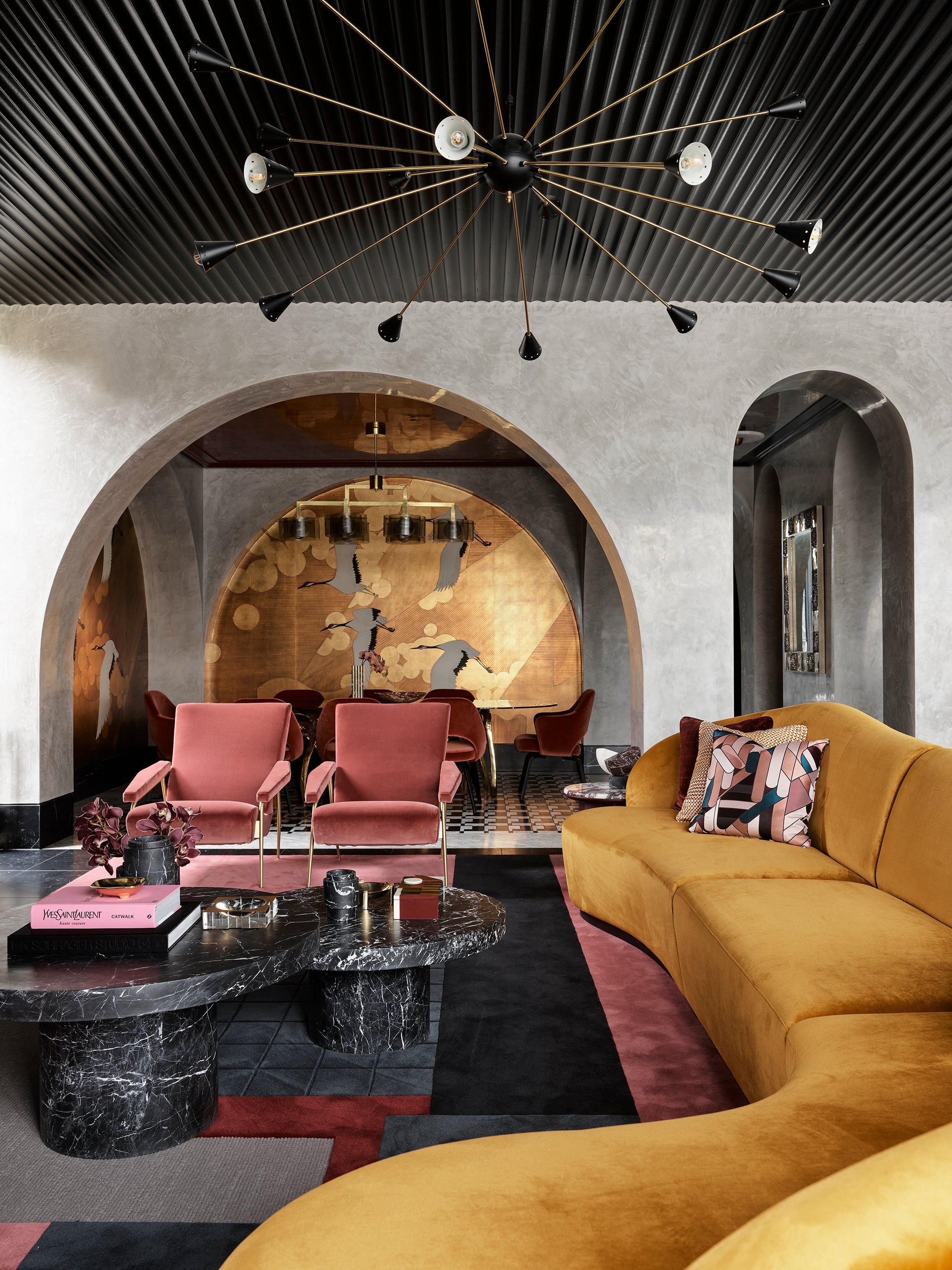
Within the New Romantic movement, arches represent a return to gentler forms of living. They reference history without nostalgia. They offer structure without severity. They allow rooms to unfold slowly, revealing themselves through movement and light.
As designers continue to move away from flat planes and minimal restraint, the arch will remain central to this evolving language. A reminder that beauty lies not just in what surrounds us, but in how spaces guide, hold, and welcome us.


