

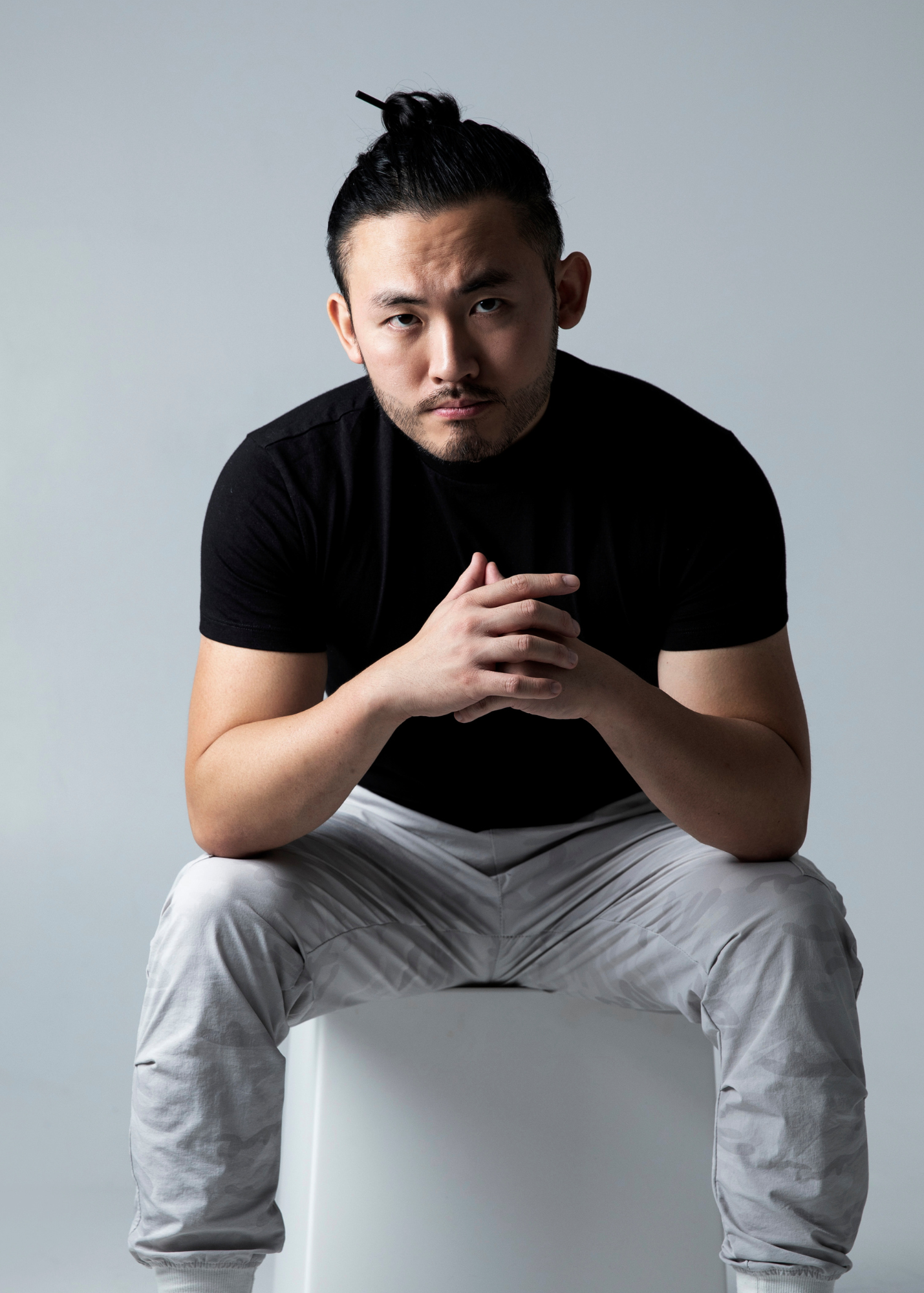
TIM FU
ICON OF TOMORROW
Tim Fu, a former computational designer at Zaha Hadid Architects, now leads Studio Tim Fu in London, where he pioneers the integration of artificial intelligence into architecture. His work explores how human intuition and digital tools can merge to create new possibilities for design.
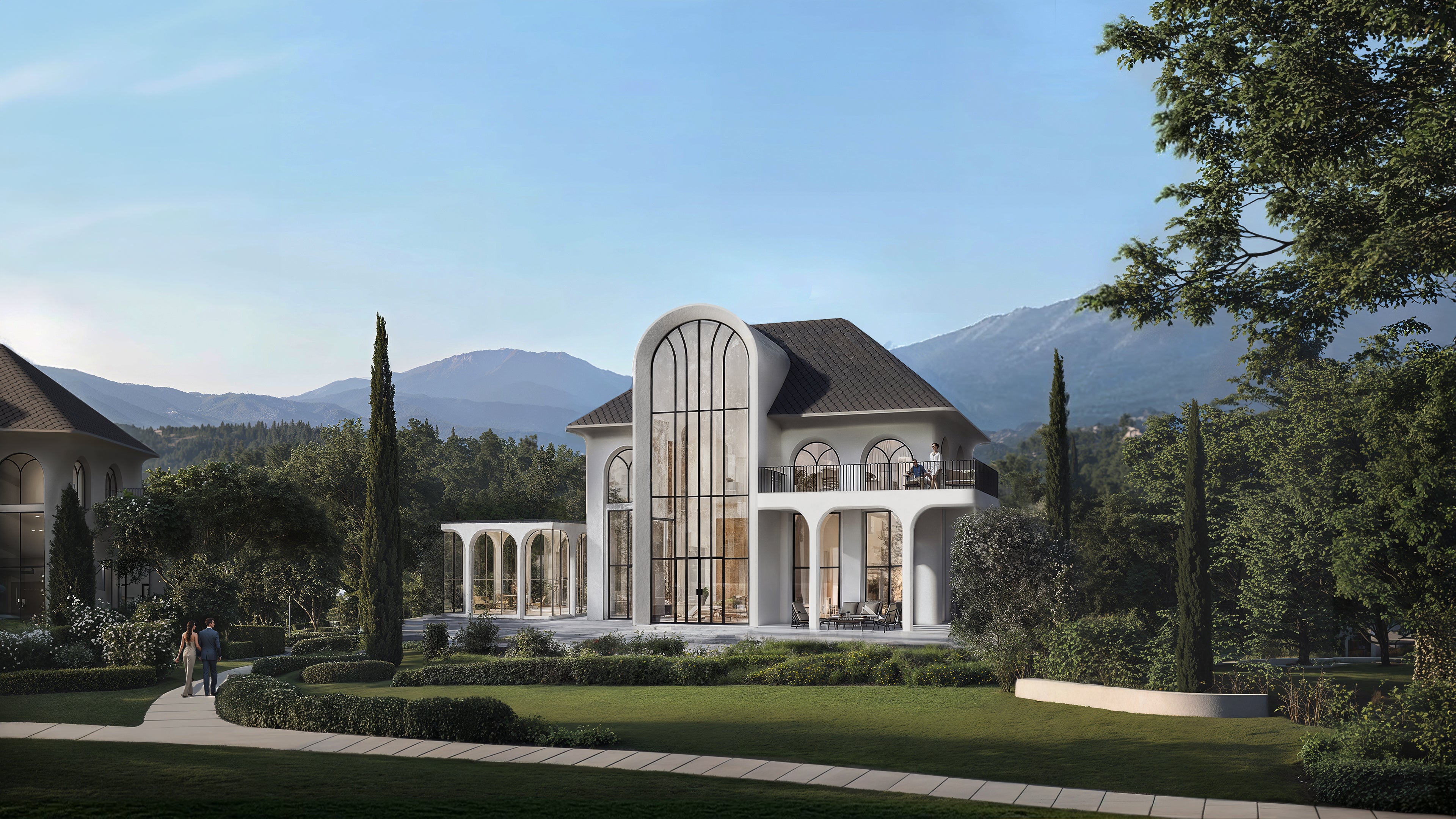
A landmark example is his AI assisted residential project in Slovenia, where generative design was used to shape fluid, organic forms that could not have been conceived through traditional methods alone. This project demonstrates Fu’s belief that AI is not a replacement for creativity, but a collaborator that expands the language of architecture. Alongside practice, he leads workshops at institutions such as Harvard and the AA, inviting the next generation to imagine architecture shaped by both artistry and code.
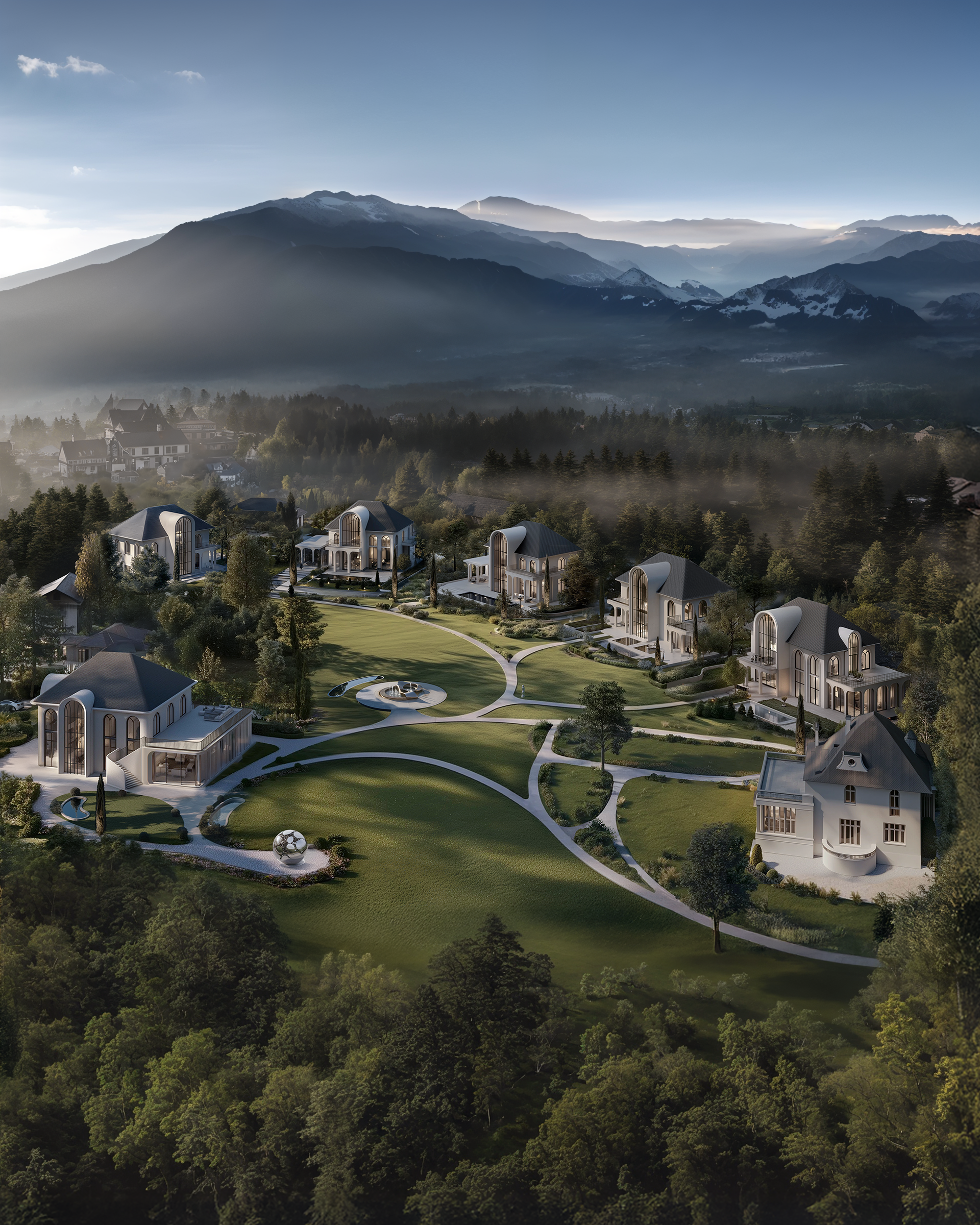
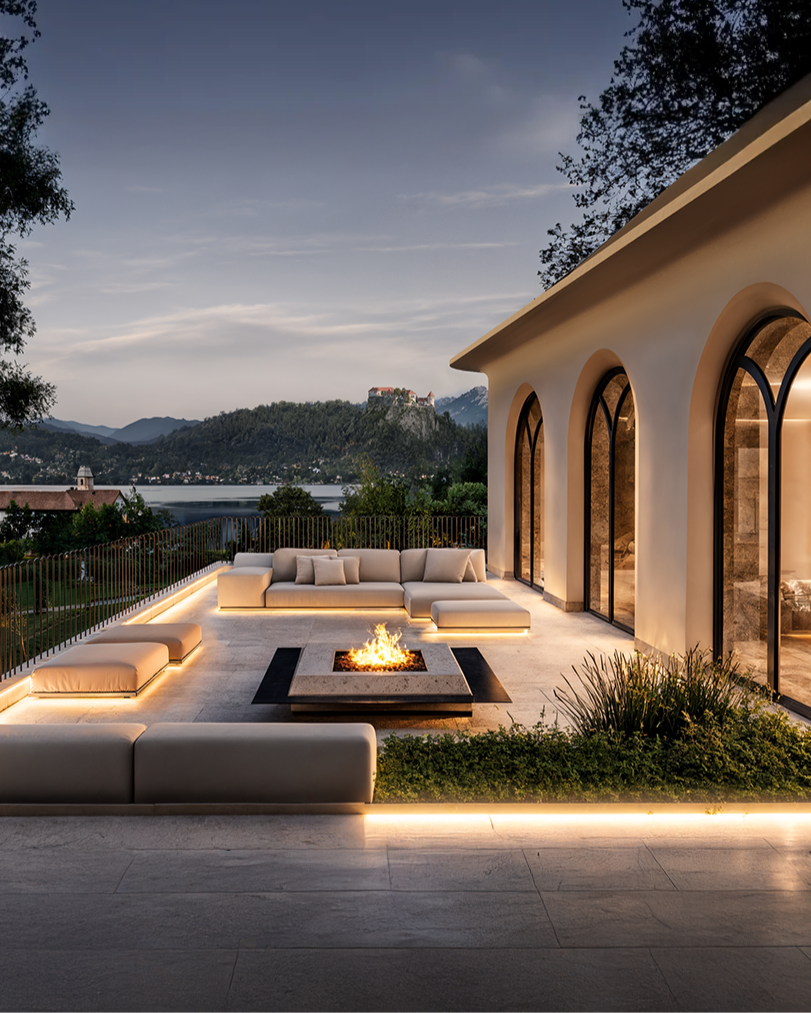
AI at Studio Tim Fu is not a gimmick. It’s a tool, used to amplify, not replace, human intuition. By deploying state-of-the-art diffusion AI in the conceptual phase, the studio was able to iterate hundreds of ideas in a single day. This unprecedented speed enabled a level of refinement that would be almost impossible through traditional workflows.
OLISE Magazine interviews Tim Fu to try and understand this Brave New World.
“I actually wanted to be a physician,” Fu shares. “But my parents knew how much I loved both math and art, and they encouraged me to apply for architecture instead. I was one of those rare teenagers who listened — and they were right.”
This early shift in trajectory set the foundation for a career that now sits at the edge of technological and creative innovation. It also speaks to Fu’s openness — not only to ideas, but to reinvention.
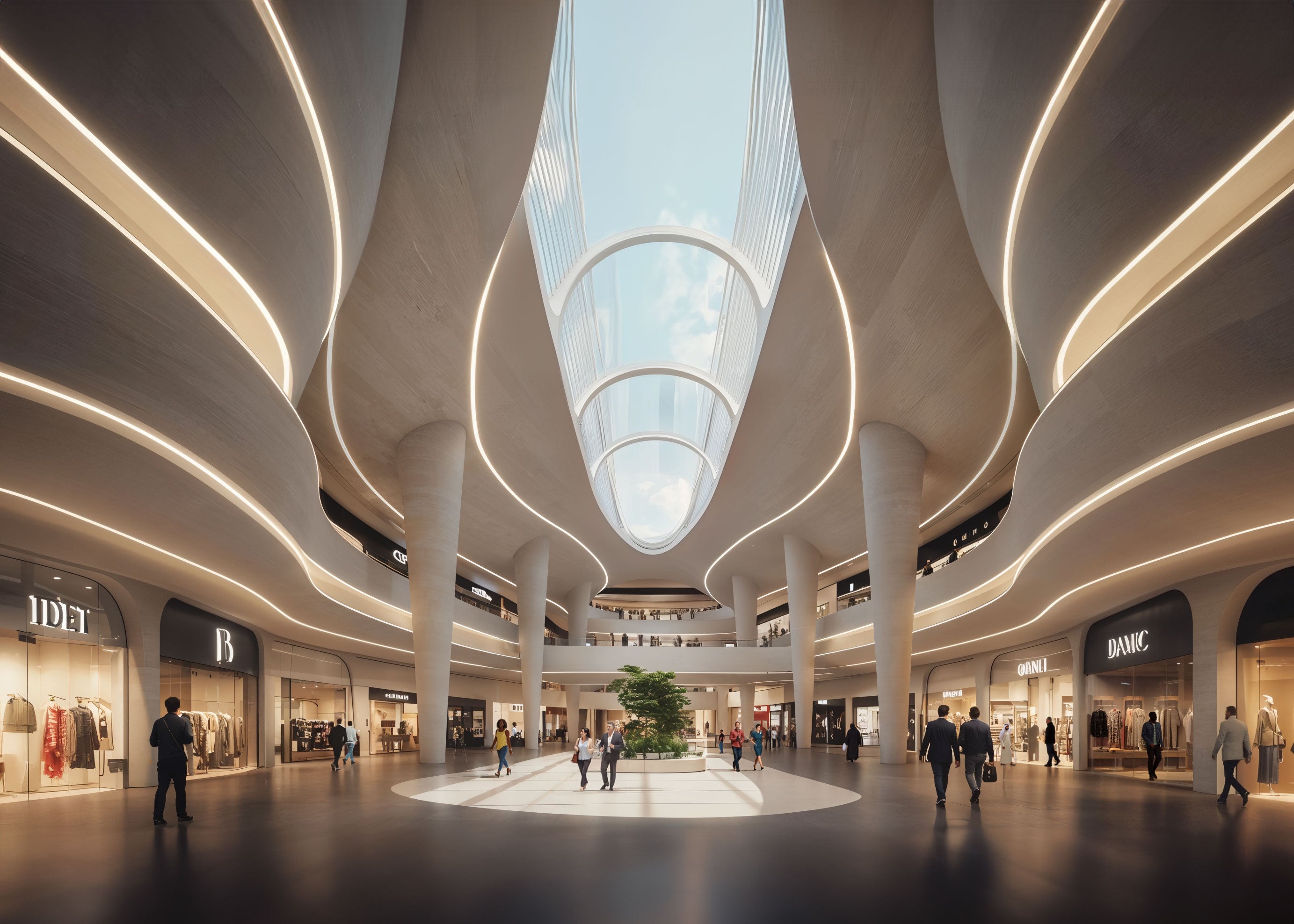
“It usually takes three weeks to produce CGI visuals — now, with AI, we can do it in a day. That’s better value for the client,” Fu explains. “All early adopters are going to take advantage and become industry leaders. Those who don’t will simply fall behind.”
But speed isn’t the point — intention is. “The line between AI and the human is constantly moving,” Fu says. “What matters is the values behind the work. Is it about creativity, or just production?”
For Fu, the real opportunity lies in combining AI’s creative agency with human intentionality. “Mediocrity is under threat,” he says. “But those who are driving the highest values — the most meaningful ideas — will always have a place. We just need to learn to work with AI as a cohesive entity.”
Studio Tim Fu’s practice embraces open-source thinking. “All ideas should be proliferated freely and openly,” Fu says. But he also acknowledges the complexities: “Just because I evangelise AI doesn’t mean we shouldn’t be concerned. It’s imperative to adapt, because change is inevitable — certain aspects of our jobs are being replaced.”
This makes the role of the architect more critical than ever. “AI will follow the direction it’s given. So the question is: do we want cities that are just functional batteries, or do we want placemaking that is human-centric?”
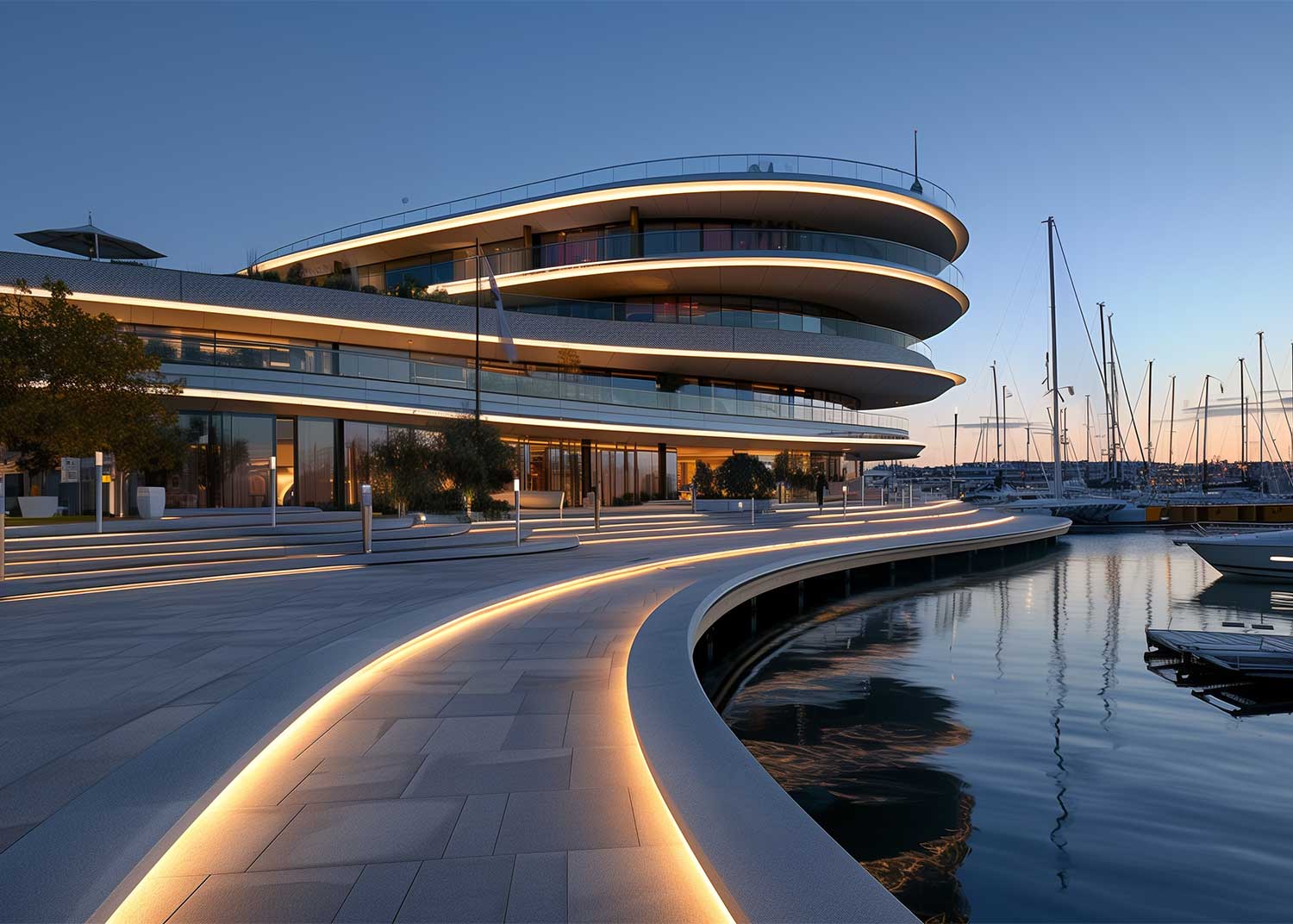
Fu sees architects and designers as facilitators in a much larger conversation — one involving power, policy, and planetary stewardship. “We need to help guide the decision-making process to promote sustainability, respect for culture, and vernacular context. That’s where human values must lead — even in a machine-driven world.”
MEET MORE ICONS OF TOMORROW


