

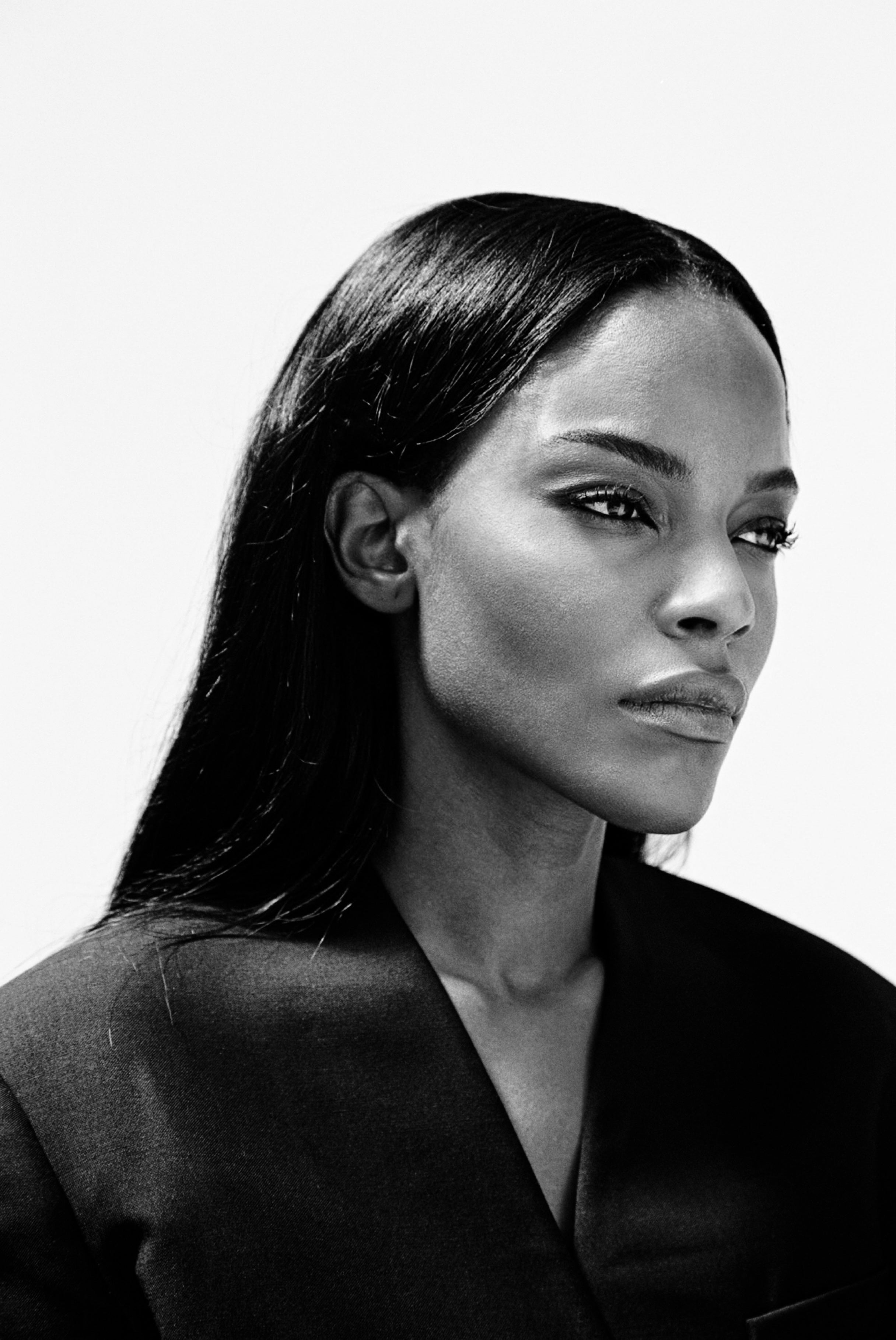
MIMI SHODEINDE
ICON OF TODAY
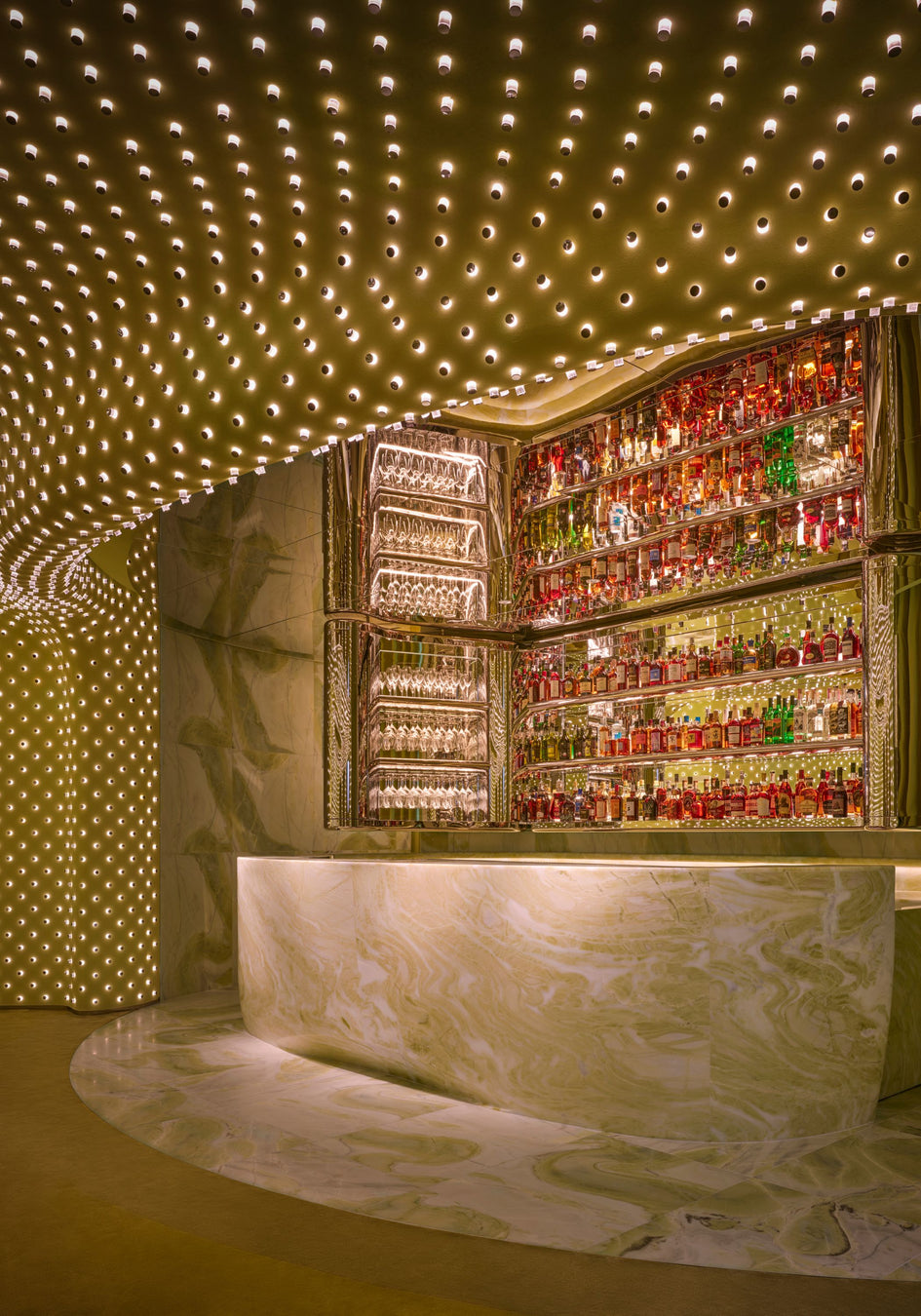
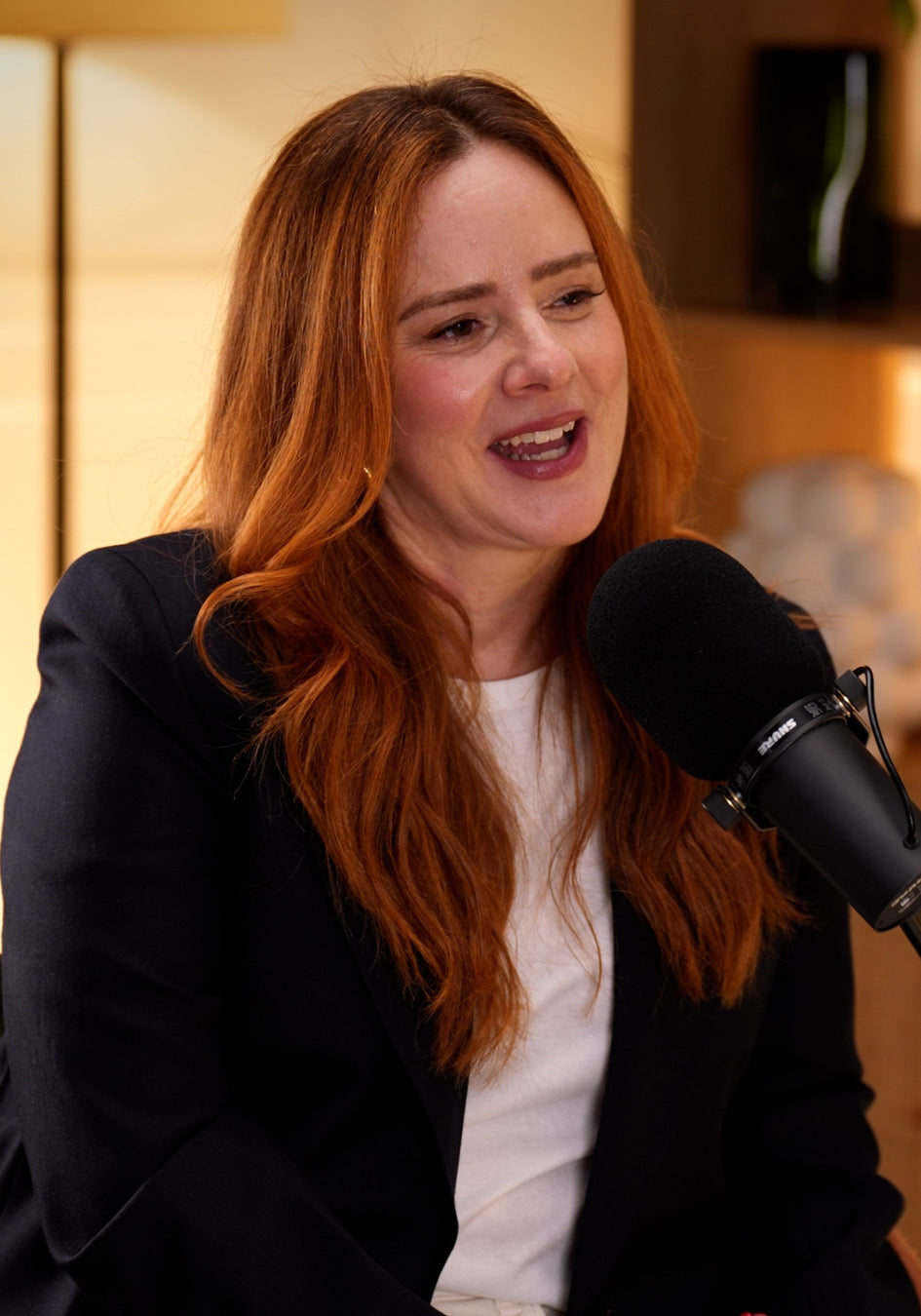
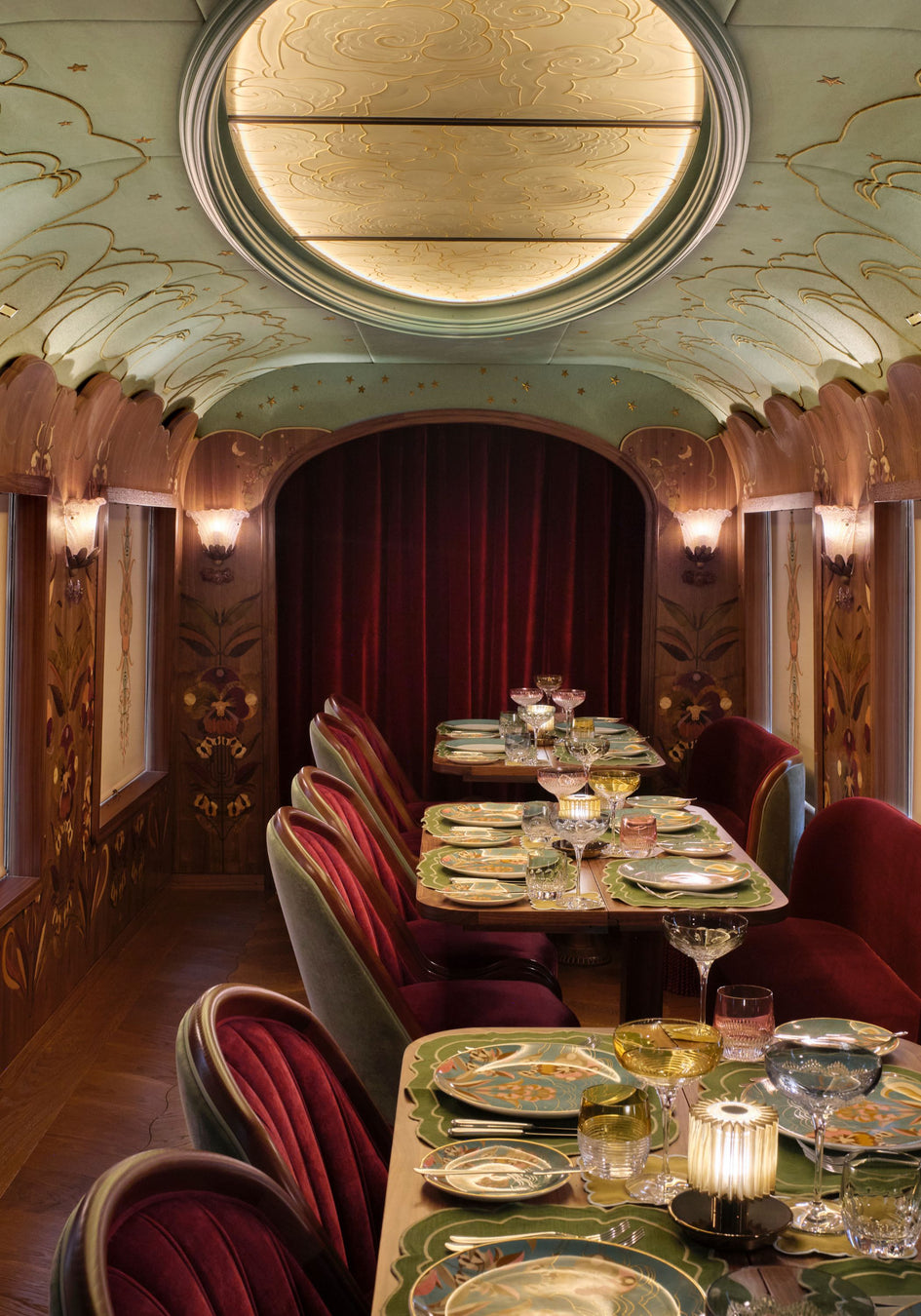
Mimi Shodeinde blurs the line between art, furniture and interior architecture. Through her studio, Miminat Designs, she shapes sculptural pieces and immersive spaces with a language that is fluid, precise and quietly powerful. Form, shadow and negative space are tuned like music, so every curve has intent and every surface invites touch. Her process is hands on and research driven. References to Yoruba heritage sit beside modern craft, bronze patina meets lacquer and stone, and each work is engineered as carefully as it is composed. The result is design that feels edited and sensual, contemporary in attitude and timeless in presence.
What defines Mimi is conviction. She listens closely, then builds a clear narrative that carries through object and room alike. Keep reading for our full interview with Mimi.
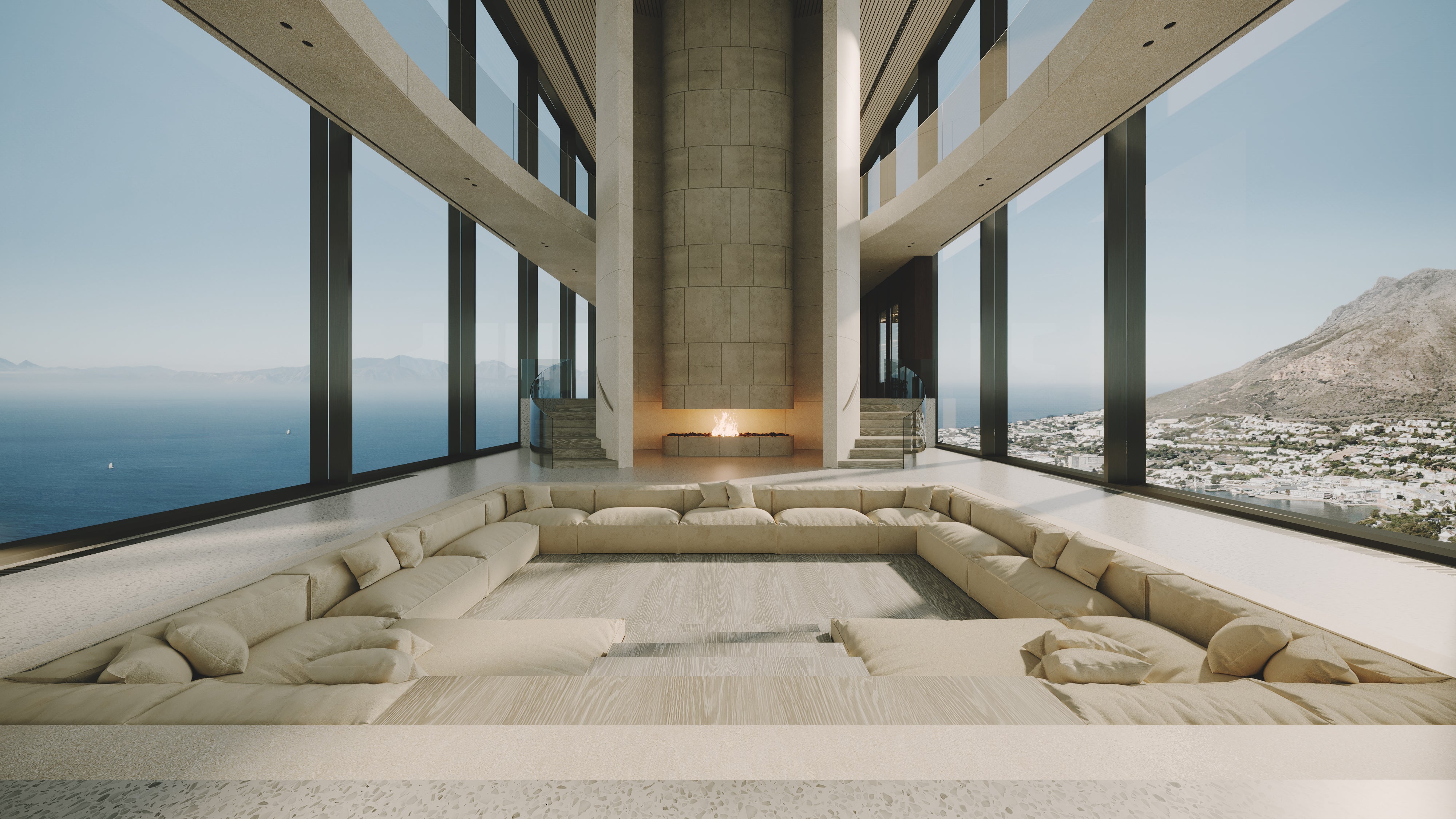
Q: Miminat, your work has redefined how we see contemporary design, and it’s why you are oneof OLISE’s Icons of today! Your practice is often described as sculpture you can live in. When you begin a project, do you see yourself more as an artist, a designer, or somewhere in between?
I’ve never really seen a hard line between art and design. For me, the two are constantly in dialogue. When I begin a project, I approach it with the curiosity and openness of an artist, but also with the responsibility of a designer who’s creating something that people will inhabit and live with. I think of my work as sculpture you can live in because it’s about shaping form, light, and emotion, but always with functionality in mind. So I’d say I exist somewhere in between, occupying that space where creativity meets lived experience.
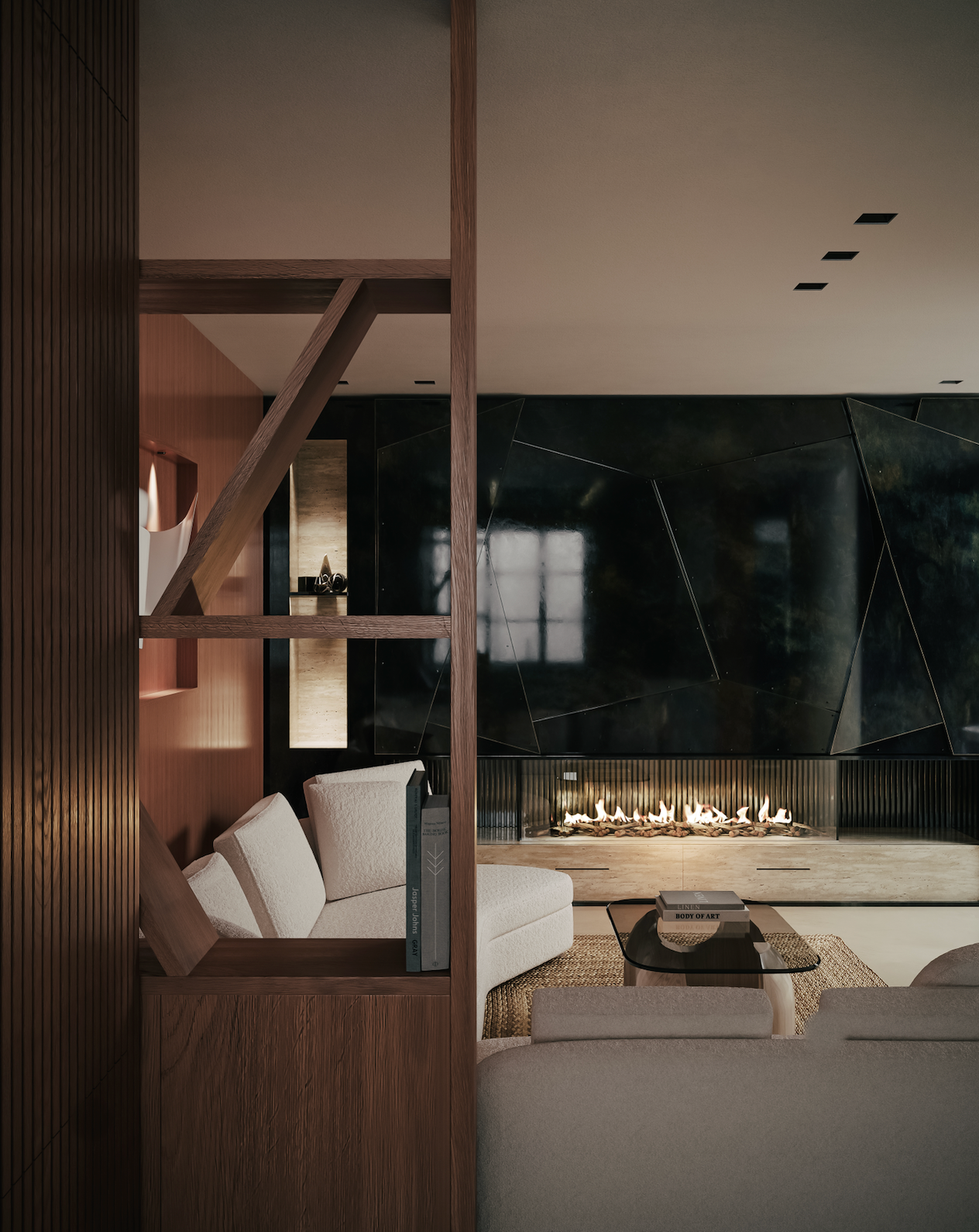
Q: There’s a quiet power in your interiors, bold yet deeply inviting. How do you approachcreating that kind of balance?
For me, balance is about tension - the dialogue between strength and softness, minimalism and warmth. I love working with bold forms, but I’m always conscious of how a space will feel when someone steps into it, how it can hold them. That’s where the quieter details come in: textures that invite touch, light that softens edges, and proportions that feel harmonious. It’s never about overpowering, but about creating a presence that is confident and at the same time deeply human.


Q: You have spoken about design as a dialogue between cultures. Which influences feel most present in your work today?
Cultural dialogue is always at the heart of my work. I draw from my Nigerian heritage and my European experiences in equal measure. They’re both deeply ingrained in how I see the world. The sculptural forms, the rhythm, the boldness often come from African influences, while the restraint, refinement, and precision are rooted in European design traditions. What excites me most is when those worlds meet, creating something that feels familiar yet entirely new, a kind of hybrid language that reflects the way we live today.
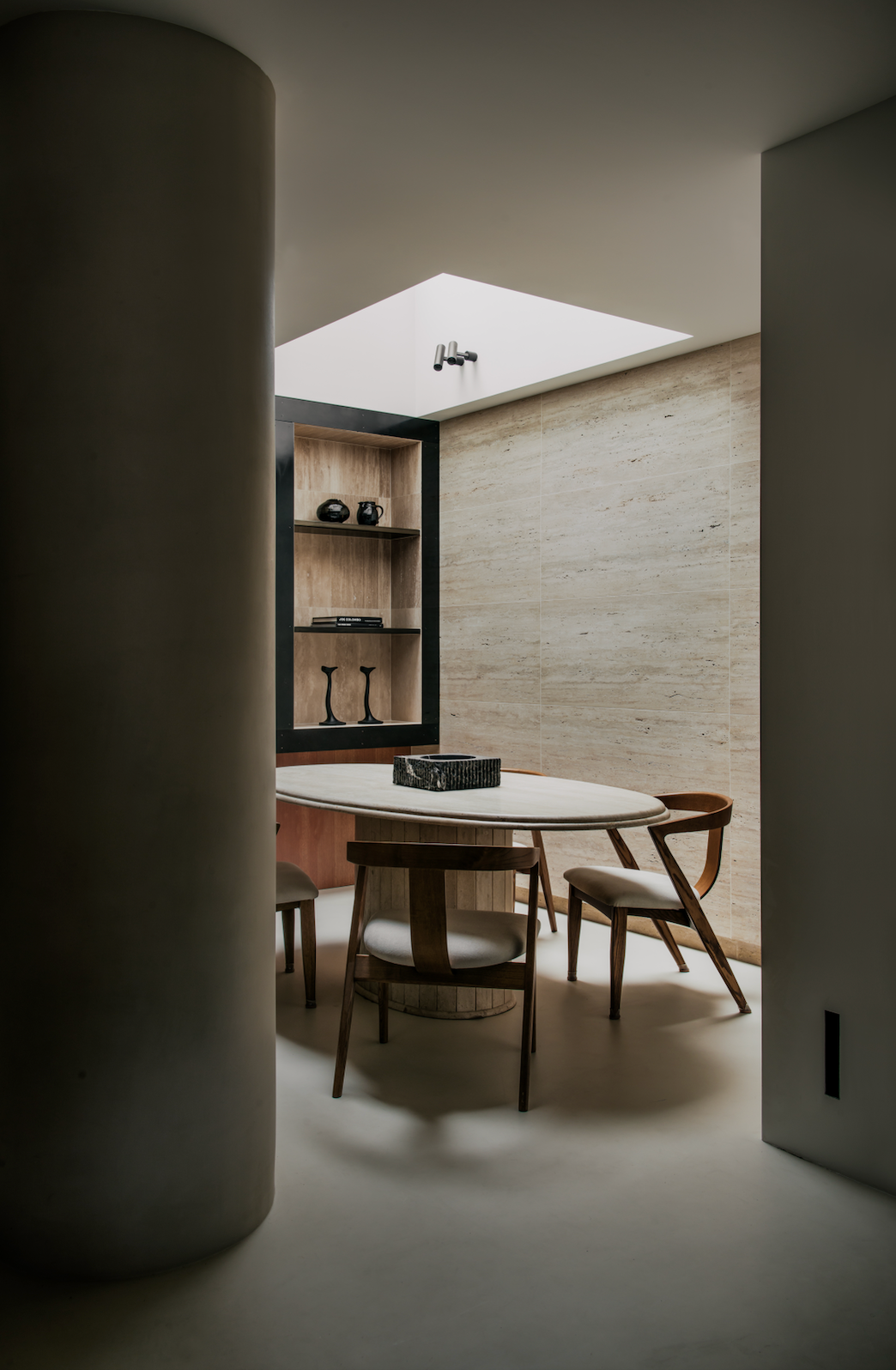
Q: Many of your pieces explore form in unexpected ways. Where do those ideas usually begin?
The ideas often begin with a sense of curiosity. A shape, a material, even a shadow that catches my attention. I’m drawn to forms that feel both organic and architectural, and I like to push them just far enough that they challenge expectations but still feel grounded. Sometimes it starts with a sketch, other times with working directly with material and letting it guide me. I see it as a process of discovery - testing, refining, and allowing the unexpected to become the essence of the piece.
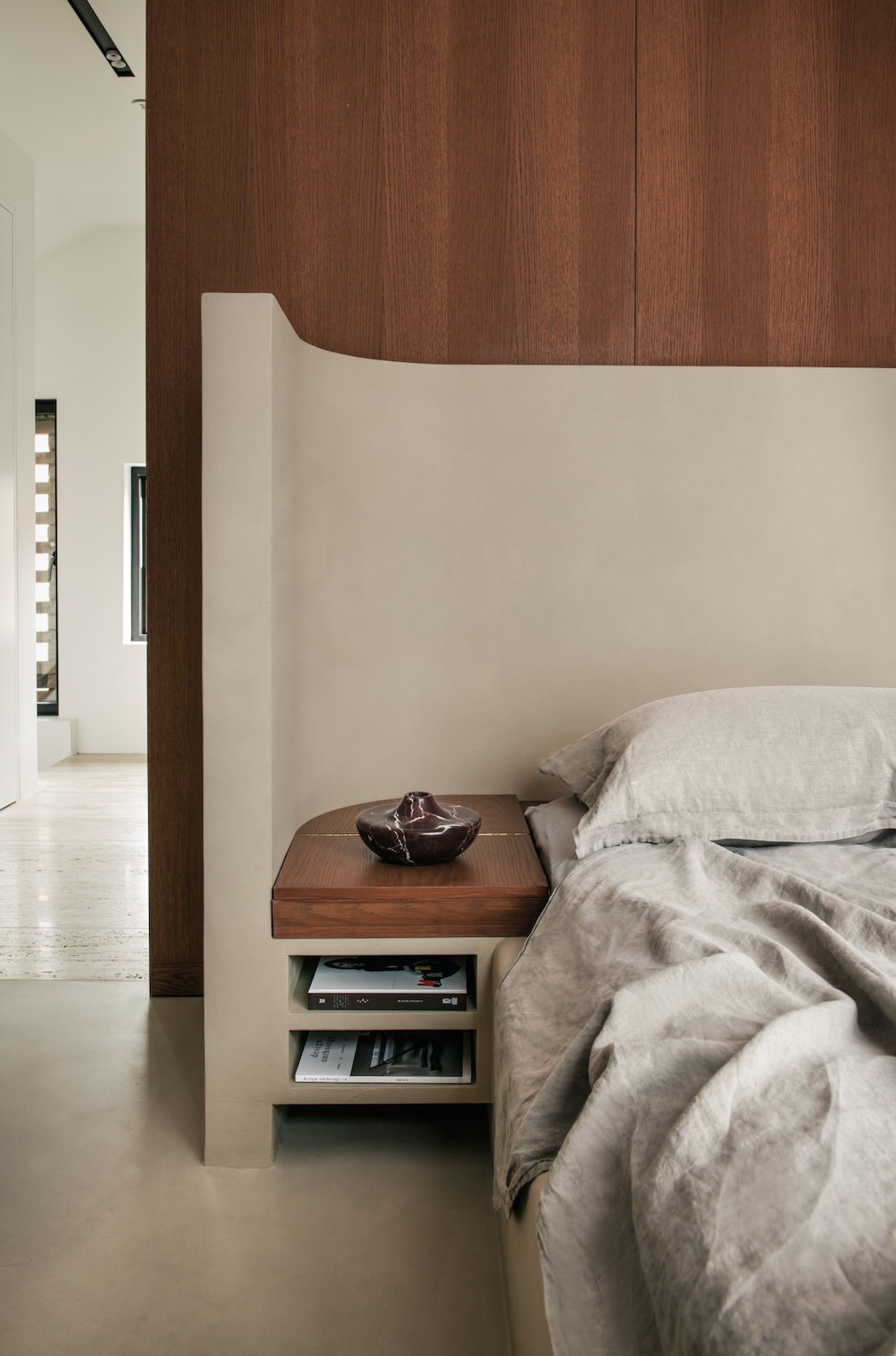
Q: Representation and diversity in design are often linked to your role as a trailblazer. How do you view your place in shaping a more inclusive industry?
I feel a deep responsibility, but also a sense of possibility. Representation isn’t just about visibility. It’s about shifting narratives and expanding what people imagine design can look like and who it can belong to. My journey has taught me that when people see someone who looks like them, or who shares parts of their story, occupying space in this industry, it opens a door. For me, it’s about doing the work authentically, creating spaces and objects that resonate, and hopefully leaving the path a little wider for others to step into.
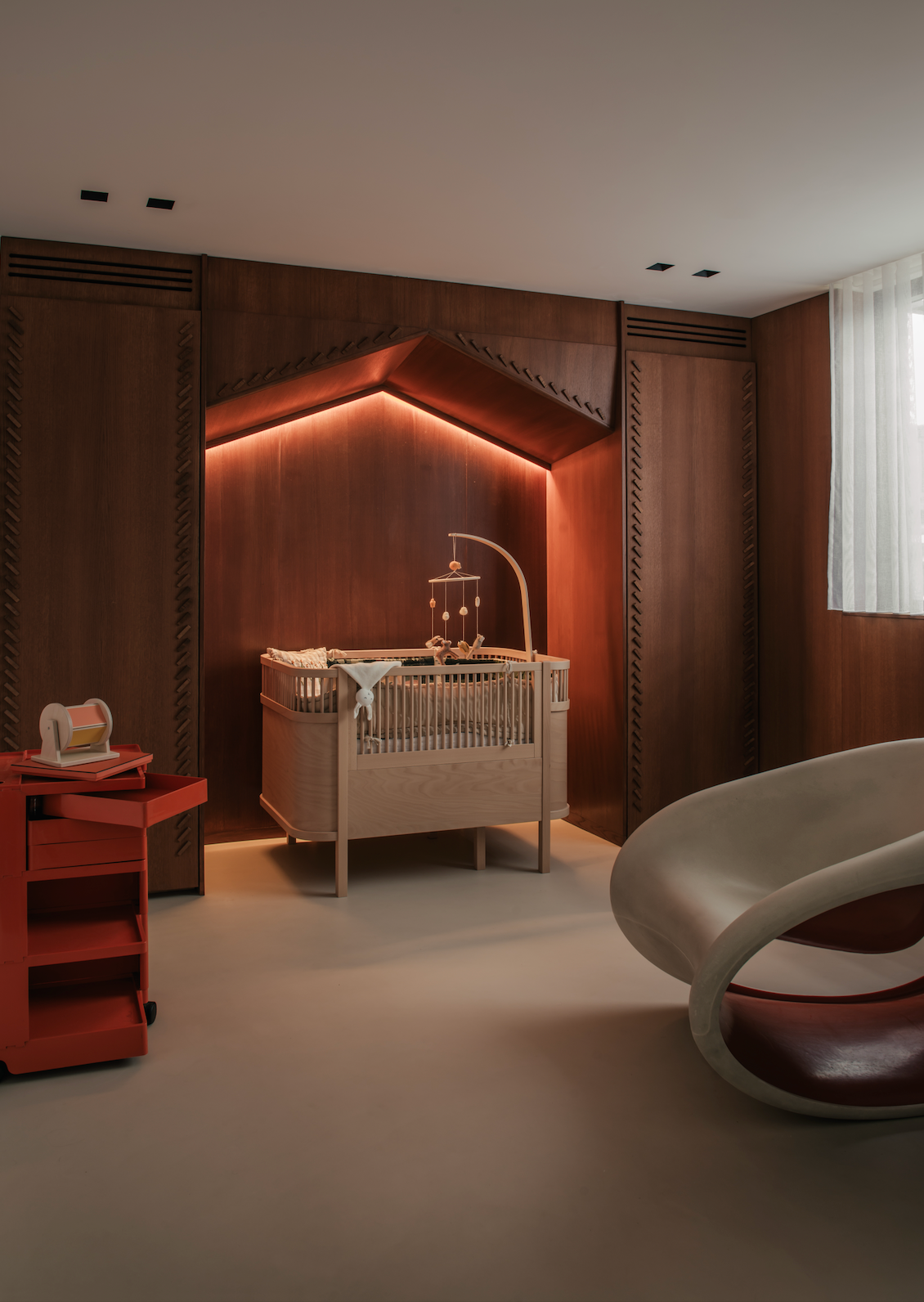
Q: The emotional quality of your spaces is striking. What do you hope people feel when theystep into them?
I hope people feel a sense of calm, of belonging like the space is holding them. My work is about emotion as much as form, so I want there to be an immediate resonance, even if it’s subtle. Sometimes that’s awe at a bold gesture, other times it’s comfort in the quiet details. Ideally, the space allows people to slow down, to breathe differently, and to feel both inspired and at ease.
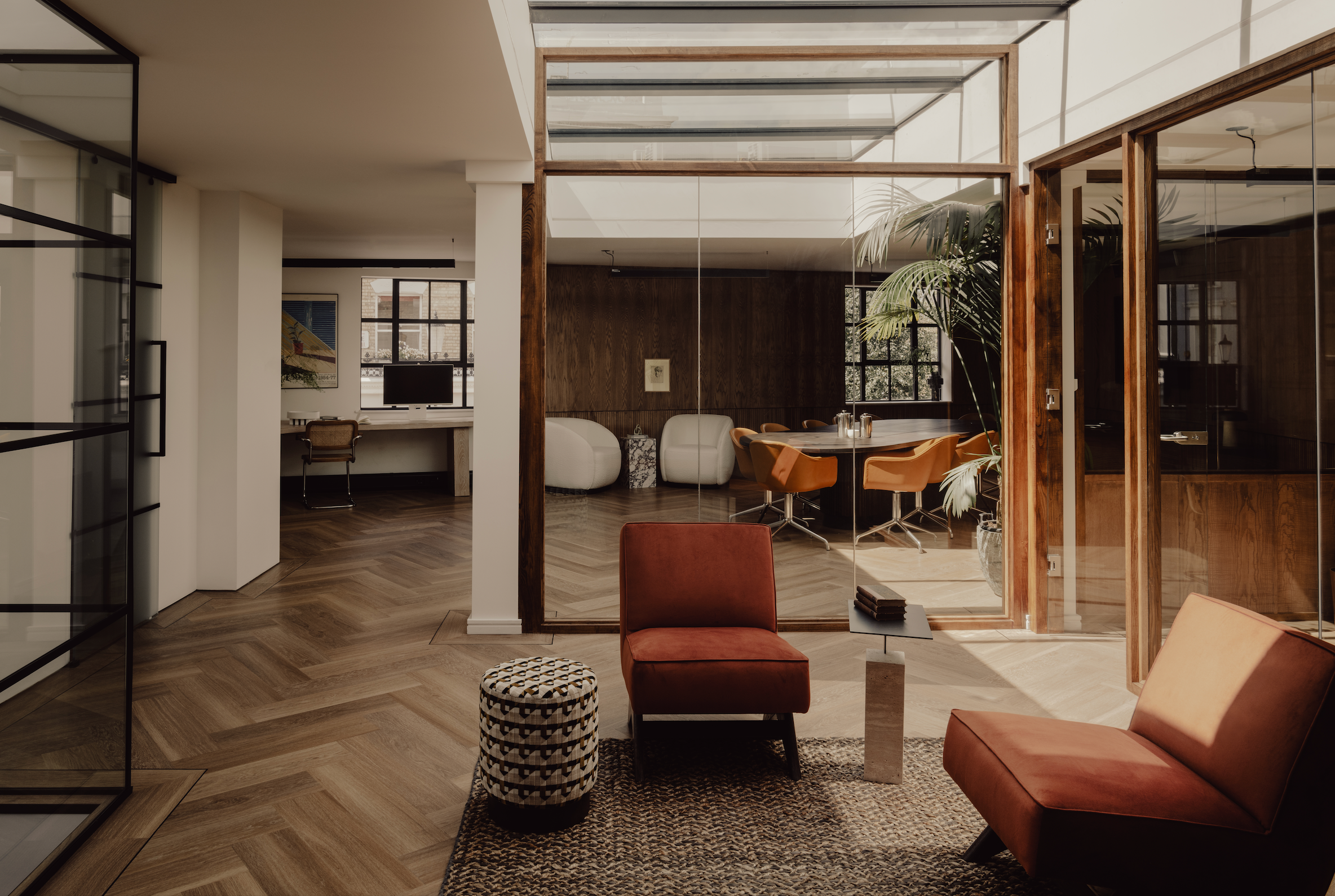
Q: What has been the most challenging and rewarding project of your career so far?
Each project arrives with its own challenges, and I’ve come to see those challenges as part of the shaping process, like edges being carved to reveal the form within. The reward is in the unfolding, in that quiet moment when the pieces align and the vision takes life. It’s a joy I feel most deeply in larger-scale projects, where the journey of becoming is as meaningful as the final outcome.
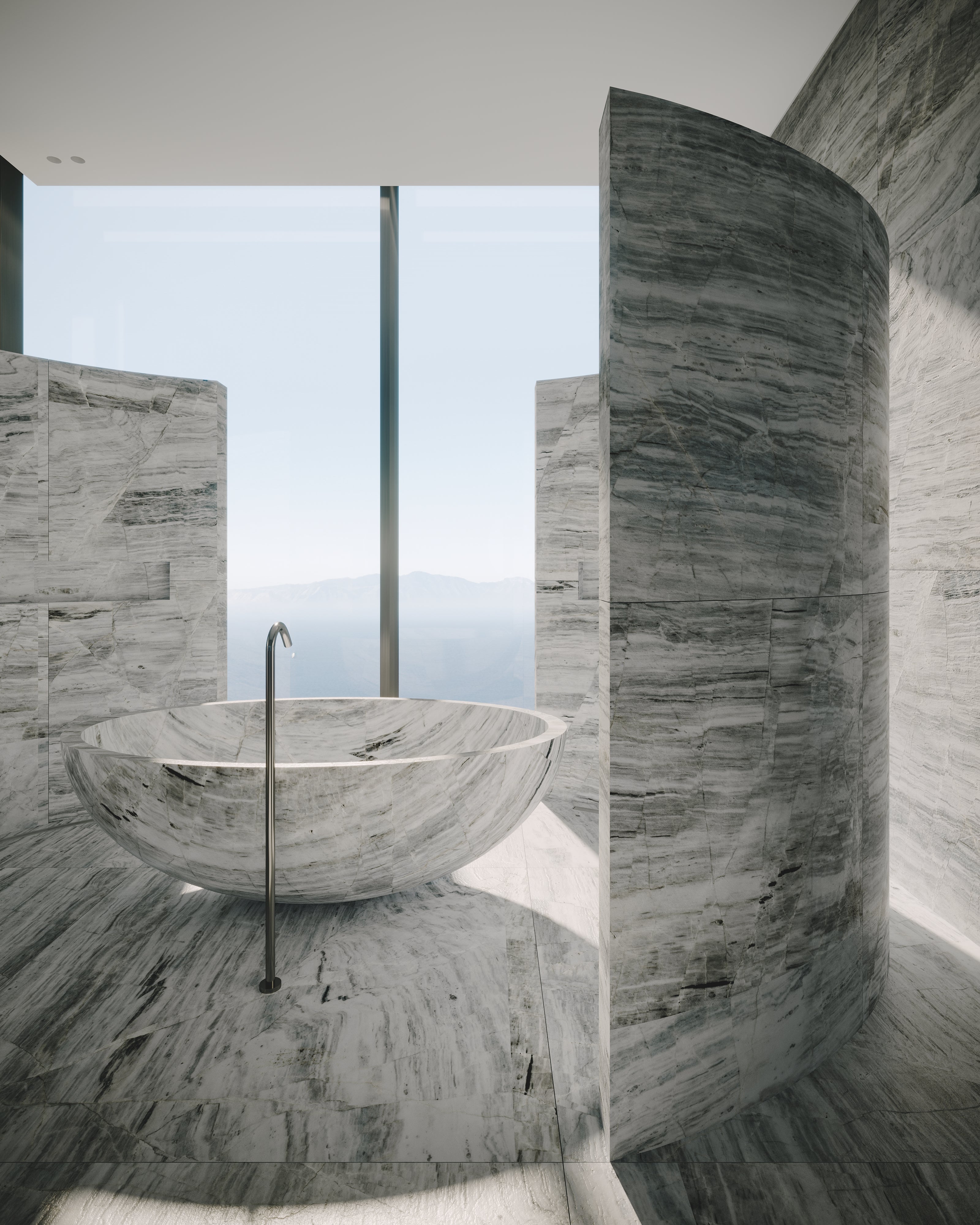
Q: Looking ahead, what boundaries are you most excited to push?
Looking ahead, I feel a strong pull toward the yachting world. The idea of designing for a space in motion, framed by the immensity of the sea, is incredibly compelling. It’s a unique threshold where function and emotion converge, where every curve, every material choice must embody both intention and beauty. For me, it represents a completely new canvas, one that invites the challenge of crafting serenity and character within an ever-shifting environment.
MEET MORE ICONS OF TODAY


