


TRI Design: Four Days in Review
This March, London welcomed a new addition to its design calendar. TRI Design took over Knightsbridge, the King’s Road and Fulham Road for four days, turning the neighbourhood into a backdrop for creativity, craftsmanship and conversation.
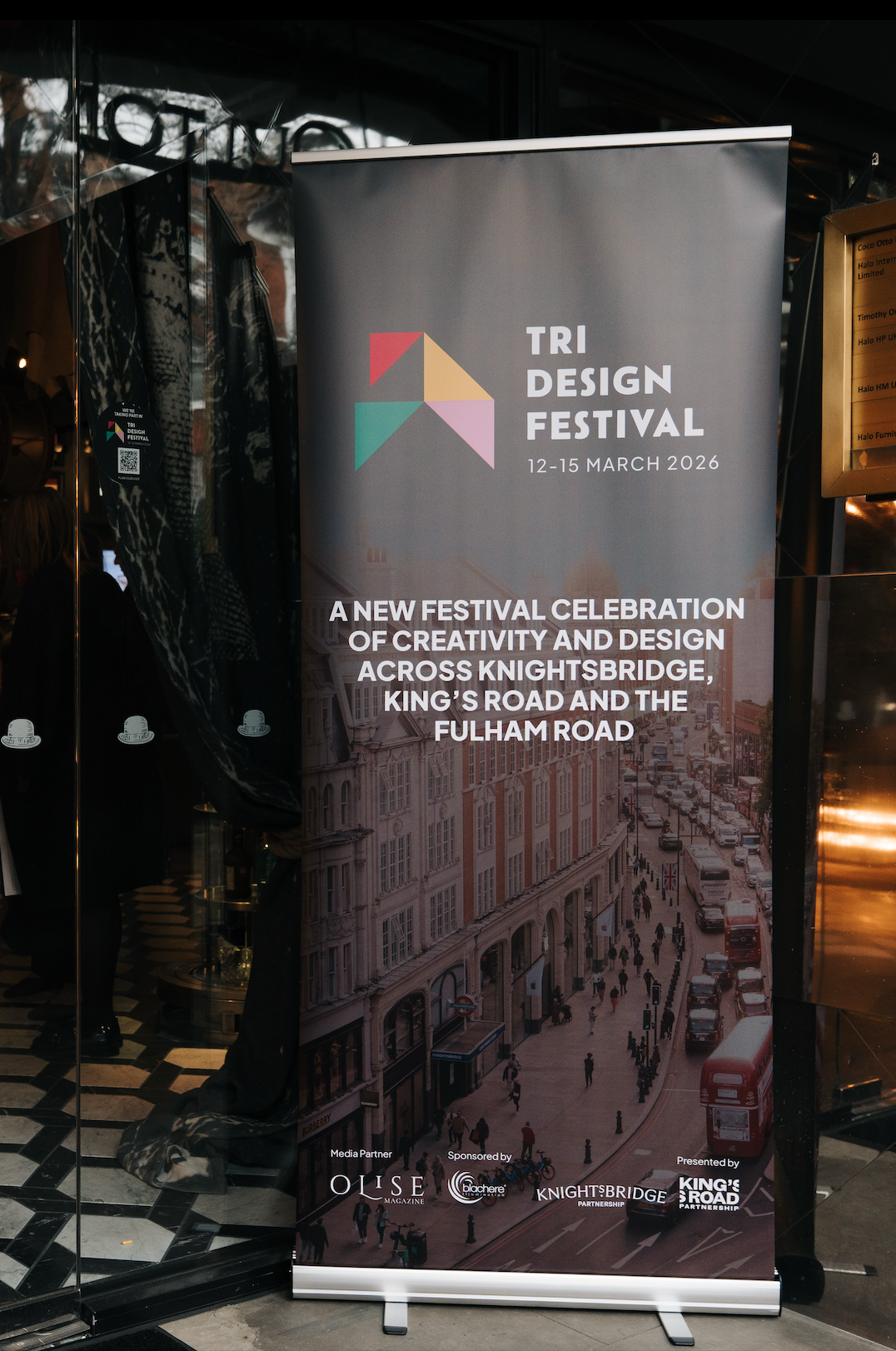
As official media partner, OLISE Magazine followed the festival as it unfolded across some of the area’s most recognisable spaces. Showrooms, hotels, galleries and retail destinations opened their doors to a programme of talks, experiences and installations, inviting visitors to explore design in a more accessible and immersive way.
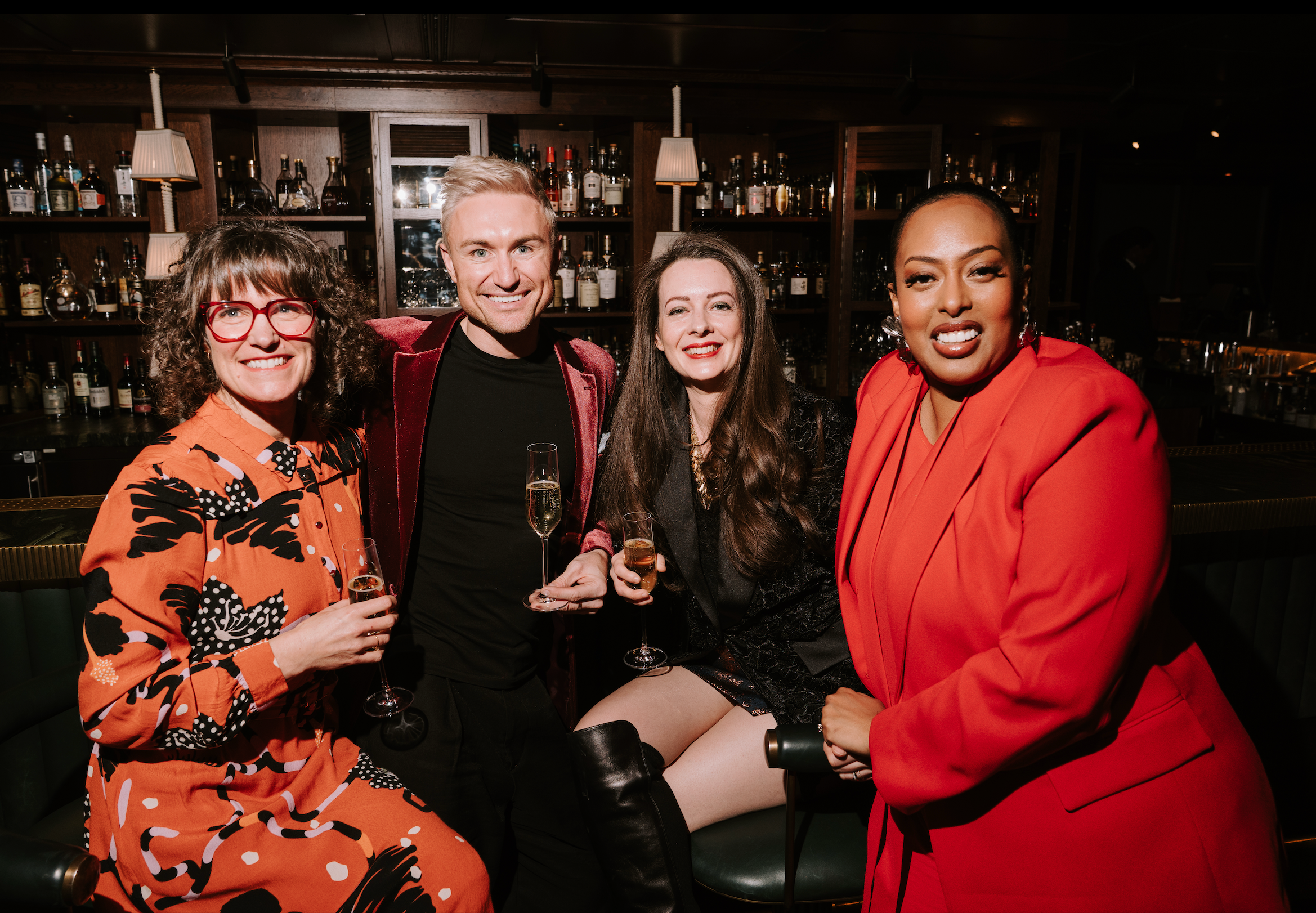
The idea behind TRI Design is simple. Bring together different parts of the design world, interiors, fashion, hospitality and culture, and let them sit side by side. The result felt less like a traditional festival and more like a city-wide experience, where moving between venues became part of the rhythm.
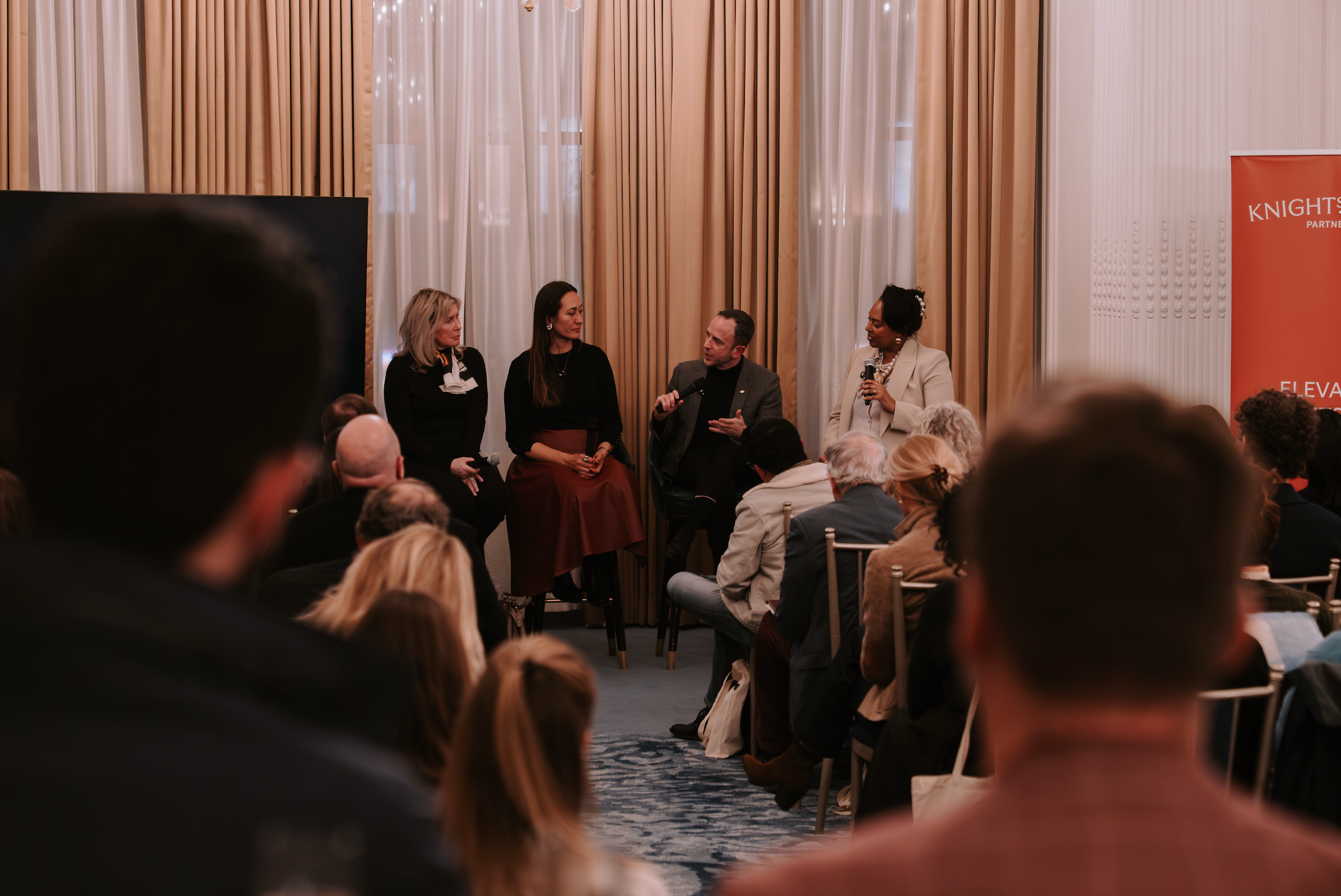
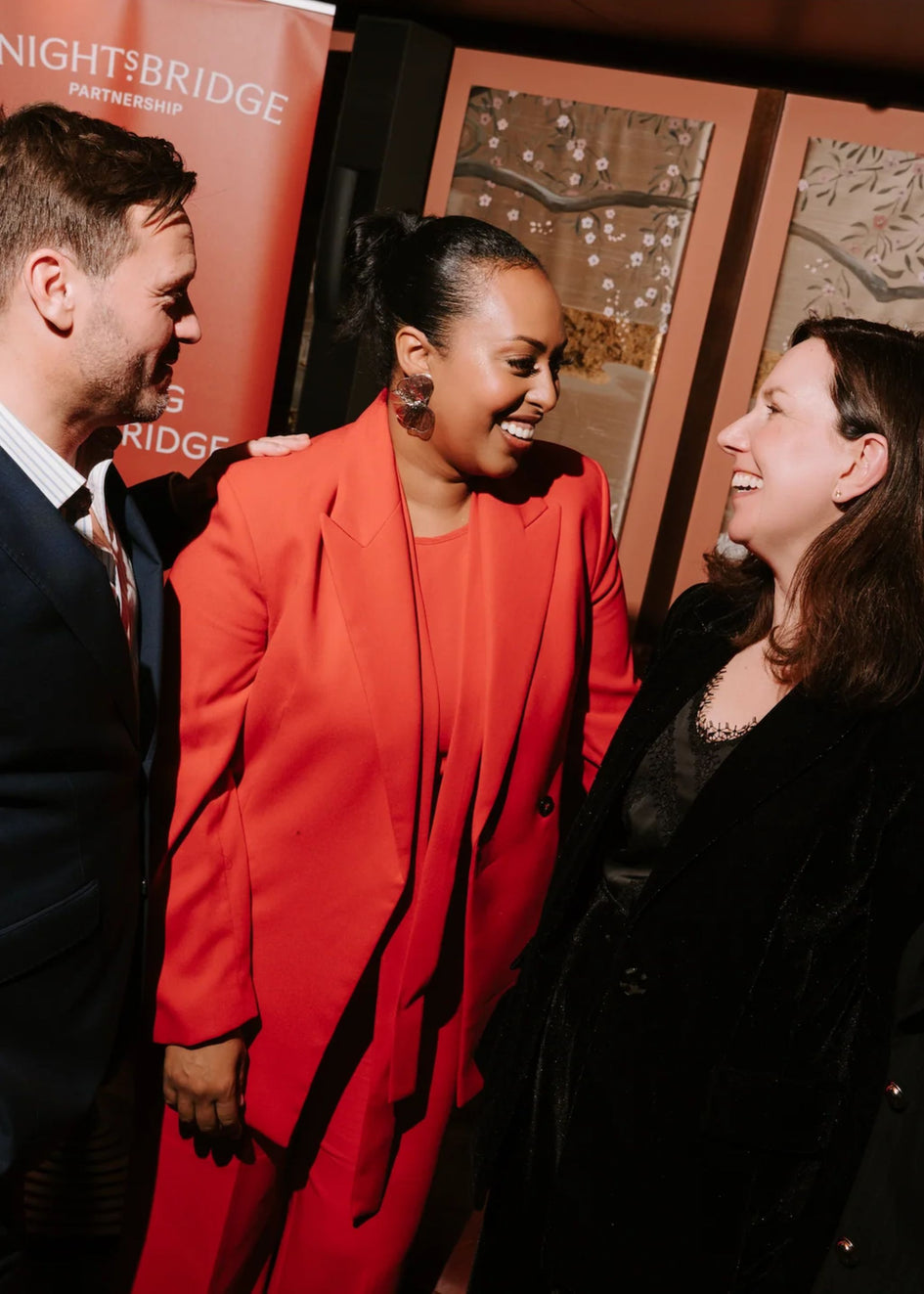
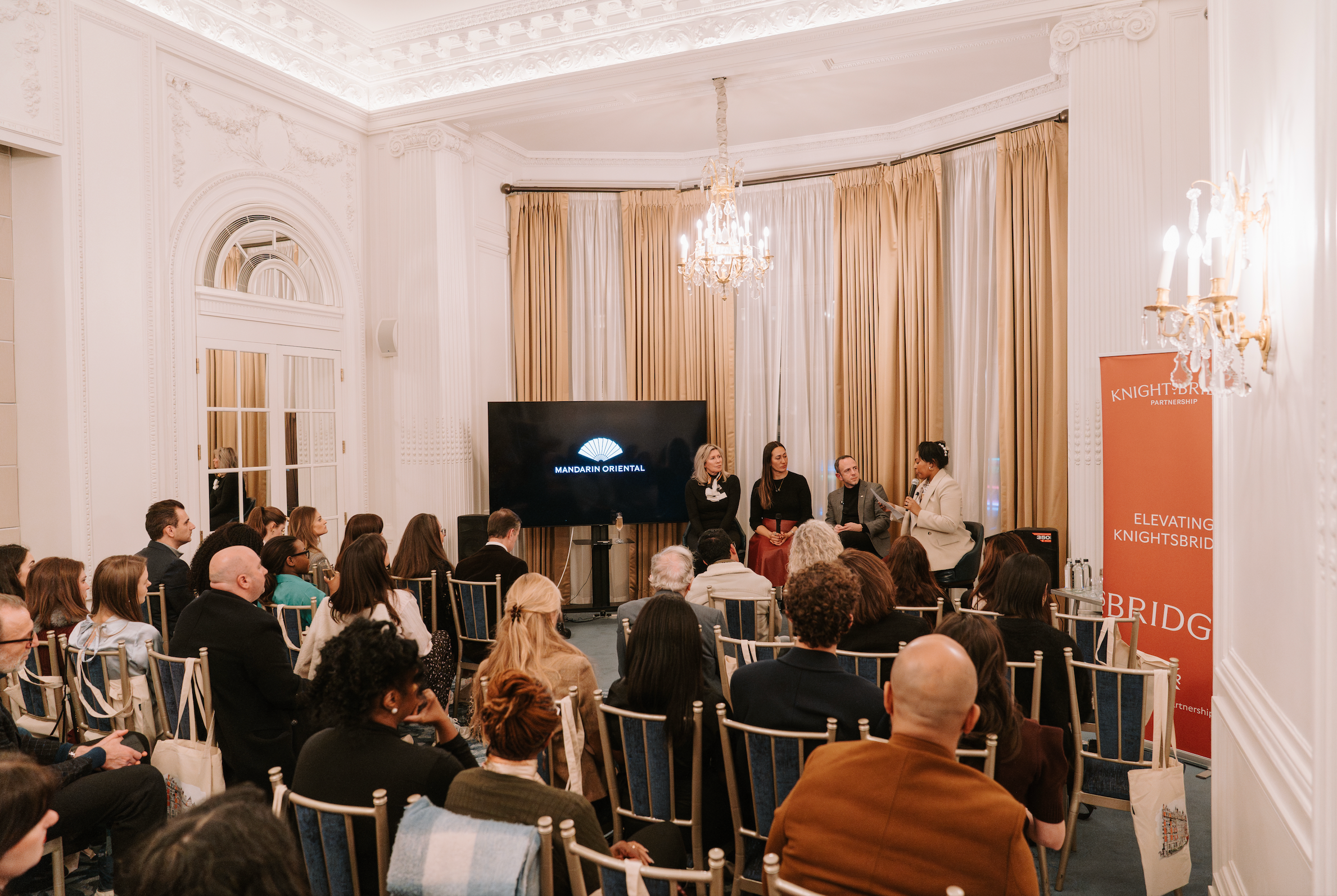
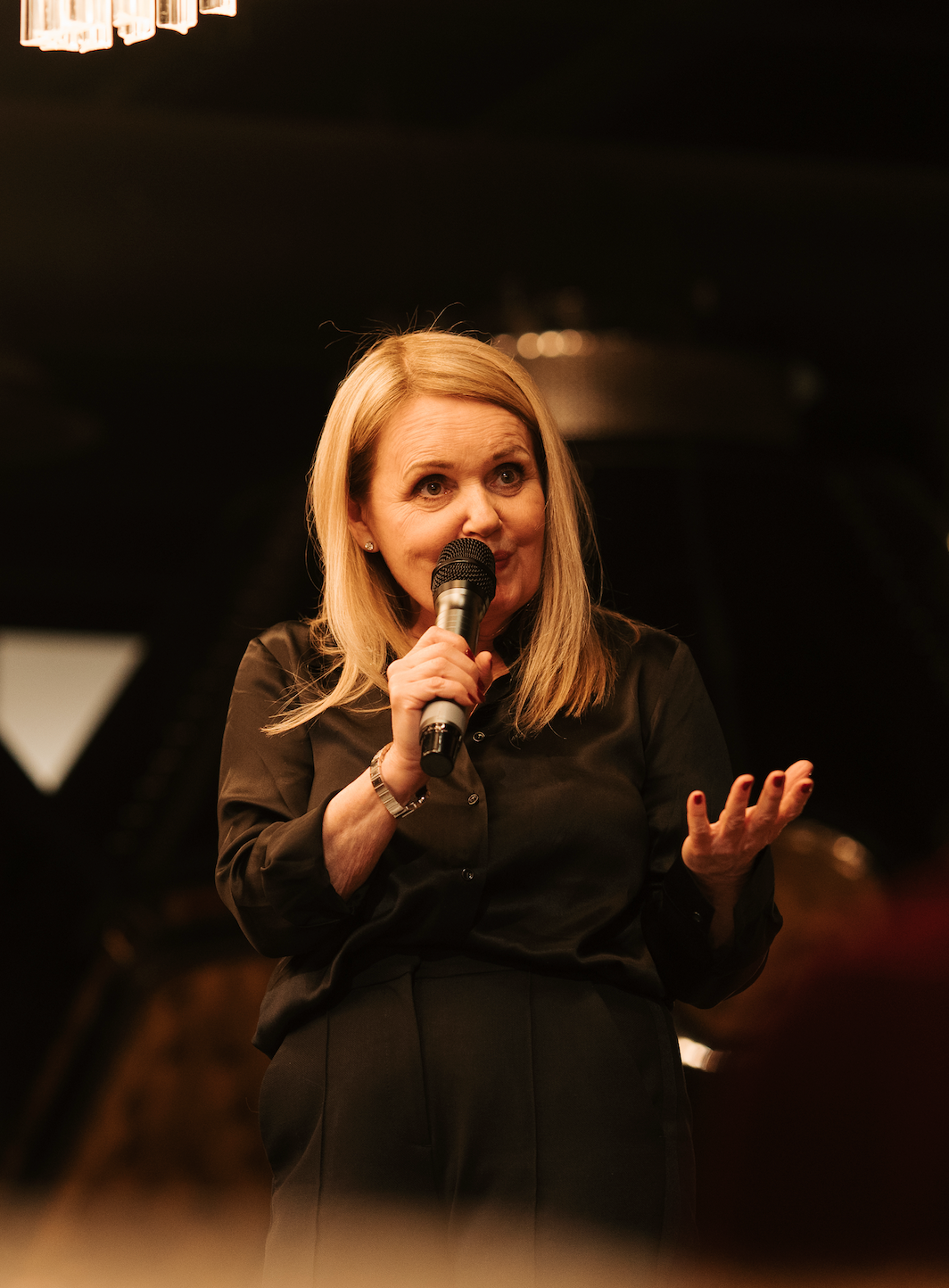
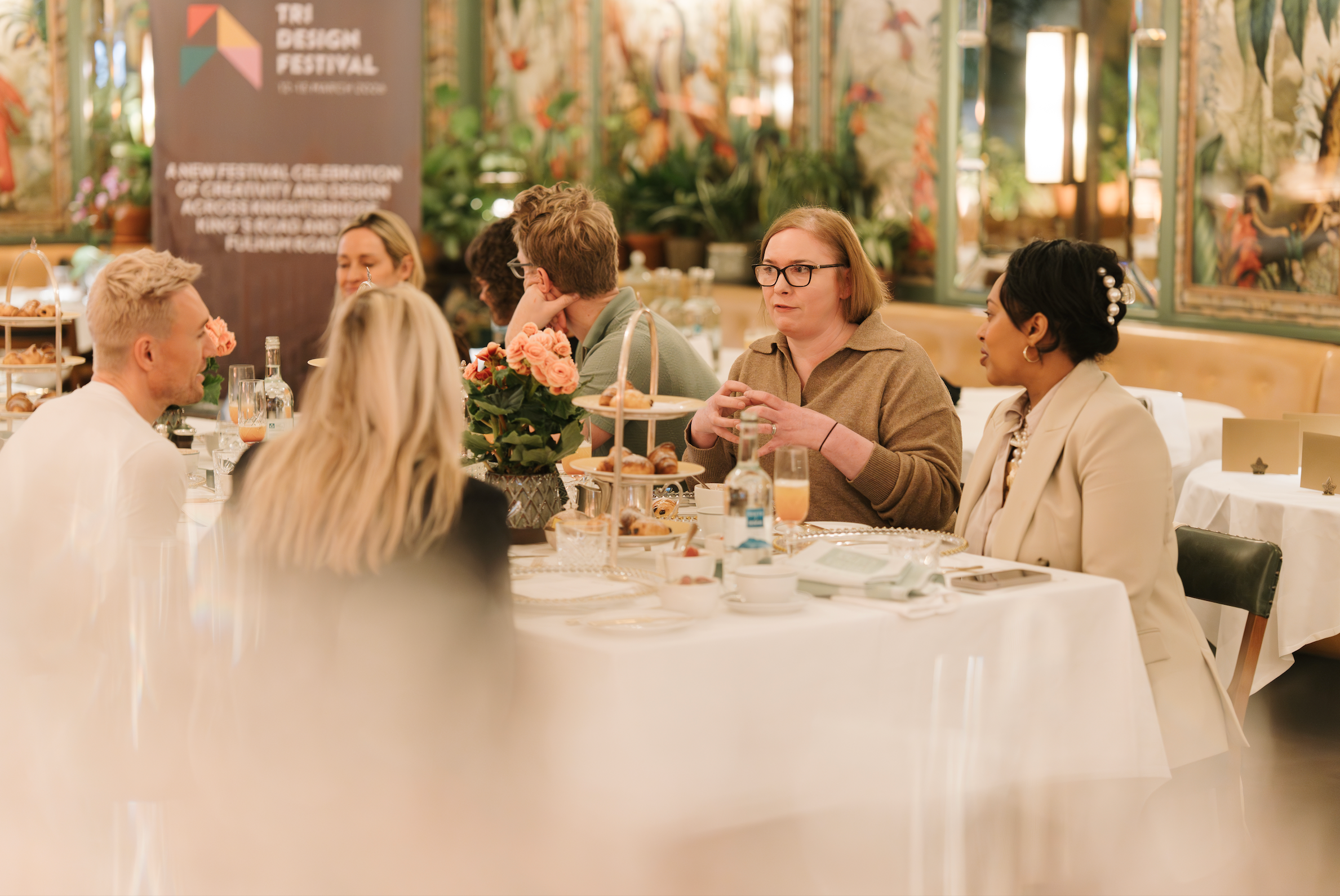
Across the four days, a series of conversations looked at how design is evolving today. The opening night at The Aubrey London brought together designers and industry voices for a warm start to the festival. At the Mandarin Oriental Hyde Park, London, discussions explored topics such as the rise of the branded home and the future of luxury living. Visionnaire hosted a panel on longevity and legacy, while The Lanesborough brought together voices from across the industry to talk about what’s next for hospitality design.

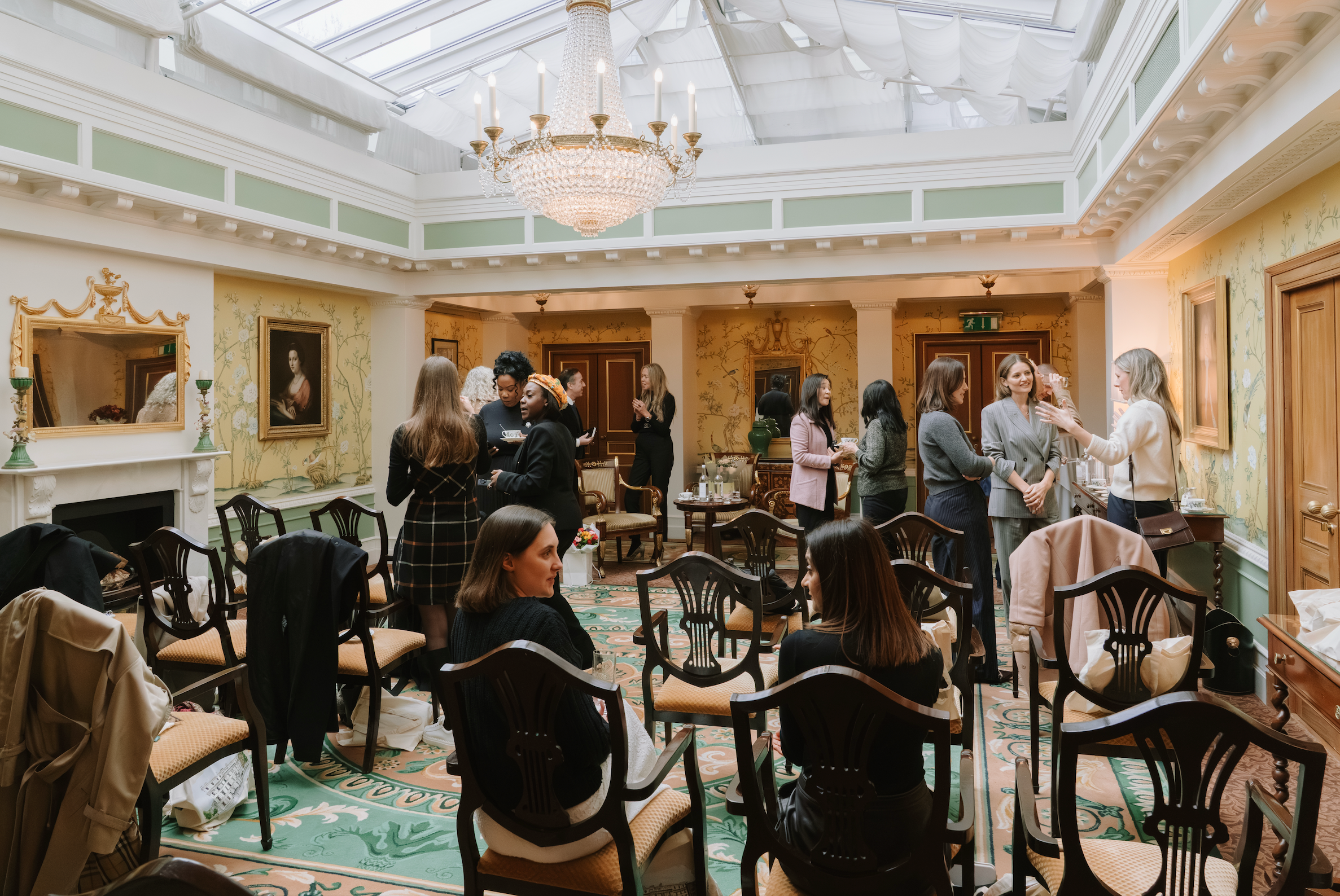
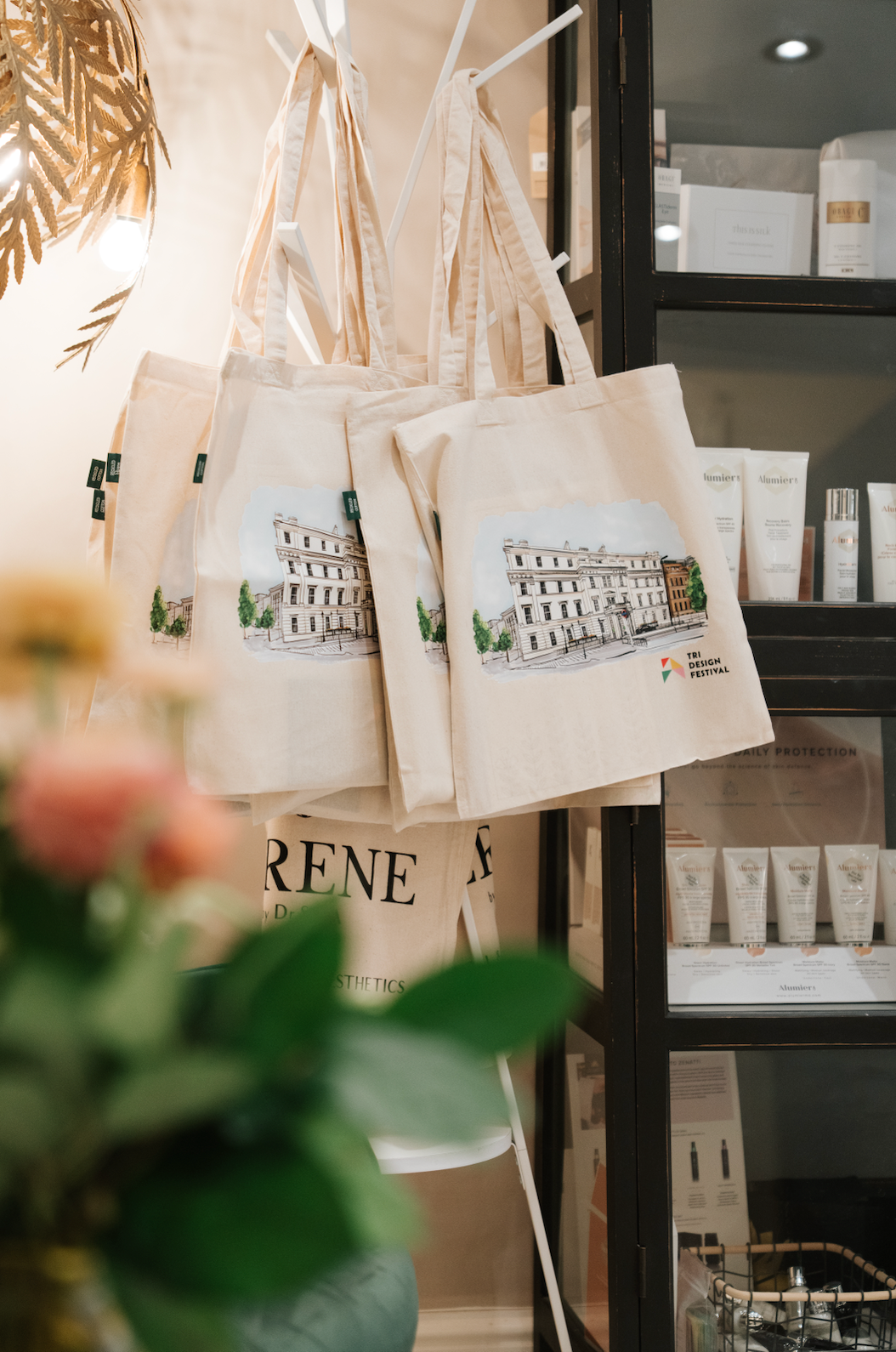
The programme also moved into more intimate and unexpected spaces. At Serene Dental, Designing Calm offered a new perspective on how design can shape wellbeing, even in clinical environments. A live conversation between Jude Leach of Timothy Oulton and our Editor-in-chief Bilen Zeremariam explored the intersection of design, business and creative direction.
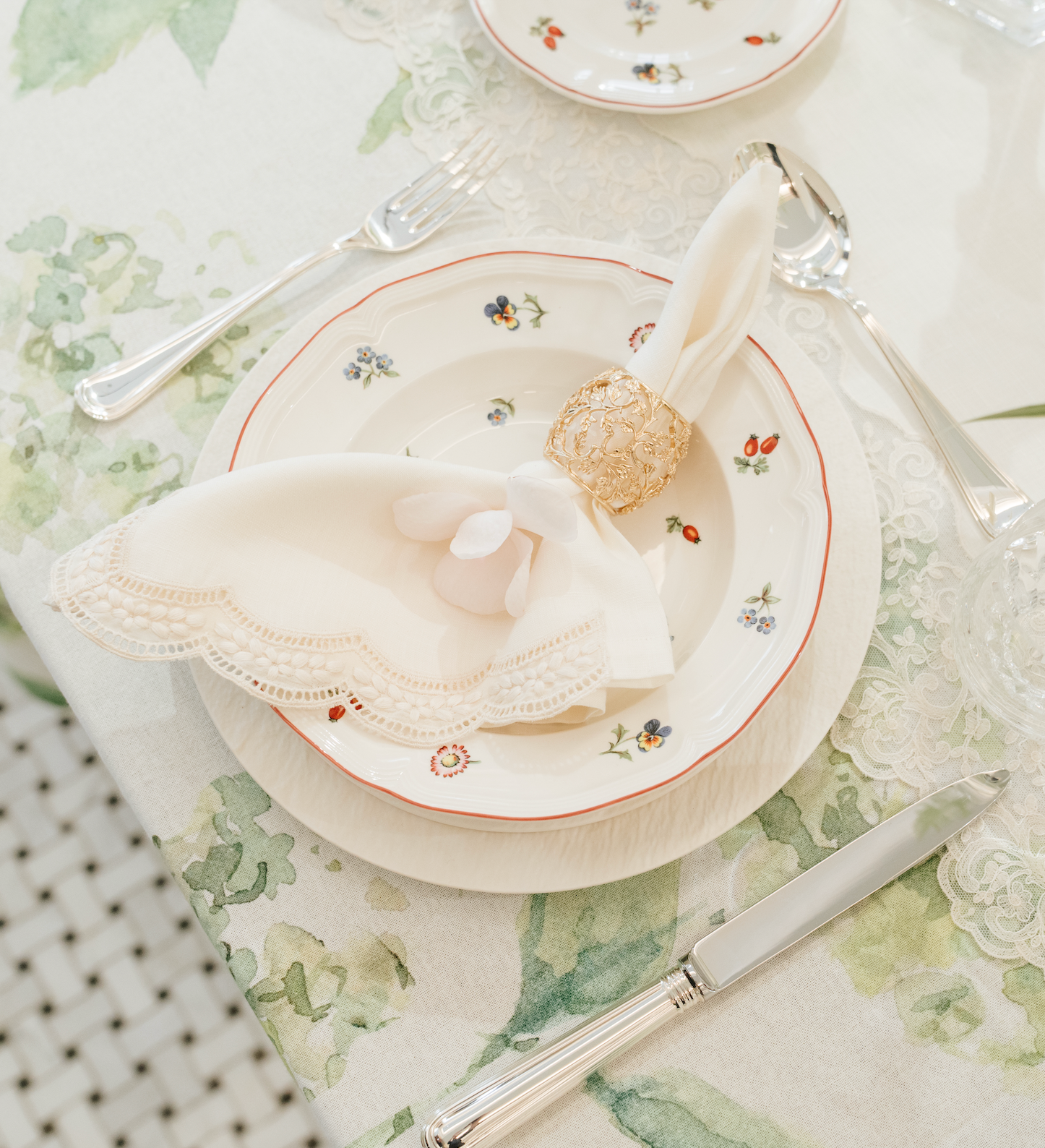
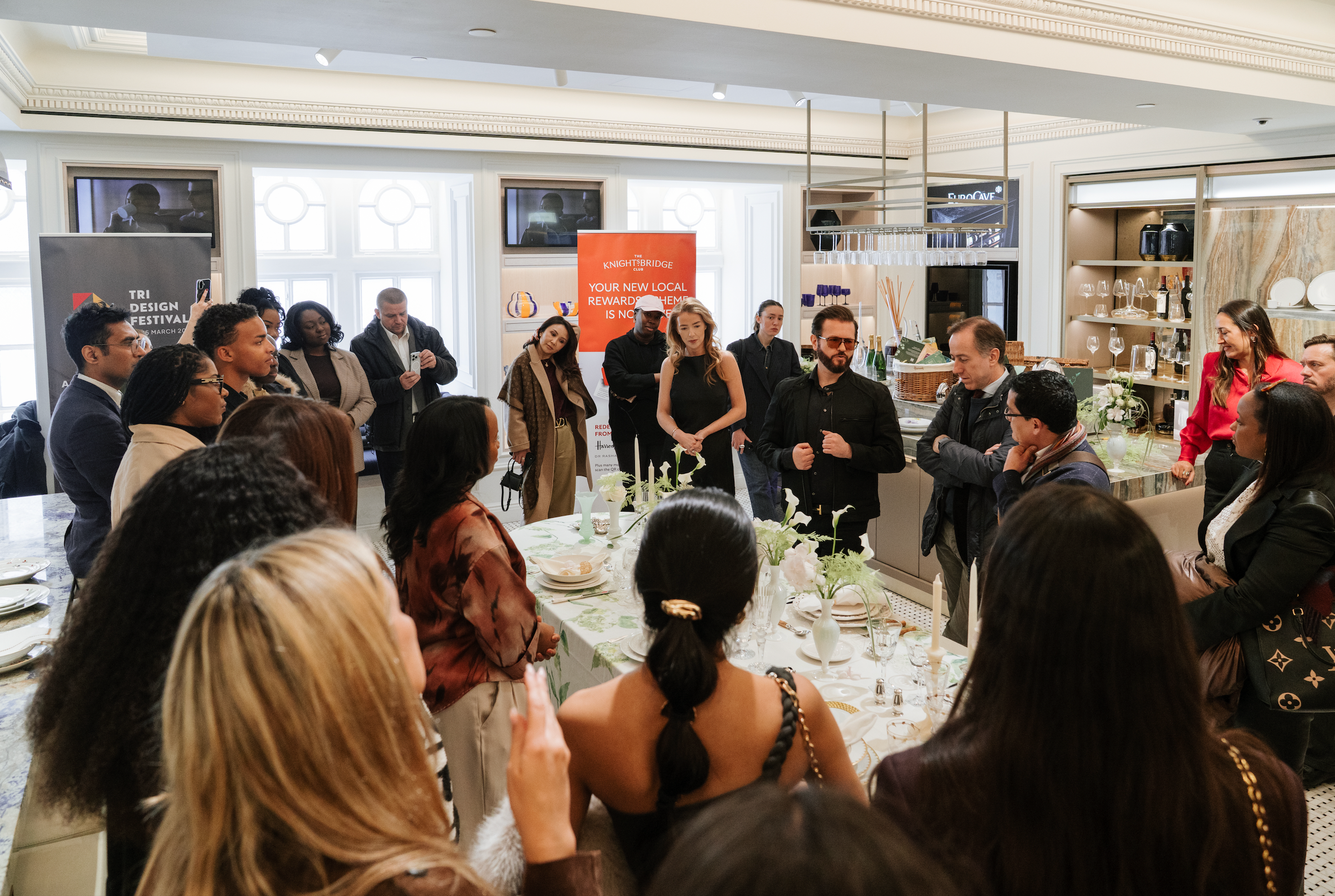
Harrods Interiors hosted a Mother’s Day tablescaping masterclass, bringing a lighter, more personal side to the festival. The session explored how to build a layered, considered table through colour, texture and detail, offering a more accessible and everyday approach to design.
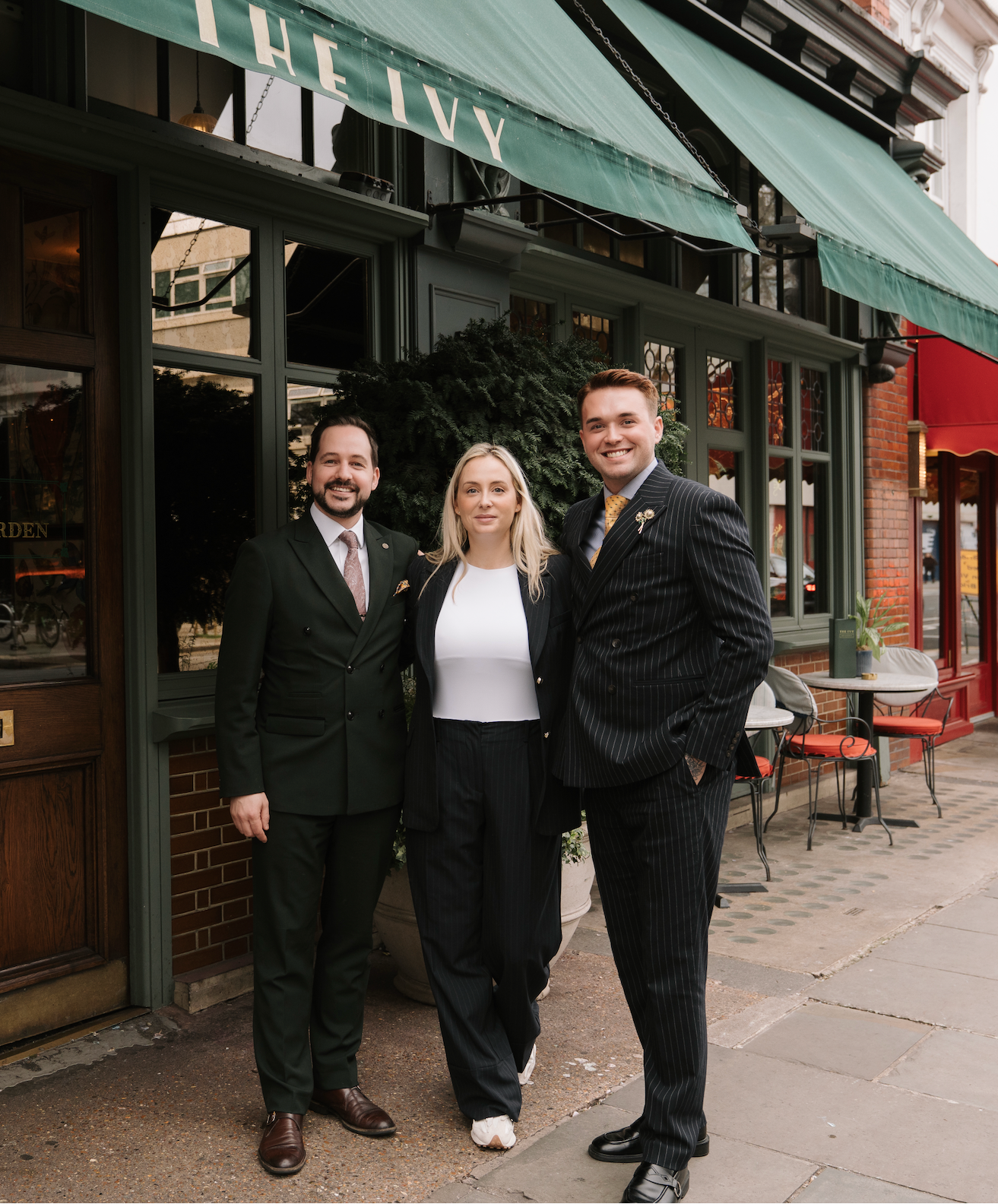
TRI Design also extended beyond interiors. Restaurants across Knightsbridge and Chelsea took part with special menus and offers, adding another layer to the experience and encouraging visitors to stay, explore and spend more time in the area.
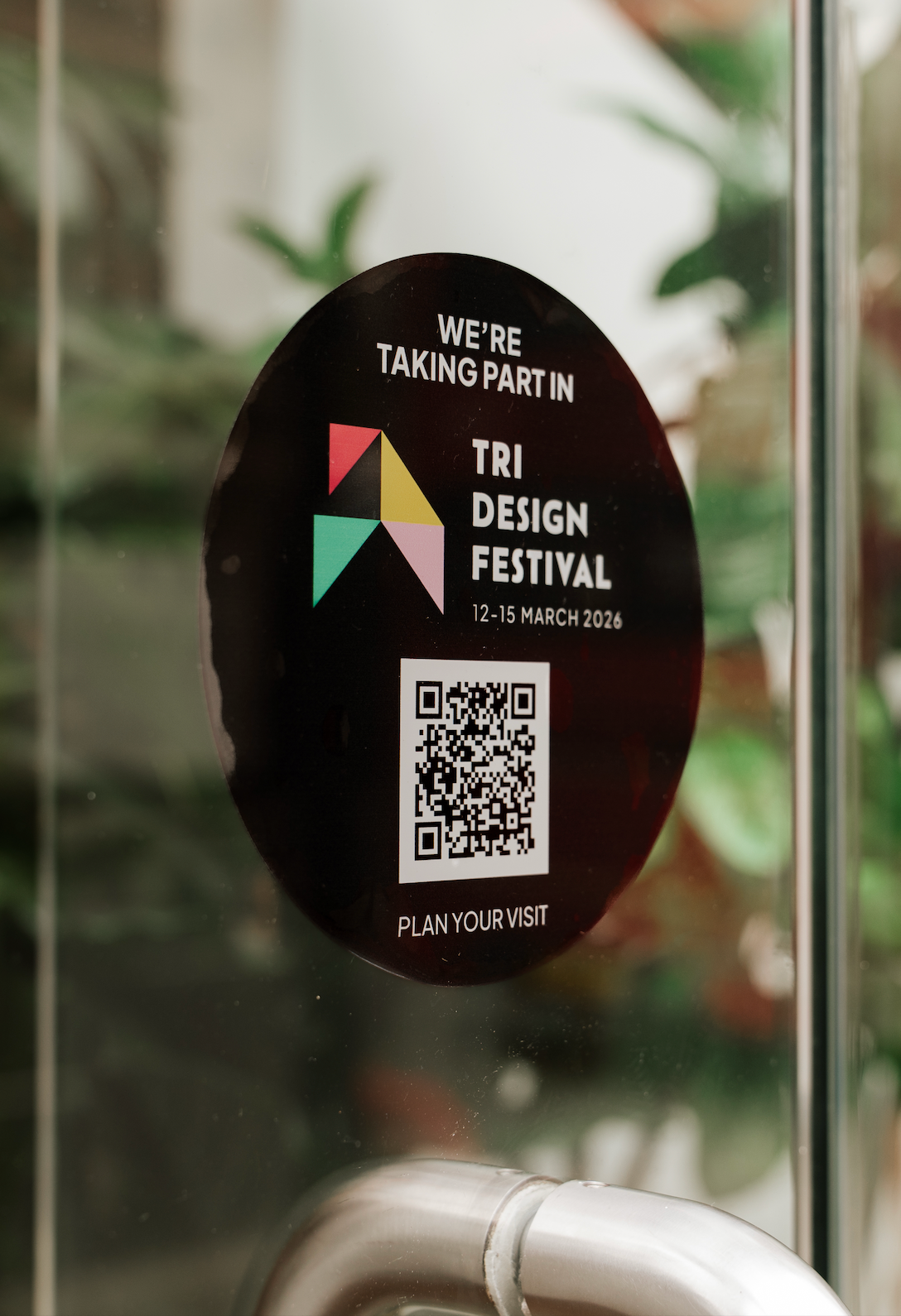
The name TRI Design reflects both the geography and the idea behind it. The three districts form a triangle on the map, but it’s also an invitation to “try” design, to engage with it in a more open and approachable way. Presented by the Knightsbridge Partnership and King’s Road Partnership, the festival brings together over 600 businesses across the area, with a shared aim of positioning the district as a global design destination.
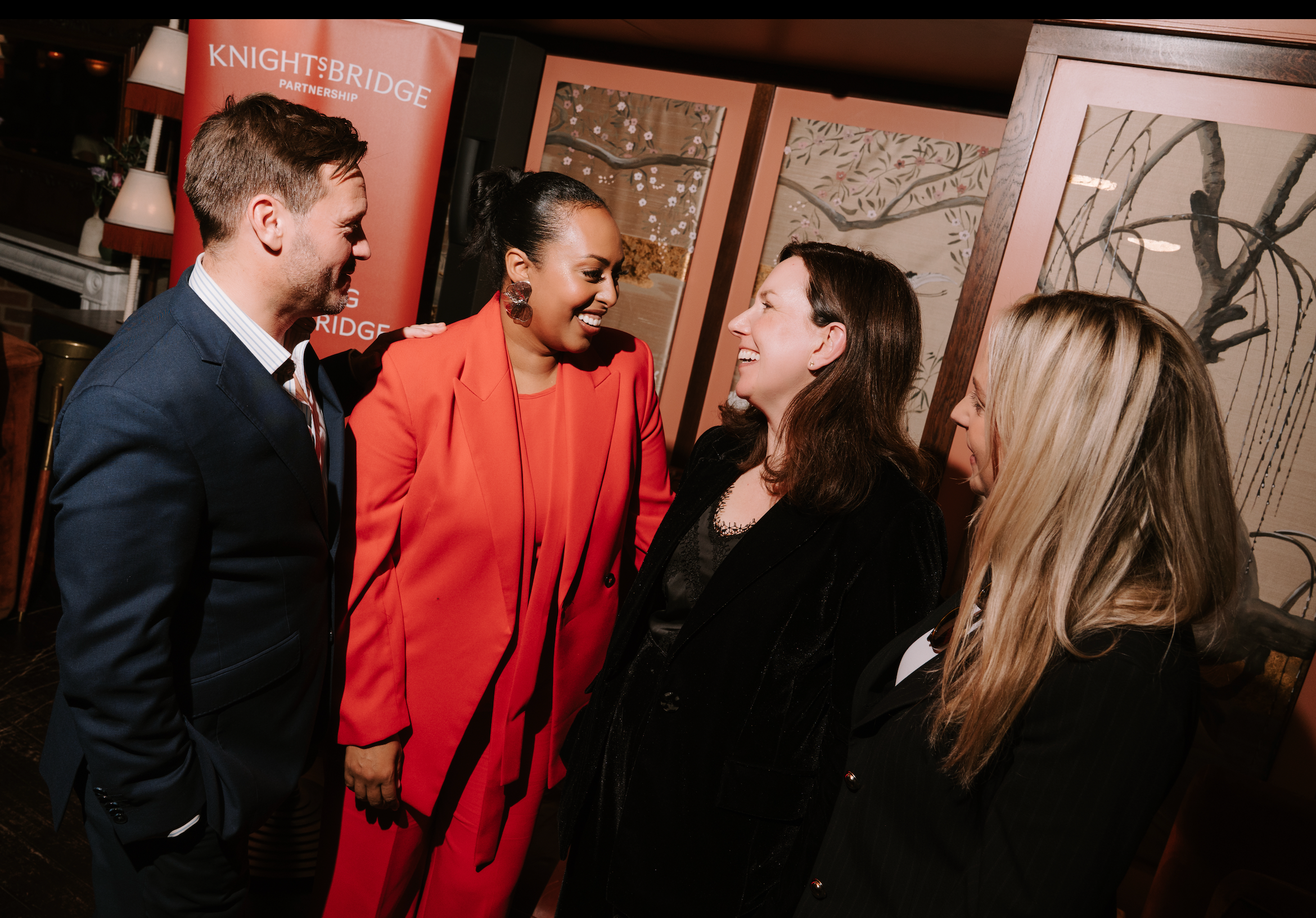
For a first edition, TRI Design felt considered and well-paced. There was a balance between large-scale conversations and smaller, more personal moments. More importantly, it showed how design can exist beyond showrooms and studios, becoming part of everyday spaces and experiences. This is the beginning of something that will continue to grow, evolve and shape how London engages with design.


