



Uga Ghiri, Ella
The Geography of Feeling by Uga Resorts
HOSPITALITY PROJECTS
How one island group is redefining what luxury means – the rooted design, careful collaboration and the architecture of memory. Hamish Kilburn writes…
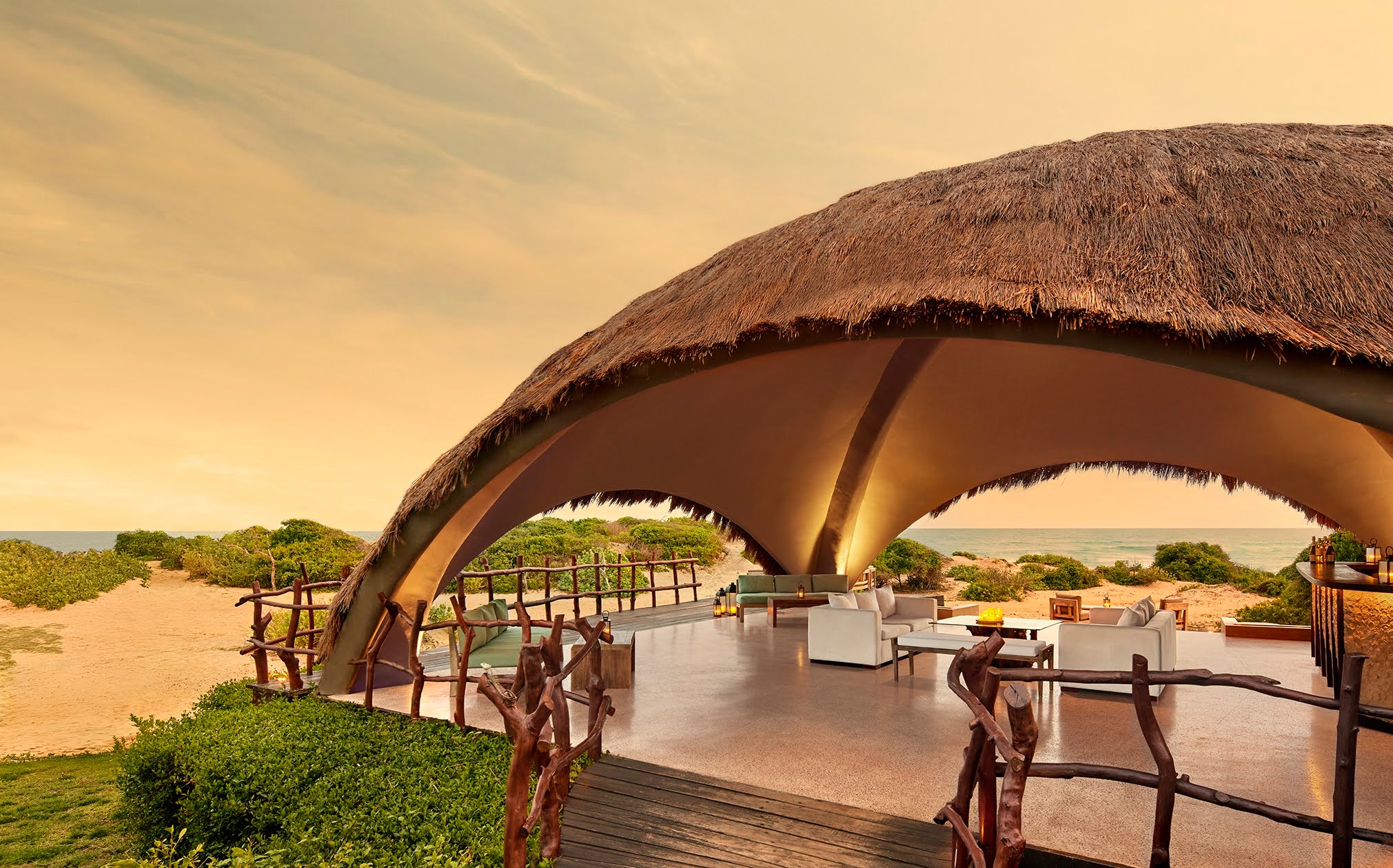
Uga Chena Huts, Yala
For decades, Sri Lanka has traded – successfully – on its obvious virtues: palm-fringed coastlines, mist-laced highlands, ancient cities etched into the jungle. But luxury here is undergoing a quiet recalibration.
The shift is subtle yet profound, moving away from the language of amenities and towards something far less tangible: memory, meaning and a sense of place that resists replication. Few have tracked – or even shaped – that transition as closely as Uga Resorts.
Founded by Priyanjith Weerasooria, the group has grown into one of the island's most quietly influential hospitality players, and it has done so by refining a singular idea: that true luxury in Sri Lanka is revealed.
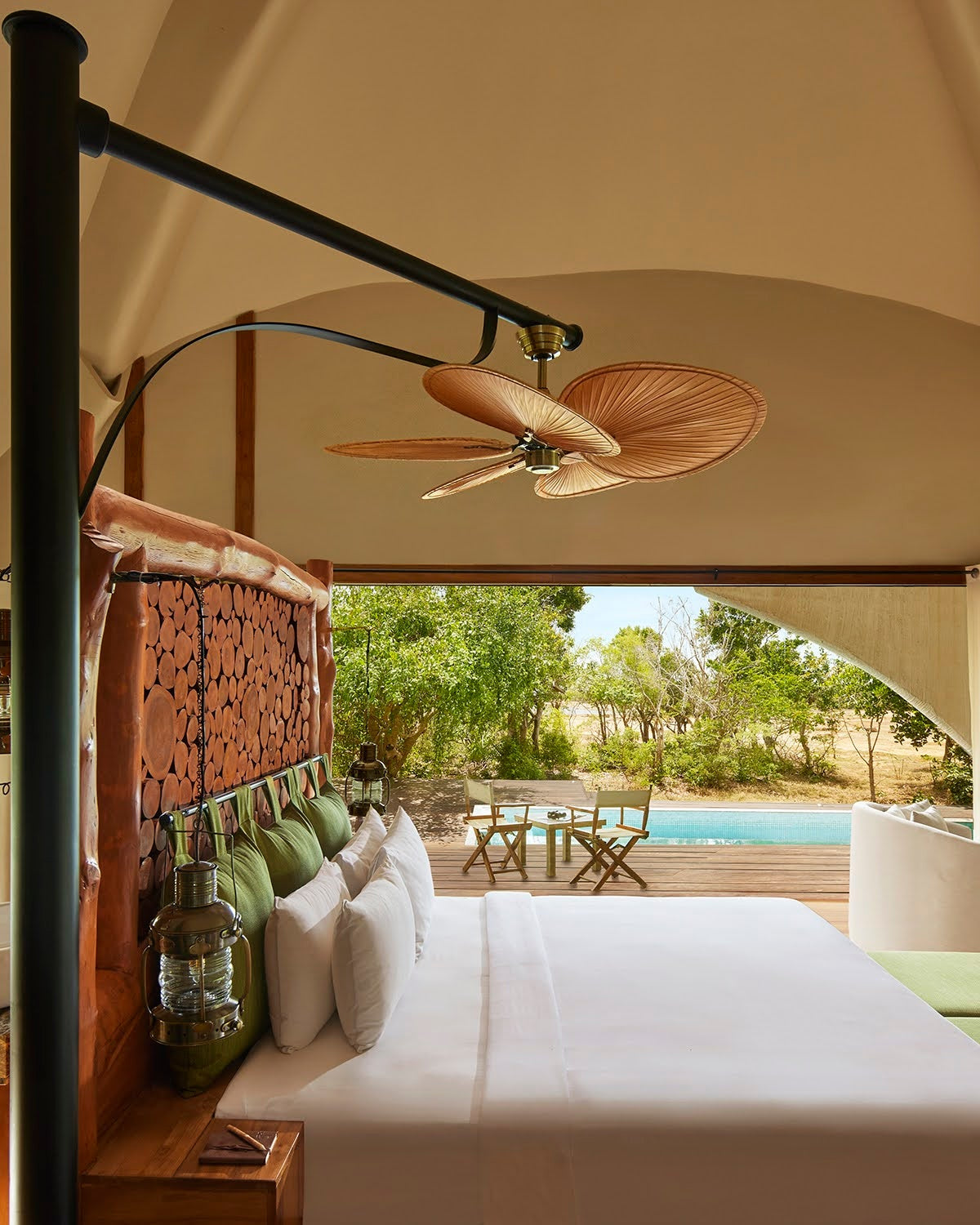
“A decade ago, luxury in Sri Lanka was largely about the finish of the room,” Weerasooria reflects. The familiar markers, like thread counts, infinity pools and polished surfaces. “Those things still matter – but they’re no longer what people are choosing a property for.”
What has replaced them is harder to quantify. Today's traveller, Weerasooria suggests, is more drawn to transformation – the kind of experience that leaves a trace long after the suitcase is unpacked.
Uga Chena Huts, Yala
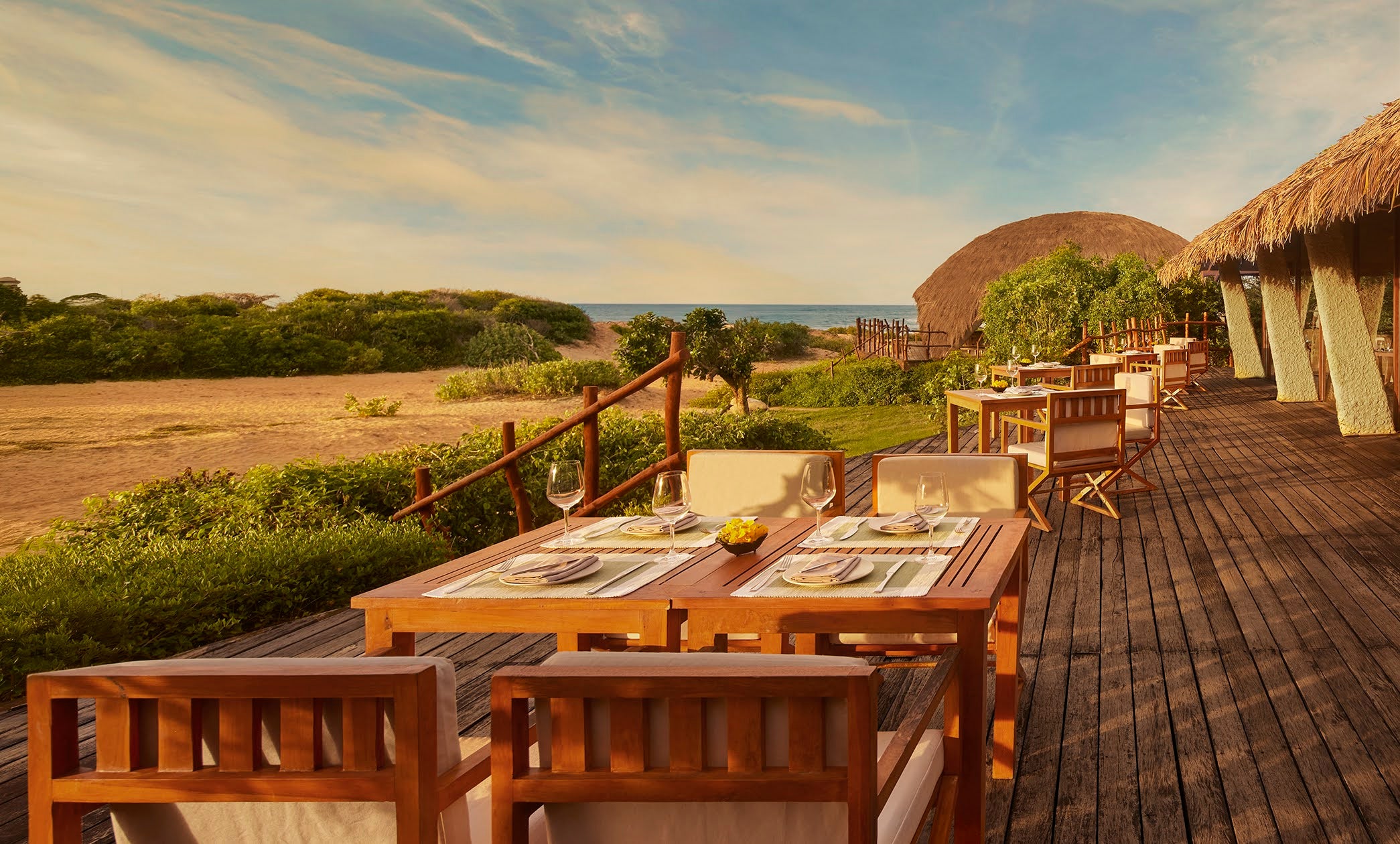
Uga Chena Huts, Yala
Sri Lanka is particularly well positioned to deliver those moments of awe. Its compact geography allows for the kind of travel that feels increasingly rare: coast to hill country, wildlife to heritage, all within a single, fluid journey.
"Within a relatively small island you can move from coast to hills to ancient city to wildlife, and genuinely feel like you've been to several different countries,” Weerasooria says. “That range, within a single trip, and without enormous distances, is something no other destination in the Indian Ocean really offers. For travellers who want depth alongside beauty, it's a compelling alternative.”
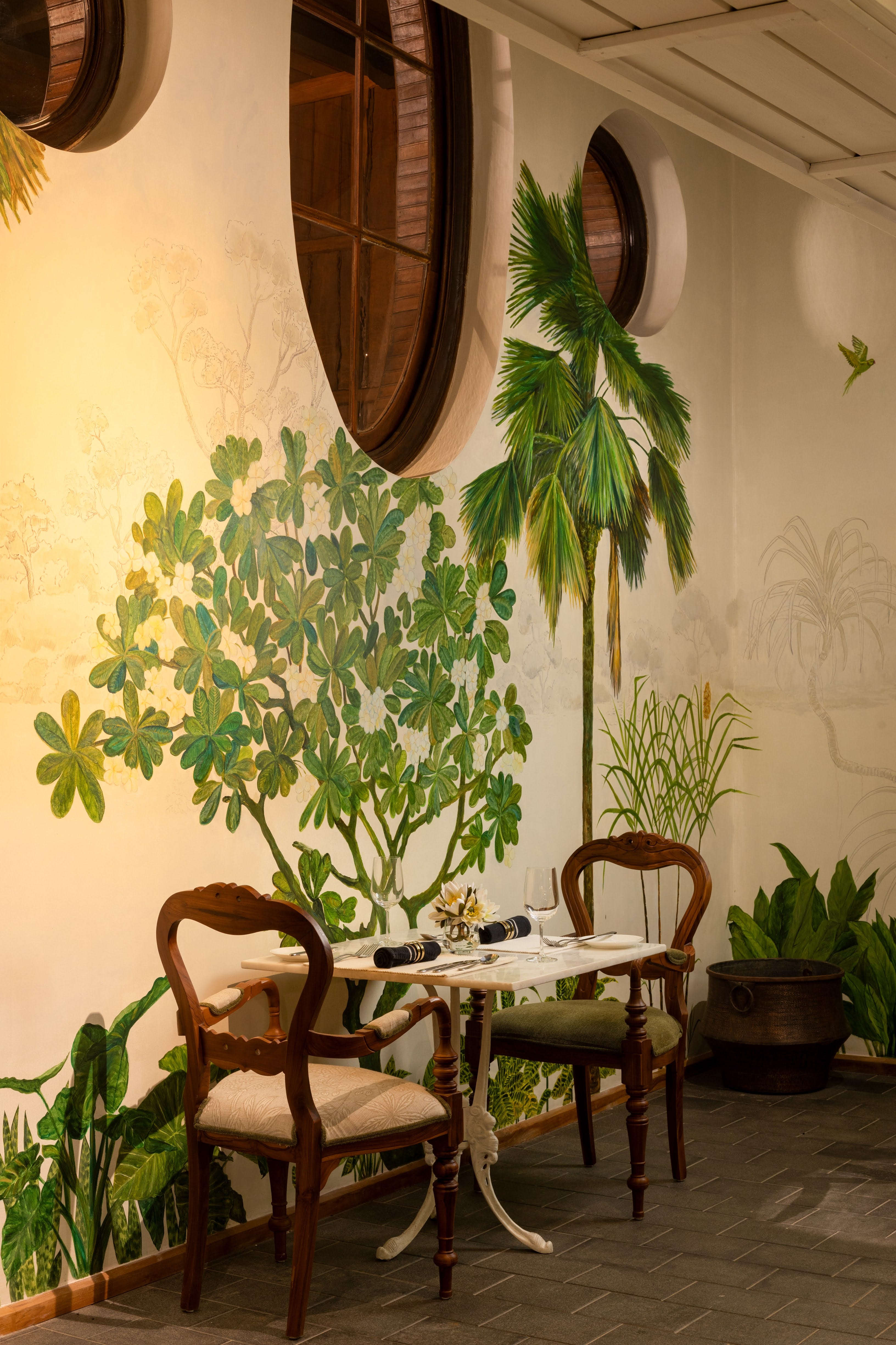
Overtourism sounds like a nice problem to have but, in reality, it can change a destination’s soul. Where even the most remote corners of the world are carefully curated for mass consumption, Sri Lanka retains a sense of openness – breathing room, if you like. The ability to stand somewhere extraordinary and feel, however briefly, alone in it.
Uga Ghiri, Ella
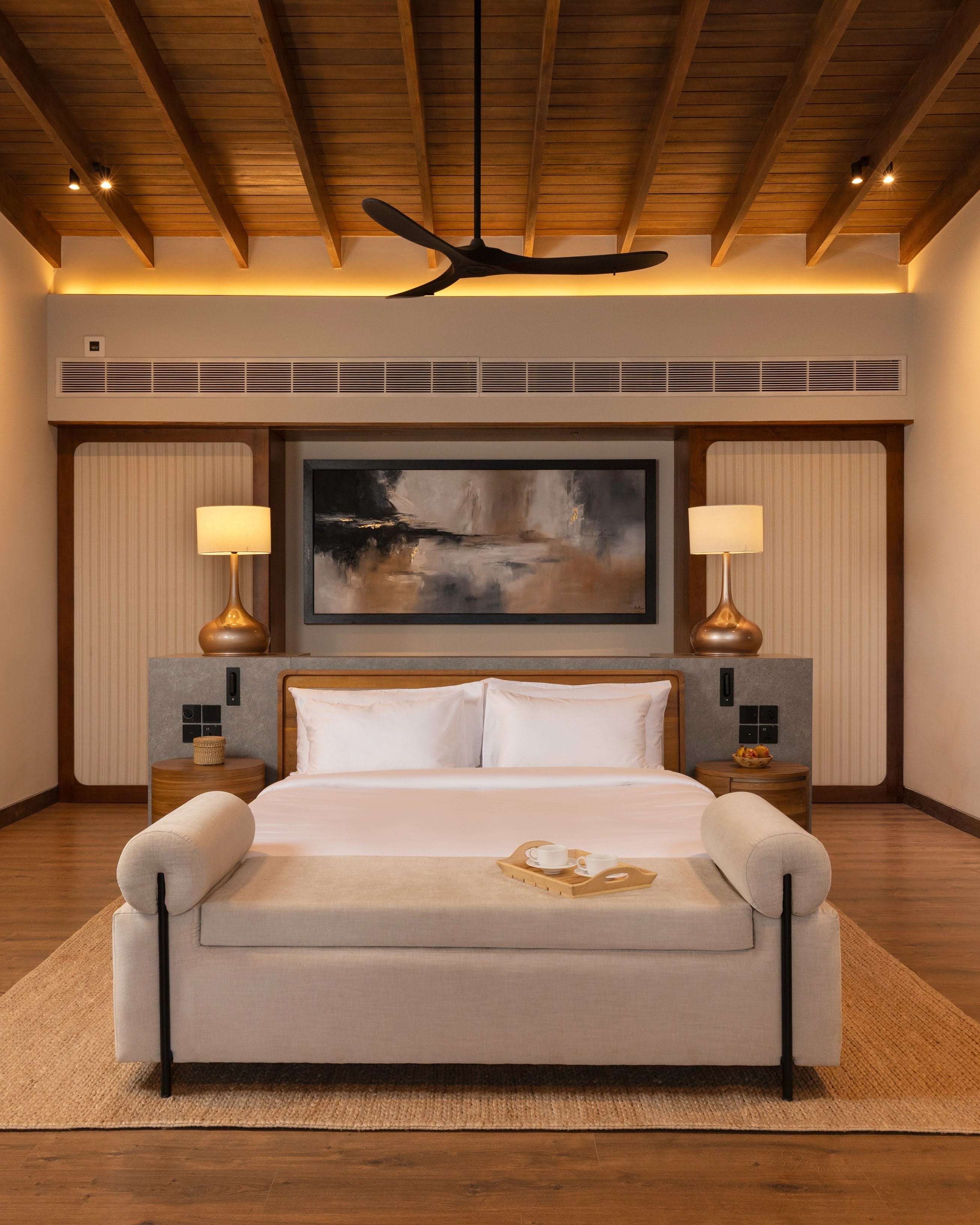
"It [Sri Lanka] hasn't been overrun,” Weerasooria says. “Many of its most extraordinary places remain largely untouched, uncrowded, genuinely pristine." For Uga Resorts, this has translated into a design principle that borders on holding back. Across its portfolio, the group maintains roughly one acre of land per room – a ratio that feels almost radical in contemporary hospitality. This math is essential to protect the integrity of the landscape itself.
Uga Ghiri, Ella
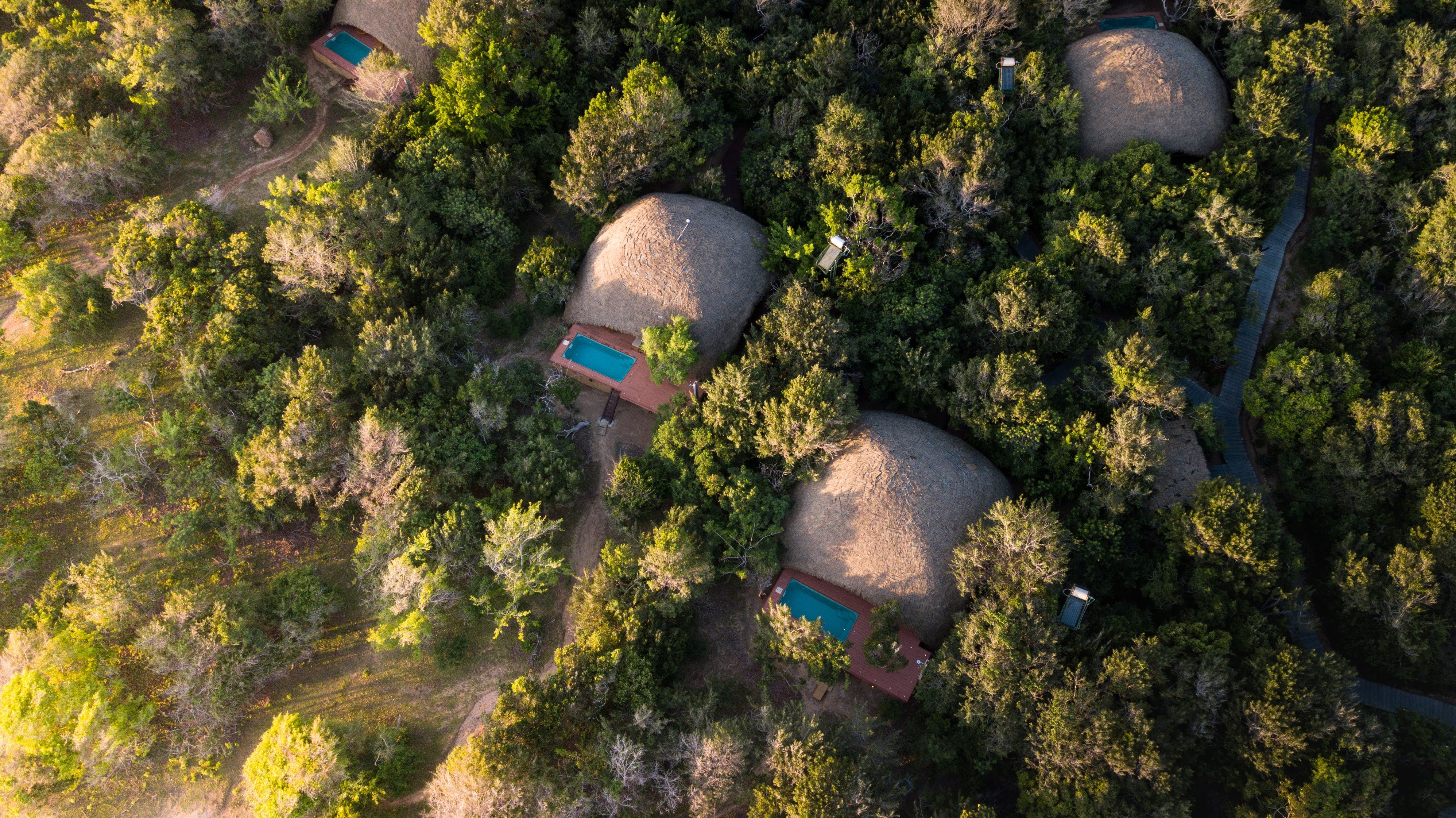
Uga Chena Huts, Yala
The result is a kind of quiet luxury that feels, in the Sri Lankan context, almost literal. The absence of noise. The presence of birdsong. The slow choreography of wind through trees.
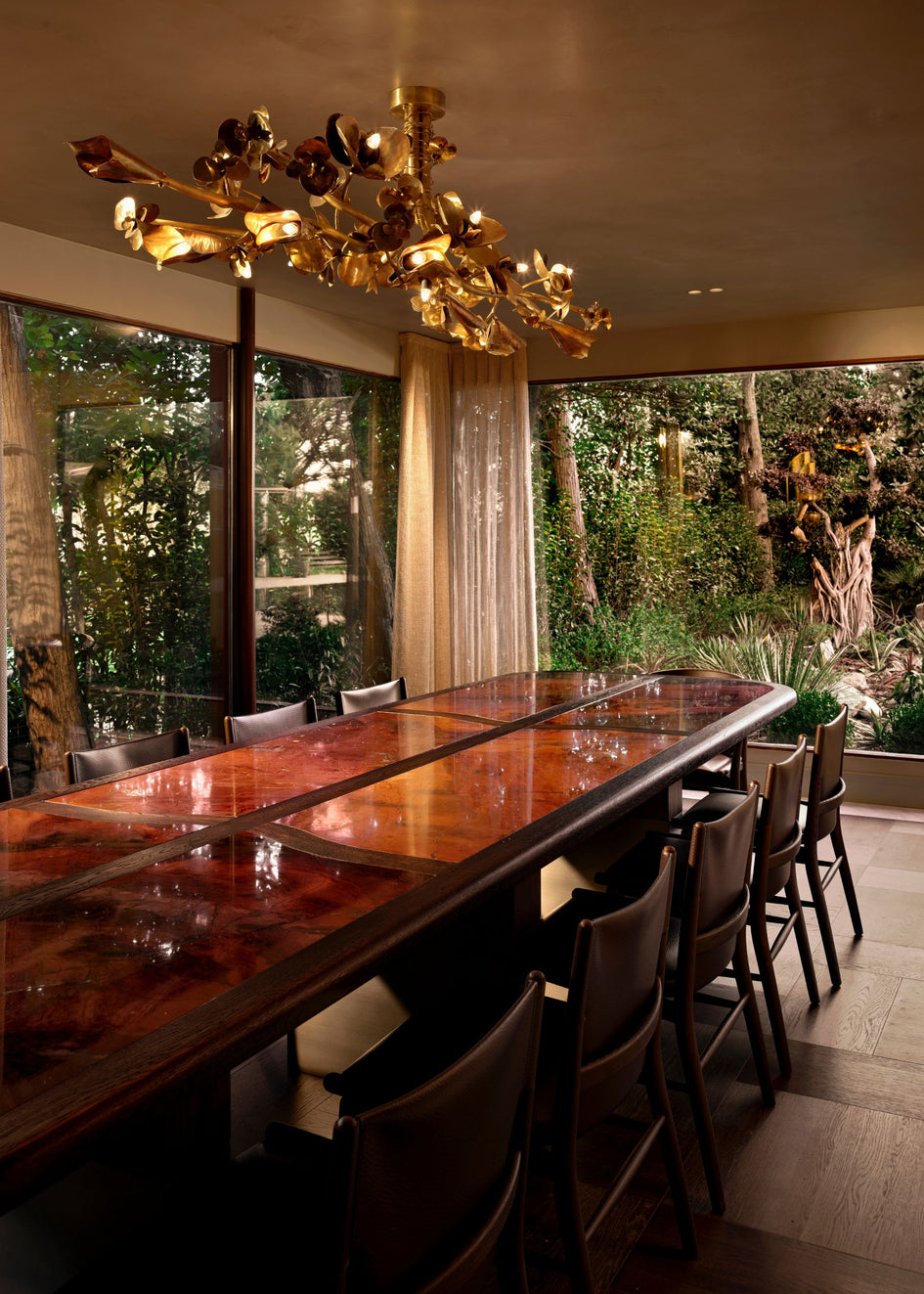
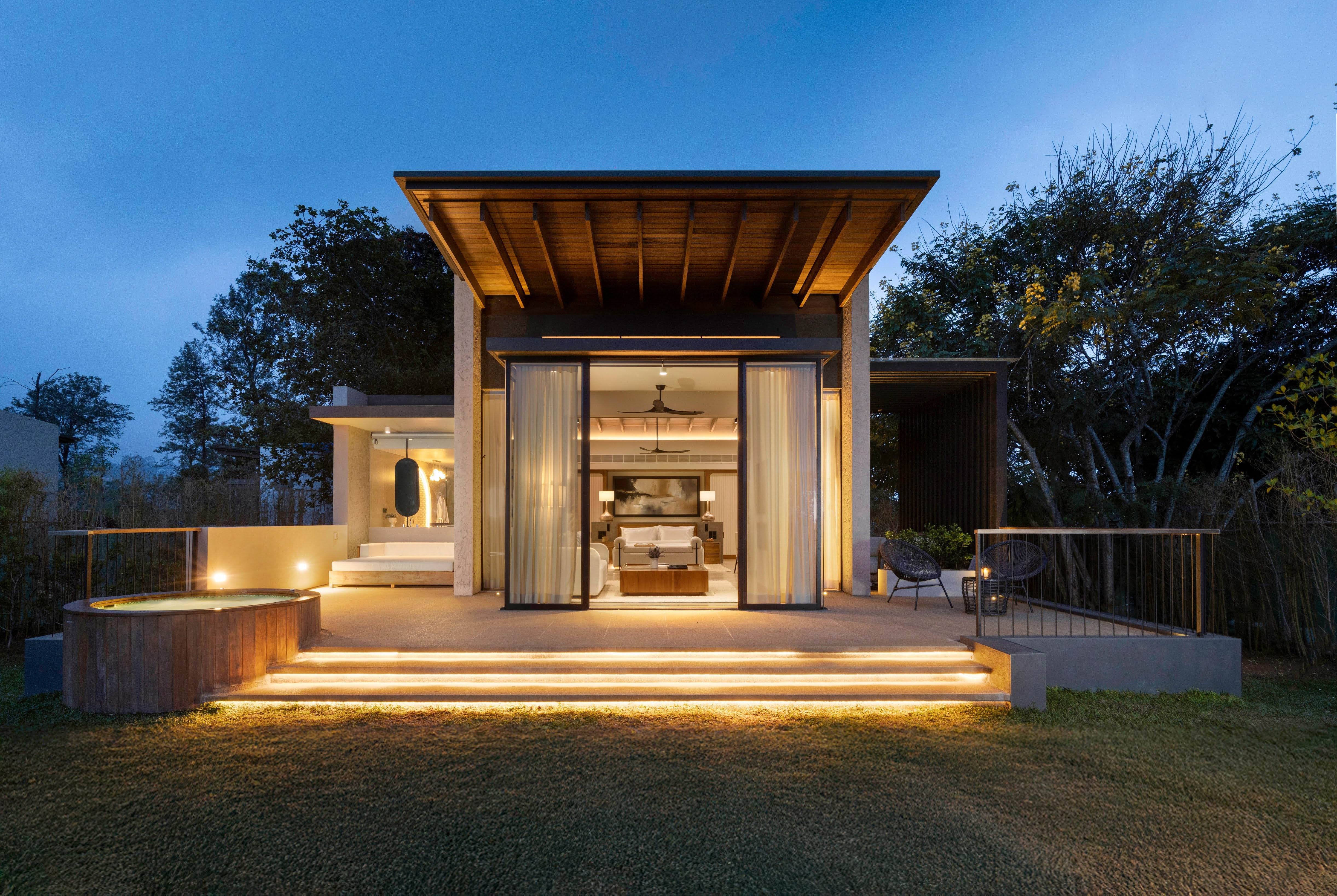
At the core of Uga’s approach is an understanding that design is psychological. Natural materials – timber and stone – introduce a tactile grounding. Textured surfaces invite touch, while the interplay of light and shadow creates a sense of depth that evolves throughout the day.

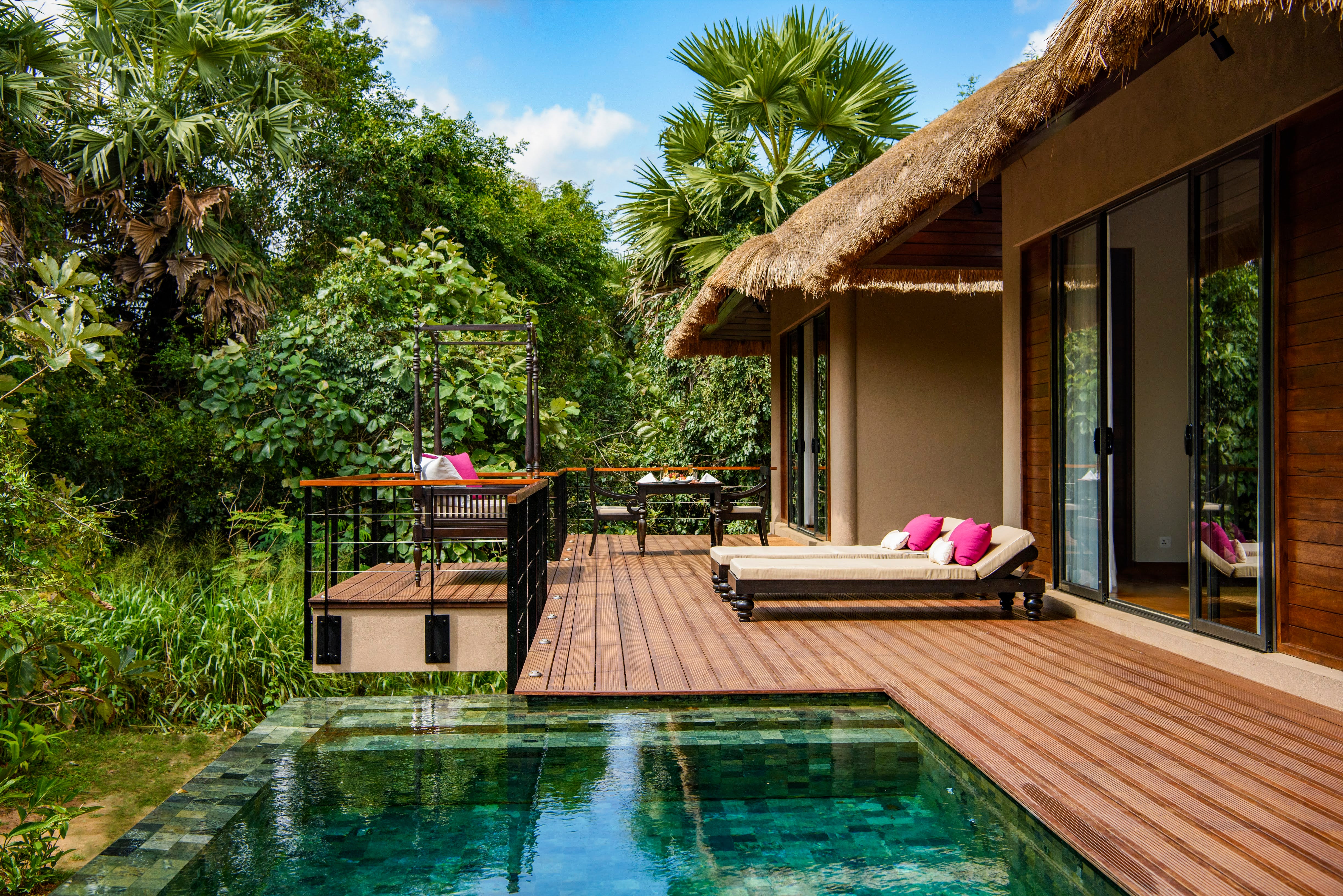
Uga Ulagalla, Anuradhapura
Spatial flow is equally deliberate. Guests move through a sequence of compressed and open spaces, a rhythm that subtly heightens awareness and encourages a slower, more attentive way of inhabiting the environment.
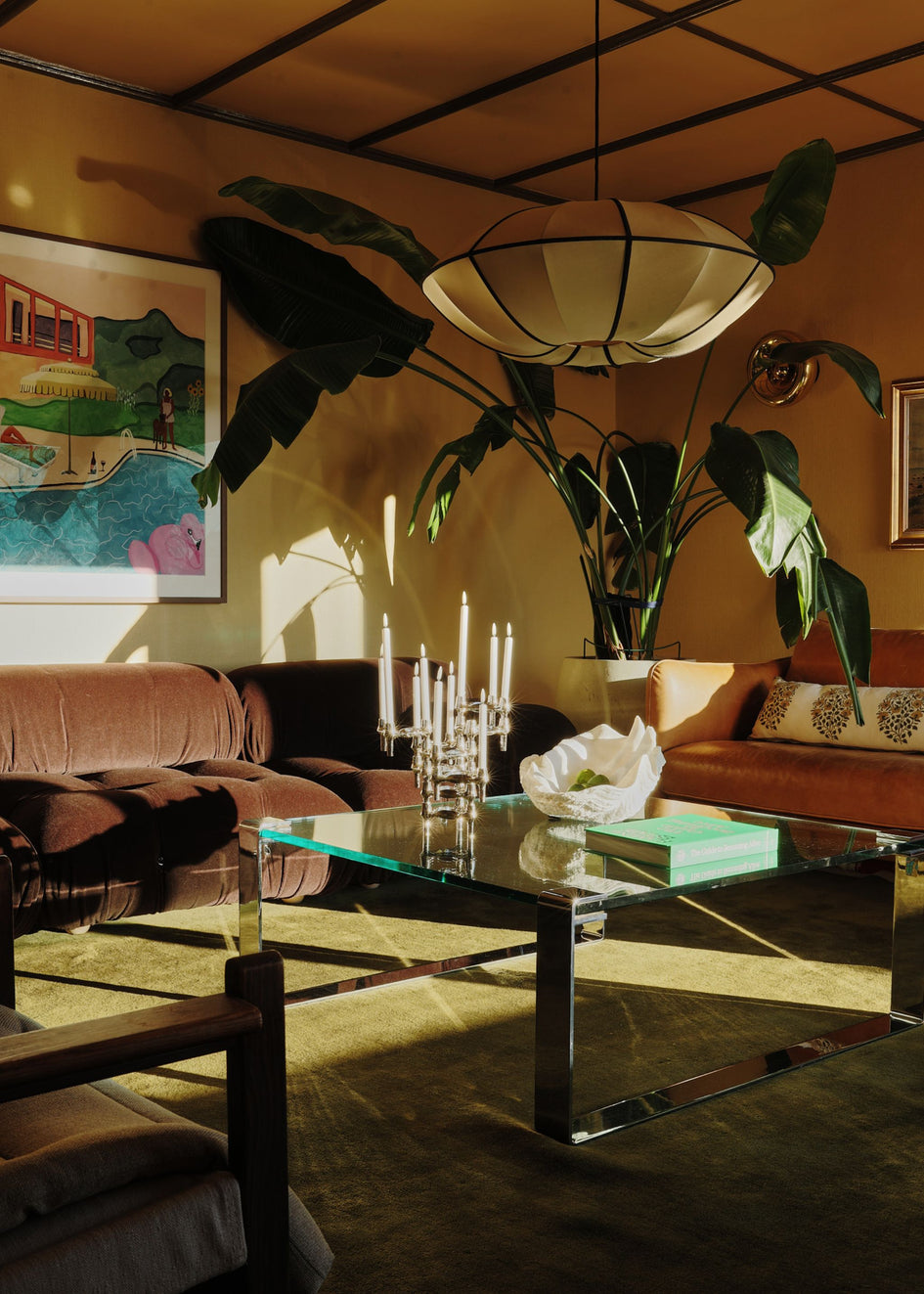
This clarity extends to the balance between timelessness and modernity. The group’s properties lean on proportion, material contrast and the quiet confidence of telling a story in time, in landscape and in soul. Vintage elements are introduced sparingly as anchors – points of reference that lend a sense of continuity.
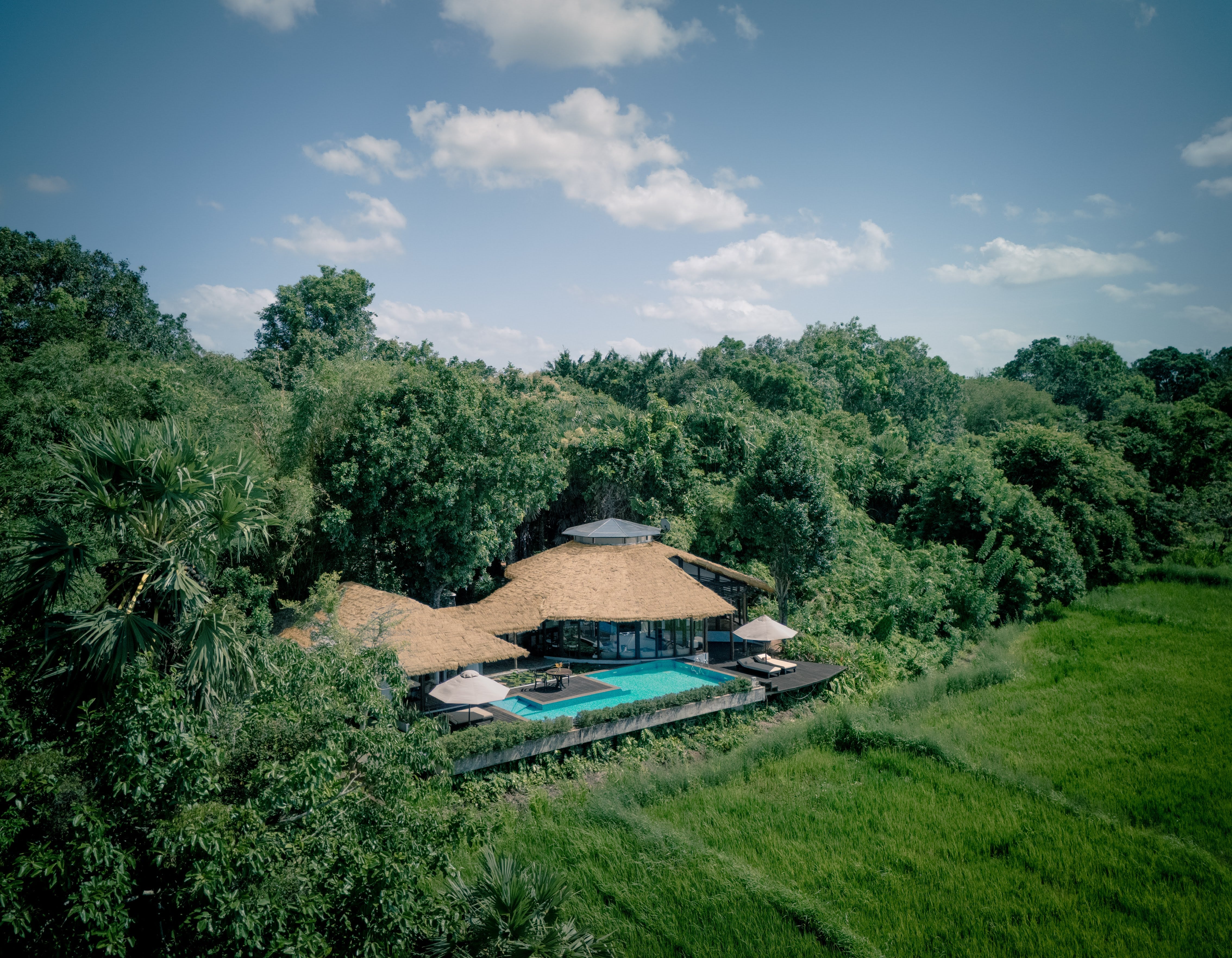
Uga Ulagalla, Anuradhapura
Behind this consistency lies a carefully cultivated network of collaborators. Uga Resorts works with a small, trusted group of architects and designers – relationships, first and foremost, that in some cases, span more than a decade. "It's less about a formal selection process and more about shared sensibility,” Weerasooria says with a grin.
In many luxury contexts, sustainability has become a layer. At Uga, it is positioned very much as a foundation. From the outset, properties are conceived with environmental and cultural context in mind.
The group's first resort, Uga Ulagalla, opened with LEED Silver certification; Uga Chena Huts followed with LEED Gold.
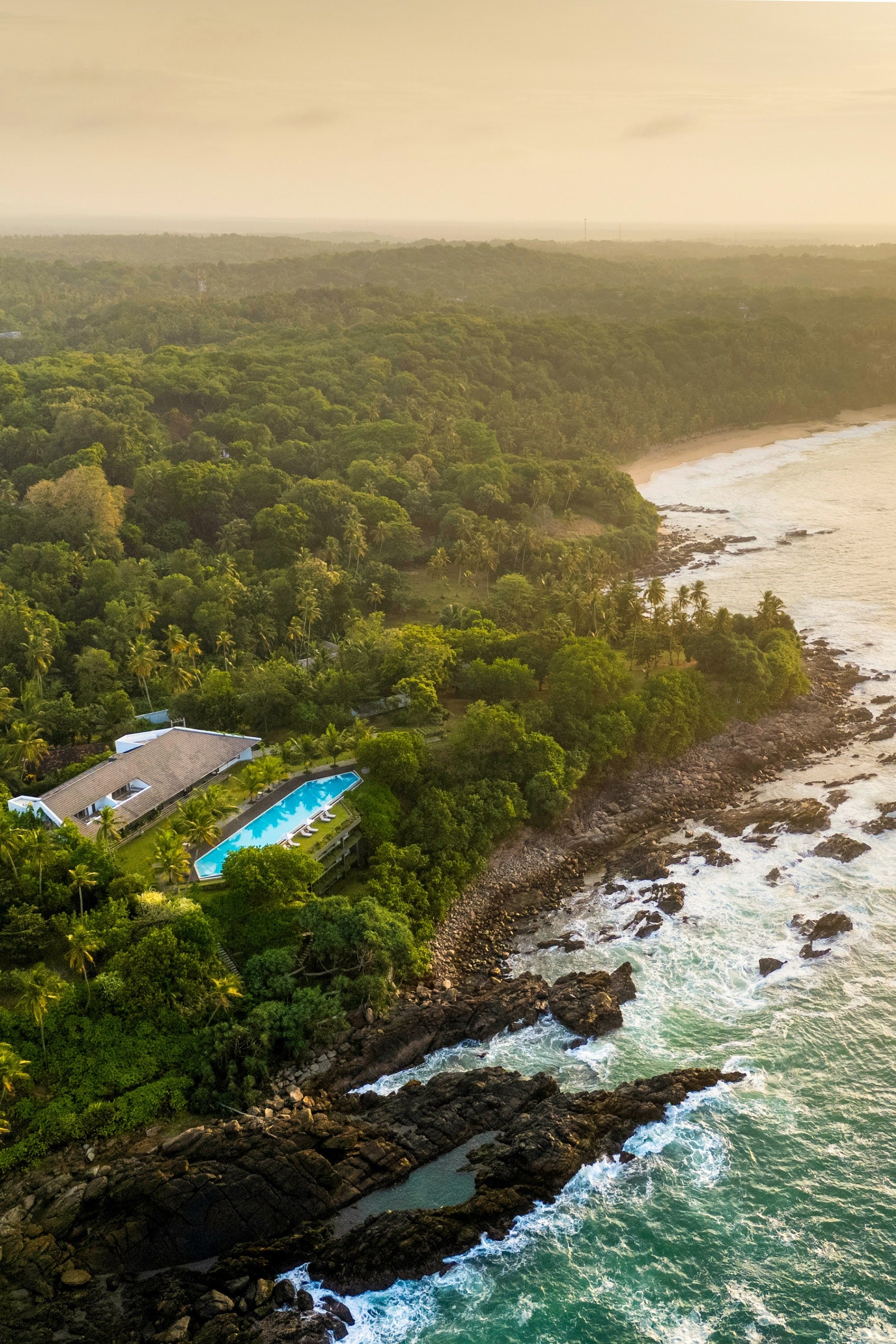
There is also an acknowledgment that modern luxury is increasingly defined by transparency. Guests want to know not just what they are experiencing, but how it has been created – where materials come from, how people are treated, what the broader impact might be.
Uga Prāva, Tangalle
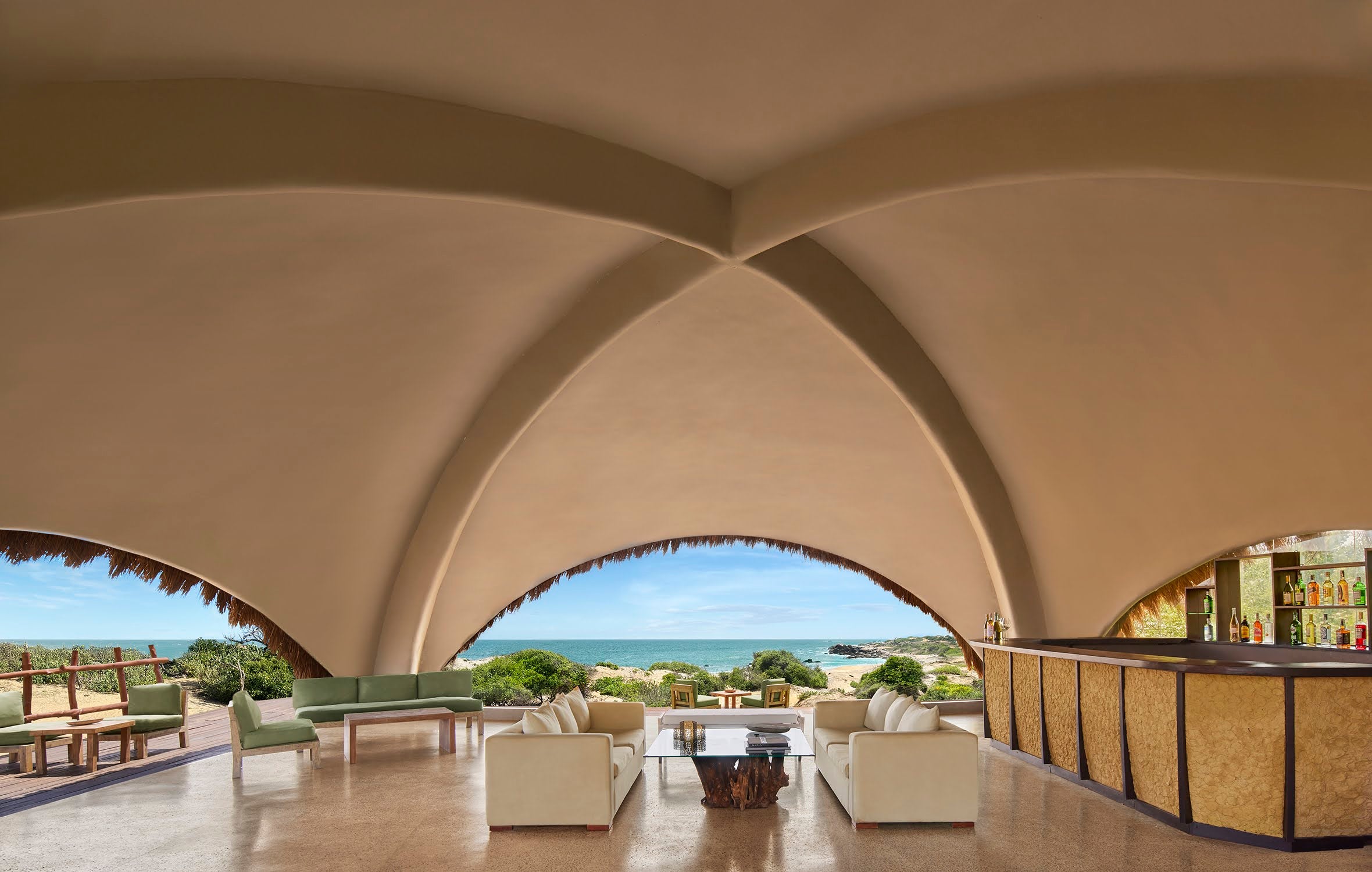
Uga Chena Huts, Yala
As Sri Lanka continues to reposition itself on the global stage, its strength lies precisely in its difference. "I'd like Uga to be the brand that proved Sri Lanka could offer something that goes beyond a beautiful stay,” Weerasooria adds.
In a world that is over saturated with images and itineraries, Uga Resorts puts forward the proposal the true luxury is how deeply you experience the destination. And in that regard, Sri Lanka – quietly, deliberately – is a geography all its own.


