
Photography by Martin Morrell
The Art of Arrival by Six Senses London
HOSPITALITY PROJECTS
At Six Senses London, a commissioned art collection transforms one of Bayswater's great survivors into something altogether more alive. Hamish Kilburn checks in…
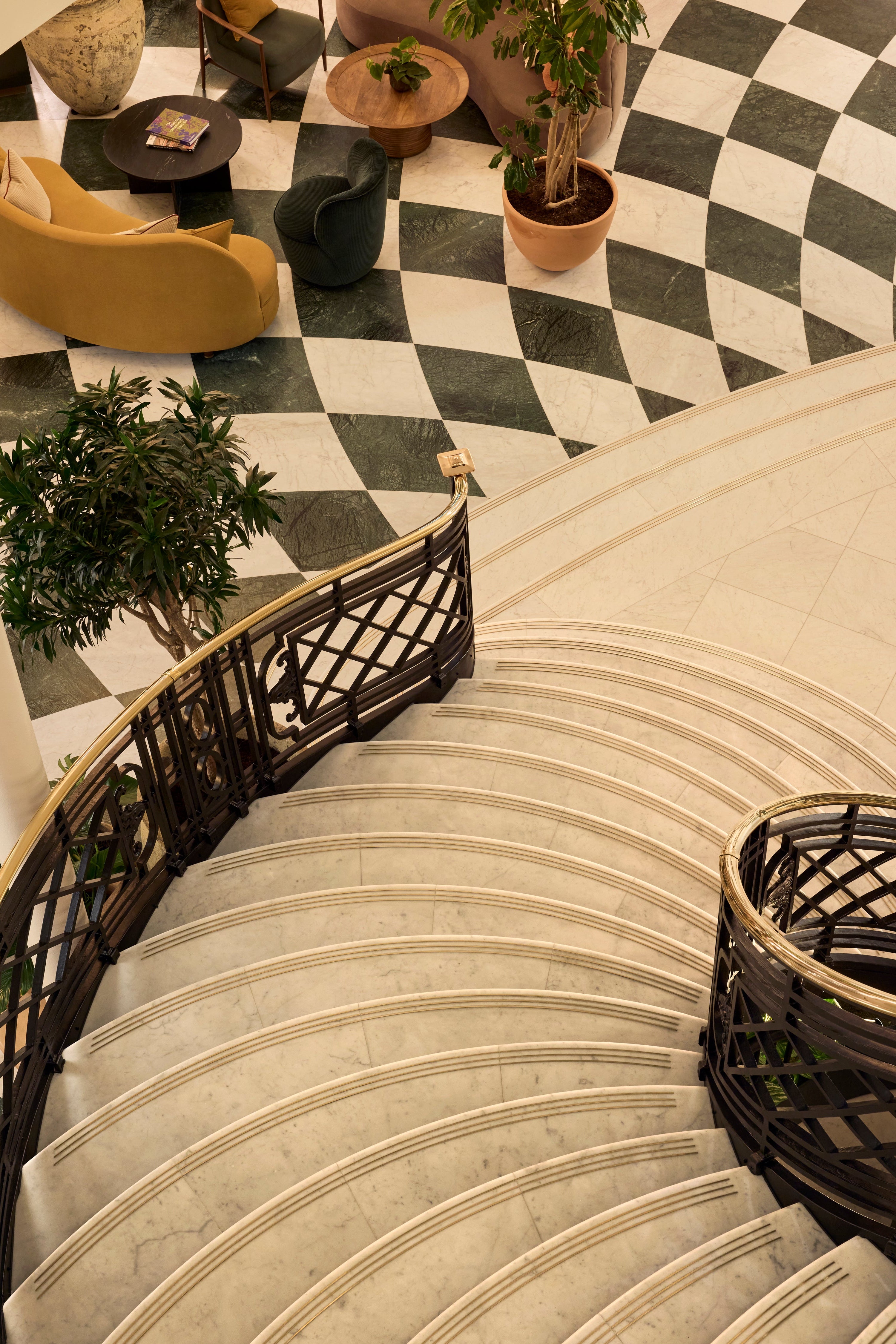
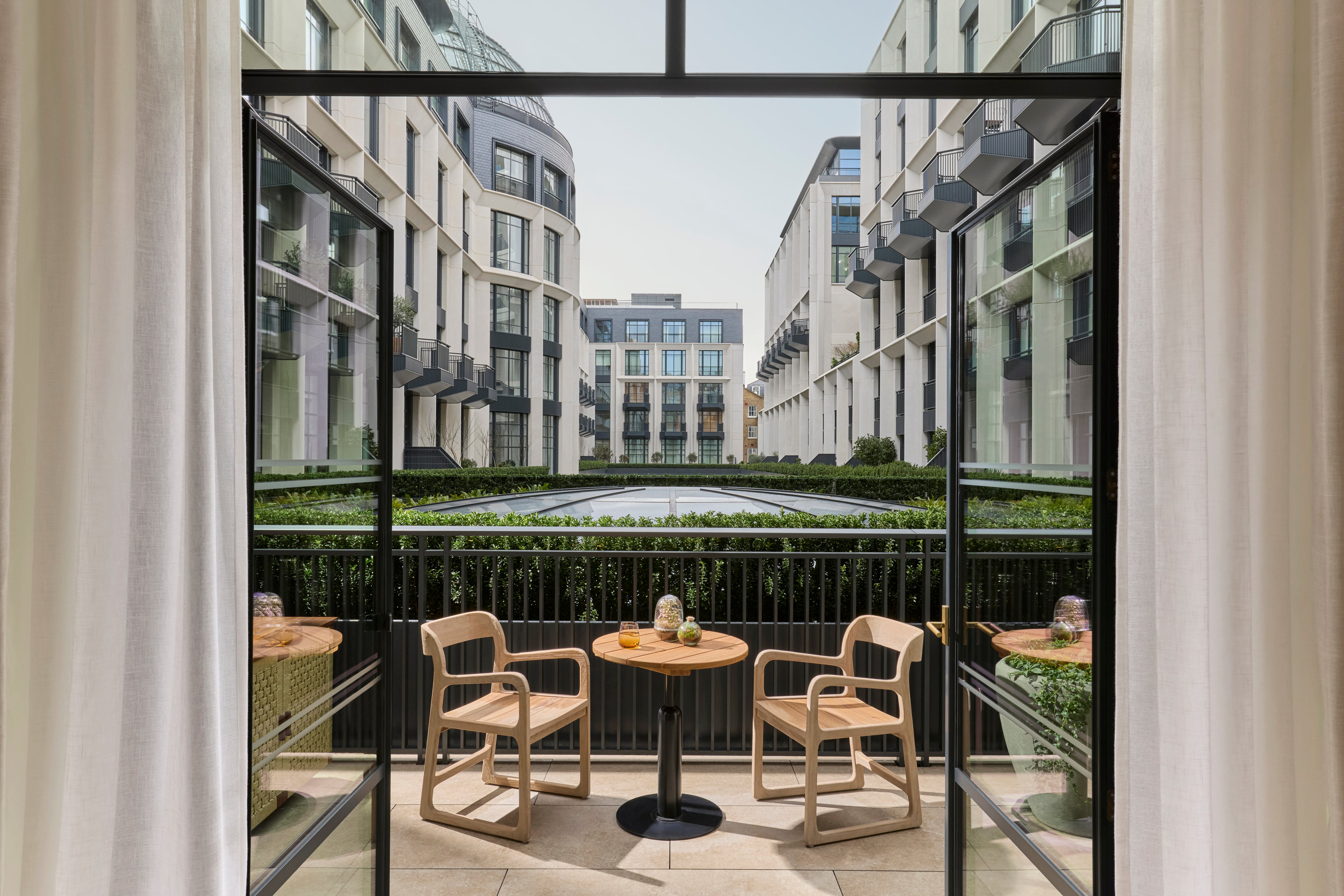
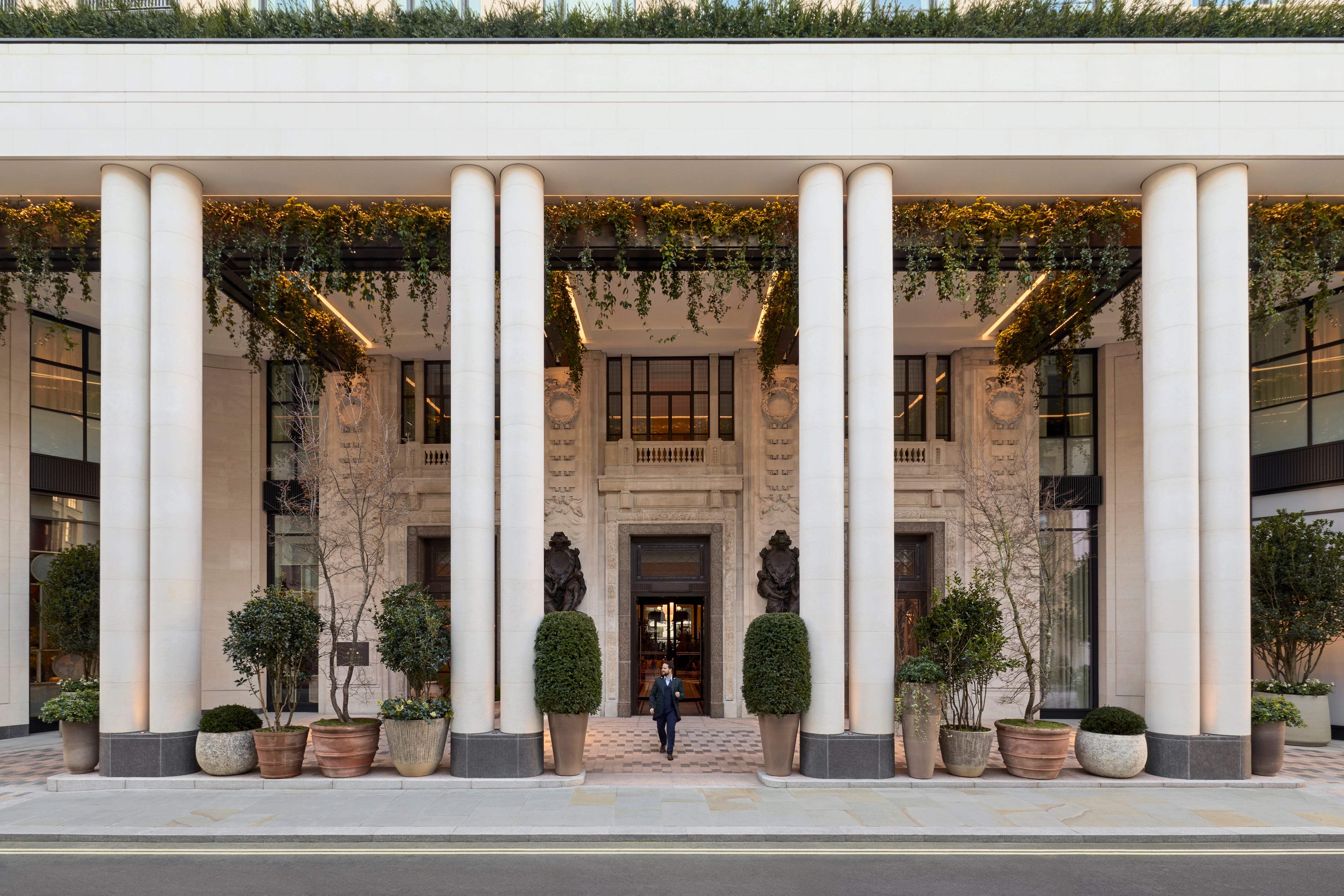
There is a particular kind of hubris involved in reopening a building that already knows who it is. The Whiteley – that magnificent Edwardian behemoth straddling Queensway and the quiet Georgian streets of Bayswater – has been many things across its lifetime: London's first great department store, a site of civic spectacle, a relic, a shell. What it has never been, until now, is a hotel. And not just any hotel. Six Senses London, which has taken up residence within its Grade II listed bones, is asking a more interesting question than most luxury openings dare: what does it mean to arrive somewhere that was already, in some essential way, a destination?
Part of the answer, as I understand, is art. Not art as afterthought – that familiar hospitality tic of prints sourced from a catalogue and hung at shoulder height – but art as architecture's quiet accomplice. The collection commissioned and curated by Artiq for Six Senses London, is one of the more considered programmes to appear in a British hotel opening in recent memory, and it rewards the kind of attention we rarely bring to places we are simply passing through.
The conceptual starting point is a phrase attributed to William Whiteley himself, who once described his original emporium as a place for “the senses.” One might expect such a conceit to be wielded heavily, deployed at every turn in the manner of a brand consultancy keynote. Instead, Artiq's senior curator Isabelle Guyer has treated it with the kind of discretion that distinguishes genuine curation from decoration. The works deeply and meaningfully embody the theme.
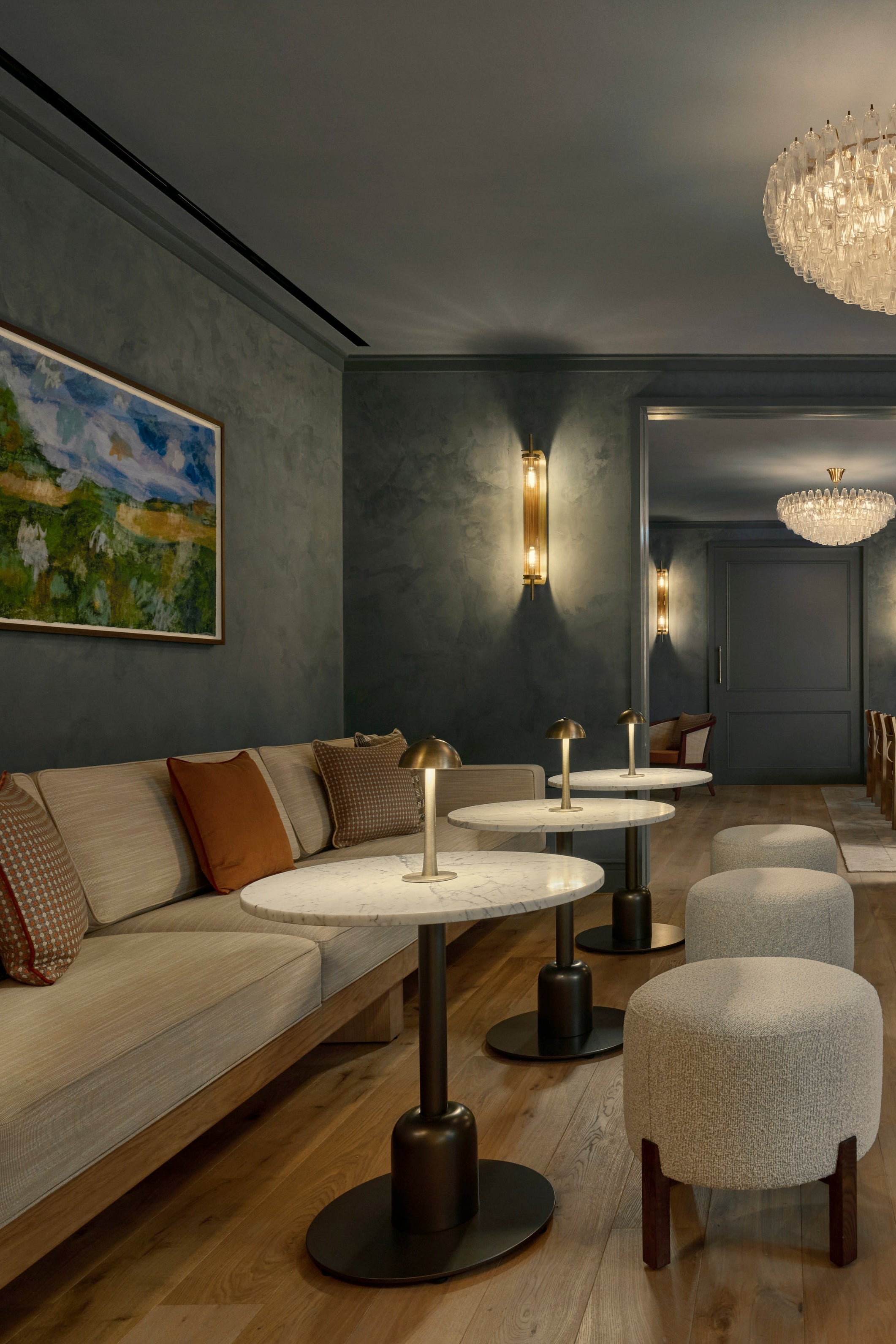
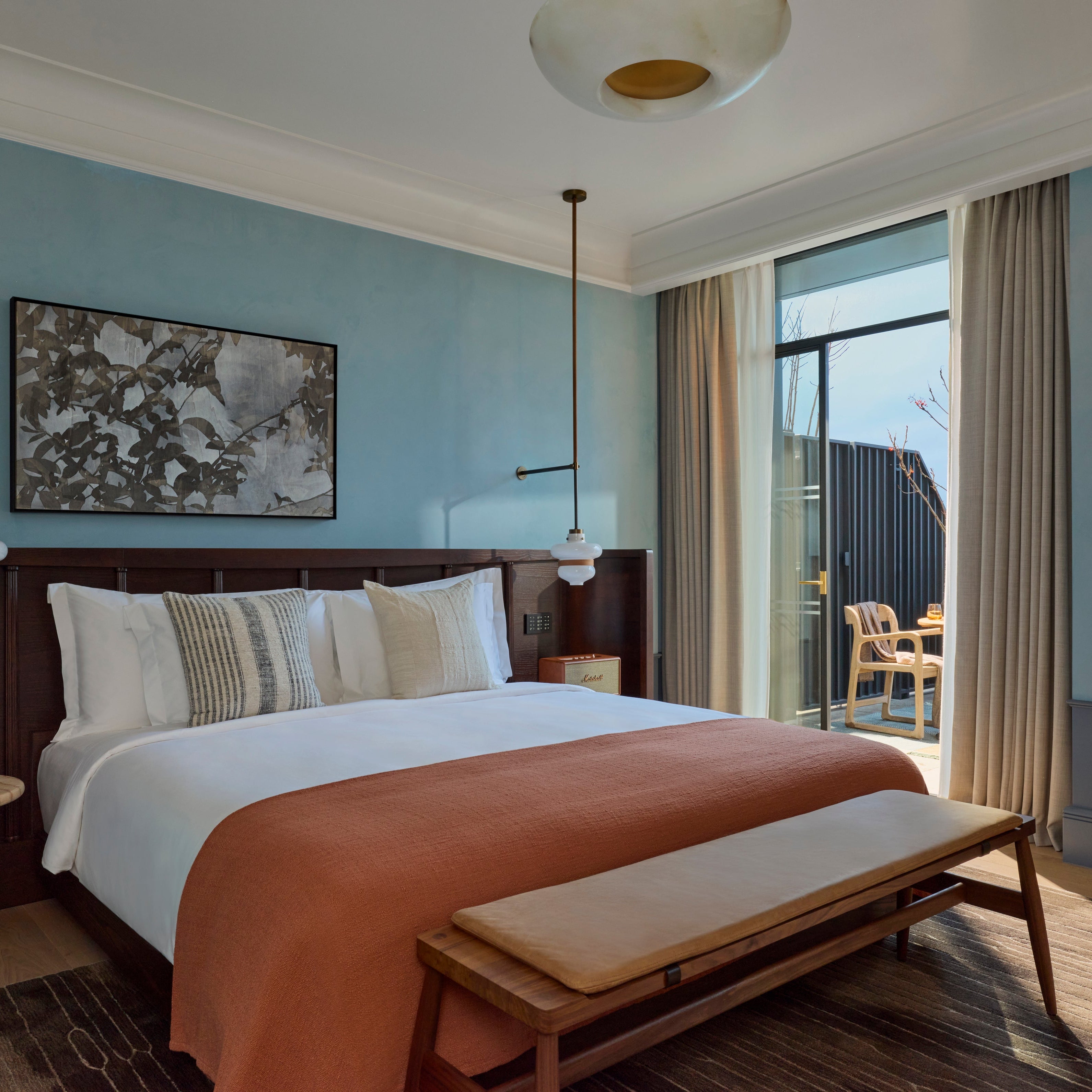
“Each work contributes to a wider story of renewal,” explains Guyer. ”Subtle references to landscape, geology, textile and gesture echo the hotel’s interior palette and architectural rhythm, creating moments of pause and depth within spaces designed for gathering, restoration and reflection.”
In the lobby – that crucial public space where first impressions calcify into memory – the collection establishes its register with admirable confidence. Sam Llewellyn-Janes contributes what he calls “rubbing drawings,” frottage works in which the artist presses paper against selected objects and transfers their physical reality onto the surface. The results carry a ghostly materiality: you sense the world beneath the image, the geological and biological memory compressed into mark and texture. In a building that has itself been pressed and shaped by time, the resonance is more than compositional.

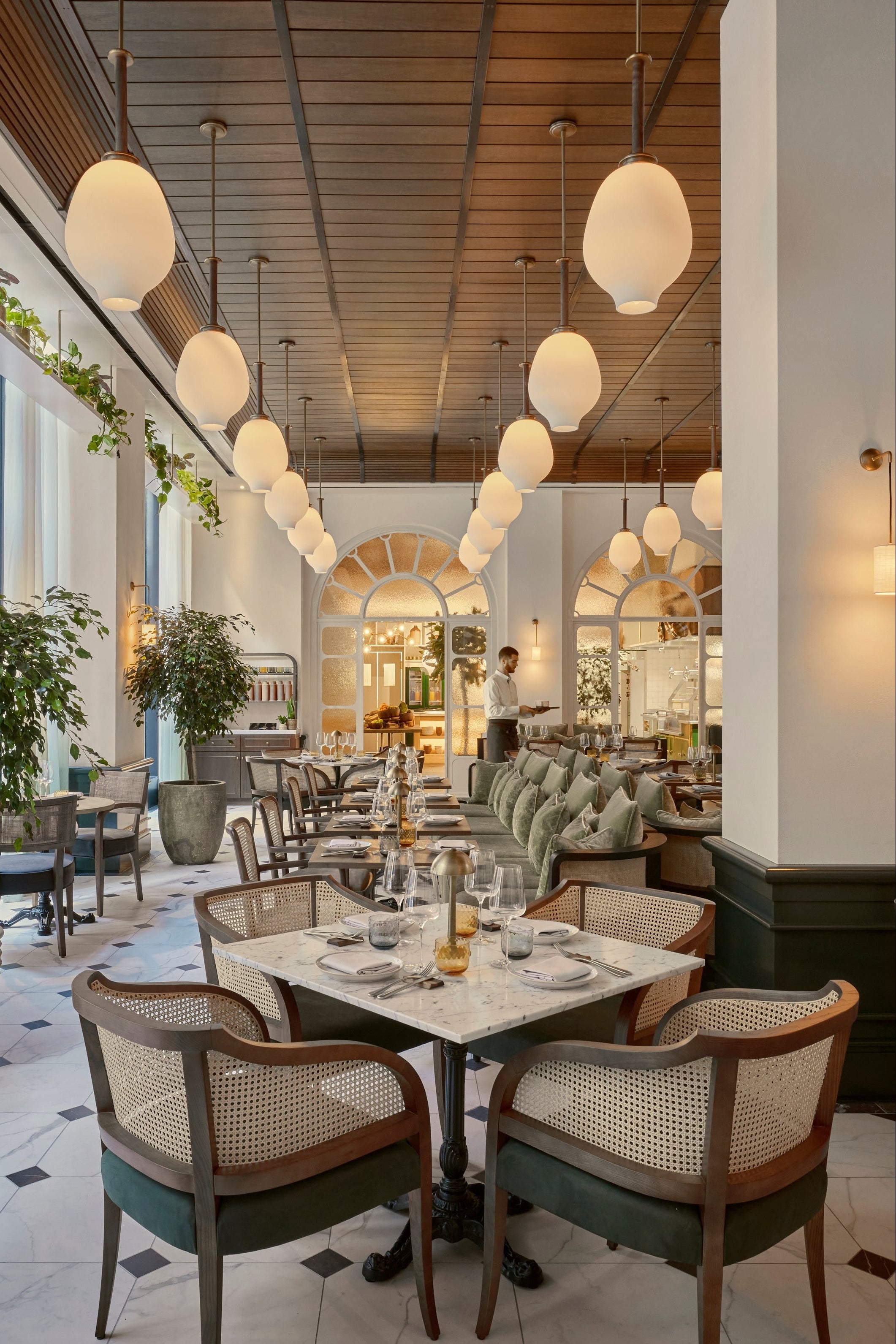
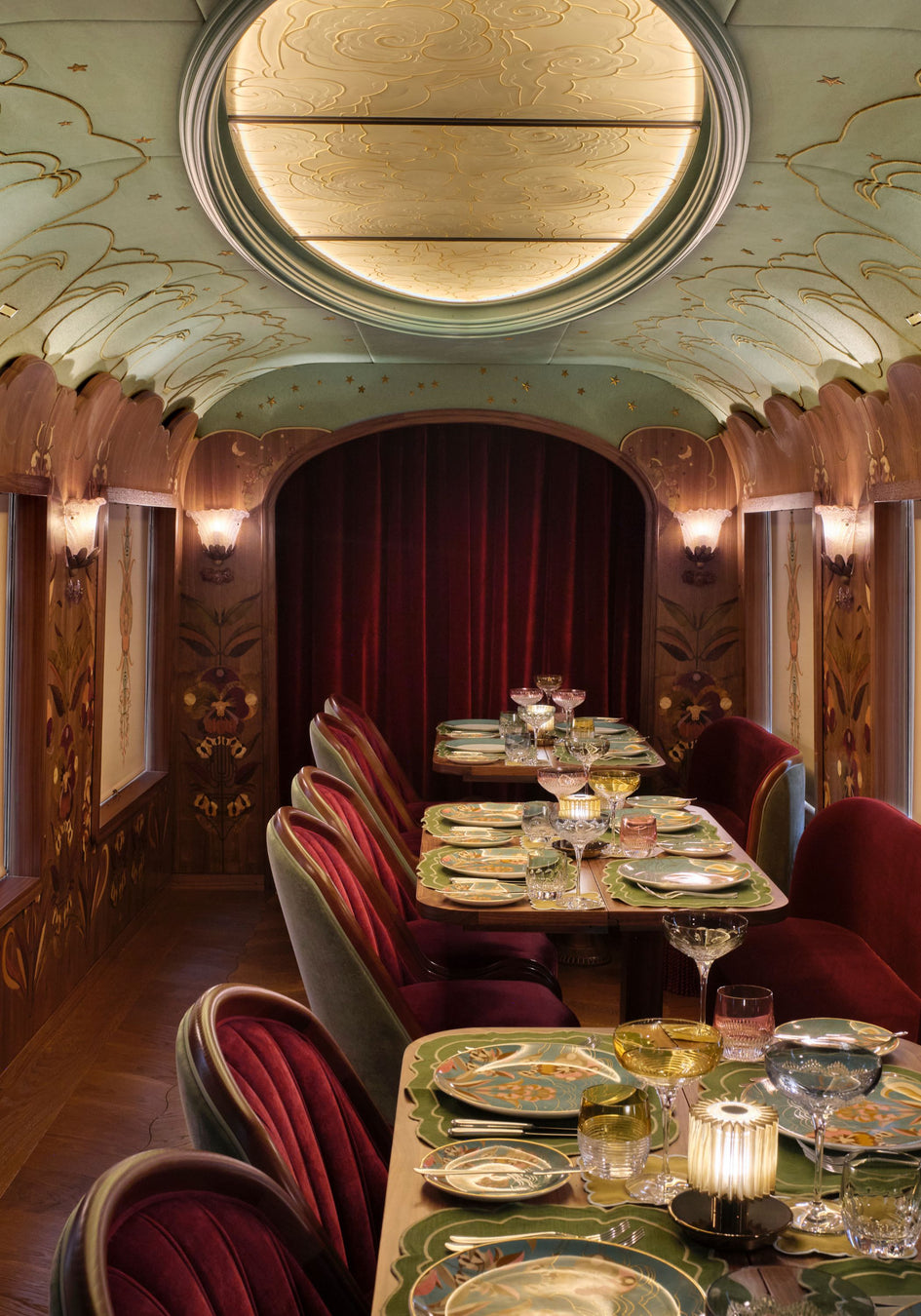
Nearby, Rachael Addis works in a register that is warmer but no less rigorous. Her abstracted landscapes, built up through layered paint applied with found and recycled materials – including, rather wonderfully, discarded toy fragments – carry a meditative rhythmicity that suits the space. The jewel tones of her palette, burnt amber, deep viridian, mineral ochre, speak to the hotel's interior materiality: the timber, stone and woven textiles that AvroKO deployed throughout the interior design to draw the outside world inward. This dialogue between artwork and interiors is the collection's central achievement. It does not merely coexist with the architecture; it extends it.
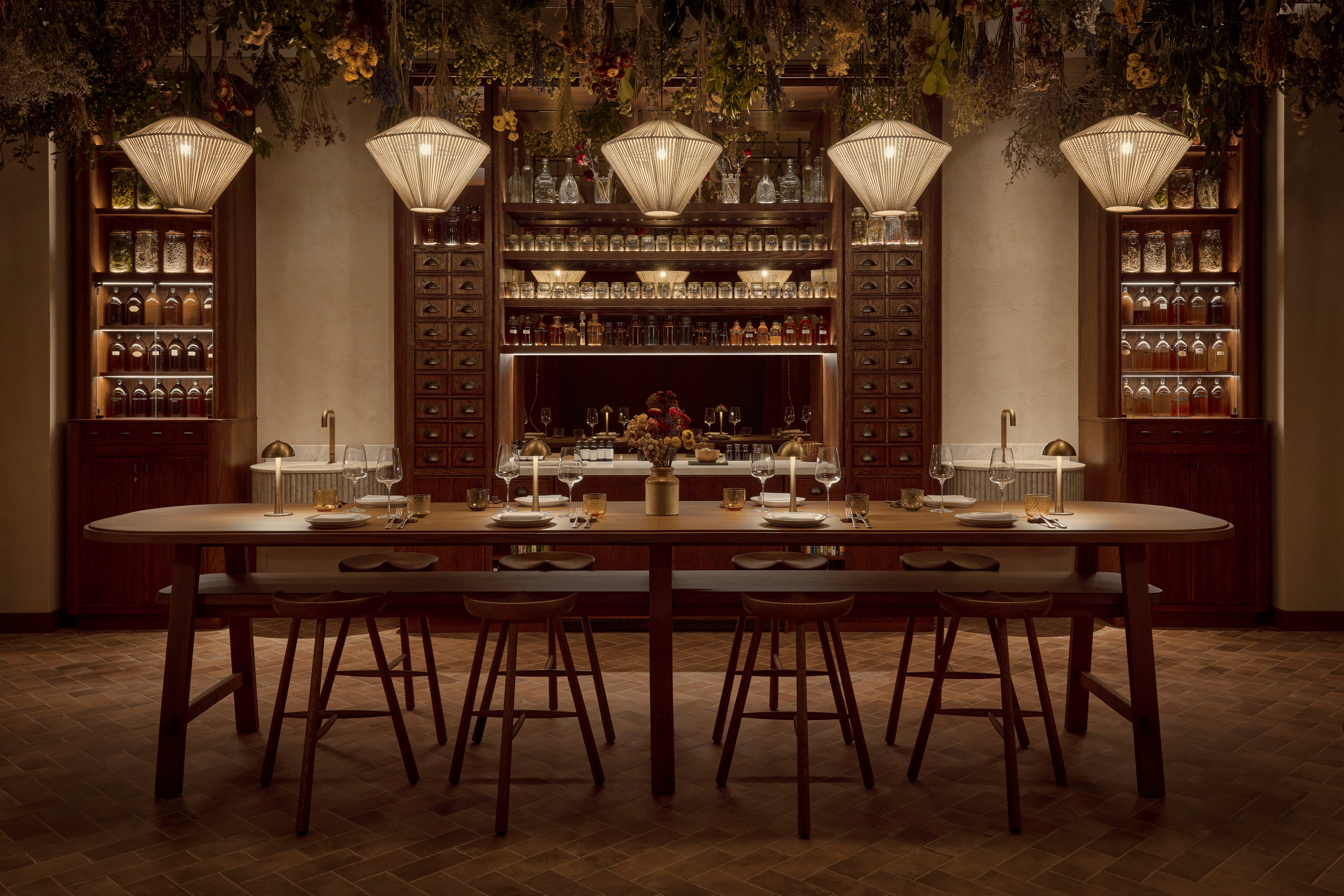
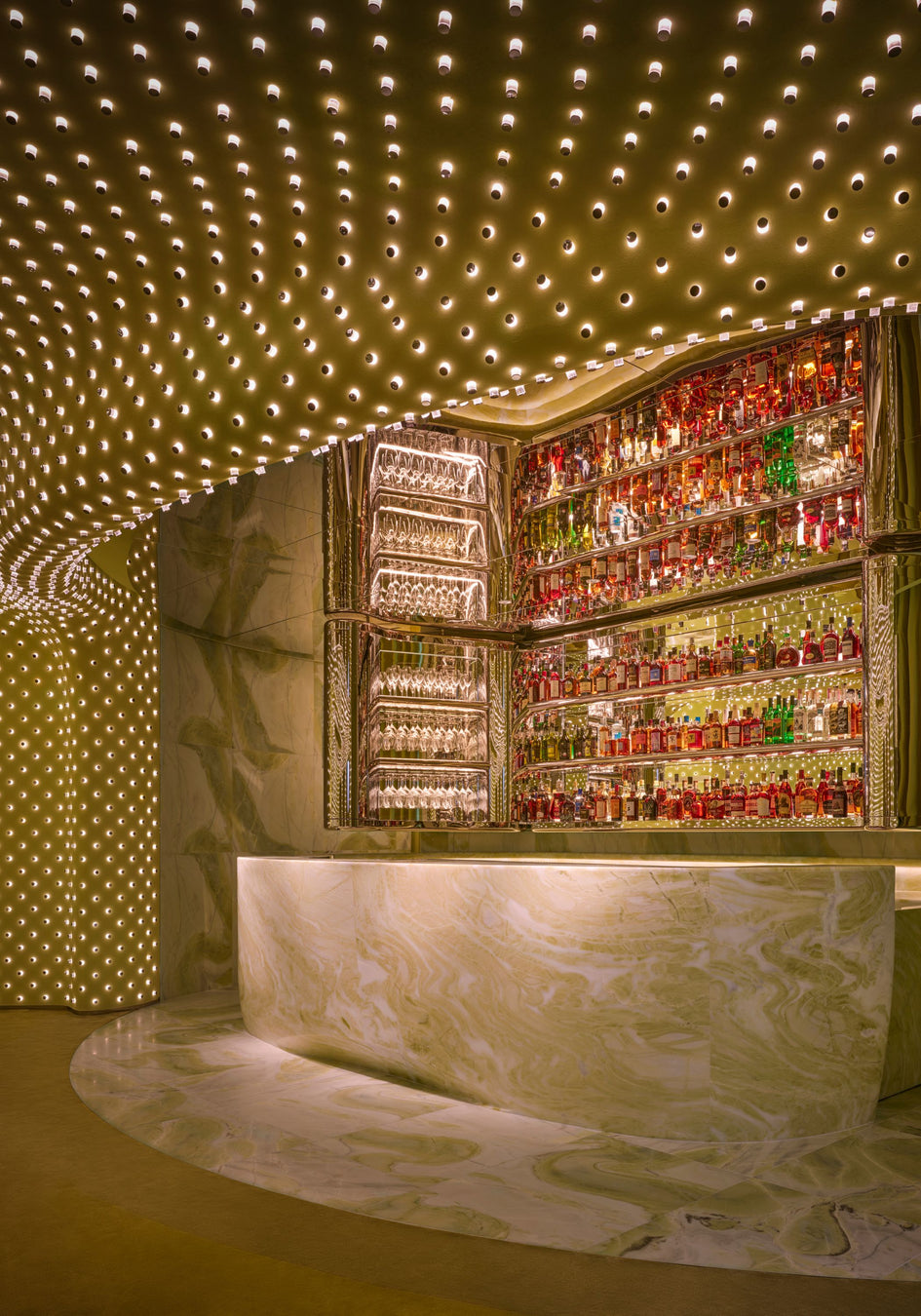
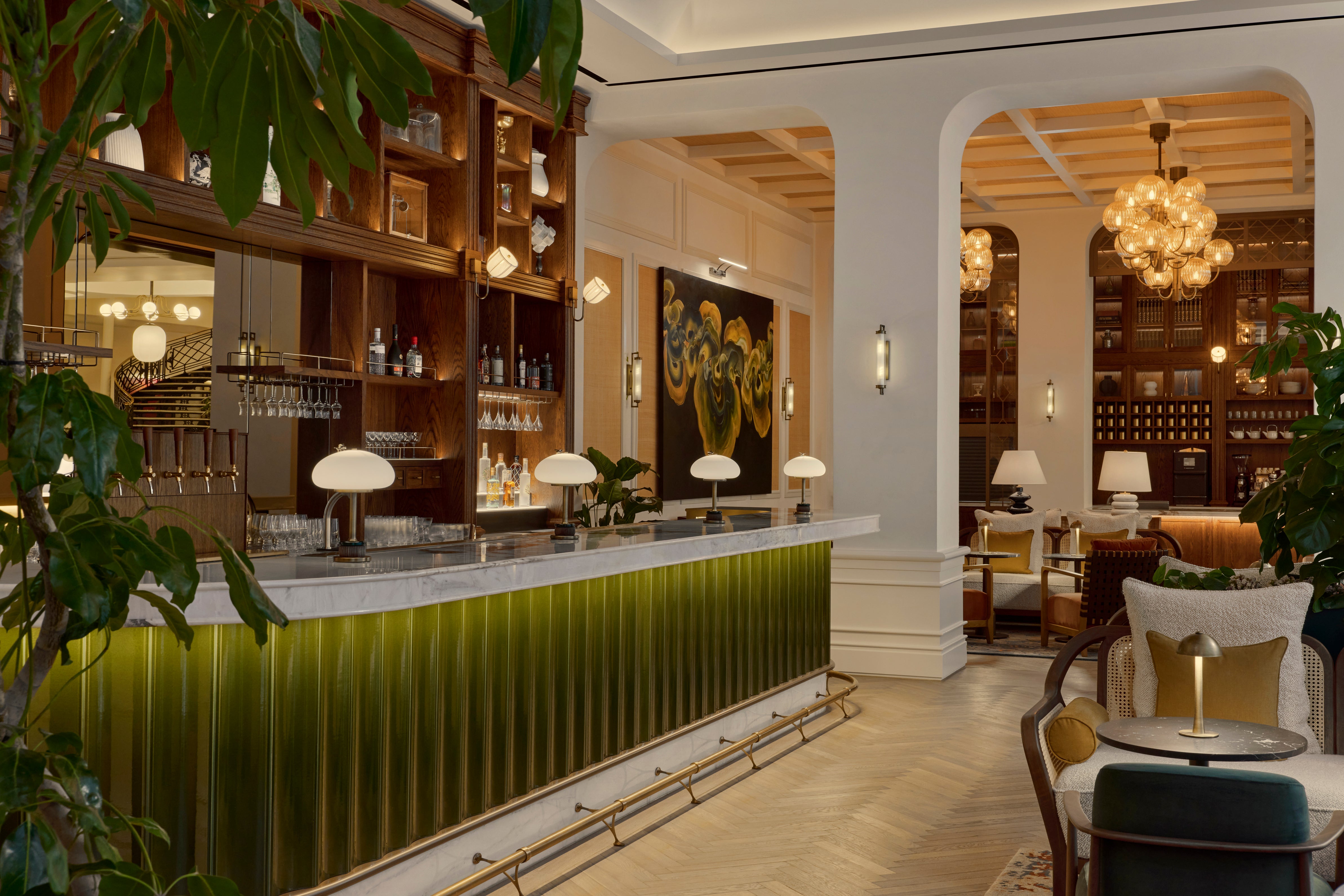
Descending through the building is an exercise in tonal calibration. In the ground-floor Alchemist Library bar, Genevieve Levold and Ana Benavides offer jewel-toned compositions that feel almost alchemical in their layering: deep greens bleeding into burnished golds, mineral blues shifting beneath the light. The works evoke natural processes – sedimentation, oxidisation, the slow drama of geological change – while remaining decisively painterly. This is sensible programming. A bar needs art that rewards glancing as much as looking; these works do both.
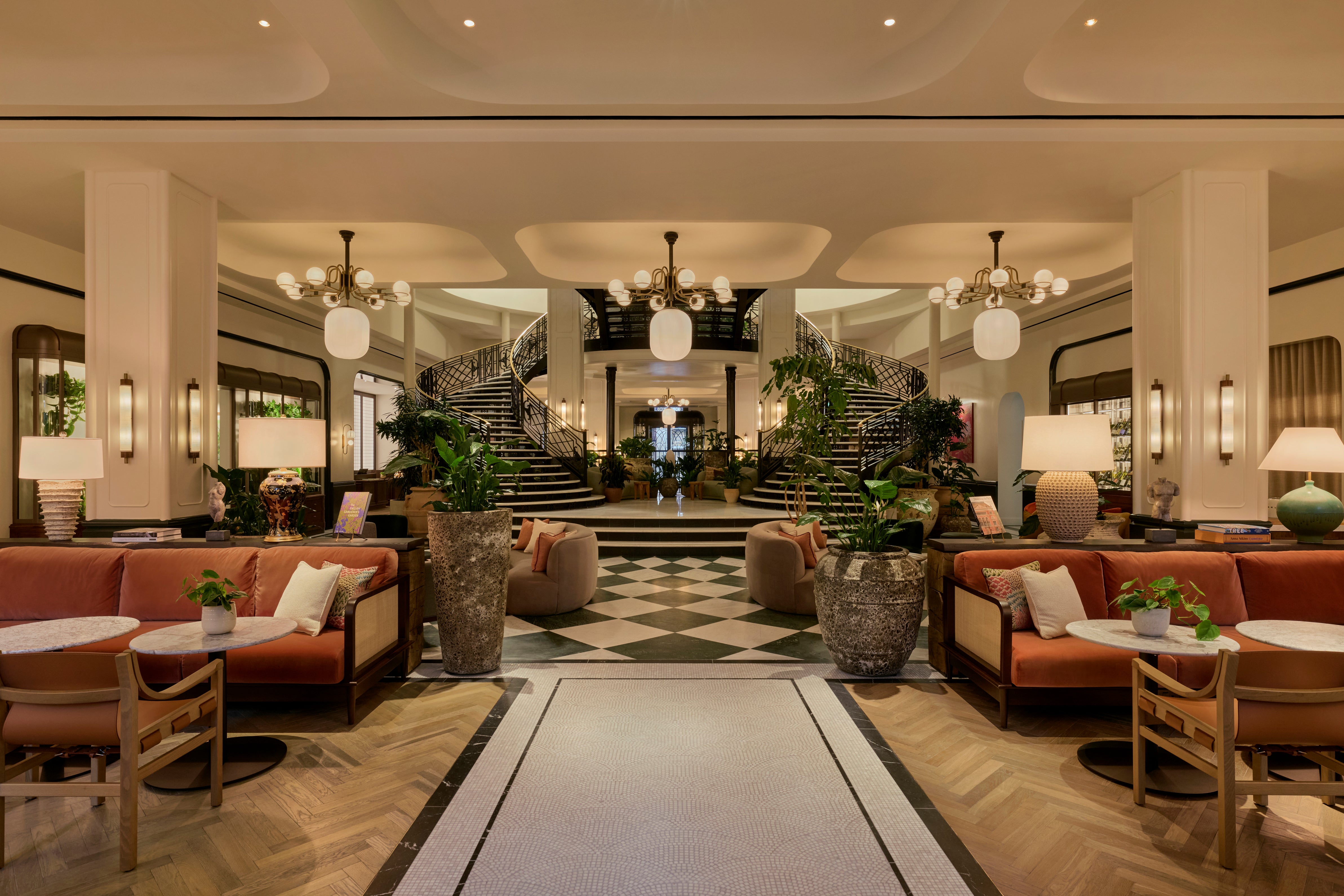
On the members' floor, beneath the building's central skylight, an ensemble exhibition titled Through the Window brings together fifteen London-based artists exploring memory, interiority and what might be called emotional light. The glazed canopy overhead creates a shifting, sky-dependent illumination that makes the works feel genuinely alive across the day. It is the kind of curatorial decision that only makes sense when you're working closely with an architect and an interior designer – and it suggests a level of collaboration between Artiq and AvroKO that goes beyond the transactional procurement of objects.
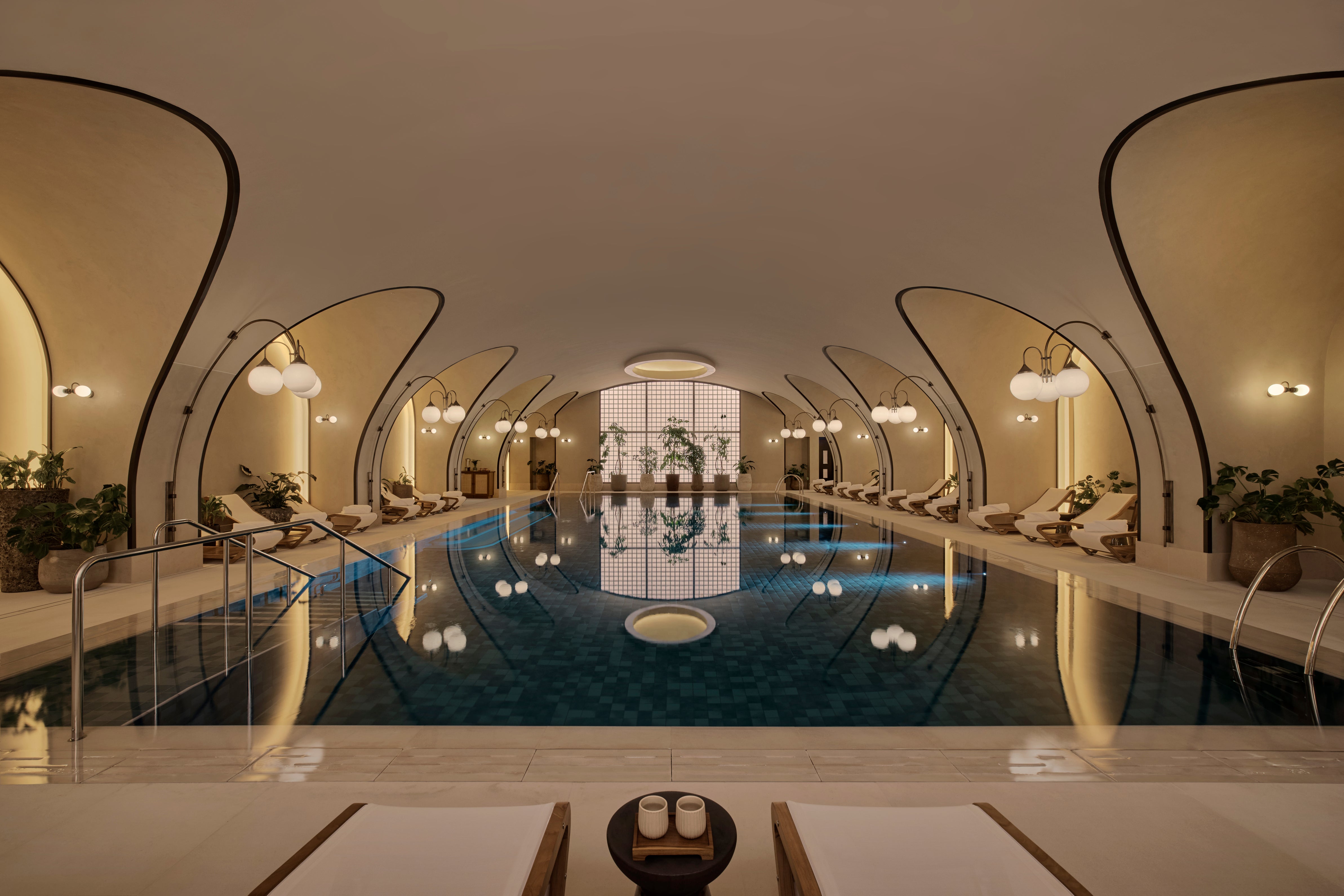
Perhaps, unsurprisingly, the most extraordinary space in the building is the spa, where Lisa-Marie's handmade watercolours – pigments foraged from earth minerals gathered across urban and rural landscapes – arrive at a kind of elemental sincerity. The decision to source pigment from the land itself is not a gimmick. It produces something genuinely different: paintings that carry a directness of relationship between material and origin that commercially produced paint simply cannot replicate. In a hotel built on the philosophy of embodied wellbeing, the alignment is exact.
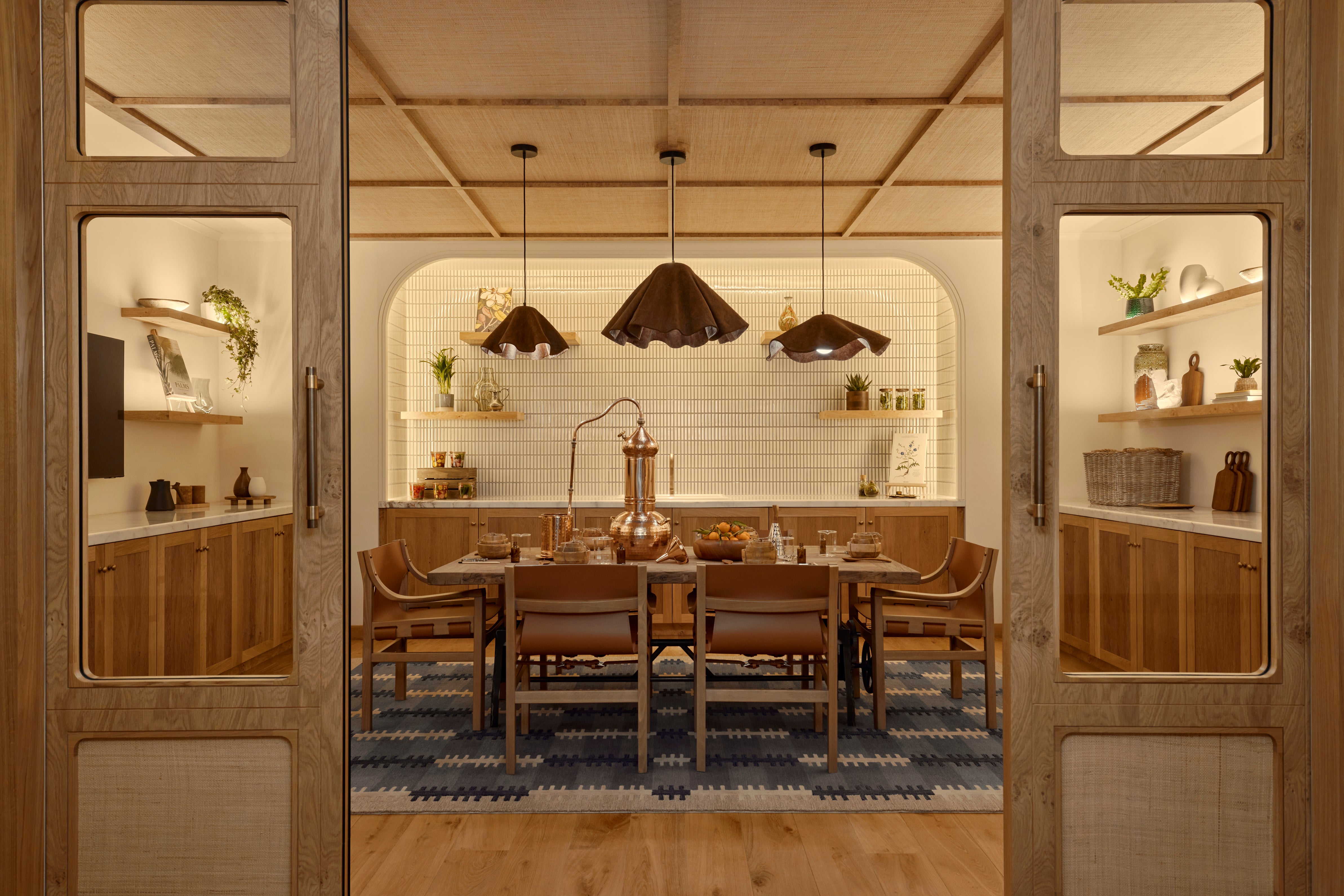
What Artiq has understood, and what many institutional art programmes in hospitality still do not, is that a collection curated around a shared practice – here, materiality, process and ecological restraint – will always read as more coherent than one assembled around a moodboard. The sustainability credentials of the artists are fluent to the design and brand narrative: foraged pigments, recycled substrates, hand processes and low-impact methodologies create a visual language that chimes with Six Senses' broader philosophy without ever becoming didactic.