

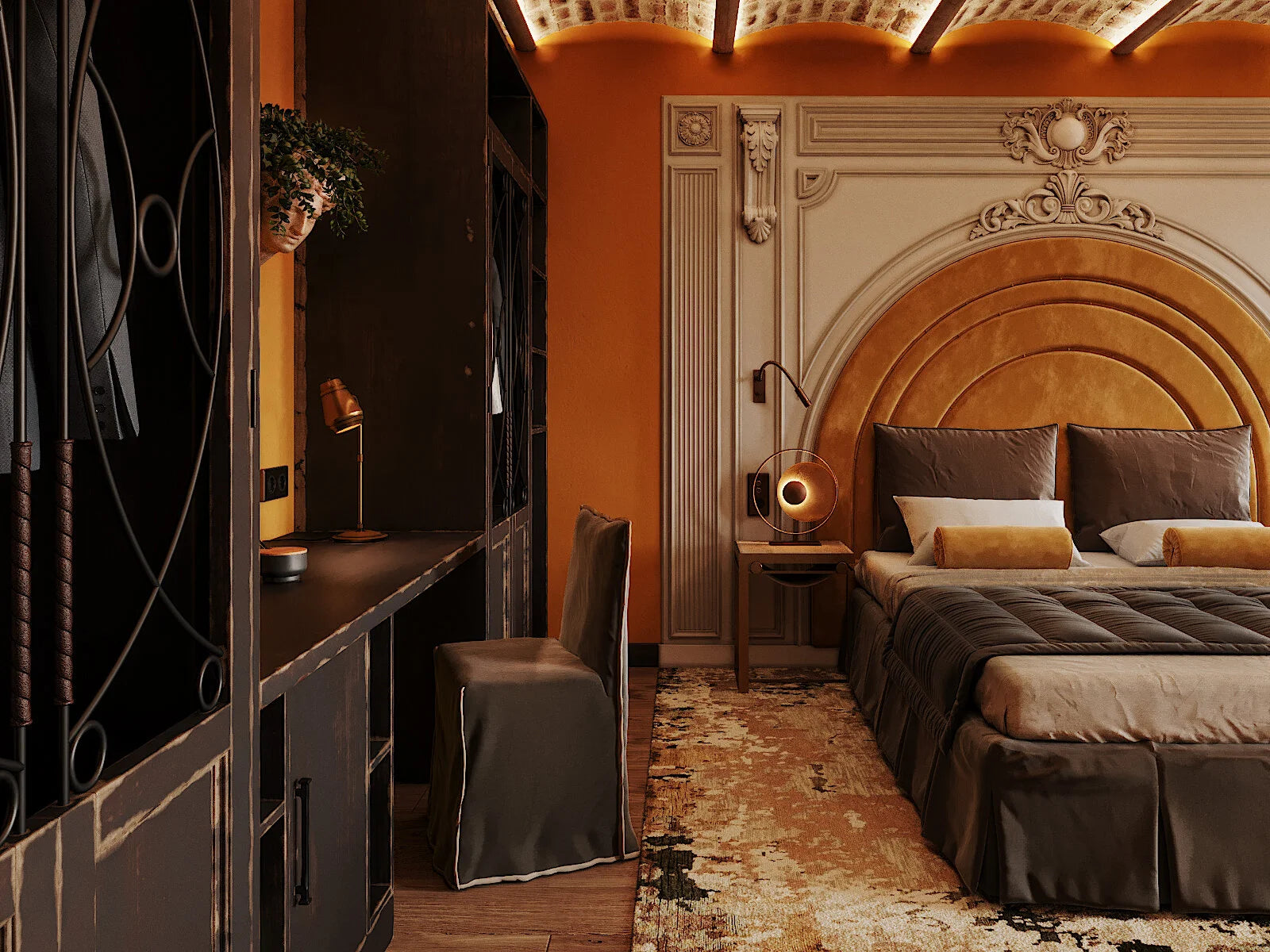
Rose Murray on Building These White Walls, Motherhood, and Designing Spaces No One Will Ever See
EXPERTS
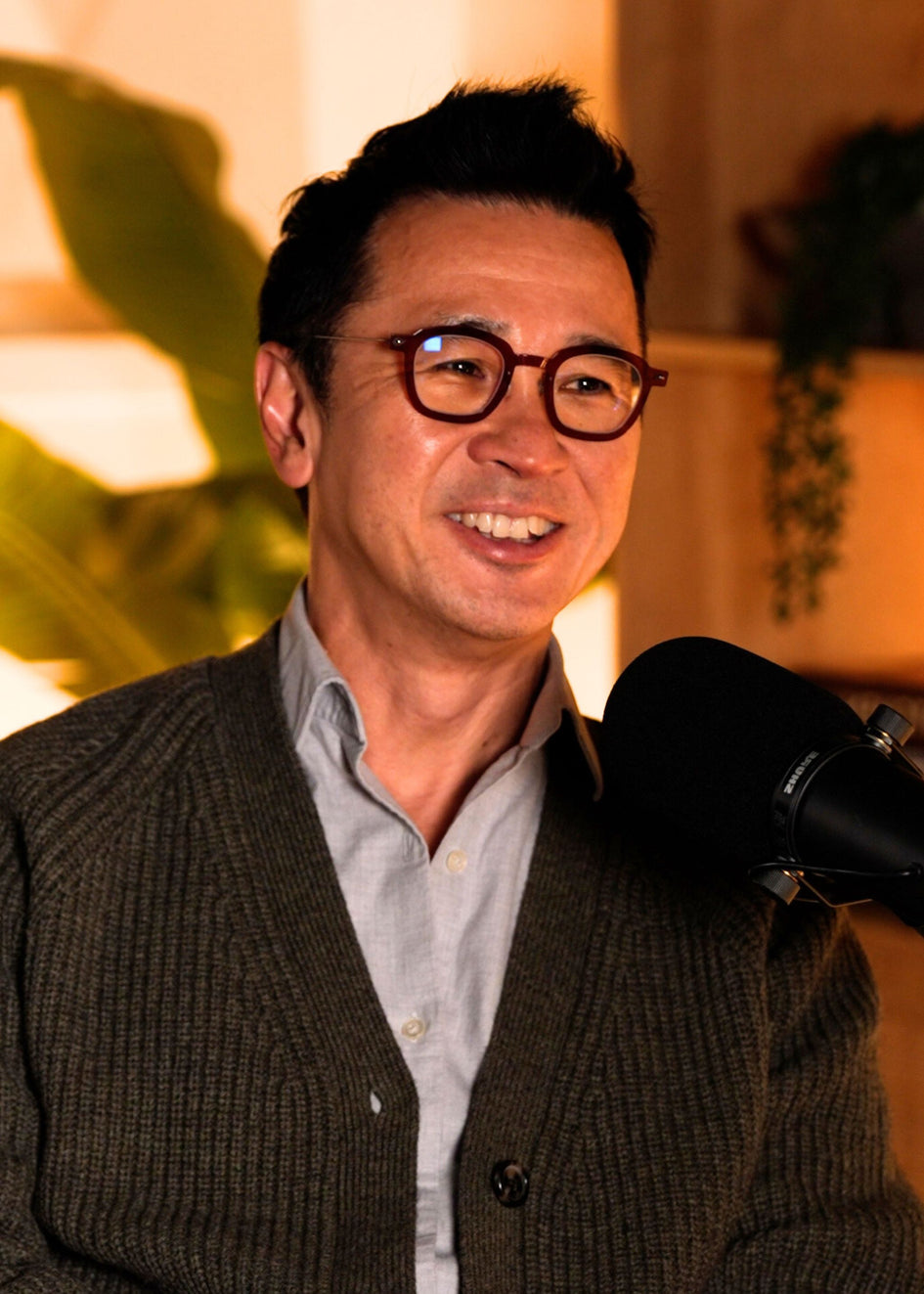
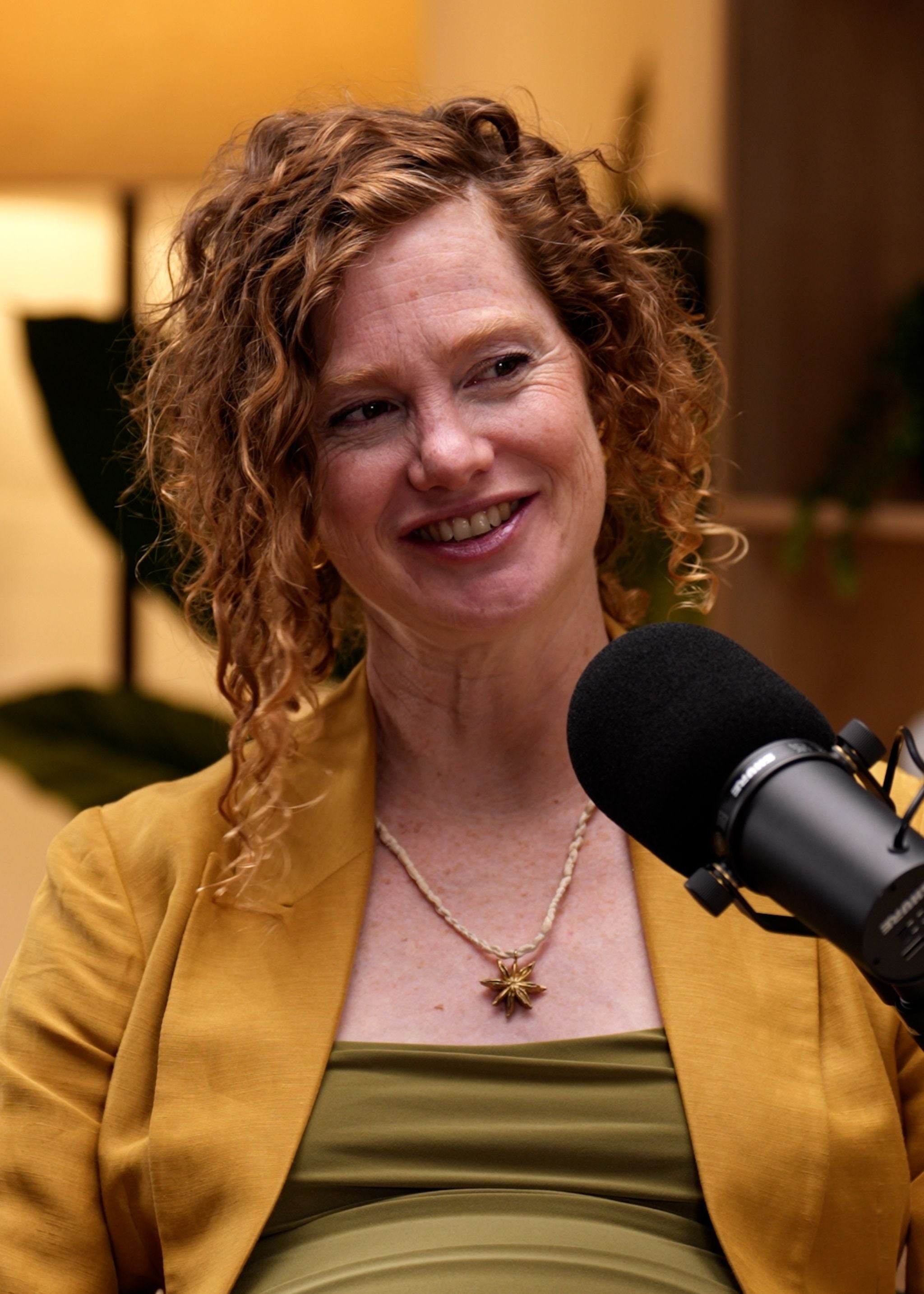
Rose Murray, founder of award-winning studio These White Walls, joins OLISE Editor-in-Chief Bilen Zeremariam while heavily pregnant with twin girls. From an Anthropology degree and four years working with Nigella Lawson to designing in the Middle East and the philosophy behind her studio's name, Rose talks legacy, leadership, and why she wishes she'd seen more pregnant women on stage sooner.
Q: Let's go right back. How did anthropology lead you into design?
I took a pretty rogue path, honestly, I never studied design at all. I did a BSc in Anthropology at UCL and fell in love with the idea that space is never neutral, it's where we build identity and navigate relationships through objects. I came out not really knowing what I'd do next, but I loved editorial, so I applied for a three week stint at Vogue. Right at the end, the Editor-at-Large asked what I was doing next and I said ‘absolutely nothing’. She said she was starting a cookery book and I could assist for two weeks. Those two weeks turned into four years working for Nigella Lawson.
Q: What was that like, working alongside her?
What an incredible matriarchal leader - so loving, so creative, so talented, and genuinely fun. It started with the book, which turned into several books, then television series, styling adverts and magazine editorials. I wasn't thinking about a career path at all, I was just having fun. Alongside that I met a wonderful crazy crew who were building festivals, and because of my love of food and working with chefs, I ended up creating immersive pop-up spaces with people like Mark Hix, Ottolenghi, St.John’s… A connection between chefs and spaces just evolved organically from there.
Q: What actually pushed you from that world into interior design specifically?
After about a decade of Art Direction and scenography, I realised I didn't quite know how to define myself. I'd spent so long building spaces that were only as permanent as a TV show or a live event. Something shifted as I turned 30, a desire to build for longevity rather than the ephemeral. I was at a fork in the road between film and interiors, and I chose interiors because I loved the idea of building something that lasted longer. Architects I'd met through the chefs started wanting more interior input, opportunities unfolded, and I got to a point where I was essentially unemployable in a studio anywhere else because I'd never really taken a conventional job. I just came in and created.
Q: Tell me about the studio name, These White Walls.
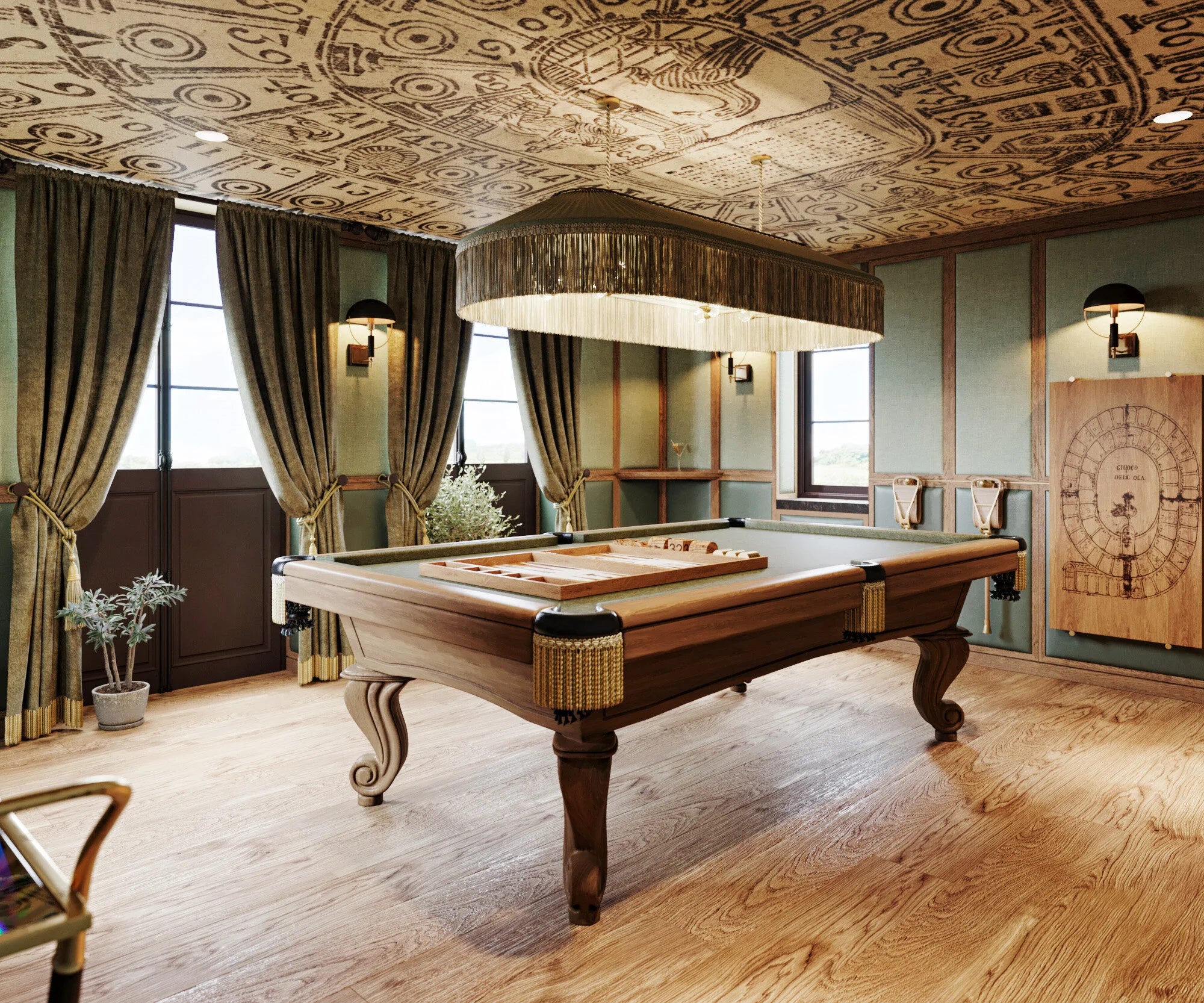
I love that you asked, people resonate with it but rarely ask where it came from. I deliberately didn't want the studio named after me, I wanted it built around an ethos. I was talking to a friend in the park and misremembered a line from one of my favourite poems, by the Irish poet Brendan Kennelly, about a room being more than a room; it’s about the memories made within it and the unseen emotional layer of how we inhabit a space. I misquoted the line as ‘something like these white walls…’, and as soon as it came out of my mouth I loved it. It felt like a blank canvas, which is exactly how I wanted to create, not reproducing a template but reimagining what was possible.
Q: What environment did you want to build for your team?
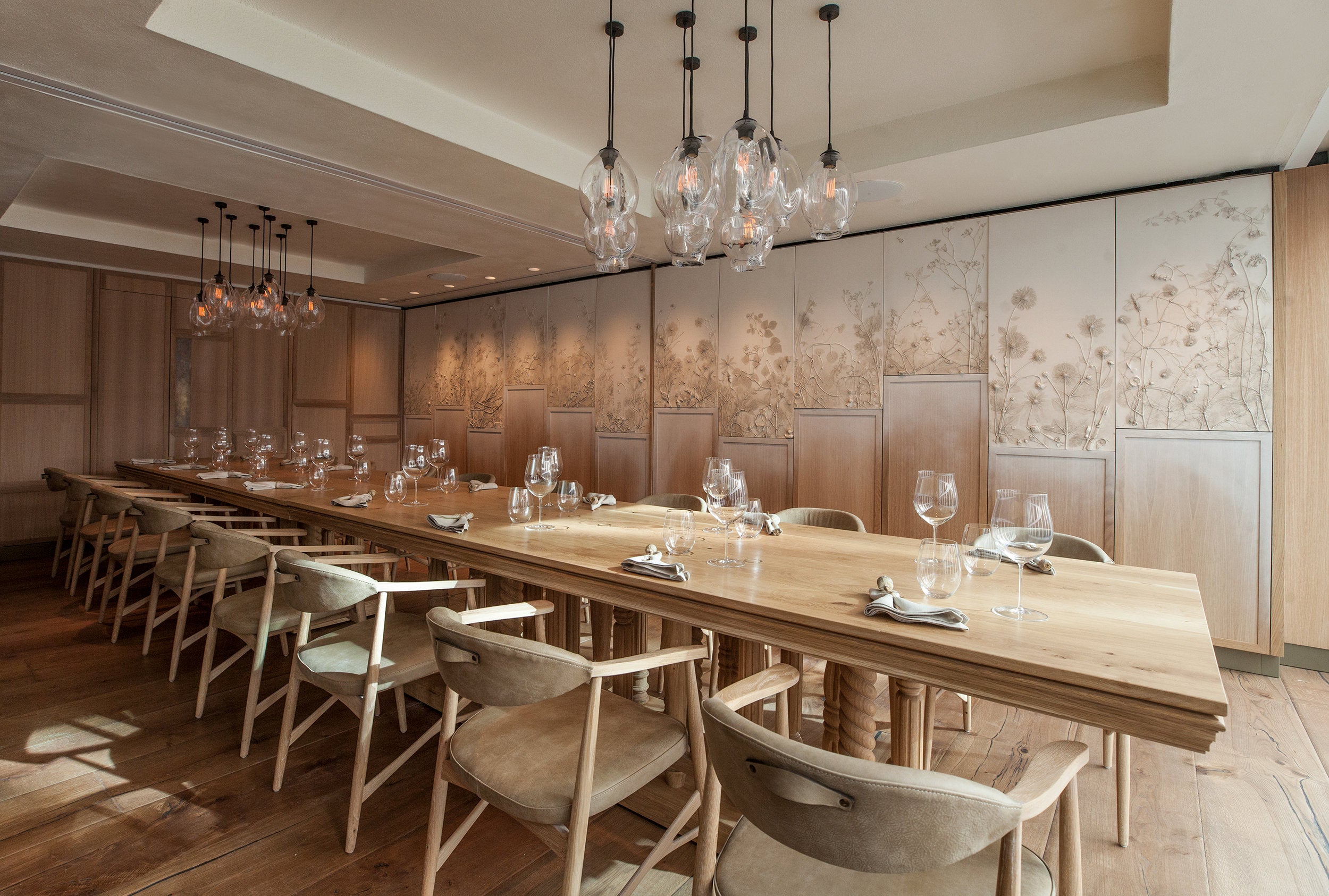
A space where people could flourish with their own creative drive, one where would I steward rather than dictate. I think you naturally attract people who see something in it that resonates with them. I've had people message me from Australia on Instagram saying they're moving to the UK, do I need a designer. In the studio’s beginnings I was a maniac - a total micromanager, as most founders are. Over time I've learned to trust more, and now the studio is this melting pot of individual ideas that evolves into something cohesive, built around shared values rather than control.
Q: You've built a real mix of hospitality and residential work. Which came first?
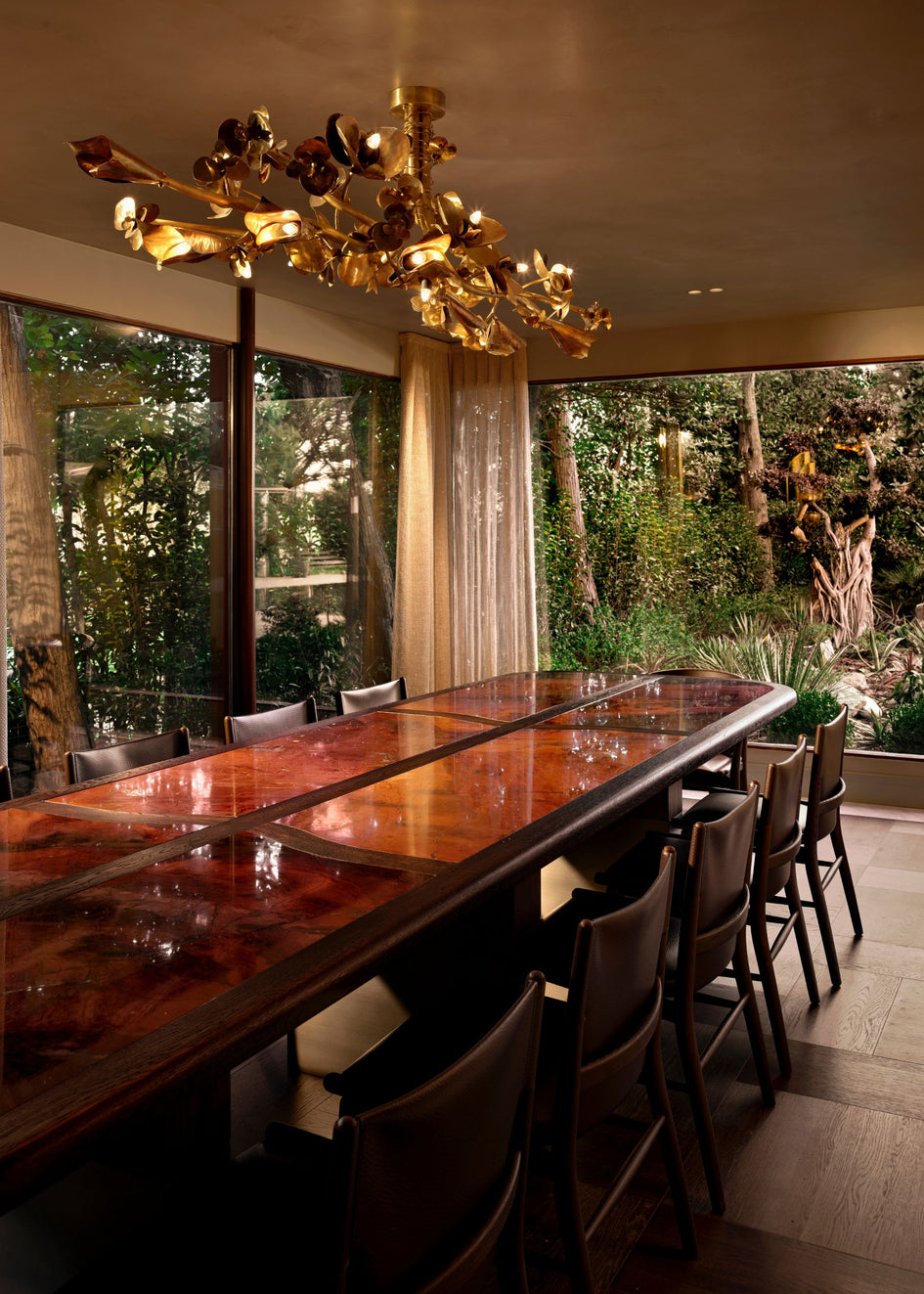
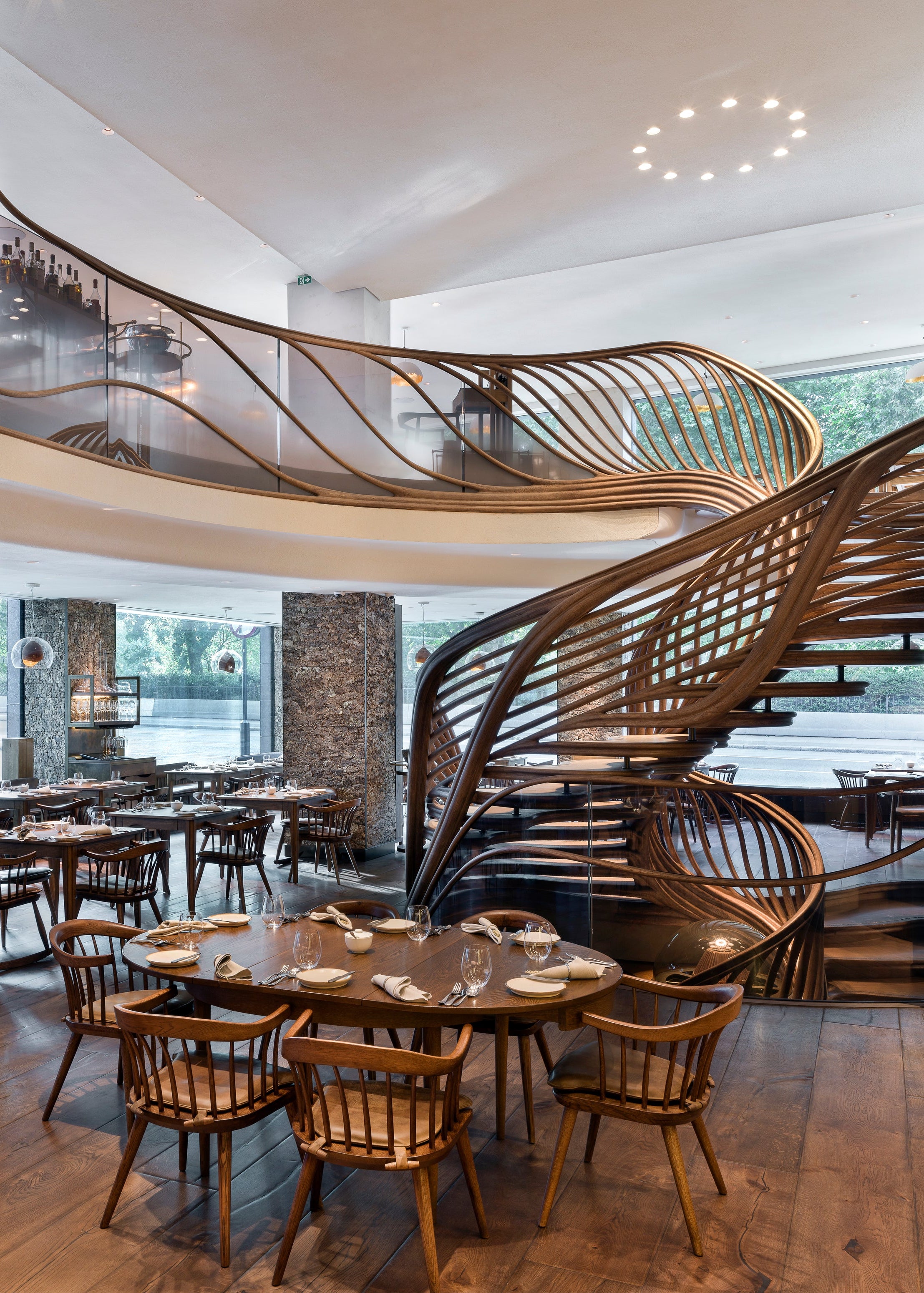
Hospitality, very much shaped by my background with chefs. I love spaces that work like theatres; restaurants and hotels are these mini ecosystems with so much happening behind the scenes. Our first project was Hide, an incredible one to start with. The shift toward residential happened naturally during the pandemic, when hospitality understandably collapsed for a while, although we were still working on Hide behind closed doors. What carried across was the personalised approach: hospitality clients want that sense of host-and-guest built into the space.
Q: The Hide is such a striking project, and then the Ledbury. What was the brief behind it?
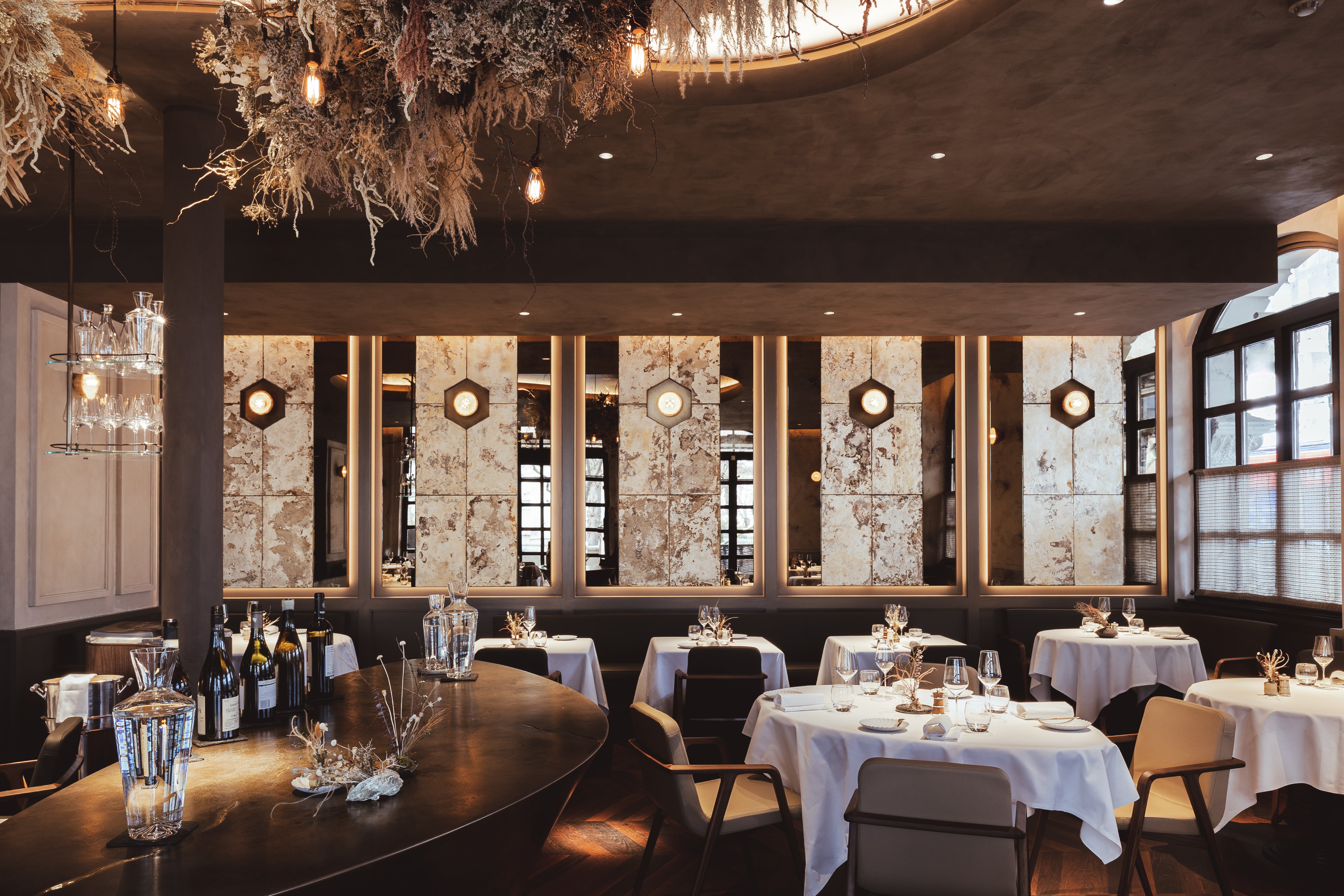
Working with Brett on The Ledbury, the space he was operating in didn't reflect the man he actually is at all. He stewards land, keeps herds of animals, forages, and we brought something unconventional, wild and organic into a space that still needed to perform. I worked with him at a really individual level, and that personal touch is exactly what residential clients sense and seek too.
Q: A lot of your recent residential work is intensely private, spaces that can't even be photographed. What's that like?
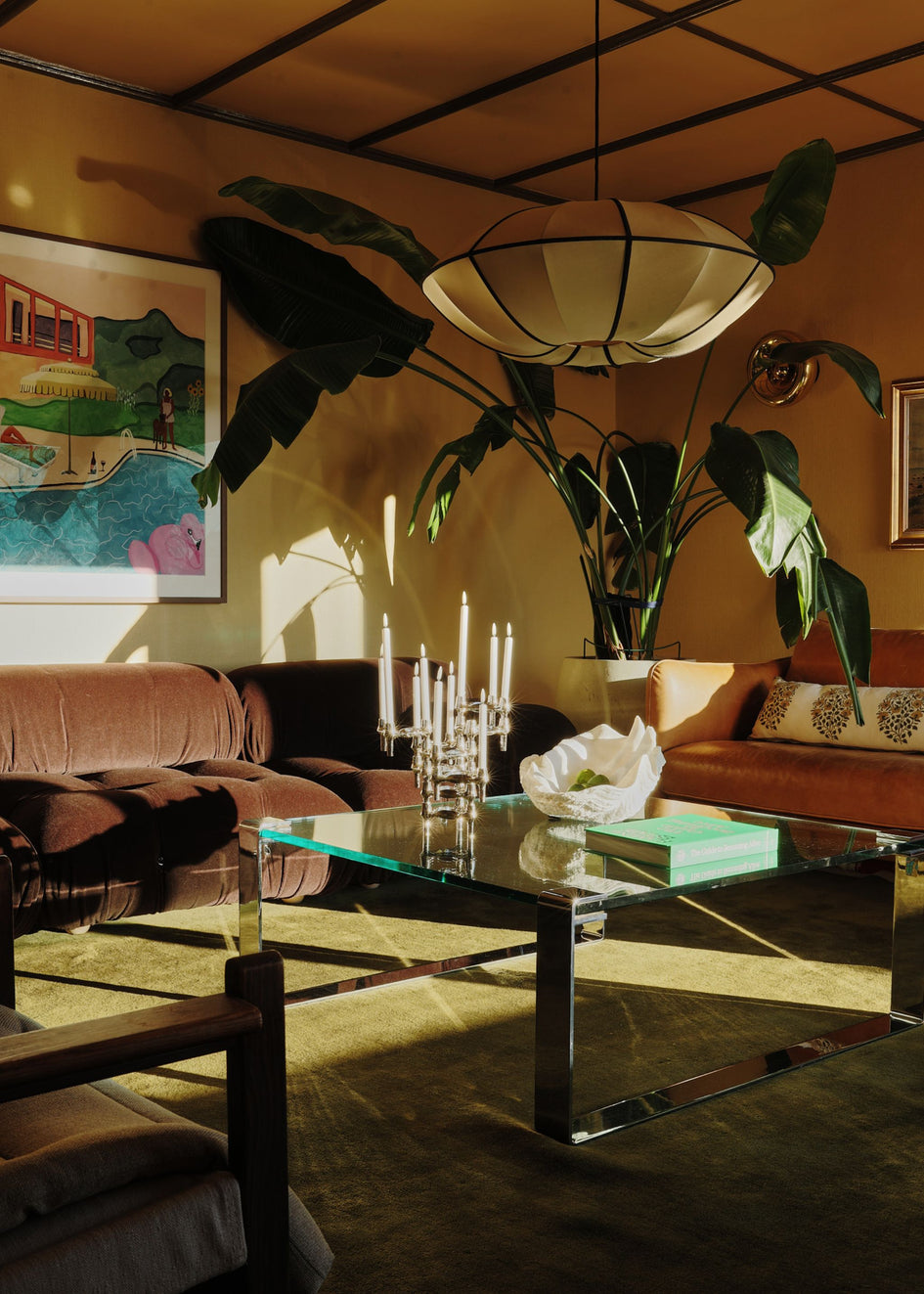
It's fascinating, designing something that will never be seen publicly in a world built for the Instagram square. It feels like a gift between you and the client, knowing how much work goes into something so few people will ever see.
Q: How much of the job is actually about people rather than aesthetics?
Hugely so. The technical design element is only a fraction of the experience; you're really working with people, and you need real emotional intelligence walking into that room. Projects can take years to build, and clients need to know they can sit with you and ask a tricky question at any point. They're spending tens of millions of pounds, and what they're ultimately investing in is perspective and personality as much as the design itself.
Q: How are you thinking about personal branding and AI as a designer right now?
Technology, AI included, is a fantastic tool. But I hope it keeps reminding us of the value of face to face interaction rather than superseding it. Creativity at a human level is so powerful, outsourcing it entirely feels like a loss. Founders are coming out from behind the screen more, because people want to know who's actually going to walk them through a difficult build, and that personal touch matters as much as the vision itself. You want to walk through the experience with the Dreamer of the Dream ultimately.
Q: You're about to have your second babies. How has motherhood and pregnancy changed how you feel about your work?
What a metamorphosis women go through! I wasn't ready the first time round, I was reluctant because of my career and the freedom I'd built. There's a narrative around motherhood and business that isn't helpful: that you just have to push through it quietly to keep your business going. What pregnancy actually brought me was real clarity; you're quite literally building a new life, so you think hard about the future and what you're creating that will outlast you. It increased my capacity to hold a lot of difficult things, and it focused me on the idea of building legacy spaces. I wished at the time I'd seen more pregnant women on stages or podcasts, I was actively seeking them out and wondering where they all disappeared to.
Q: Why does that visibility matter so much to you?
Because business in general is largely driven by linearity and quantifiability, and the experience of early motherhood simply doesn't fit that. I grew up watching my dad work and built that same pattern of overworking and over-delivering into how I operated. After leading a panel talk whilst visibly pregnant, women came up to me afterwards telling me their own stories about pumping in closets, pretending the hardships of early motherhood were not happening. There's another part of the story that needs telling, and women who are building something deserve to see others doing it without having to apologise.

Q: What does it feel like on handover day, when a project is finally finished?
Magical, honestly. You generate an image in your mind almost instantly, then there's this long process of deconstructing it so someone else can rebuild it into reality. You hold that vision for a very long time. Seeing it actually materialise proves that whatever you imagine can be made, you don't have to replicate anything, you can reimagine and find a way through. It's addictive, and I don't think I dwell on that achievement enough.
Q: You've expanded into the Middle East. What's your advice for studios wanting to work across different markets?
Be genuinely open to that kind of cross-cultural dialogue. I remember questioning whether my softer, unconventional aesthetic would resonate out there, but it did. I learned so much about spectacle and symbolism, and there's incredible enthusiasm for innovation. You have to be highly adaptable, aware of cultural differences, and willing to learn rather than assume your way of working translates everywhere. Designing a Majlis for the first time taught me how much ritual and intangible cultural heritage sits inside a space I'd never properly understood before. At a time when borders feel like they're closing, design is a genuinely good way to keep those channels open.
Q: Where do you see These White Walls heading next?
There's still so much to do. I love the balance between hospitality and residential and we're opening that back up after a more private stretch. I'd love to move into capsule furniture collections, given how much R&D and prototyping has happened across the studio's history. I'm also increasingly working at a strategy and identity level with clients reinvesting in heritage or legacy spaces, which I love. These White Walls is becoming a kind of social medium, and there's a whole set of cultural conversations I'd love to keep igniting around how we're shifting as a culture.
Q: Looking back, what's shaped you most as a founder?
I can see the evolution through these two year cycles: the pandemic was not long after founding the studio, then working through political upheaval and recession in various places. But motherhood shaped me most foundationally; it expanded what I knew was possible in myself. It shifted my leadership toward wanting people to become self-led rather than directed. My team told me independently that what they valued most last year wasn't the technical training, it was sitting together and watching how I communicate and make decisions. That's taught me how I want to lead going forward, especially at a time when I think we all need to stay genuinely connected to each other.


