

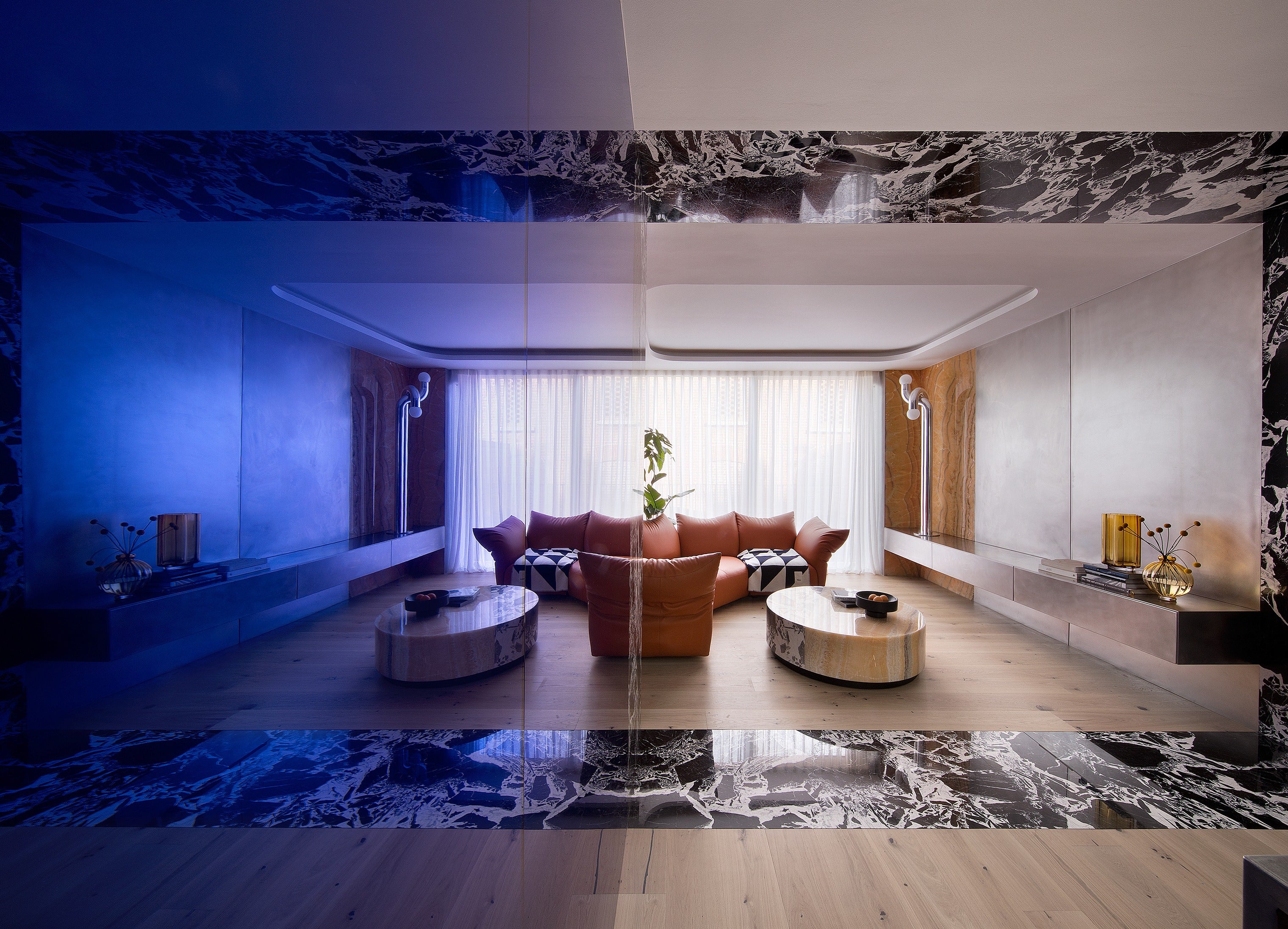
Roisín Lafferty on WOW!House, Building a Studio From Nothing, and the Gallery a Decade in the Making
EXPERTS
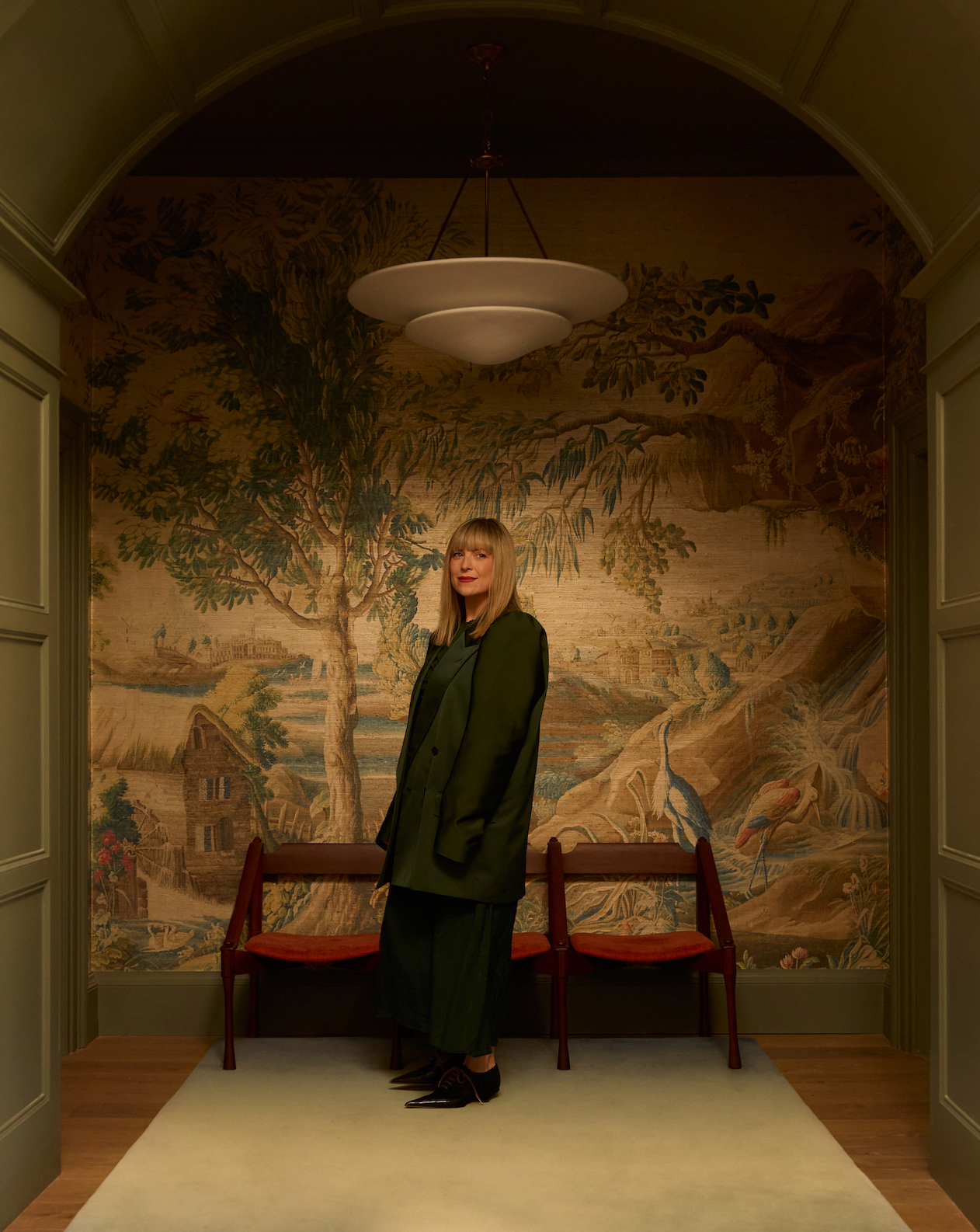
Roisín Lafferty joins OLISE Founder Annie White fresh off the launch of her WOW!House library room, an immersive cabinet of curiosities built with Shepel. From setting up her studio at 23 in the middle of a recession to opening the Roisín Lafferty Gallery in Dublin's Fitzwilliam Square, Roisín talks creative pressure, finding your own voice, and why a library doesn't need a single book in it to earn its name.
Q: For anyone who doesn't know WOW!House, talk us through the concept.
It's a show house built from scratch within Chelsea Harbour over a five day period, which is insane in itself. Each designer gets a room, a sponsor, and total creative freedom to execute the concept however they want.
Q: That must feel different from your usual projects, where there's always a client's point of view shaping things.
A hundred percent. Every project has its own concept, and that's always shaped by the client and the context. With WOW!House, the concept itself could be pushed further than usual.
Q: So what was your room, and how did the concept come together?
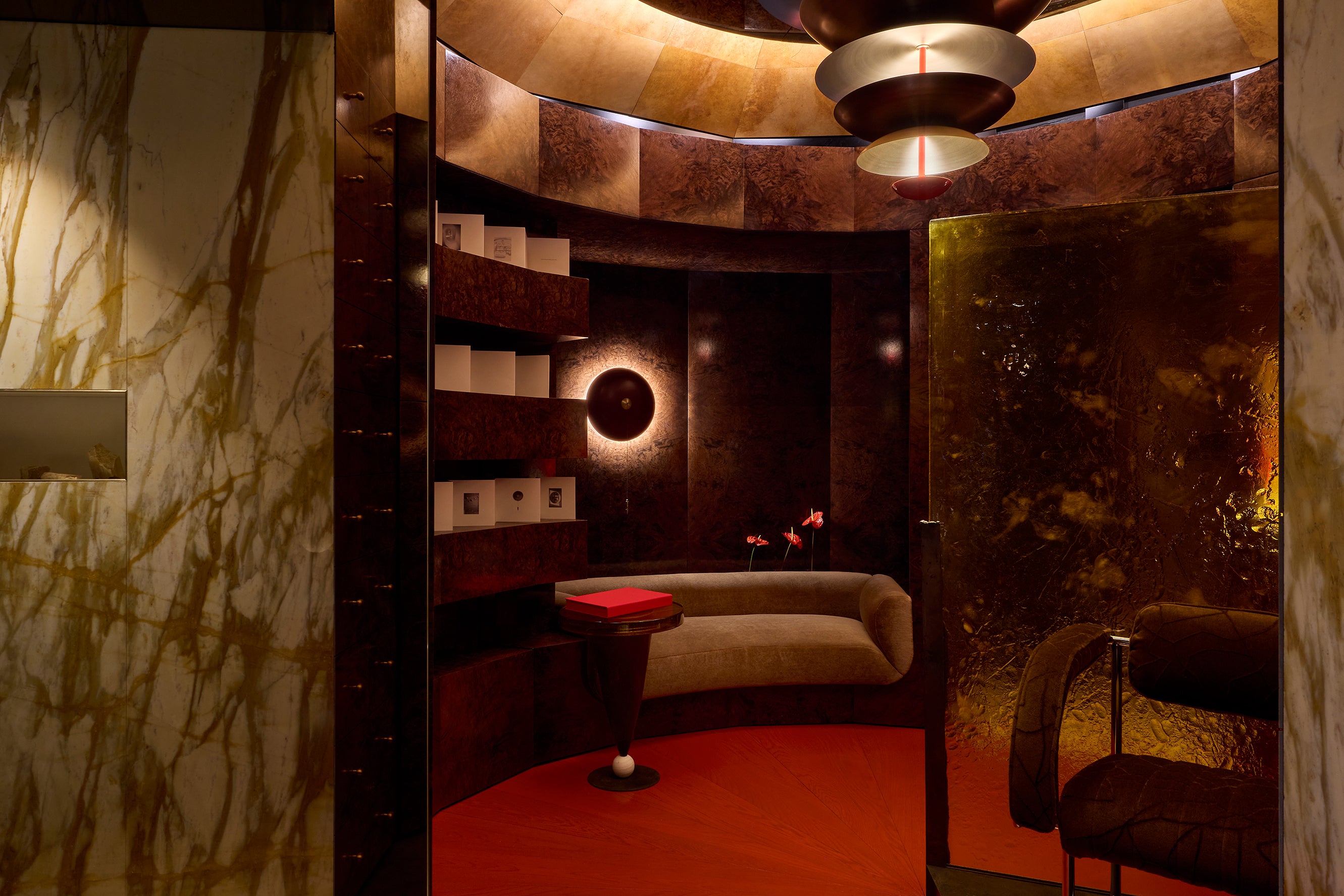
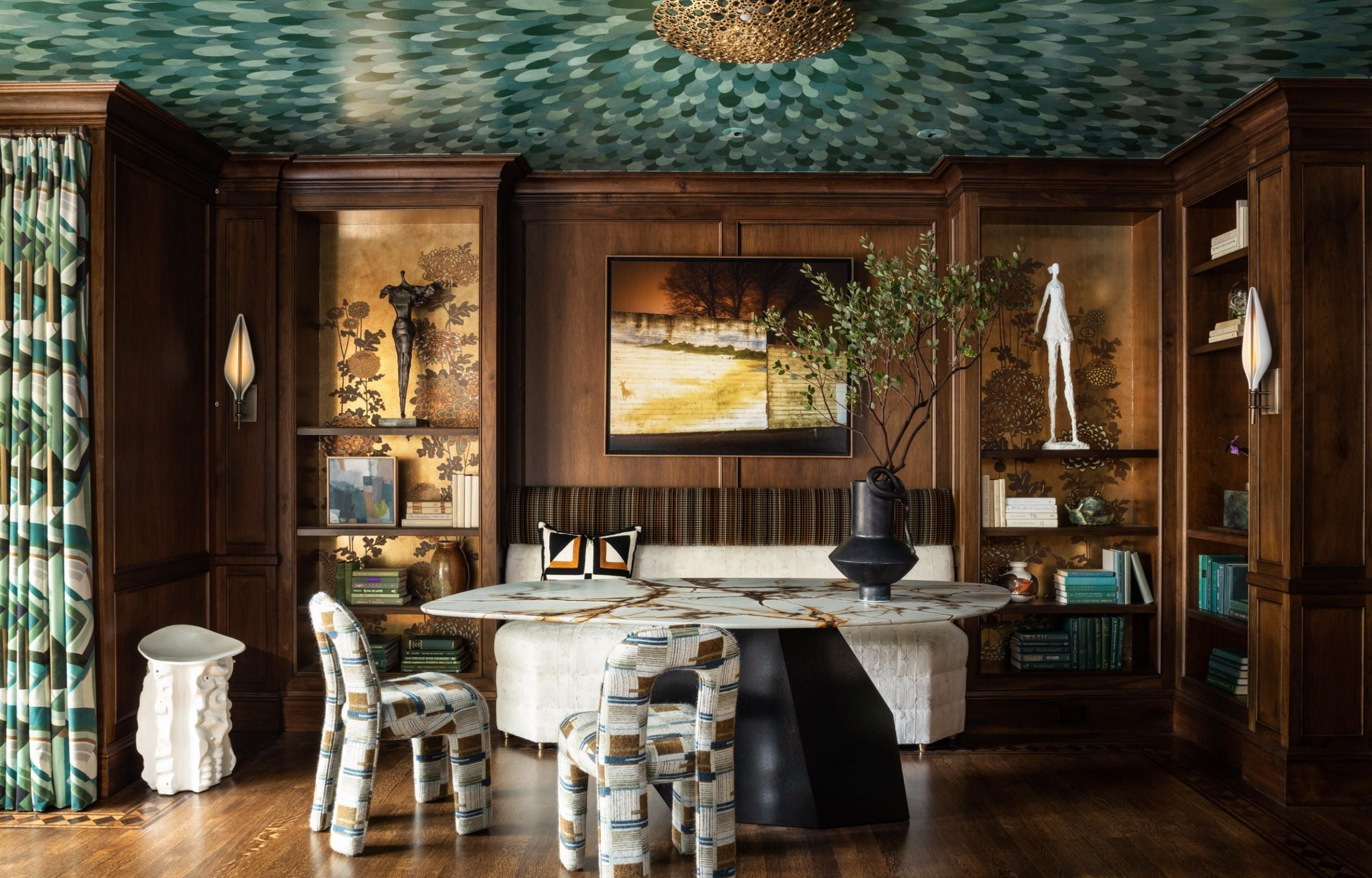
We had the library, and I started by really thinking about what a library means to me. I didn't want it to be a place that's only about books. I think of a library as a calm, quiet space where creativity flourishes, somewhere ideas are given room to bloom. We worked with Shepel as our sponsor, who make beautiful cabinetry and furniture, and I wanted to turn the room into more of an installation, something immersive rather than surface level.
Q: Where did that installation idea actually come from?
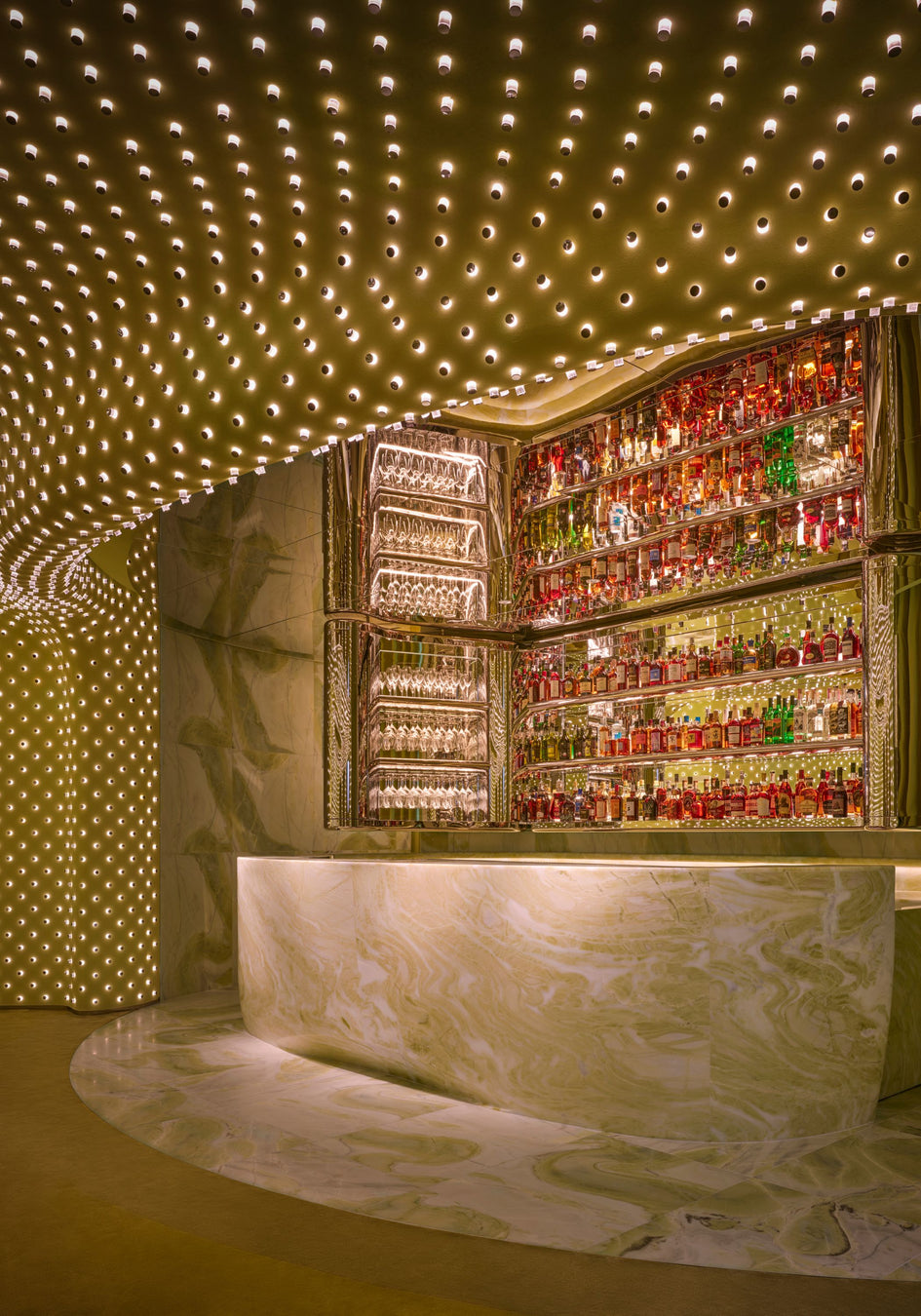
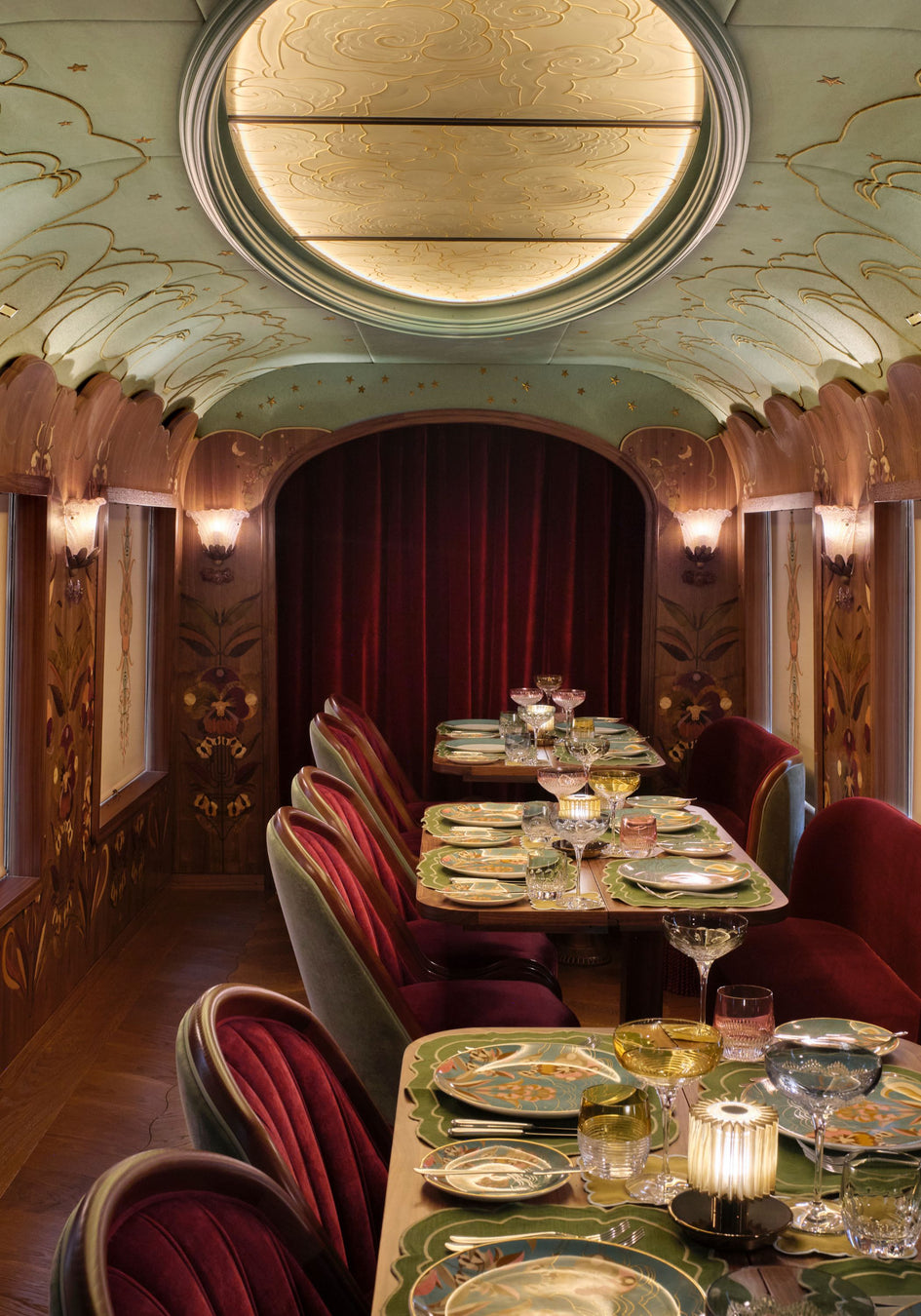
I'd been in Paris in January for a centenary exhibition on art deco, and I saw how they used joinery and cabinetry not as a surface application but to build contained sets, almost like set design. We took that and celebrated the cabinet itself. The room became a cabinet you step through, portal by portal, into a cabinet of curiosities. The sofa is within it, the display is within it, there's a secret writing desk, and a hidden room for people to discover. You open a drawer and there's always something to inspire or surprise you.
Q: You've mentioned the Hayward Gallery before, an exhibition called Walking in My Mind from your time studying in London. Does that idea of art not being intimidating, of wanting people to touch and engage, run through your work?
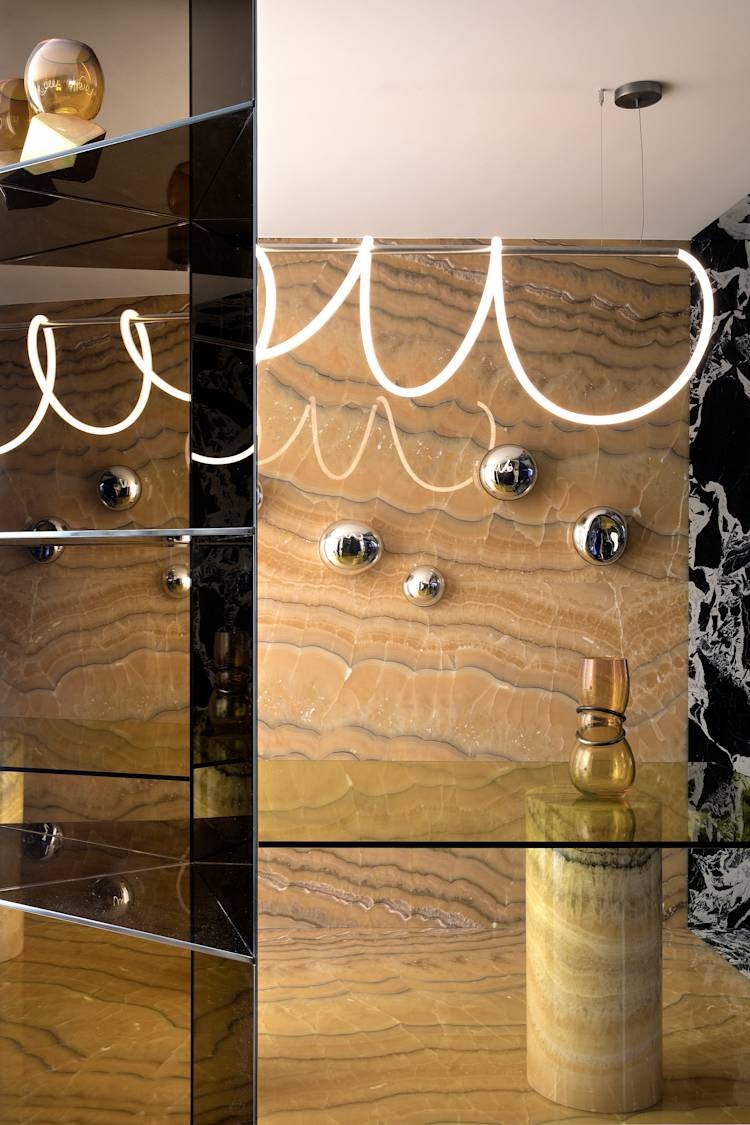
Completely. I love that space and spatial design can alter behaviour. Everything in life is so serious, and I love creating that sense of discovery and exploration, something playful that engages everybody rather than something people feel they need permission to touch.
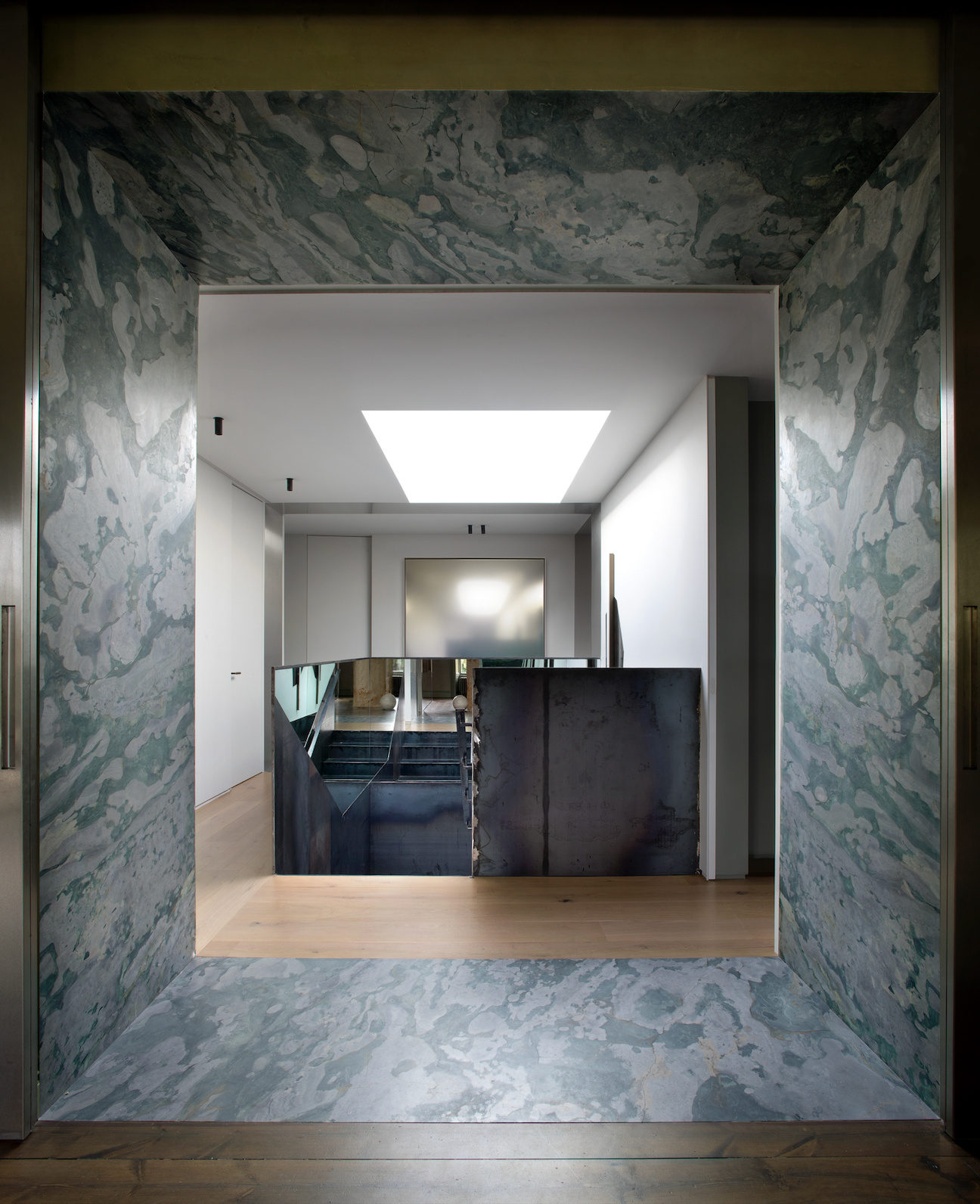
Q: Just before WOW!House you were in Milan, and you've worked with Artemest for years. What keeps that relationship going?
I love Italian craft, it might be my soul home. We've worked with Artemest for so long because of their link to that craftsmanship. I love going into workshops and really getting under the hood of how things are made, because the more we understand that, the more we can push our own creations. Our work is only as good as the people executing it.
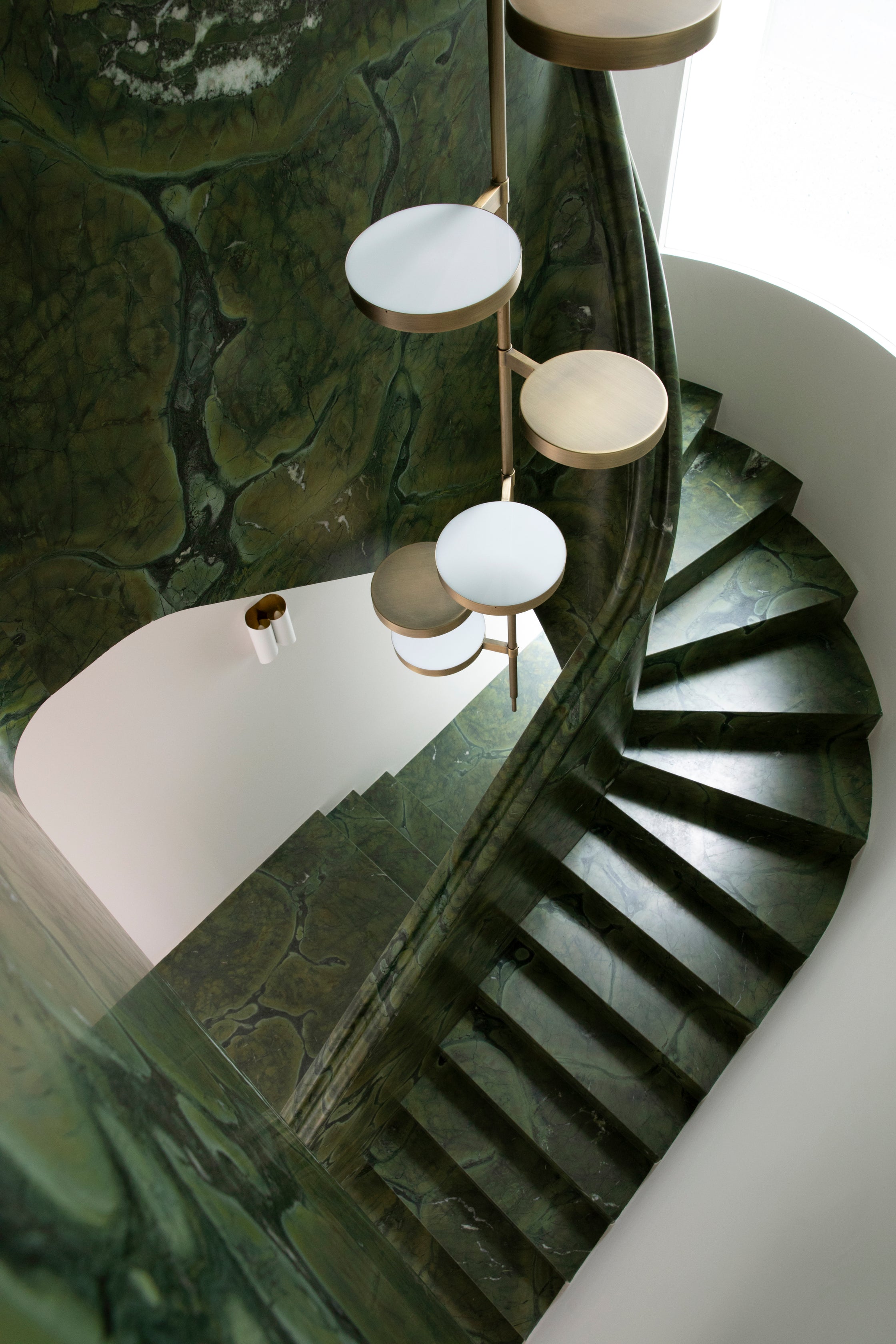
Q: Nothing you do looks the same twice. Is that a deliberate principle?
Completely deliberate. I don't want to repeat myself. My biggest inspiration is Alexander McQueen, because his design principles are embedded into the quality of the work, yet every collection is its own story. That's what I want every project to be, each one pushing us in a different direction. It's a lot of pressure to put on yourself, but that's exactly what I thrive in.
Q: With a studio of 26 people and high client expectations, how do you protect the creative thinking from getting lost in deadlines and technical drawings?
There's definitely burnout, even if I don't think there's such a thing as creative burnout specifically. I feel most creative away from pressure, on an airplane with a notepad, scribbling. I still live partly by instinct rather than a screen. What I try to get across to the team is that no matter how many technical packages or site calls are happening, you never let go of the creative essence. What are we actually doing this for? It's easy to lose sight of that, and ultimately our job is to be the conductor of the orchestra so the client's vision gets realised without them needing to see everything in between.

Q: Let's go back to the beginning. You started your studio at 24, in the middle of a recession. What was that like?
I'd done my degree with a first class honours, came to London for a master's, came top of my class, exhibited as part of Tent London. None of it mattered in the way I expected, because the recession had closed a lot of the interiors departments back home. I never wanted to get lost in a large firm or become a CAD technician, so a friend and I set up temporarily back home to gain experience before returning to London. There was no business acumen, no real plan, no funding, no cushion to fall back on. She eventually went back to London. I stayed, and sixteen years on we're a team of 26.

Q: If you could go back and talk to yourself at 24, what would you say?
I was intimidated by experienced professionals, a young female in construction being taken seriously by people decades ahead of us. We'd almost study before meetings just to be prepared to discuss the topics. I learned so much in those first few years, it was like a PhD, but I don't think I was confident enough yet to use my own voice. I'd say ask every question, even the ones that feel stupid. People were far more generous with their time and advice than I expected, as long as you're willing to put in the work.

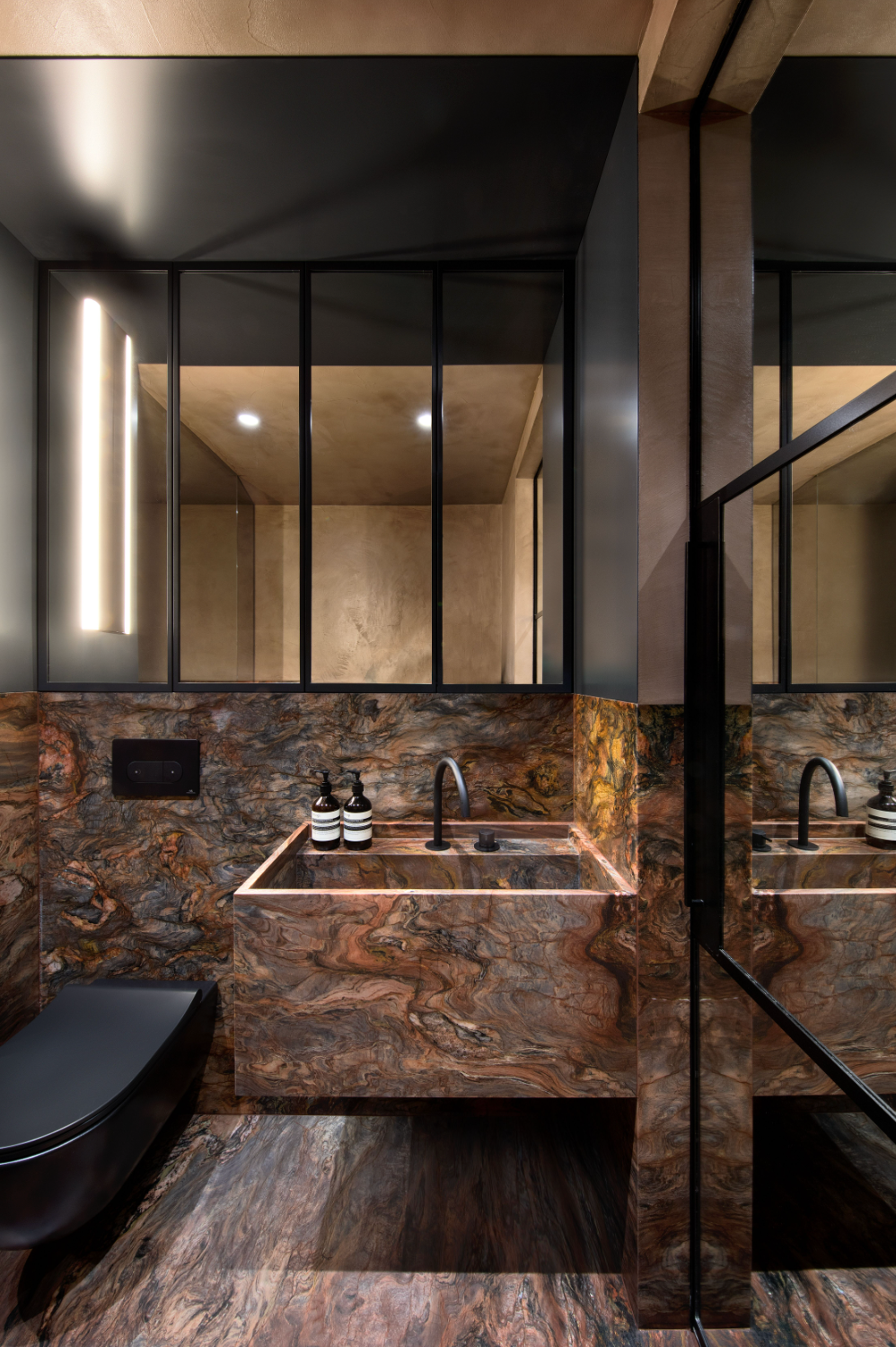
Q: Do you think there's still a gap in how design education prepares people for construction and process?
I think it's largely the same as when I started. Creativity should absolutely stay the core of the education, but giving people the tools to understand process, tender, value engineering, so they're not blindsided, matters too. We get huge numbers of applications, and so many show me beautiful 3D renders with nothing behind them. I'll always ask, can you sketch it for me, talk me through the thinking. Everything we do, the drawings, the models, the renders, is ultimately just a means of communication, and that shouldn't be looked down on as a skill.
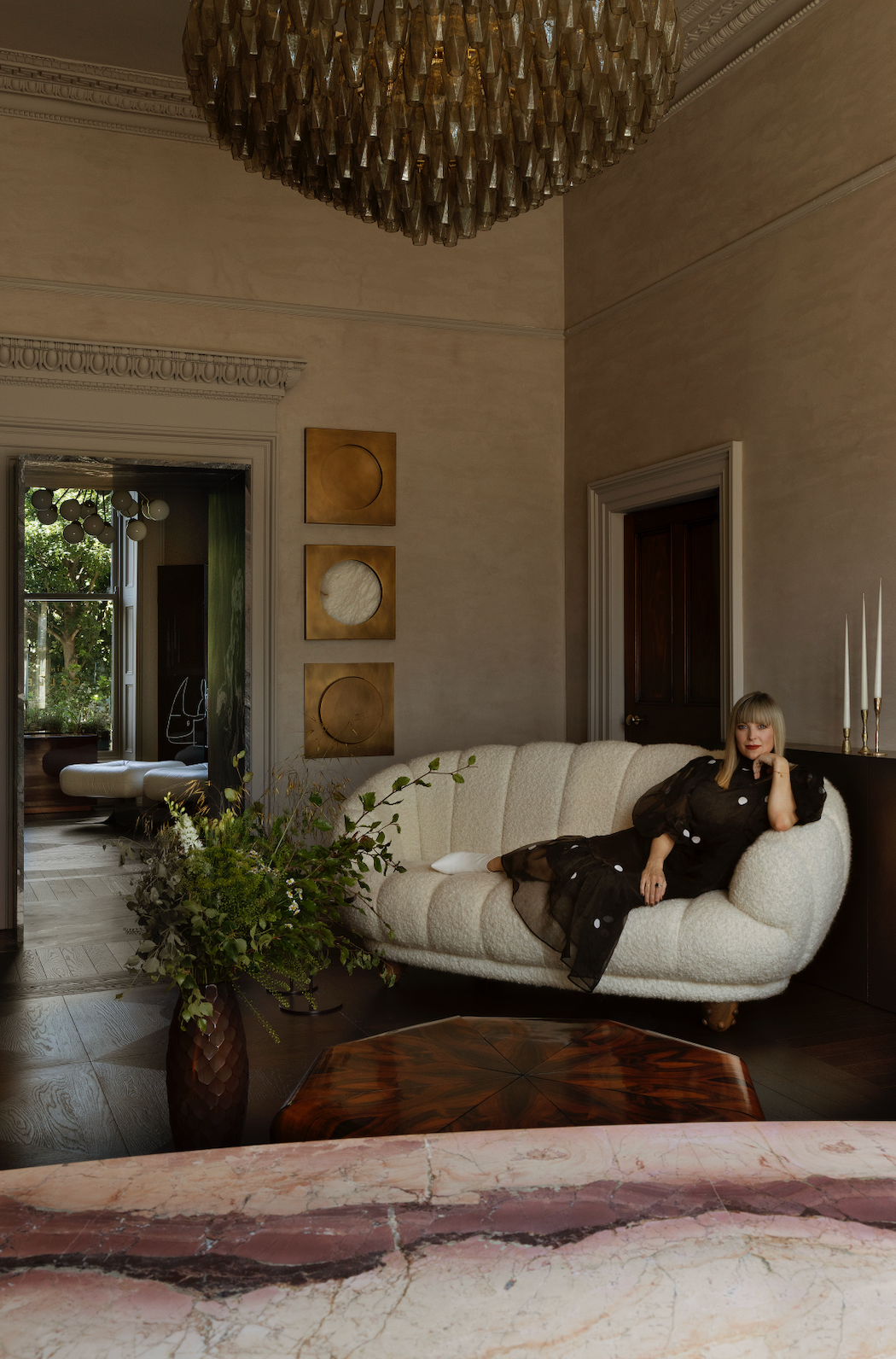
Q: Tell us about the project that means the most to you, the gallery.
The Roisín Lafferty Gallery had been a dream of mine for a decade. I'm influenced more by fashion than interiors if I'm honest, I love the old fashioned ateliers, Balenciaga, Chanel, where the whole soul of the house lives in one townhouse. I wanted that for us. We have our studio across the top three floors of a building in Fitzwilliam Square in Dublin, and the gallery occupies the lower two. It lets people actually feel what we do, rather than just see private residential work they'll never visit. We source rare vintage pieces and work with artisans who aren't represented in Ireland, and the space keeps evolving as things sell. We won Best Retail and Commercial Space at the Creators Awards in Paris, and it just had its first birthday.
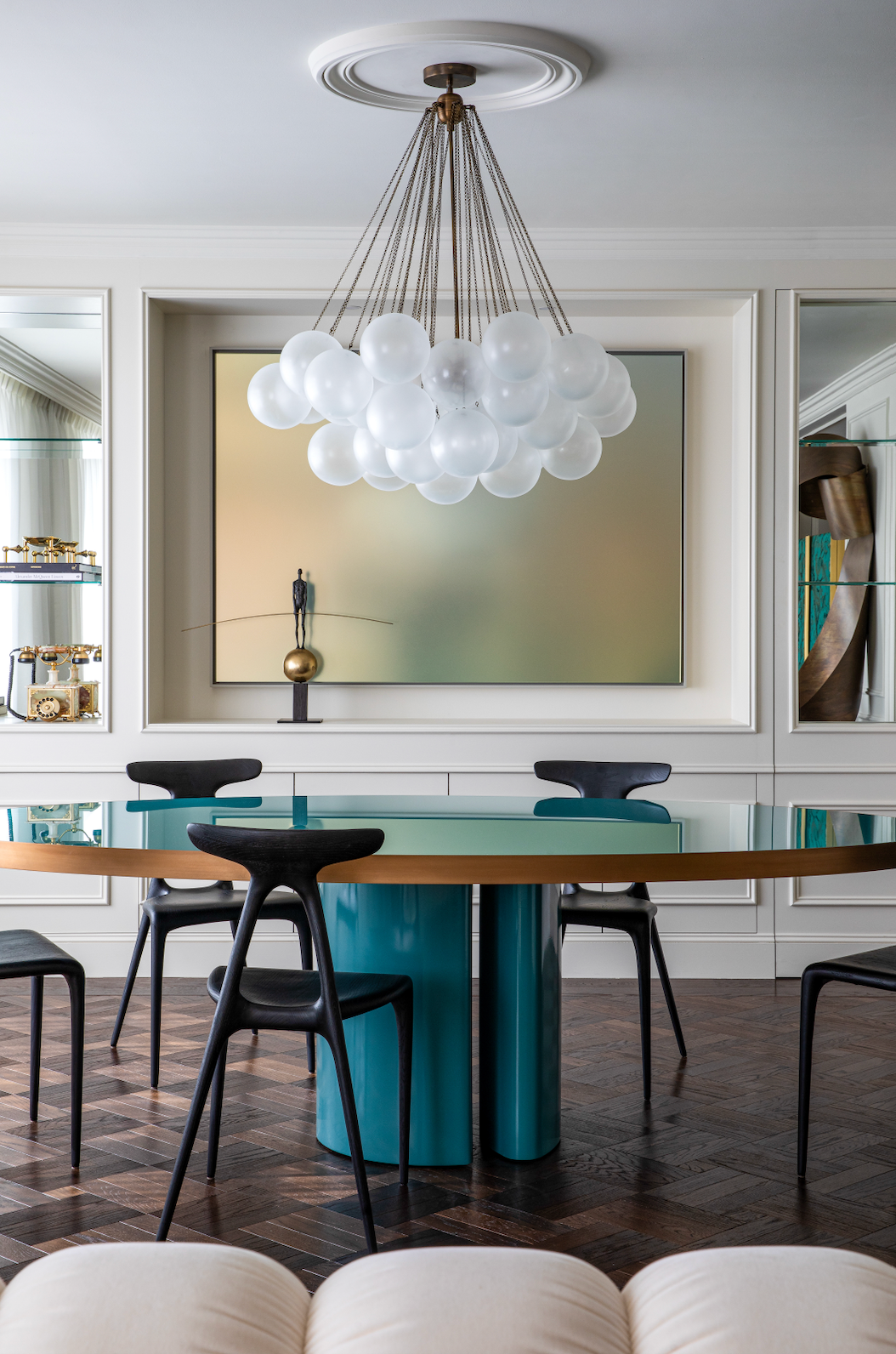
Q: You use colour in a way that's genuinely difficult to get right. What's your approach?
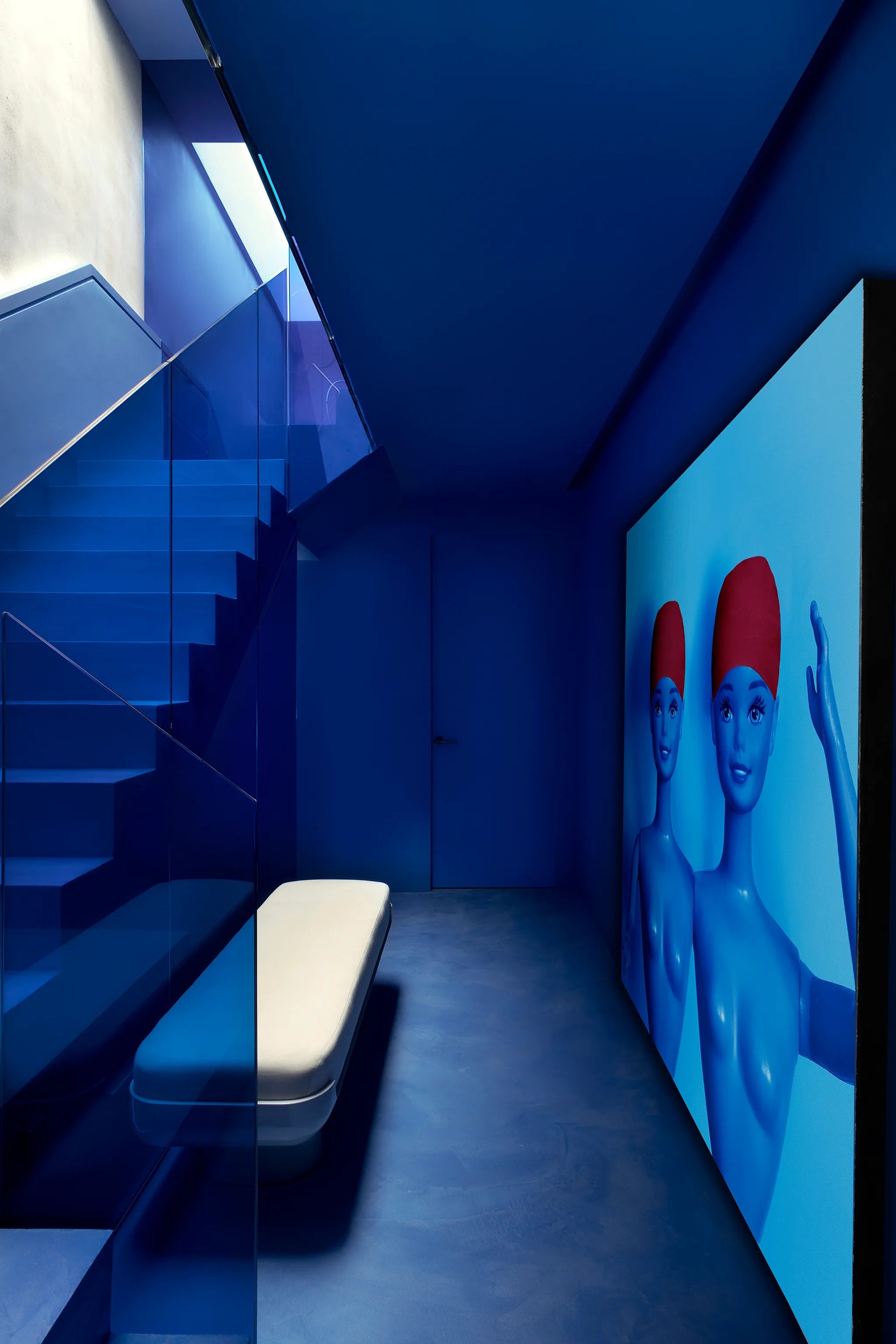
Colour should be experienced fully, it's as much about how it's used as what the colour is. I wrap spaces, carrying the same tone into ceilings, doors, architraves and skirtings, so your eye feels the colour rather than noticing the separate parts of a room. Beyond that, colour needs to bring you personal joy, the same way you'd choose what to wear. And get the tone right. I lean toward a kind of muddiness, even with a strong colour, so it stays grounded in nature rather than turning sugary.
Q: How much has travel shaped your eye?
Enormously. I remember an art island in Japan called Naoshima, all Tadao Ando architecture, with one underground gallery where the natural light is designed purely to illuminate a Monet. It took my breath away in a way no photo could capture. Vincenzo De Cotiis's home in Milan was the same, poetry in physical form. But you don't need Japan for it. My favourite place is a small island off the coast of Ireland called Inishbofin. And honestly, half of it is just remembering to look up. I've walked the same London street a hundred times and only recently noticed the architecture above me. It's the cheapest way to be inspired there is.
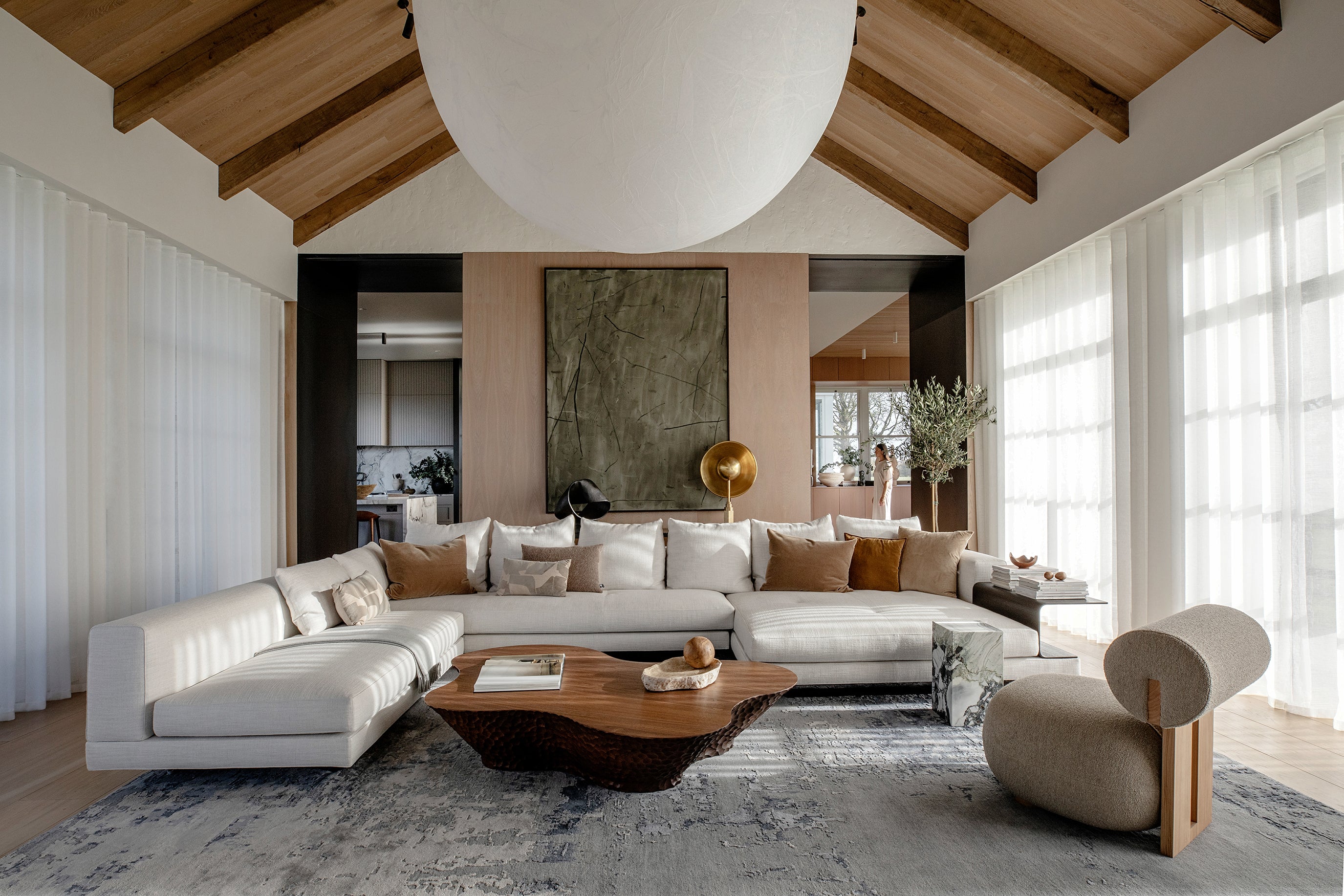
Q: What's next for Roisín Lafferty?
We're completing some of our most beautiful homes yet, working on a number of hospitality projects, and developing new collections of our own pieces, which I'm genuinely excited to share.
Q: Any advice for people coming into the industry?
Find your true voice. It's good to be influenced by people and to learn how they work, but don't imitate out of fear of expressing yourself, and don't chase five minutes of Instagram fame. Dig deeper. It will last longer, and you'll only ever be able to sustain what's actually true to you.
Photography: Ruth Maria & Barbara Corsico (project), James McDonald (WOW!house)


