


Oliver Stiff: Dressing Furniture With Attitude
EXPERTS
Blurring the boundaries between furniture and fashion, London-based designer Oliver Stiff is challenging the clean, clinical language of contemporary industrial design with work that is provocative, characterful and culturally charged.

For Oliver Stiff, furniture should do more than simply function. It should have presence. It should tell you something about the person who owns it, the room it inhabits and even the music that might be playing around it.
The London-based designer, a First Class Honours graduate in Product and Industrial Design from Central Saint Martins, is currently completing an MA in Design Products at the Royal College of Art, supported by the President and Vice-Chancellor’s UK Scholarship. Yet despite his industrial design training, Stiff’s creative references frequently come from somewhere else entirely.
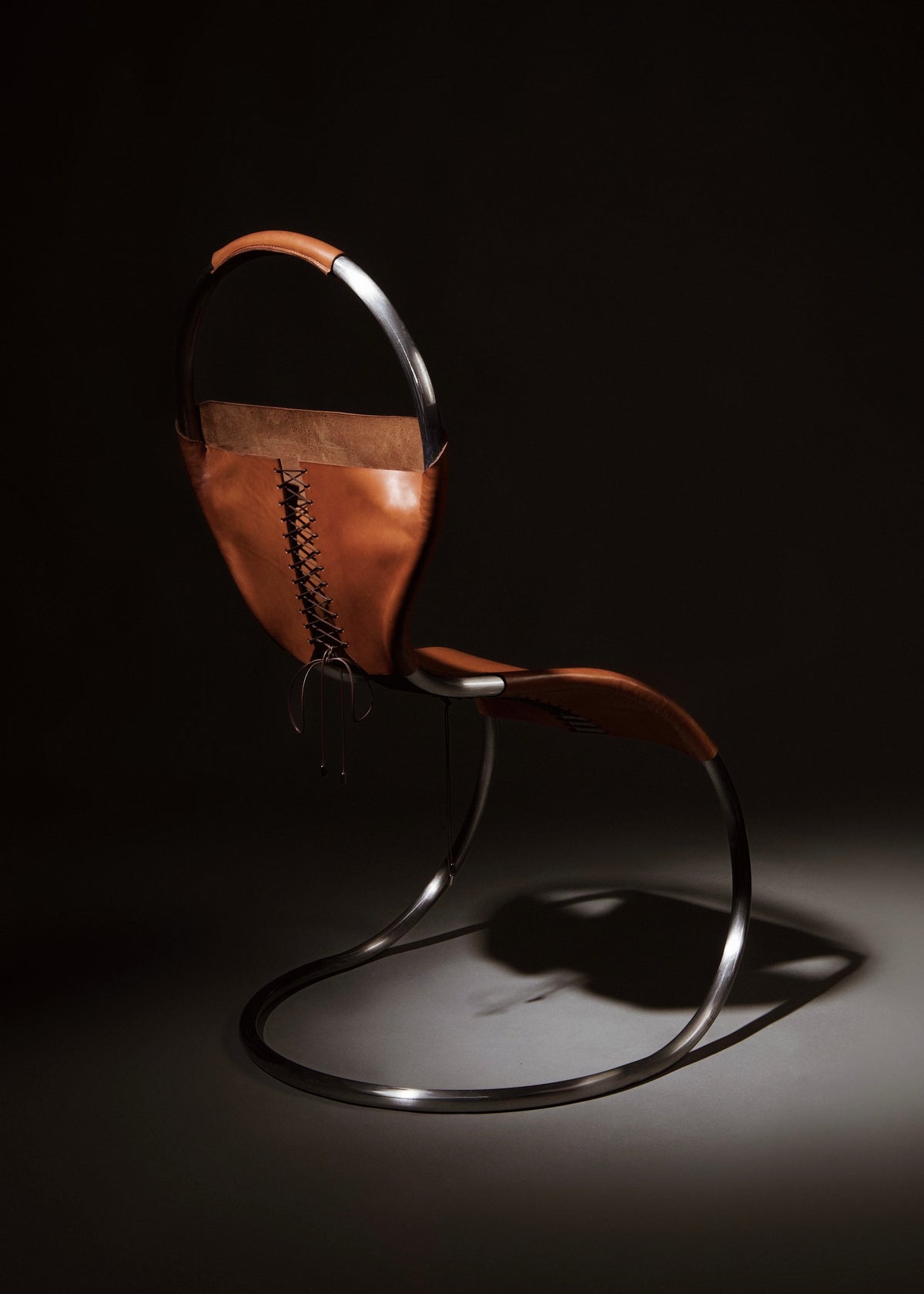
Fashion, music, photography and popular culture sit at the heart of his practice.
Growing up surrounded by the music and imagery of Prince, Michael Jackson, Madonna, Lady Gaga, Timbaland and Depeche Mode introduced Stiff to figures for whom creativity extended far beyond their primary discipline. Image, performance, identity and reinvention were all part of the proposition. It is an approach that has stayed with him.
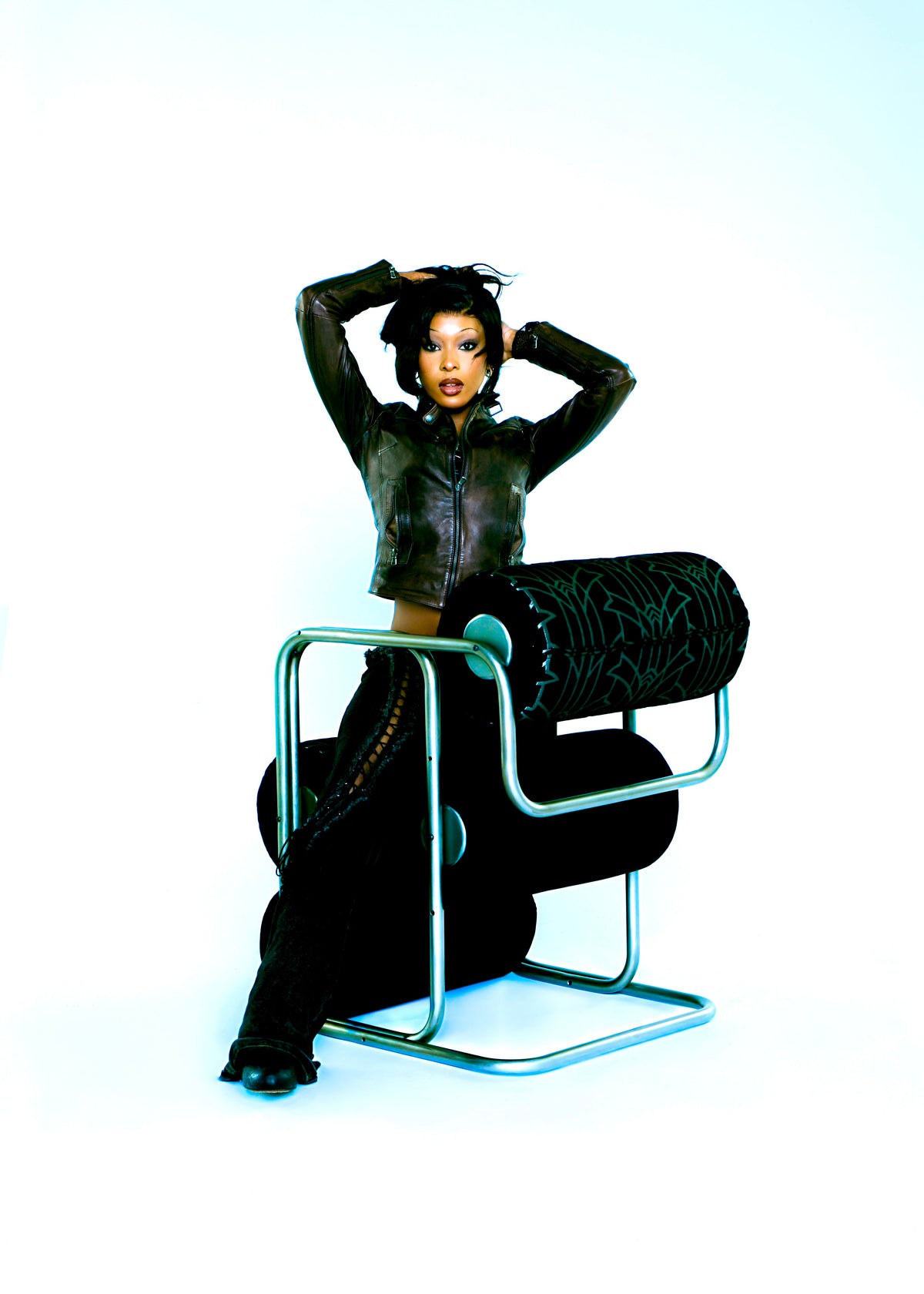
While Stiff has enormous respect for the principles established by designers such as Dieter Rams, he questions whether contemporary industrial design has become too comfortable within an established visual language: clean, functional, restrained and increasingly predictable.
His response is furniture with considerably more attitude.
Working at the intersection of furniture and fashion, Stiff explores bodily references, silhouette and the idea of dressing an object. Tweed, leather and luxury fashion offcuts are removed from their expected contexts and used to create sculptural pieces that feel closer to characters than anonymous products.

“I don’t want people to simply look at a chair,” he explains. “I want them to imagine the person who owns it, the room it belongs in, the music that’s playing and the culture that surrounds it.”
It is this idea of world-building that makes his approach particularly compelling. Stiff does not view furniture as an isolated object. Drawings, styling, photography, fashion and imagined characters all become part of a wider narrative around each piece.
The Socialite Chair
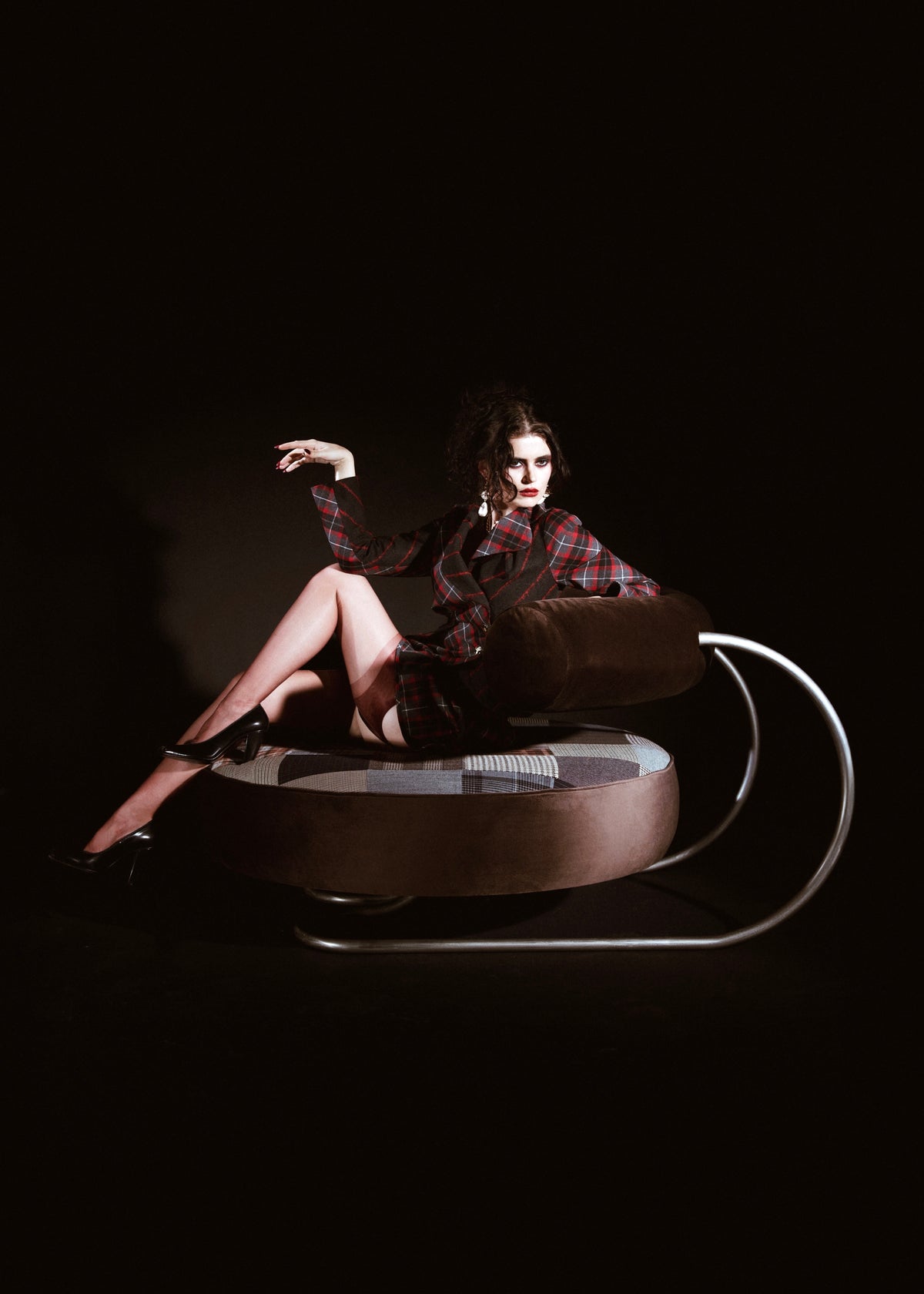
That thinking comes together in The Socialite Chair, Stiff’s Final Major Project exploring the potential of luxury fashion waste.
The project began with a contradiction. Luxury is built around desirability, craftsmanship and material value, yet the industry has historically faced criticism for destroying unsold products and excess materials in order to preserve exclusivity. For Stiff, the question was simple: how can something considered valuable one moment become waste the next?
Rather than approaching sustainability through reduction or aesthetic compromise, he wanted to demonstrate that discarded materials could become the starting point for something equally desirable.
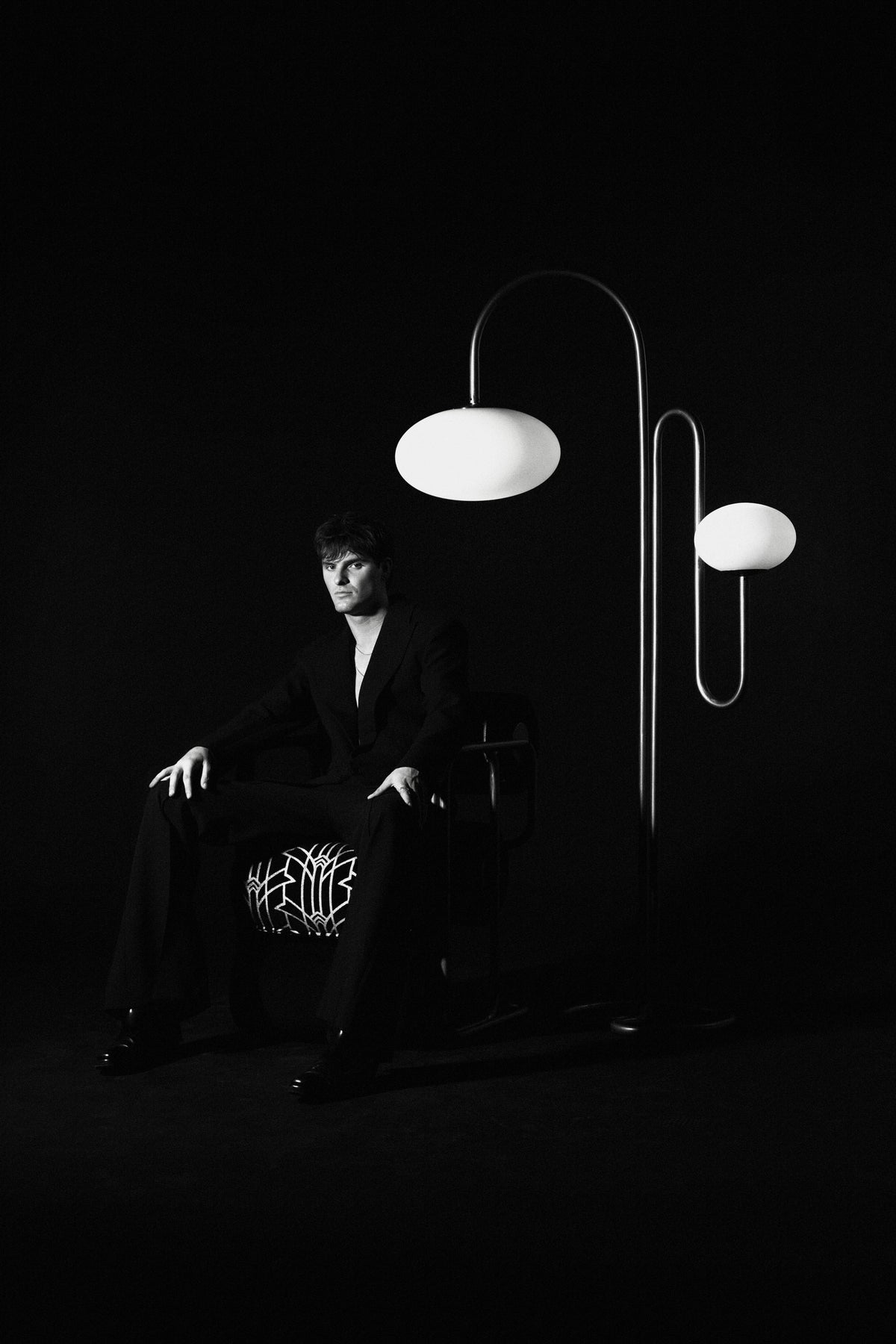
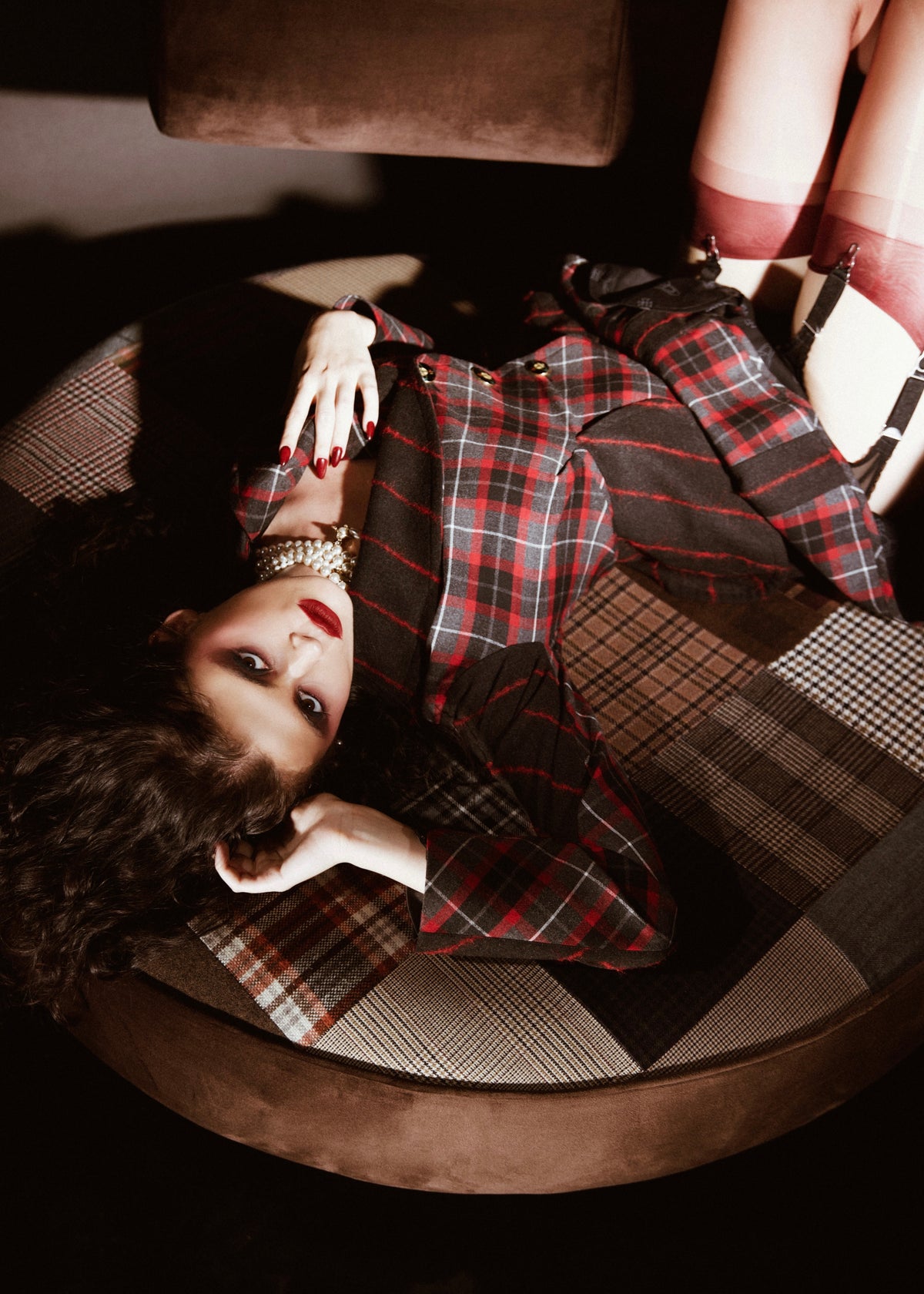
The chair is upholstered using production offcuts donated by Vivienne Westwood, transforming remnants of luxury fashion into a new design object while retaining their provenance. Their previous life is not hidden; it becomes integral to the story of the piece.
Securing authentic luxury materials was itself an important part of the process. Instead of turning to commercially available fabrics, Stiff approached Vivienne Westwood directly. The resulting relationship developed beyond material sourcing into a creative collaboration around the presentation of the chair.
For the campaign imagery, Andreas Kronthaler personally selected garments from the Vivienne Westwood archive and latest collection, allowing the fashion and furniture to exist within the same visual world.
The result is deliberately seductive.
References to the provocative glamour of early Tom Ford campaigns sit alongside the influence of figures including Madonna and David Bowie. Stiff treats the image of the object with the same consideration as the object itself, recognising that context, styling and storytelling can fundamentally change how design is perceived.
There are also echoes of designers such as Gae Aulenti, whose Locus Solus series demonstrated that furniture could be playful, theatrical and unapologetically expressive.
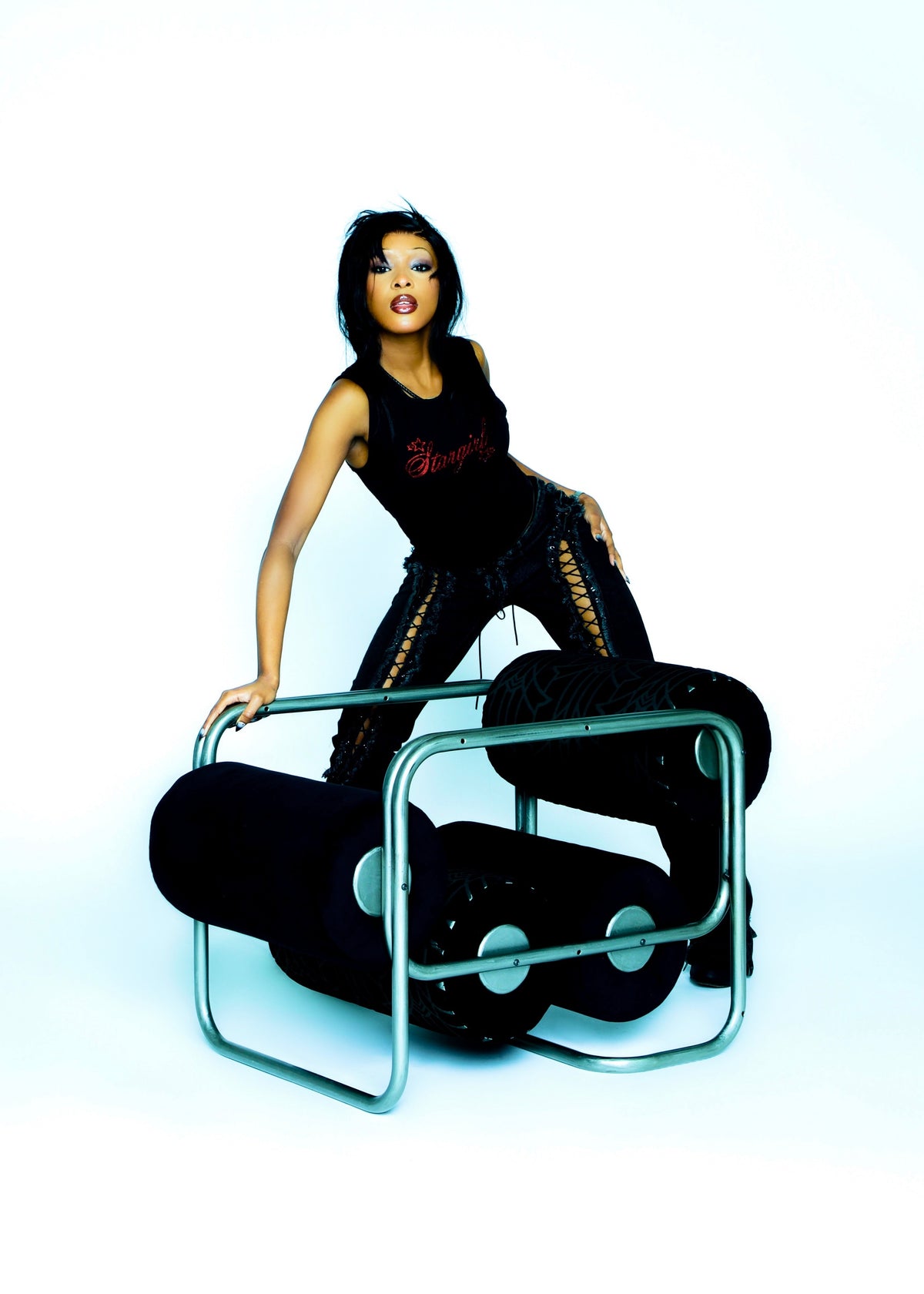
For Stiff, this is territory worth revisiting.
At a time when sustainability can still be communicated through a language of restraint, his work proposes something different: responsible design can also be luxurious, provocative and culturally desirable.
It is an approach that refuses to separate sustainability from aspiration or furniture from the wider cultural landscape.
Stiff is ultimately interested in making objects that people feel something towards. Objects with identity. Objects capable of occupying a room in much the same way as a great outfit, an unforgettable photograph or an iconic performer.
The Socialite Chair may begin with discarded material, but its ambition is much larger. It asks us to reconsider what we value, what we throw away and, perhaps most importantly, why furniture shouldn't possess as much personality as the people who live with it.
Oliver Stiff is a London-based designer currently completing an MA in Design Products at the Royal College of Art. His practice explores the intersection of furniture, fashion, material reuse and cultural identity.


