

From Mexico City to Miami to Mayfair: Natalia Miyar on Architecture, Identity, and a Decade of Building Beautifully
EXPERTS
Award-winning interior designer and architect Natalia Miyar joins OLISE Editor-in-Chief Bilen Zeremariam to mark ten years of her studio. From a childhood split between Mexico City and Miami to becoming a fixture of the London design scene, Natalia talks candidly about resilience, leadership, the immersive world she built for The 22 in Grosvenor Square, and why she's spending the next decade being more selective about everything.
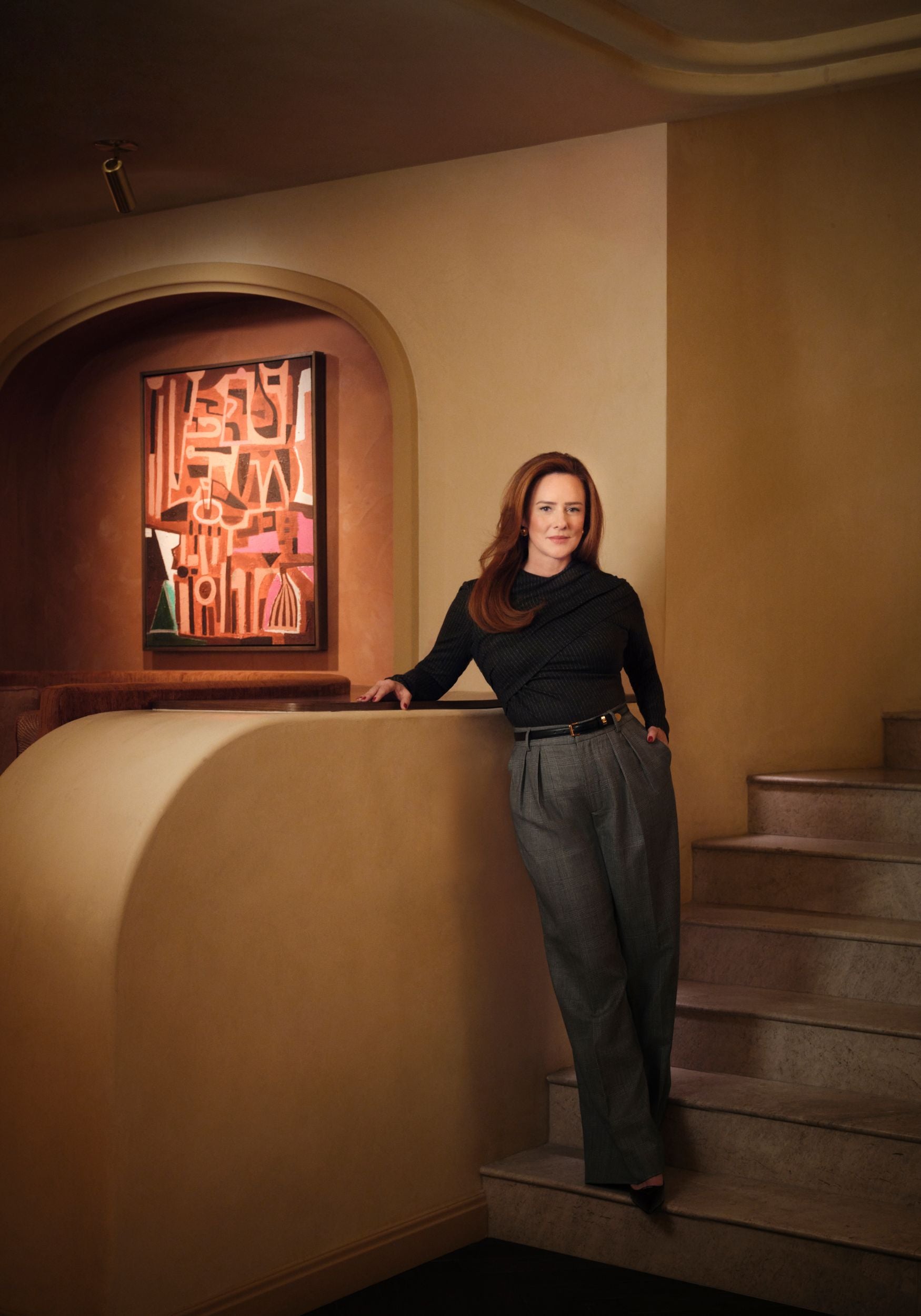
Q: Let's start at the very beginning. Where were you born and brought up?
I was born in Mexico City to Cuban-American parents and lived there until I was almost eight. People associate me with London and Miami now and forget that part, but I remember it as a really beautiful, happy life. When I look at the materials, colours and textures I'm drawn to today, it probably comes from that visual language of my childhood.
Q: How did you end up in architecture, given you actually studied art history?
It wasn't linear in any way. The plan was to move to London and maybe do a master's in art history. I ended up taking a temporary job at the University of Miami School of Architecture, writing publications and teaching a summer programme, just to save some money first. The day before the graduate programme started, I asked the dean, Elizabeth Plater-Zyberk, whether she thought I could become an architect. She said, "Why don't you start tomorrow." That's how it began. It came late, but it fit really well.
Q: You've been in London almost twenty years now but still have deep roots in Miami. How do you hold both?
I have a home in Miami and I love being there, my family and the people I grew up with are all there. But London is my city of choice. What's always resonated with me is the real diversity, exposure to people from so many corners of the world. I get bored if I'm not learning, and London never runs out of ways to teach you something, whether that's at a dinner party, on a construction site, or in a part of the city I don't normally spend time in.
Q: Your studio just turned ten. If you compared who you were when you launched to who you are now, what would you say?
She was naive. Optimistic. The work ethic was always there, that hasn't changed. But I had no idea what running a business was actually going to involve, and it's been a tumultuous decade, pandemics, Brexit, all of it landing directly on a small business. I'd say the first two or three years were the hardest. Every time you lose a great person from your team, or a project doesn't go the way you expected, you come out the other side a bit more resilient. So who I am now is resilient. A little wiser. I've learned more from my failures than from my successes, and I'm quicker now to look at my own role in what went wrong.
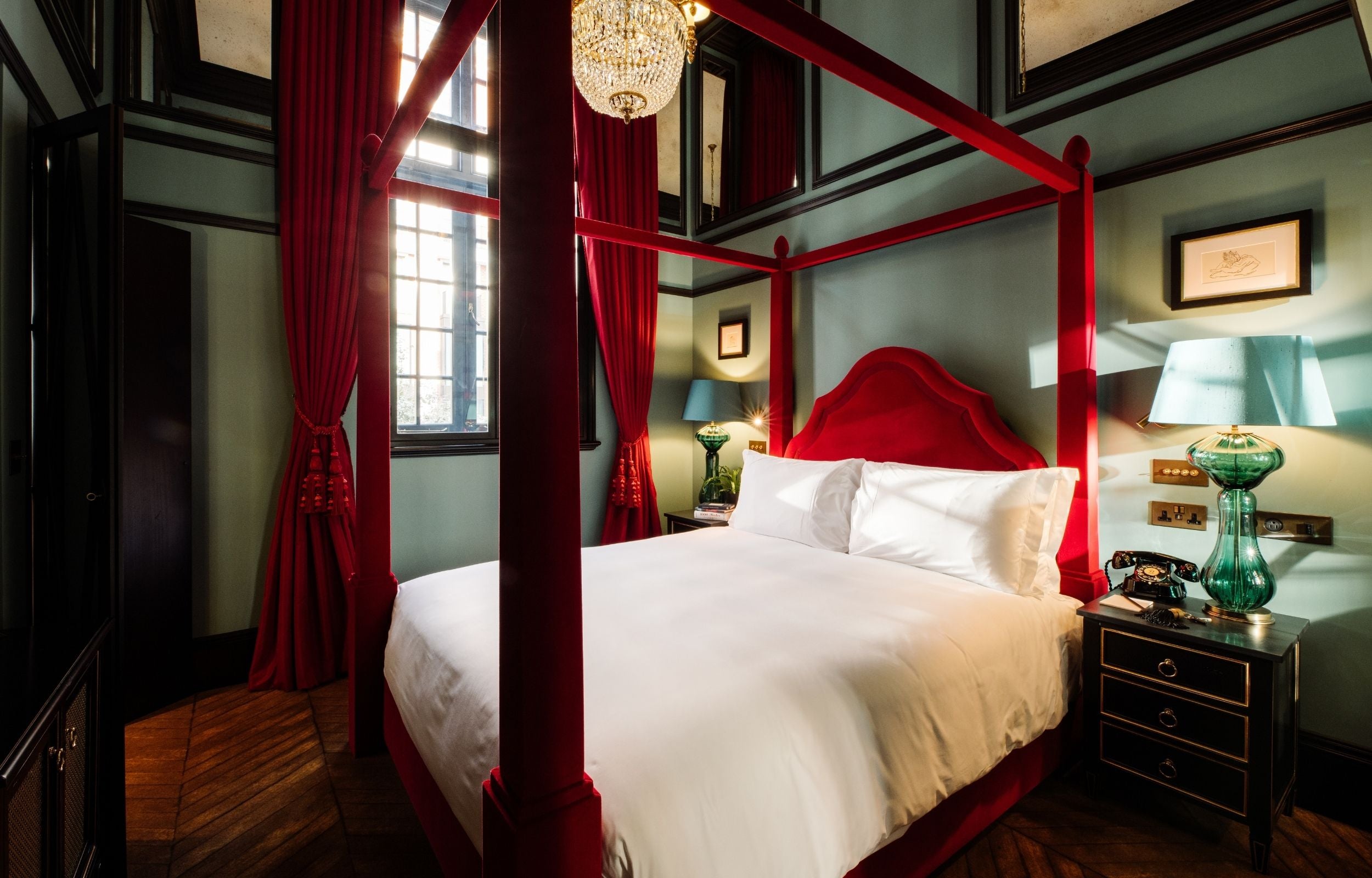
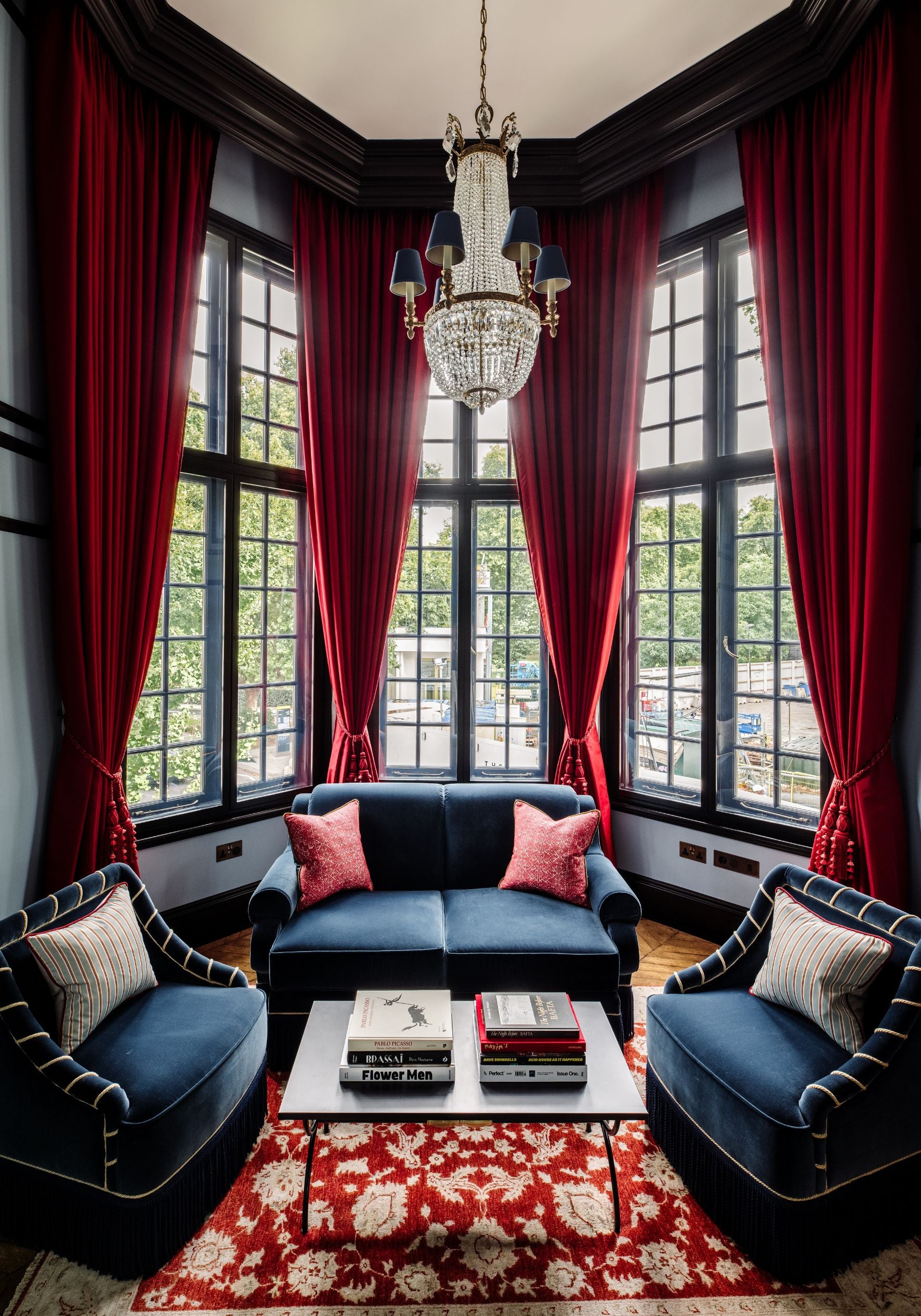
Q: I had the honour of experiencing The 22 in Grosvenor Square, and it's such an immersive project. How did that one come about?
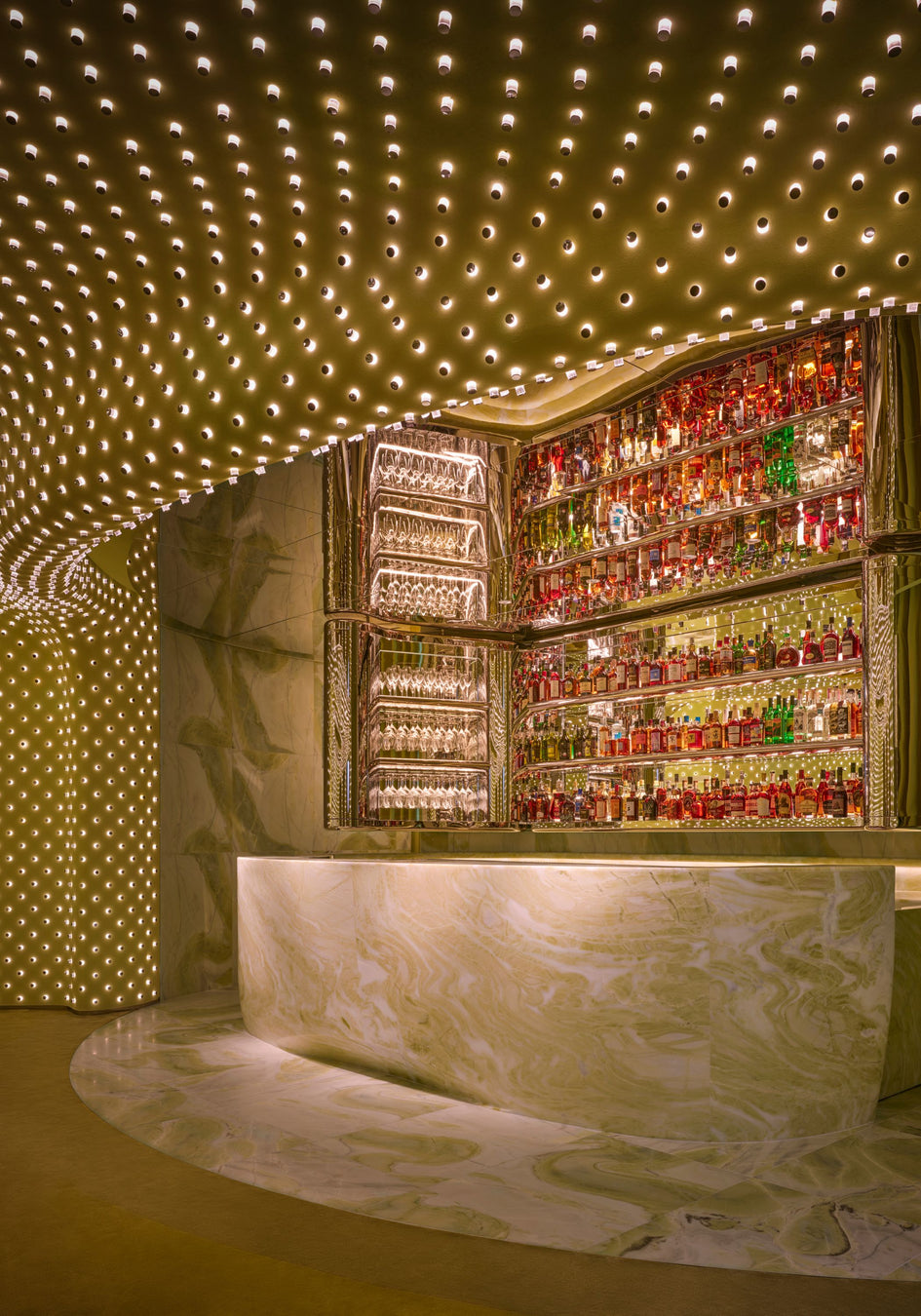
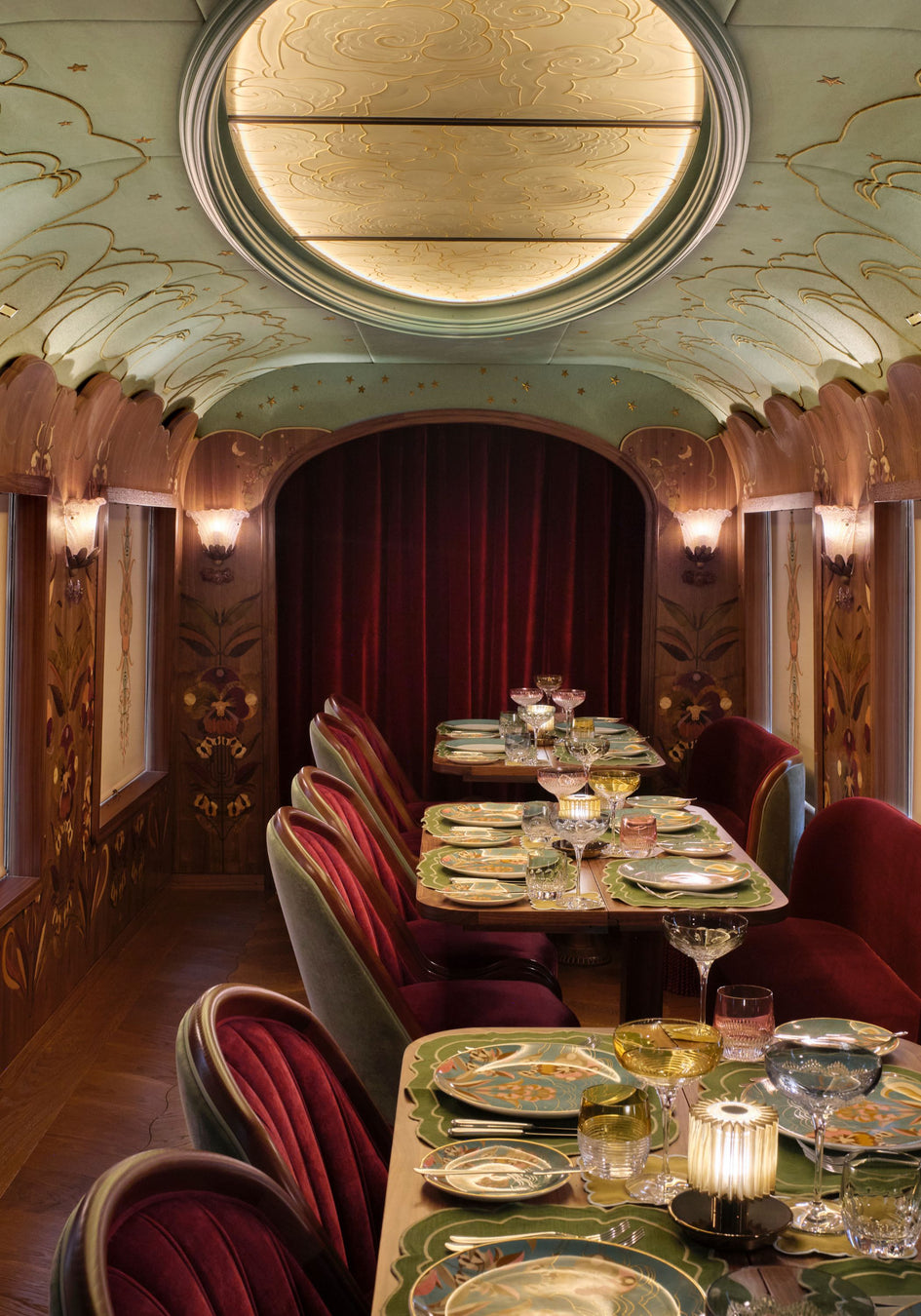
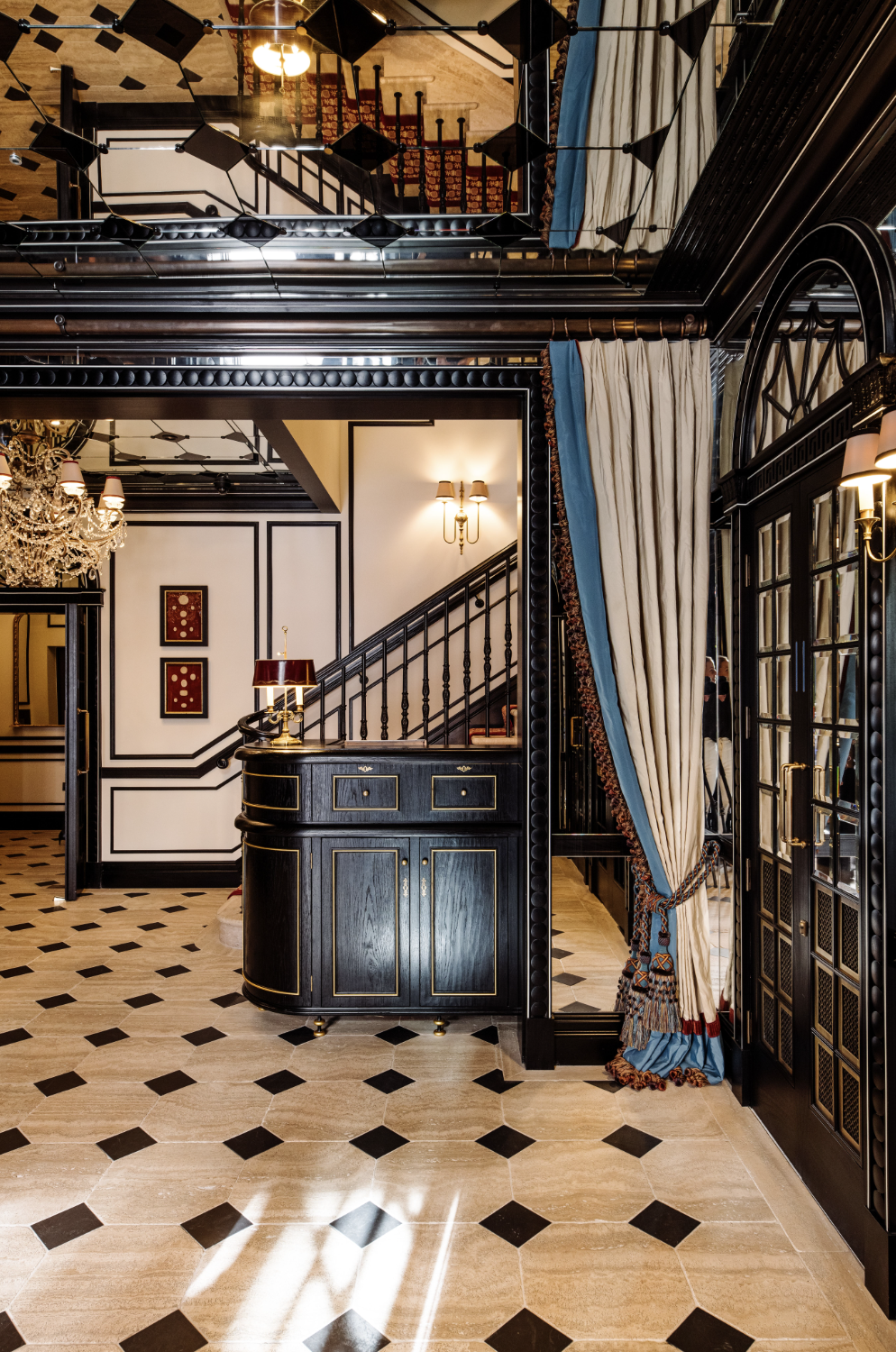
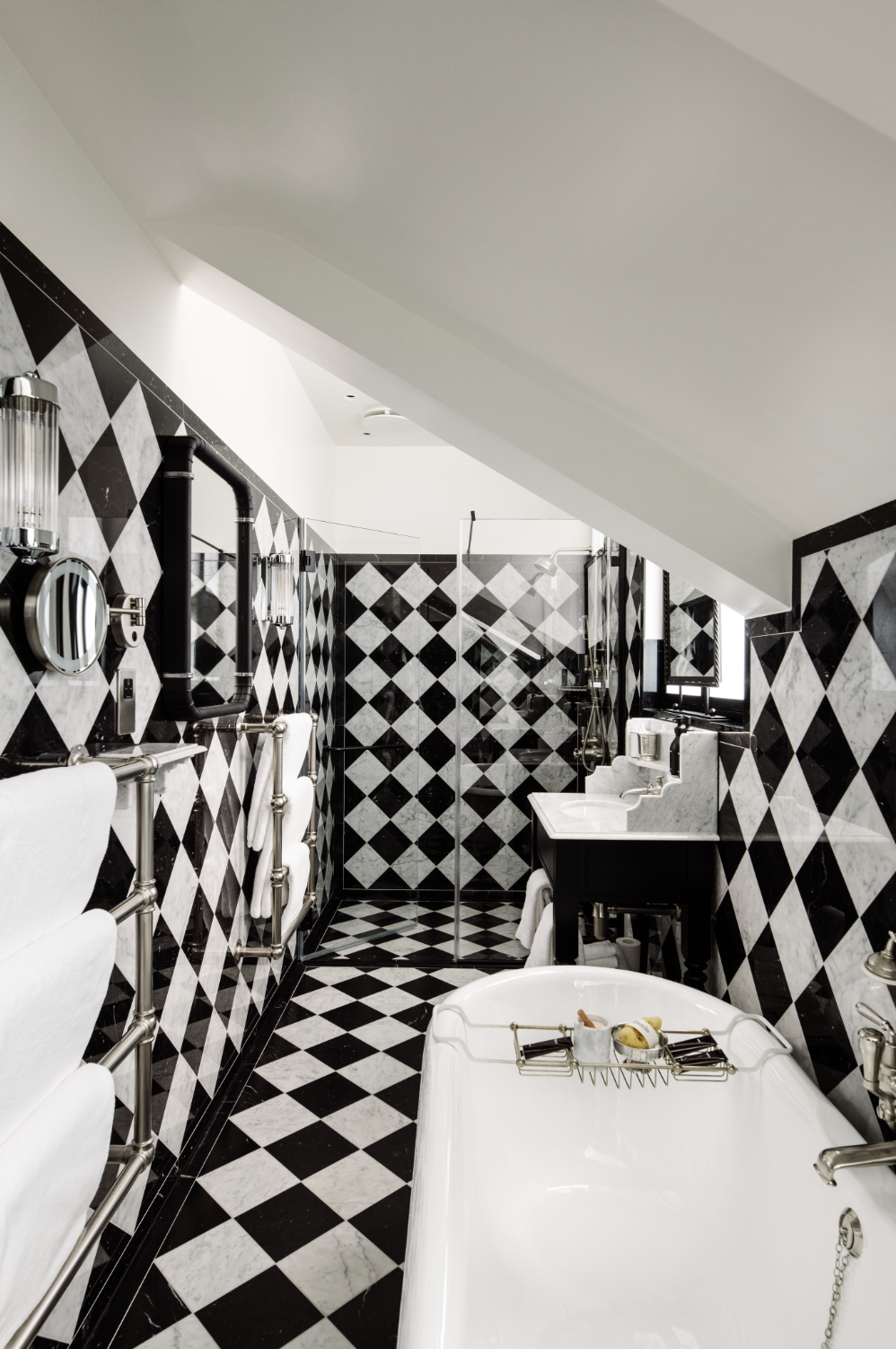
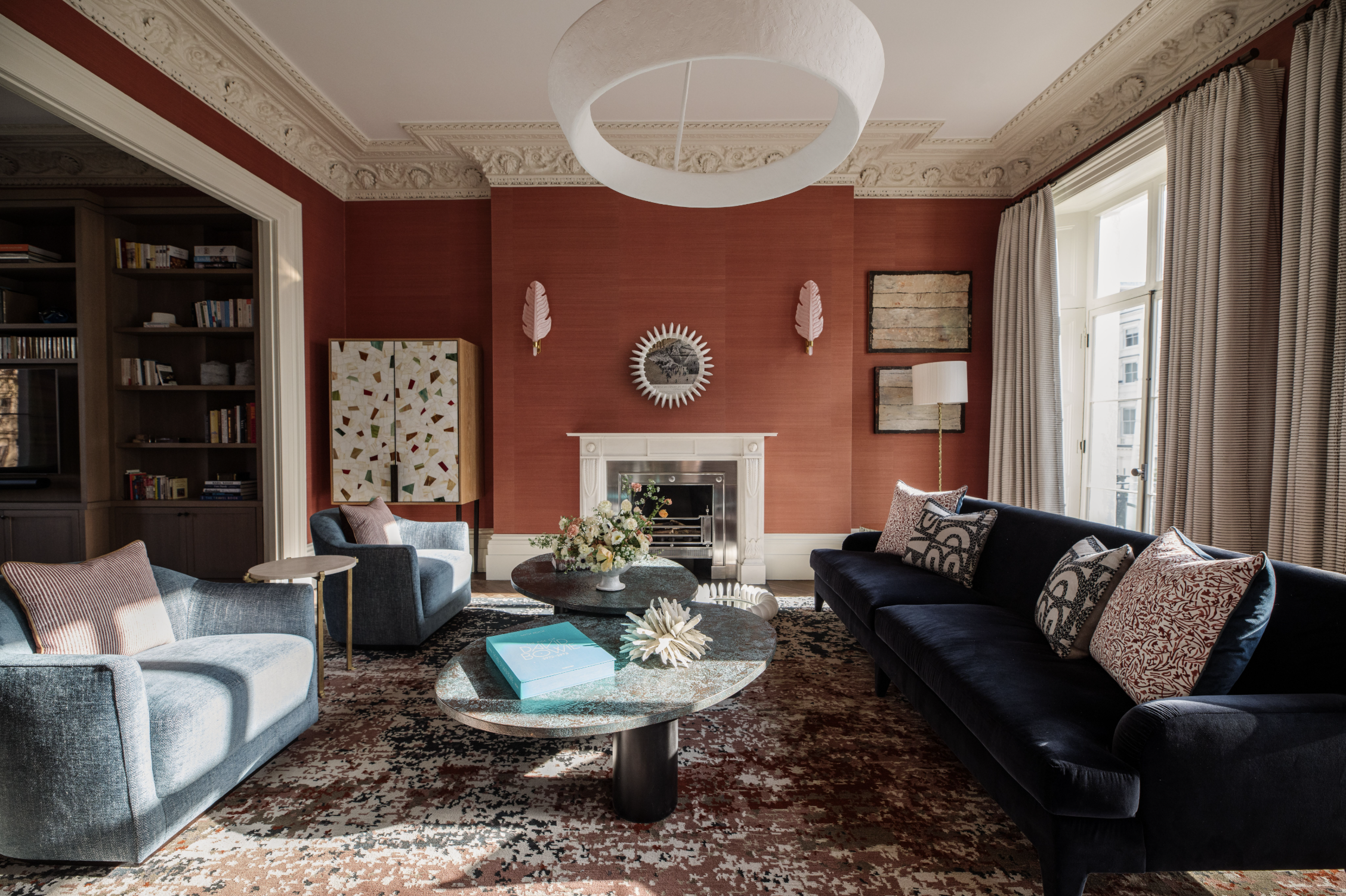
The owners were return clients, I'd done residential projects for them before, but The 22 was my first hospitality and private members' club project. What drives me when I'm designing is exactly that immersive experience, thinking about how someone is going to feel in a space, not just what it looks like for a photograph. How is it going to smell, how do the fabrics feel, how does the lighting shift from day to night. The owner, who's the creative vision behind The 22, and I genuinely designed a lot of it over WhatsApp, pictures back and forth, sketches. When you've worked with a client before, you speak each other's language.
Q: What have been the real challenges of running a studio in this climate?
The pandemic shifted how people work, and in some ways that's been positive, but I strongly disagree with the idea that office culture isn't valid anymore, especially in a creative industry. So much growth comes from the water cooler conversation, the in-person camaraderie you simply can't replicate on a call. I'm a big advocate for being together as a team. On top of that, Brexit has pushed a lot of my clients to leave London, so I've followed them, which has meant a lot more travel and learning a completely new set of architects and contractors in every new place.
Q: And the triumphs, after ten years of them?
Honestly, every time a client comes back for a second, third, fourth project, that feels enormous. But just as much, it's watching people grow. I think of a young woman who started as an intern with me and now has her own studio back home in Cyprus. A senior designer who was on site in Massachusetts this morning, holding her own in a room full of people who should have known more than her. My personal assistant of fifteen years now styles photo shoots for us. Those relationships, watching someone move on to do something completely different after years with you, that's genuinely gratifying.

Q: How would you describe your leadership style?
I try to give my team the bigger picture rather than just instructions. I'm open about why a decision gets made, why a design works or doesn't, why we approach a client one way over another. If you explain the journey, people become part of the process rather than just being told what to do. I'm very direct, which doesn't work for everyone, but I think there's a generosity in a leader explaining their reasoning, and I had that from my own mentors.
Q: What does a typical day look like for you, and how do you find peace in it?
There isn't really a typical day, that's part of what I love about it. But I stopped watching the morning news, it was feeding a low-level anxiety I didn't need. Mornings are quiet now, a long walk with my dog, no noise. I exercise because of how it makes me feel rather than because I love doing it. Beyond that, every day is genuinely different, and I like it that way.
Q: Have you learned to give yourself grace?
Honestly, no, not fully. I think women, especially women of my generation, are programmed to please. I see it in my own office, recently I watched one of my designers fixing problems on site for a group of men who were far less equipped than she was, because that instinct to smooth things over kicks in automatically. As a business owner, you mostly hear about what's going wrong rather than what's going right, so grace doesn't come naturally. I'm maybe a little better at it than I was. Still very much a work in progress.
Q: Looking back over the decade, what's the biggest lesson?
That your state of mind is a choice. It's easier said than done, and it comes from growth, but it's the thing I keep coming back to. People are going to come at you with good things and difficult things, and the only thing you can actually control is how you respond. Choosing to see a failure as a lesson rather than a wound, that's something I'm genuinely better at now than I was twenty years ago.
Q: What does the next ten years look like for you?
This feels like a year of shedding, if my horoscope algorithm is to be believed. Fewer projects, but ones I can really craft, and getting back to being more immersed day to day with my team rather than constantly travelling. I'd also like to share a bit more of the real picture, the ups and downs, because social media makes everything look too glossy, and I think that creates insecurity in other people. Life is a series of good and bad, and I think it's worth talking about that honestly.
Q: What would you tell someone who wants to start their own studio today?
You need clients before anything else. I was on a panel once with people who had a beautiful office space or a design library all planned out, and I asked, do you have clients? They didn't. None of that matters without them. Decide what's genuinely unique to you, your niche, your authentic brand, because there are a lot of talented designers out there and the only way to stand out is by being authentic rather than trying to do every project. Clients, a clear vision, and the ability to adapt.
Q: What makes you happy right now?
My friendships, more than anything. I'm very lucky to have incredible friends and a close relationship with my family, my niece and nephews especially. A few years ago I made a conscious effort to invest more in those relationships, because I can be a workaholic, and I know I've let people down by getting hijacked by work. Friendships sustain you in a way that nothing else does.
Q: Where do you find inspiration?
Everywhere, honestly. I once designed a room because I liked the colours on a duck, it was a very pretty duck. More seriously, a lot comes from historical references, vintage books, and travel. There's been so much done already in design that true innovation is rare, and that's not a bad thing, good proportion exists because it resonates with us. I love fashion too, the Schiaparelli show at the V&A right now is well worth seeing. The unifying thread is always a willingness to stop and really look at something, and ask why it's beautiful.
Q: What advice would you give a young design student?
Don't be in a rush. I spent a summer in Rome during architecture school and it was incredible, seeing something different every single day. Design isn't like painting, you can't throw away the canvas if you get it wrong, it's an expensive thing to get wrong. I didn't set up my own studio until I was forty, because I felt I had so much to learn first. There's real value in apprenticeships, working across different studios, big and small, before going out on your own.
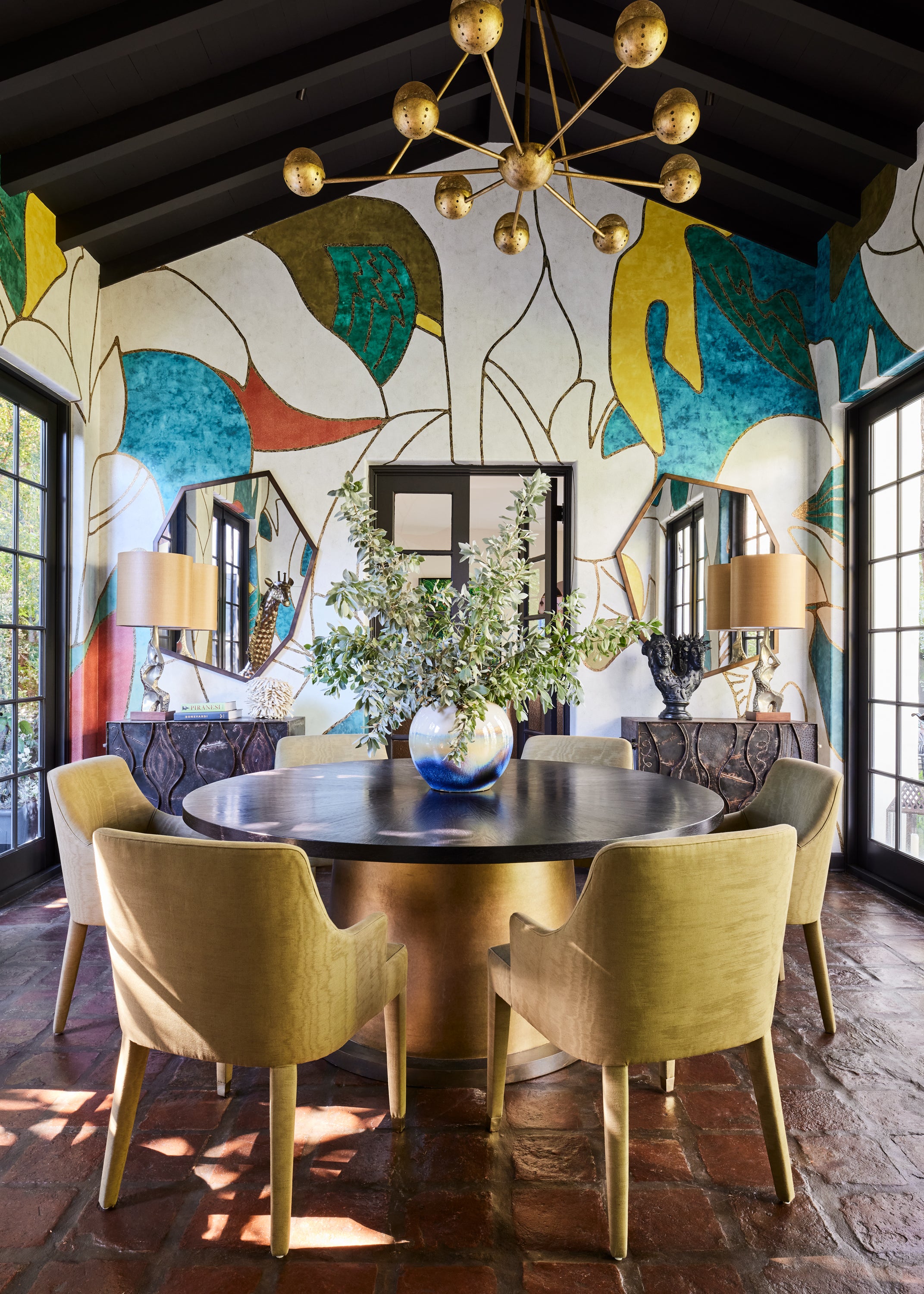
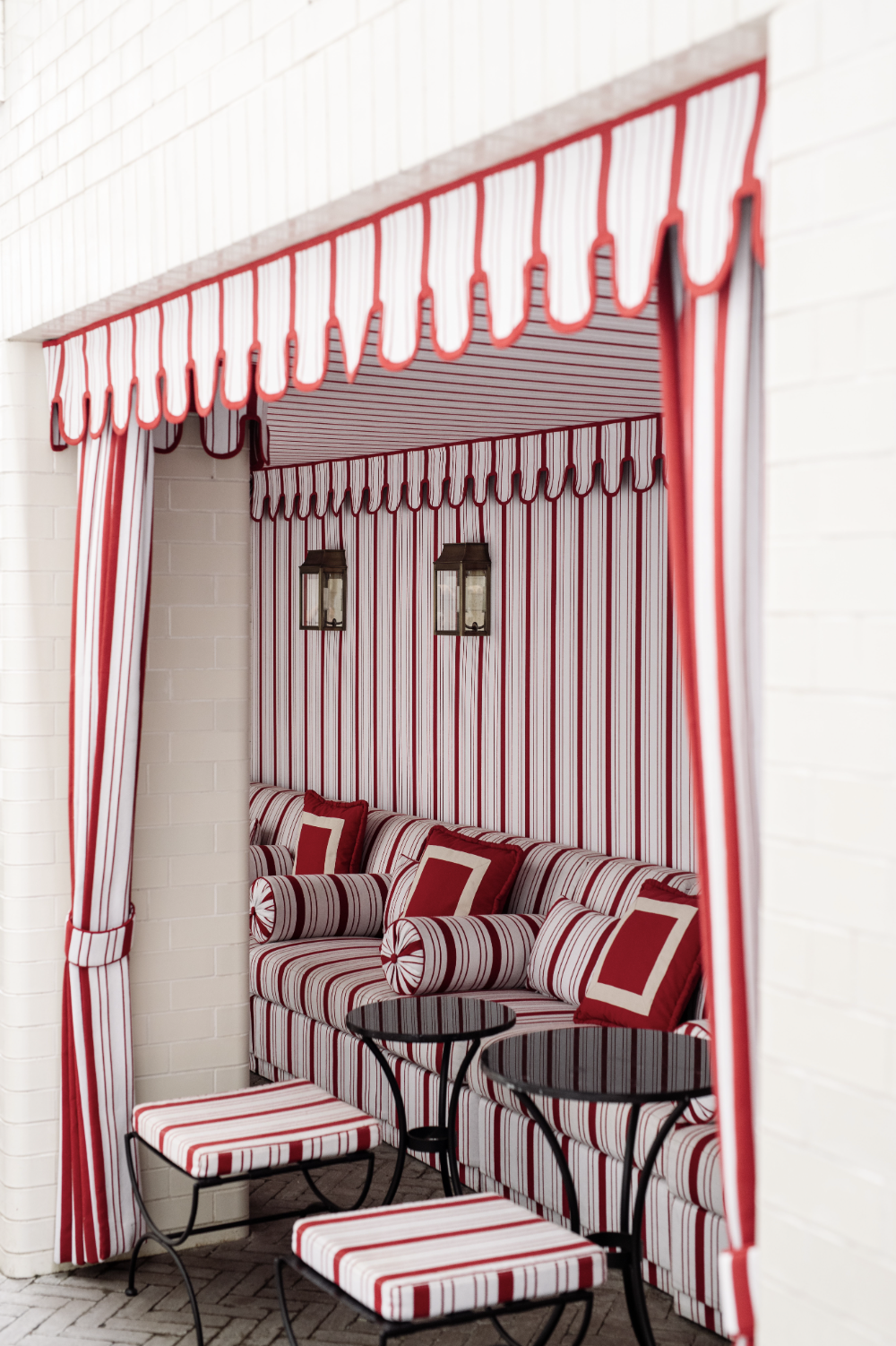
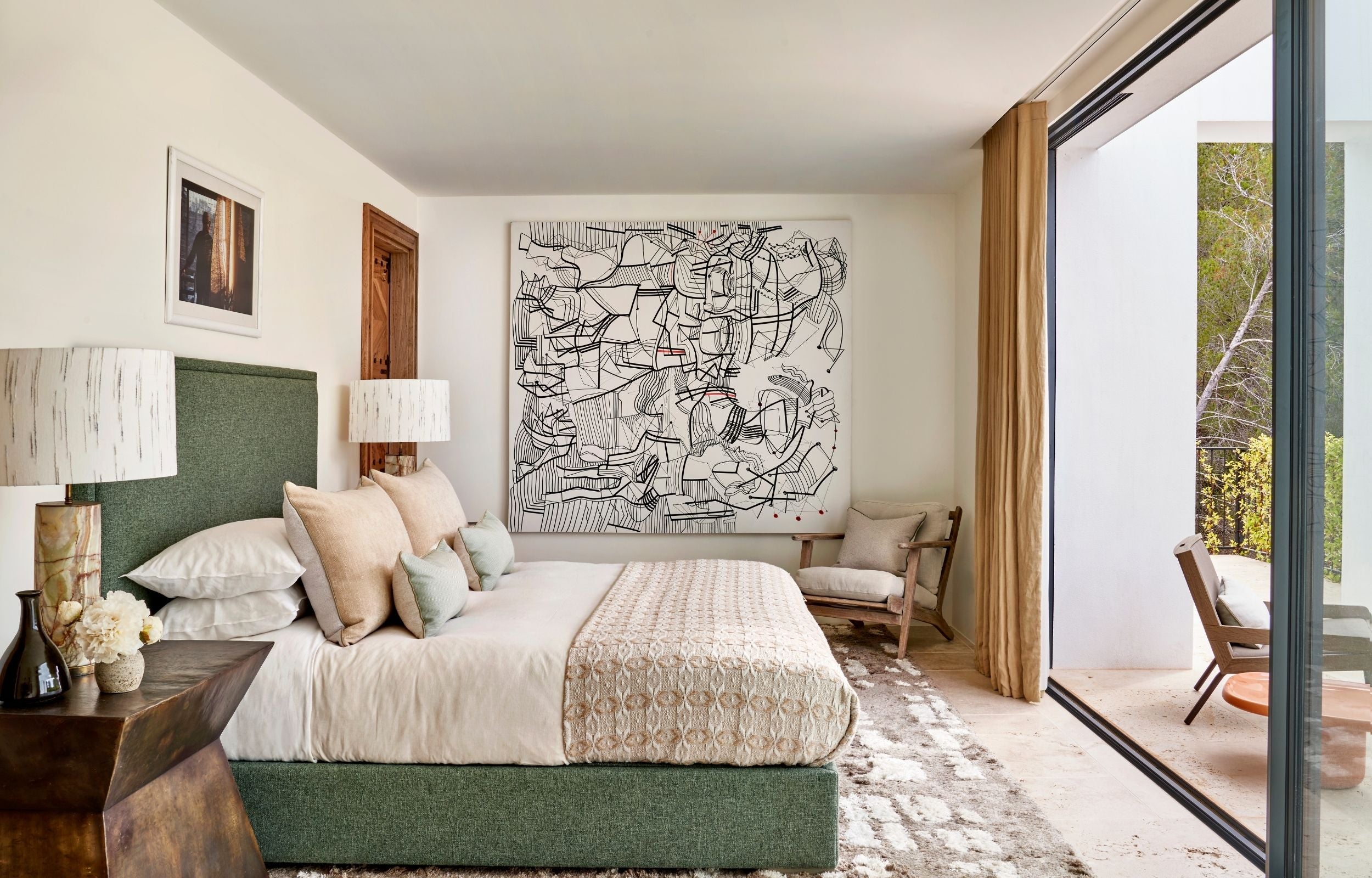
Photography by Ana Lui (The Vivid Townhouse, The 22), Nicole Franzen (The Garden House), and Milo Brown (The Treehouse)


