


Photography by Leighton James, The Property Photographer
Levan Design House on Restraint and Instinct
EXPERTS
Levan House Design was formed by three designers, Lynsey, Brett and Anthony, whose combined decades in the industry only recently became a formal partnership. We spoke to the founders about restraint, period architecture, and what it takes to build a studio around a shared instinct rather than a single name.
Q:Before Levan House, what first drew each of you to interiors, and was there a moment when you realised design would become your career?
All three of us arrived here differently, which is part of why it works.
For Lynsey, it came through property. Buying and renovating period homes had been part of her life since her late teens, more than a decade of taking on rundown houses, doing them up and selling them on, with a love of interiors running underneath it the whole time without a proper outlet. When her children were old enough she trained formally at KLC in Chelsea, and that was where it became a career rather than something alongside everything else. She started her own studio straight out of the course and built it slowly, project by project, into the practice Levan House grew from.
For Brett, it started absurdly early. While his siblings circled toys in catalogues, he was choosing furniture. He studied graphic design, illustration and then fine art, but the clarity came from an unexpected direction. He spent years as a flight attendant, and while colleagues spent layovers at the bar, he was in the museums, galleries and interior shops of every city he landed in, bringing furniture home in the hold to the despair of the crew. He left flying fourteen years ago for a senior role in London residential design. That was when the lifelong instinct became the work.
Anthony was at the same London practice as Brett for fourteen years. But where Brett thinks about how a space is layered and decorated, Anthony thinks structurally, how a room fits together, how it feels once it is finished, whether it sits comfortably in a building of its age. His interest started young, and it was always about how things were made to serve the room, the hierarchy of objects and architecture and how they hold together. As a boy he rearranged his bedroom endlessly, like tetris, always after the same objective, getting the most out of a space. What he values most is putting the client and the project ahead of his own taste. His job is to work out what is right for a space, not to let his own preference drive it. That is where his passion lies.
Q: Partnerships can be incredibly rewarding but also challenging. What have you learnt about working so closely together, both creatively and professionally?
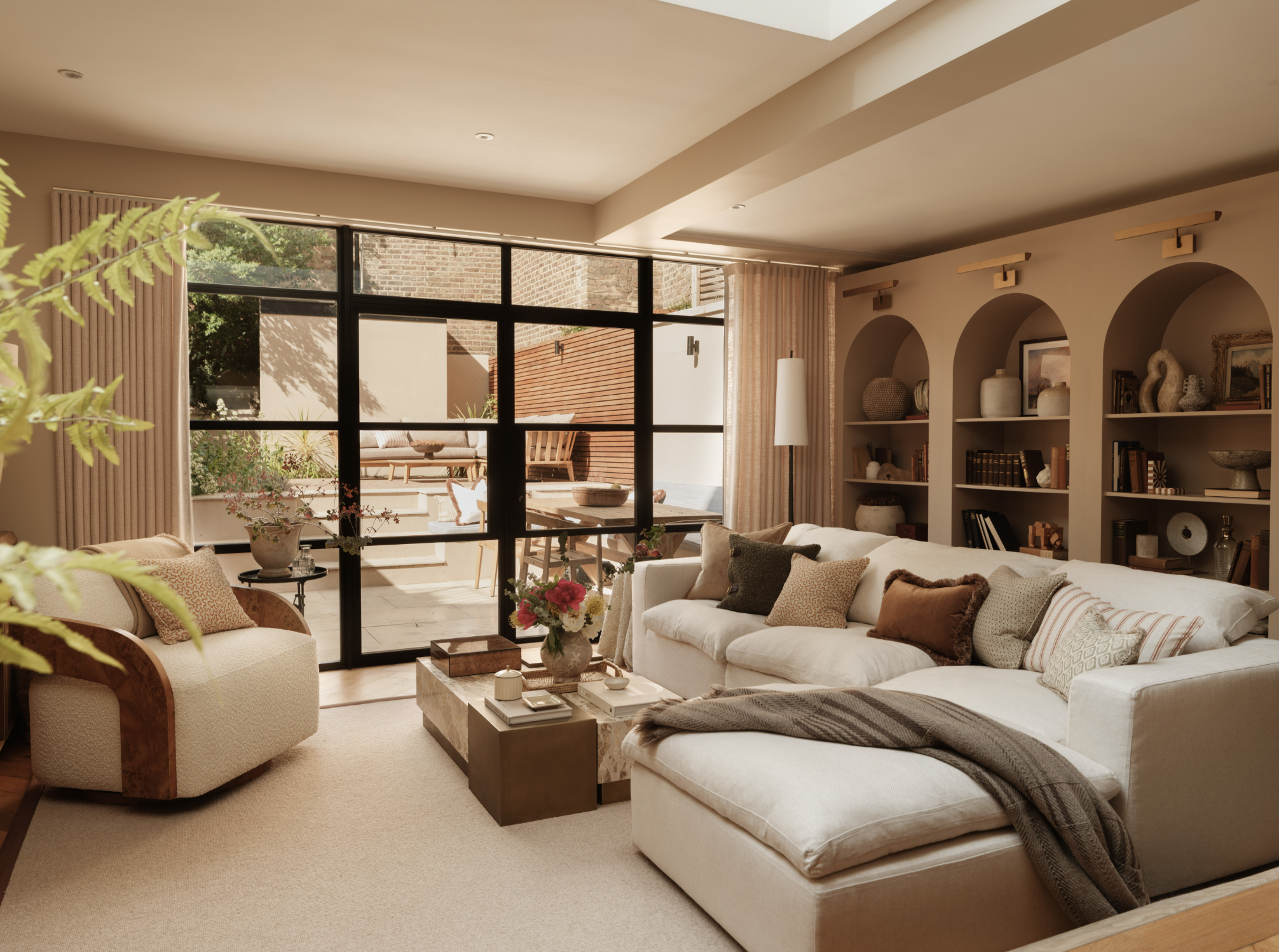
It works because our strengths sit in genuinely different places. Anthony thinks architecturally, the structure and proportion of a space. Brett layers exactly the right piece into exactly the right spot. Lynsey holds the overall direction and the client relationship. An idea has to get past all three of us before it reaches a client, so by the time it does, it is usually right.
The honest challenge is that we are all driven and the work does not stop at the front door. The real lesson has been knowing when to put it down, and when it is fine to keep going because we are all still in it. Most decisions resolve themselves through conversation rather than compromise, which does not happen in every partnership.
Q: Every studio develops its own way of seeing the world. What are the influences, outside of interiors, that shape your creative thinking most?
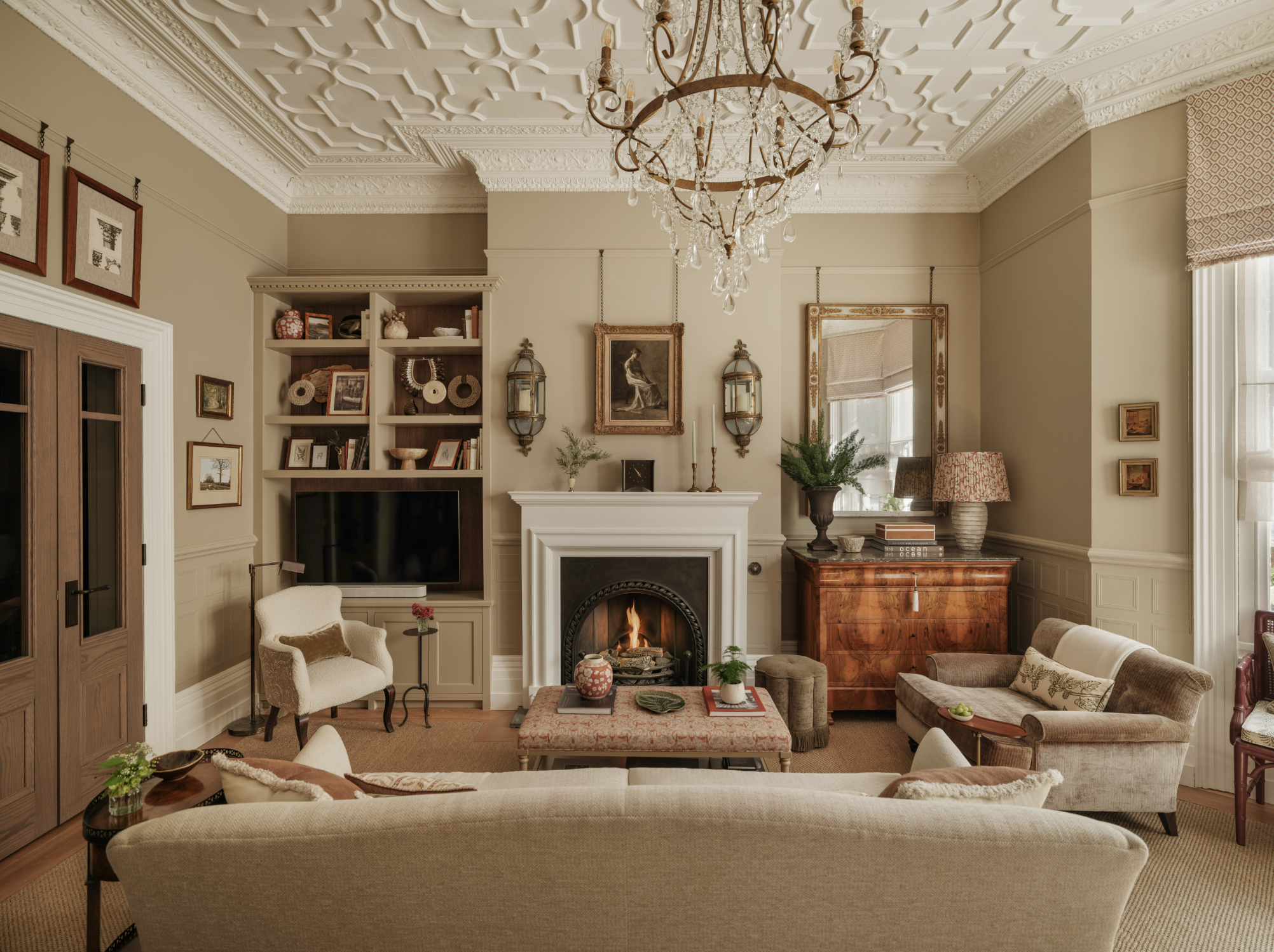
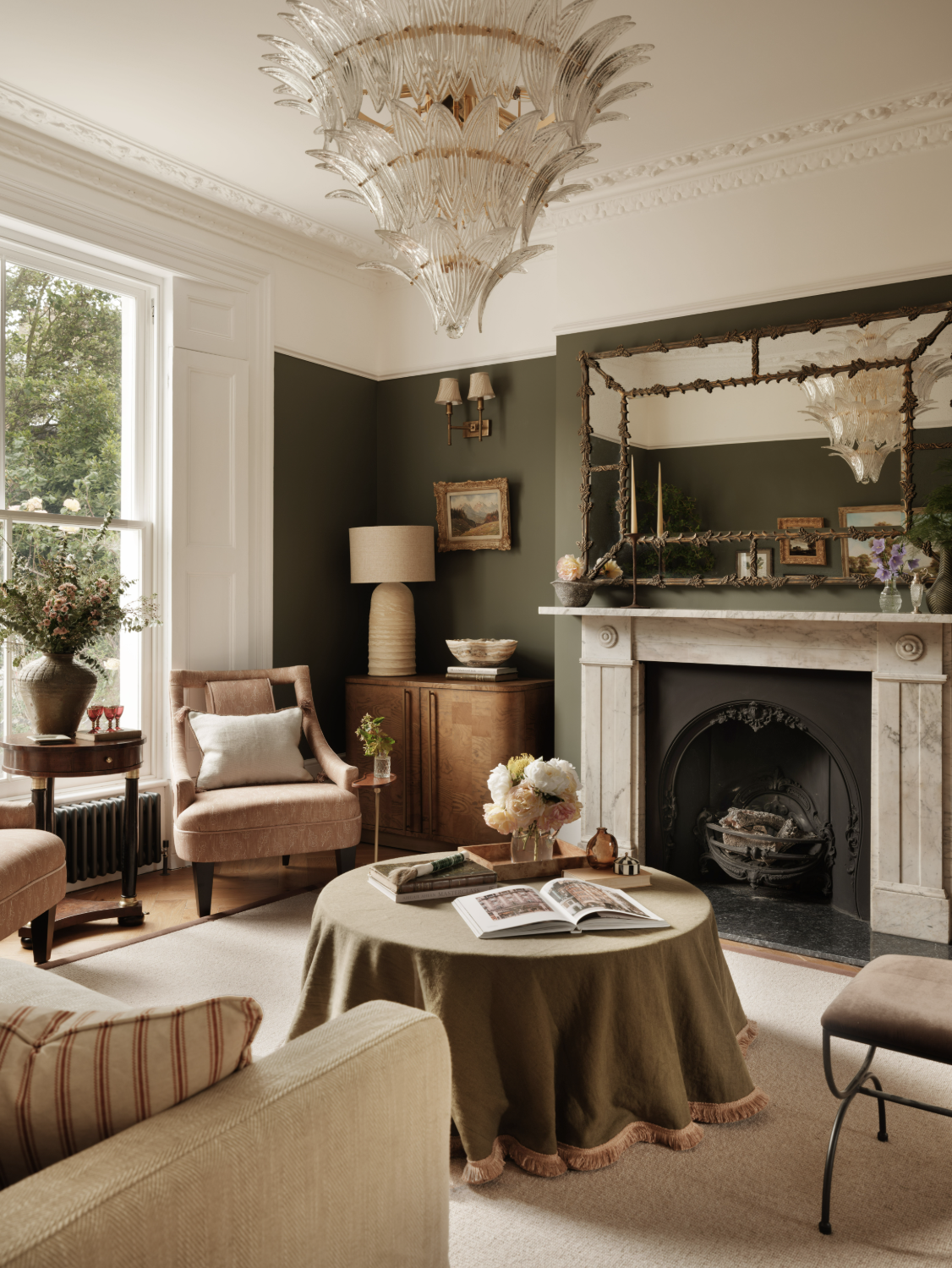
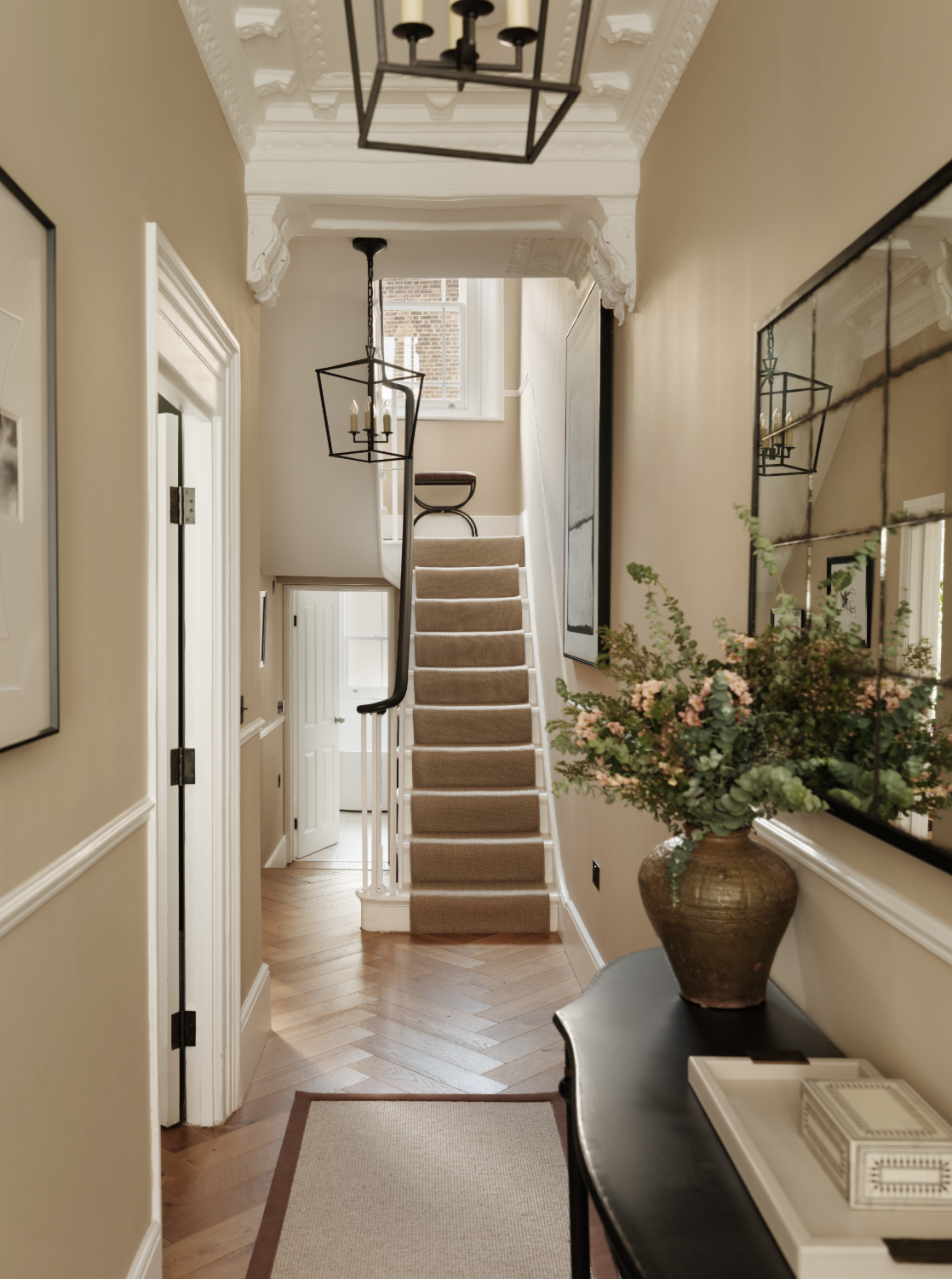
Architecture, history and nature, and we mean that plainly rather than as a cliché. Trends come and go, but a Regency Bullseye fireplace or a Victorian Acanthus cornice endures, and nature is never wrong. Visit a city and always look up, look at the buildings, look at the hills and the woodland. It's all there for the taking.
For Brett it is the houses specifically. Every few months he will go and read a country manor room by room, the panelling, the paint, how the furniture sits against the architecture. Georgian, Victorian or Arts & Crafts, each teach a different kind of restraint.
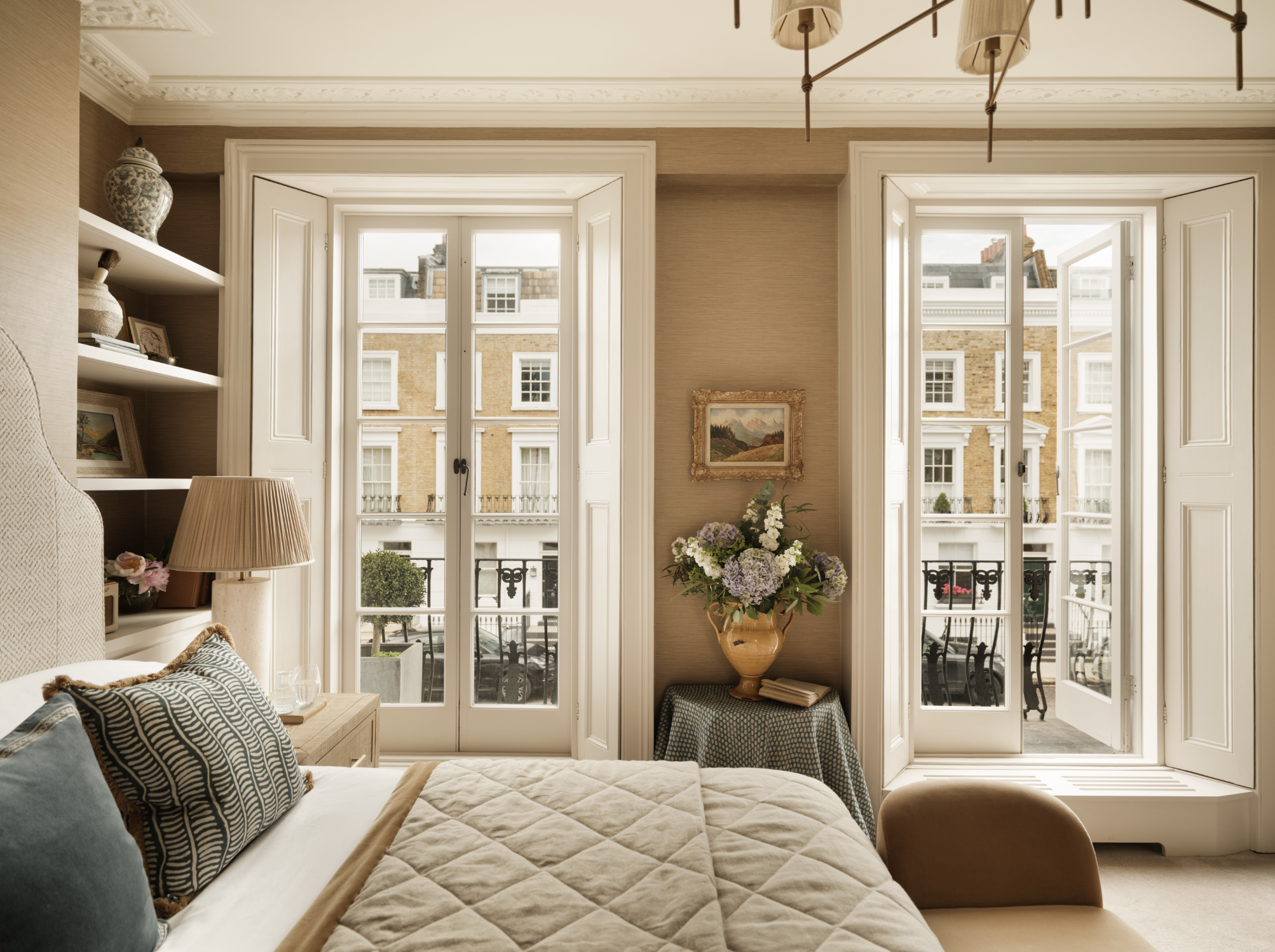
Q: The homes we design often tell stories about the people who live in them. What do you hope clients feel when they walk into a completed Levan House project?
Two things. The first, Lynsey calls the Fizz, that stirring in your chest when a room genuinely excites you, when the colour, the mix of antique and contemporary, the texture and the layering all come together and do something to you.
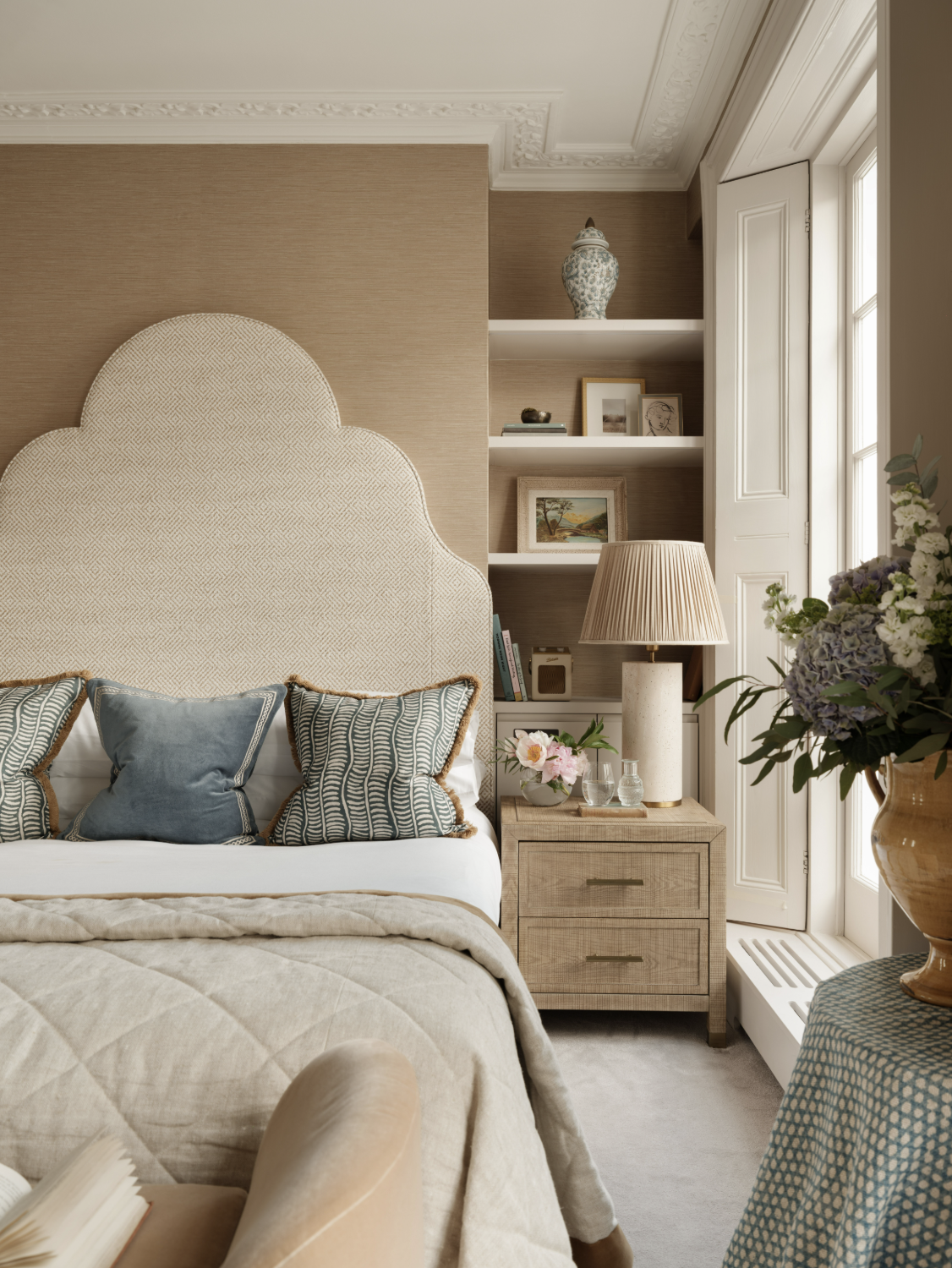
The second is quieter and just as important, instant ease. On handover day a client should be able to properly settle, without the low hum of where does this go, what do I do with that corner, is that the right lamp. Every decision has already been made, and made well, so the house is ready to be lived in the moment they walk through the door. A room has to work as hard as it looks, because someone has to live in it.

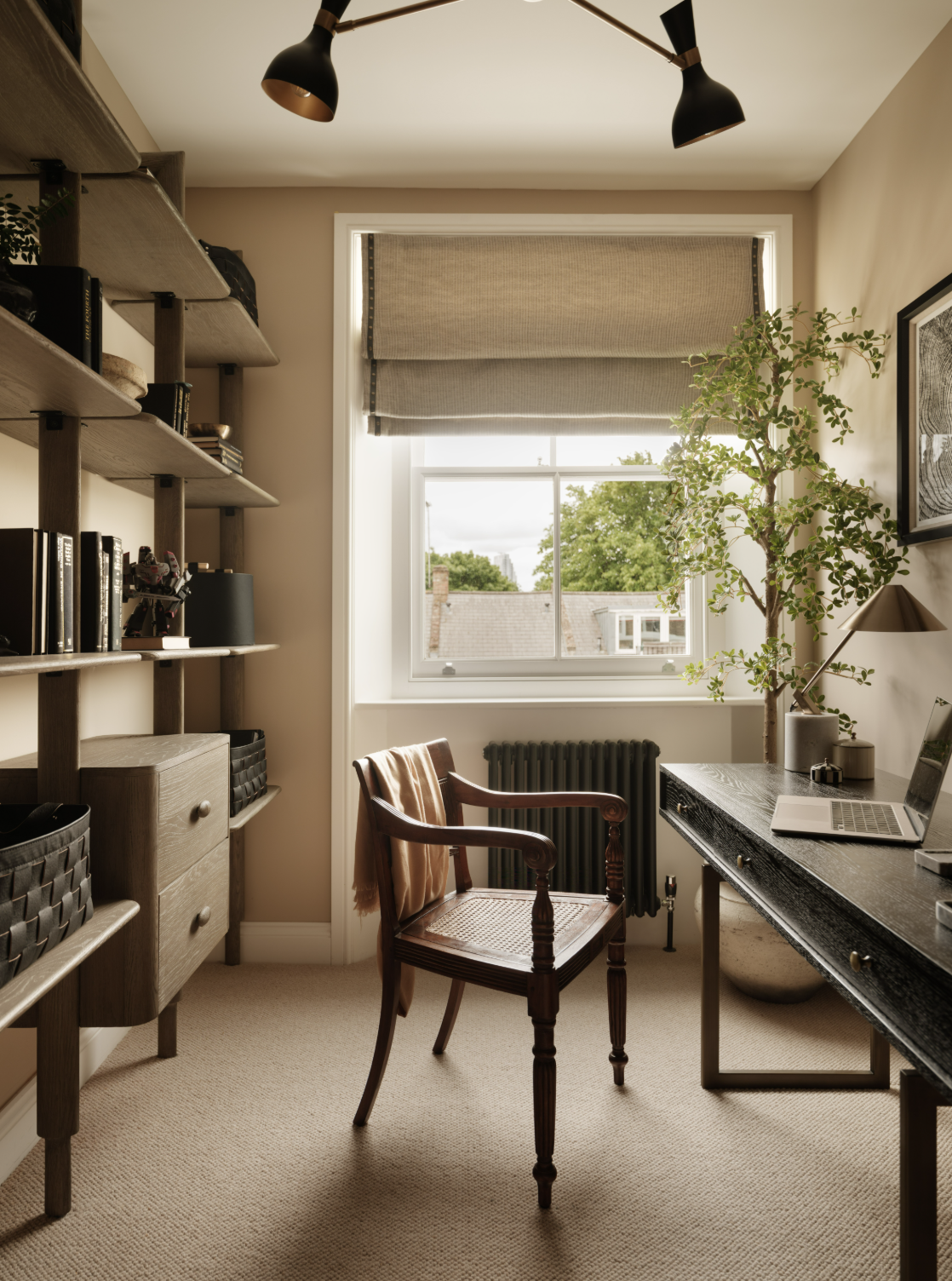
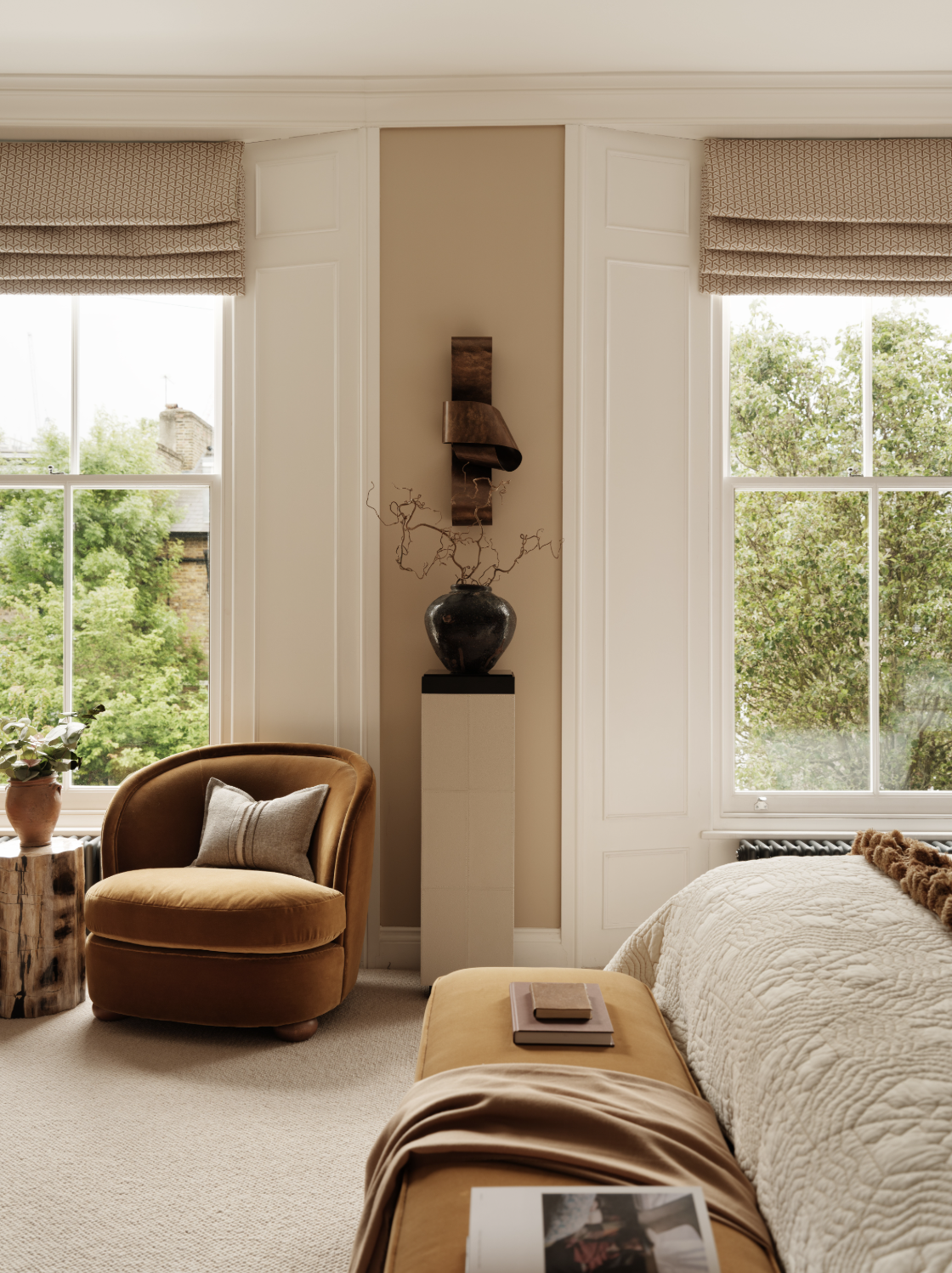
Q: Forming a partnership is a significant decision. Was there a particular conversation, moment, or shared ambition that made you realise you could build something stronger together than apart?
Lynsey: Levan House did not begin as a launch. It began as a practice that had evolved and outgrown its former. I had worked on a referral basis for years, never really advertising, and the projects kept getting larger and the diary fuller. It became clear I needed senior people who could hit the ground running.
The three of us had been friends for over fourteen years, and Brett and Anthony had been a voice for a long time already, weighing in, talking through projects, advising from their own experience. When I sat down to think about who I actually wanted around me as the studio grew, the answer was already in the room. We first talked about it properly last year, then left it, then picked it up again a few months later. Formalising it as a partnership was less a decision than an acknowledgement of what was already true.
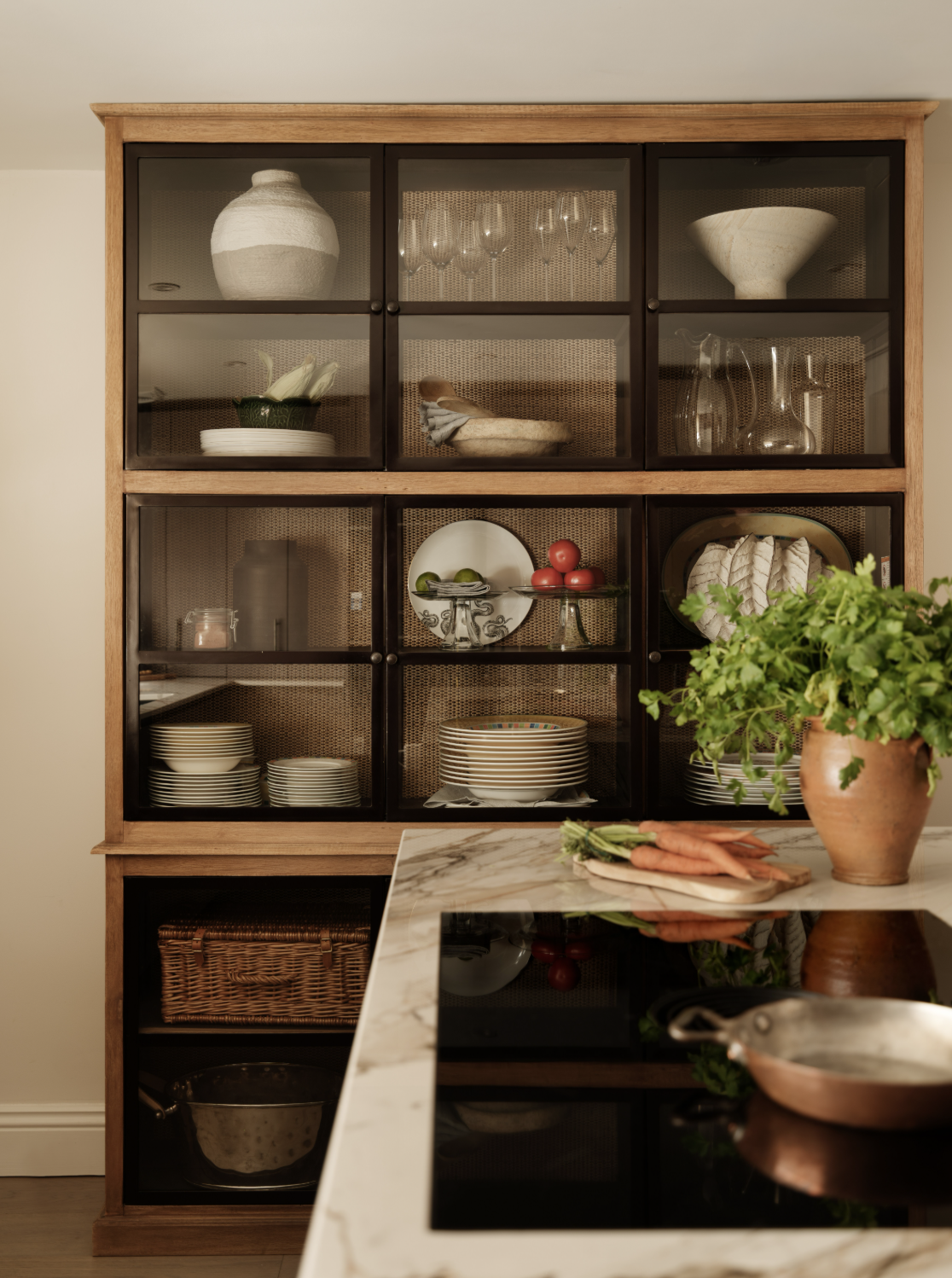
Q: Visibility has become an important part of growing a design business. How have you approached building the Levan House brand and attracting the right clients?
The foundation is Lynsey's referral network, built over years of being fully booked through trust alone. That is the bedrock. What we have added is a more deliberate approach to how the studio shows up publicly, the editorial work, the press relationships, the considered submissions to publications that take period and character homes seriously. Our work suits long-form features more than algorithm-led social. Social media still has its place, mostly as a way to be found and to show how we work.
The other side of it is simply how we like to work. Every client gets all three of us, each at the point where our particular expertise matters most. It tends to be a good fit for people who want to be properly involved in a way of working, rather than just buying a service.
Q: If someone walked into your studio today and could understand one thing about you as founders, what would you want that to be?
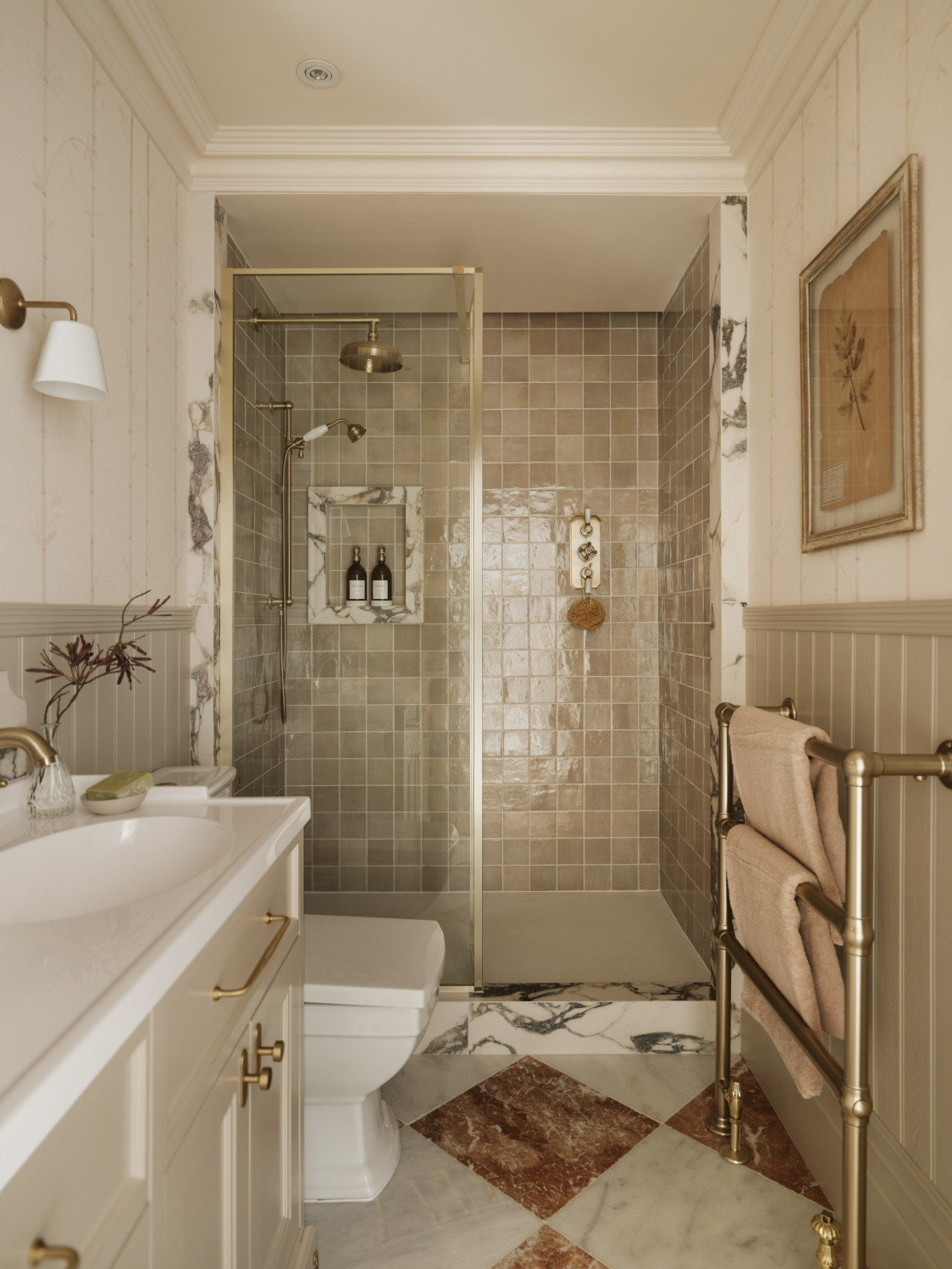
That we take the buildings seriously, and that there is real experience behind that. Between us there are over forty years in this work, so Levan House is not a studio finding its feet, it is a senior practice that chose to formalise itself. We are not interested in imposing a look. We are interested in what a particular house, with its history and proportions, actually needs. The designers sitting across the table are the ones who will design the home, start to finish. Understand that and you understand most of it.
Q: When you look ahead, what excites you most, not just about the business, but about the kind of impact you want Levan House to have within the design industry?
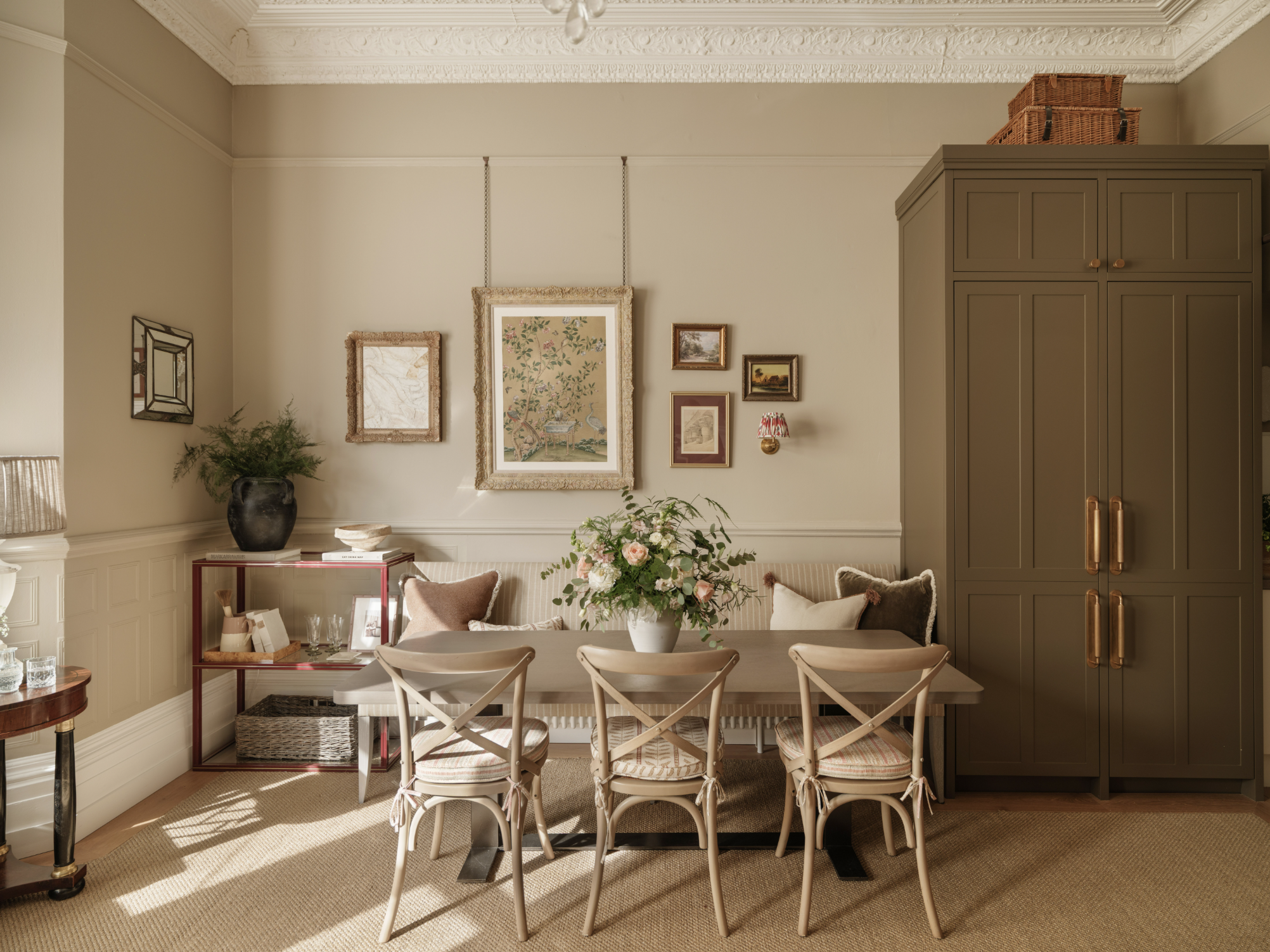
We would like to be part of the case for restraint, in an industry that often rewards the opposite. Old homes too often get either stripped of their character or buried under a style imposed on them, and there is a quieter way of working that respects what is already there. We want to take period and character properties seriously as a discipline rather than a look to be applied, panelling, paint, the right sofa, treating them instead as a craft with their own logic.


