



Karen Taylor: Pattern, Nerve and Standards
EXPERTS
Karen Taylor launched Pattern Haus from nothing but nerve and a lifelong dream. Two years on, she's become a design expert for a new Channel 4 documentary, transforming listed buildings, and learning – slowly, honestly – to stop apologising for having standards. Hamish Kilburn writes…
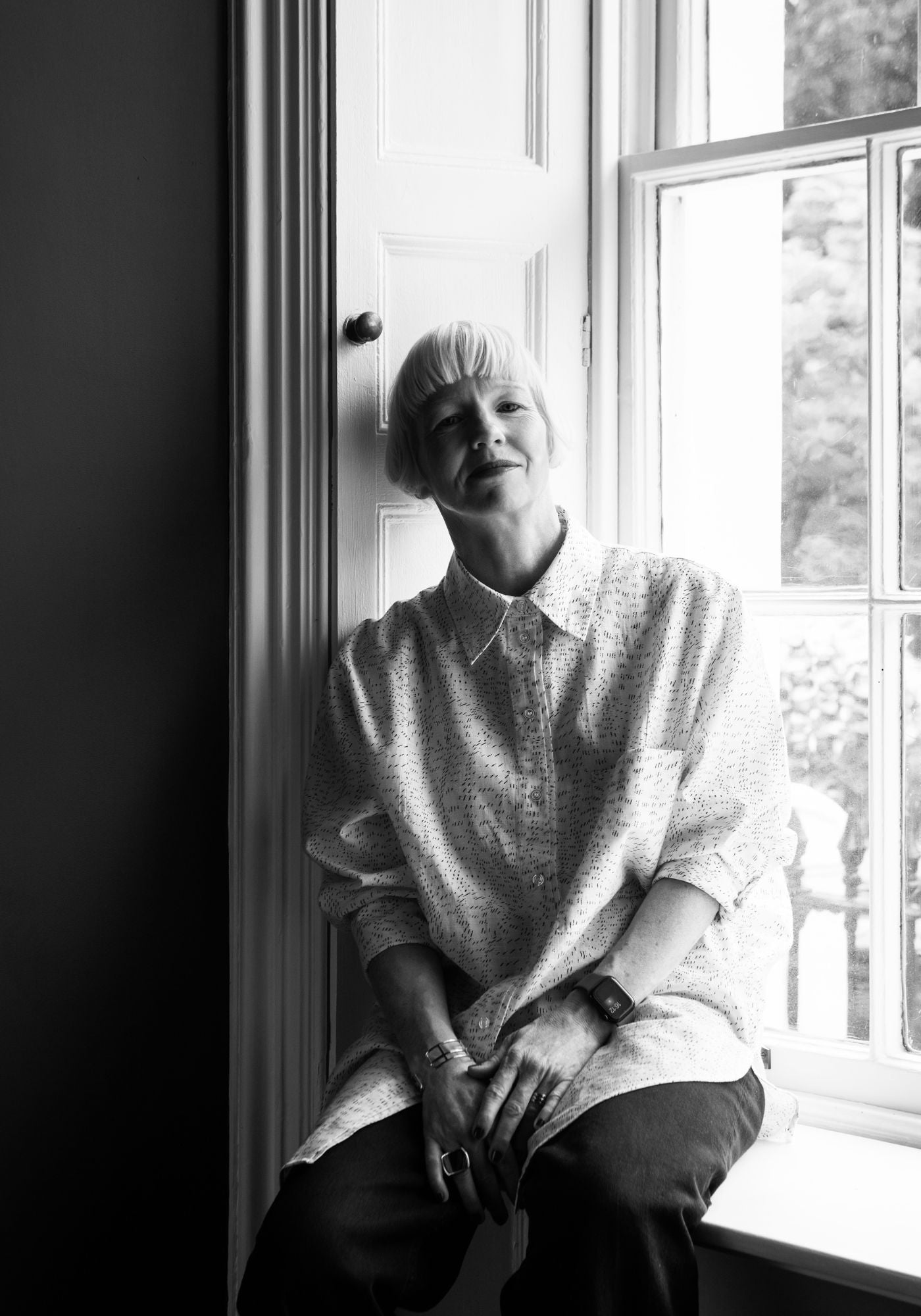
The Brighton Beach House – Soho House's sun-bleached outpost perched above the shingle – has the kind of easy, unhurried atmosphere that makes people say things they might not say elsewhere. The light off the sea softens everything. The coffee is good. With both our shoes kicked off as we sink into the sofa, it is, it turns out, the perfect place to finally get Karen Taylor to talk unapologetically about herself.
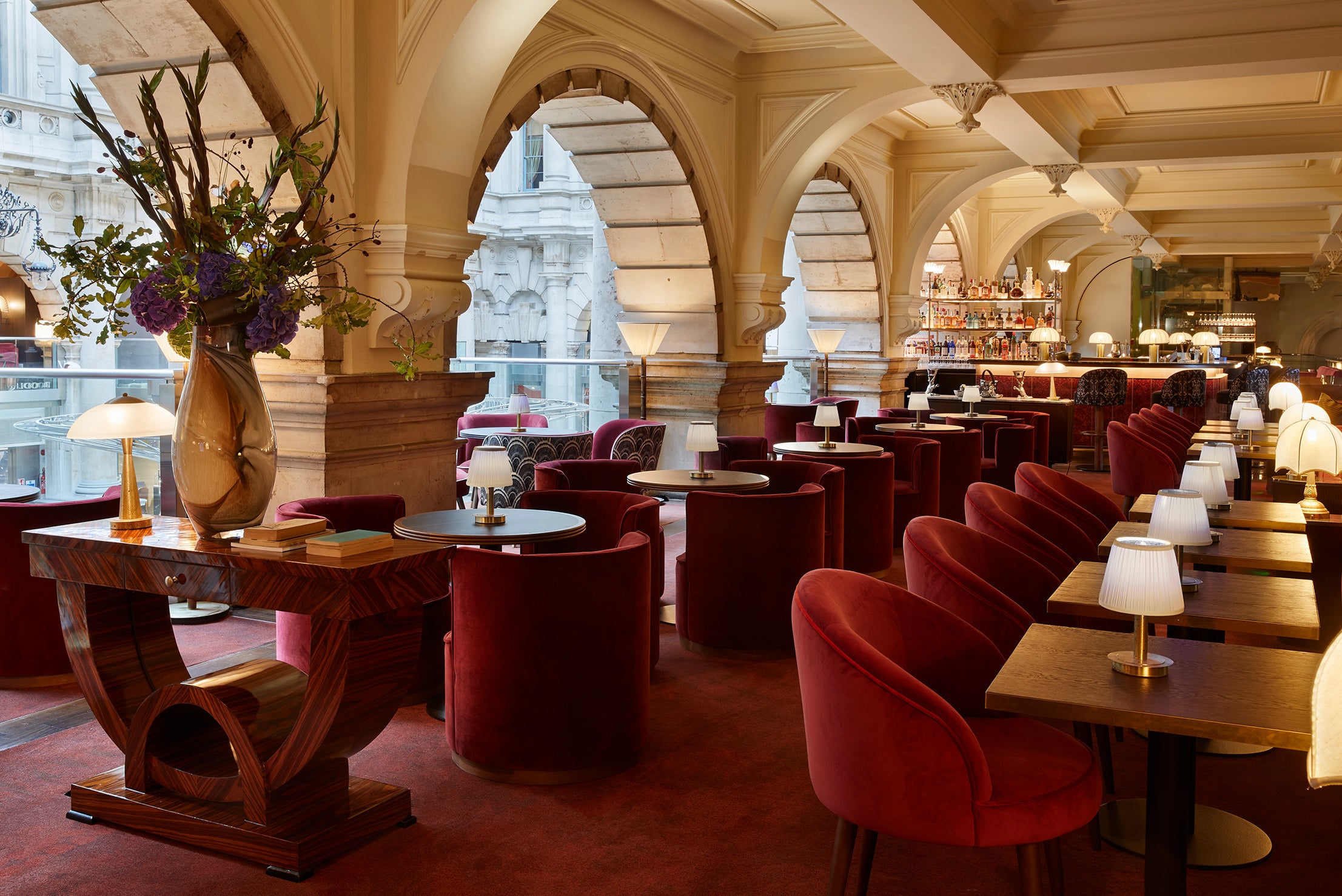
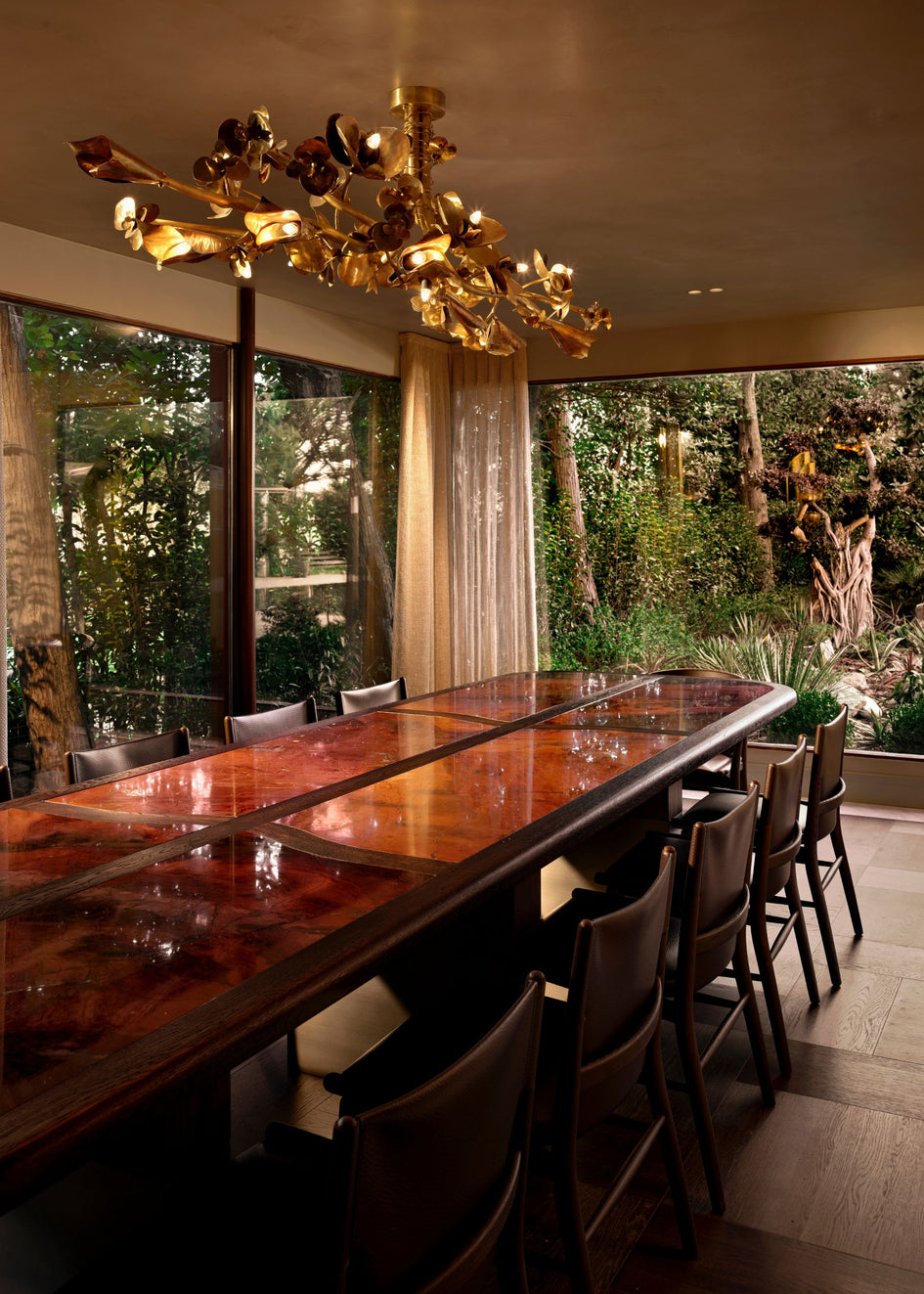
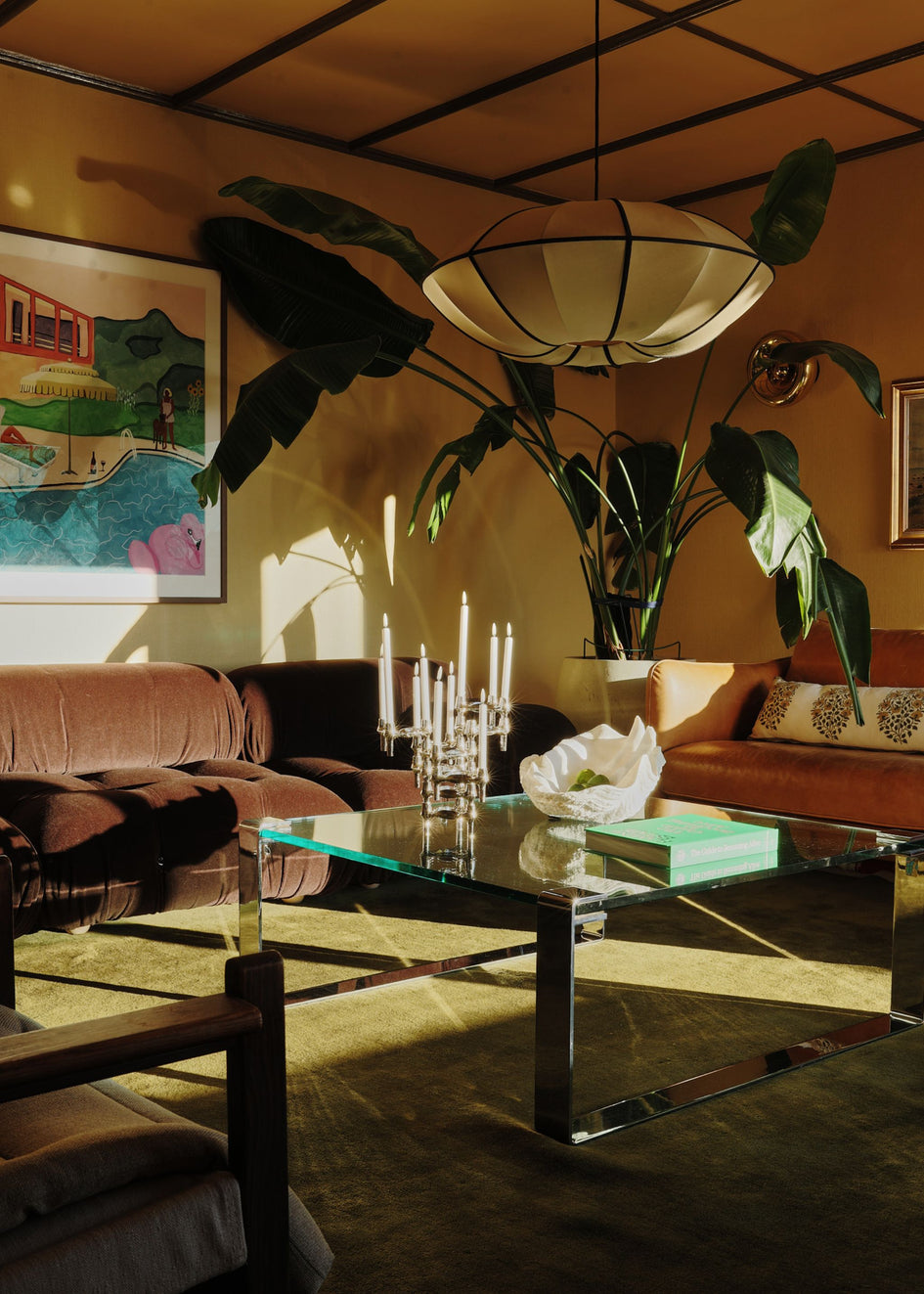
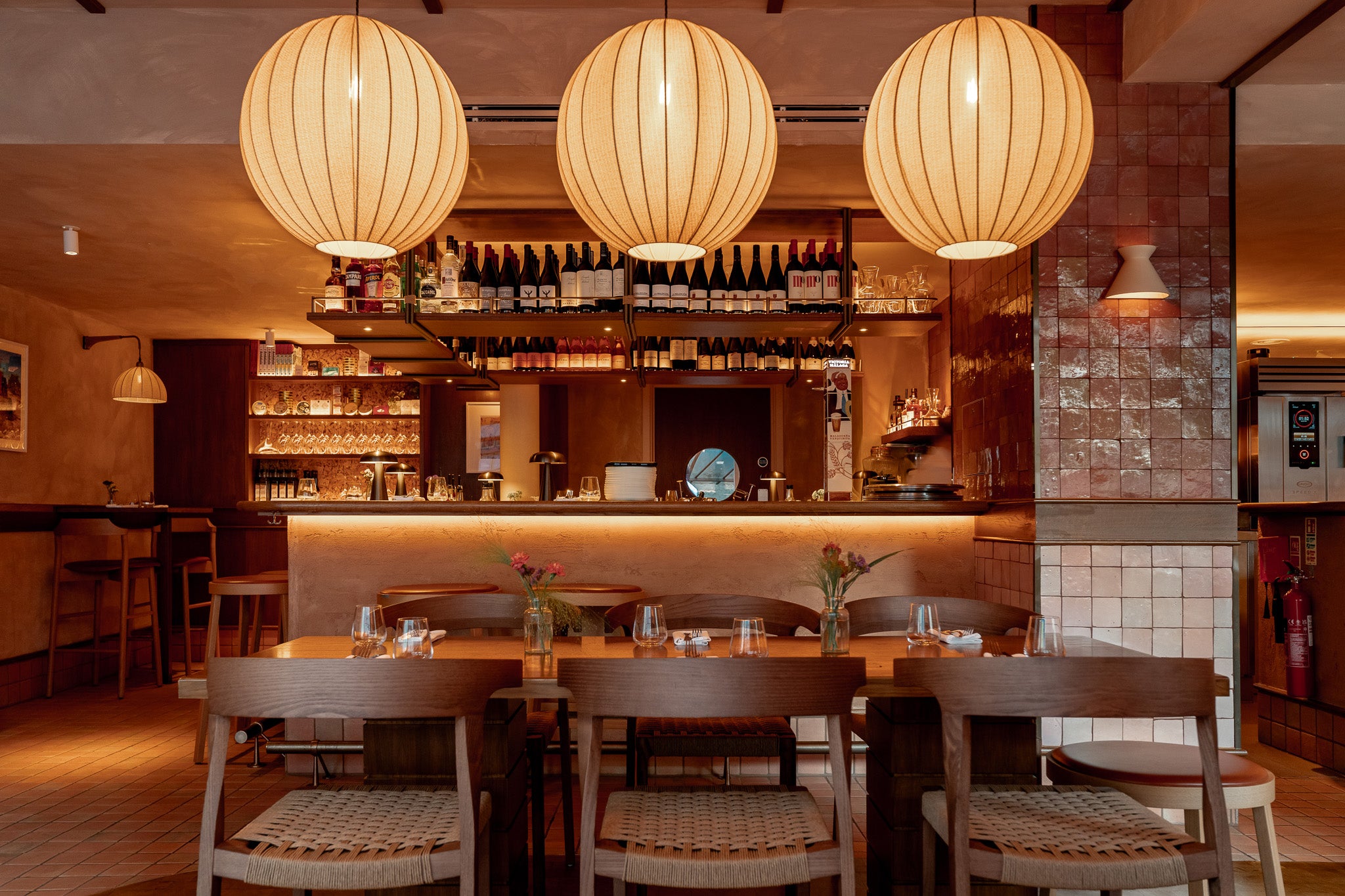
Karen is not someone who courts the spotlight, you see. When she launched Pattern Haus in January 2023, she was, by her own admission, too frightened to even say the words out loud. "I was kind of like, oh, it's just me," she says, warming her hands around a coffee cup. "The confidence wasn't there." It is a disarmingly candid opening from a woman who has since designed the interiors of Jang, Engel, and the soon-to-open Salt Room – projects that have positioned Pattern Haus as one of the most thoughtful hospitality design studios in UK.
That gap between what Karen has built and how she speaks about building it is, in many ways, her most interesting quality. There is no performance here, no polished founder mythology. What you get instead is someone who has earned her authority by showing up, caring furiously about the details and let her projects do the talking.
The dream, she says, goes back to graduating in 1998. "There was always this vision of running a design studio," she explains. "And then I had this amazing career, incredible mentors, brilliant studios. And then it was just... time." She started with no clients, no team, and a name she'd barely dared to say aloud. What she did have was decades of accumulated expertise, an address book built on genuine relationships, and an almost evangelical belief in the power of getting properly under the skin of a project.
"I wanted to be really hands-on," she says. "To get down to the core of what the client actually needs – and grow with the project from the very beginning." Running a small studio, she discovered, had an unexpected advantage: nothing was diluted. "There was no second-hand information. It was direct, always, and I came into my own under those conditions."
Showing up – physically, emotionally, professionally – is a phrase Karen returns to more than once. It is clearly not a platitude. On site, she is there. In the details, she is there. On the days she doesn't want to be: she is there. It is the kind of unglamorous, unsexy discipline that rarely makes it into design profiles. Karen offers it without fanfare.
The turning point in her confidence, she believes, came not from a landmark project but from a shift in how she held herself in the room. For years she had softened her exacting standards with apology. I'm really sorry, but could you do this? The pivot, when it came, was simple and seismic: she stopped. "I realised I was apologising for being fussy," she says. "And actually, it's because I have standards. And that's okay. Once you stop apologising for that, it changes your mindset massively."
There is something quietly brilliant about watching Karen Taylor – feet tucked under her on the sofa – talk about commanding a building site. "Nothing on a project can happen without the whole team," she says. "The contractor, the person who installs the speakers, the person who calibrates the lighting. Nothing. There has to be a level of respect from day one and if that's how you start, it filters through everything." She pauses. "But you can't compromise. If something's wrong and it matters, you can't let it go." I file it away as a good line. A few hours later, I understand it's just the truth.
At the end of our interview, we take a short walk along the seafront and arrive at her latest project, Salt Room, days before it opens to its first guests. While it is still a building site, the space is breathtaking – but it's Karen I'm watching.
She moves through the room quietly, pointing, checking, laughing and telling various anecdotes about how, for example, important it was to find a supplier who could specify the marble surface without joins. She notices things that most people would walk straight past. Nobody is told. Nobody is pushed. And yet the room shifts around her. Five foot two (and that’s with shoes on) but the authority is entirely, unmistakably hers – worn as lightly and naturally as the space she has created around her.

This is not, she is careful to stress, about wielding power. It is about reciprocity. "If you're honest with people and you treat them respectfully, they tend to do the same for you. I probably get more phone calls now – people checking details because they want to get it right. Because they know that if they don't, I won't be happy with it."
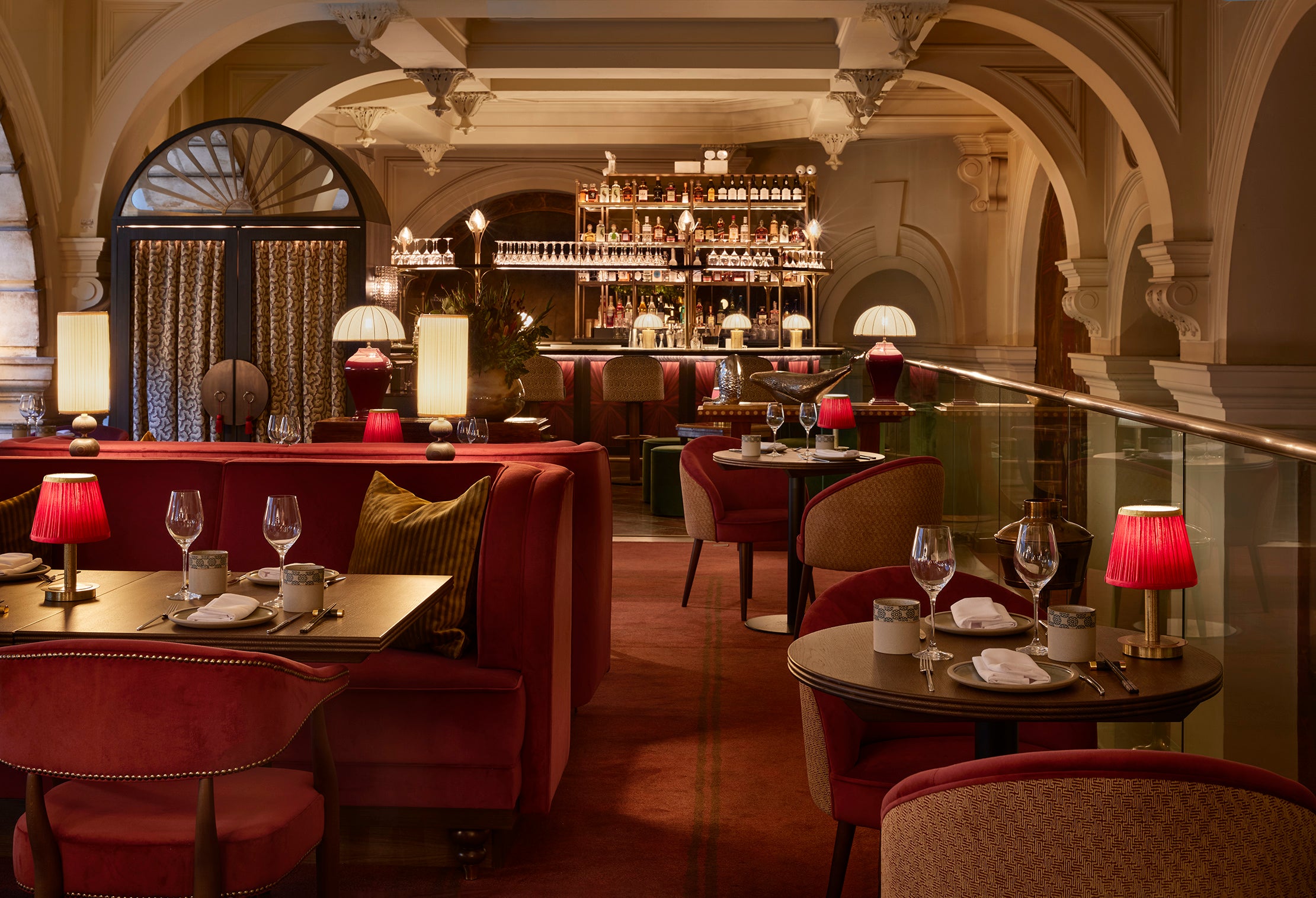
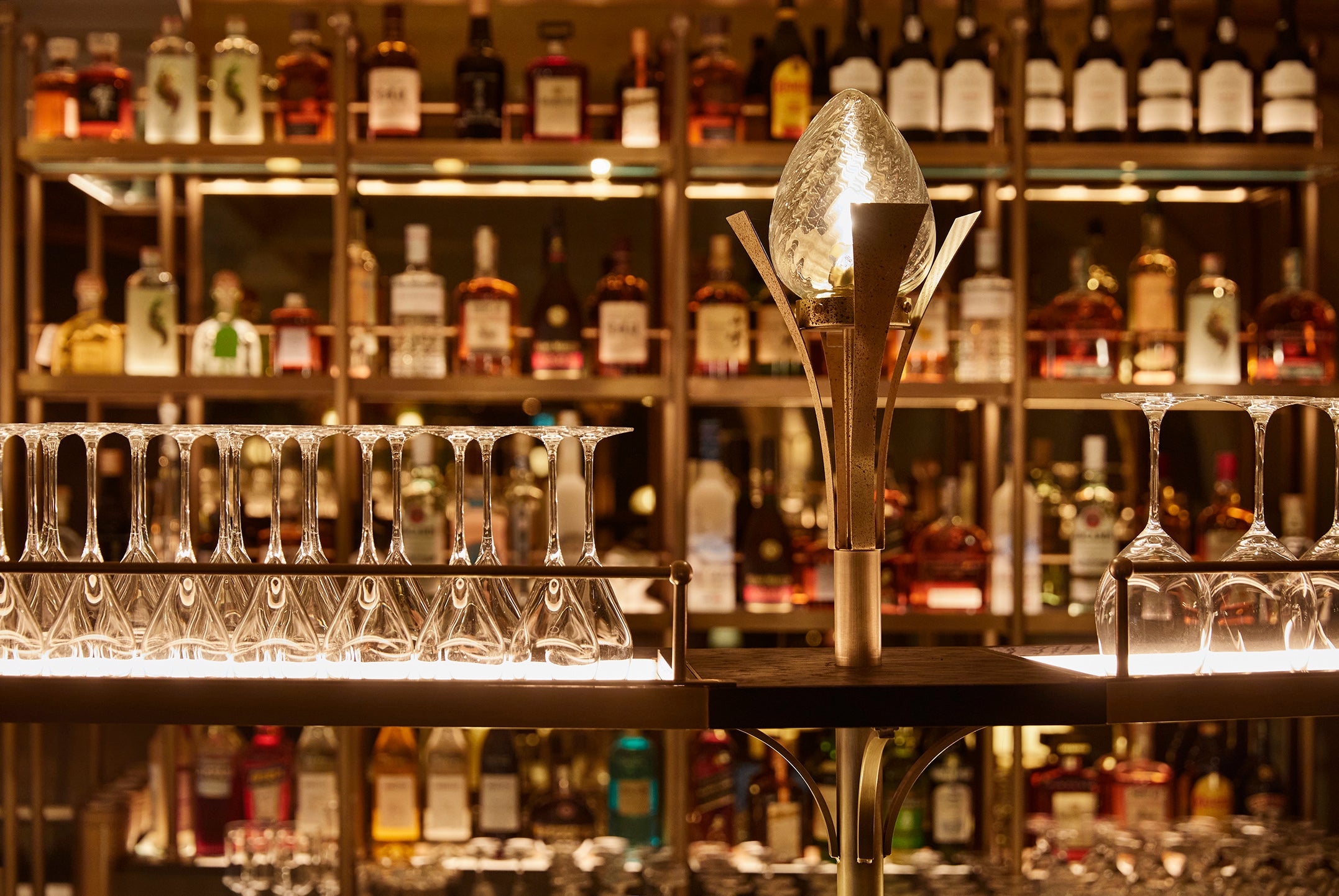
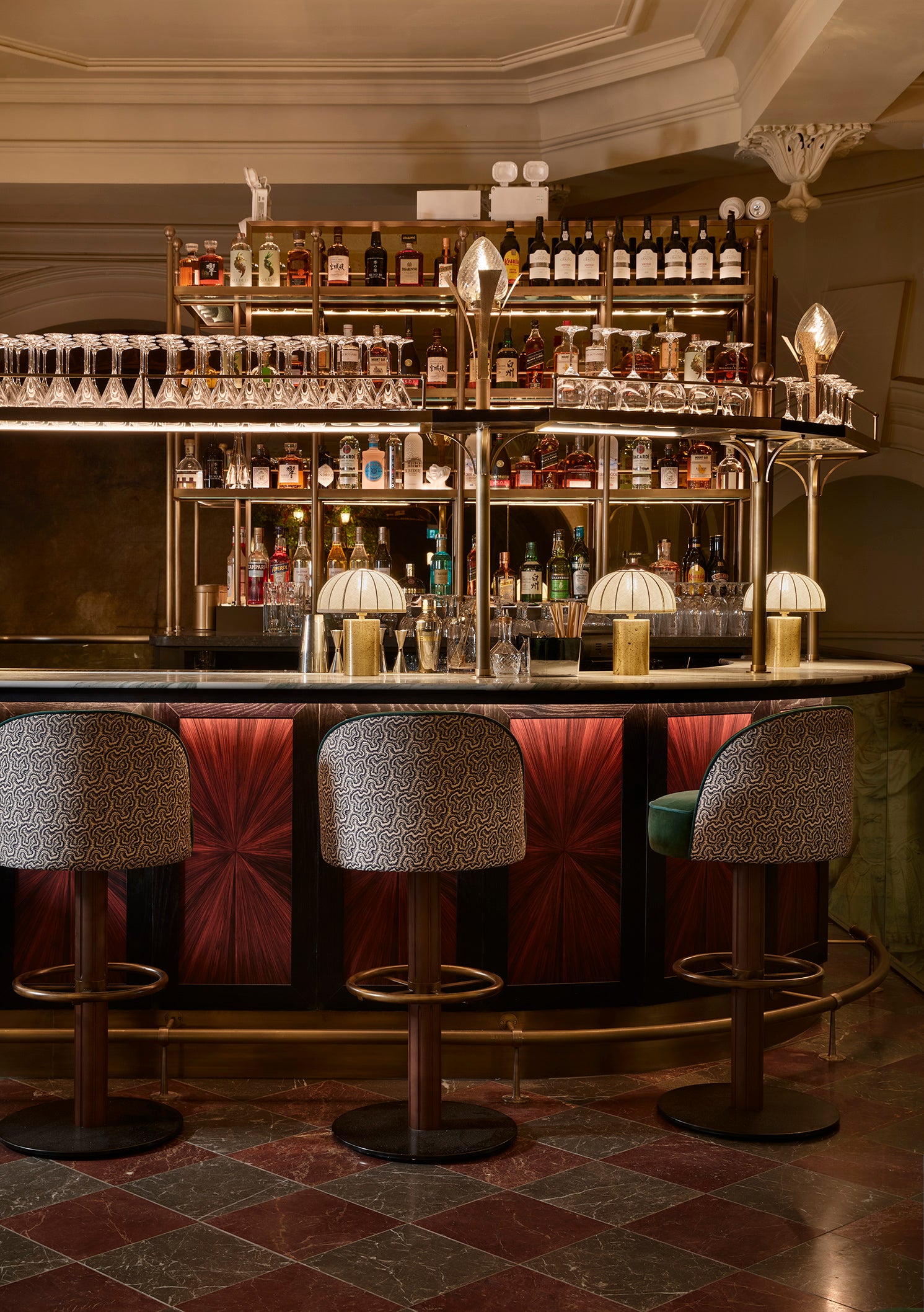
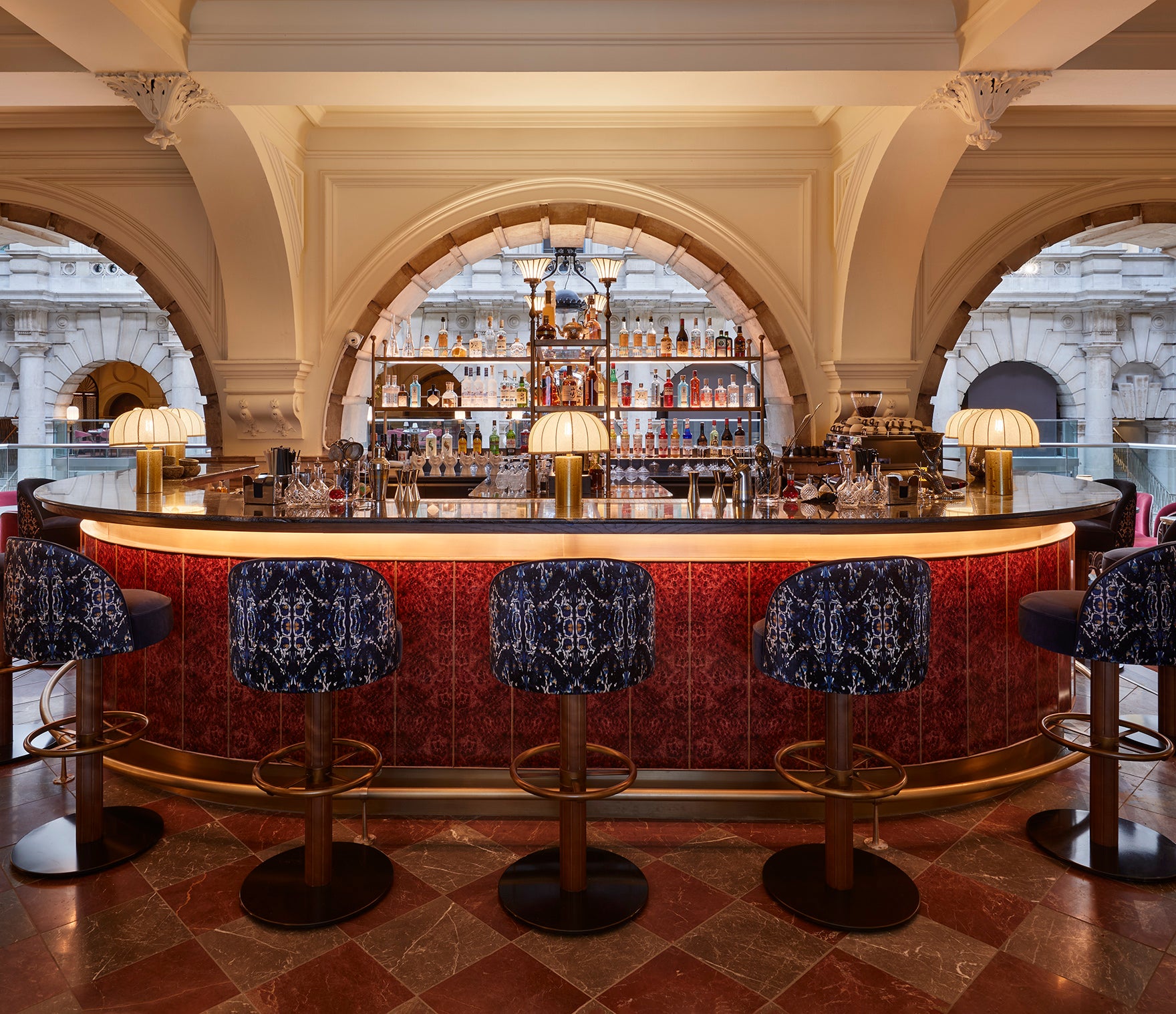
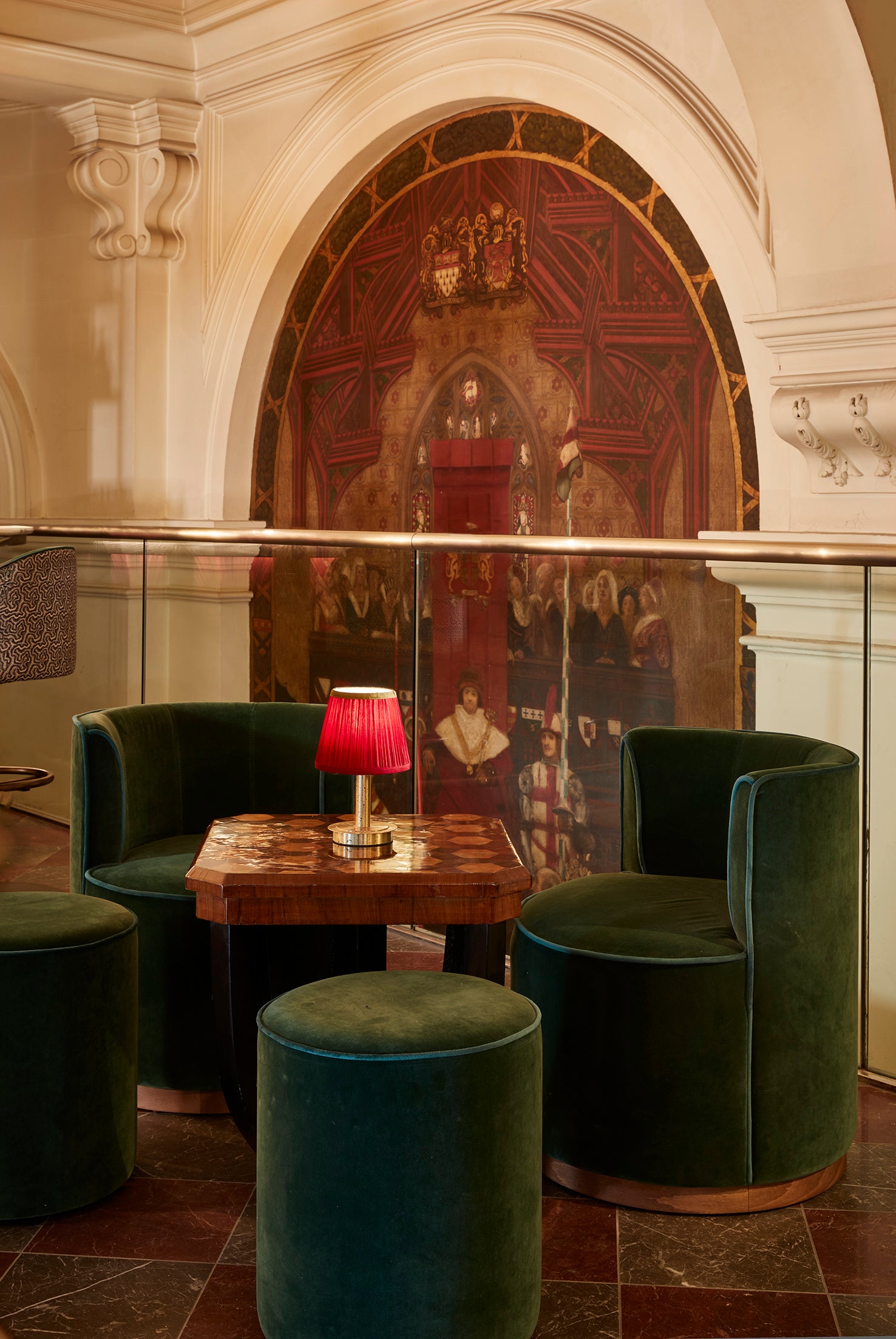
The projects themselves speak a language that transcends trend. At Jang and Engel – both housed within the Royal Exchange, one of London's grandest listed buildings –Pattern Haus could not touch a single surface of the original structure. Everything had to be freestanding: the bar, the restaurant, even the cloakrooms. Lighting was threaded through bespoke joinery. Services ran under the floor. "We had to build a restaurant that basically didn't touch anything," she says, with a smile that acknowledges the absurdity of it. The pressure, she says, was immense. The client exacting.
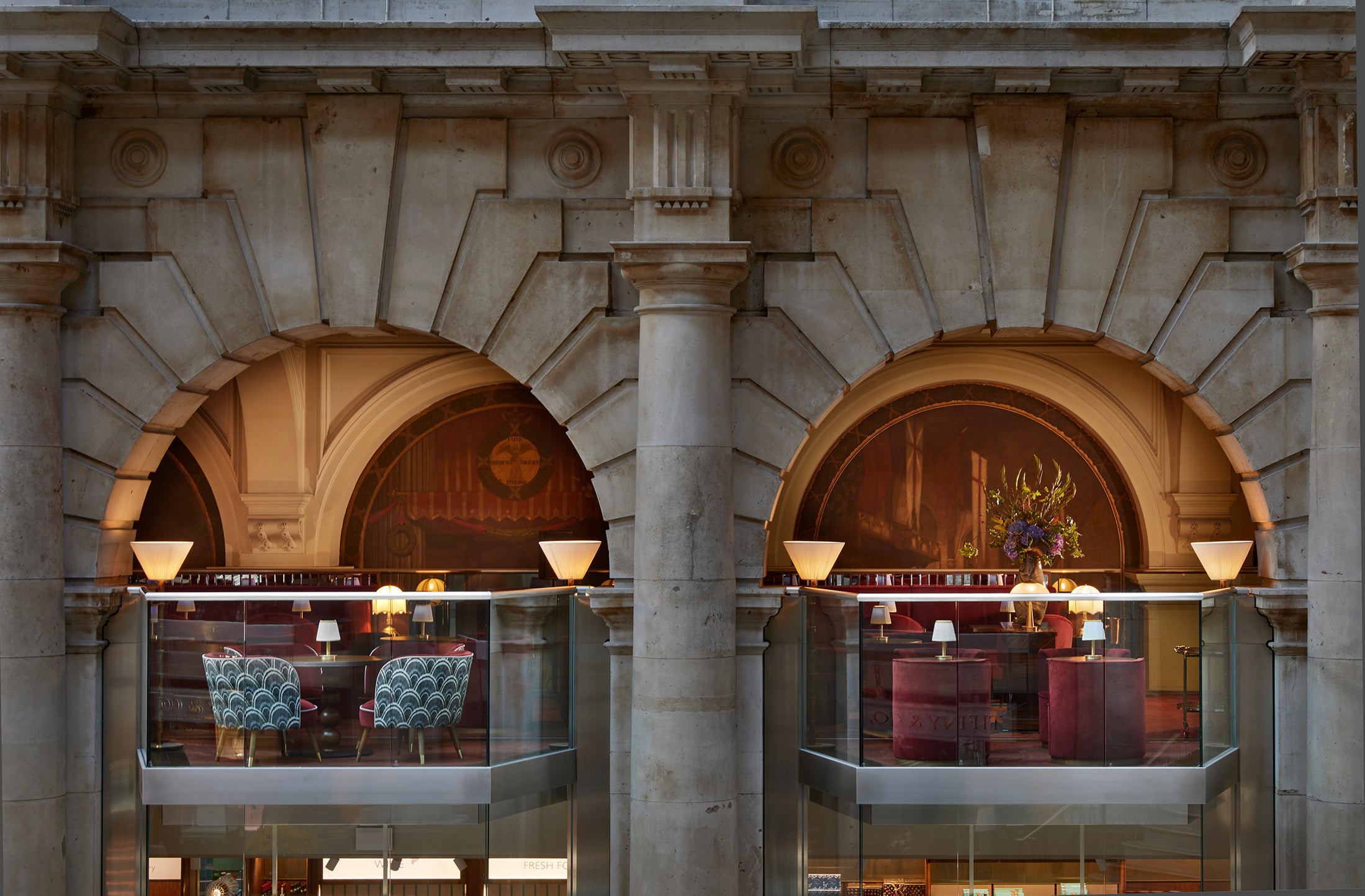
"I had to be all over it. I had to take ownership. There were so many moving parts, and it had to be me there." She says it not as complaint, but as the only way she knows how to work.
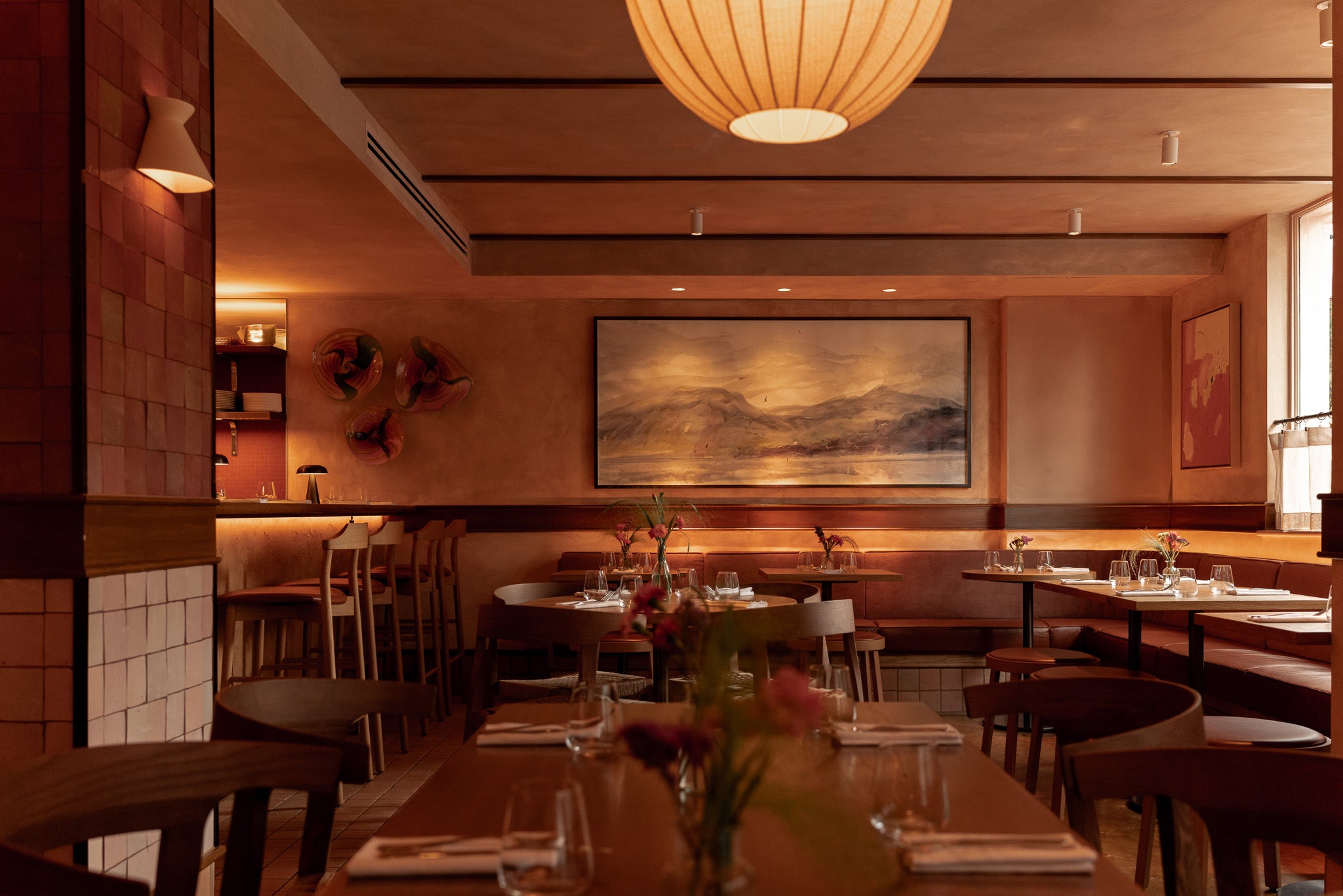
The forthcoming Salt Room, though, is perhaps the fullest expression yet of what luxury means to Karen – and her definition is worth pausing on as it is not the expected answer. " It's about the story being strong enough to carry the materials," she says simply. Inside, that means handmade tiles, hand-painted murals across the ceiling, hand-plastered walls, bespoke linen chandeliers that have been crafted rather than ordered, flowing blue-veined marble chosen because it felt right for a fish restaurant, and a fish ageing fridge anchored by an oversized tasting table. "It will feel quite rustic when you walk in," she adds. "But so true to its space. That's where I want to land when designing luxury.“
There is one more chapter in Karen's story that has yet to fully unfold, though its outline is remarkable. She is currently filming a Channel 4 series alongside television presenter Fred Sirieix – a programme that follows her into struggling hospitality businesses as a design expert tasked with turning them around. She has also been supporting Fred's charity, The Right Course, which trains prisoners in hospitality skills ahead of release.
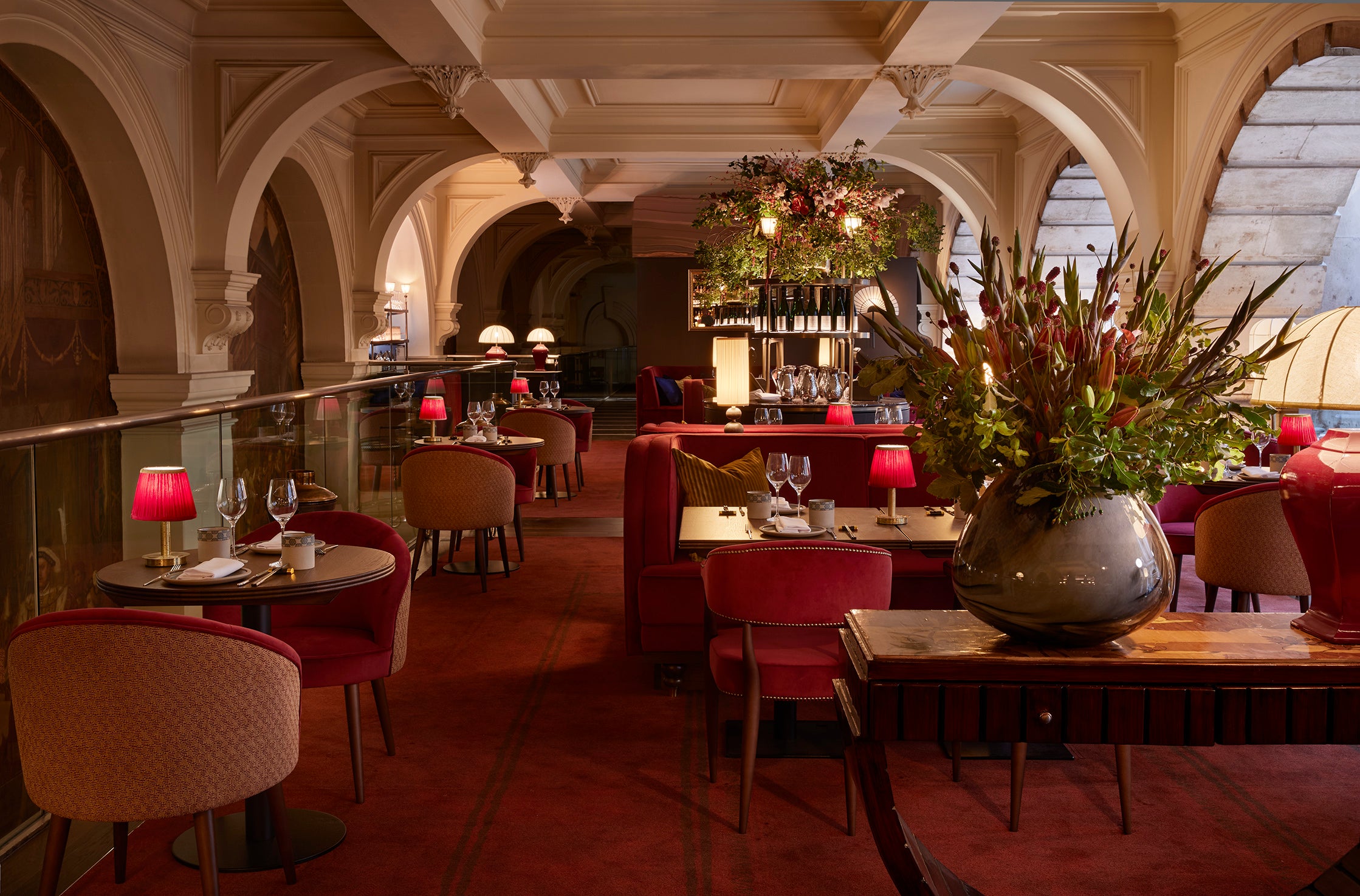
What strikes her most, she says, is how the series reframes what design actually is –a decision with consequences. People make up their minds about a space within six to eight seconds of arrival. Temperature, acoustics, sight lines, the height of a chair. "Some of them can be fixed so easily," she says. "And people just don't think they're important."
Pattern Haus, it turns out, was never just a dream deferred – it was more than 20 years of expertise, waiting patiently for its founder to believe in it as much as everyone else already did.


