

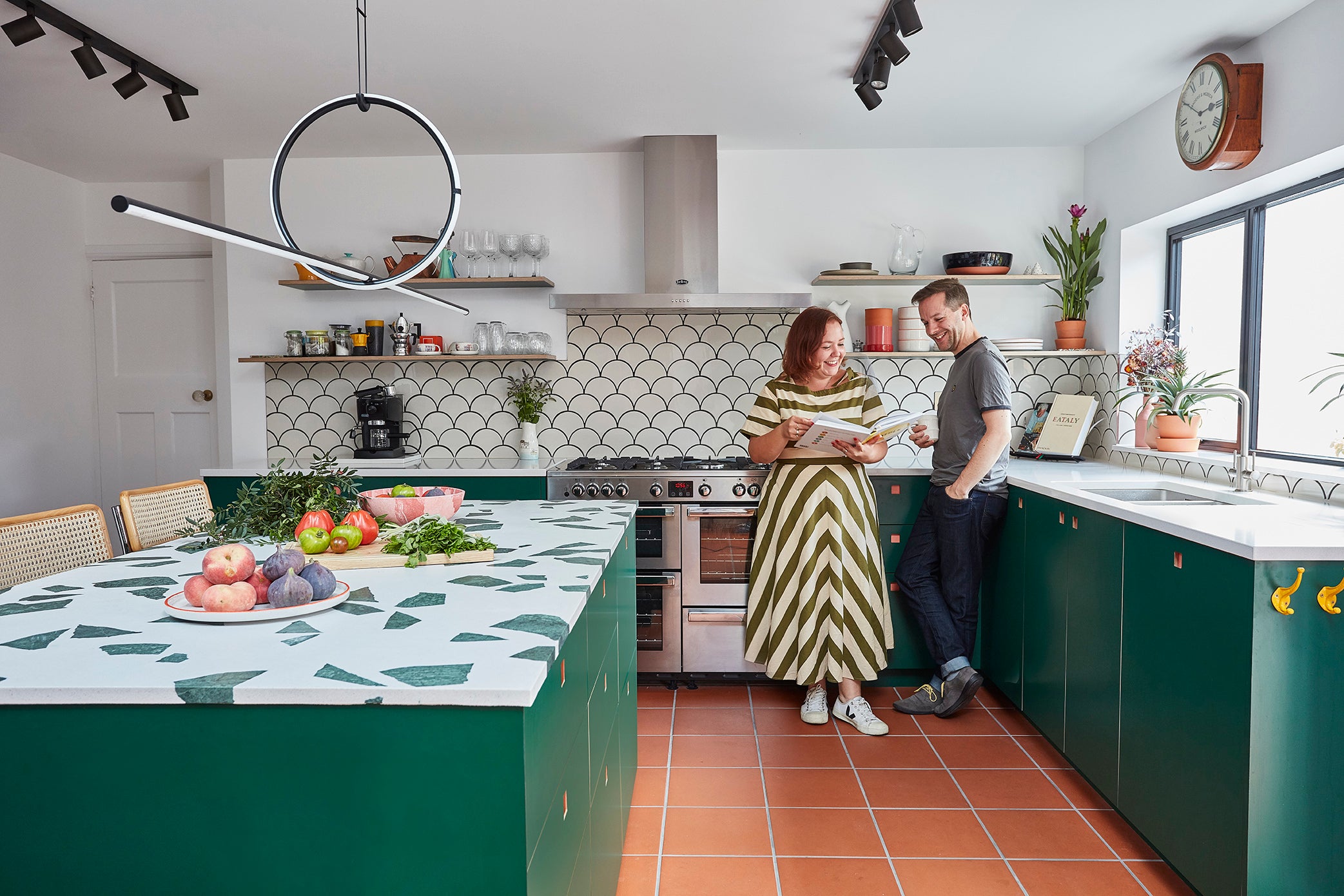
In Conversation with Louisa Pacifico: Founder of Future Icons
EXPERTS
Future Icons returns to London this May, bringing together a carefully curated group of contemporary makers and designers. As the official media partner, OLISE Magazine speaks with founder Louisa Pacifico to explore the thinking behind the event, from its focus on mid-career artisans to its growing role within the design calendar.
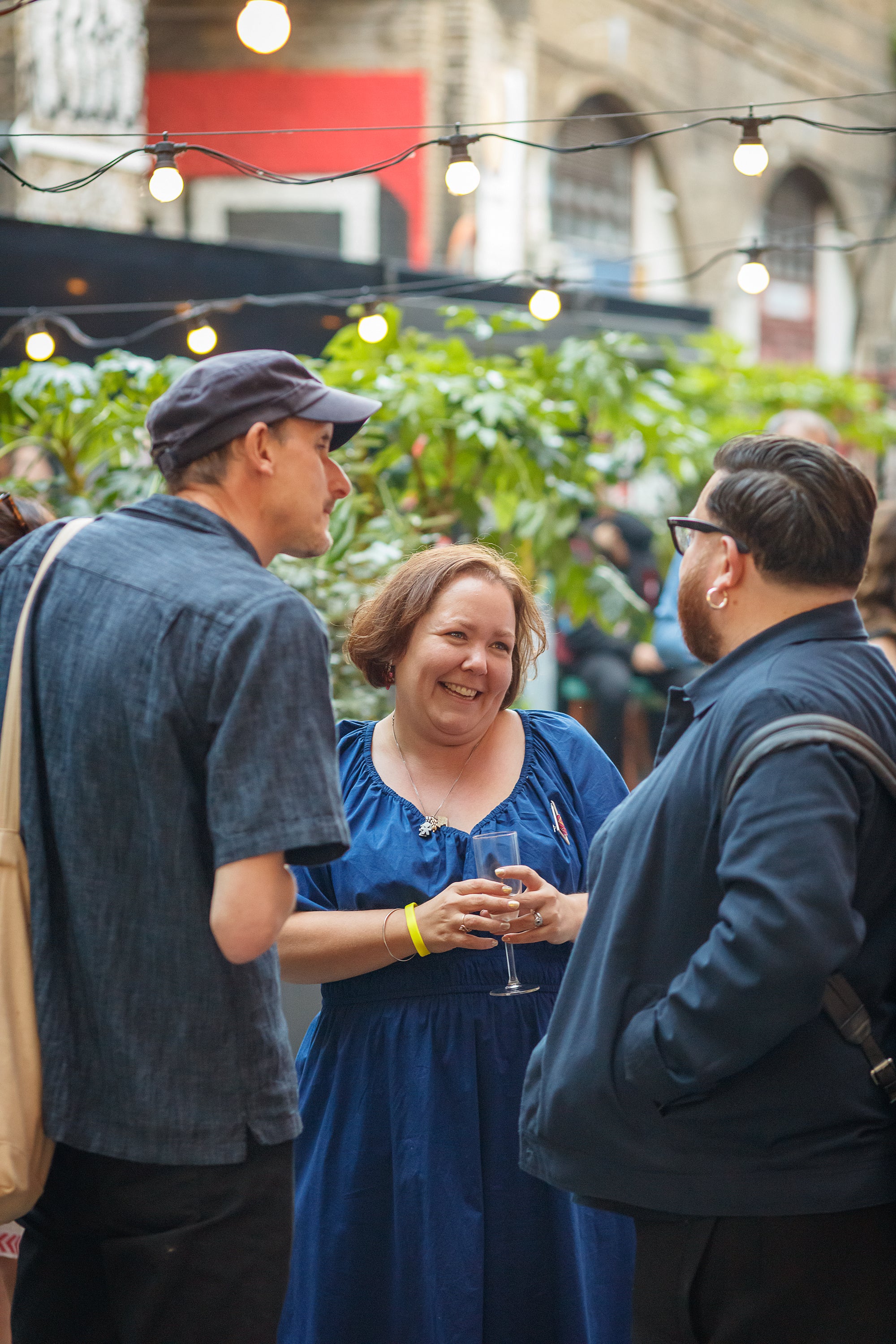
Q: Louisa, you have built a career working closely with contemporary craft and design, can you tell us about your journey and what first drew you to this space?
I’ve always had a passion for design and handmade items. As a child, I was taken around local antique fairs and auction houses, and my mother would show me wonderful objects and artworks, explaining the history, origin and craftsmanship behind each piece. It fascinated me.
This led me to attend a course at Brighton University where we had the option to focus on either a craft or design route. I chose design as I could work across a range of materials rather than specialise in one or two.
I graduated in 2004 with a degree in 3D Design Production, and that July we exhibited selected works at New Designers in London. After building a relationship with the organiser and supporting them with an internship during the London Design Festival, I was invited to join the team as a Sales Executive. A lot of the role was developing relationships with showcasing universities and curating the space within the Business Design Centre.
After five years, I joined the founding team of Clerkenwell Design Week as Head of Sales and venue curator. With a small but dedicated team, we grew the show from a local event into an international award winning design festival within five years.
In 2015, I became Chief Executive of Craft Central, a Clerkenwell based designer maker charity. I embraced the opportunity, even though the term craft was not widely respected at the time.
The charity housed 76 subsidised studios, some occupied by makers for over 30 years. I made it my mission to knock on every door in my first month. Each one revealed an extraordinary world of craftsmanship. Some makers did not even have email addresses, yet had years-long waiting lists and were commissioned to create everything from Fabergé eggs to ceremonial swords.
The market showed me there was strong support for emerging makers, but very little for mid-career and established artisans. Using my experience in events, curation, sales and marketing, I launched Future Icons to provide a platform for these makers to showcase and sell to collectors, retailers and interior designers.
Education is important, but without a viable market, it can be misleading. My focus has always been on helping artisans build sustainable businesses and encouraging people to invest in their work today.
Q: Future Icons Selects has become a standout moment within the design calendar, what originally sparked the idea, and did you always envision it growing into what it is today?
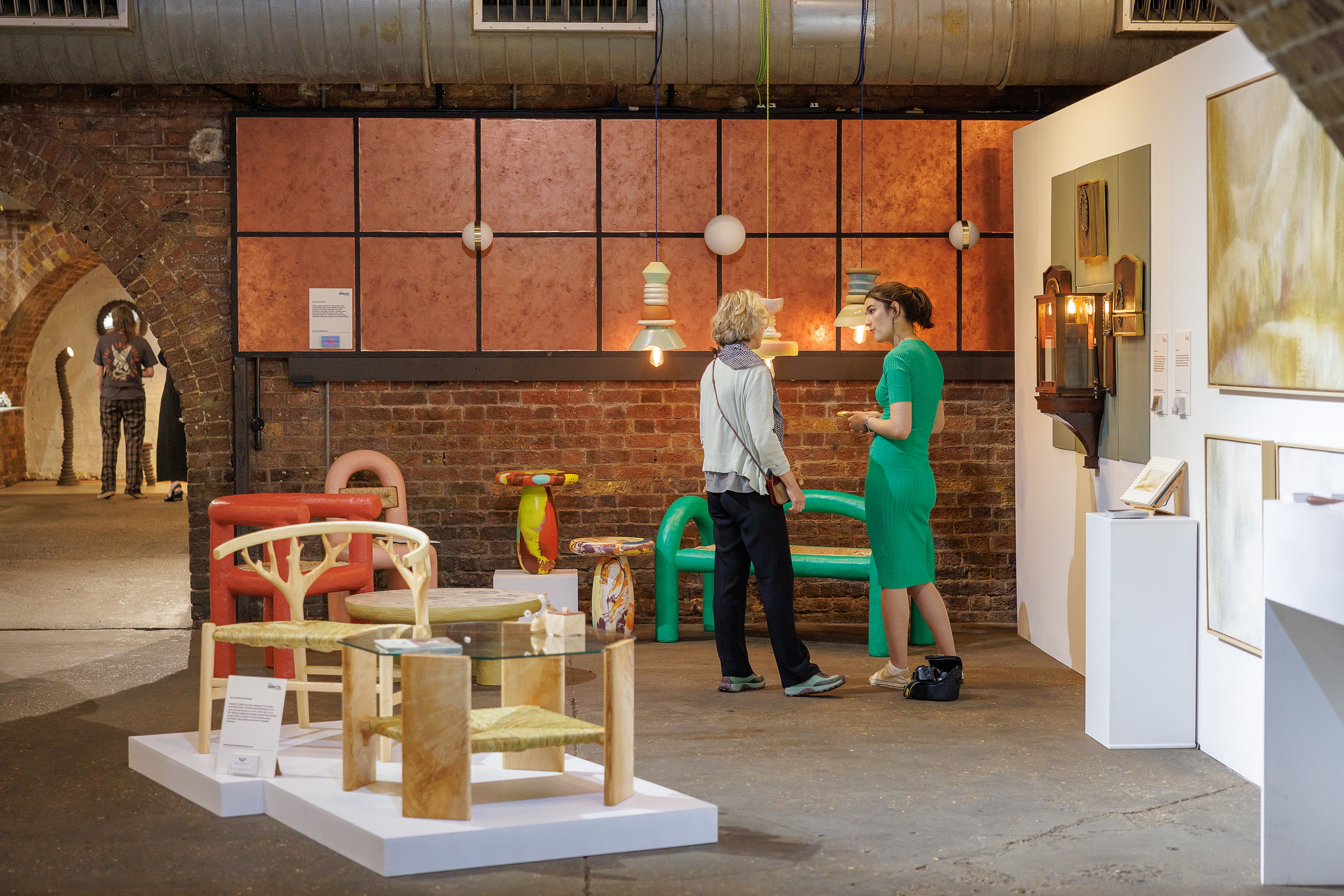
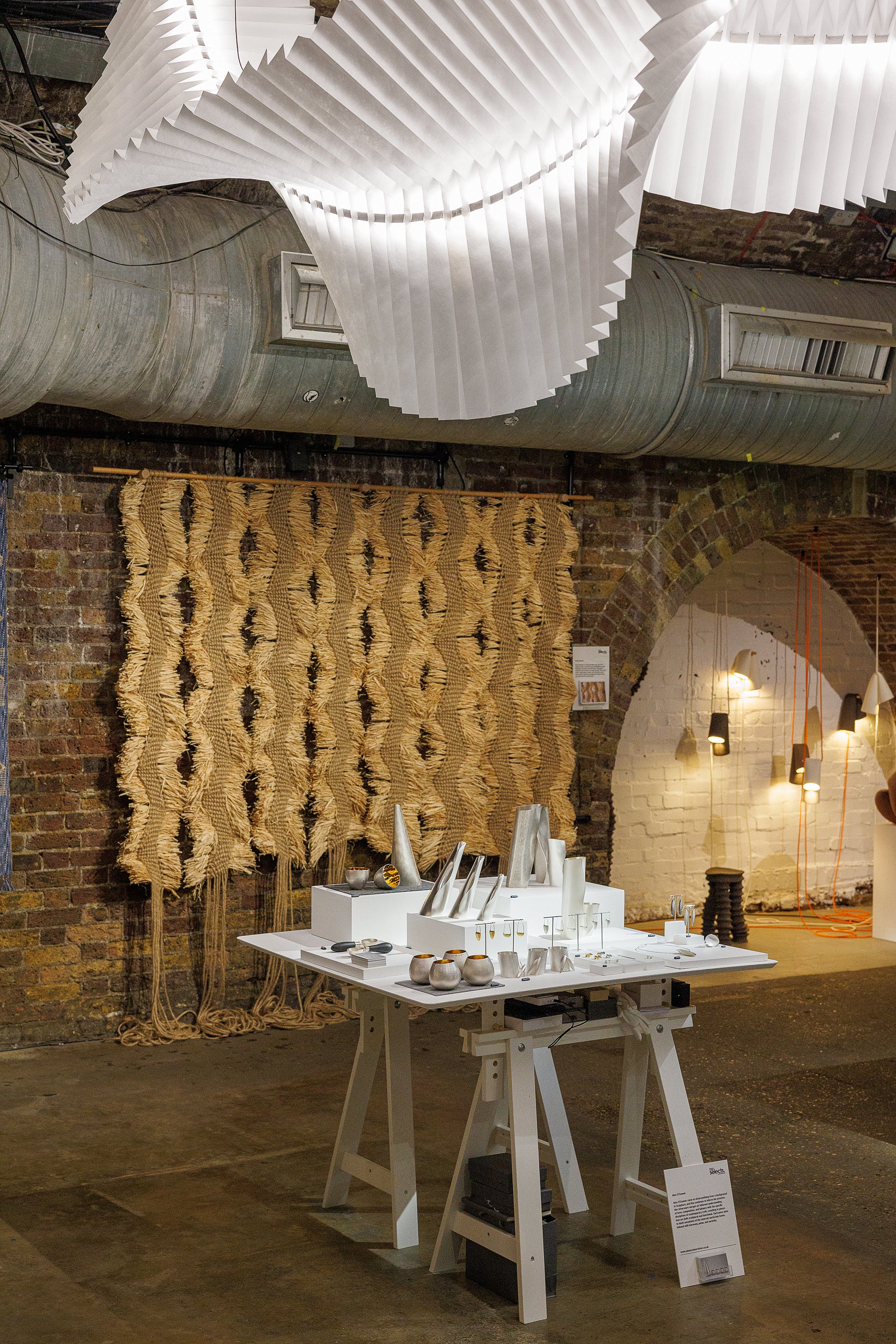
There are many craft led shows across the UK, most of which are selling shows. My ambition was to create a curated environment where visitors could learn how to live with these works in both private and commercial spaces.
As an ambitious person, of course I wanted it to grow into a credible and respected event, but this has been a collective effort. Martha at May Communications leads our PR and consistently delivers strong editorial coverage that focuses on our artisans, with us as a secondary layer, guiding visitors on where to meet them.
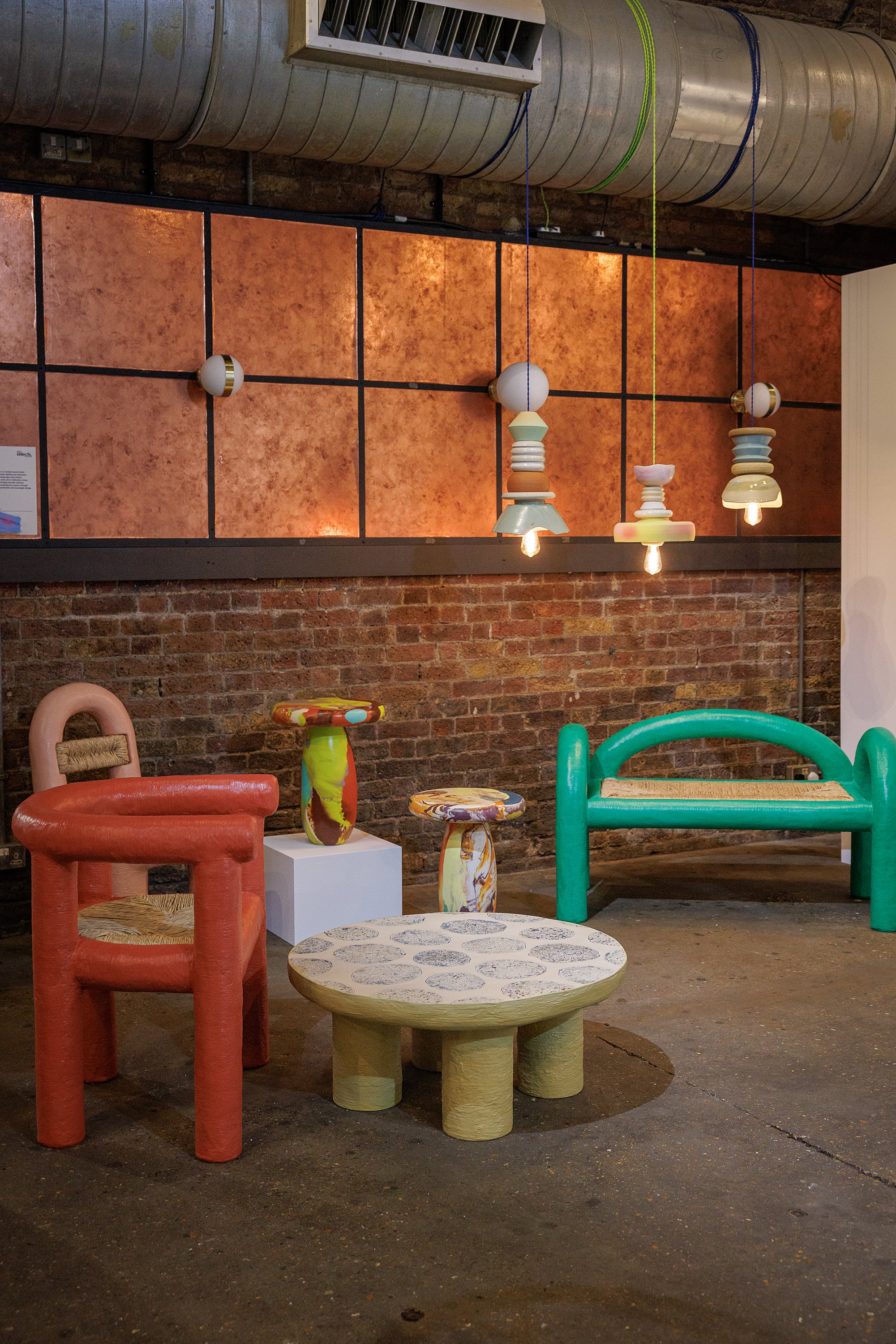
My husband Doug Hammond supports the vision each year, helping me curate and install the collections so that what I imagine is executed with precision.
And Simon Bosworth develops the branding each year, using the artists’ collections to create engaging and cohesive visuals that draw audiences in.
Without this team, we would not have achieved the level of respect we have today. I am incredibly loyal to them, there is trust, consistency and a shared commitment behind every show.
Q: The name “Future Icons” is powerful, what does being a “future icon” actually mean to you?
I wanted to create a name that was clear, confident and immediately communicated what visitors could expect.
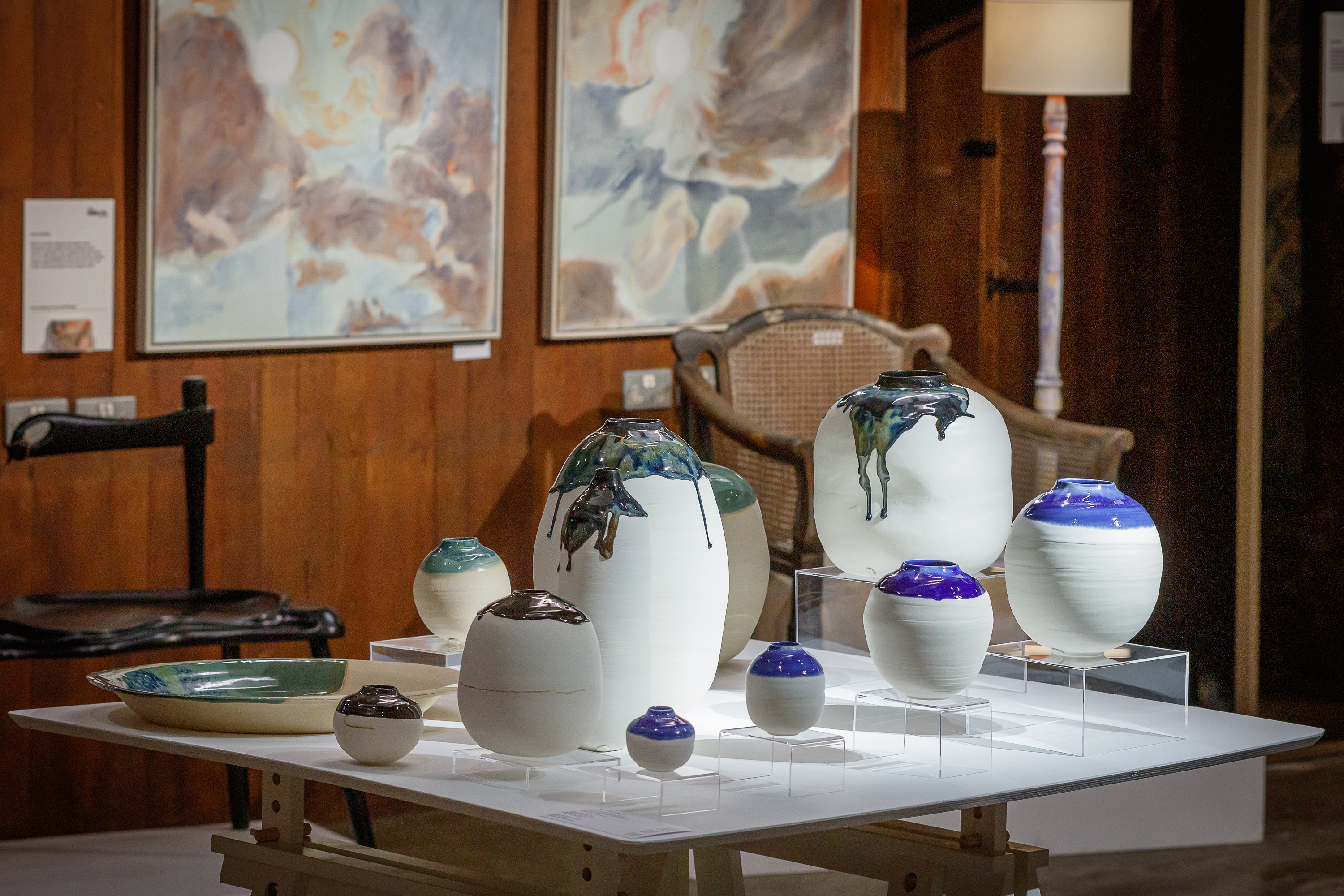
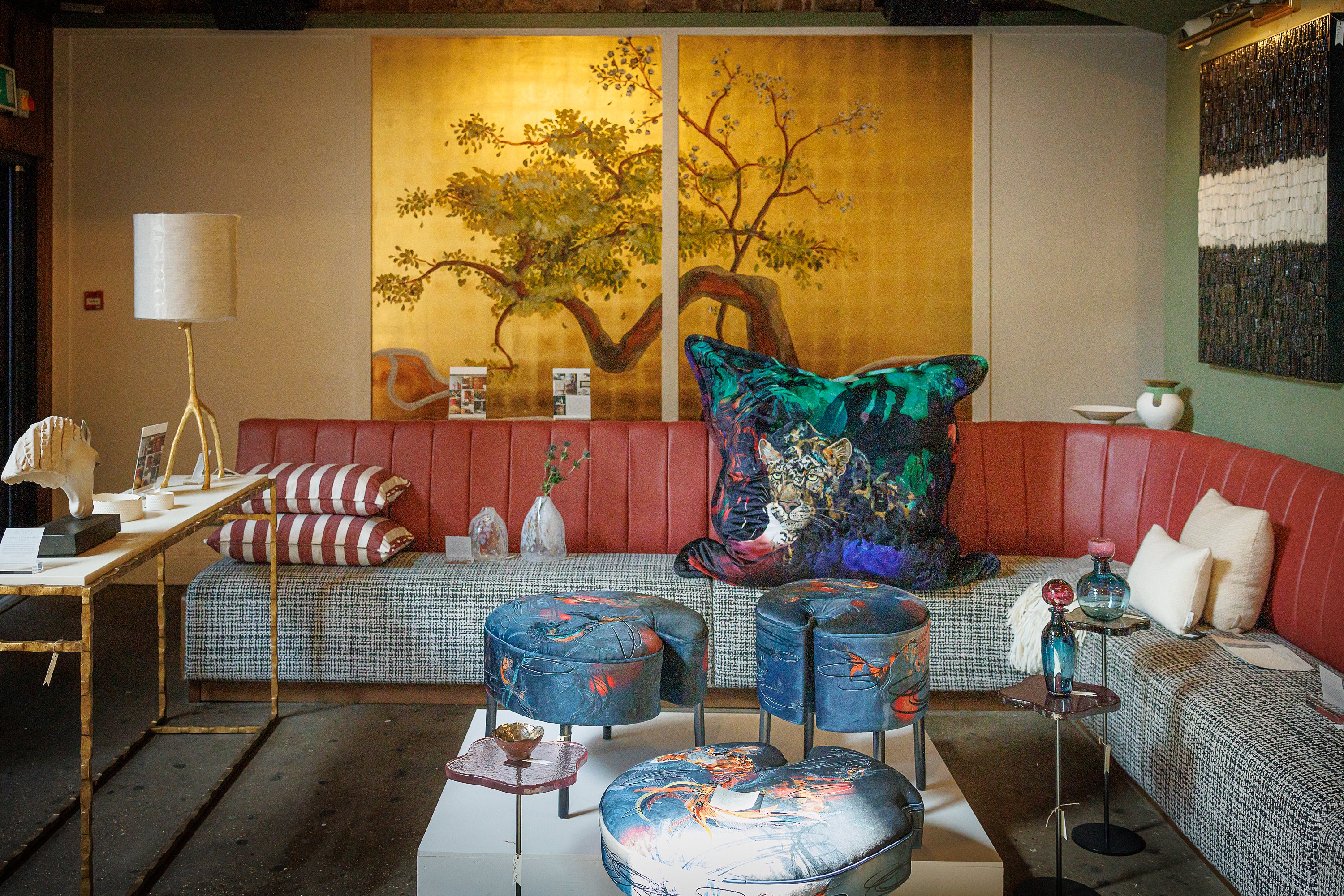
To me, Future Icons represents quality, originality and long term value. Visitors can expect to discover and invest in crafted works that hold provenance and have the potential to become future collectibles.
Many of the artisans I work with have invested heavily in their education and practice, often studying at institutions such as the Royal College of Art. From my early exposure to antiques and collecting, I learned that quality always sells.
The makers I represent create thoughtful, well executed and original work. These are pieces that can be lived with, repaired and ultimately passed on or resold. That sense of longevity and value is central to what Future Icons stands for.
Q: Your curation feels incredibly considered, what are you instinctively drawn to when selecting designers or makers?
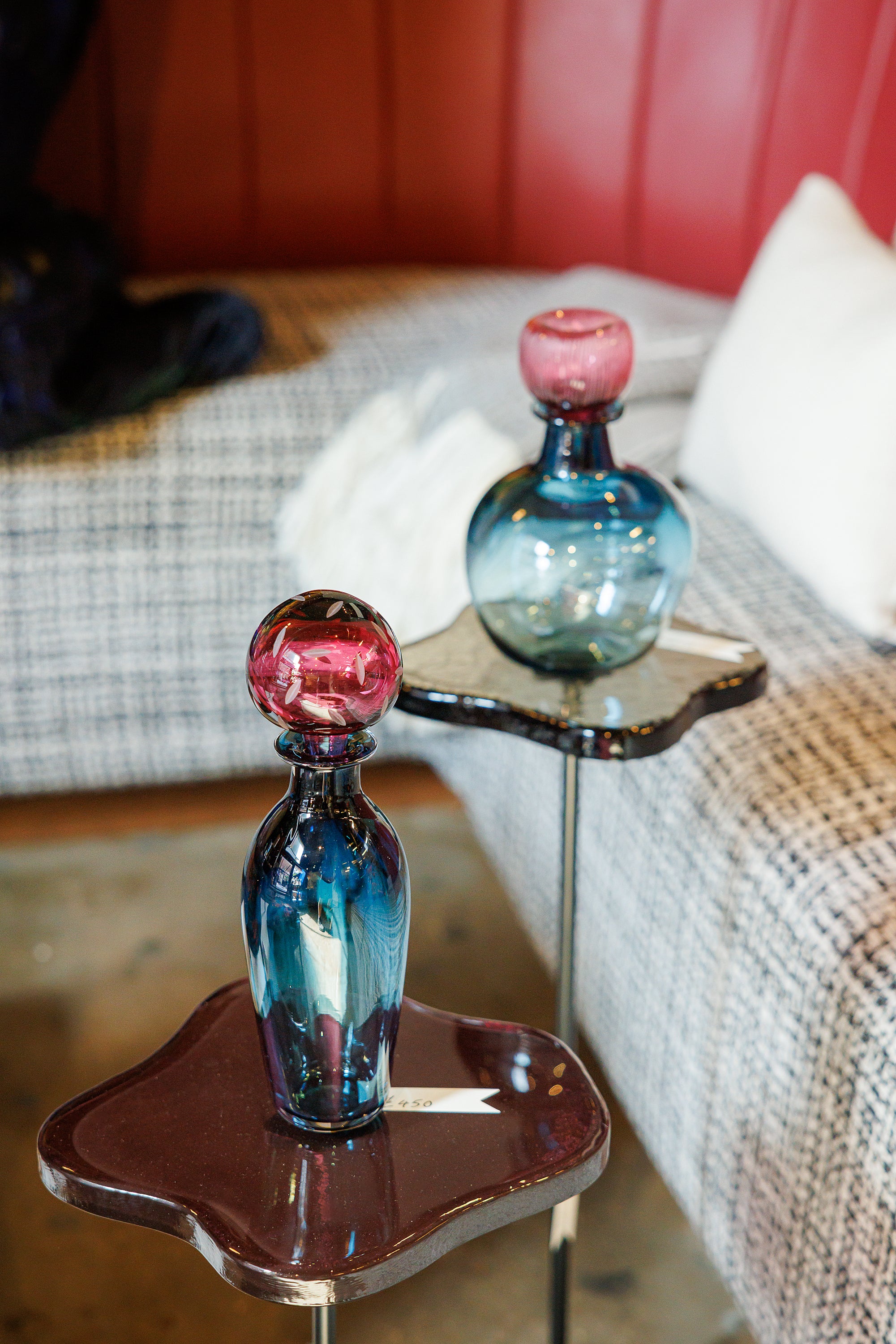
Thank you. I am drawn to originality, quality of making and consistency of voice. I want every artisan to truly own their designs so that when someone enters a space, they can immediately recognise the person behind it.
That clarity and authorship is incredibly important, it creates confidence for both collectors as well as the wider audience.

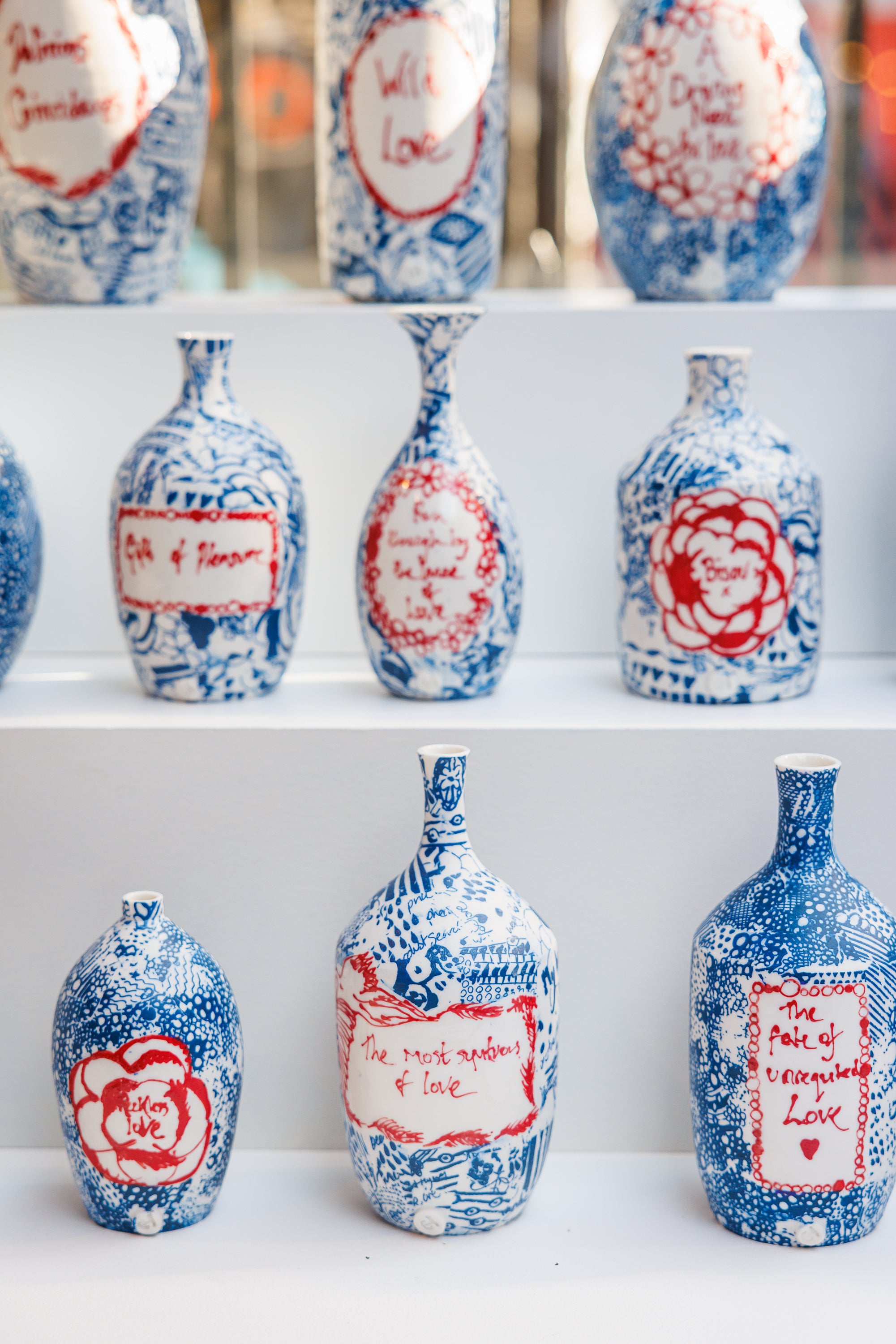
Q: Craft is having a real moment right now, do you see this as a shift in values, or something that has always been there but is finally beingrecognised?
Absolutely. Craft is no longer a dirty word, although it may now be used too broadly. Today it represents quality rather than hobby.
My ambition with Future Icons Selects is to further engage interior designers and architects, creating opportunities for artisans to produce work for commercial and luxury spaces.
While this level may feel out of reach for some, supporting specialist craftspeople often depends on engagement with the luxury market.
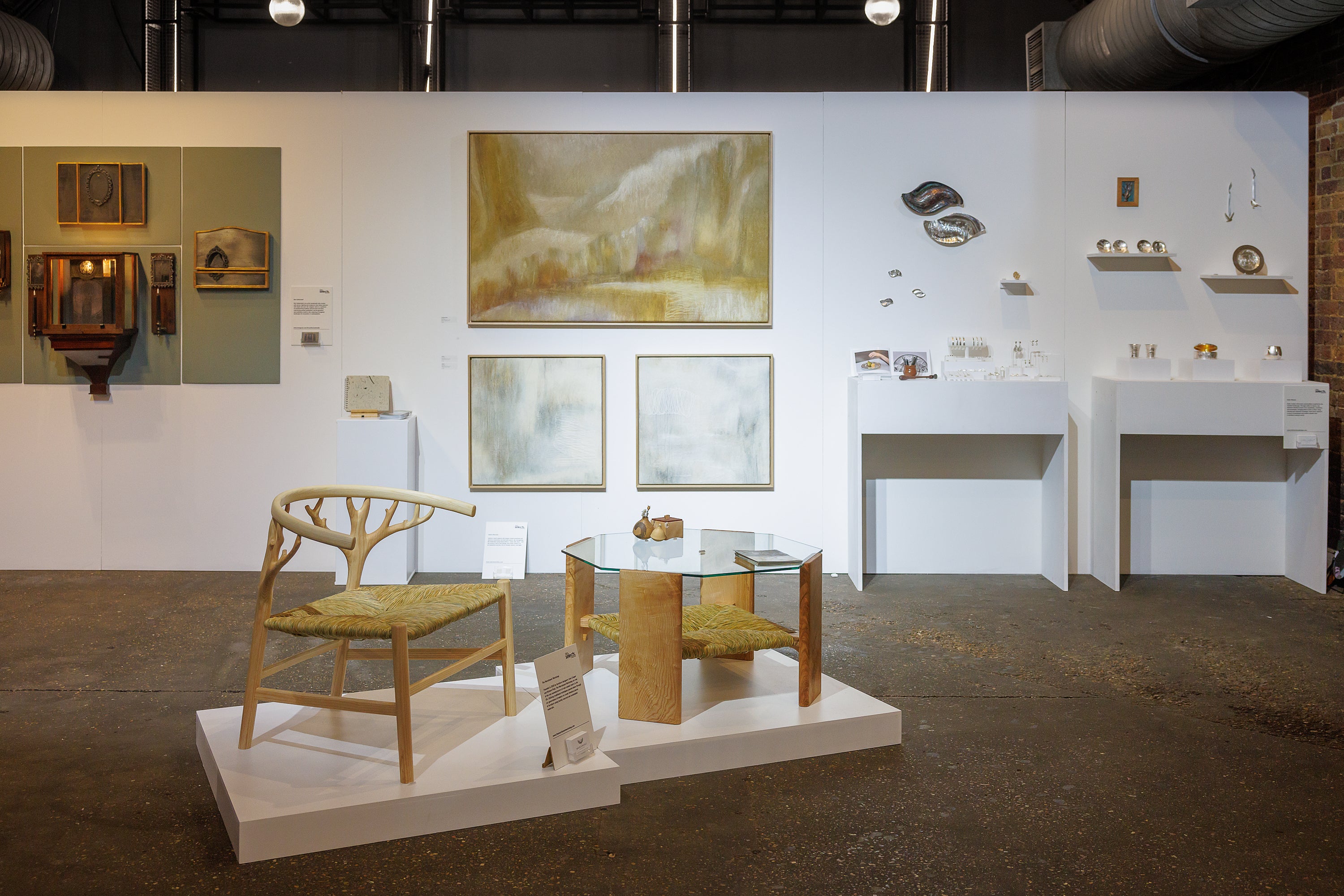
Q: There’s a strong sense of community around Future Icons Selects, how important is that connection between maker, collector, and audience in shaping the experience?
It is essential. I am very open and honest with all applicants about expectations, and I encourage the same in return.
This approach has created mutual trust and respect. Over the years, I explored becoming more of an agent or gallerist, but ultimately stepped back from that model.
Returning to an events focused structure removed potential friction and created more opportunities, particularly with galleries.
Now, artisans can sell directly to collectors, collaborate with galleries or work with interior designers without complication. I see my role as a tastemaker and connector, guiding rather than controlling those relationships.
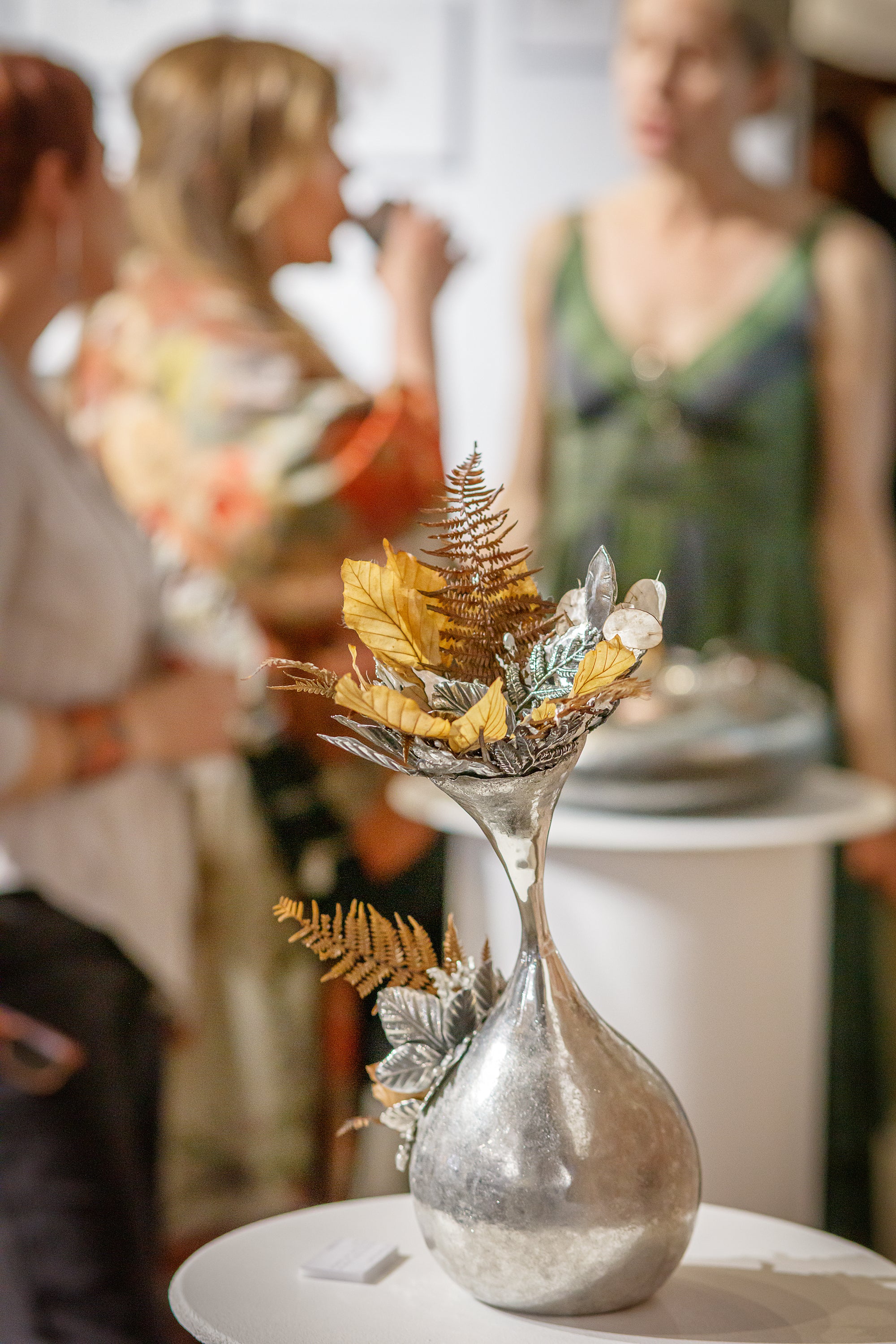
Q: What do you think sets Future Icons Selects apart from other design and craft platforms?
Future Icons Selects offers a distinct and necessary platform by focusing on mid-career and established artisans, a group that is often overlooked due to funding structures.
I operate on an upfront model rather than commission, allowing galleries and partners the space to sustain their own businesses.
The showcases themselves are designed to be welcoming and accessible. I curate environments that help visitors immediately understand how these works can live within their own spaces.
That clarity and approachability is what sets Future Icons Selects apart.
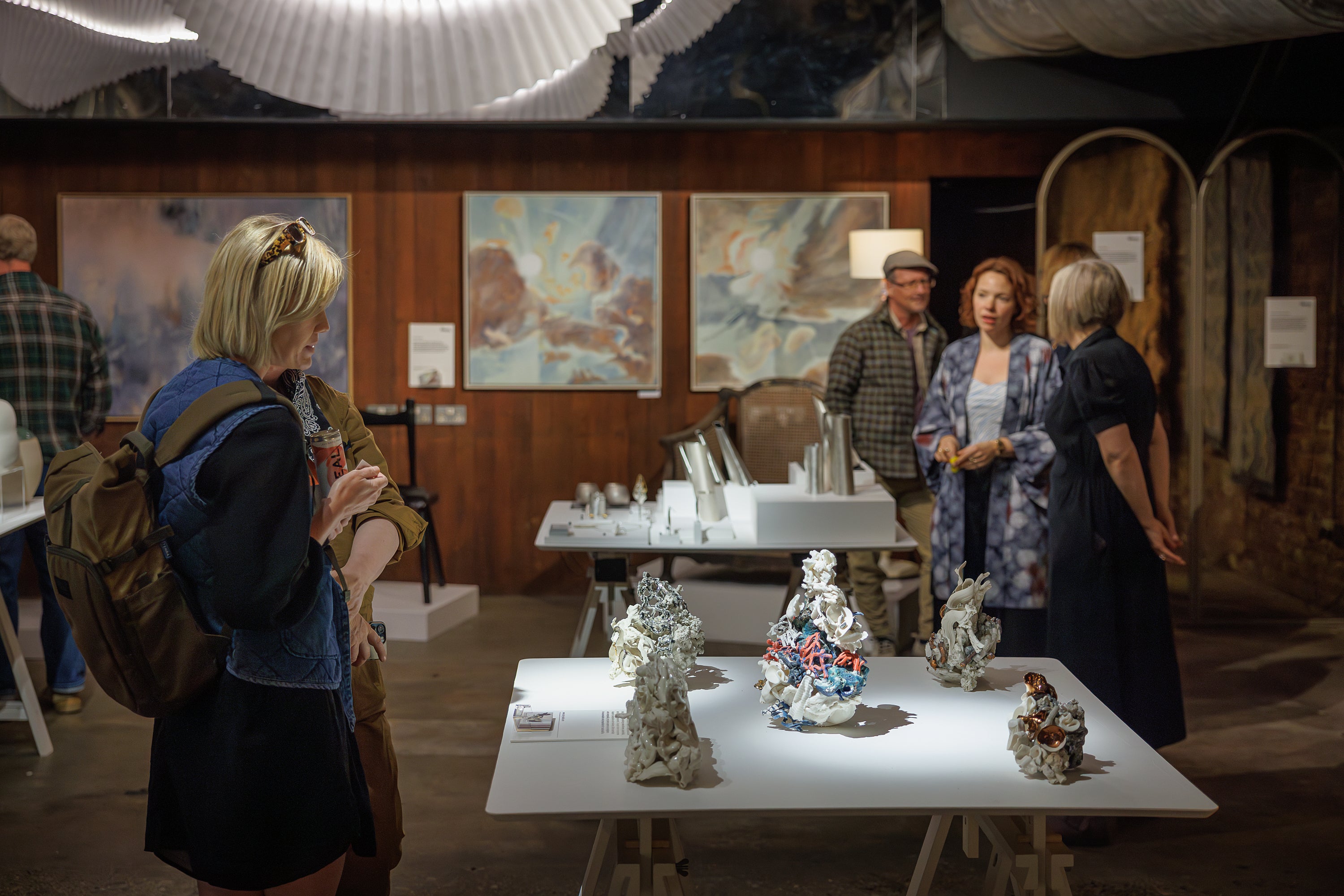
Q: Looking ahead, what excites you most about the future of Future Icons Selects, and the next generation of designers coming through?
I feel incredibly privileged that established artisans continue to apply to take part in the shows, even when they may feel they do not need to. Often, they are looking to reach new audiences or explore new directions, which we are able to support.
Looking ahead, I have always wanted to align with Frieze and PAD London week, which is one of the most important moments in the UK art calendar. However, I did not simply want to replicate Future Icons Selects, so I decided to collaborate with fine art dealer Trevor Read of Adorn The Common to launch Adorn The Future: A highly curated exhibition bringing together fine art and objet d'art.
The exhibition will take place at 89 Rivington Street this October and offers artists the opportunity to sell directly to collectors while engaging with galleries and the architecture and design community.
It is free to attend, providing an accessible alternative during a week where many events carry high ticket prices. We are not in competition, but rather creating additional opportunities for artists to be seen and supported.
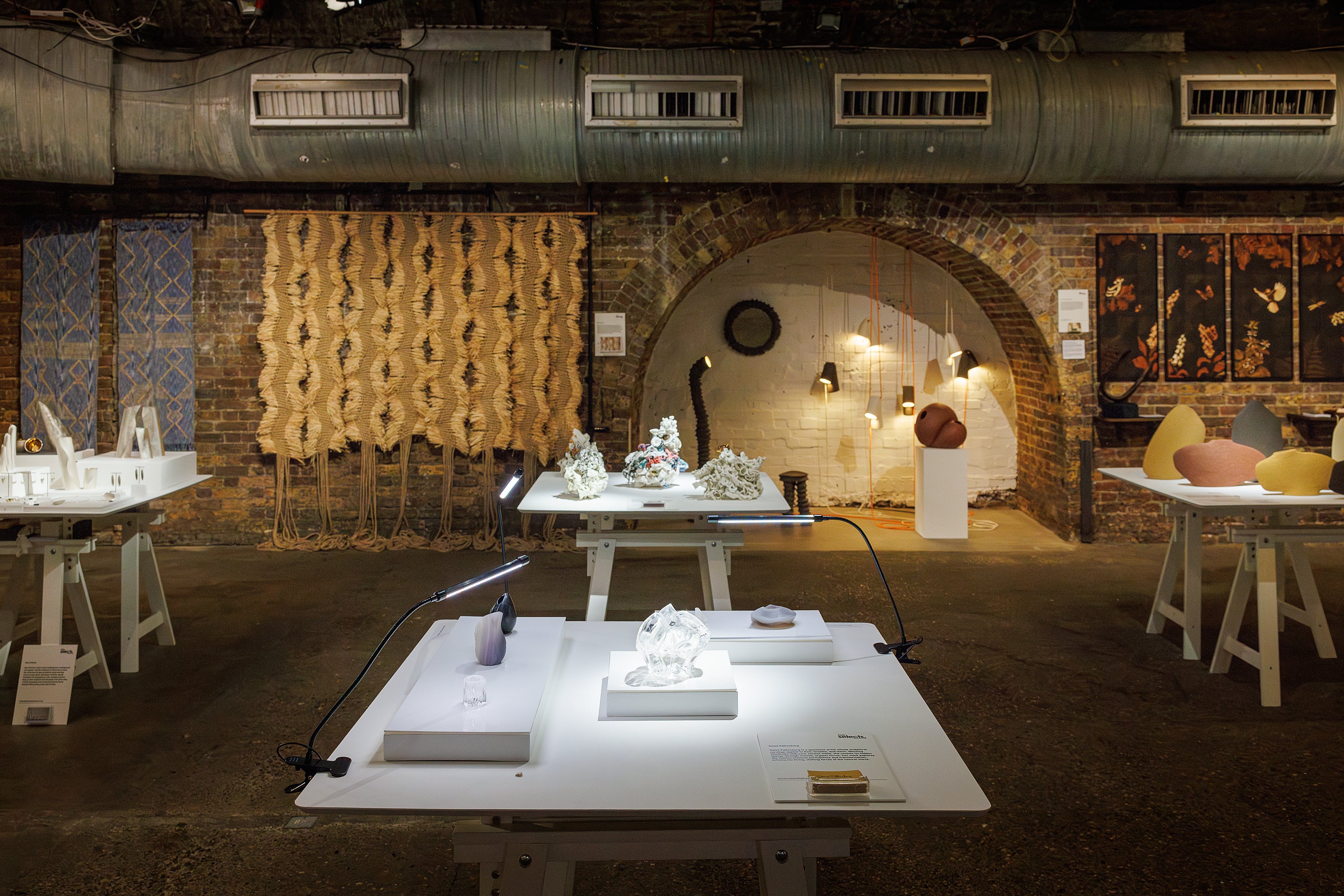
Future Icons will take place from 15–21 May 2026 at 83 Irvington Street. As the media partner, OLISE Magazine will be sharing highlights from across the week. Discover more at www.futureicons.co.uk and get your tickets here.


