


Brian Woulfe: Design Without a Rulebook
EXPERTS
From an unconventional start in music to designing high-end homes across five continents, Brian Woulfe has built his studio with instinct, ambition and a willingness to say yes before all the answers are in place. In this conversation with OLISE Founder Annie White, he reflects on the leap that took him to Thailand during the recession, the realities of running a global design business, and why luxury still depends on human connection. Together, they discuss trends, AI, client relationships, colour, art, burnout, and the evolving future of Designed by Woulfe.
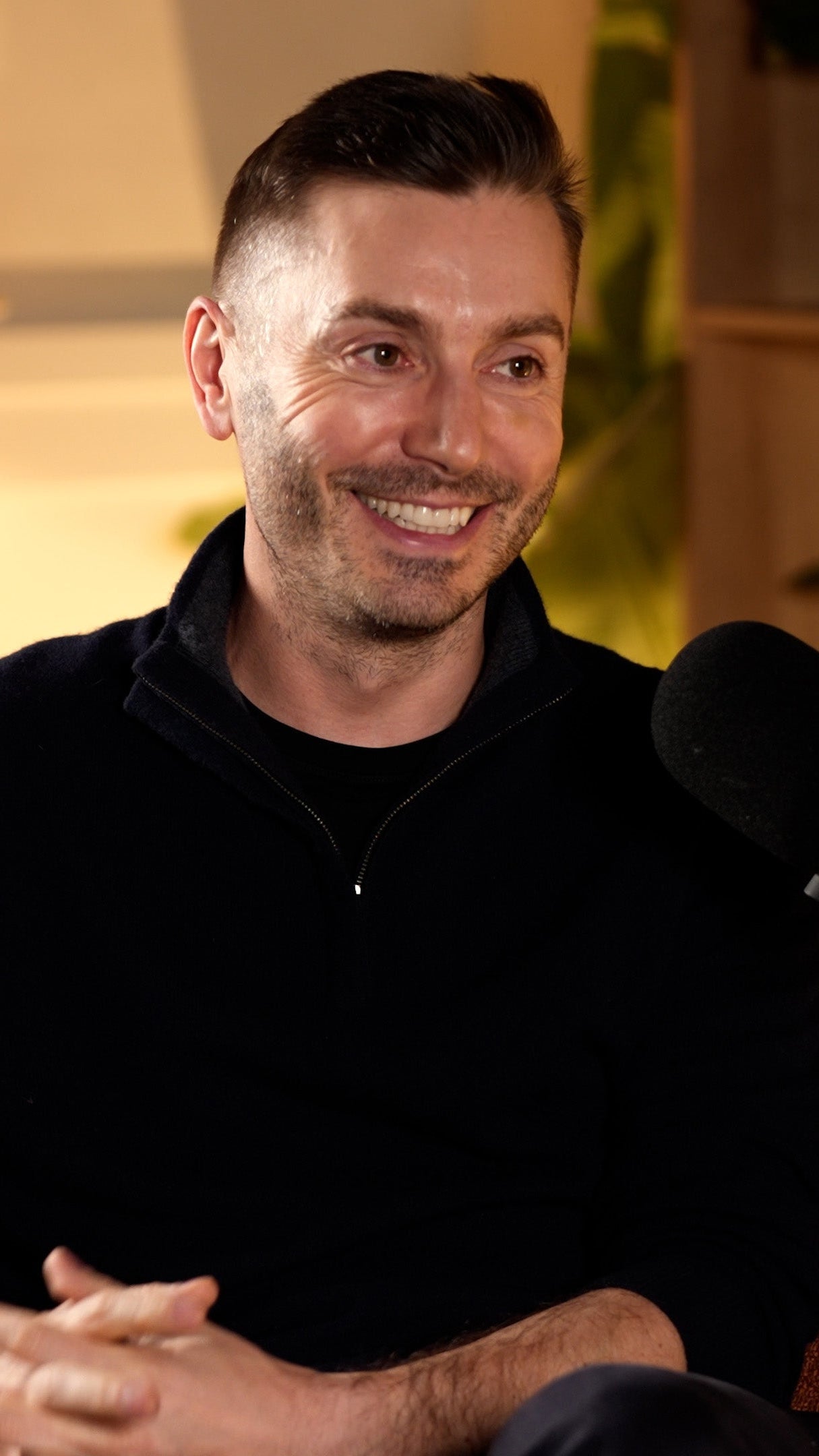
Q: Brian, you’ve worked on residential projects all over the world, but before we get into that, I’d love to know how your journey in design began. Was there a moment when you knew this was it for you?
It was completely by accident. My background was actually in music, still in the arts, but heavily rooted in music from childhood. I played piano, oboe and organ, accompanied school choirs, played in church, and was in the orchestra. I thought it was something I wanted to make a career of, and I put a lot of pressure on myself to pursue it. But by the age of 21 or 22, it wasn’t sitting quite right with me.
Then I had a really unusual opportunity to help someone on a project, mainly to earn some money on the side. They got rid of the architect and the designer, and the rest is history. Something just clicked. I realised I really liked it.
What’s strange is that I’ve never worked in another interior design studio. I’ve never been inside a large, functioning design practice, so I don’t know what someone else’s sample library looks like or how their systems work. I’ve made it all up from scratch, and somehow it’s worked for me.
Q: Did you grow up in Ireland?
Yes, on the west coast of Ireland, on a farm. Then I moved from the farm to the bright lights of Dublin, and not long after that to London, which was really calling me.
Q: So you moved to London as a musician?
Yes, and then pivoted to design. Not long after that pivot, the 2008 recession hit, and I ended up with an opportunity to move to Thailand. I was in Phuket, sitting by a pool, bored out of my mind because I can’t really relax by a pool, and I went for a walk. An estate agent saw me looking in the window, came out, and started showing me these incredible multi-million-pound properties.
I ended up meeting a developer, and after hearing I was an interior designer in London, he said, “You should come here.” He explained that they were building luxury oceanfront homes for expats from Hong Kong, Singapore and beyond, and that flying designers in from London, Paris or New York was difficult because they weren’t on the ground. He said I’d do well there. Three weeks later, I was living in Thailand.
It was a complete leap. For the next five years or so, I was moving between Phuket, Bangkok and Hong Kong on a constant rotation. I spent days each week on site with contractors, engineers, consultants and developers. That became my training. I didn’t learn through books or college, I learned by being thrown into real projects.
Q: Did you ever feel intimidated by that?
I think I was cocky when I was younger. That slightly dangerous confidence probably kept me going. But I loved it. I can’t remember a single day when I hated what I was doing. I loved what I was learning, the materials, the scale of the properties, the exposure to how things are actually built. I ended that chapter on a high too. The last project I completed there was a US$30 million build. It was spectacular.
Q: You’ve spoken before about not really believing in trends. If clients come to you full of trend-led ideas, how do you steer them in the right direction?
We get it all the time. Almost every client comes in with Pinterest boards and trend references. But often that comes from insecurity. They feel they need to know something about design before speaking to you. That’s when the real preferences emerge. It might be the colours of one concept, the materials of another, and the shapes from a third. Once you have those elements, the client has usually forgotten about trends. They’re focused on what they genuinely respond to. That’s when you can build something personal and lasting.

Q: Has that process changed with the rise of Pinterest, Instagram and now AI?
Absolutely. And now AI is appearing in every email. I can usually tell when a brief has been written by ChatGPT or Claude. Clients think they need to send this long, polished brief, but if it’s written by AI and they haven’t properly fed it their real thoughts over time, the brief is often wrong. The emphasis is in the wrong place. So we scrap it and start again.
That said, I don’t mind clients sending Pinterest or Instagram references. I love seeing what they like. I’ve just become very good at filtering it. What’s harder now is that people see fantastical AI-generated imagery and think it’s real. They’ll send you a space with impossible windows or unrealistic detailing and say, “I want that.” Then the designer has to educate without sounding patronising.
Q: Where do you stand on AI more broadly?
We use it a lot for productivity, emails, spreadsheets, data processing, costings, copy generation, giving more context to concepts. Why not? If we can spend less time on admin and more time on creative work, that’s a positive.
But clients at our level still want the personal touch. They want to tell their story. They want someone to listen. AI will say yes to everything unless you specifically ask it to challenge you, and it’s only as good as the information you put into it. If you’re not a designer and you’re feeding in shallow information, the output might look impressive, but try implementing it in real life.
Q: And that links to luxury too, doesn’t it?
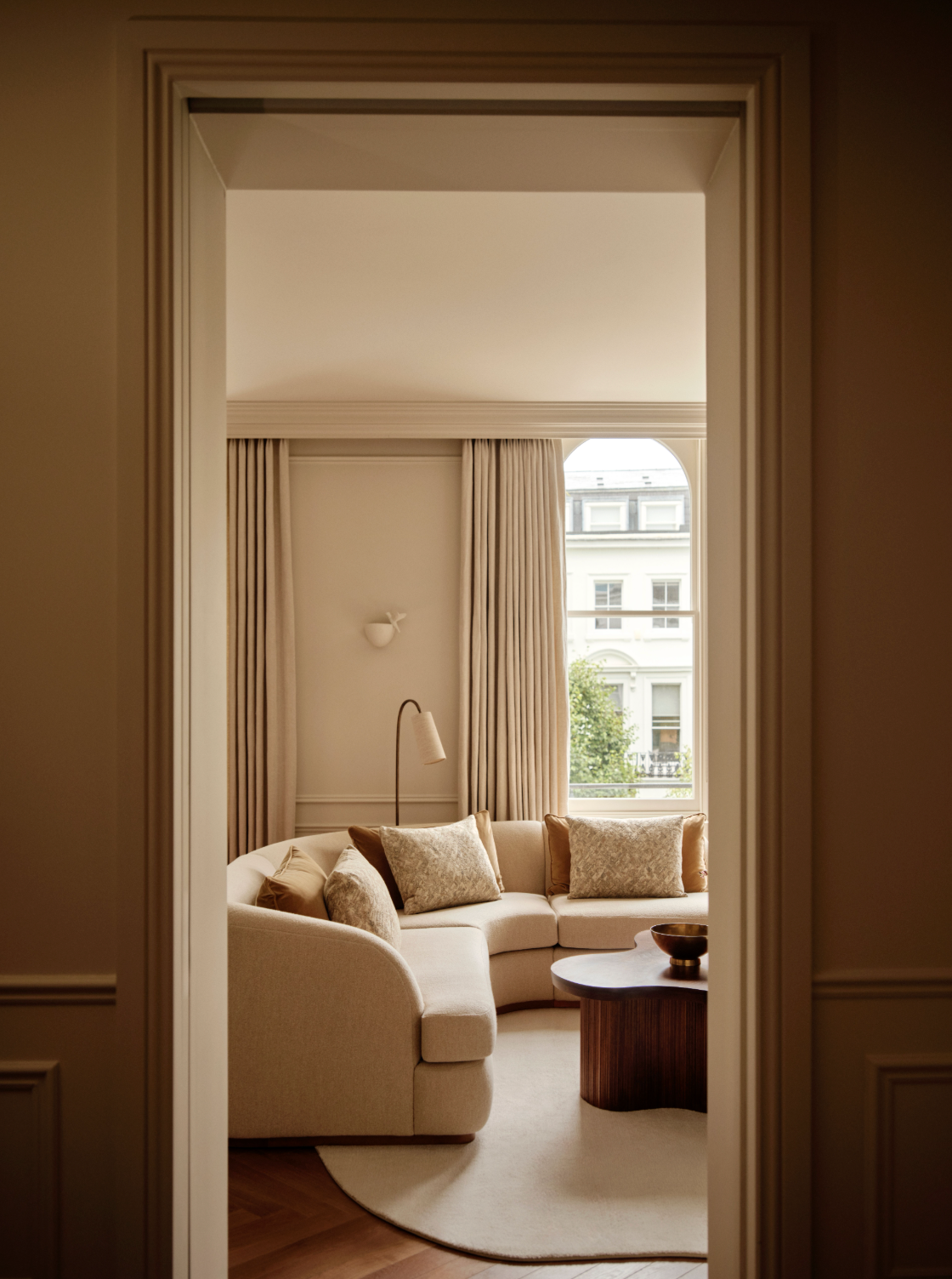
Completely. What I’ve noticed in luxury is that people increasingly value experience and relationship. They want to meet people, talk to people, touch things, feel things, be known. That’s luxury. You can’t build a relationship with AI in the same way you can with a person. In interior design, clients want to tell you about the grandparents, how they celebrate Christmas, how the children will grow over the next five years, whether they’ll go to boarding school and come back. That storytelling matters. It shapes the house. A three-year project means your three-year-old is six by the time you move in. They’ll have hobbies, routines, different needs. Our role is to guide, flag the future implications, and help them make informed decisions.
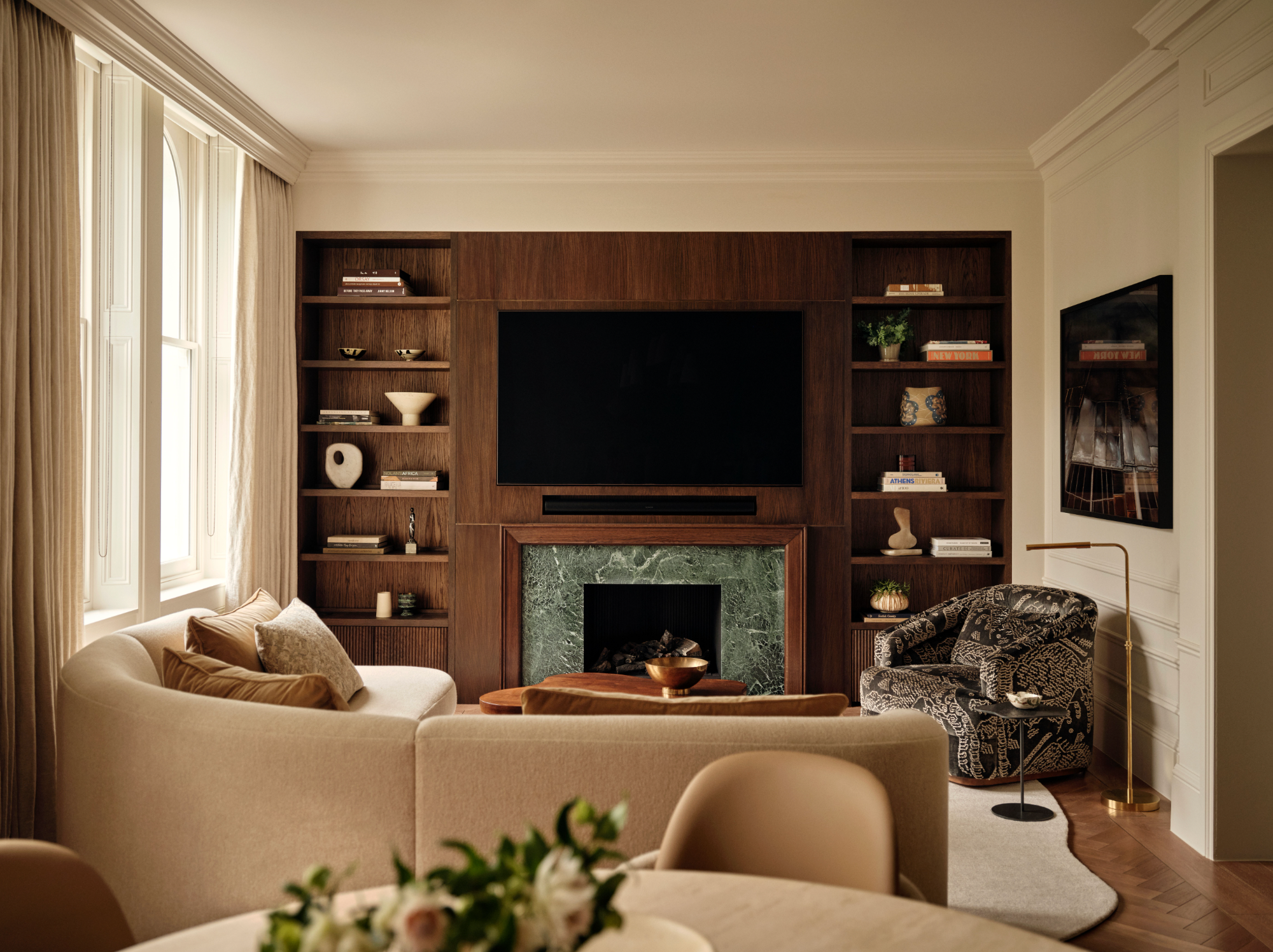
Q: How do you find most of your clients?
Referral work and word of mouth are number one. Repeat clients are number two. SEO and digital marketing are number three. We don’t invest heavily in social media, but we do maintain a presence because it helps people verify that you’re genuine and see a body of work quickly.
The other route is networking. I’m a yes man. If someone invites me to a party, I’ll probably go. I went to a client’s birthday party not long ago, really didn’t want to go, didn’t know anyone there, but I pushed myself. Five projects came out of that one party.
Q: That says a lot about trust.
Exactly. People would rather work with someone they trust than someone they found through a Google search. Social media might be the first touchpoint, but it’s not usually what makes them act. It reassures them. Then they’ll look for a stronger signal, recommendations, search results, photography, a good website. You need multiple touchpoints. Clients probably want you to tick at least three boxes.

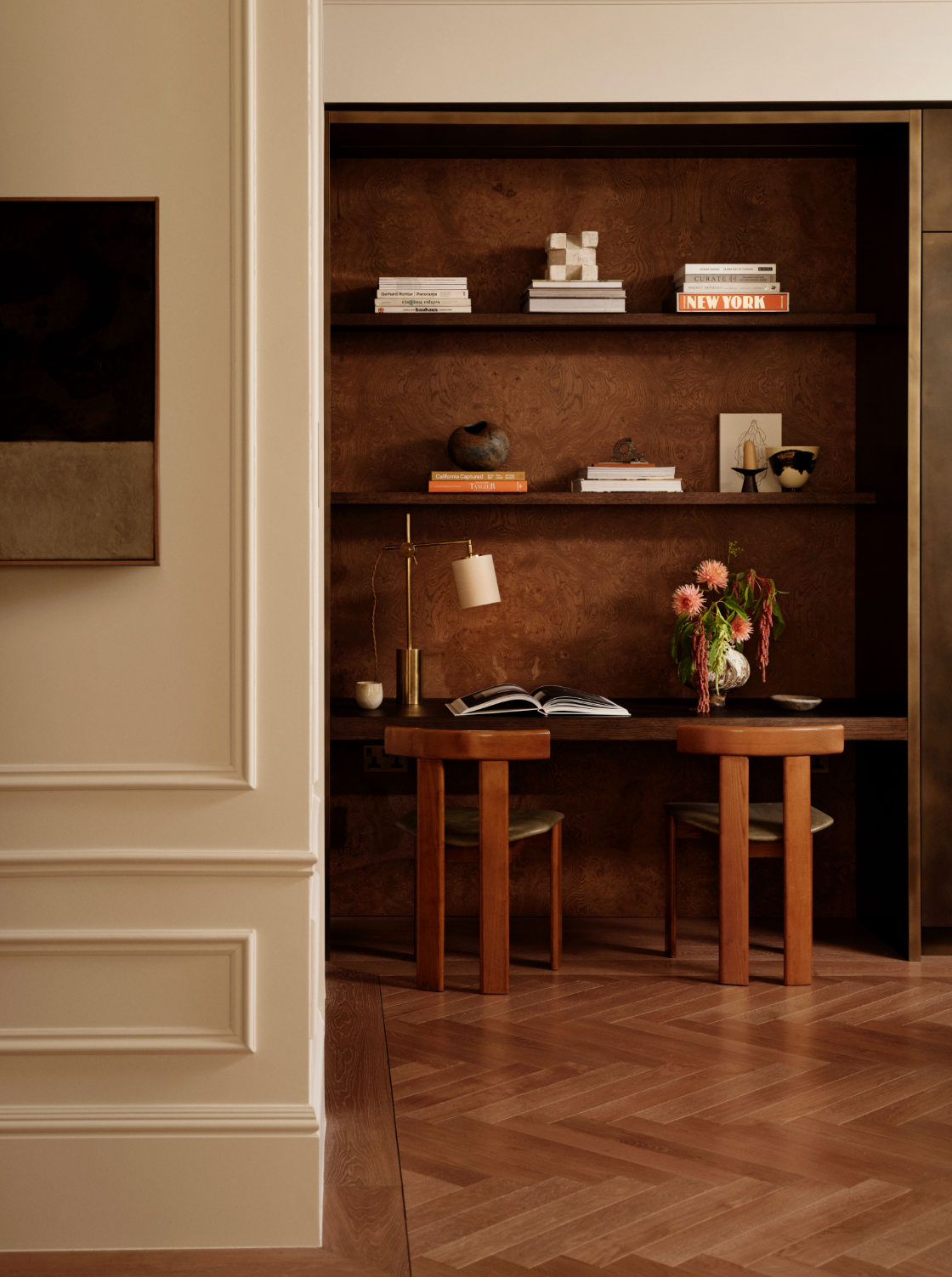
Q: You use colour beautifully. What advice would you give designers on working with colour?
Be brave, but be able to edit. You can have a lot of colour in a concept stage, but then you need to pull it back. Let there be one moment, a central piece or burst of colour, without overloading the room with too many fabrics, trims and competing details. Be brave, but keep the space calm.
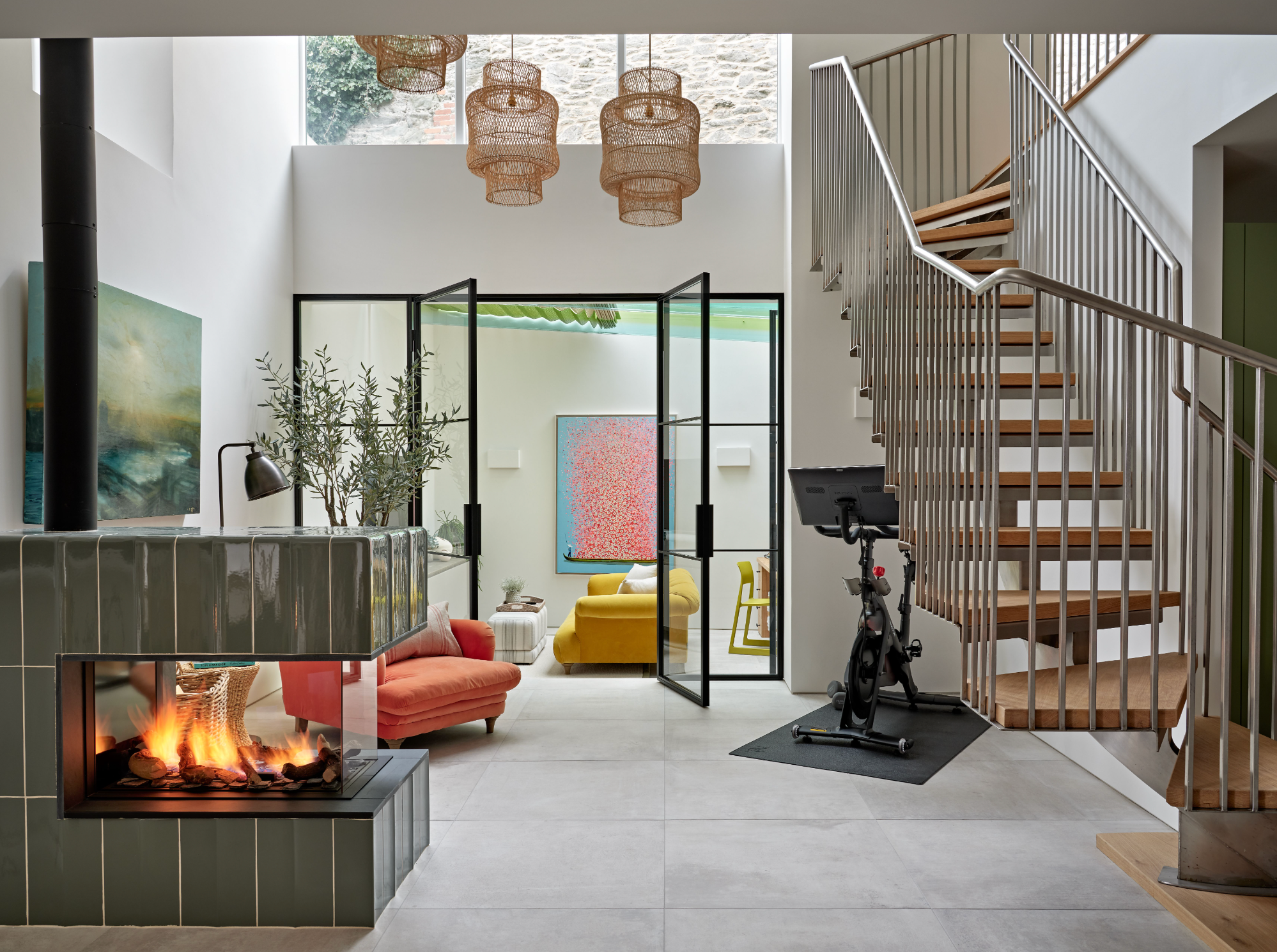
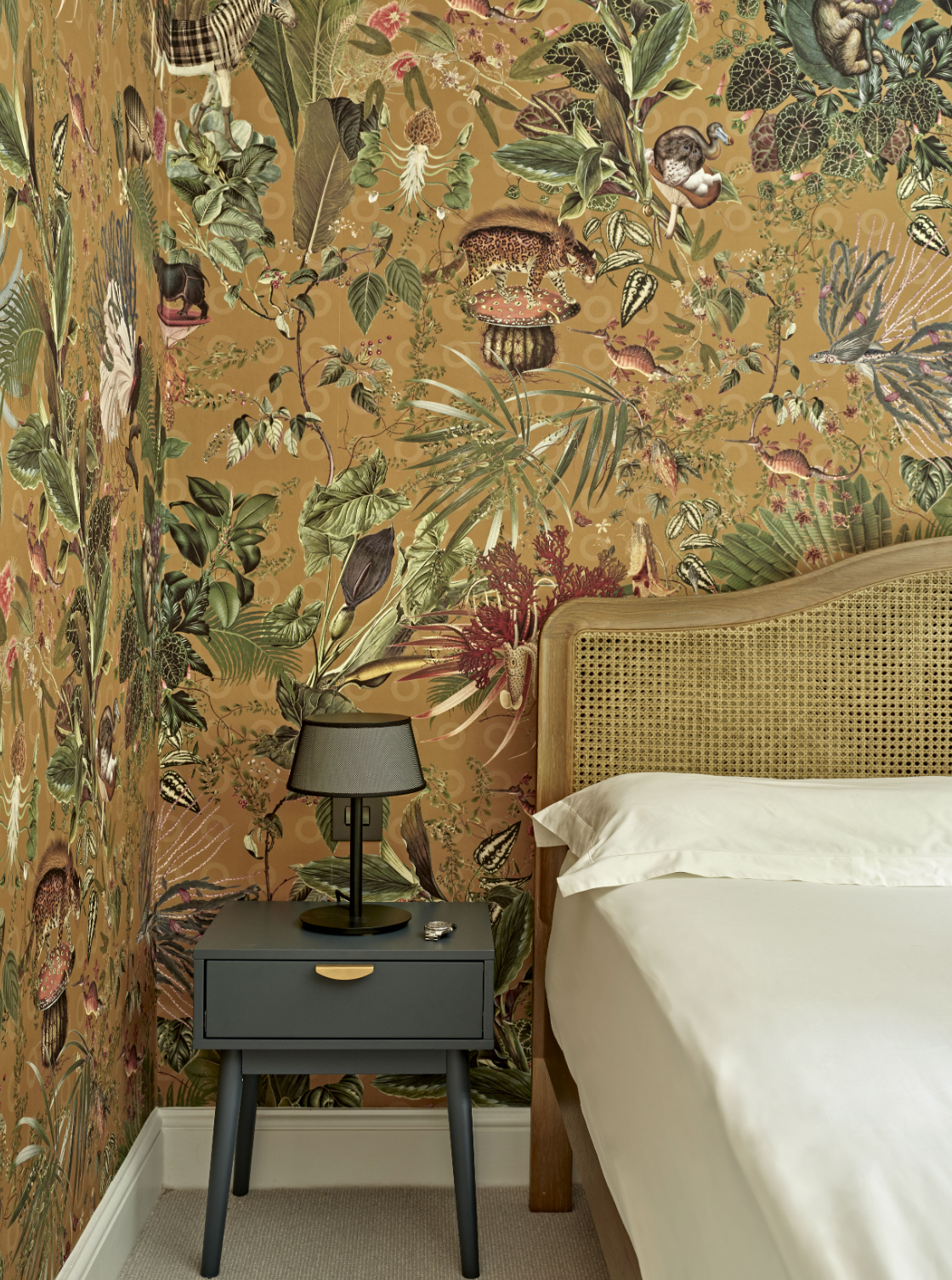
Personally, I gravitate towards warmer, nature-inspired colours, rusts, cinnamons, greens, blues, ambers, but for clients we’ve used the whole spectrum.
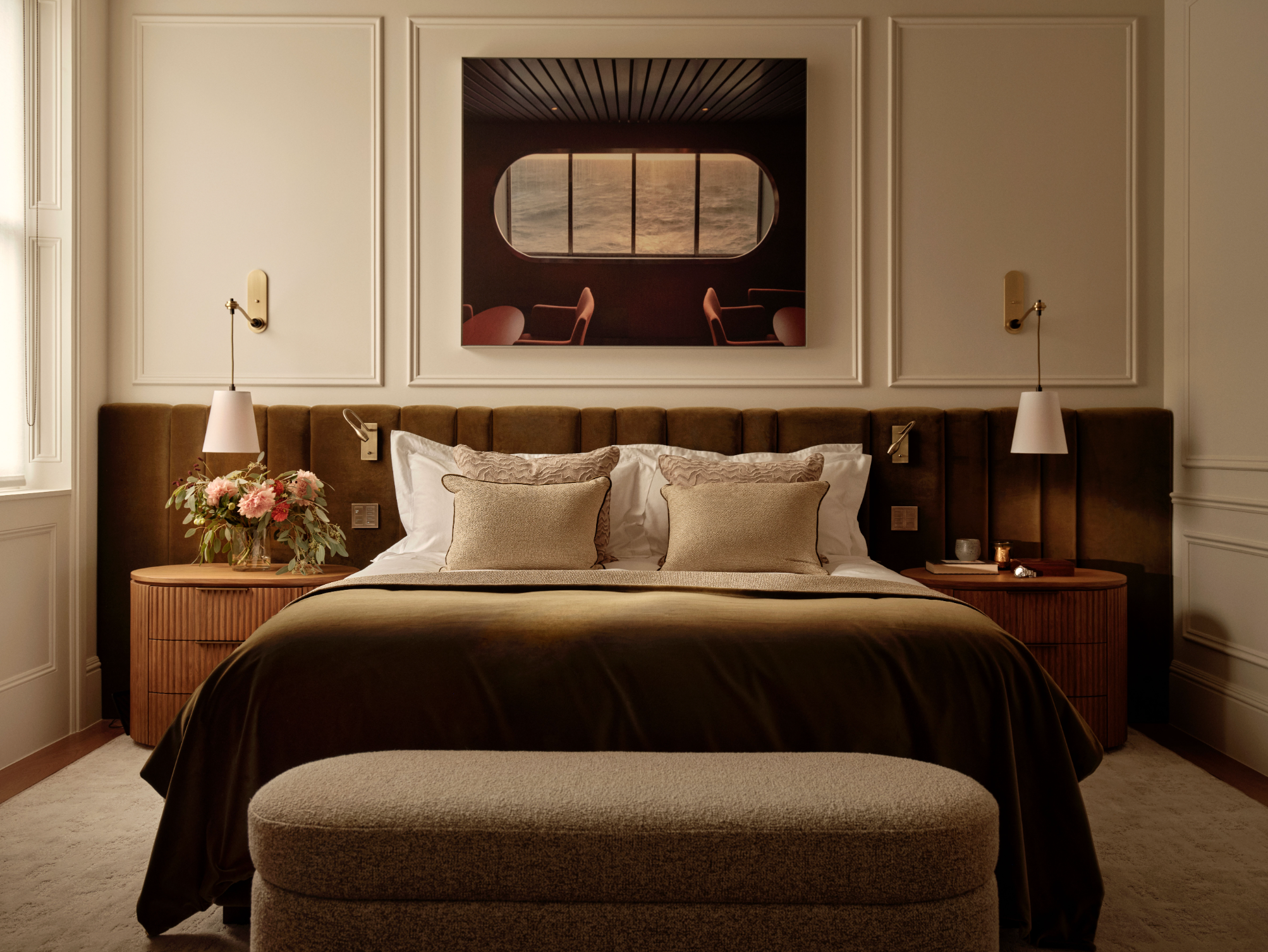
Q: Art is also a big part of your work. How do you approach it?
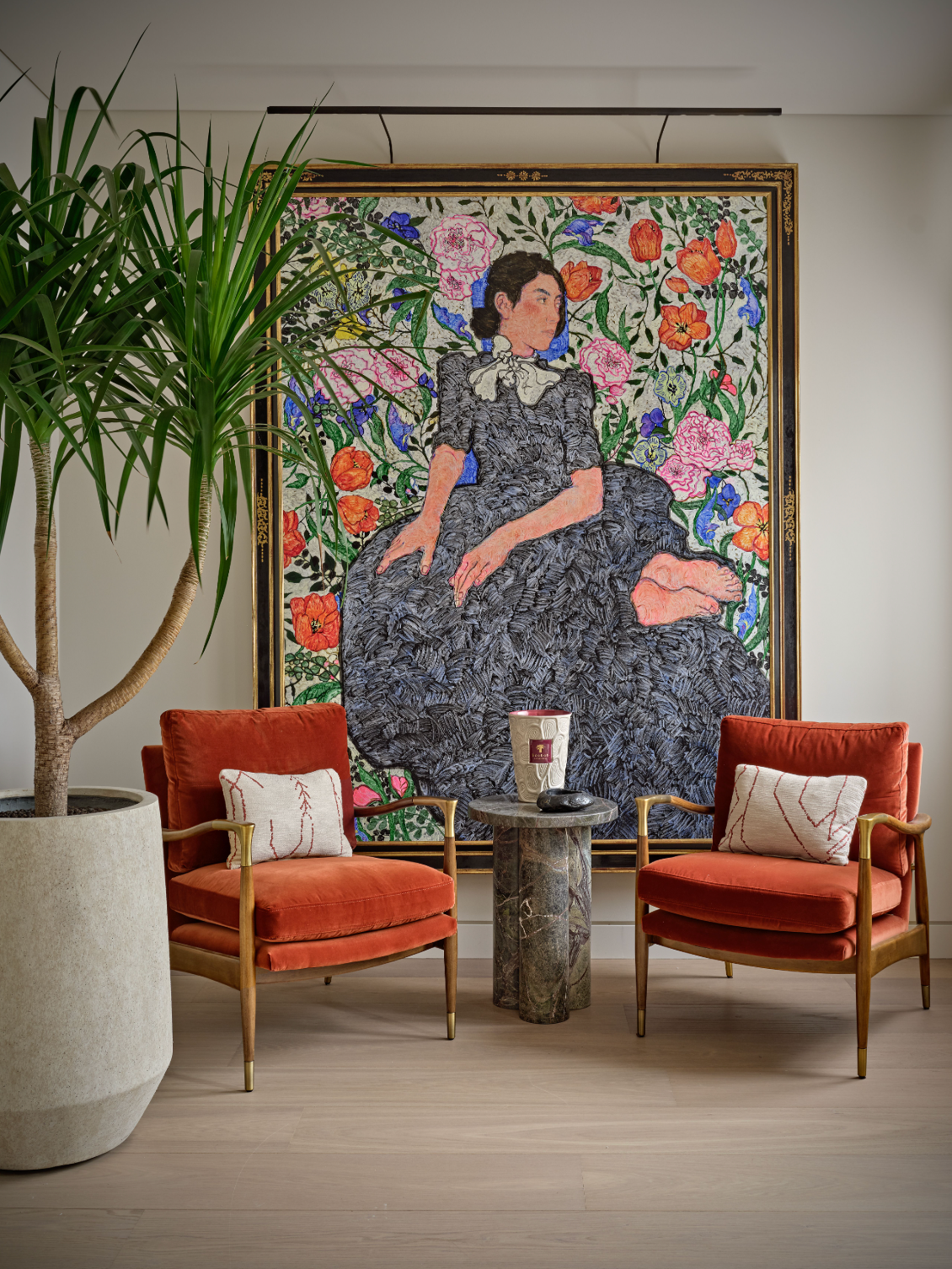
For myself, I buy what I like and find the wall later. For clients, it depends. Some already have collections across various homes, so it becomes a conversation about what can be moved and what works best in a particular setting. Others are entirely new to collecting, and then it’s about taking them on a journey. We might start with the Affordable Art Fair, then move on to galleries, Frieze, PAD.
It’s about understanding what they respond to, whether they like something flat or more sculptural, contemporary or classical, and crucially, where their budget comfort zone sits. Sometimes you think a client is operating at one level and suddenly they’re seriously considering a piece at £2.5 million.The key is to stay open and not rush it. If a client doesn’t love a piece, don’t buy it just to finish the room. Art is too personal for that. Better to wait.
Q: What about difficult moments on projects? What’s your approach when relationships become strained?
A: I’d love to say it’s always about open communication and transparency, and of course those things matter, but the reality is that long projects are difficult. A project can run for six months, twelve months, three years. You can begin on the best terms with everyone and then things get tedious, or something goes wrong, or emotions run high.
At that point, you have to make judgement calls. Do you keep fighting for the ideal outcome, or do you agree to something so the project can move forward? A lot depends on capacity and whether the fight is worth it. So yes, communication matters, but so does choosing your battles.
Q: Your client relationships seem unusually close. Do you have boundaries?
Honestly, not really. Sometimes it can go wrong when clients become friends, because expectations shift, but I don’t like putting too many boundaries up. If you do, it can limit how open they are with you, about budgets, pressures, stresses, or what’s really going on in their lives.
Sometimes what they need help with has nothing to do with the project. It might be a connection to someone in my network who can help them with something else. That level of openness is very useful, especially on long-term projects.
I know designers who won’t answer WhatsApp, won’t respond after 6pm, won’t take calls on weekends. For me, I’d rather take a calm weekend call than deal with a stressed client in the middle of a Thursday when everything is exploding. There’s no right answer, it’s just what works for you.
Q: Your route into design was unconventional. What advice would you give graduates or younger designers?
I’d start by asking whether they actually enjoy business. If you want to run your own studio, you have to ask yourself: do you enjoy spreadsheets, accounts, negotiating leases, dealing with contracts, legal documents, payroll? If you don’t, then setting up your own company probably isn’t for you.
I love the business side. I like the strategy, the negotiations, the structure of it. If you don’t like that, stay in a studio environment and grow there. That can be a brilliant career path. There’s nothing wrong with aiming to become a senior designer or design director within a practice if that gives you the kind of life and income you want.
And if you do want to go out on your own, do it properly. Do it from day one. Don’t drift in and out. Because once you’ve tried to set up your own thing, it can be difficult to come back into a studio environment.
Q: But you were a one-man band at the beginning.
A: Yes, although it grew quickly. I don’t think I’d be sitting here today if I wasn’t a yes man. I said yes to projects and then went home and worked out how on earth I was going to deliver them. That mindset got me here.
And if you’re growing, keep a good network of freelancers around you. If someone says to you over a cocktail that they have a house in Kensington and want to get started, say yes. Full-time recruitment takes months. Freelancers can help you bridge the gap.
Q: So the advice is: say yes.
Pretty much, yes.
Q: Finally, what’s next for Design by Woulfe?
A: A lot. We have fantastic projects in the pipeline. We’re opening a small office in Ireland to support our Irish work, which feels very personal for me.
We’re also properly launching House of Woulfe. Design by Woulfe is our design service, but we get a lot of questions from people asking how they can buy the sofa, the armchair, or get the look. House of Woulfe will create a shoppable experience around that.
And then there’s House of Woulfe Polo, which is the networking and experience side of the brand. We trialled it last summer and people loved it. It brought together current clients, past clients, prospects, contractors and friends in this glamorous, relaxed environment. That experience element is becoming really important to us.
Q: I’ll be expecting my invitation!
You’ll be there this summer!


