

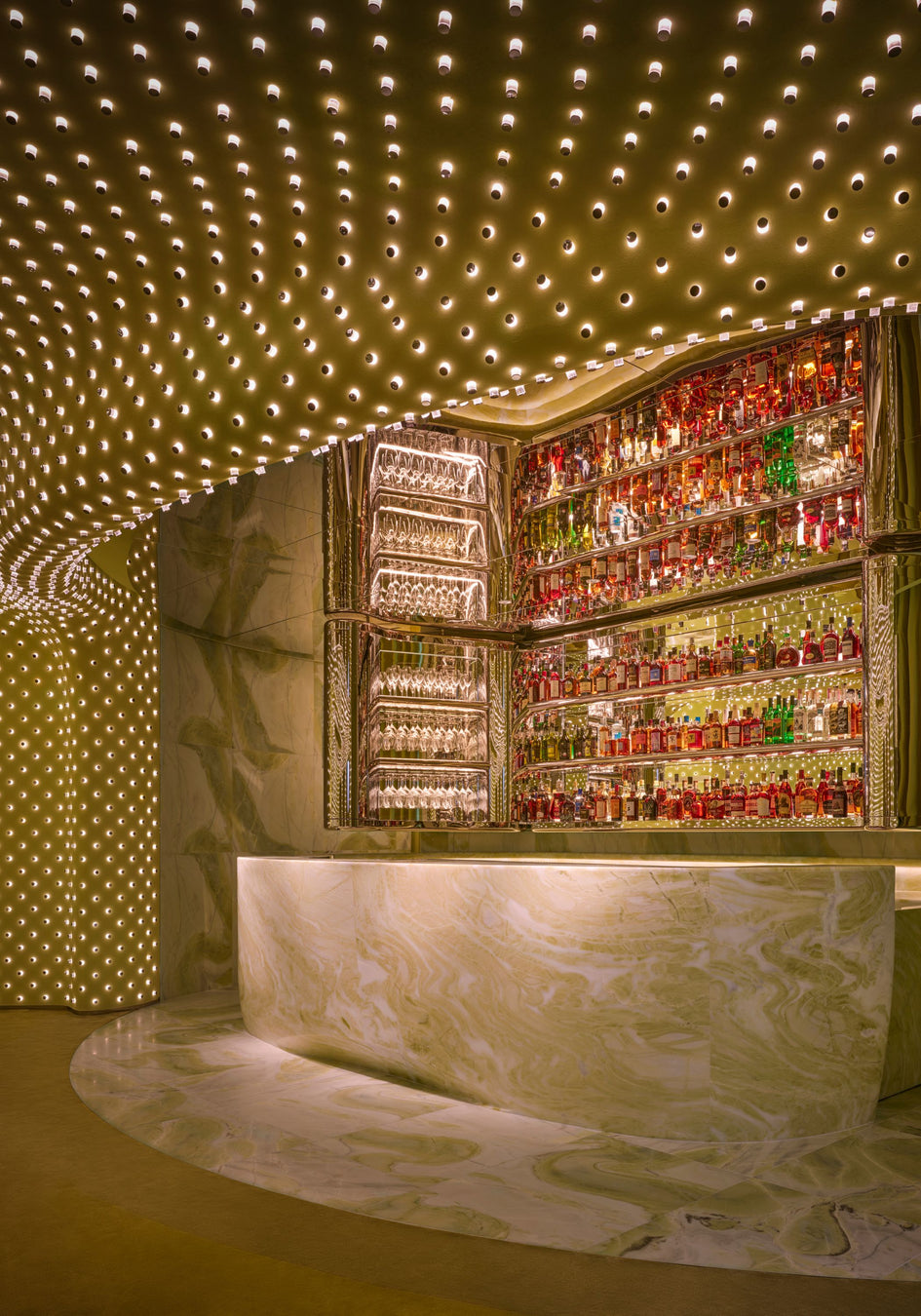
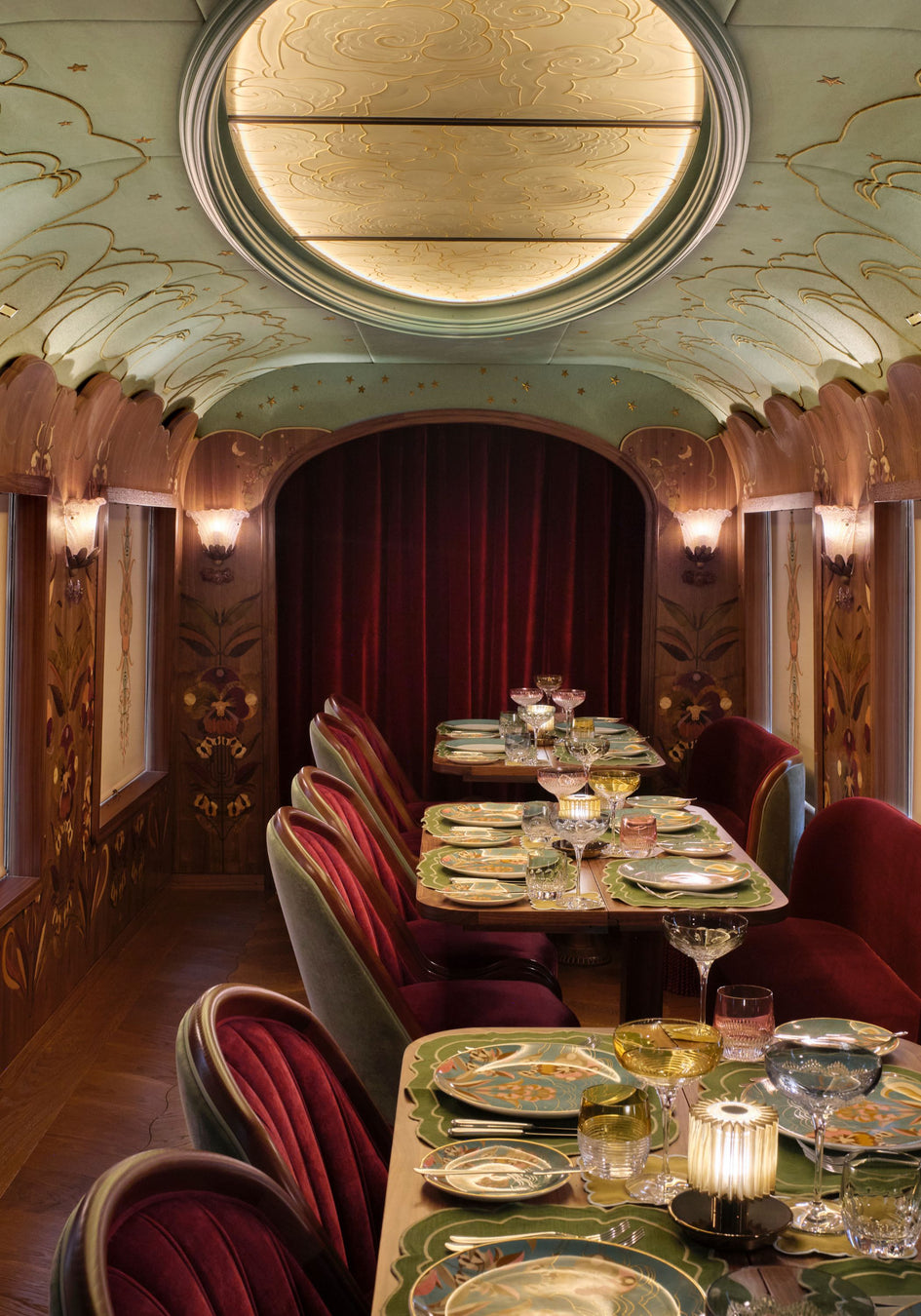

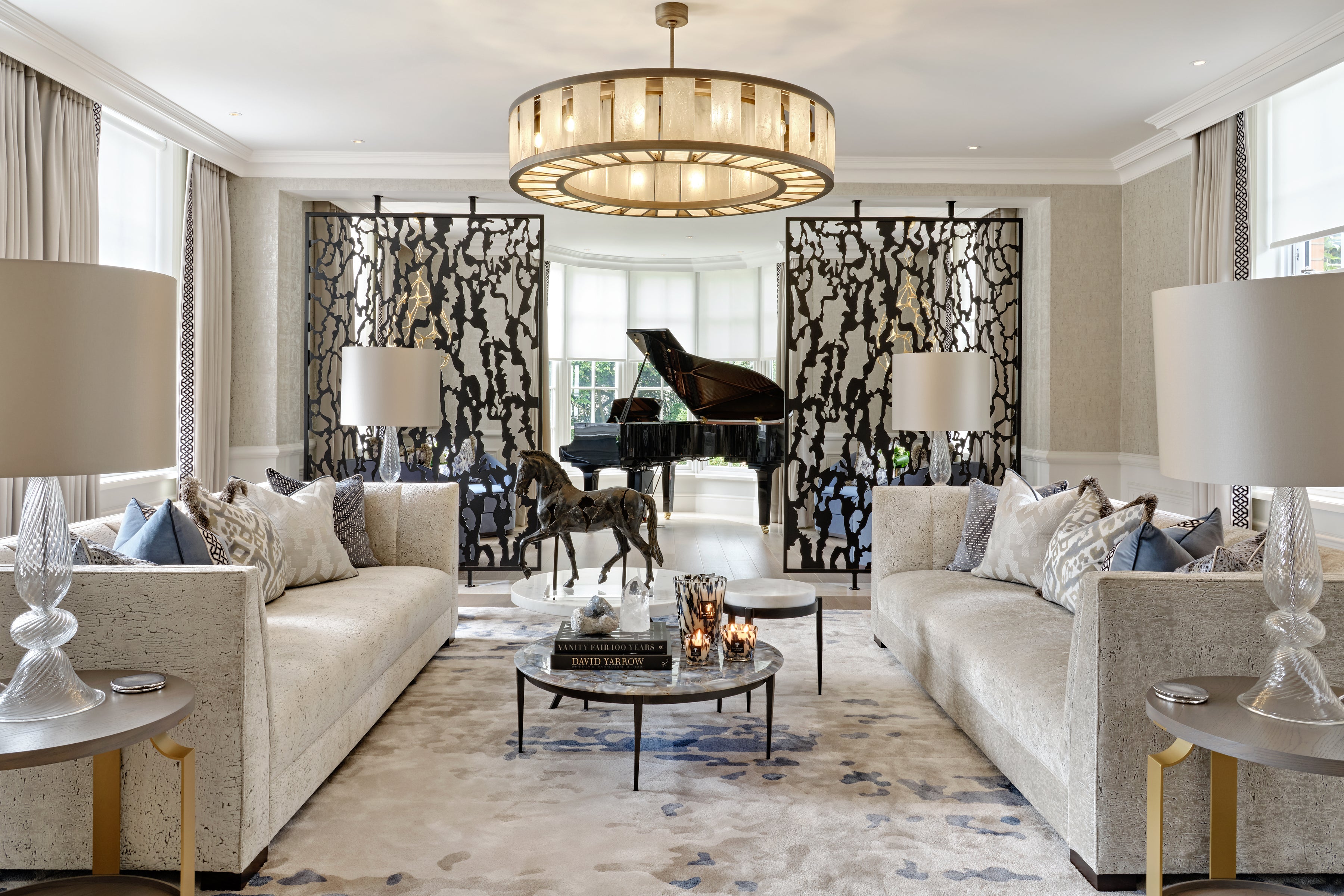
Project photography by Nick Smith
Jenny Weiss and Helen Bygraves on Friendship, Risk, and 29 Years of Hill House Interiors
EXPERTS
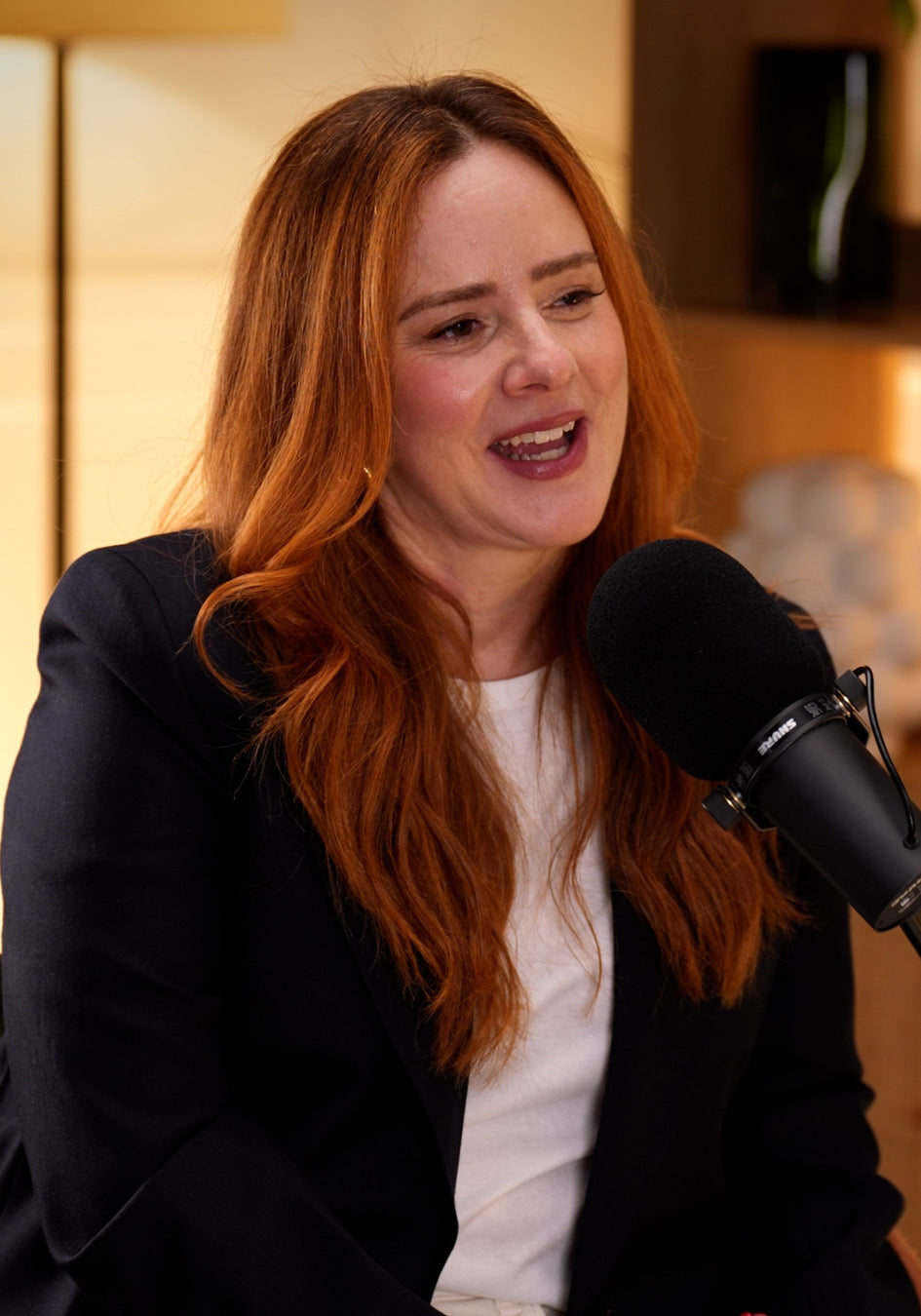
Jenny and Helen, founders of Hill House Interiors, join OLISE Editor-in-Chief Bilen Zeremariam to mark 29 years in business together. From a champagne-fuelled trip to Henley to a thriving Dubai office, the pair talk friendship, commercial instinct, and the Surrey showroom that has been part of the brand's story since the beginning.
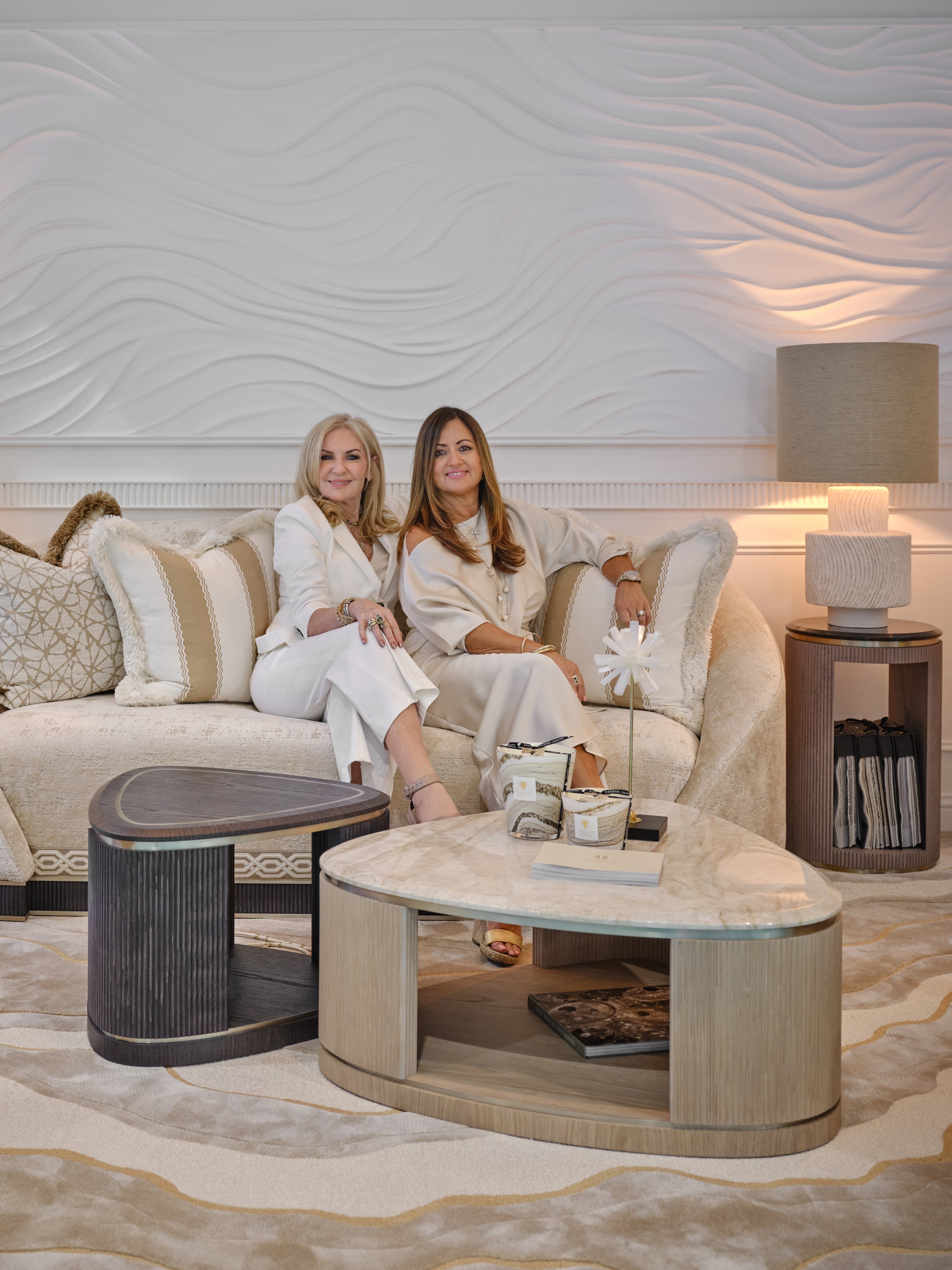
Q: How did you two actually meet?
Jenny: We met through our ex-husbands, who'd been working together on projects in the building and development industry. I think the first time we properly met, we were entertaining and you were coming to Henley with us.
Helen: We were supposed to be waiting for a cab. A couple of bottles of pink Laurent-Perrier later, we left for Henley instead.
Jenny: It really was just a friendship that grew from there. Our children got to know each other, we went on holidays together, and one day we just said, should we do this?
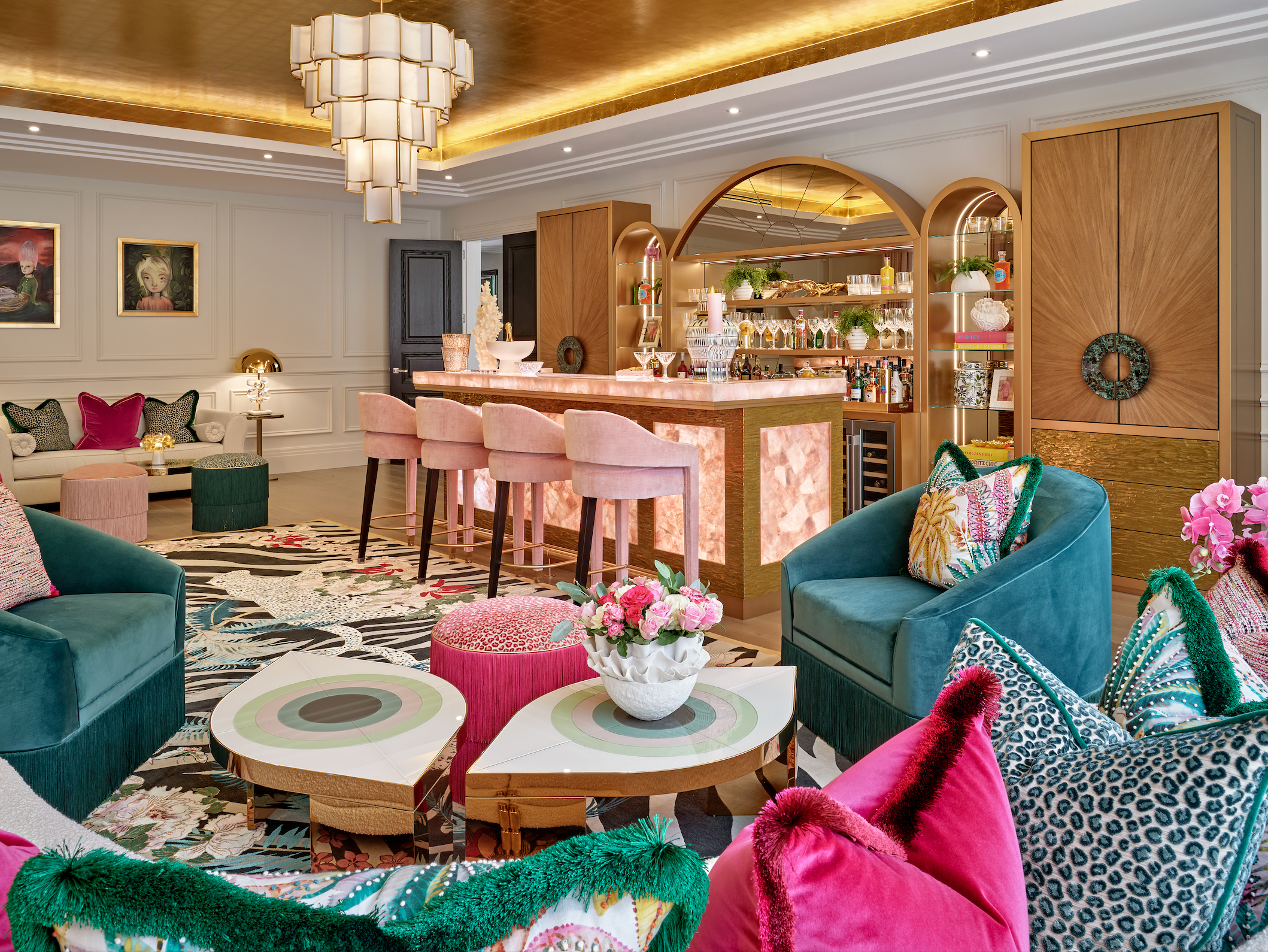
Q: You eventually said, let's try this for six months. What did that conversation actually look like?
Helen: I'm not sure our ex-husbands didn't have something to do with it, if I'm honest. We'd both been working on our own individual development projects, big refurbishments, so it was a natural progression. I was working as cabin crew for British Airways at the time and developments on the side, and it felt like the right moment to stop and change direction. I said to Jenny, let's give it six months, see how we get on, because we're friends first, and it might not work as business partners.
Jenny: That was twenty-nine years ago.
Helen: Twenty-nine years later, here we are.

Dubai International Boat Show 2025
Q: Helen, you trained in dance before British Airways. How did that path shape you as a designer?
My early training was in dance performance and drama at Lane Theatre Arts. I got my Equity card, but contract work was so in and out that I wanted something more permanent, and I wanted to travel the world. Joining British Airways gave me that. The discipline from dance, combined with learning different cultures and ways of life through travel, has genuinely been one of the best foundations I could have had going into interior design.
Q: Jenny, what about your own road into design?
I grew up in a village in Surrey, the middle of five children in a big Irish family, convent schools throughout. Design came later for me. I went into property first, met my husband when I was 21, and we bought, sold and renovated around sixteen properties together before any of this started.
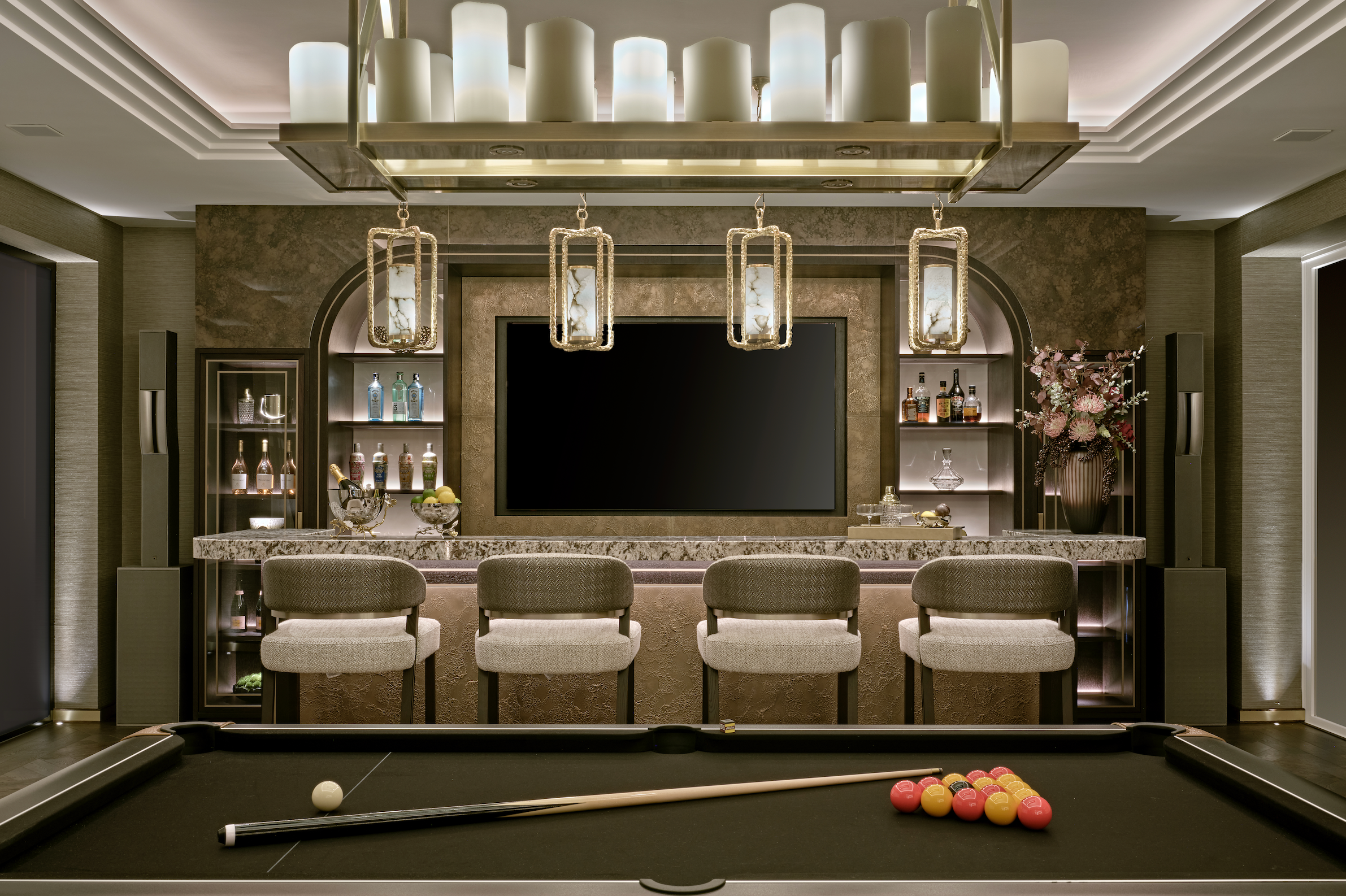
Q: How did the name Hill House come about?
Helen: That one's very much down to Jenny and her husband at the time. We knew we didn't want our own names in it, we wanted something that sounded established, with a bit of alliteration.
Jenny: My husband was working on a big project at the time called Hill House, and after considering loads of names, that was the one that hit. It had a nice ring to it.

Q: If you each described who you were when you started versus who you are now, what would you say?
Jenny: I was quieter back then. When you've had children and stepped away from a workplace, your confidence dips a bit without you noticing. I started working at a letting agency just to get my foot back in the door, and it grew from there. Now, I'd say I'm definitely a people person, I love the client relationships as much as the design itself. I'll be honest, I thought Helen was quite scary when I first met her!
Helen: But what you project on the outside isn't always what's happening inside. Through dance training, and later in my flying days doing safety demonstrations, you learn to project an air of confidence whether you feel it or not. There's a lot of role-play in that. I've always just seen things as a challenge and told myself I'd do my best and see where it goes.
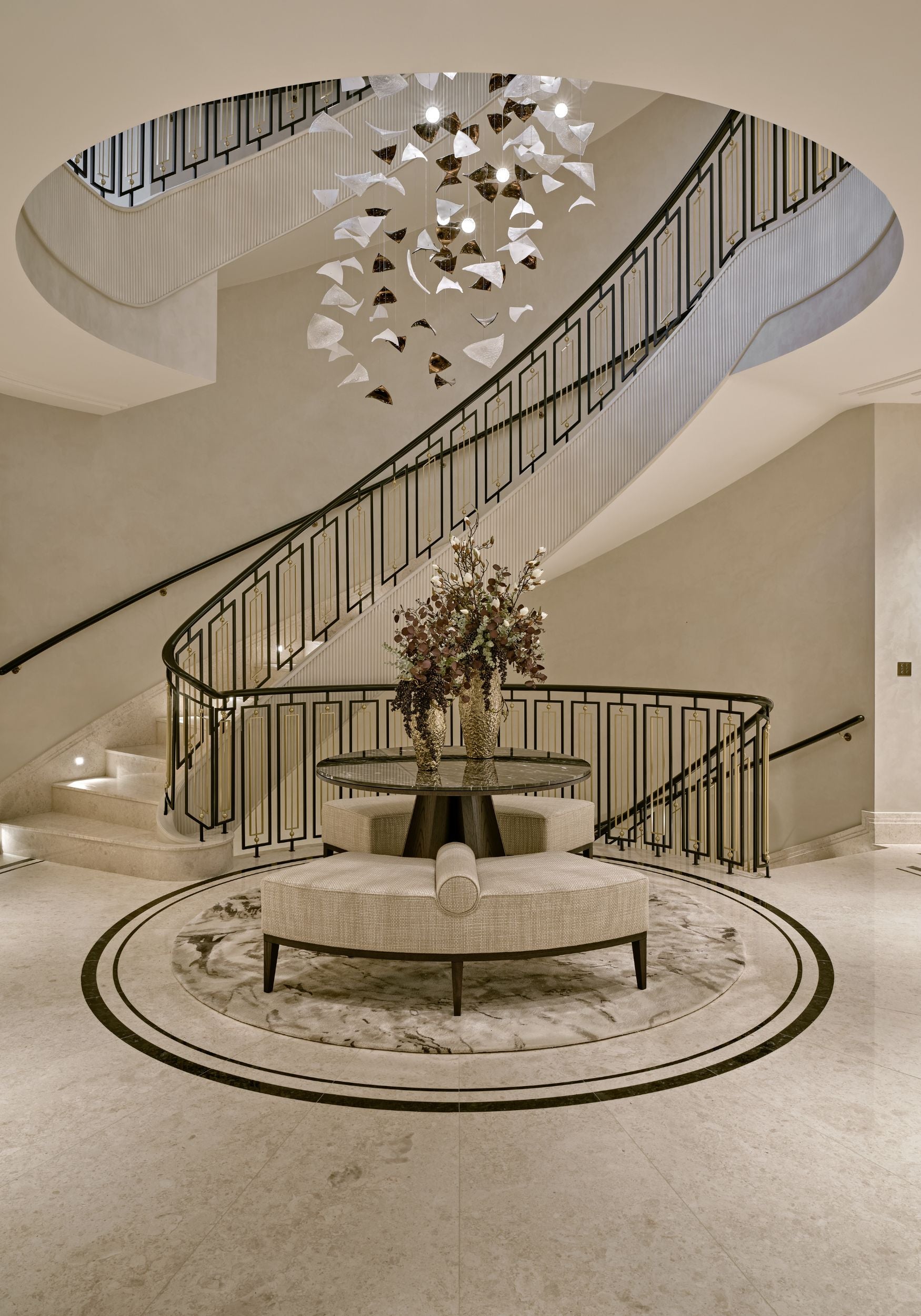
Q: What's your favourite part of being in business together after all these years?
Helen: Having someone to turn to, good, bad or indifferent, and say, look what's just happened, what do we do. I think it's quite lonely for designers working alone, even with a great team behind them. A problem shared really is a problem halved.
Jenny: We've always got each other's backs, and we bring different skills - Helen's been more involved in business development lately. There have been genuinely difficult decisions over the years, and it's very hard to make those entirely on your own.
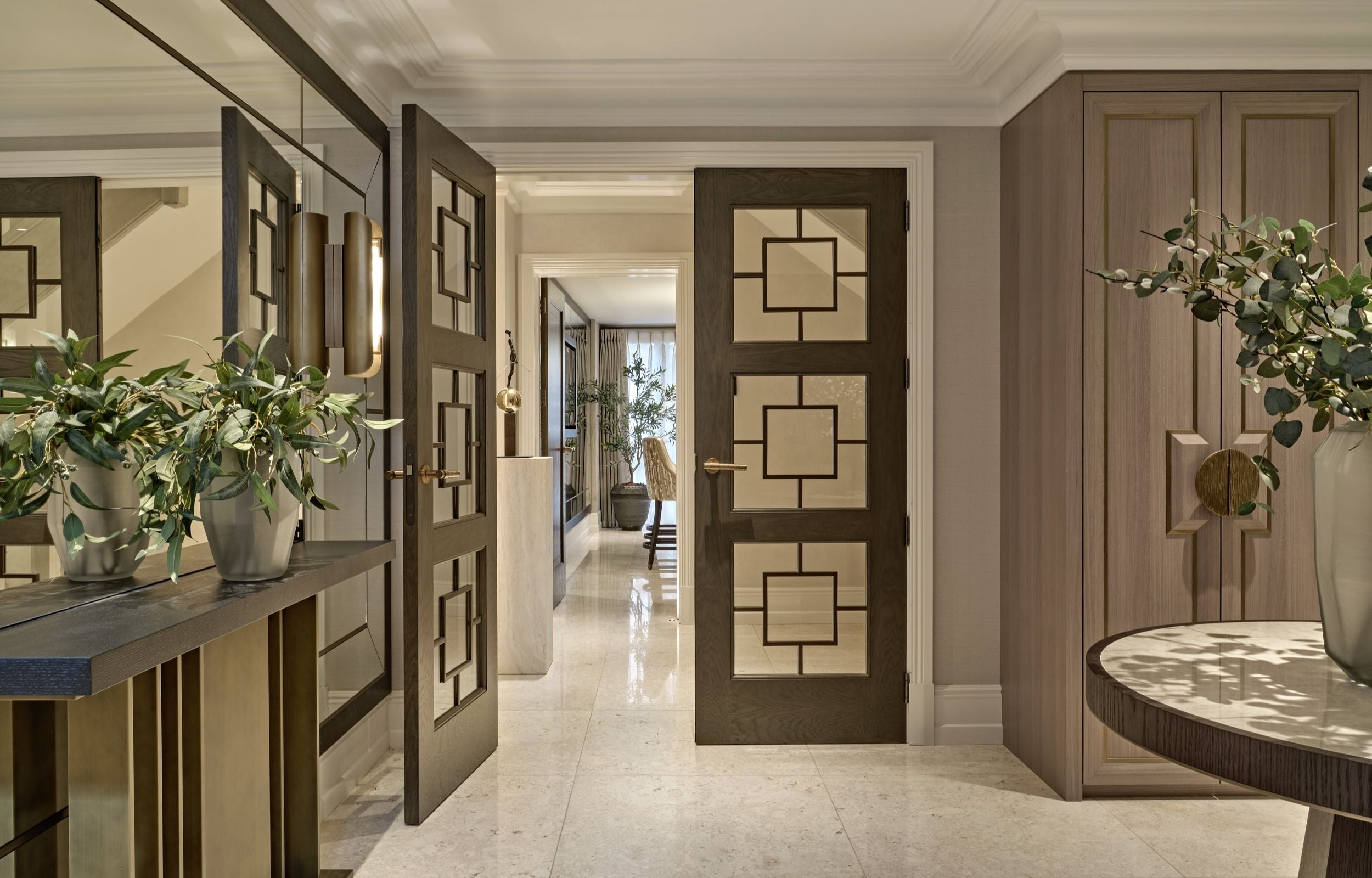
Q: Where did the Hill House Lifestyle Collection come from?
Jenny: It came out of need, honestly. We were struggling to find pieces at the right price point, the right scale, in colour palettes relevant to our own work.
Helen: We also wanted to reach people who don't typically work with an interior designer, who find the process intimidating or simply like doing it themselves. We deliberately kept it at a mid-price point, because going too high excludes too many people, while still keeping the detail and quality we're known for.
Q: You've built in florals, workshops, even a Wimbledon-themed table this week. Why make room for that alongside the day job?
Jenny: We've got our own in-house florist doing fresh flowers, plus an artificial range we sell online and in the showroom that feeds into a lot of our projects too. It adds a different dimension.
Helen: We work hard, but we like to have fun, and I think that comes through.
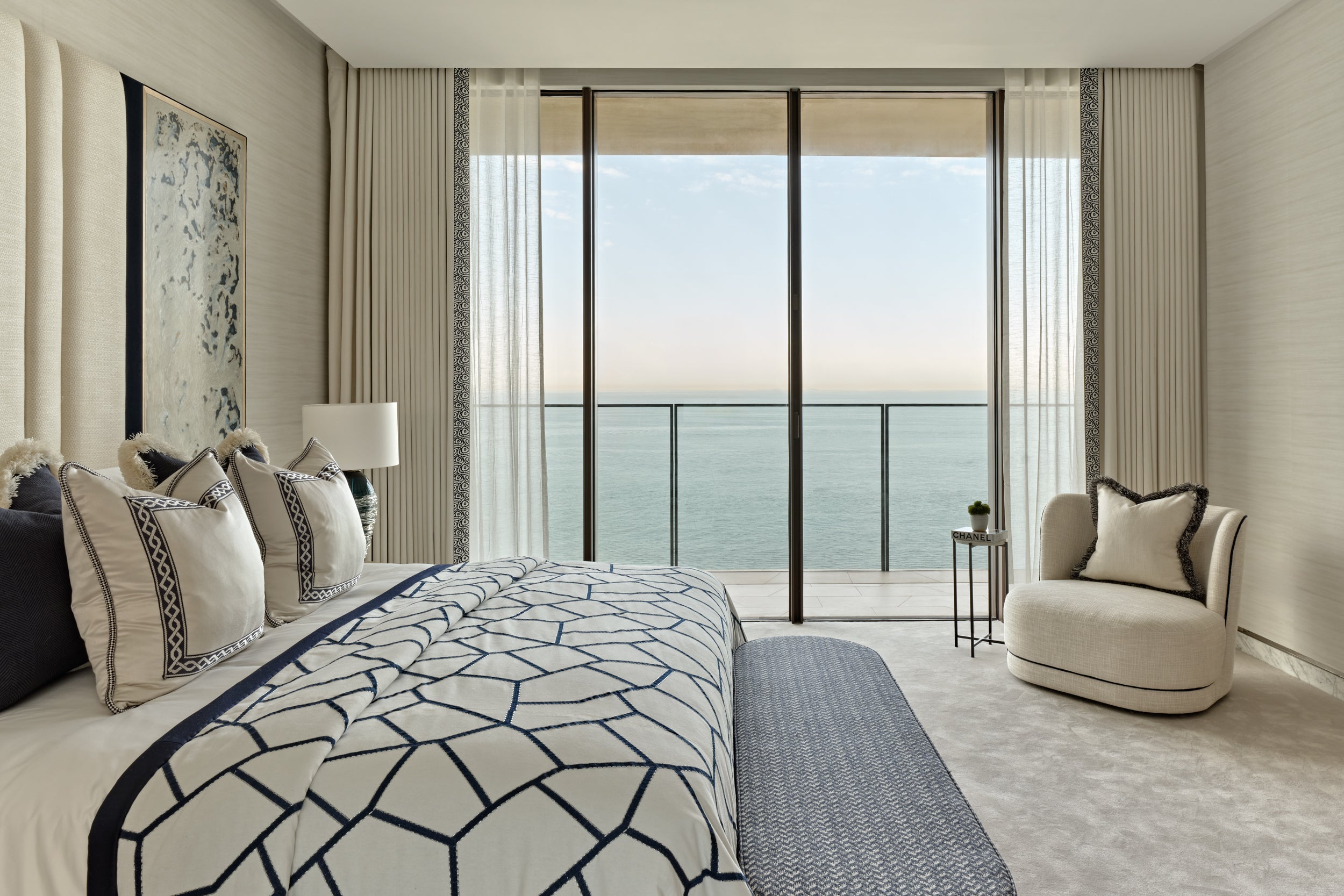
Q: You've kept your showroom in Weybridge rather than moving to London permanently. Why?
Helen: It's a lovely place to live and work, but practically, we have so much more space: a 46 person office, the lifestyle showroom downstairs, space for stock, and during lockdown we converted an extra area into an entertainment space too. That would be very hard to replicate affordably in central London.
Jenny: We've actually got designers who used to commute into central London and moved out here, and others who commute against the traffic from London to us. We're twenty-two minutes from Waterloo, and the scale of homes around Wentworth, St George’s Hill or Ascot just isn't something you find in the city. That said, we do plenty of work in London too, Regent's Park, St John's Wood, Mayfair, alongside huge projects in Hertfordshire, Bedfordshire and Kent.
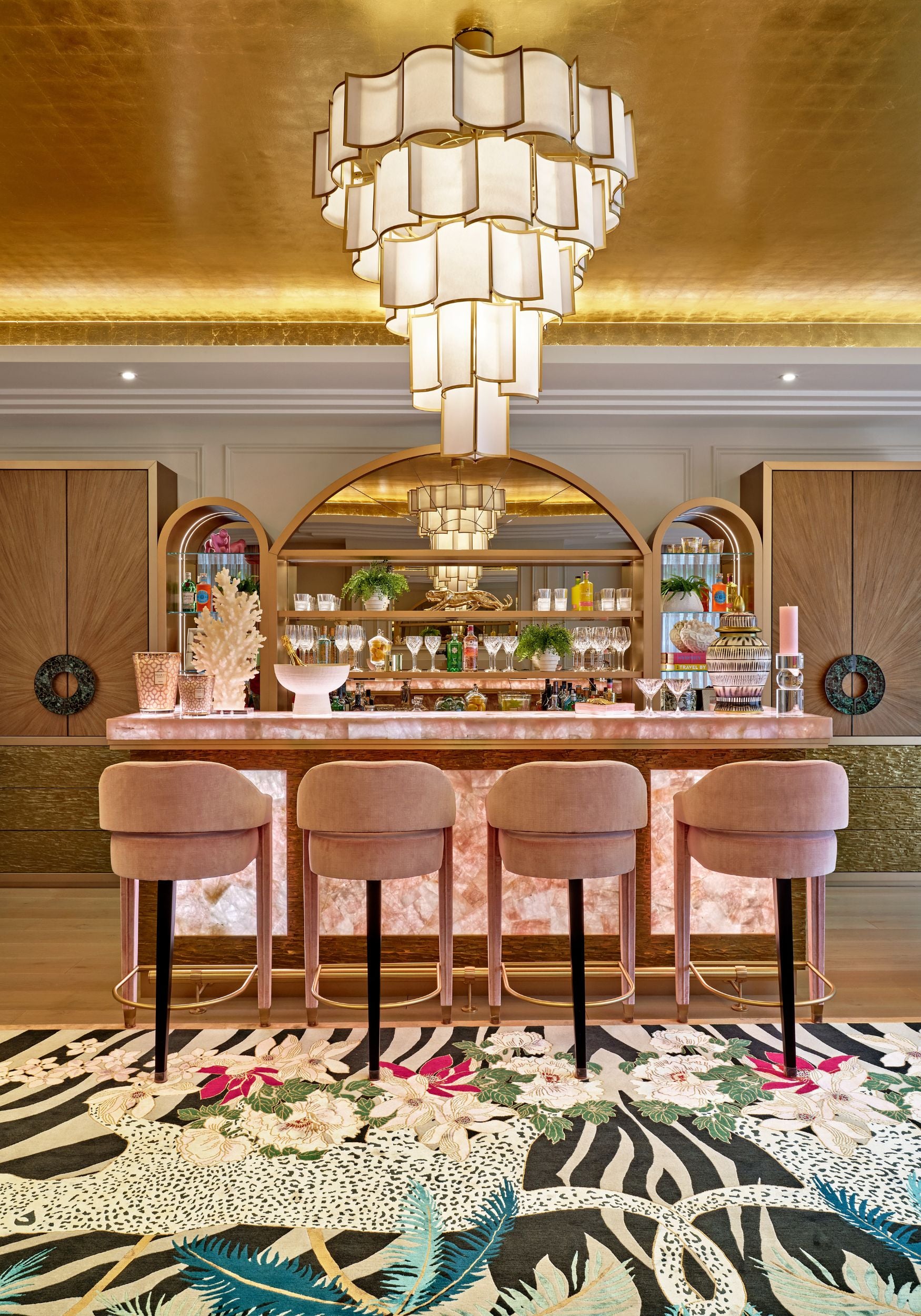
Q: Tell me about the Chelsea Design Centre pop-up.
Jenny: We had the Lifestyle Collection ready to launch and thought, where better than Chelsea Harbour. It offered the best audience. We reached out to a contact there about a pop-up space, and when we transformed it, we built our own joinery and branded furniture into it so it genuinely didn't look like a pop-up at all.
Helen: We went month to month rather than committing long term, and it ended up running for a whole year. When it came to an end, the natural step was bringing everything back to a refurbished showroom in Surrey, with all the press and trade relationships already in place.
Q: You opened an office in Dubai about three and a half years ago. What finally pushed you to do it?
Helen: We'd talked about it for a while and travelled extensively in the Middle East over twenty years, so I knew the good, the bad and the ugly, it's not all glamour. I had a close friend out there who said he'd tell me when the time was right. For a long while it was, “not yet, they're not ready for you”. Then one day he just said, “it's the time”. We listened, and we went.
Q: What's your advice for designers wanting to expand into a market like that?
Jenny: Make sure you have the funds, because it absolutely doesn't happen overnight. Recruit the right people, we're incredibly lucky with our general manager and team out there. And you have to physically be present and network consistently, far more so than in London.
Q: After 29 years, what's the lesson about running a business that nobody tells you starting out?
Jenny: That cash flow is unpredictable in ways you can't plan for, you can have twenty projects running and suddenly ten of them pause for six months or a year, for reasons entirely outside your control. We once had to borrow a significant amount of money to put back into the business. Looking back, it was probably the best thing we could have learned from, because there's no such thing as a bad decision, only one you learn from.
Helen: Neither of us went to business school. Everything has been self-taught in the school of life. My one piece of advice would be to surround yourself with the very best people you can afford: the best designers, the best accountant, the best support team. It pays for itself in the end.
Q: What's your leadership style?
Helen: We never ask the team to do anything we wouldn't do ourselves. We're still very hands-on, not just figureheads, we're there every day, sleeves rolled up unpacking boxes during installation week alongside everyone else.
Jenny: If someone's worked on a project for a year, sometimes three, they need to be there at the end too, to see it through to the standard they originally envisioned.
Q: What fuels you now compared to when you started?
Jenny: Still the passion to create beauty, and increasingly, how a space feels rather than just how it looks. We want to appeal to every sense, not only the visual, which is exactly why the showroom still matters, people need to come in, touch the fabrics, feel the textures for themselves.
Q: What does the next decade look like for Hill House?
Helen: We've never planned anything in our lives, and pretending we'll start now would probably be a mistake. We're still as passionate as ever, we love nurturing new talent, and we have several team members who've been with us between ten and fifteen years, some who've left to have children and come straight back into the fold. We champion women in this industry, because we know exactly how hard that road can be.
Jenny: Nothing's off the table, whether that's the Americas or simply expanding the furniture collection. We still have the appetite to do more.
Q: Any closing thoughts on visibility in the industry right now, AI included?
Helen: You have to show up, full stop. It's tiring, but you'd be surprised what you learn or who you meet every time you do. For anyone more introverted, go anyway, build friendship groups, join a network like the Luxury Property Forum, host designer dinners. There's enough business in this industry for everyone.
Jenny: On AI, we're using it daily even if we're not the most technologically advanced generation. It's making us genuinely more time-efficient with admin, but it's a tool, not a replacement, you still need the human touch and the artisans we champion. My advice to anyone starting out is simpler than people think, photograph your work properly and get it out there. Instagram has been one of the best tools an interior designer can have.


