



Photography by Milo Hutchings
Crafted at Powdermills
HOSPITALITY PROJECTS
In the Sussex countryside, a Georgian house becomes the setting for a slower, more sensorial kind of love affair. Hamish Kilburn explores Crafted at Powdermills, where House of Dré rewrites the language of luxury through craftsmanship, collaboration and a deeply modern allure…
There is something quietly radical about a hotel that asks you to slow down. Not in the performative way of modern wellness, but in a deeper, more human sense – through touch, materiality and the poetry of making. Crafted at Powdermills, the debut property from Crafted, founded by Chris King, and the latest project by interior design studio House of Dré, is precisely that kind of place. Set within a Georgian Grade II-listed country house in East Sussex, surrounded by ancient woodland and a private seven-acre lake, it feels like a return – to nature, to craft and to romance.
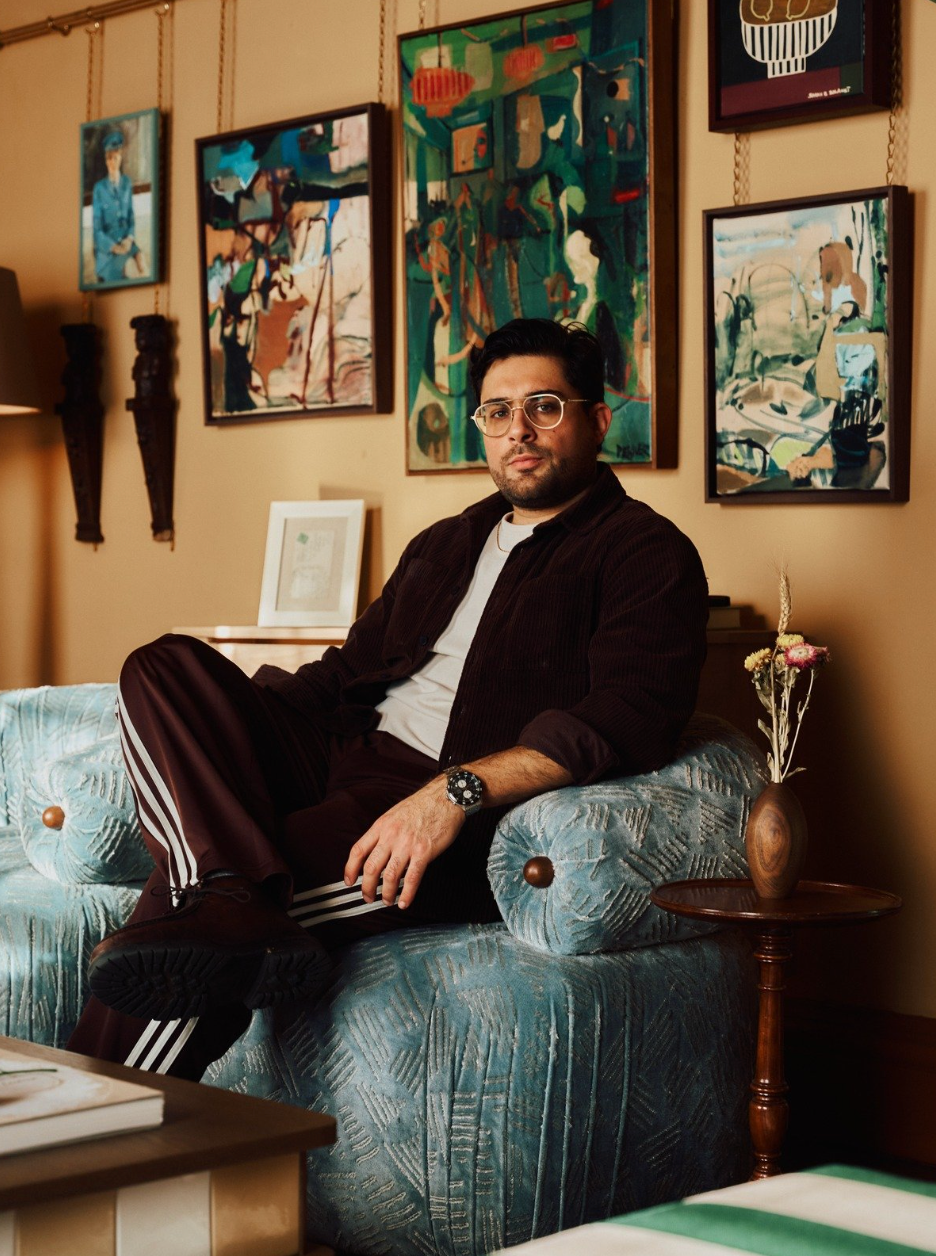
When I meet Andreas Christodoulou, Founder and Creative Director of House of Dré, the conversation turns quickly towards intention. “Our brief for the project was to create a space for modern lives craving more connection, creativity and calm,” he says. “Fundamental to the brand’s core values was the celebration of craftsmanship, a deep respect for the historical and social context of the site and each guests’ wellbeing. Sustainability was not a secondary concern – it was the guiding principle woven through every design decision made.”
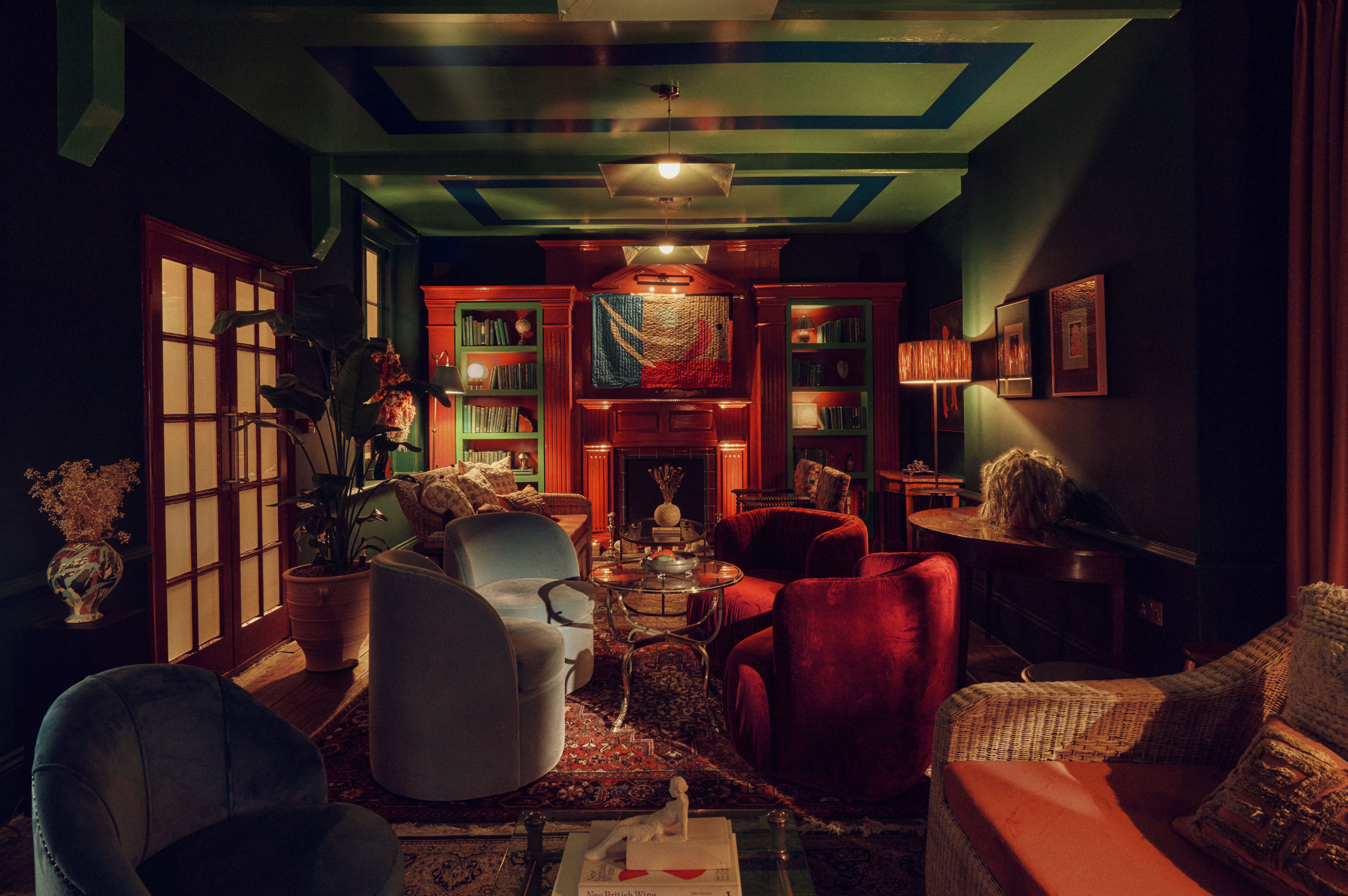
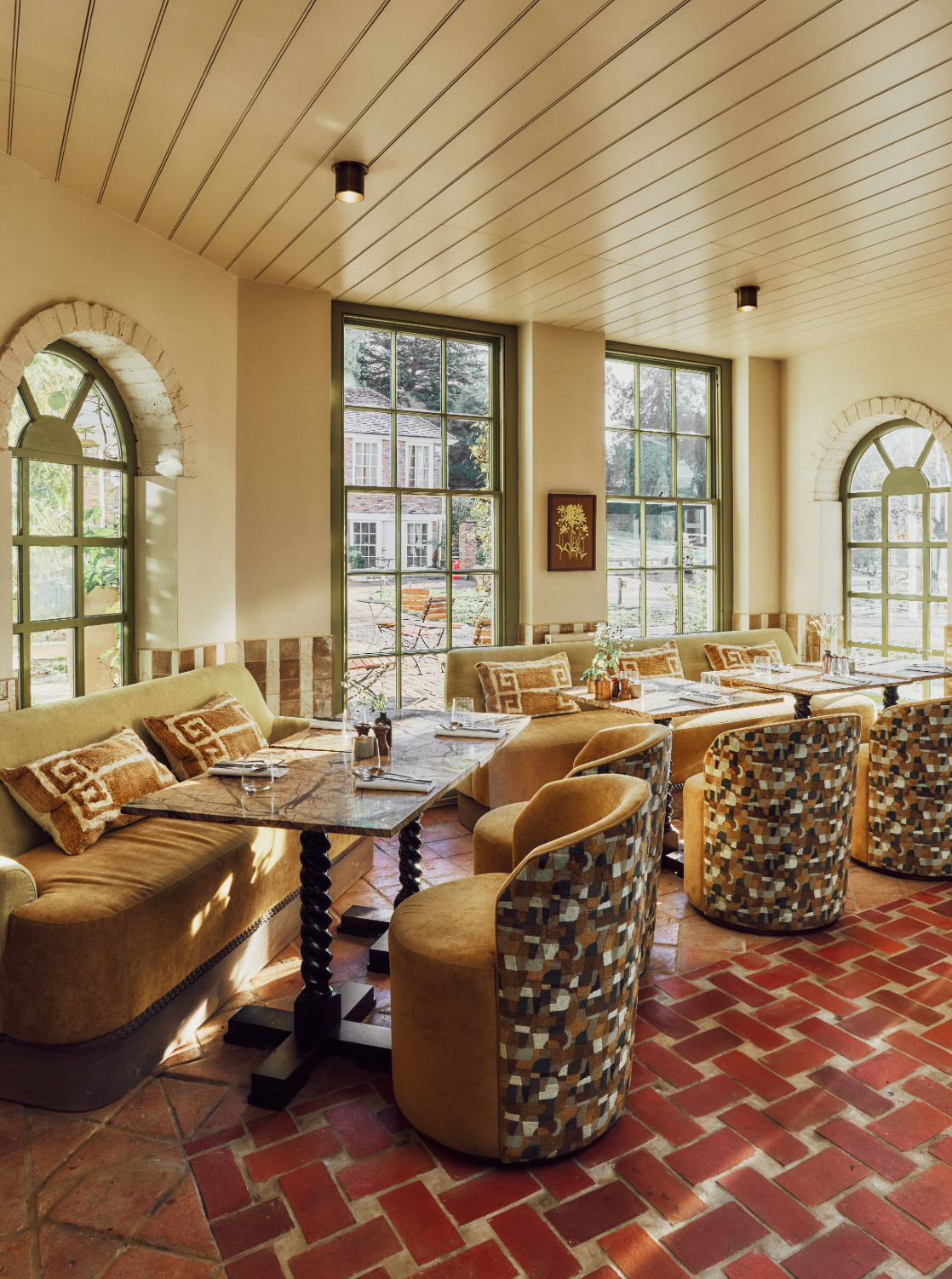
That sense of purpose is immediately legible throughout the 58-key hotel. House of Dré approached the project as a patchwork – an idea Christodoulou describes as being inspired by a humble quilt, stitched together from fragments of old and new. This is Modern Folk at its most refined: earthy palettes, mid-century silhouettes and a collector’s sensibility that feels accumulated.
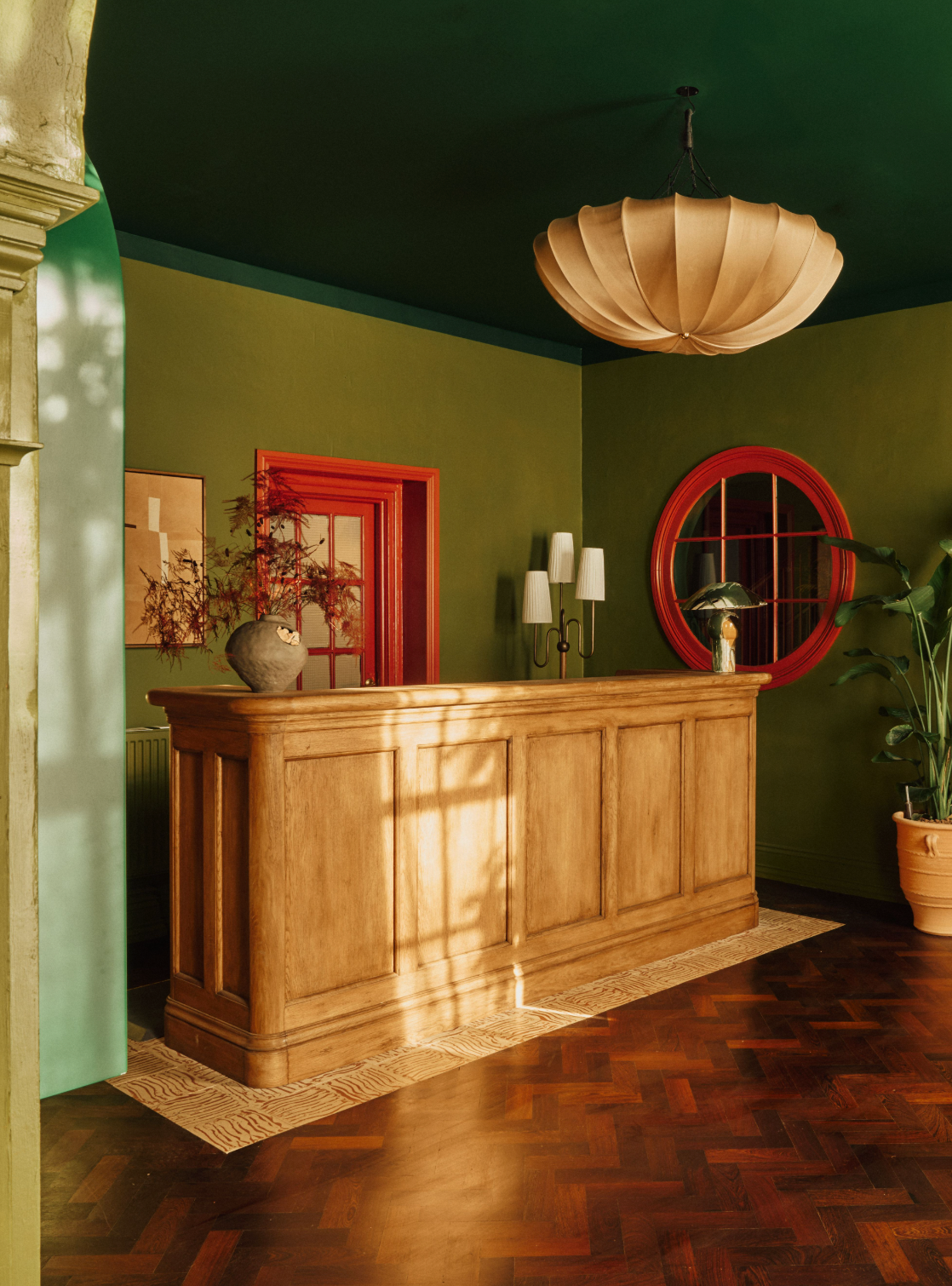
The lobby sets the tone. Heritage architecture is gently offset by contemporary craft – most notably a bespoke ceramic lamp by Emma Louise Payne and a handcrafted bench by Sebastian Cox. It is here that the hotel’s values announce themselves quietly yet confidently: British craftsmanship, sustainability and an intimacy that resists grandeur in favour of warmth.
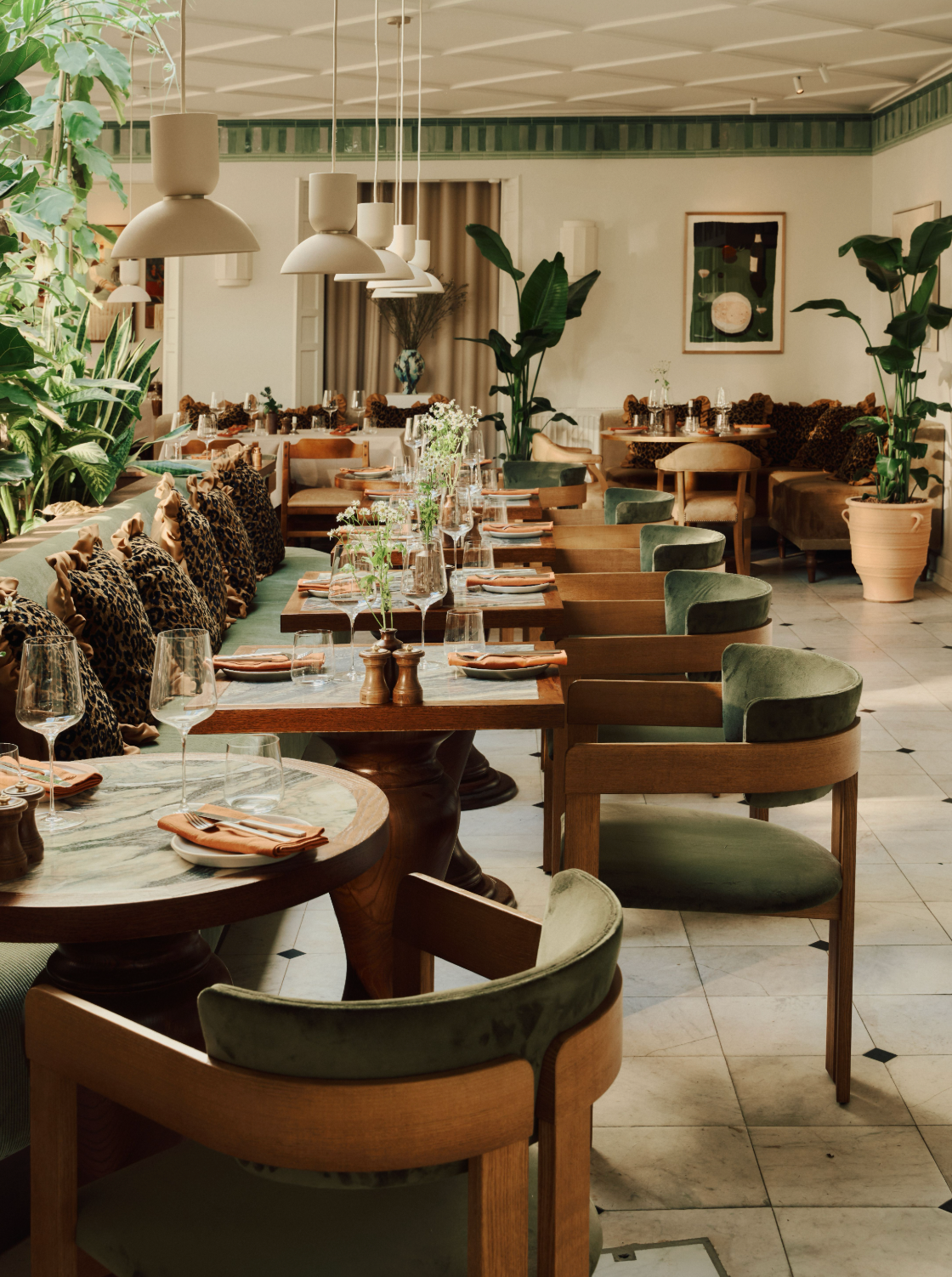

From there, the building unfolds like a series of love letters to English domesticity. The restaurant, inspired by the classic country house orangery, is light-filled and elegant. Its Carrara marble floors softened by bentwood chairs, vintage furniture, and a palette of soft whites and greys. It is a room that understands holding back, allowing breakfast to drift seamlessly into dinner.

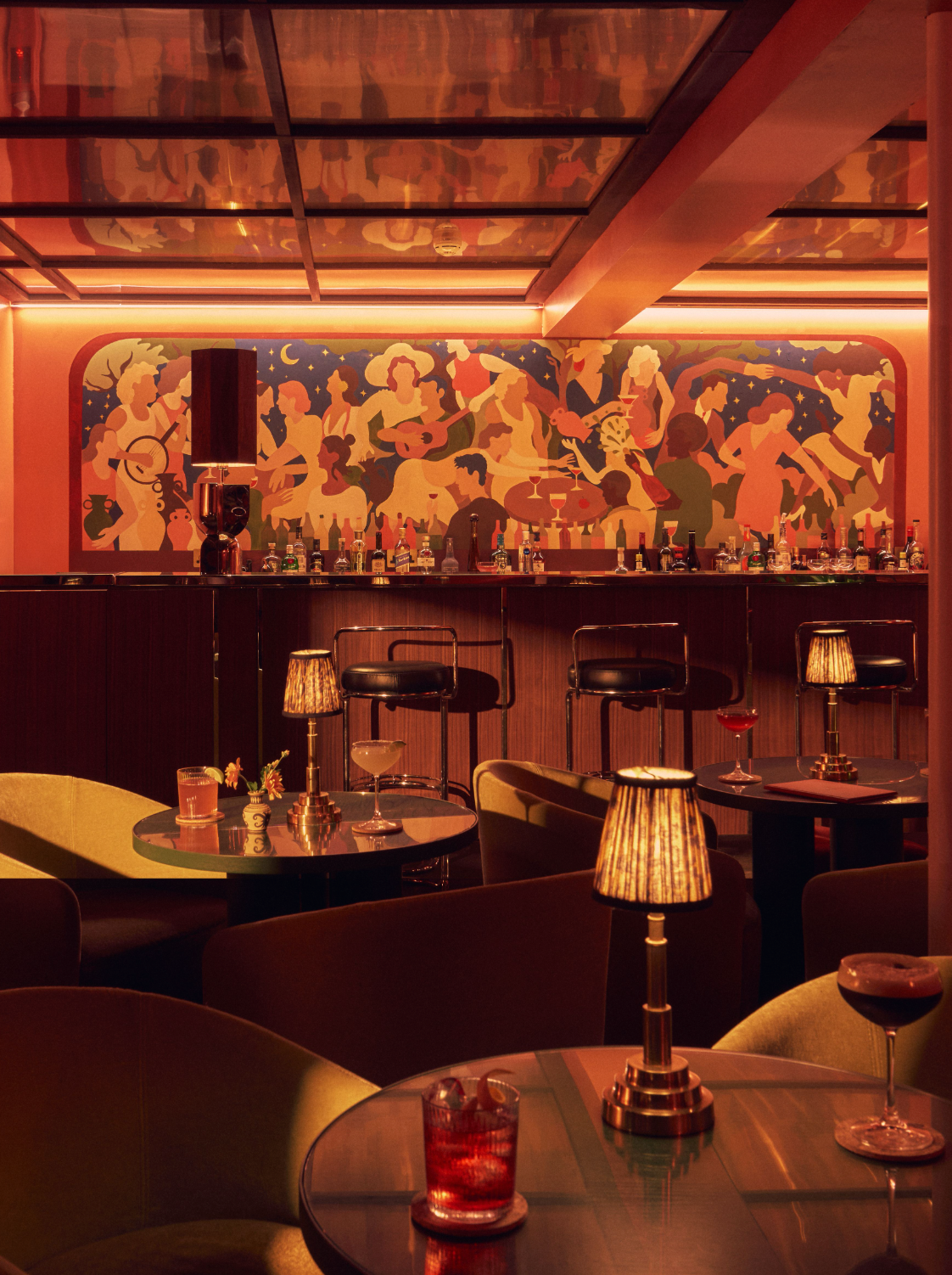
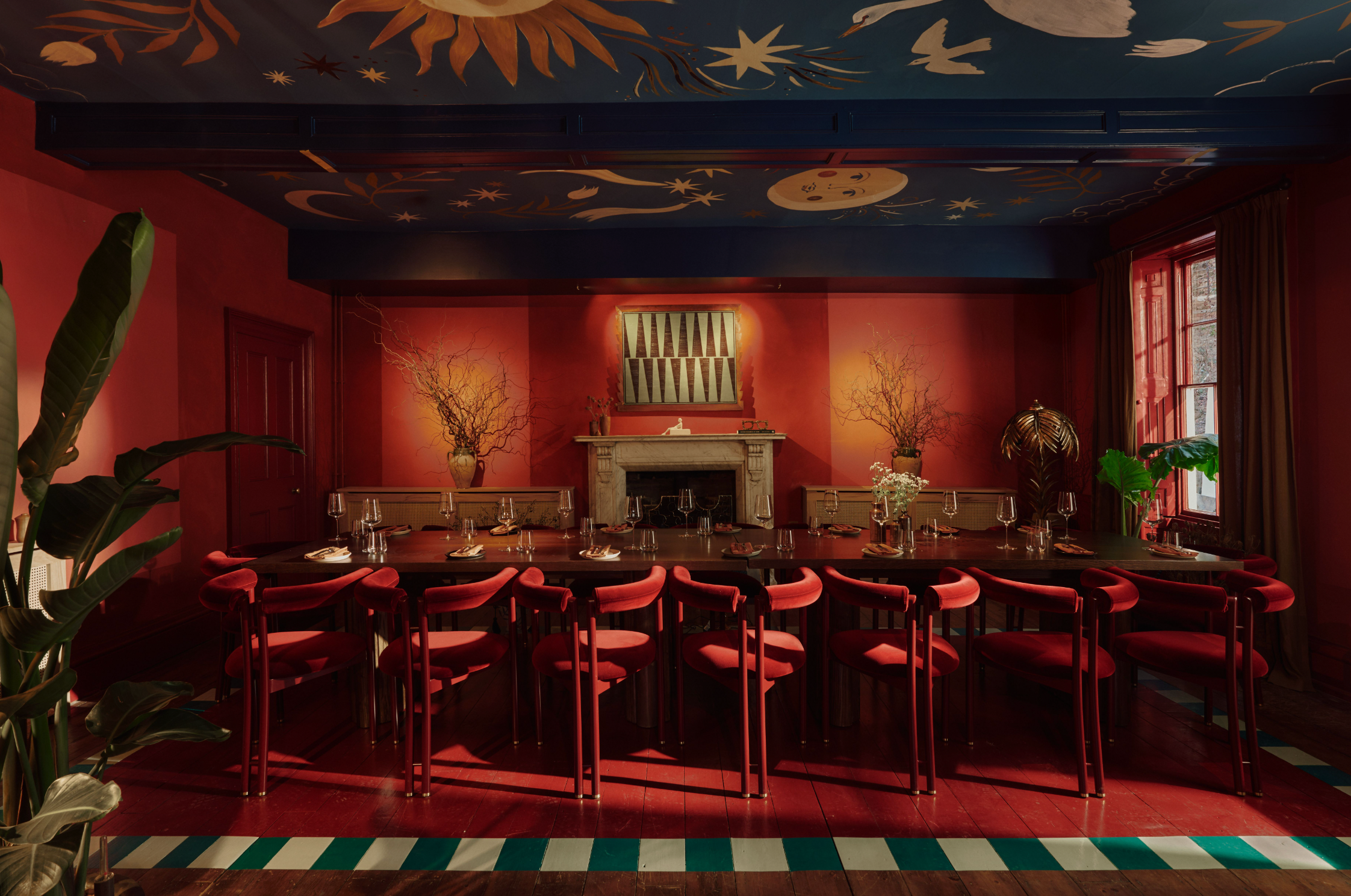
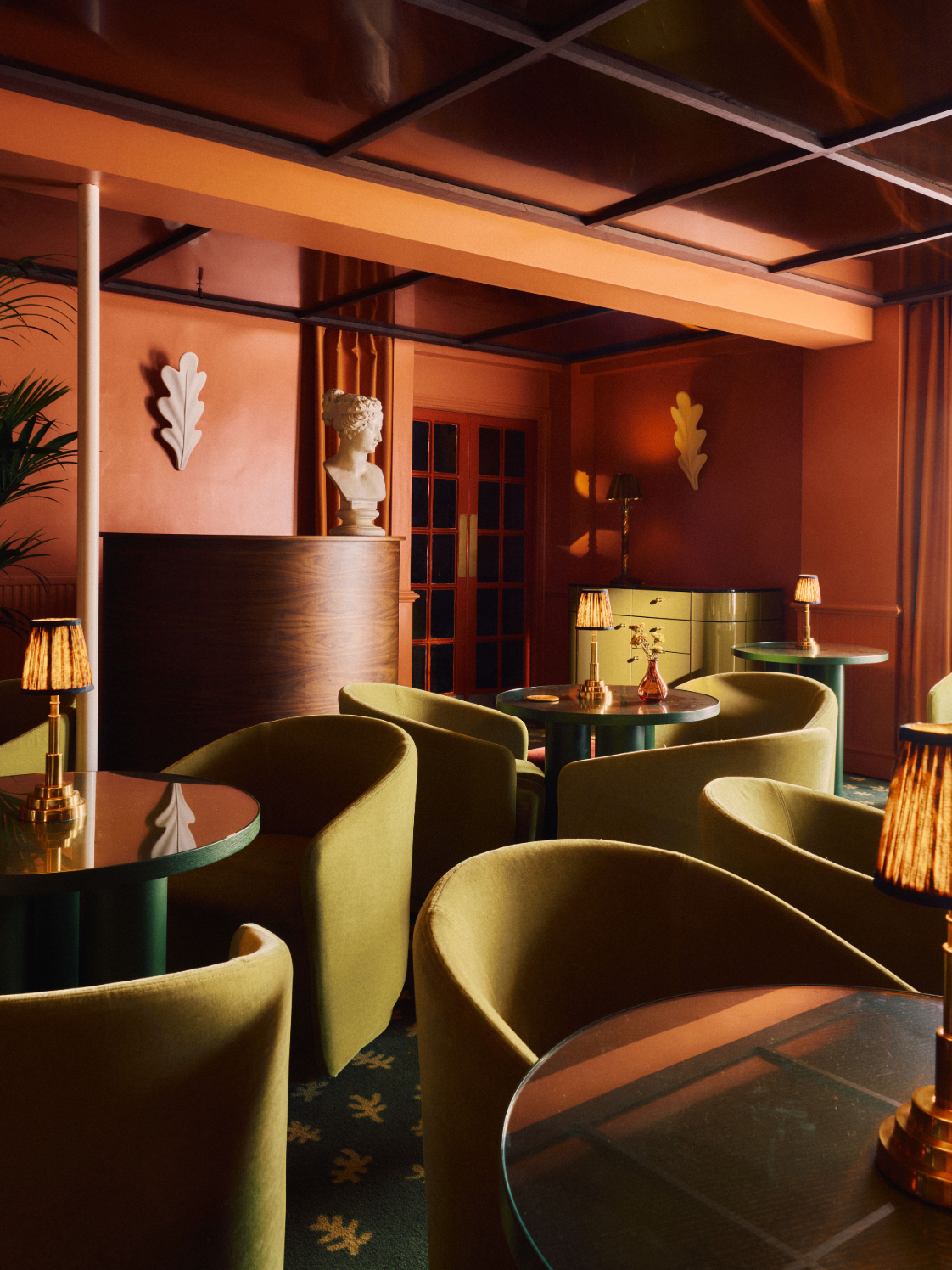
Elsewhere, House of Dré reveals its playful side. The cocktail bar is drenched in coral, accented with copper and chrome, and anchored by a hand-painted abstract mural by the studio itself. It is a spirited counterpoint to the pastoral calm outside – a mid-century speakeasy fantasy tucked into the Sussex countryside. In a private dining room nearby, artist Chiara Perano has painted a celestial mural across the ceiling, transforming heritage architecture into something quietly cosmic.
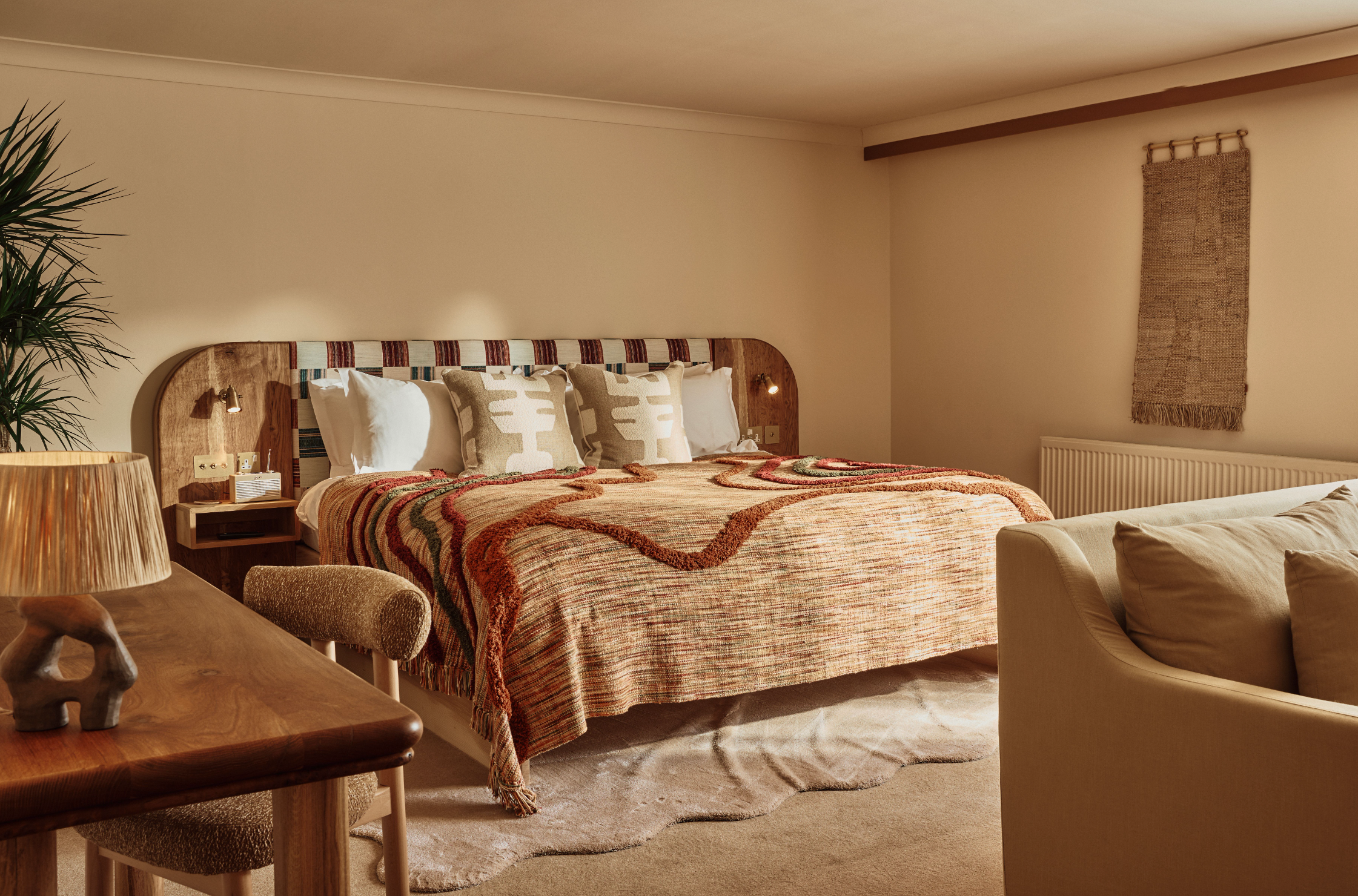
Guestrooms and suites are where the project’s commitment to craft becomes most personal. Designed in collaboration with Sebastian Cox, each piece of furniture is made exclusively from locally sourced British timber, crafted in the UK using traditional techniques. Desktops finished through a chemical-free process deepen the natural warmth of the wood, allowing its grain and character to speak for itself.
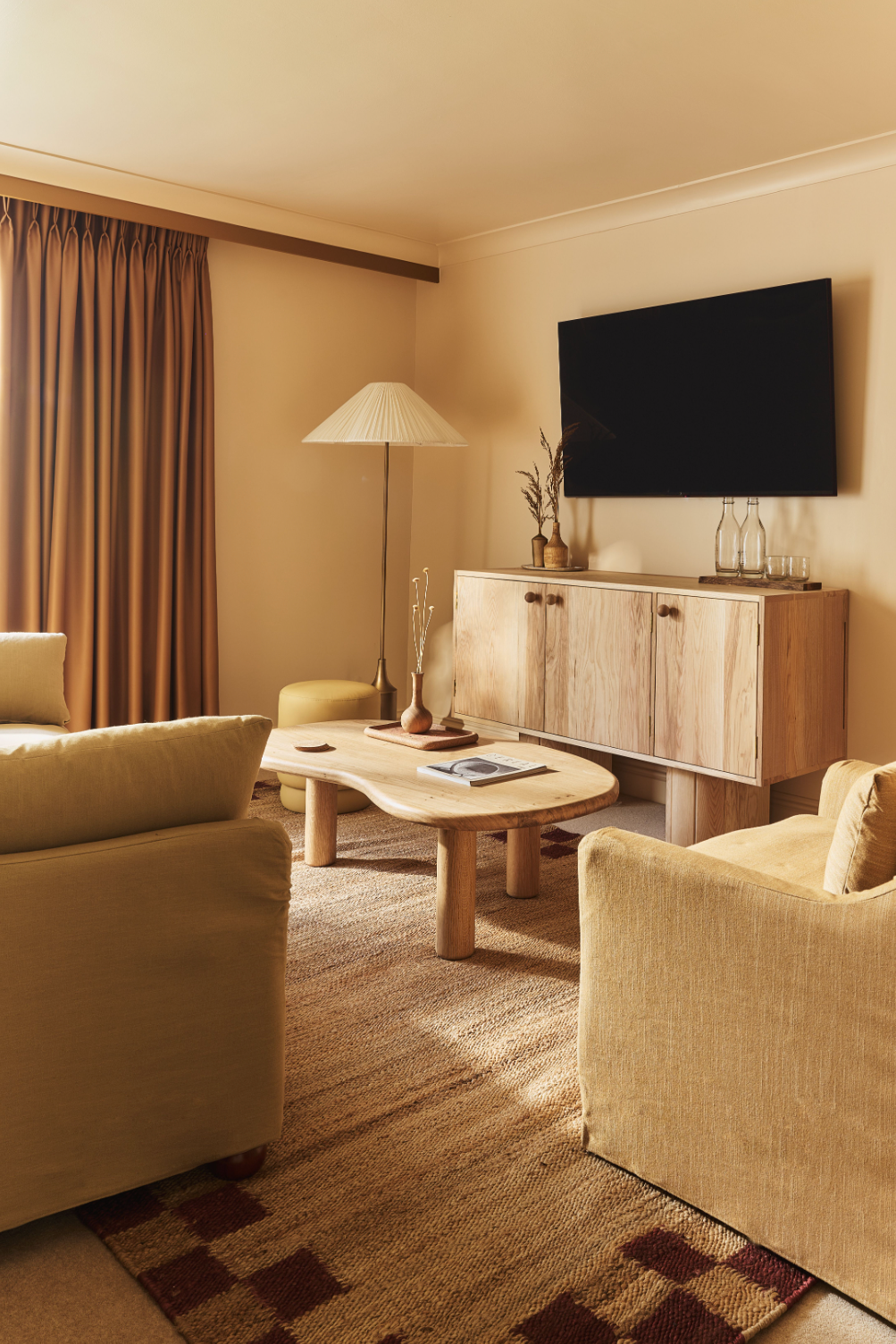
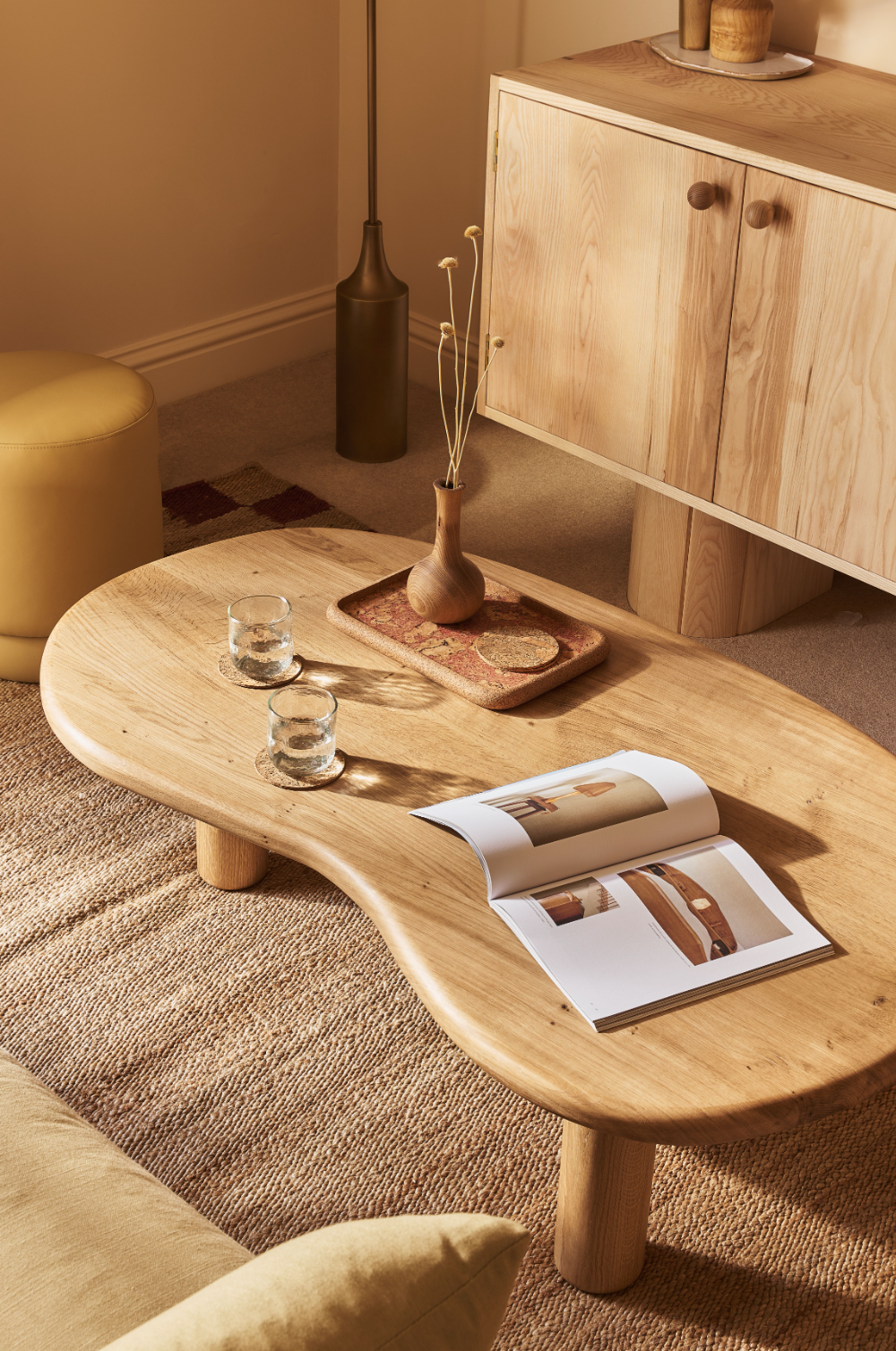
That dialogue between nature and making continues in the bespoke ceramic lamps by Holly Dawes. Rooted in landscape, Dawes gathers clay from nearby ancient woodlands, shapes organic forms, and places them by the sea’s edge, where tides gently erode their surfaces before firing. The result is objects that feel intrinsically linked to place – tactile, timeless, and quietly beautiful.
“Each room has been designed as a space that, very simply, lets you be,” Christodoulou explains. “The studio’s intention was to offer a quiet luxury without pretence, allowing guests to feel naturally at home in a space inspired by the natural English woodland that surrounds it.”
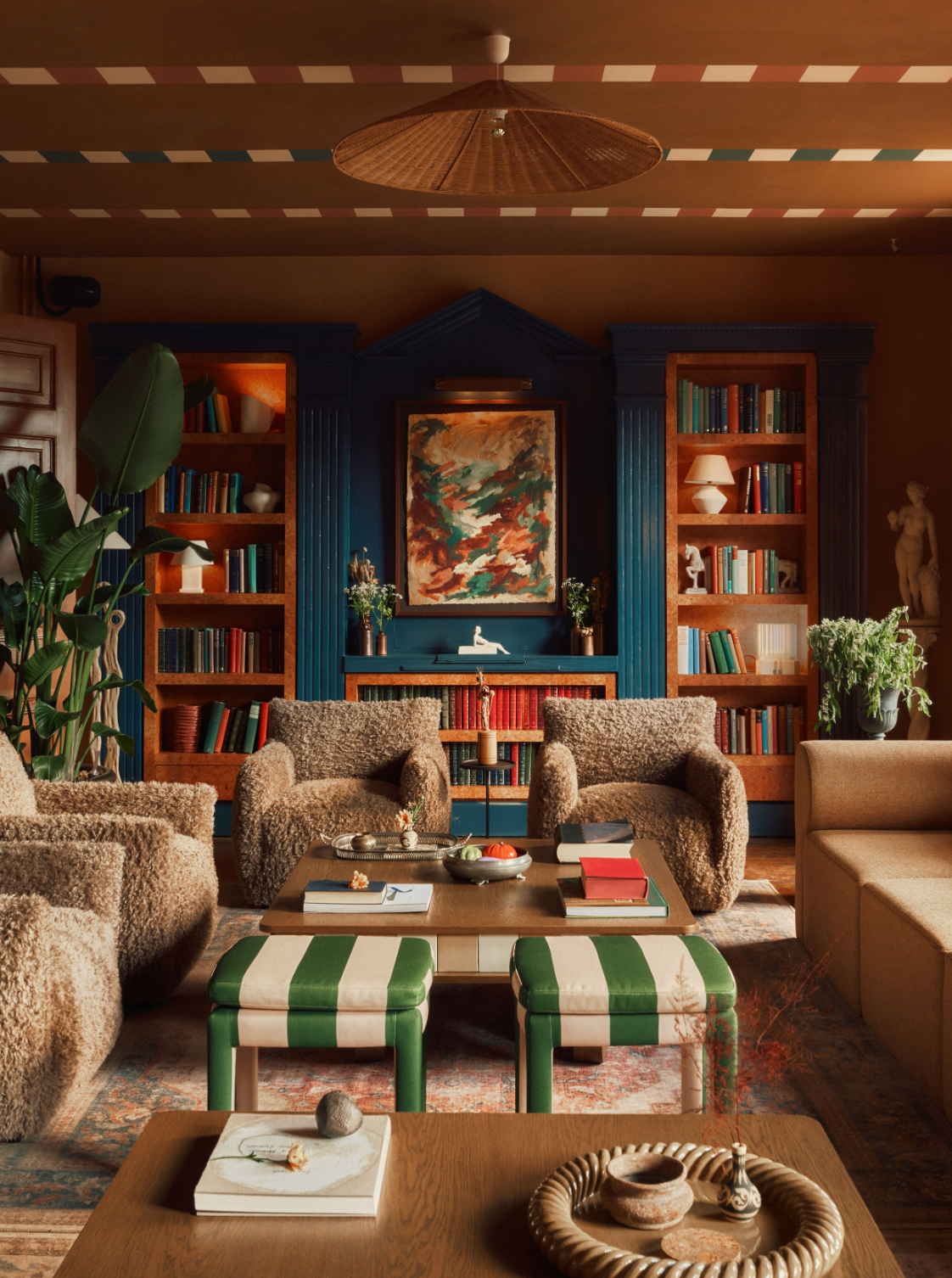
Throughout the hotel, materials tell stories. Locally sourced timbers sit alongside reclaimed metals, hand-thrown ceramics, and vintage finds. Lighting, developed with Evina Diamantara of 18fifty, draws from Georgian domestic traditions – low, warm, indirect – creating intimacy rather than spectacle. Colour is embraced with confidence, often double-drenching rooms in earthy tones to soften the formality of Georgian proportions.
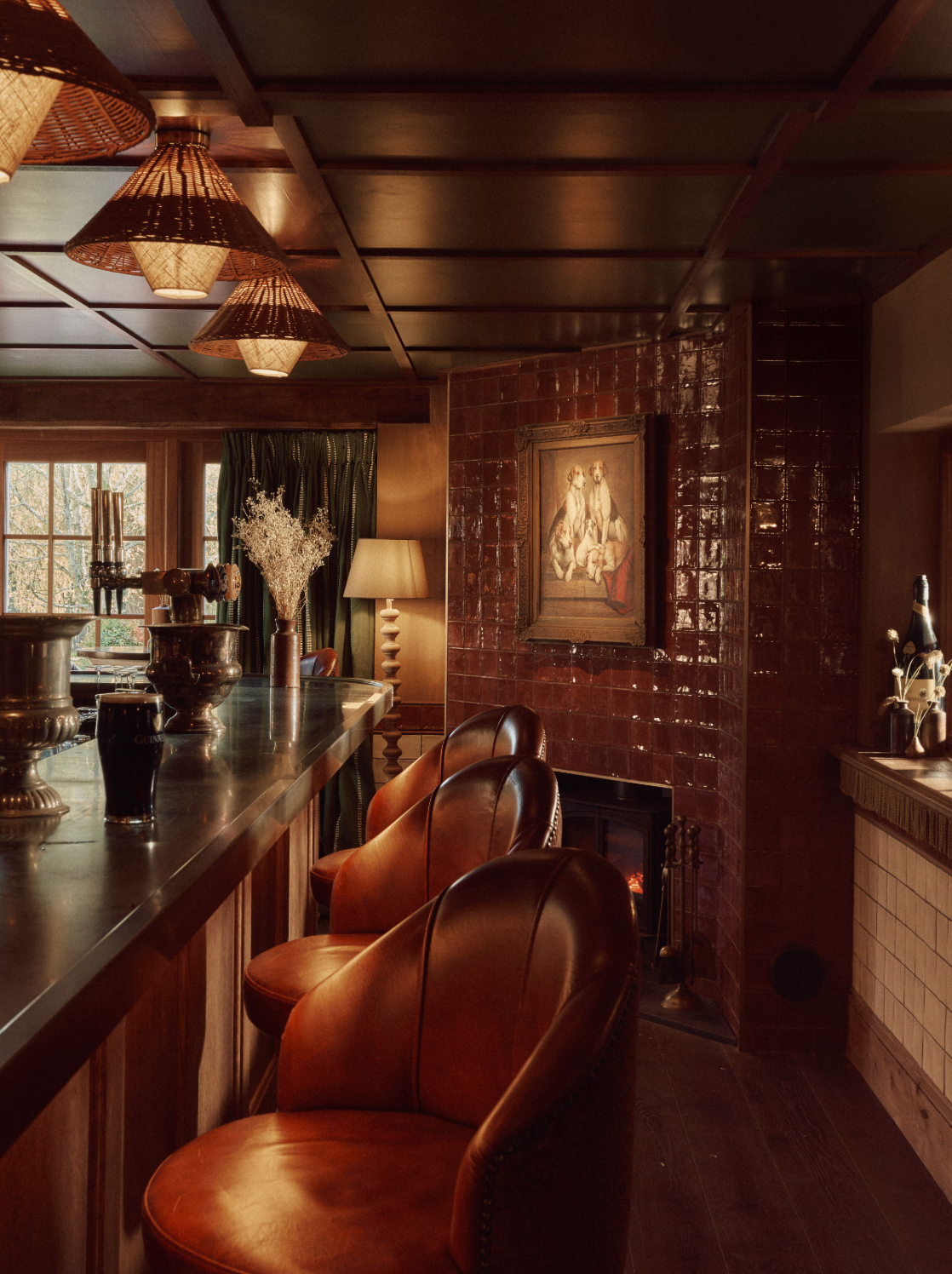
Art, curated with Despina Wootton, features works by over a dozen local artists, many commissioned specifically in response to each room’s palette and mood. This thoughtful atmosphere carries through to the pub, where weld marks are left visible on the zinc bar top and the bespoke tiles reference Hastings’ industrial heritage, while the palette reimagines the worker’s pub through a lens of warmth and nostalgia.
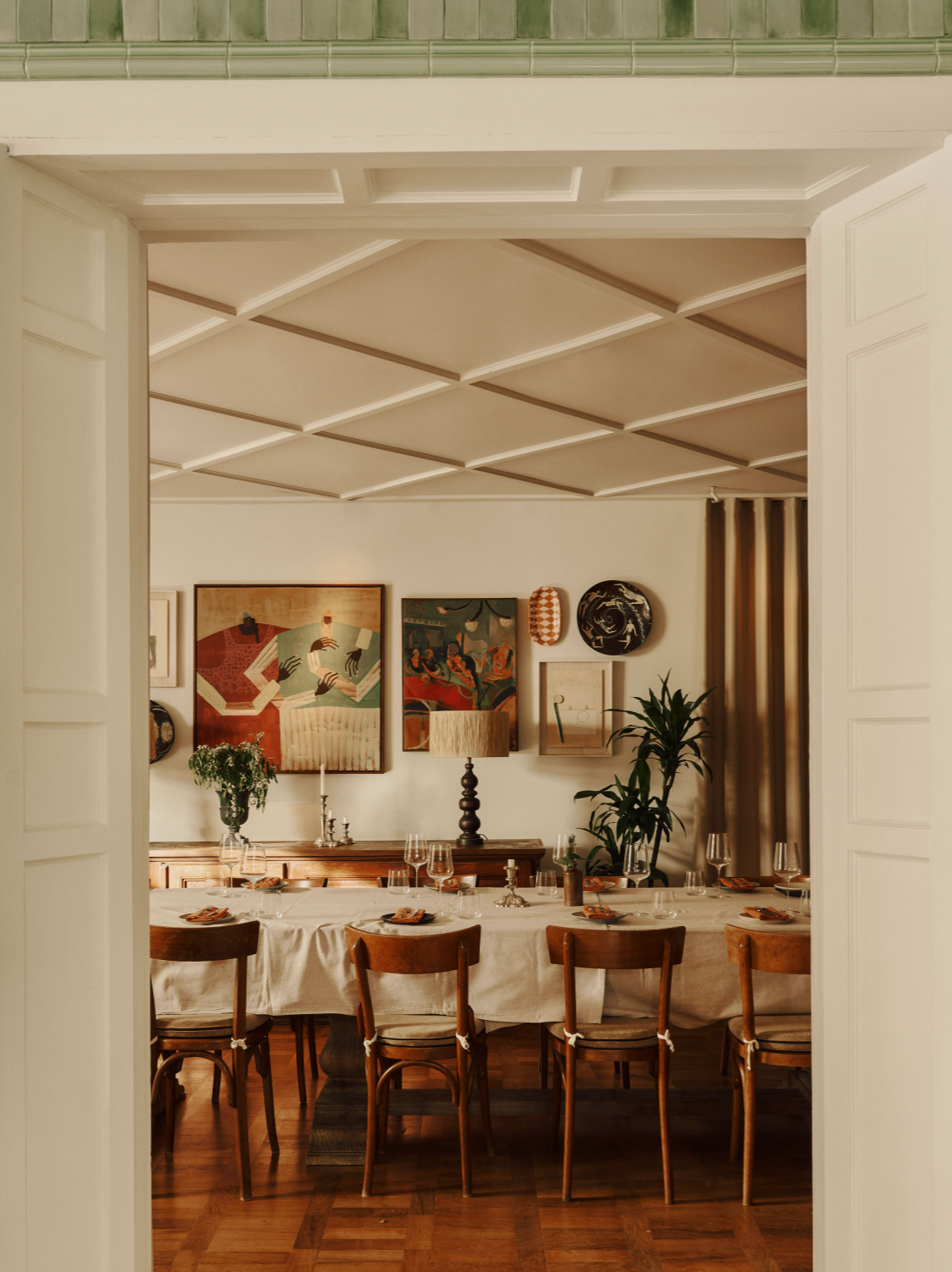
“I am so proud with what we have achieved for Crafted – a project that embodies the values of craft, collaboration and working with local talent,” Christodoulou reflects. “Bringing together so many local artists, craftspeople and makers gives the space an overriding feeling of human warmth. These connections will continue to shape Crafted’s future, ensuring that the brand remains rooted in its community.”
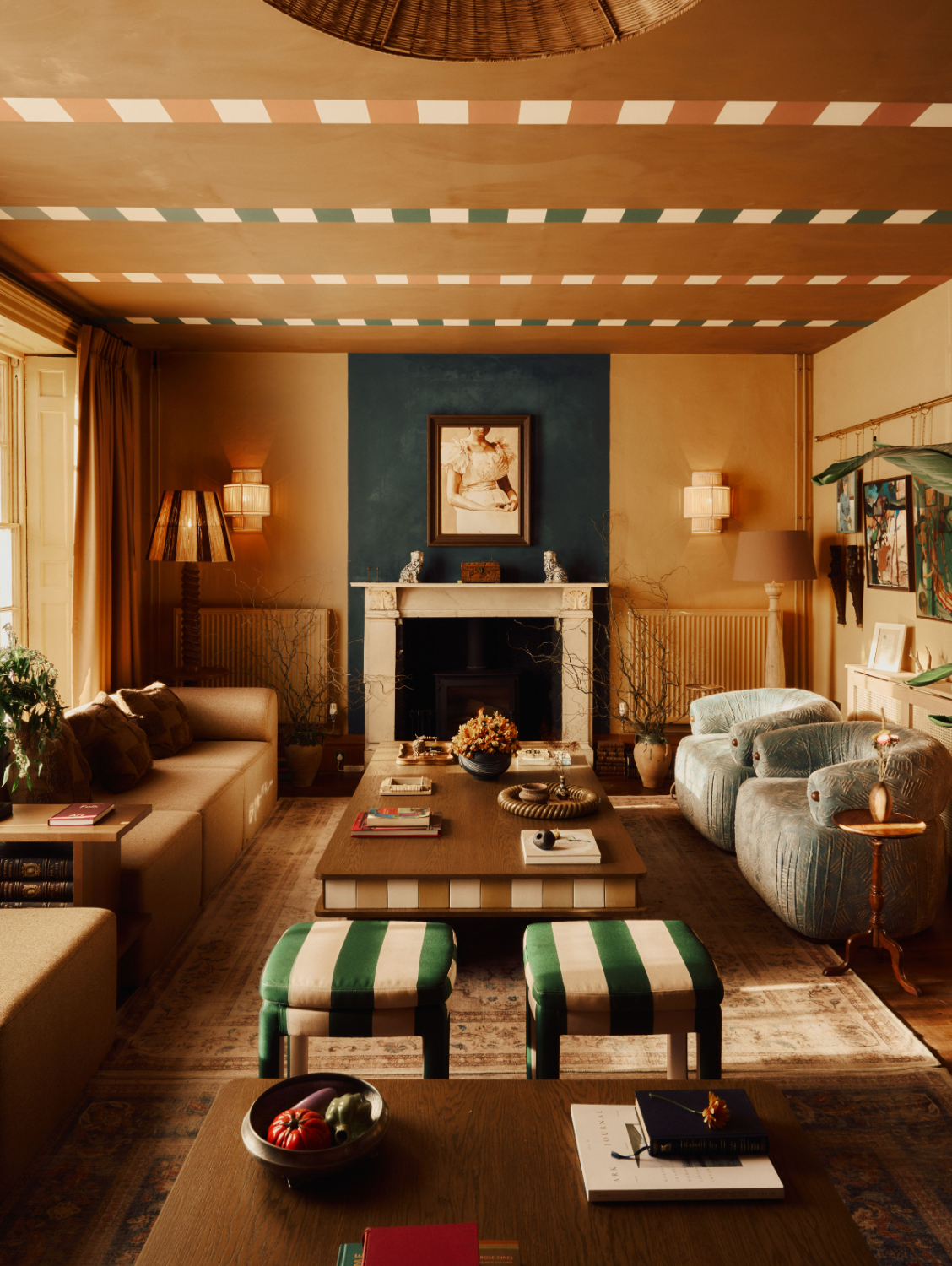
In an age fixated on acceleration and excess, Crafted chooses to set a different pace. It courts its guests slowly, through the grain of timber, the warmth of lamplight and the quiet confidence of things made well and made with care. This is not nostalgia, nor is it retreat; it is a reframing of what luxury can mean now. A romance rooted in human touch, local hands and the beauty of time taken – and perhaps that is the most modern design love story of all.


