

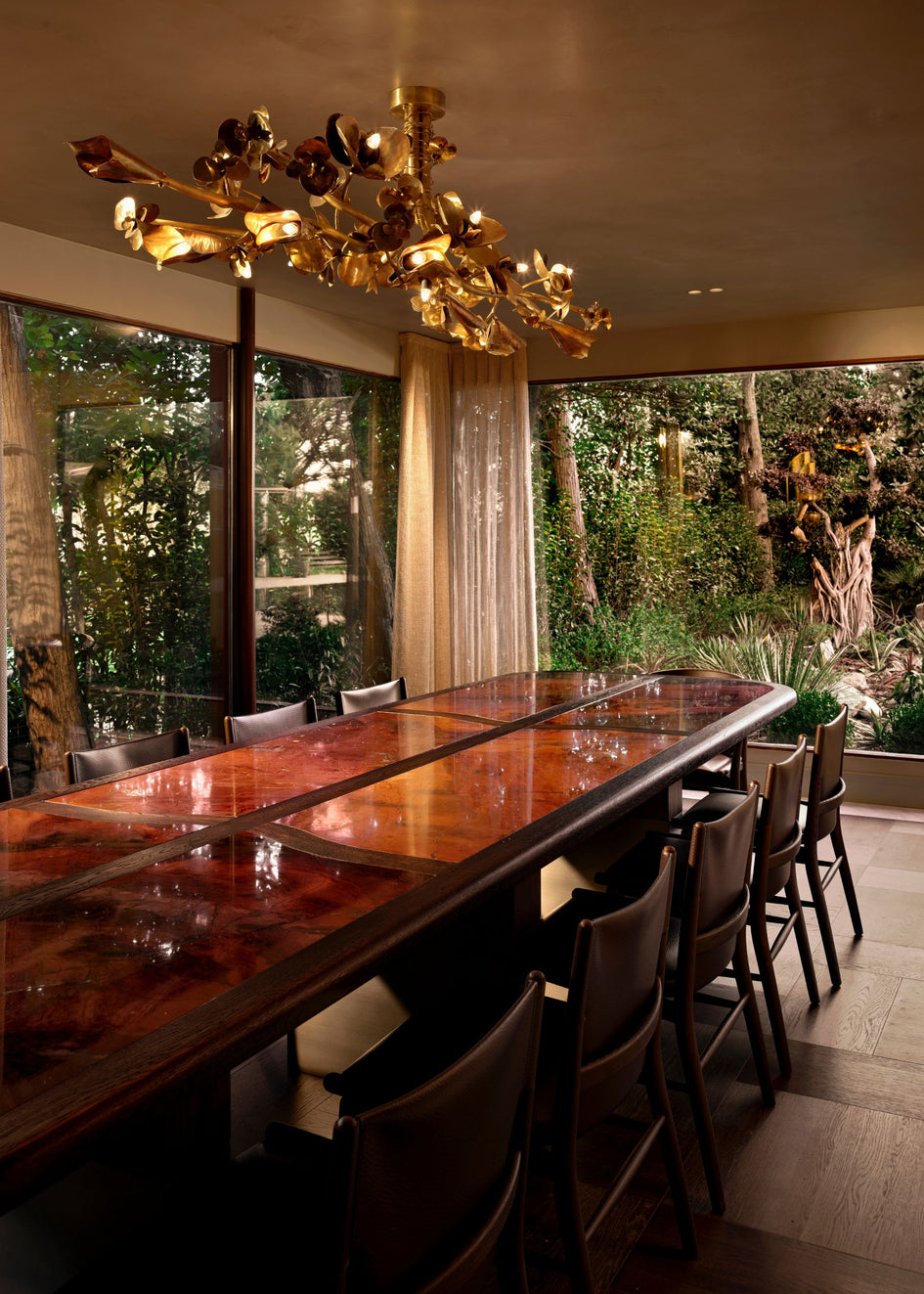
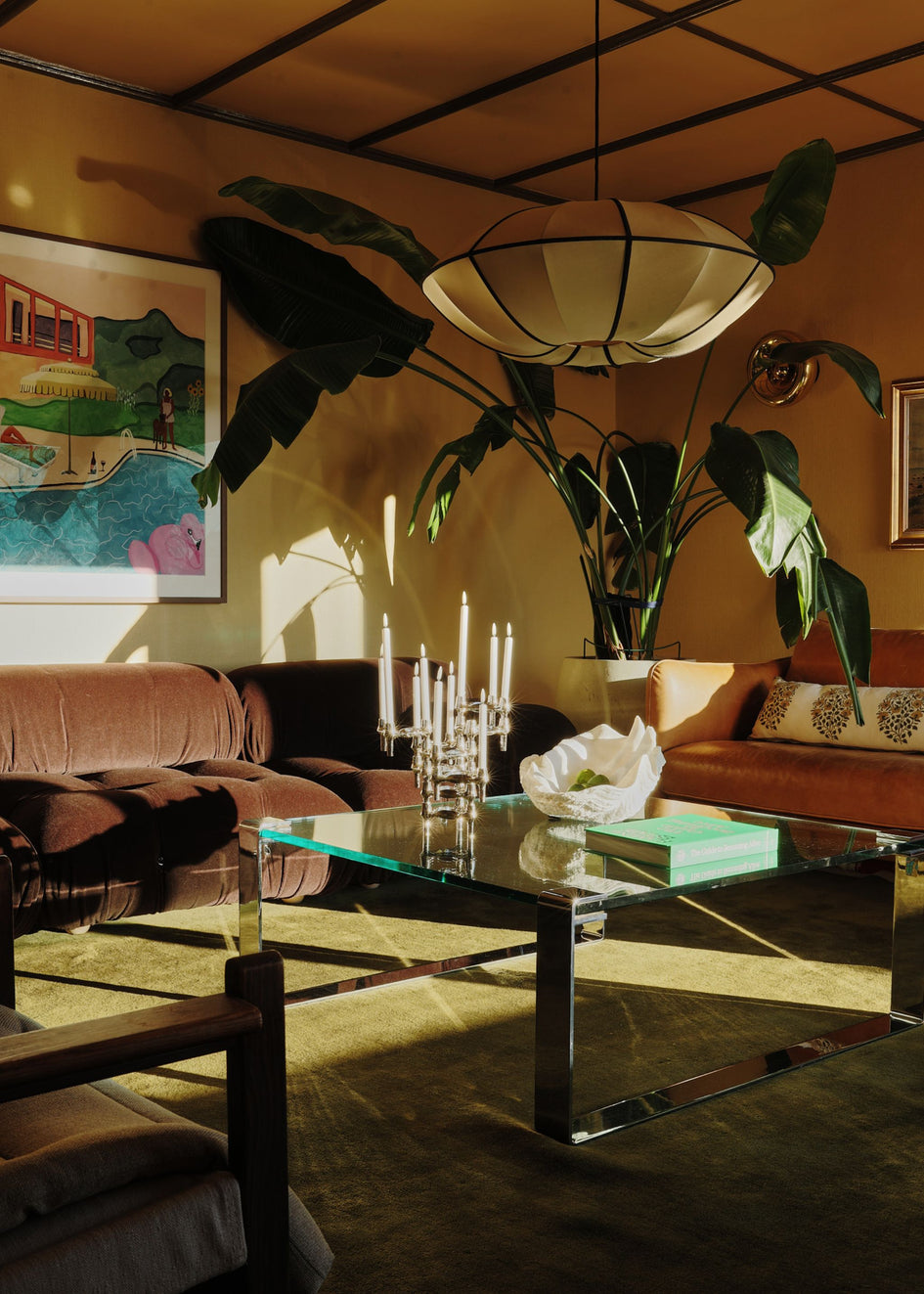
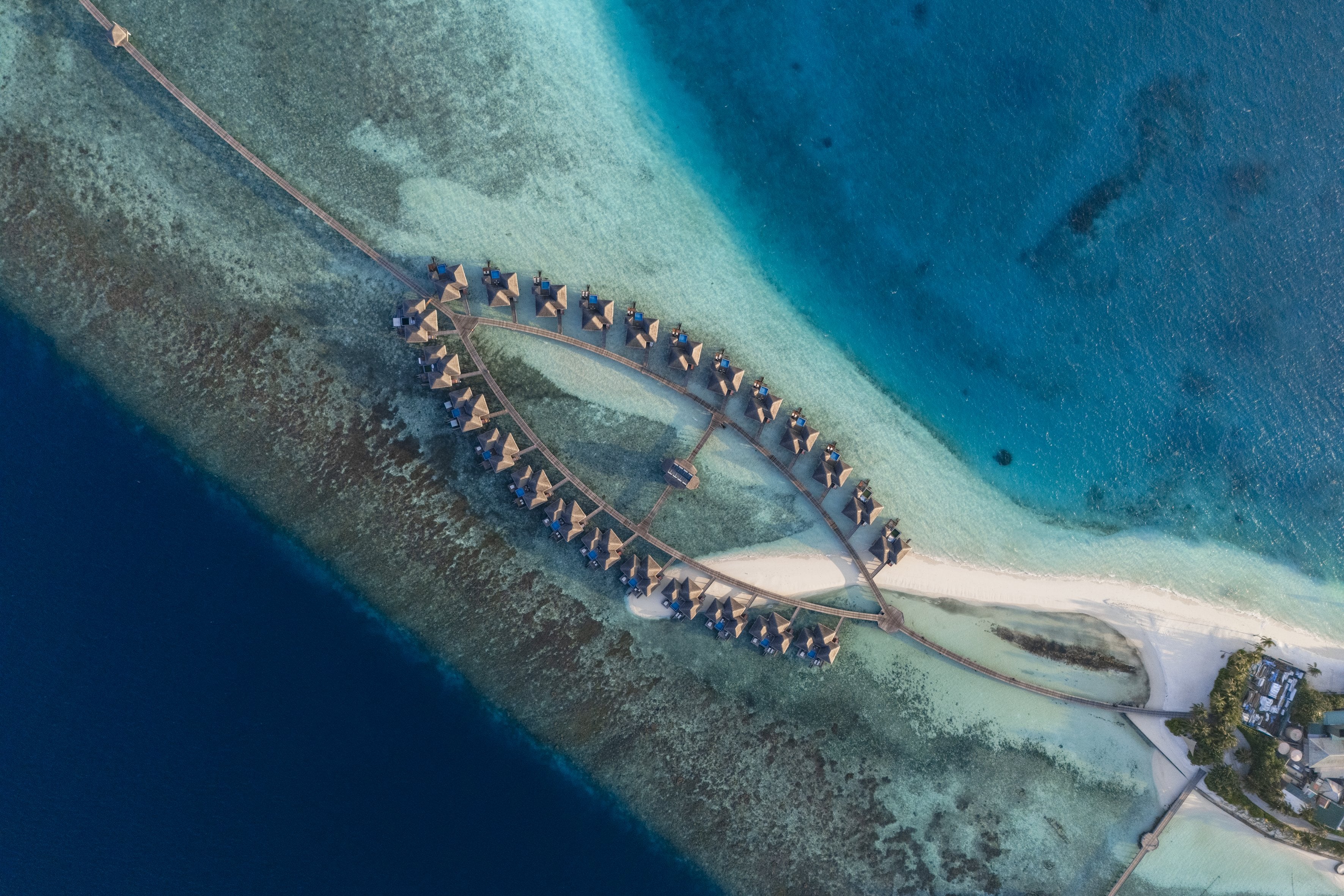
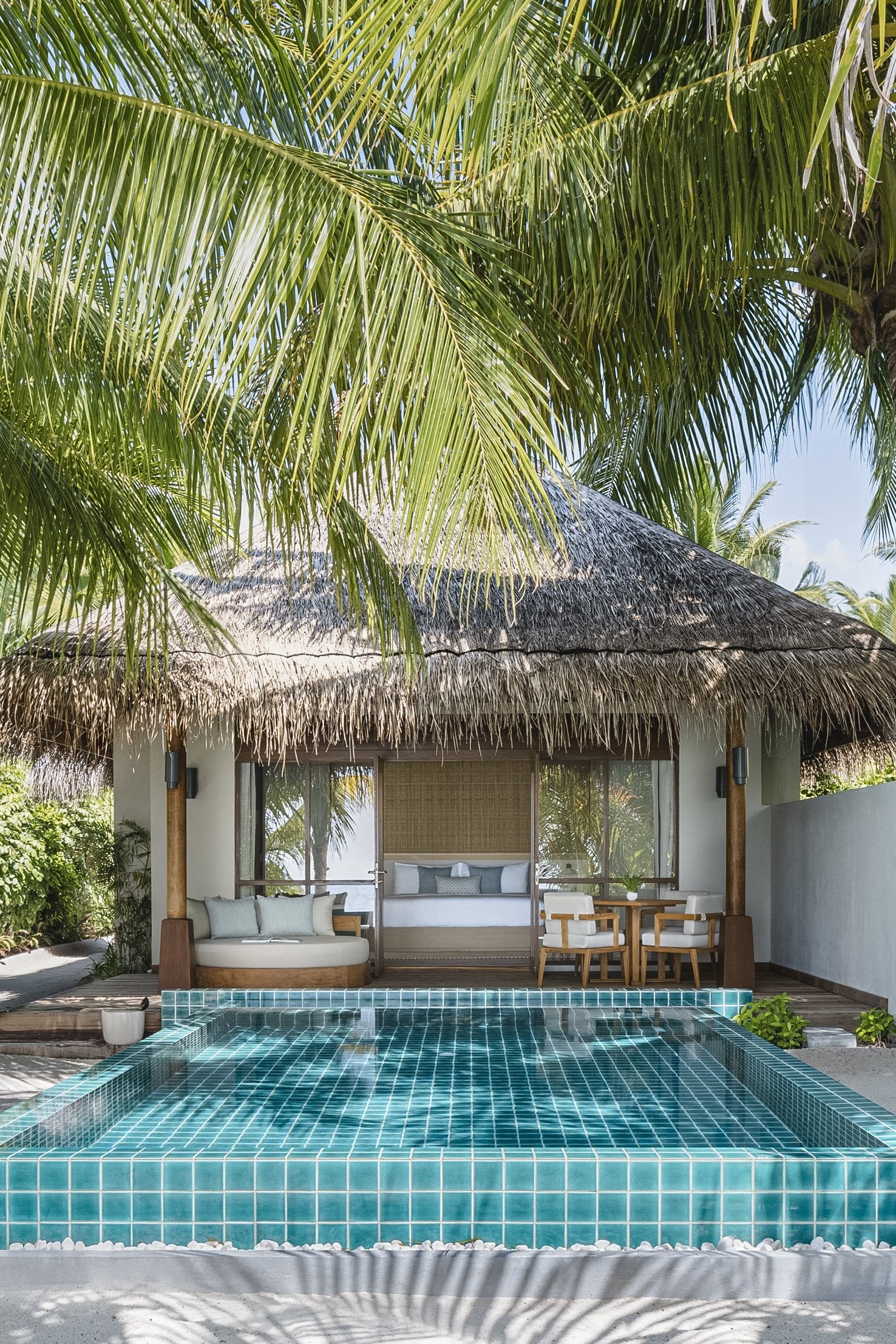
Huvafen Fushi Maldives, Photography by Ben Richards
Cultural Luxury and Global Vision: Clint Nagata on Building BLINK Design Group
EXPERTS
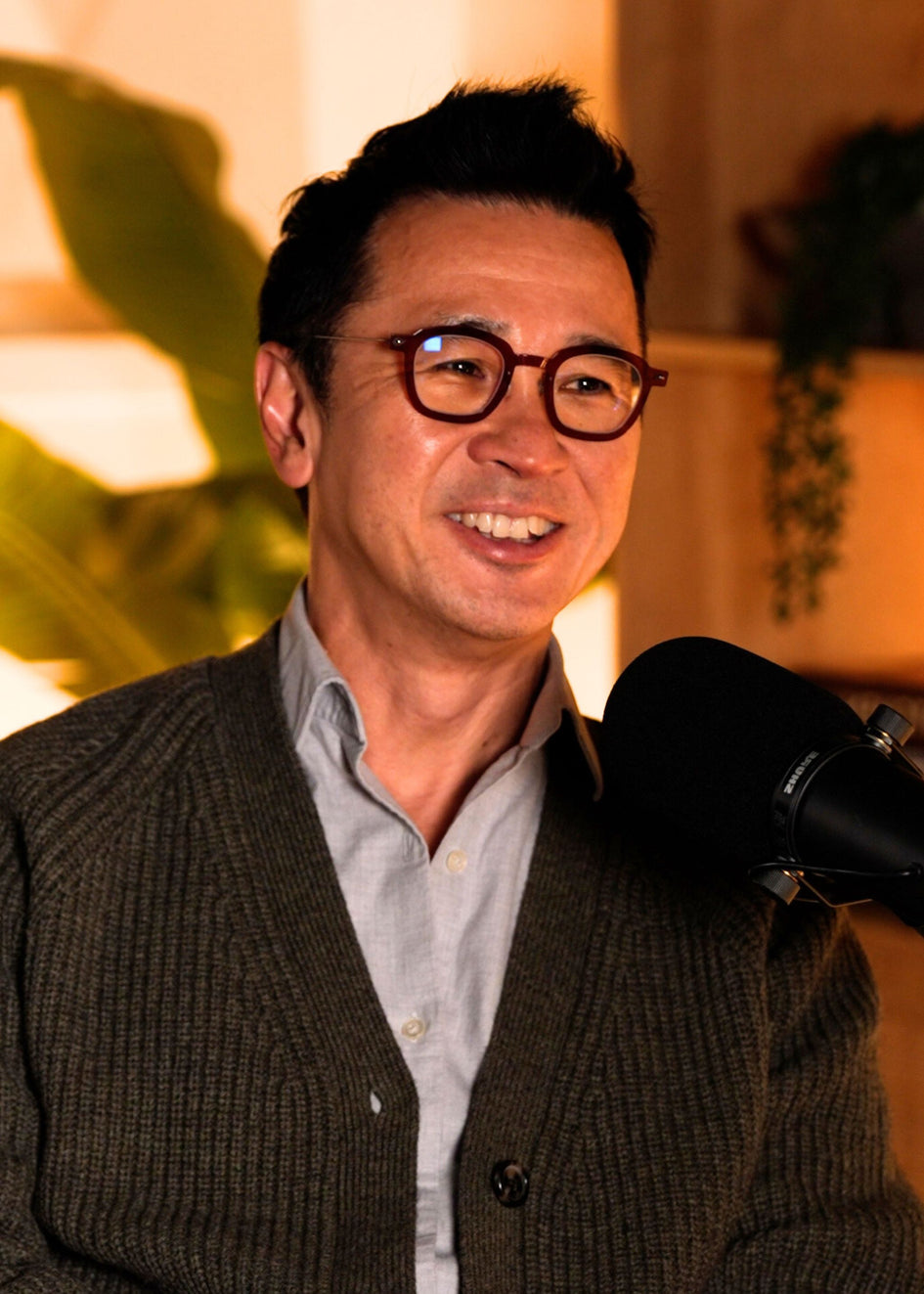
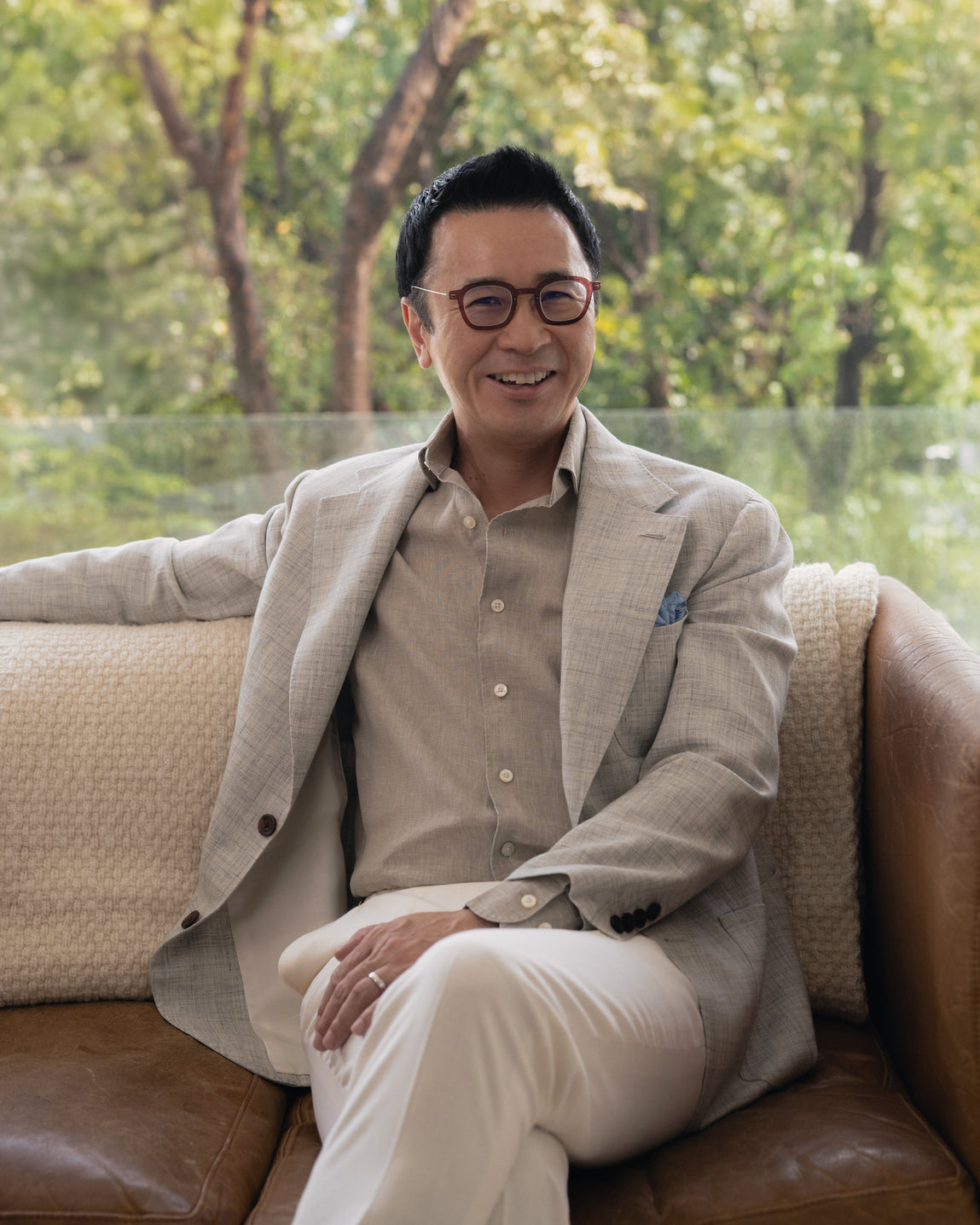
Few designers have shaped contemporary hospitality quite like Clint Nagata, Founder and Creative Partner of BLINK Design Group. Born in Hawaii and based in Bangkok, Nagata has spent more than two decades building a globally respected studio known for creating hotels and resorts that feel deeply connected to their location, culture, and guests, with projects for brands including One&Only, Six Senses, and Banyan Tree. In conversation with OLISE Founder Annie White, he reflects on the philosophy behind BLINK’s success, the idea of “cultural luxury,” and how humility, collaboration, and a global outlook have helped shape the studio into a 120-person practice spanning Asia, the Middle East, and Europe.
Q: When did you know design would be your life?
Quite an early age. I was bored waiting for my mom outside her office, so I drew. I would sketch and realized it was interesting. My guidance counsellor said I could be a graphic artist or an architect. Graphic artists are poorer than architects, so I’ll be an architect. And one thing led to another.
Q: You lead creative across architecture and interiors. Do you prefer one?
I like both almost equally. Architecture is more technical. Interiors, you deal with the most minute details.I like the ability to work macro to micro. But what fascinates me most is the journey, the creation of something, and valuable partnerships with clients. We call them partners.
Q: Do people misunderstand Blink’s “style”?
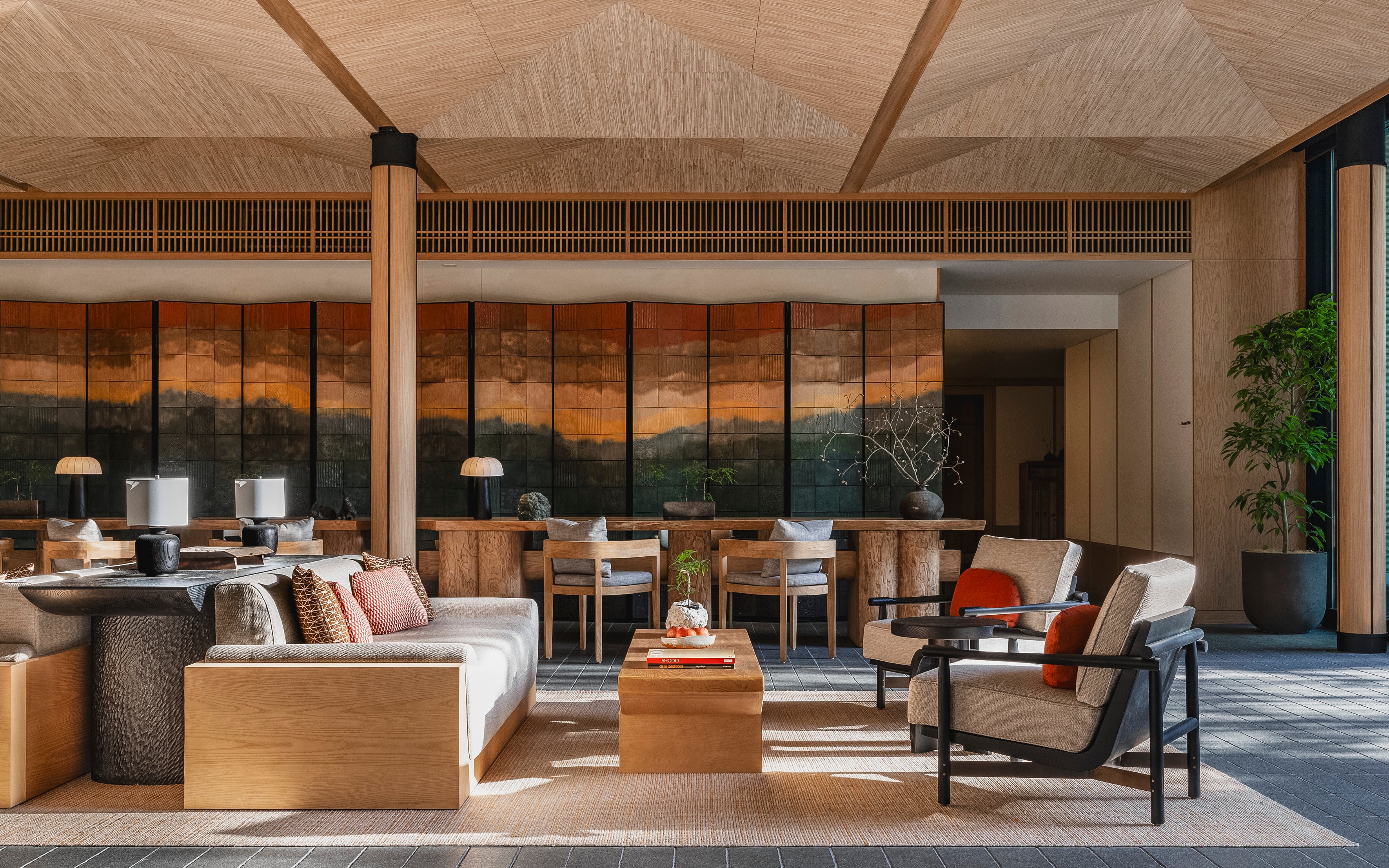
People assume the firm has a style, more minimalist, quiet luxury. But we’ve been evolving. Our designs need to respond to people and place. A lot of places we work now want color and patterns, so we’ve evolved. Everything still goes through a modern lens and it’s refined, with a lot of editing.
Q: How do you handle disagreements with clients?
We disagree all the time. It’s never about imposing an idea. It’s about understanding why they want this and not that, bridging the gap, and keeping the relationship. Design is a gray process, there’s no set formula. You go left and right, but eventually you get where you want to be
Q: How do you create emotion and storytelling in a space?
I try to imagine what it’s like as a guest. Most guests aren’t design trained. Whether the wall is white or green, they don’t care as long as it feels like a wonderful moment. It’s about setting the stage for the experience, creating memories, and getting them to return.
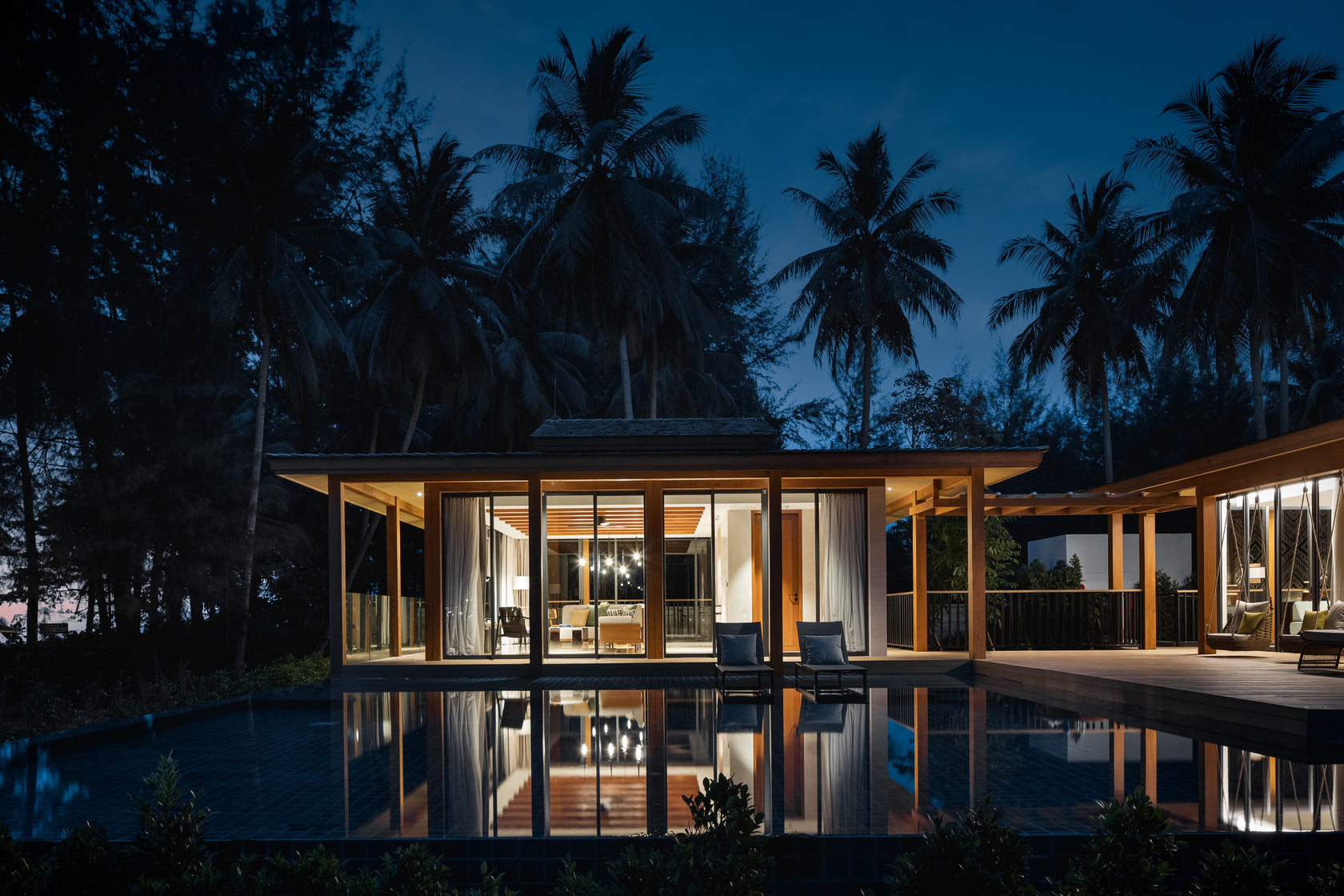
JW Marriott Khao Lak
Q: How do you balance listening to clients with pushing design forward?
We treat each project as a one-off. We start by listening. But after you listen, you have to push the client to create something different. If you just listen, you regurgitate. They’re not trained as designers, so it’s hard for them to articulate. You spend time understanding that although they said X, maybe it really means Y.
Q: What place has most shaped you?
Thailand. Bangkok. I was inspired by the creative nature of Thais and the culture and warmth. That’s where my heart resides.
Q: What do you mean by “creative nature”?
They’re artistic, good with their hands. Most of my staff can draw like the Dickens. If you give them guidance and help them see the world, they become incredibly creative.
Q: How do you interpret culture in places you’re not from?
We interpret through a different lens. We’re doing Six Senses in the Loire Valley. Most of the team have never been to France, but they imagine what France could be like. It’s not a copy, it’s an interpretation. The French client was amazed. Same with Kerala, clients like the way we reinterpret what makes a place special.

Q: How did you transition from creative to business leader?
At WTG, I worked under Don Goo. He was an amazing businessman. I read books and realized success isn’t just being a good architect, it’s understanding the business of design. I was a sponge and learned everything there.
Q: What did Don teach you?
He forced me to see the big picture and then focus on little details—zoom out, zoom in. He could envision years ahead and question why things are the way they are. It inspired me to branch out.
Q: Did you always want a big firm?
No. I imagined living in Bangkok with a firm of 10 or 12 people. I didn’t imagine the company would be this size.
Q: How did growth happen?
Organically. I’ve met people for a reason. Renji has been with us almost 10 years. He’s solid and fair and does all the unfun stuff so I do the fun stuff. We’re like big brothers.
Q: What role does culture play at Blink?
It’s an egoless firm. We stay humble. A win is a group thing and a loss is a group thing. We don’t like hierarchy. I hardly say “I,” it’s mostly “we.” It’s a group of like-minded individuals who love working together.
It’s an egoless firm. We stay humble. A win is a group thing and a loss is a group thing. We don’t like hierarchy. I hardly say “I,” it’s mostly “we.” It’s a group of like-minded individuals who love working together.
Q: How do you maintain that culture globally?
By being open and accessible. No private offices anywhere, five studios, all open. We run the business openly, nothing is hidden. It brings calm. Very transparent.
Q: What’s different about the next generation of designers?
They’re used to things changing quickly. Job changes aren’t seen as unstable now. So we adapted: bi-yearly reviews and fast-tracking early growth with validation, encouragement, tips, and promotions.
Q: How do you support different strengths?
We separate career paths: concept-driven and design manager-driven. Not everyone is a conceptual genius, but that doesn’t mean they don’t have value. If you show them the path, they’re normally okay.
Q: What does luxury mean to you today?
Personalization. Luxury isn’t singular. It means different things to different people and it’s about access.
JW Marriott Khao Lak
Q: And what is “cultural luxury”?
Understanding what makes a culture or place special and using those differences to create something unique. Cultural luxury adapts to the place it exists in, instead of being understated quiet luxury.
Q: Are clients braver now?
Very brave, and it can be daunting. Everyone wants to do better than yesterday. There’s pressure, but it’s a good challenge. And my favorite project is always the next one.
Q: Have you ever walked away from a project?
Yeah, last week. If the brand, architect, and owner don’t share the same vision, it’s a nightmare. The light came and we’re no longer on the project. It’s a good thing.
Q: How do you cope with the hard moments?
My best friend is Negroni. No, I can shrug off bad moments. I try to understand what went wrong and learn. I do take it to heart, but I move on quickly.
Q: What helps you move on fast?
Winning the next project, taking the next client on the journey. We’re thankful for losses because you learn and rethink. It’s about the next opportunity to do something amazing.
Q: How do you share learning across the company?
I don’t shout. I’m more like a whisperer. I plant a seed with a few people and it starts the ball in motion. Quiet encouragement.
Q: What frustrates you about the industry?
Designers view each other as competition. There’s a lack of camaraderie. It’s okay for all of us to succeed. For me there are no enemies, except the client that doesn’t pay the bill. We should support each other.
Q: How do you try to change that?
I reach out to people I admire and try to be friends. They usually reply positively. You go to their studio, their country, trade secrets, hang out, and have a good time.
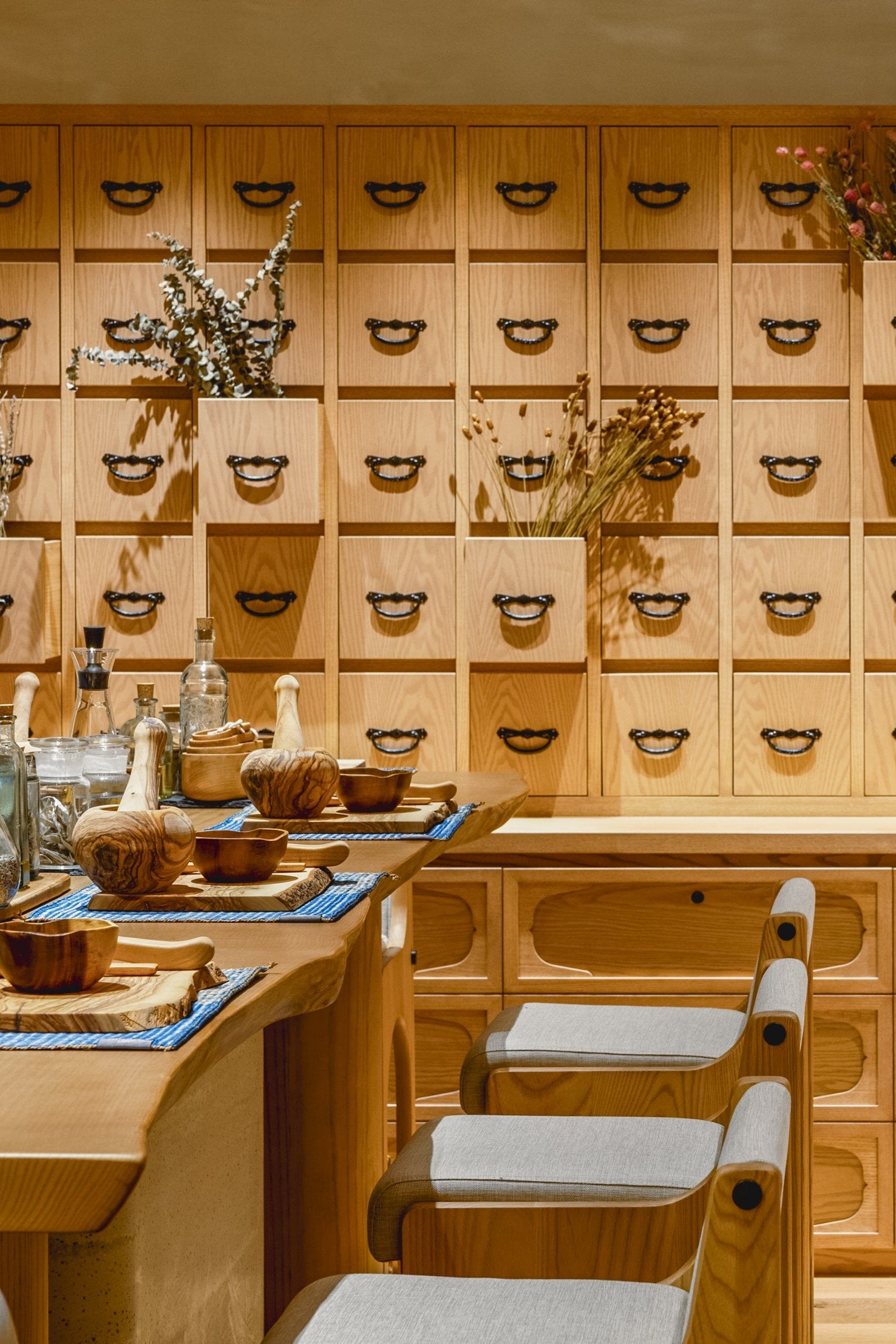
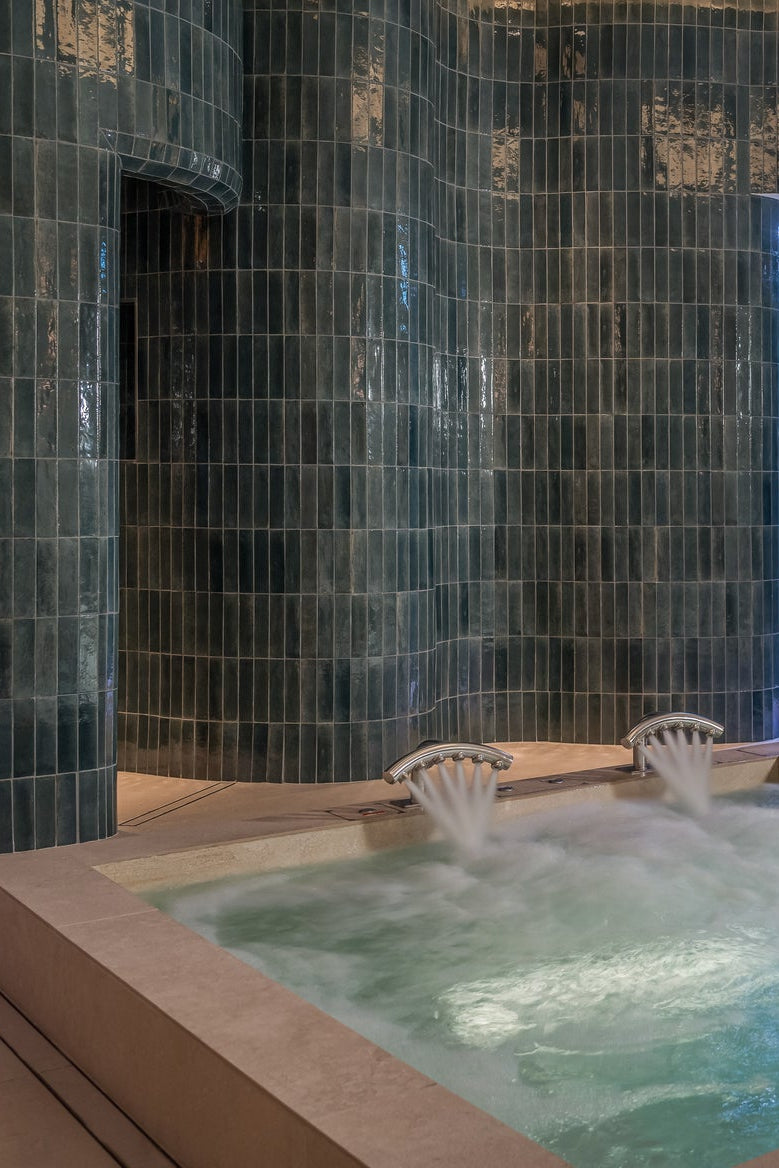
Banyan Tree Spa, Dubai


