

AEVEN Collective: Bringing the Industry Together
EXPERTS
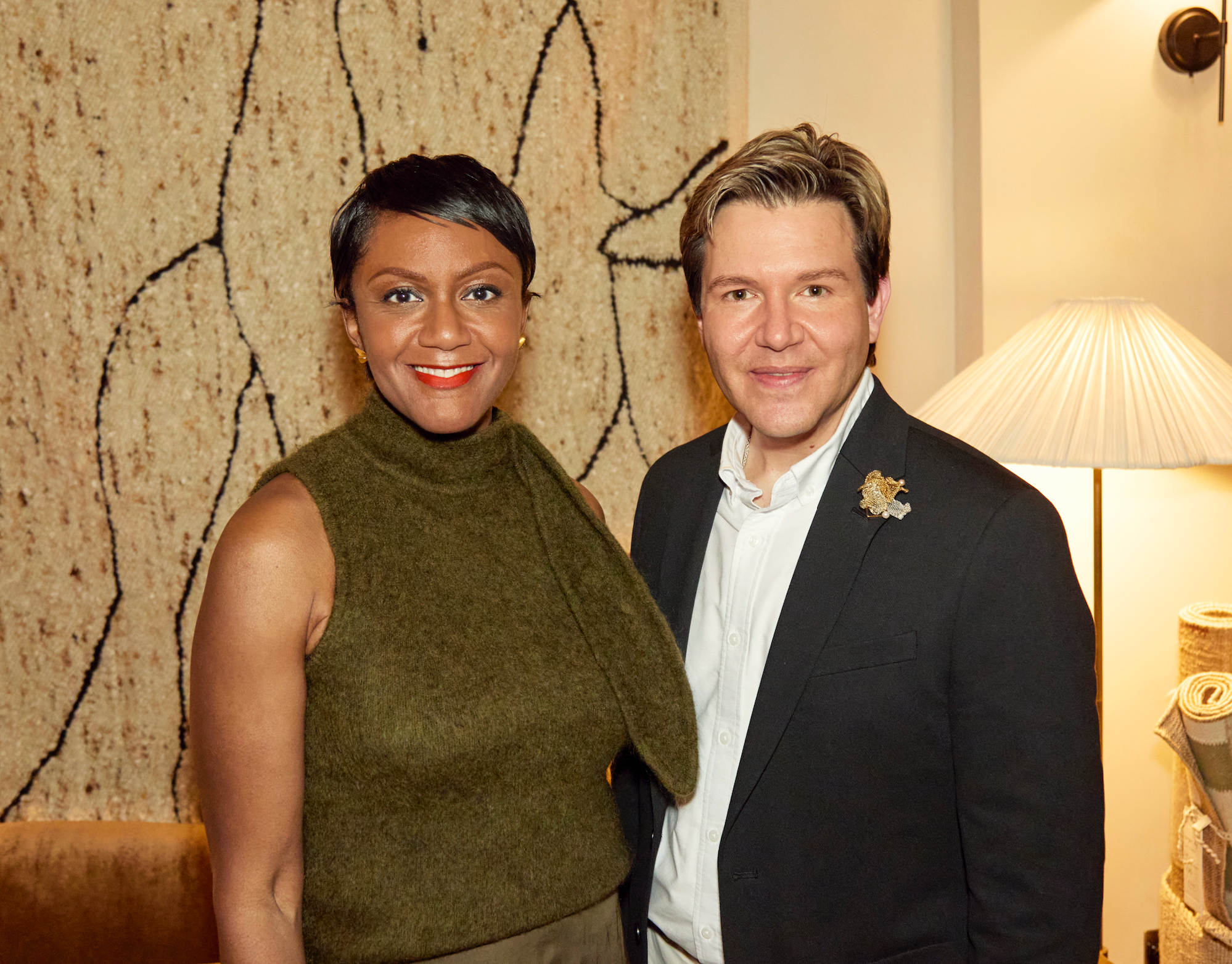
The launch of AEVEN Collective signals a shift in how the design industry connects and communicates. We speak with founders Alex Dauley and Grant Pierrus about building a platform for conversation, community and collective voice.
Q: The launch of Aeven Collective feels incredibly timely. Why now? What shifts in your own journeys made this the right moment to bring Aeven to life?
We spent about eighteen months having the same conversation with different people across the industry. Designers, brands, suppliers, press. The specifics varied but the underlying theme was consistent. The industry is changing. Client expectations are shifting. Technology, particularly AI, is starting to reshape how we work. And yet there was no single place where the different parts of the industry could come together and talk about any of it openly.
At some point, that conversation shifted from “this is interesting” to “this probably needs to exist.”
For Grant, it came from years of working across brand strategy and creative direction within the interiors sector, and from seeing how fragmented the conversations were between the people making the work and the brands commissioning it. For Alex, it came from her experience as a designer and through founding United in Design, where she saw first-hand how powerful it is when the industry organises around shared purpose rather than individual agendas.
The timing was not calculated. It was just honest. We had both reached a point where not building it felt like the harder thing to justify.
Q: At its core what is Aeven Collective, and how would you define its purpose to someone encountering it for the first time?
AEVEN is a curated professional community for the interior design industry. We bring together designers, architects, makers, specifiers and the brands that supply them, through events, thought leadership and a growing membership network.
It is not a trade fair. It is not a networking event. It is a platform for collective voice.
The design industry is full of talent, ambition and creativity, but those qualities often operate in parallel rather than together. AEVEN creates the spaces, physical and digital, where they meet. Where a lighting designer talks to an architect about something that is not a sales pitch. Where a brand hears directly from the people who specify their products. Where emerging talent sits in the same room as established studios, and the conversation is the same for both.
Membership is free. The events are curated. The content comes from the conversations that actually happen, not from a content calendar.
Q: Alex, it’s inspiring to see how your work extends far beyond design, particularly with your founding of United in Design. How has that experience shaped your perspective and influenced what you’re building with Aeven?
Founding United in Design fundamentally shifted how I think about the role we can play as individuals within an industry. What began as a response to a moment quickly became something much bigger, it showed me the power of organising people around a shared purpose. When you bring the industry together with clarity and intention, real change happens. Doors open, conversations evolve, and collective momentum builds in a way that simply isn’t possible when everyone is working in isolation.
That experience also taught me the difference between building a community and building a brand. A brand is something you shape and control, but a community is something you nurture and hold space for. With United in Design, the most meaningful progress came from listening, understanding what people needed, where the gaps were, and how we could create pathways that didn’t previously exist. It reinforced that when people feel seen, supported and connected, they naturally contribute, collaborate and help drive the industry forward.
That learning has directly informed how we’re building AEVEN. At its core, AEVEN is about creating a place for the entire design ecosystem to land, from emerging talent to established studios, from brands to suppliers, from media to makers. Inclusivity isn’t a bolt-on; it’s built into the structure. The membership model reflects that thinking, making entry accessible, encouraging diverse voices, and then creating meaningful opportunities for connection, visibility and collaboration as people move through the platform.
United in Design showed me that the industry is at its strongest when we build collectively. AEVEN is the next evolution of that thinking, not just supporting change, but actively shaping the future of how our industry connects, collaborates and grows.
Q: Grant, your work has always carried a strong sense of identity and narrative. How has your personal creative journey informed your approach to co-founding Aeven?
I have spent most of my career working across brand, strategy and creative direction, primarily within the luxury and design sectors. Running Pierrus Agency, I work closely with brands and designers on how they communicate, how they position themselves, and how they show up in the spaces that matter to them.
What that gives you, over time, is a very clear picture of how the industry actually operates. Not the polished version, but the real one. The conversations that happen behind closed doors. The frustrations that keep coming up. The gap between how the industry presents itself and how it actually functions day to day.
AEVEN came from that. From seeing, repeatedly, that the people doing the most interesting work in this industry often had no way of connecting with each other outside of trade shows or Instagram. And from a belief that if you put the right people in the same room with the right intention, something shifts.
My role in AEVEN is largely commercial and strategic. Partnerships, positioning, how we engage with brands. But the reason I co-founded it is personal. I care about this industry. I have spent years inside it. And I believe it deserves a platform that reflects how good it actually is.
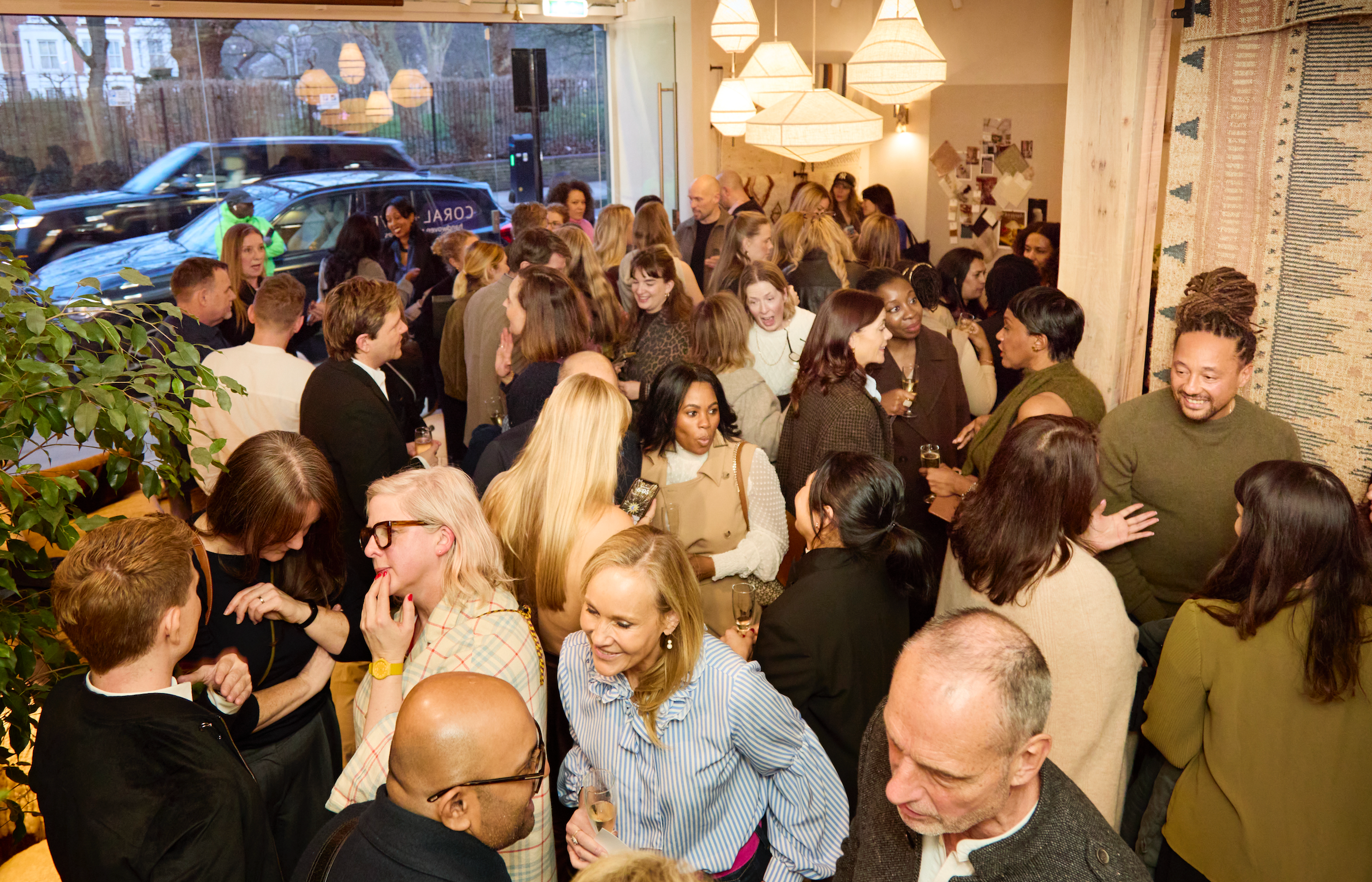
Q: Collaboration sits at the core of Aeven. How do your individual backgrounds, values, and ways of working come together to define the collective’s voice?
It works because we come at it from different directions.
Alex is a designer. She lives inside the creative practice. She understands what it feels like to run a studio, manage client relationships, deal with the pressures that come with being a working designer. Her instinct is always towards the people. Who is in the room, who is not, and why that matters.
Grant’s background is in brand and strategy. He thinks about positioning, partnerships, commercial models, how something is communicated and received. His instinct is towards structure. How do we build something that is sustainable, credible, and taken seriously by the brands and institutions we want to work with.
Between the two, the voice of AEVEN sits somewhere specific. Informed but not academic. Confident but not self-important. Commercial but never transactional. It reads like an insider conversation because that is what it is. We are both practitioners in this industry, not observers of it.
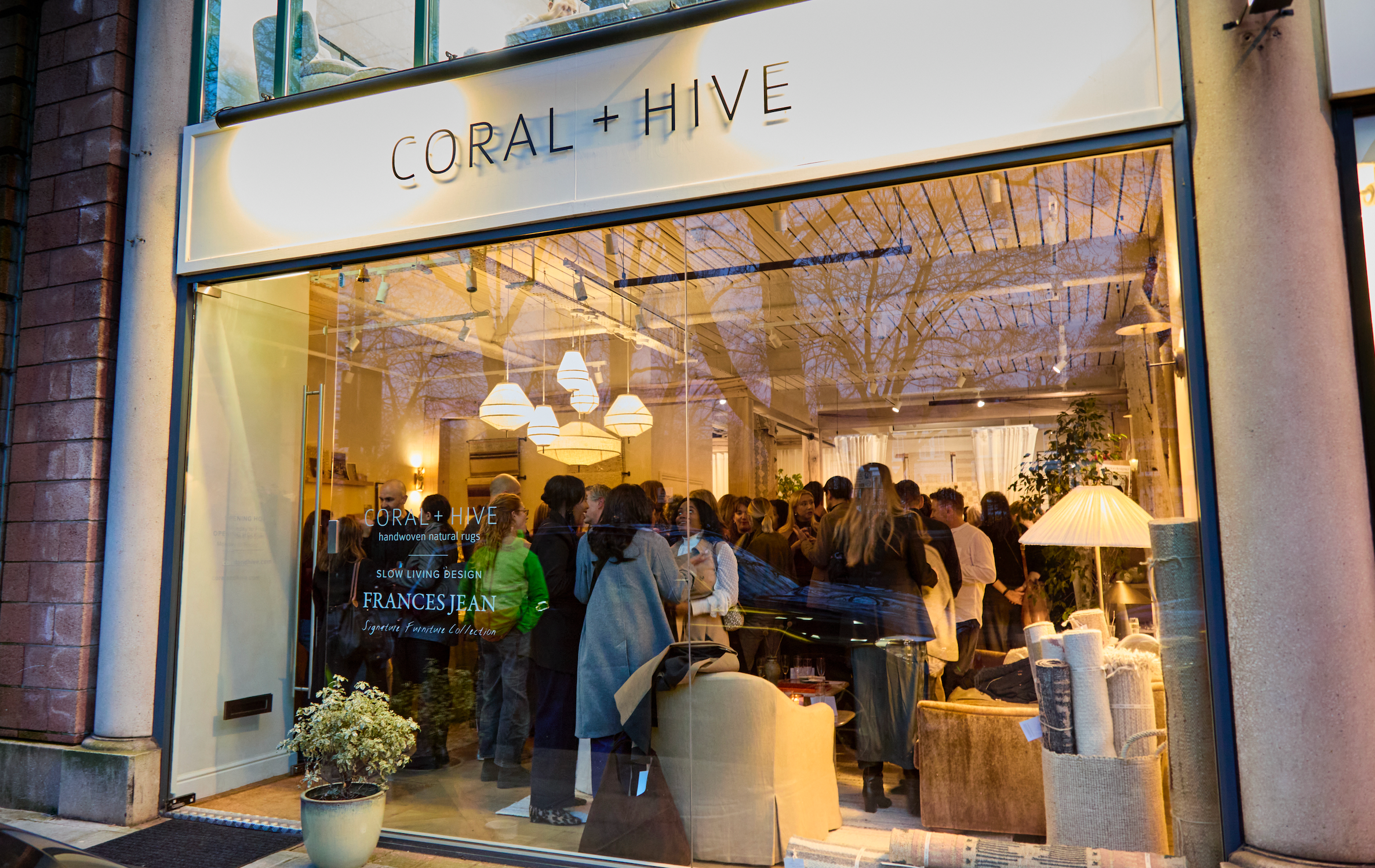
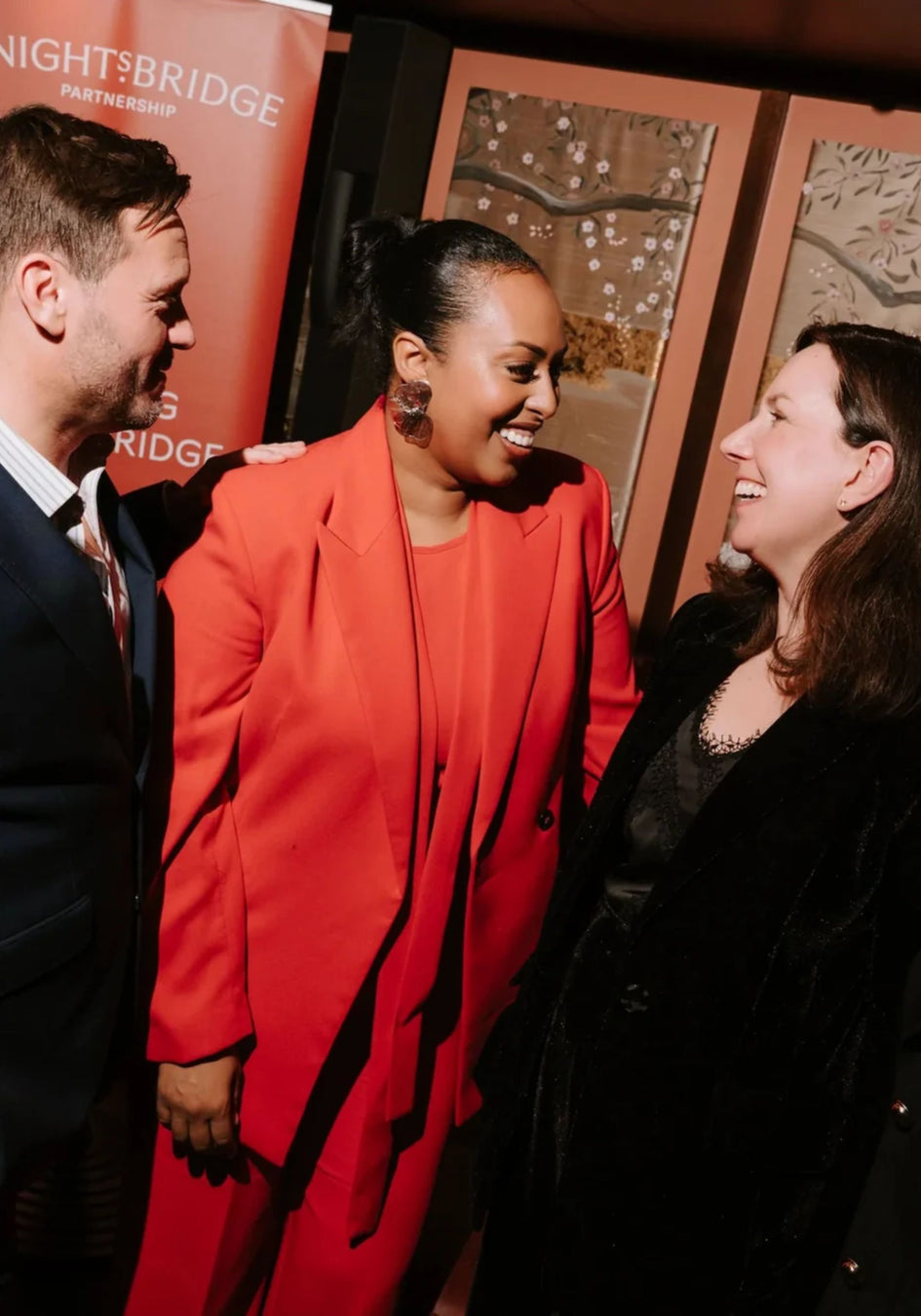
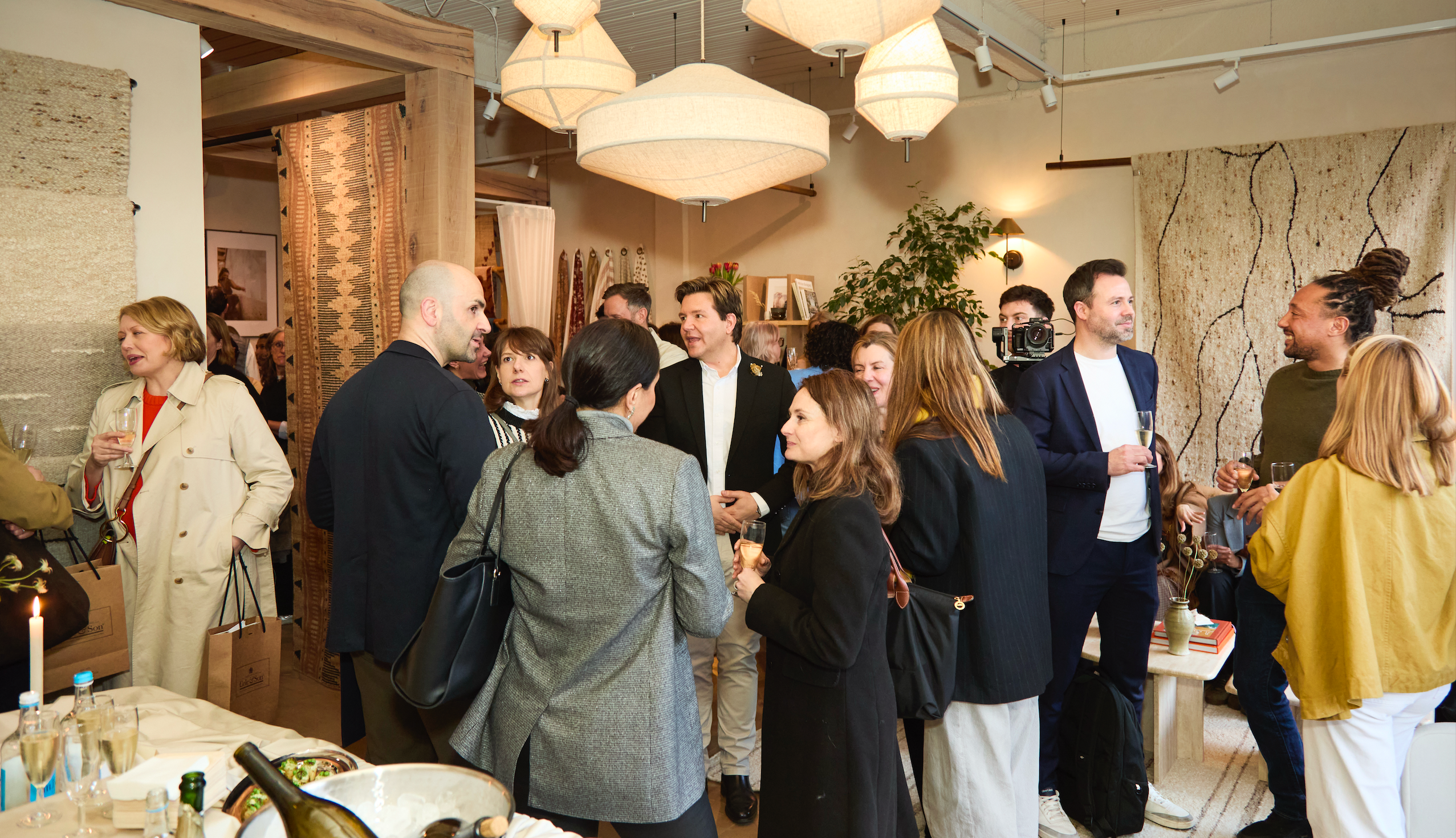
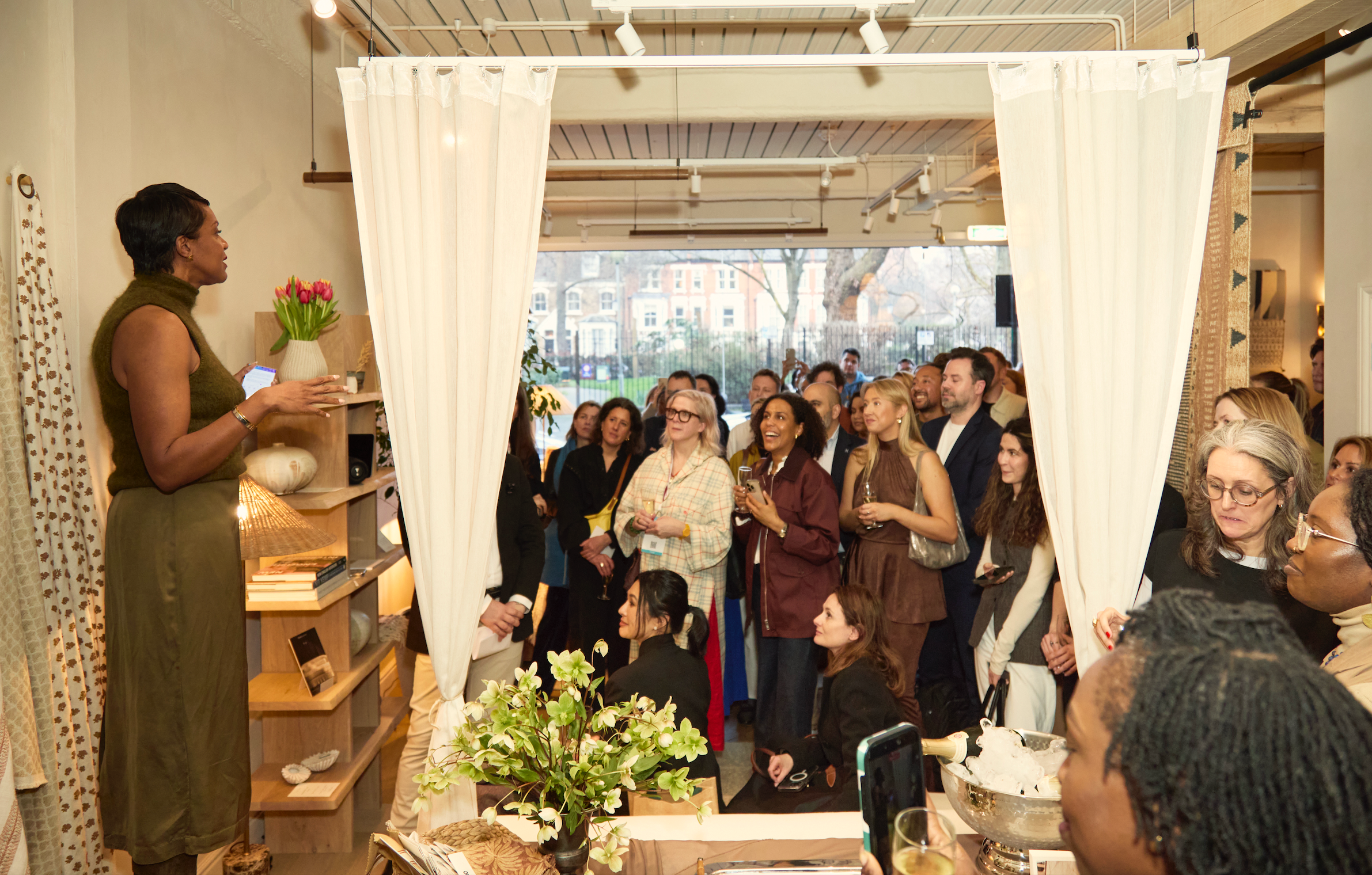
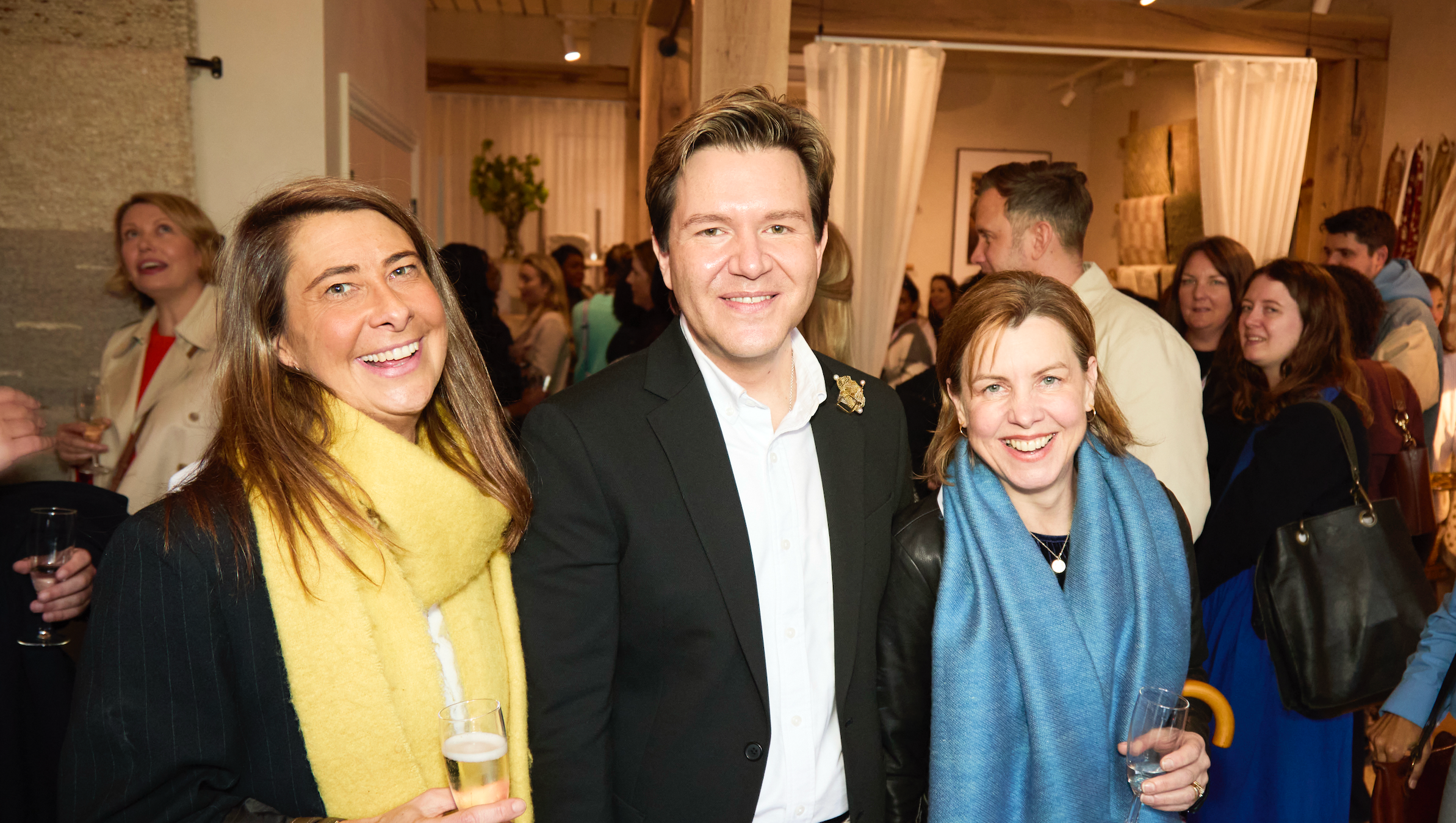
Q: The launch evening at Coral & Hive was packed and full of energy. How did it feel to witness that level of support and response in the room?
Honestly, it was clarifying more than anything else.
We had spent eighteen months building towards it. We knew there was appetite. The conversations had told us that. But you never really know until the room fills up. And it did. Beyond capacity. People were watching from outside.
What stood out was not just the turnout. It was the mix. Established designers standing next to emerging talent. Brands alongside press. Architects alongside makers. The conversations happening in that room were between people who would not normally be in the same space together, and they were not surface-level conversations.
One message we received afterwards described it as “very much required.” Another said it was the first time they had been in that kind of environment at all. Someone else called it “an honour to be in the room with the industry’s finest.”
You cannot manufacture that. That was the industry telling us something. And we listened.
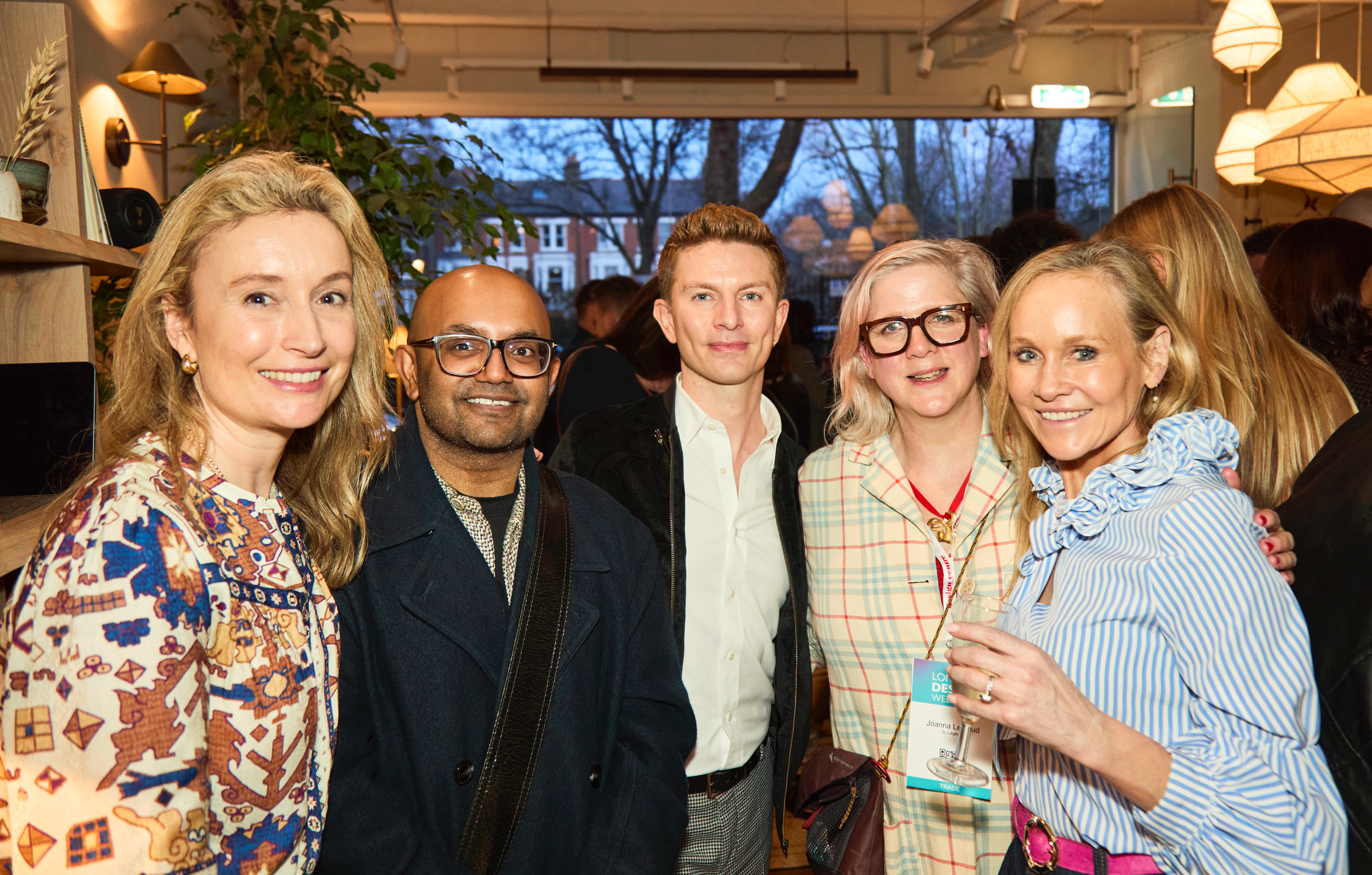
Q: For an initiative like Aeven to grow and create real impact, wider support is essential. How can the industry meaningfully support what you’re building, and what kind of engagement would you like to see?
The most valuable thing anyone can do is participate. Join as a member. Come to the events. Fill in the survey. Tell us what you actually need from a platform like this. Not what sounds good, but what would change how you work or connect.
For brands, the opportunity is to engage with the design community in a way that is not transactional. AEVEN is not a media buy. It is a seat at a table where the conversations are real and the audience is verified. The brands that show up now, at the beginning, are the ones that will shape how brand partnership works within this industry going forward.
For designers and architects, it is about showing up and being part of the conversation. Not as passive members of a mailing list, but as active voices shaping what AEVEN becomes. This platform is being built with the industry, not for it.
And for press and media, like OLISE, it is about amplifying what is happening. Not because we are asking for coverage, but because this is a story worth telling. The industry is organising itself. That is news.
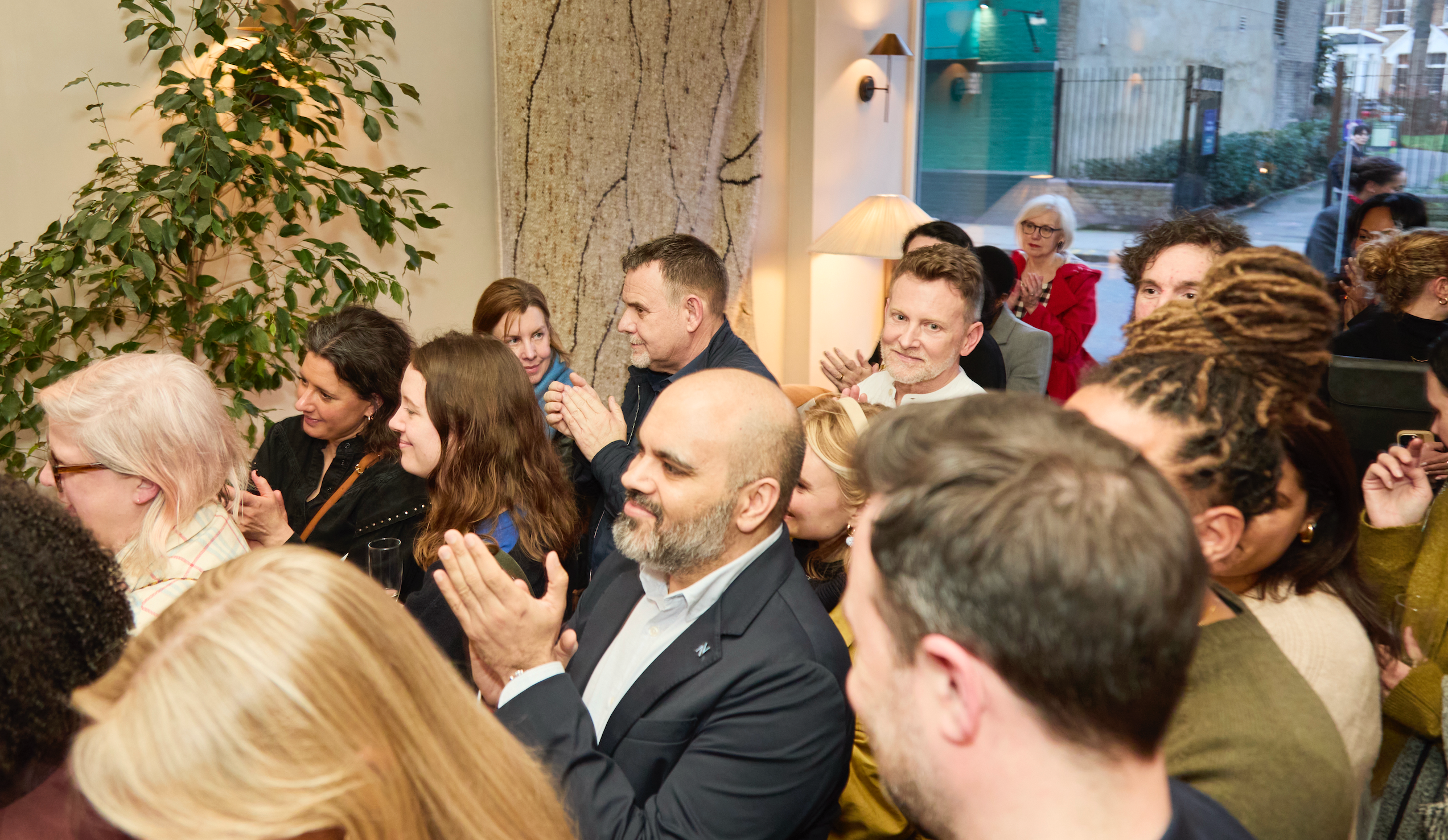
Q: Looking ahead, what does success look like for Aeven Collective, in terms of impact on people and the industry as a whole?
Success is when a designer in their second year of practice and a studio with thirty years of experience are in the same room, having the same conversation, and neither of them feels out of place.
Success is when a brand comes to us not because they want exposure, but because they want to understand what the design community actually needs from them.
Success is when the thought leadership we publish reflects what is actually happening in the industry, not what someone thinks sounds good on LinkedIn, and people recognise their own experience in it.
In practical terms, we want a thousand members by the end of Year One. We want a calendar of events that people plan around, not just attend. We want the survey data to start shaping real decisions. How designers charge. How brands engage. How emerging talent is supported.
But the real measure is simpler than that. If the people who are part of AEVEN feel like they belong to something that makes their working life better, clearer, or more connected, then it is working.


